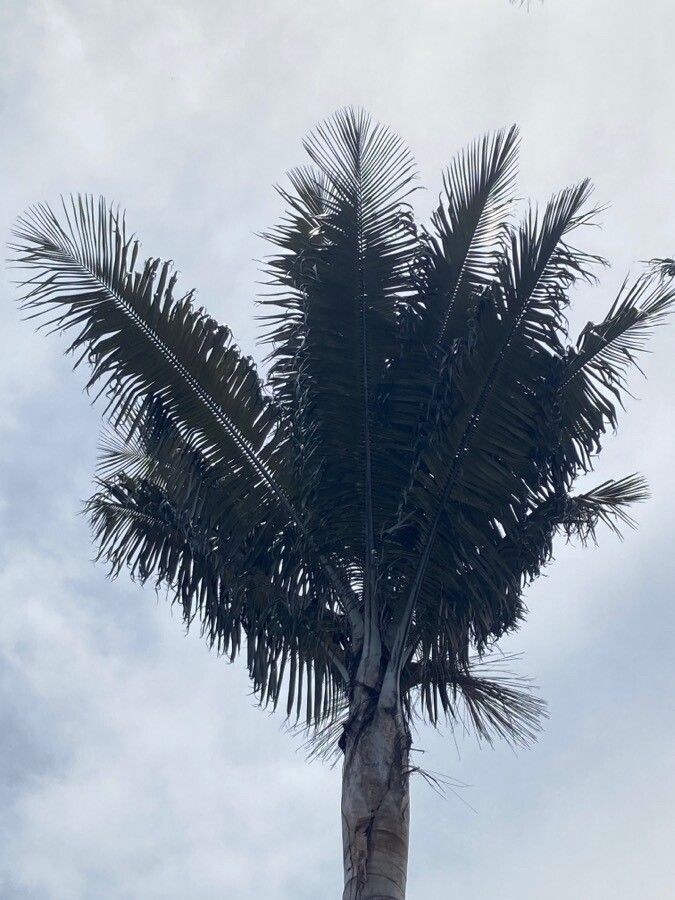
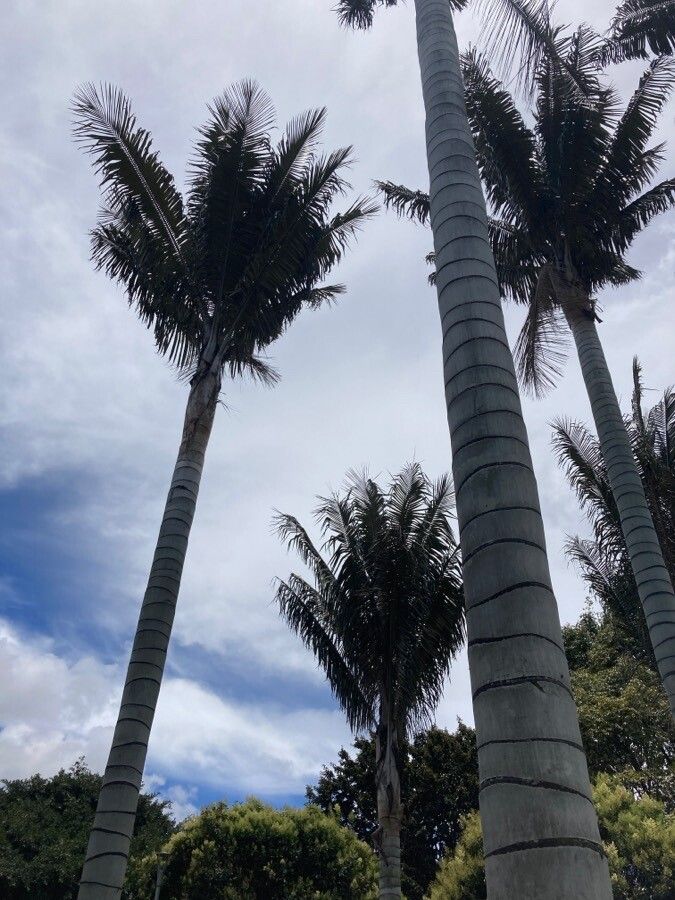
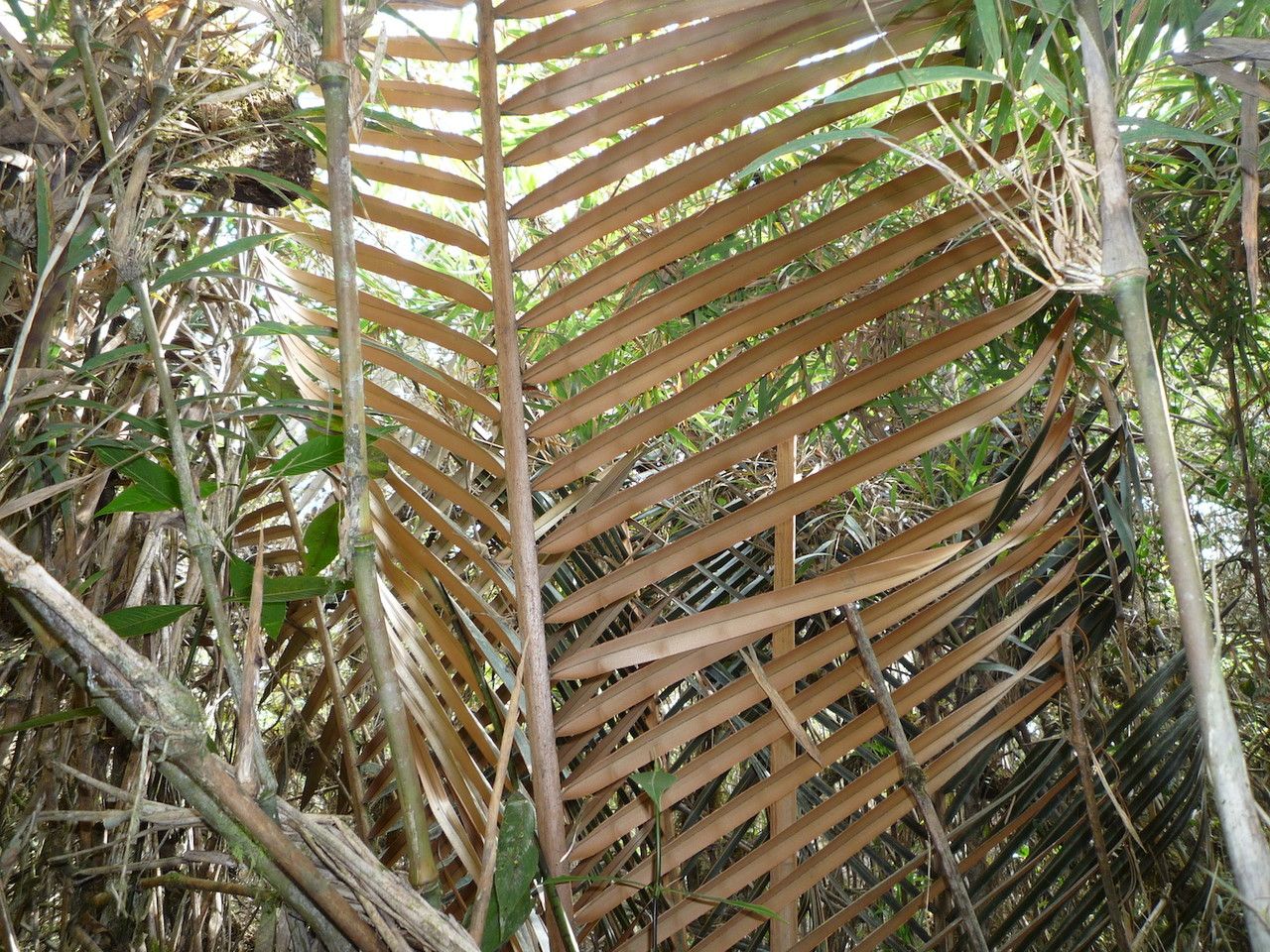
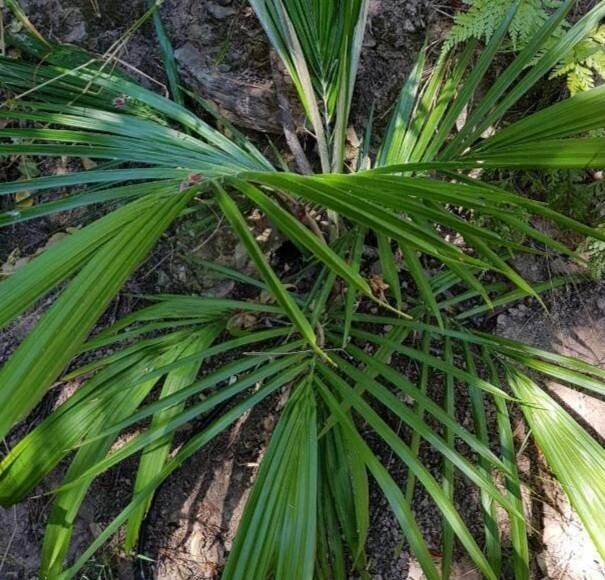
Ceroxylon quindiuense, often called Quindío wax palm, is a palm native to the humid montane forests of the Andes in Colombia and northern Peru.
The Andean wax palm has strong resistance to disease and is typically not susceptible to illnesses. Regarding care, this species is relatively low-maintenance. When grown outdoors it needs only minimal watering, and larger specimens generally do not require pruning. Smaller plants, however, should be pruned after they have finished blooming. The Andean wax palm is suitable for anyone with an outdoor area, such as a garden or a deck, and does not demand extensive plant-care experience.
How to keep Ceroxylon Quindiuense.
Light
Native to sun-rich environments, the Andean wax palm needs abundant sunlight to achieve optimal growth. When light is insufficient, the plant's development and vigor can be negatively affected. While it flourishes with a plentiful amount of sun, the Andean wax palm is also able to tolerate situations with slightly less light.
Water
The Andean wax palm, native to misty highlands, thrives in environments with consistent moisture, cooler temperatures, and moderate humidity. Because of its efficient water retention, it only needs to be watered every 2-3 weeks. This palm is sensitive to temperature fluctuations, so its health can be affected by changing conditions. Therefore, it is best suited for stable outdoor environments.
Temperature
The Andean wax palm is native to areas with temperatures from 59 to 100 °F (15 to 38 °C). It flourishes within that temperature range, and adjustments may be required to cultivate it in other climates.
Fertilizer
Fertilize your Andean wax palm in early spring to encourage healthy growth. Regular fertilization boosts overall health, leading to vigorous growth, increased resilience to challenging conditions, and better resistance to pests and diseases. Keep to a specific fertilization schedule for your Andean wax palm to maintain lush foliage with deep color and a vibrant appearance.
Pruning
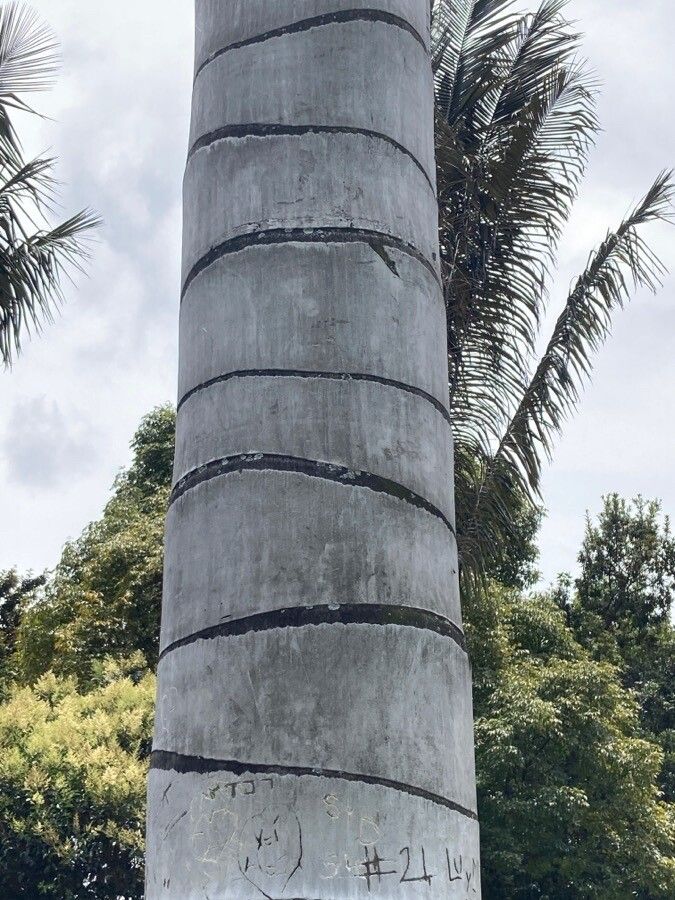
The Andean wax palm, a tall species native to the Andes, is known for its distinctive waxy trunk. For optimal care, prune it in early spring to remove any dead fronds, being careful to avoid over-pruning, which can stress the plant. By keeping pruning to a minimum, you'll improve sunlight exposure and air circulation, enhance the palm's appearance, and help prevent fungal infections.
Botanical profile.
- Plant Type
- Tree
- Life Cycle
- Perennial
- Genus
- Ceroxylon
- Family
- Arecaceae
- Hardiness Zone
- 8-11
- Mature Height
- 45.11 m to 60.05 m
- Mature Spread
- 3.96 m
- Leaf Color
- Green, Blue
- Leaf Type
- Evergreen
- Flower Size
- 0.51 cm to 0.76 cm
- Bloom Time
- All year round
- Planting Time
- Spring, Summer
- Harvest Time
- All year round
- Native Area
- Colombia
Reader questions.
What are the sunlight requirements for an Andean wax palm?
The Andean wax palm, known botanically as Ceroxylon quindiuense, thrives in environments rich in sunlight, originating from sun-abundant habitats. It requires full sun, which means above 6 hours of direct sunlight daily, for optimal growth and vitality. However, it can also tolerate partial sun conditions, receiving about 3-6 hours of sunlight a day. It’s essential to observe the movement of sunlight in your garden to choose the best locations that provide an ideal balance of light and shade, ensuring the plant's health and happiness.
What is the optimal temperature range for Andean wax palm growth?
The Andean wax palm, known botanically as Ceroxylon quindiuense, thrives in temperatures ranging from 59° to 100°F (15° to 38°C). This range is crucial for its growth, and while it does have some cold tolerance, adjustments may be required if it is being grown in climates that do not fall within these temperature brackets.
How does insufficient sunlight affect the Andean wax palm, and what are the symptoms?
Andean wax palm shows several symptoms when it doesn't receive enough sunlight, indicating light deficiency and potential heat sensitivity. Some of these symptoms include smaller new leaves compared to previous ones, leggy or sparse growth, faster leaf drop, slower or ceased new growth, and lighter-colored or yellowing leaves indicating a lack of chlorophyll. Chlorosis and sunscald are other critical symptoms, with chlorosis manifesting as a loss of leaf greenness and sunscald as damage from intense light. Furthermore, leaf curling, wilting, and leaf scorching can occur due to overexposure to sunlight or insufficient light. These symptoms demonstrate the delicate balance needed for the plant's exposure to natural light.
How can Andean wax palm be protected during cold temperatures?
Andean wax palm can generally withstand temperatures above -5°C without needing additional protection. However, if temperatures are expected to drop below -5°C, temporary measures should be taken to ensure the plant’s survival. Wrapping the palm with plastic film, fabric, or other insulating materials is recommended, and these protective wrappings should be removed once temperatures rise to prevent any potential damage.
Can artificial lighting be used for Andean wax palm, and how?
Yes, artificial lighting can serve as a vital source for Andean wax palm growth, especially when natural sunlight is insufficient, like during winter or in less sunny spaces. Indoor plants significantly benefit from proper artificial lighting, which promotes faster and healthier growth. Opting for LED lights is advisable because they can provide specific light wavelengths needed by the plant. The intensity of light for indoor plants should vary according to their sunlight needs: full sun plants require 30-50W/sq ft, partial sun plants need 20-30W/sq ft, and full shade plants should get 10-20W/sq ft. Position the light source 12-36 inches above the plant to mimic natural sunlight, ensuring the plant receives around 8-12 hours of light per day for optimal growth.
What are the symptoms and solutions for Andean wax palm experiencing low temperatures?
For the Andean wax palm, moderate tolerance to low temperatures is noted, with optimal growth above 15°C. Winter temperatures should not fall below -5°C to prevent damage. Drooping leaves may occur when temperatures dip below -10°C, leading to wilting and leaf loss in severe cases. To mitigate frost damage, trim frost-damaged parts and wrap the plant with non-woven fabric or similar insulating materials, also considering a wind barrier for added protection against cold winds.
What are some solutions for Andean wax palm experiencing insufficient sunlight?
To counter insufficient sunlight for Andean wax palm, gradually relocating plants to sunnier spots each week until they receive at least 6 hours of direct sunlight daily can be beneficial. Utilizing a south-facing window and keeping curtains open during the day maximizes sunlight exposure. If the plant is large or not easily movable, considering artificial light, such as keeping a desk or ceiling lamp on for at least 8 hours daily or investing in professional grow lights, can provide ample light. Outdoors, it’s crucial to move plants to the best sunlight spots gradually to prevent sunburn, trimming any environmental obstructions like branches to increase sunlight penetration. Transplanting smaller plants during their dormant period to sunnier locations with good drainage can also help improve light exposure.
How should Andean wax palm be cared for during high temperatures?
During summer, it's important to ensure that Andean wax palm remains below 38°C as exposure to temperatures above 43°C can cause discoloration, dryness, curling of leaves, and increased susceptibility to sunburn. Care includes trimming sunburned or dry parts, relocating the plant to a shaded area or utilizing shade cloth during peak sun hours, and maintaining soil moisture with morning and evening watering.