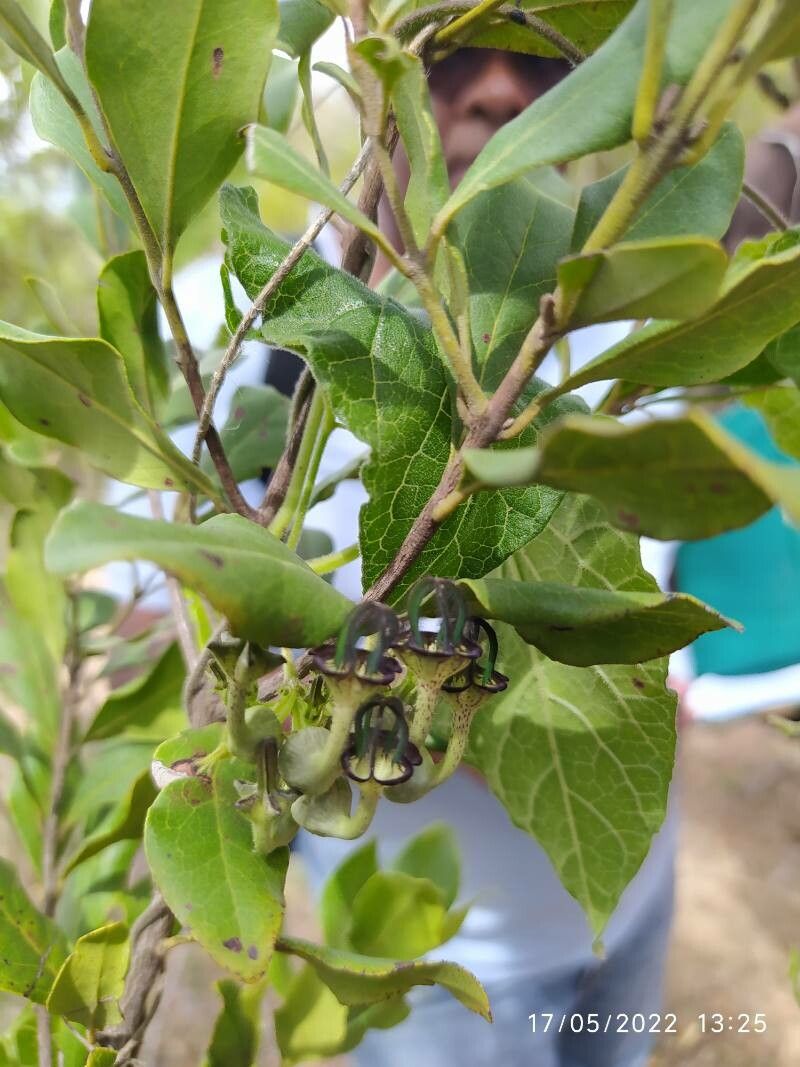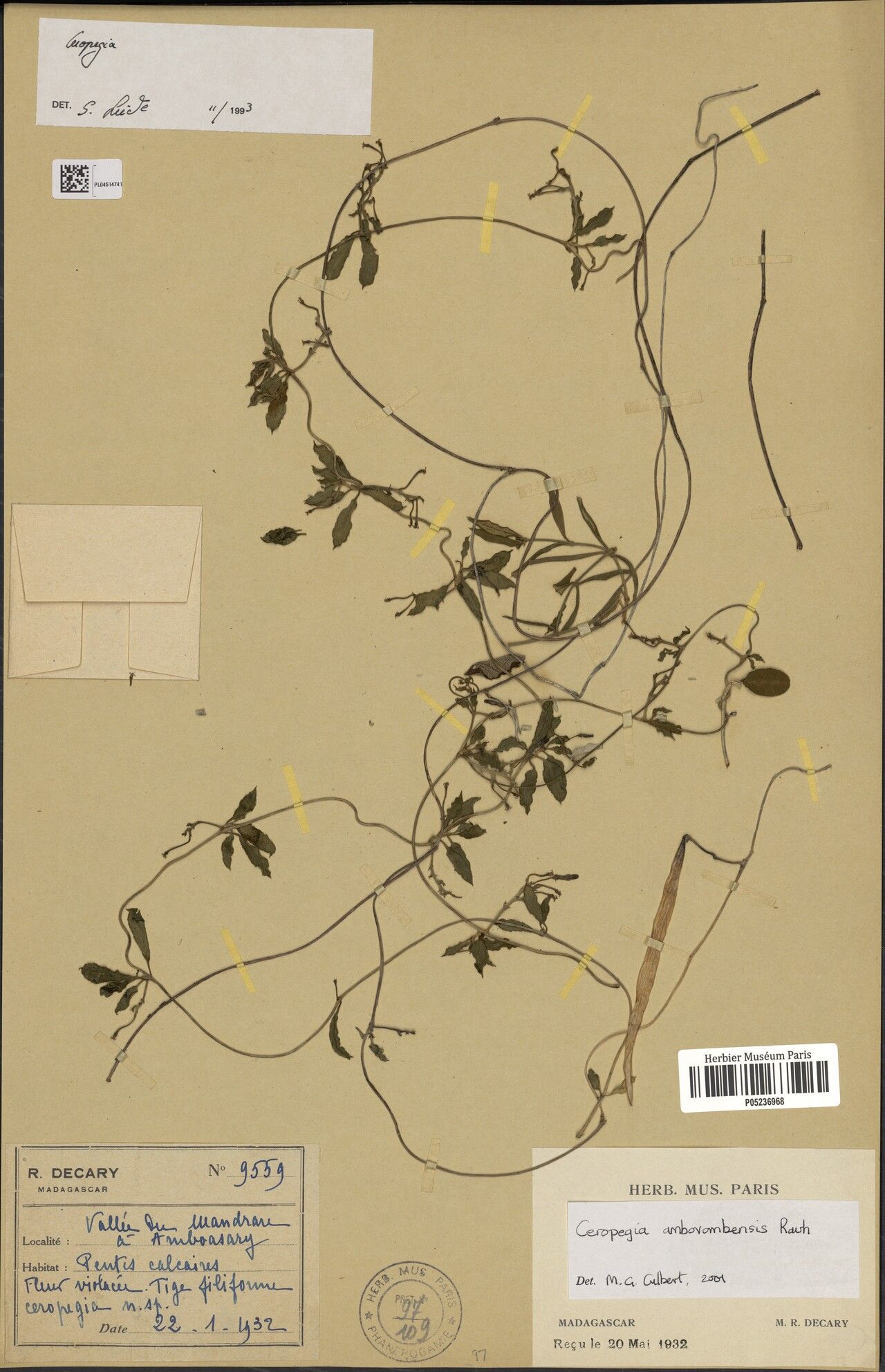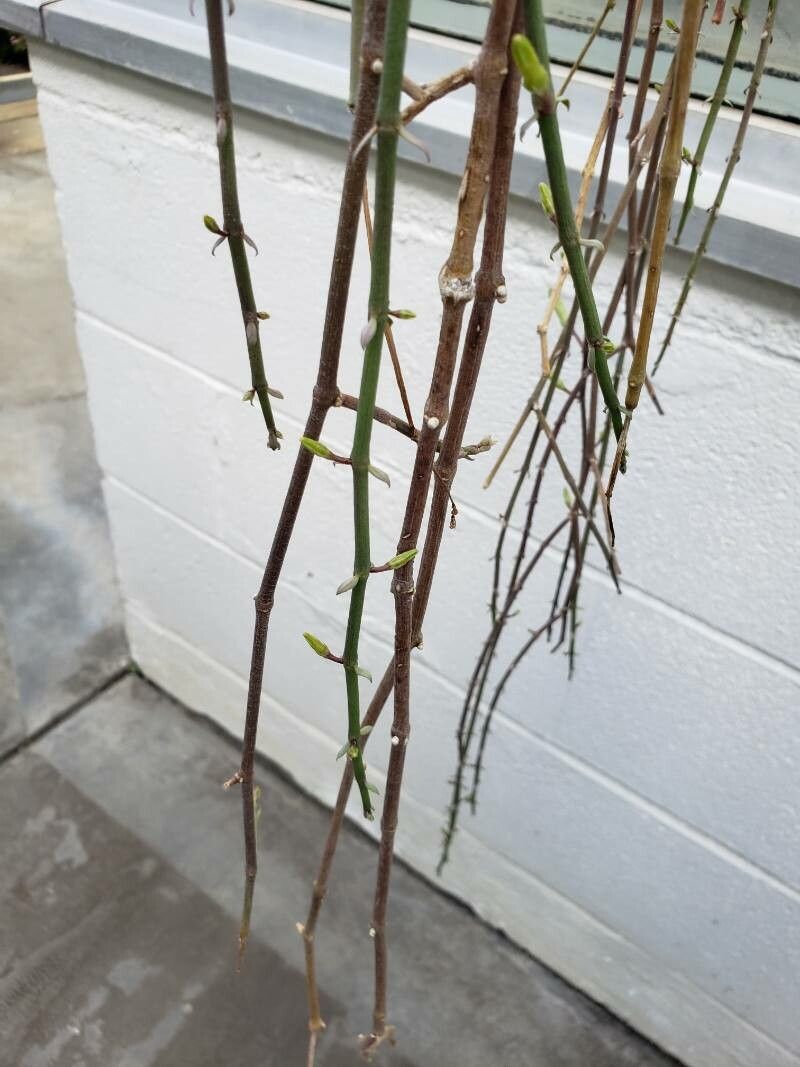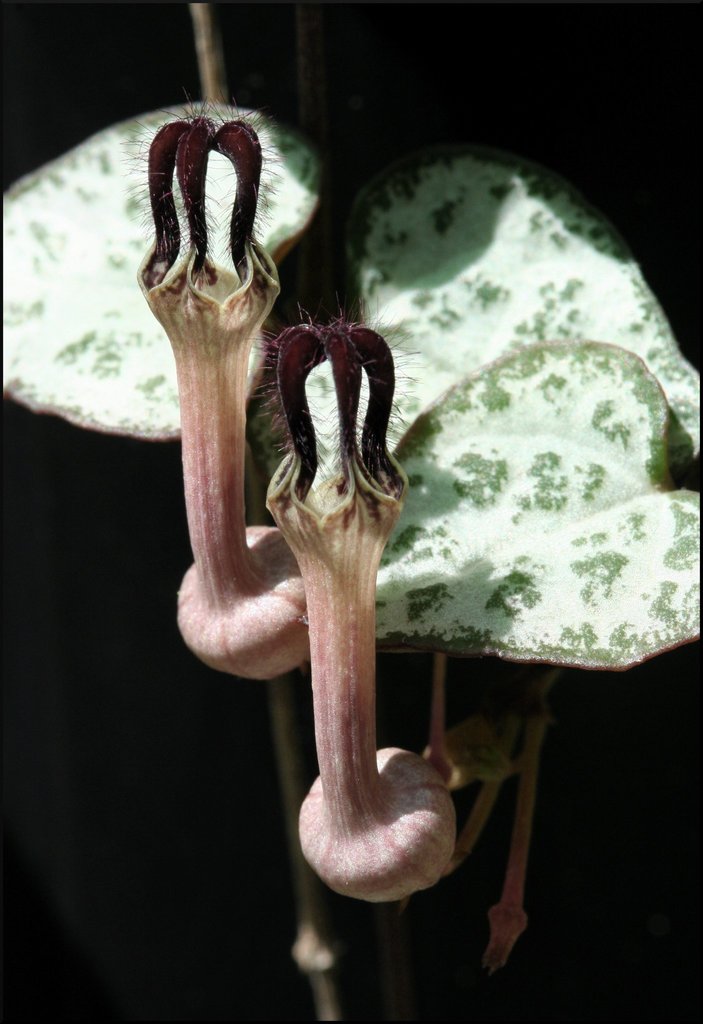
Ceropegia woodii, commonly known as String of Hearts or Rosary Vine, is a trailing plant native to South Africa. Belonging to the family Apocynaceae, it’s a popular houseplant due to its delicate appearance and easy care. The plant features slender stems that can grow up to 2–3 feet long, adorned with small, heart-shaped leaves that are green on top and purple underneath. These leaves are spaced out along the stem in pairs or threes, giving the plant a unique look.
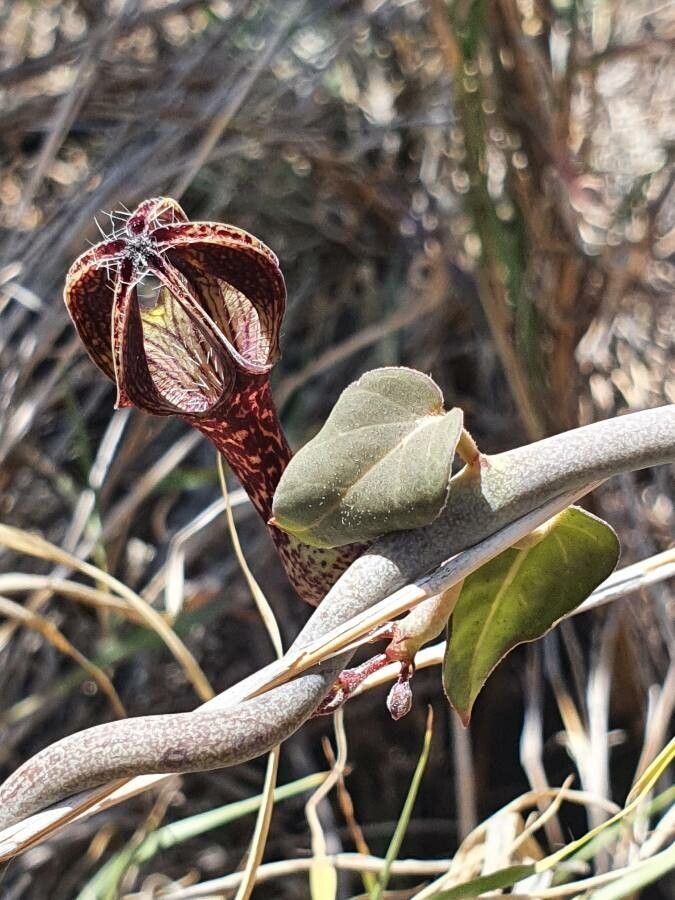
The String of Hearts produces small, tubular flowers that are pinkish-purple with yellow centers. These flowers bloom in clusters at the end of long stems during the summer and fall.
Ceropegia woodii prefers bright, indirect light but can also tolerate low-light conditions, making it an ideal indoor plant for any room in your home or office. It requires well-draining soil and should be watered only when the soil is dry to the touch, as overwatering can lead to root rot.
Propagation of Ceropegia woodii is easy. Simply take stem cuttings and place them in water or moist soil, where they will root quickly.
Overall, Ceropegia woodii is an attractive trailing houseplant that adds beauty wherever it is placed, while requiring minimal care. This makes it perfect for beginners who want low-maintenance plants for their homes or offices.
String of hearts has moderate disease resistance and is fairly sensitive to humidity and overwatering. It becomes more vulnerable to disease when it lacks light and is kept too wet. In terms of care, String of hearts is drought-tolerant and can withstand extended periods without watering. It requires little fertilizer and only occasional pruning. These qualities make it appropriate for people at any experience level, especially those who want to spend less time on plant care and who may be away from home for long stretches. It is a good option for anyone who does not want to invest a lot of time in maintenance but still prefers an easy-to-care-for plant.
How to keep Ceropegia Woodii.
Light
String of hearts prefers filtered, moderately intense light for healthy growth. Native to habitats with dappled light, it can tolerate variations. Increased or reduced sun exposure can influence its growth, producing pale foliage or stunted development, respectively. It can adjust through its different life stages.
Water
Water your String of hearts about 1 or 2 times per week during the spring or summer. In the dormancy period, fall and winter, you can cut back to watering every 2 weeks. The vines can tolerate short dry spells as they store water in the leaves.
Temperature
String of hearts originates in regions with temperate climates, meaning it prefers temperatures from 68 to 95 °F (20 to 35 ℃). Seasonal temperature adjustments might be necessary to replicate that environment.
Fertilizer
For String of Hearts, light applications of fertilizer once or twice a year during the growing season are adequate. Do not fertilize in winter or summer, when the plant is dormant. Cut back on feeding for recently repotted plants and wait a couple of months after repotting before applying fertilizer. Fertilizing helps maintain healthy growth and promotes flowering.
Pruning
String of hearts vines are already beautiful in their natural form. However, your plant will benefit from a light pruning to keep its size manageable and looking neat.
Pot & Repot
When repotting a String of Hearts, pick a container slightly larger than the current one that provides good drainage. Use a gritty, well-draining succulent or cactus potting mix. Gently lift the plant from its old pot, remove excess soil, and place it in the new pot at the same depth. Wait several days before watering so any root damage can heal. Repot in spring or fall and keep the plant in a brightly lit spot.
Botanical profile.
- Plant Type
- Vine
- Life Cycle
- Perennial
- Genus
- Ceropegia
- Family
- Apocynaceae
- Hardiness Zone
- 10
- Mature Height
- 0.91 m to 1.22 m
- Mature Spread
- 2.13 m to 3.96 m
- Leaf Color
- Green, Silver, Purple
- Leaf Type
- Evergreen
- Flower Color
- Purple, Pink, Cream, Black
- Flower Size
- 2.54 cm
- Bloom Time
- Mid summer
- Planting Time
- Spring, Summer, Autumn
- Harvest Time
- Late summer, Early fall
- Native Area
- southern Africa, particularly Zimbabwe and South Africa