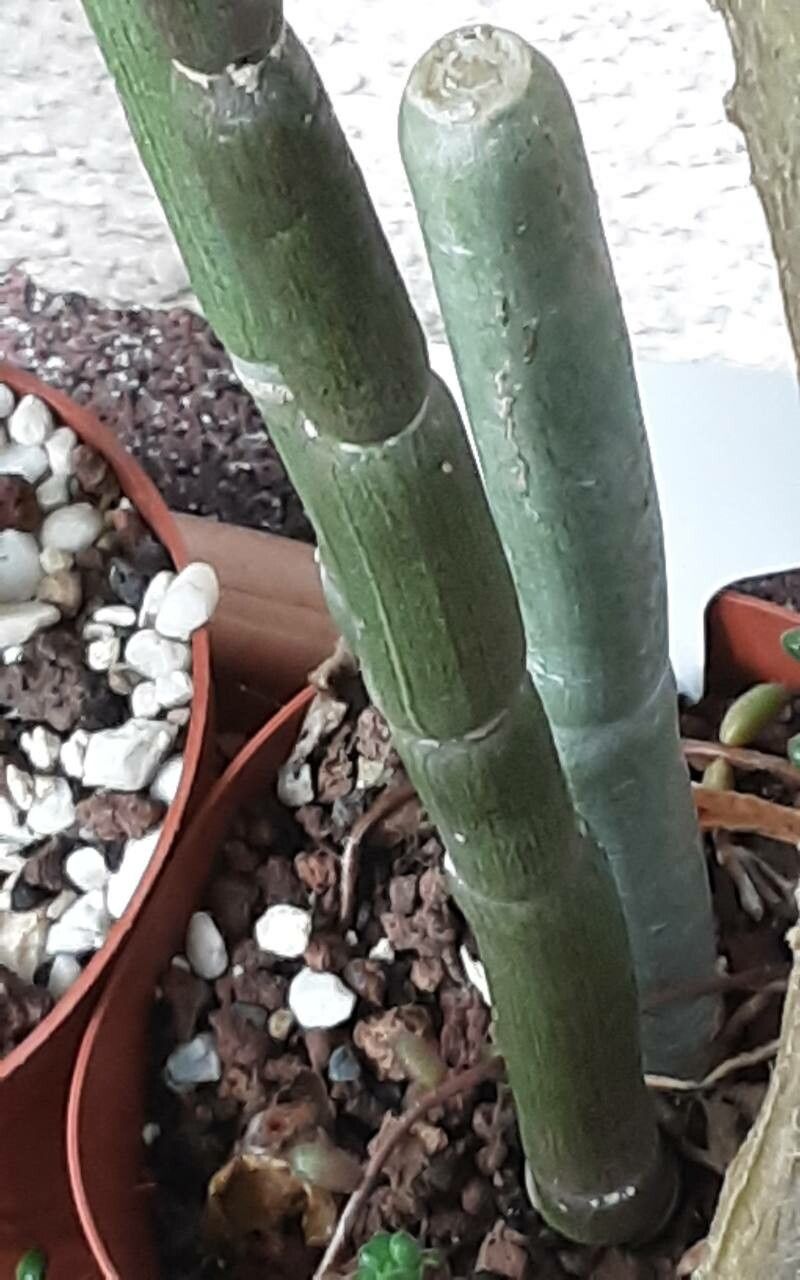
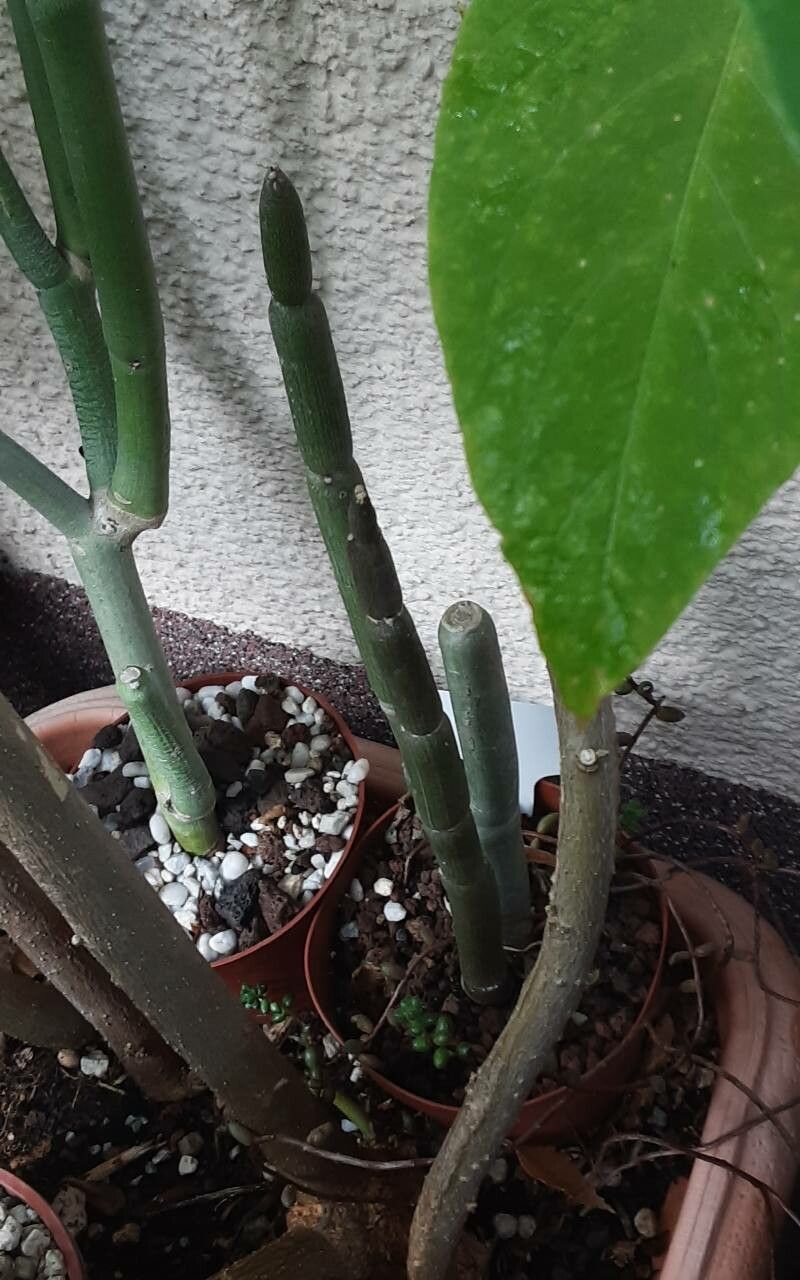
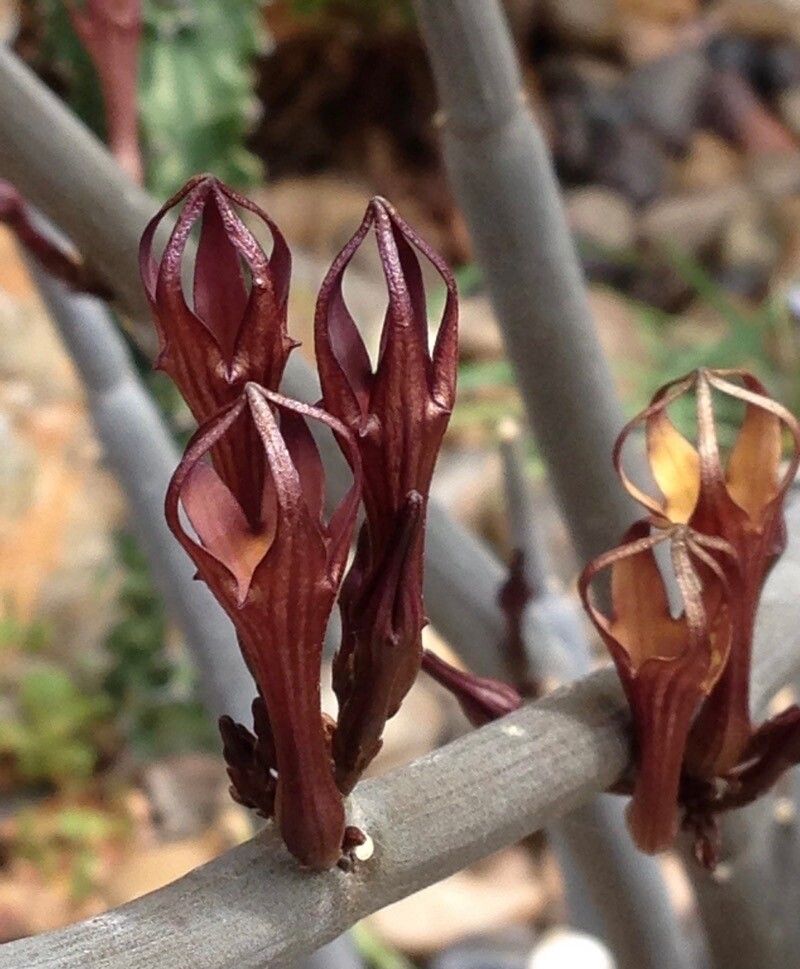
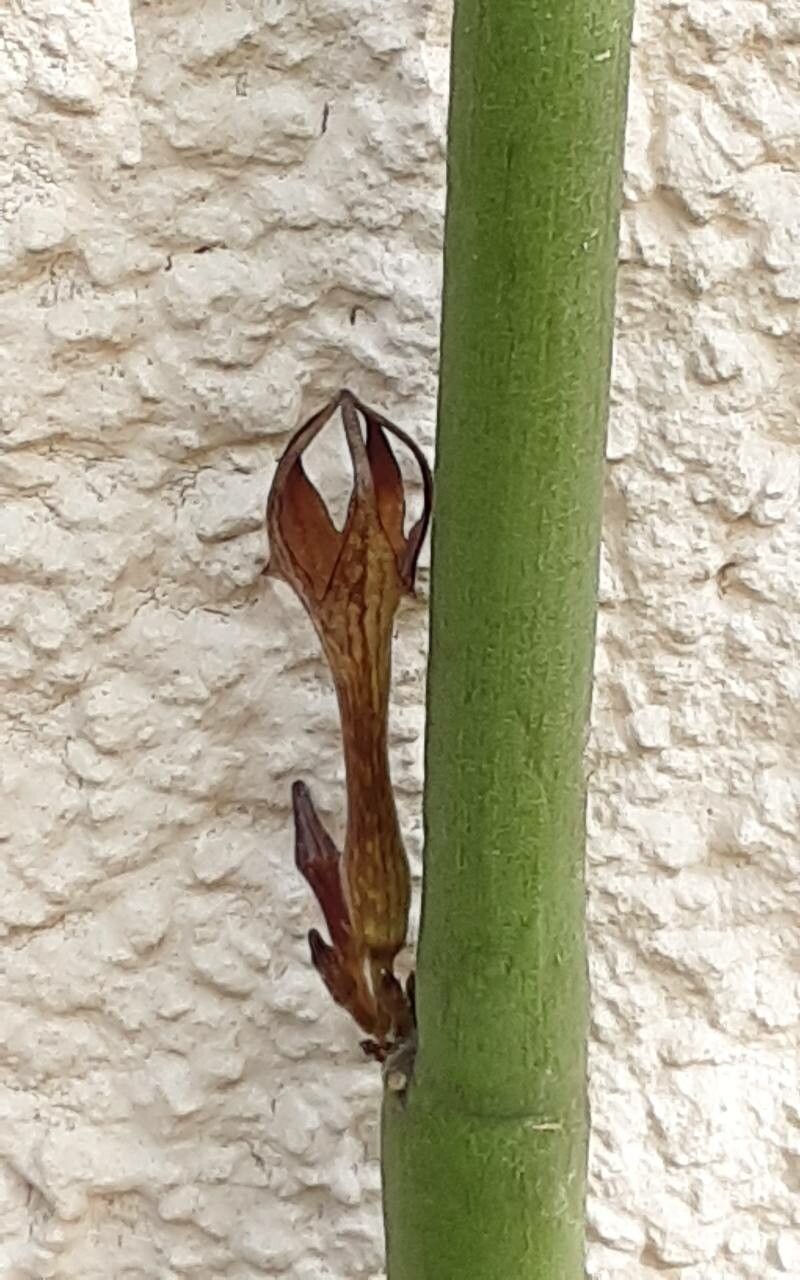
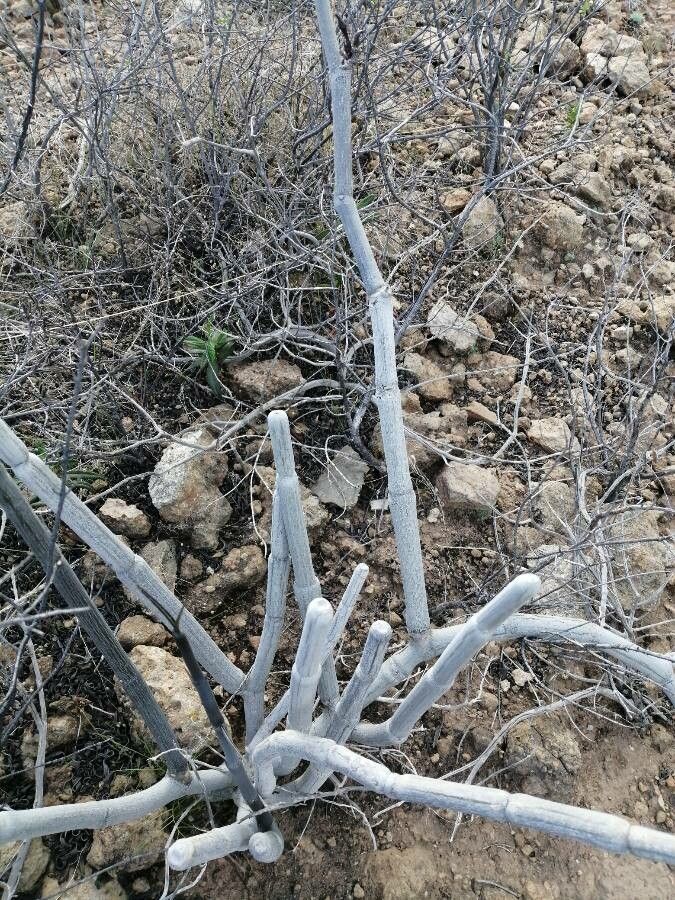
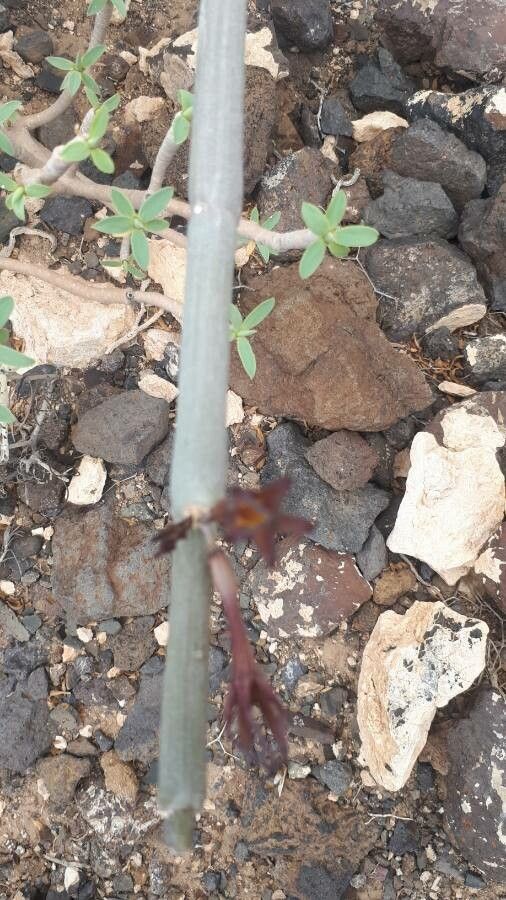
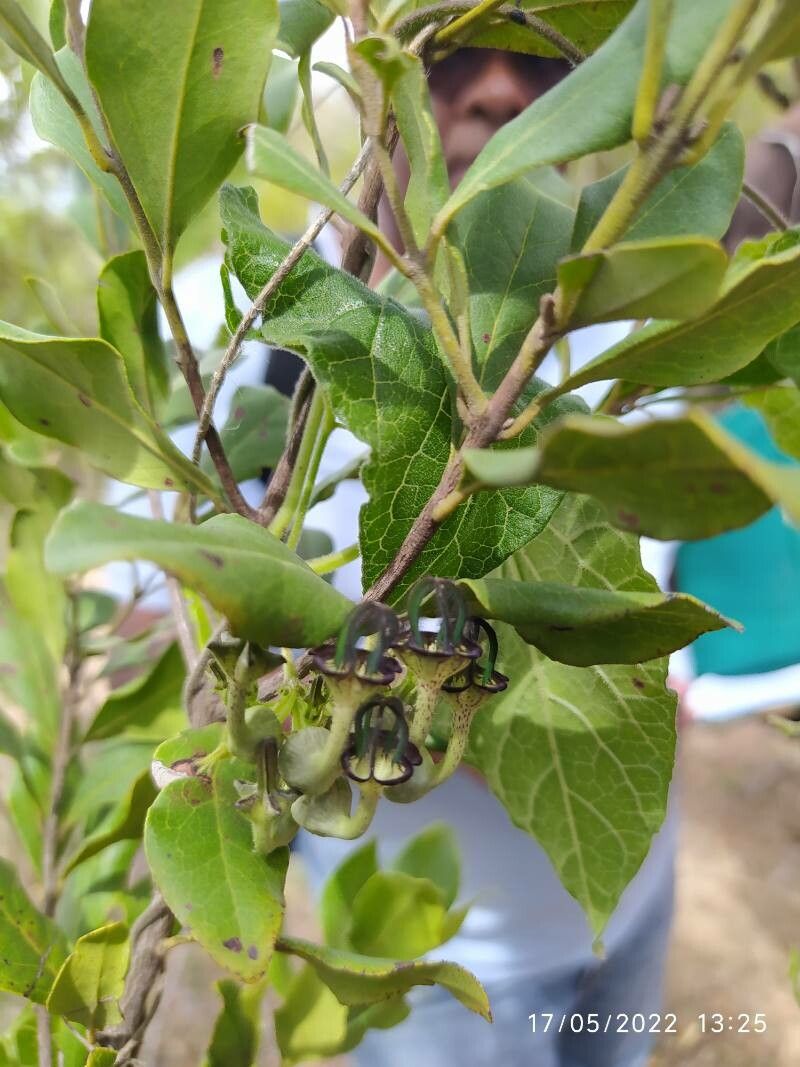
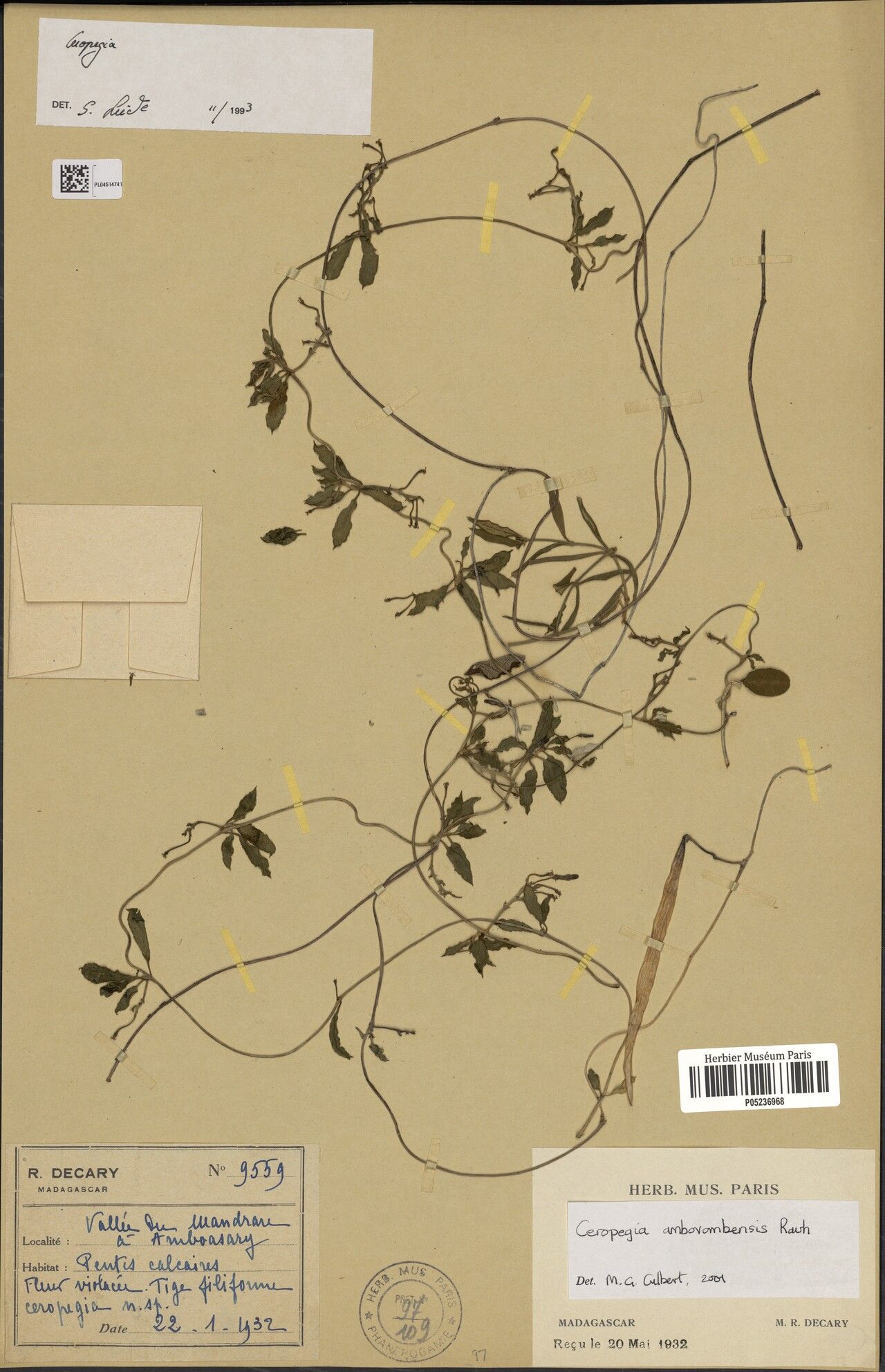
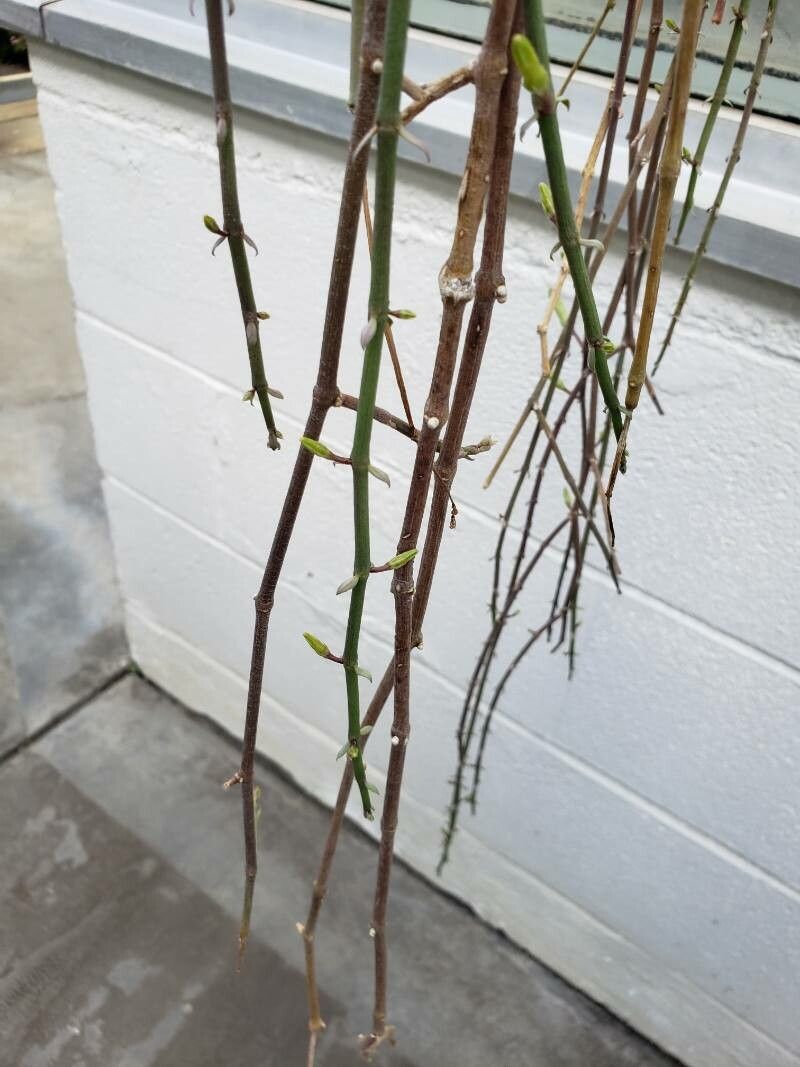
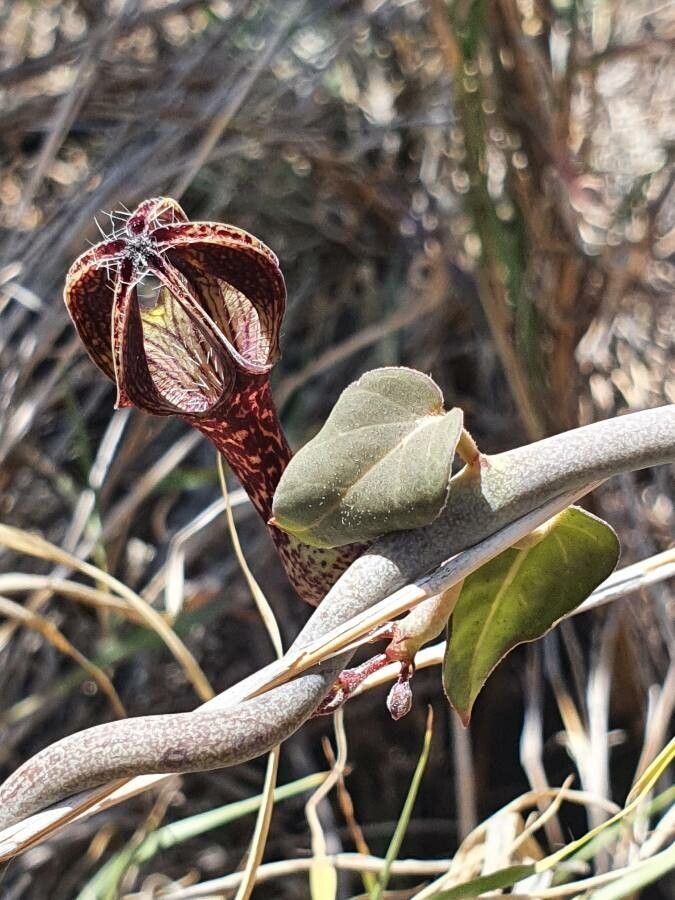
Ceropegia fusca is a flowering plant in the genus Ceropegia (Apocynaceae). It is endemic to the Canary Islands, where it grows on Tenerife (especially the Macizo de Anaga area), Gran Canaria, and La Palma in the Tabaibal-Cardonal zone at up to about 600 m altitude.
Ceropegia fusca has moderate resistance to disease but is more vulnerable to high humidity and overwatering. It also becomes more prone to illnesses if it receives insufficient light and is overwatered. Regarding care, Ceropegia fusca tolerates drought and can go for extended periods without watering. It requires little fertilizer and only occasional pruning. For that reason, it is appropriate for growers of any skill level, particularly those who prefer to spend minimal time on plant care and who might sometimes be away from home for long stretches. It’s a solid option for people who don’t want to devote much time to maintenance yet still want an easy-to-care-for plant.
How to keep Ceropegia Fusca.
Light
Ceropegia fusca is native to habitats with dappled light, such as the understory of forests or rocky areas that offer natural shade. It prefers partial sun but can also tolerate full sun.
Water
Ceropegia fusca is well-suited to grow in environments with low humidity and infrequent watering, thanks to its origins in arid regions. This plant demonstrates a high tolerance for drought. Water it every 2-3 weeks, making sure that the soil dries out completely between waterings. Its succulent nature allows it to store water efficiently, making it an excellent choice for xeric outdoor landscapes.
Temperature
Ceropegia fusca does best in warm conditions and needs relatively high temperatures during the growing season to support its growth and metabolic processes. It favors plenty of sunlight, suitable moisture levels, and good air circulation. It can be harmed by excessively low temperatures and by too much watering. It's important to maintain a balance and to avoid both excessively high temperatures and overly dry conditions.
Fertilizer
Ceropegia fusca only needs light fertilizer applications once or twice a year during the growing season. Do not fertilize in winter or in summer when it is dormant. Reduce feeding for plants that have been repotted and wait a couple of months after repotting before applying fertilizer. Fertilizing helps maintain healthy growth and encourages flowering.
Pruning
Ceropegia fusca benefits from pruning between early to late winter. Focus on removing dead or weak stems to improve air circulation and shape the plant. Use clean, sharp shears to make precise cuts just above the nodes. Regular pruning prevents overgrowth and encourages vigorous new shoots. Make sure the plant is healthy before you begin pruning.
Pot & Repot
To ensure optimal growth, Ceropegia fusca should be repotted every 2 to 3 years, ideally in early spring. Choose a larger pot with good drainage for best results. After repotting, place the plant in a location with indirect light and water it sparingly. Avoid fertilizing for one month to prevent shock and support healthy, trailing growth.
Botanical profile.
- Plant Type
- Shrub
- Life Cycle
- Perennial
- Genus
- Ceropegia
- Family
- Apocynaceae
- Hardiness Zone
- 11
- Mature Height
- 1.52 m
- Mature Spread
- 20 cm to 40 cm
- Leaf Color
- Gray, Light Gray
- Leaf Type
- Evergreen
- Flower Color
- Brown
- Flower Size
- 2.03 cm to 3.05 cm
- Bloom Time
- Summer, Early fall, Mid fall
- Planting Time
- Spring, Summer, Autumn
- Harvest Time
- Fall
Reader questions.
What are the sunlight requirements for Ceropegia fusca?
Ceropegia fusca, known botanically as Ceropegia fusca, thrives in conditions that meet its specific sunlight requirements. It requires full sun, which means it should receive above 6 hours of sunlight daily. Alternatively, it can grow in partial sun, characterized by about 3-6 hours of sunlight. It's important to observe how sunlight moves through your garden to find spots that offer the right balance of light and shade. This careful placement ensures the plants remain happy and healthy.
What is Ceropegia fusca?
Ceropegia fusca, known by its botanic name, is a plant species with no specific information provided on its essentials or symptoms. This entry lacks details about the plant's essential characteristics, symptoms of its condition, or any additional information that might help to understand more about it.