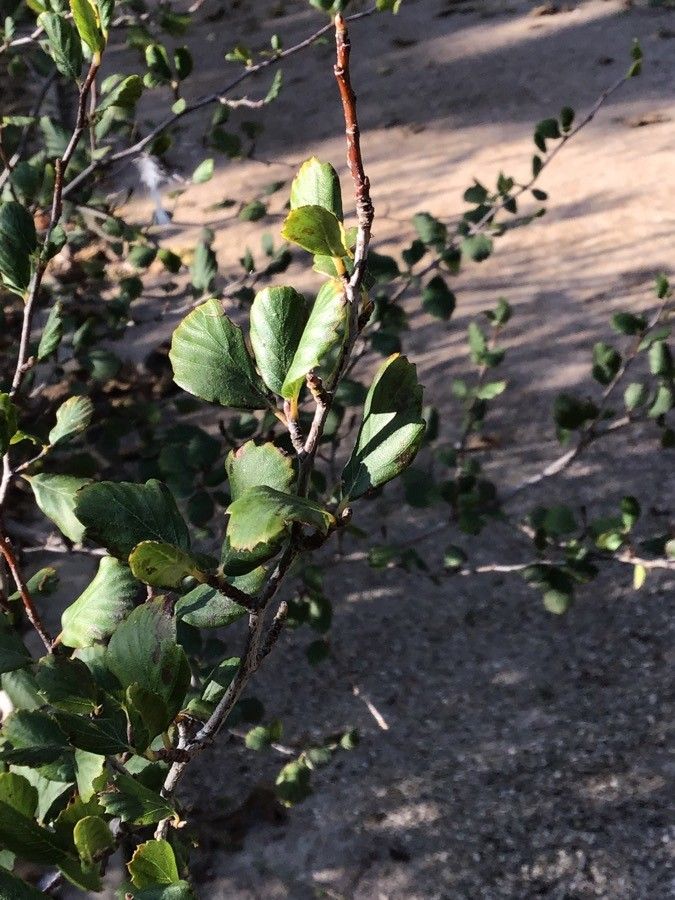
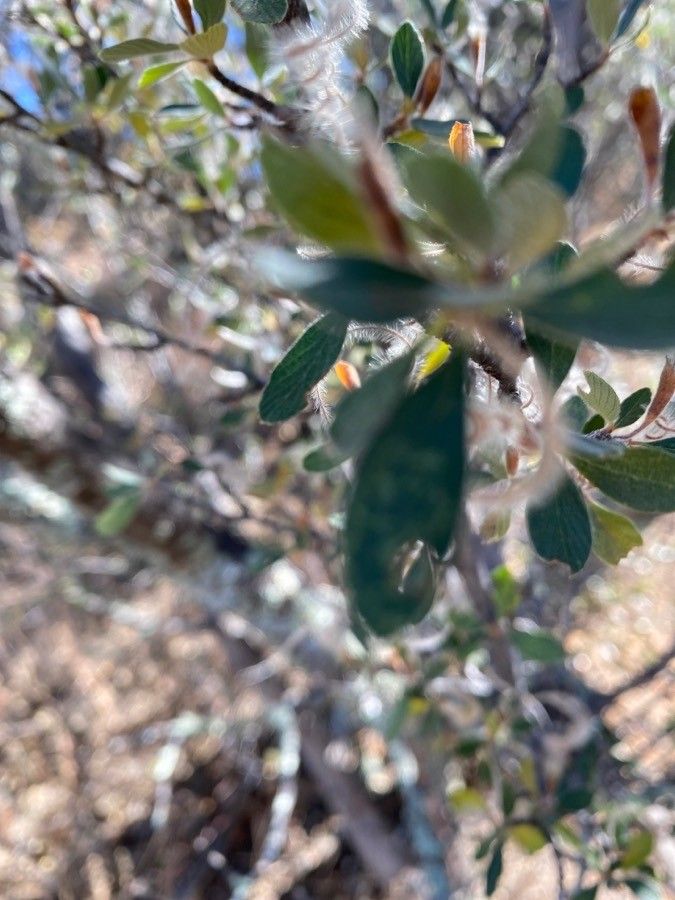
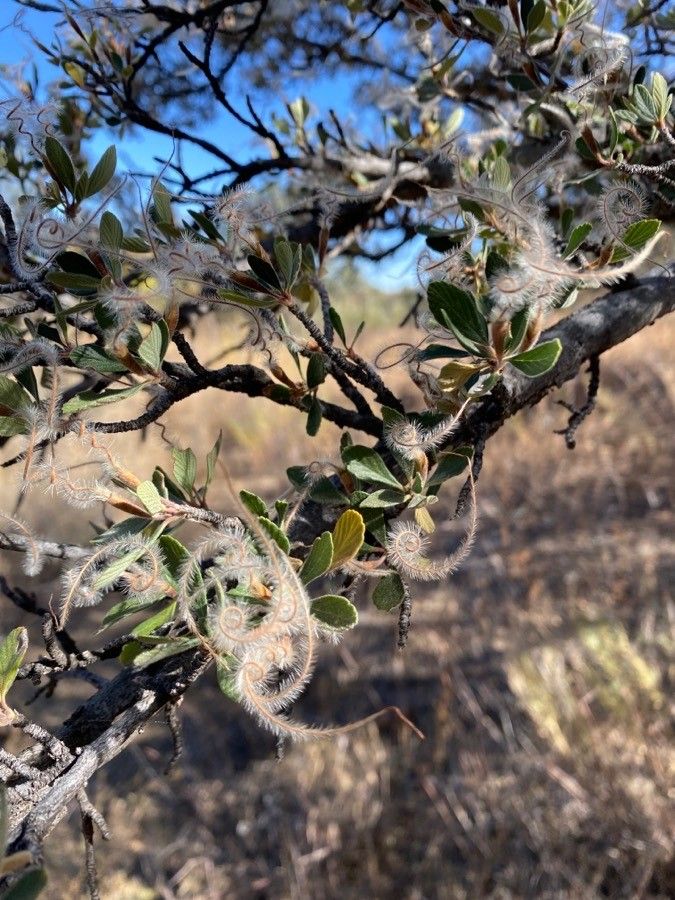
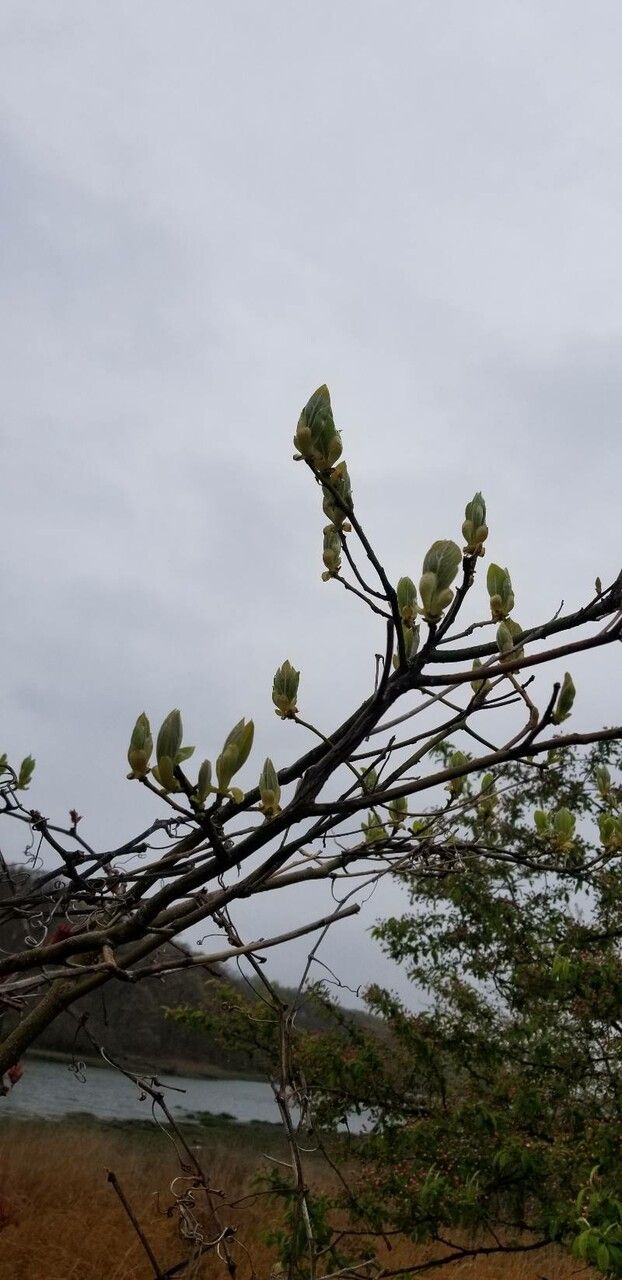
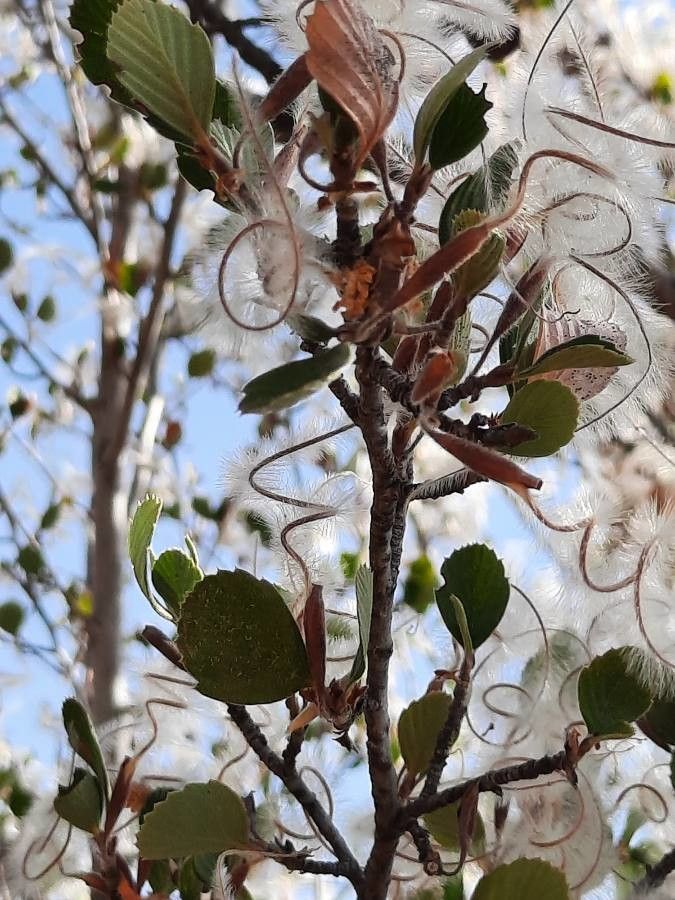
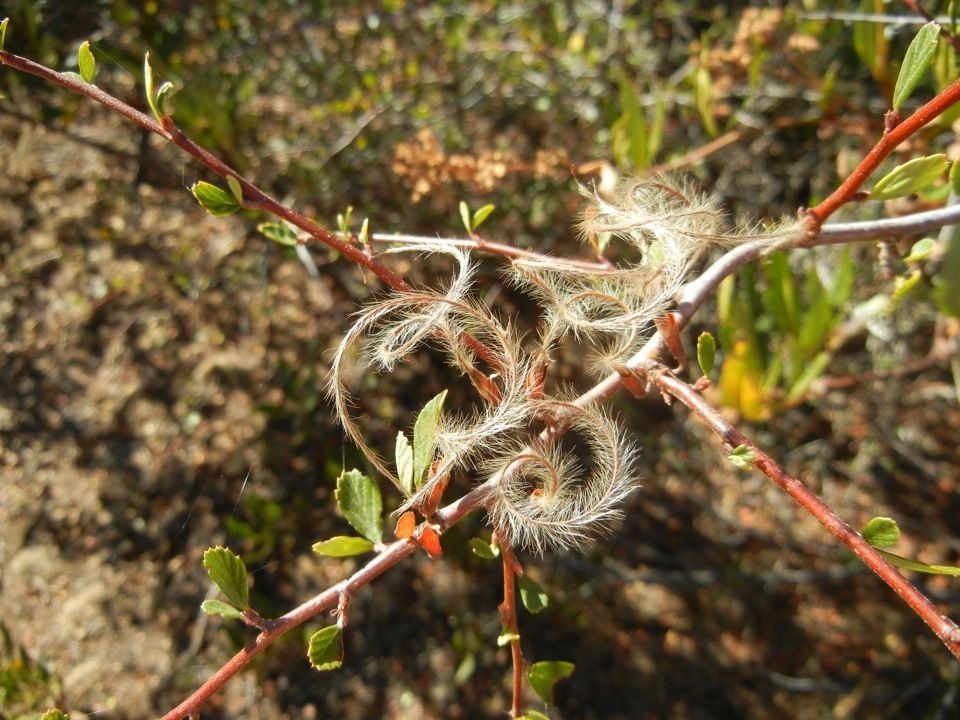
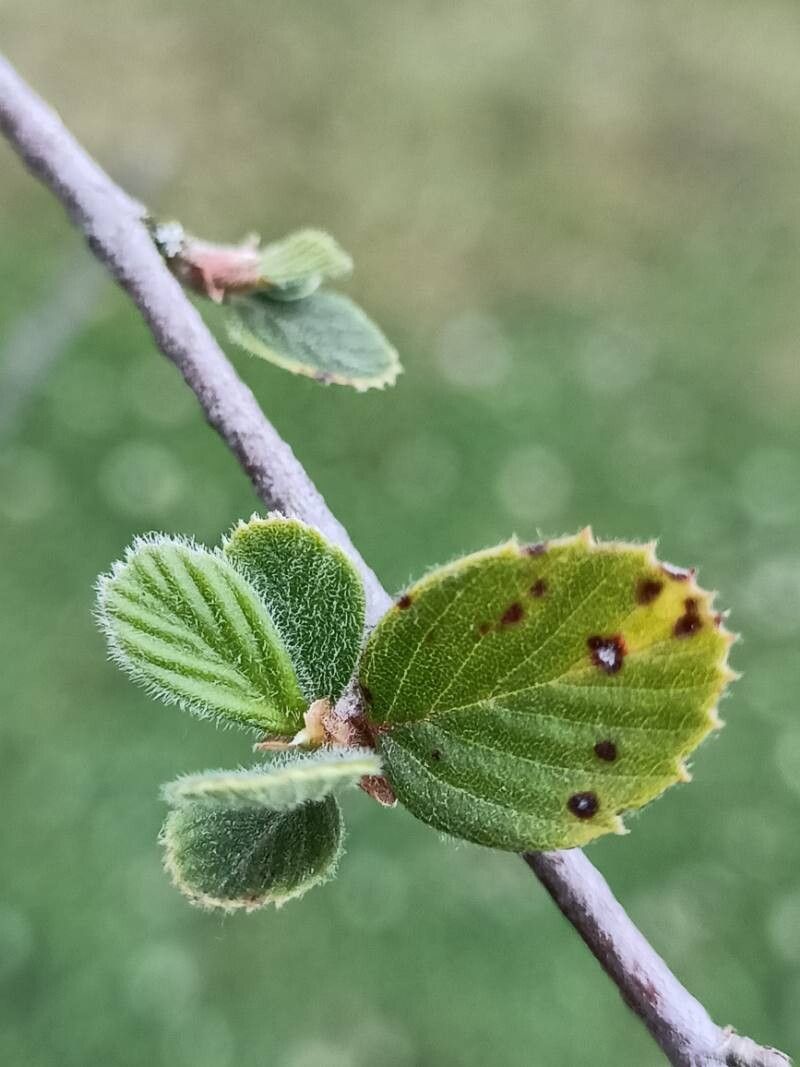
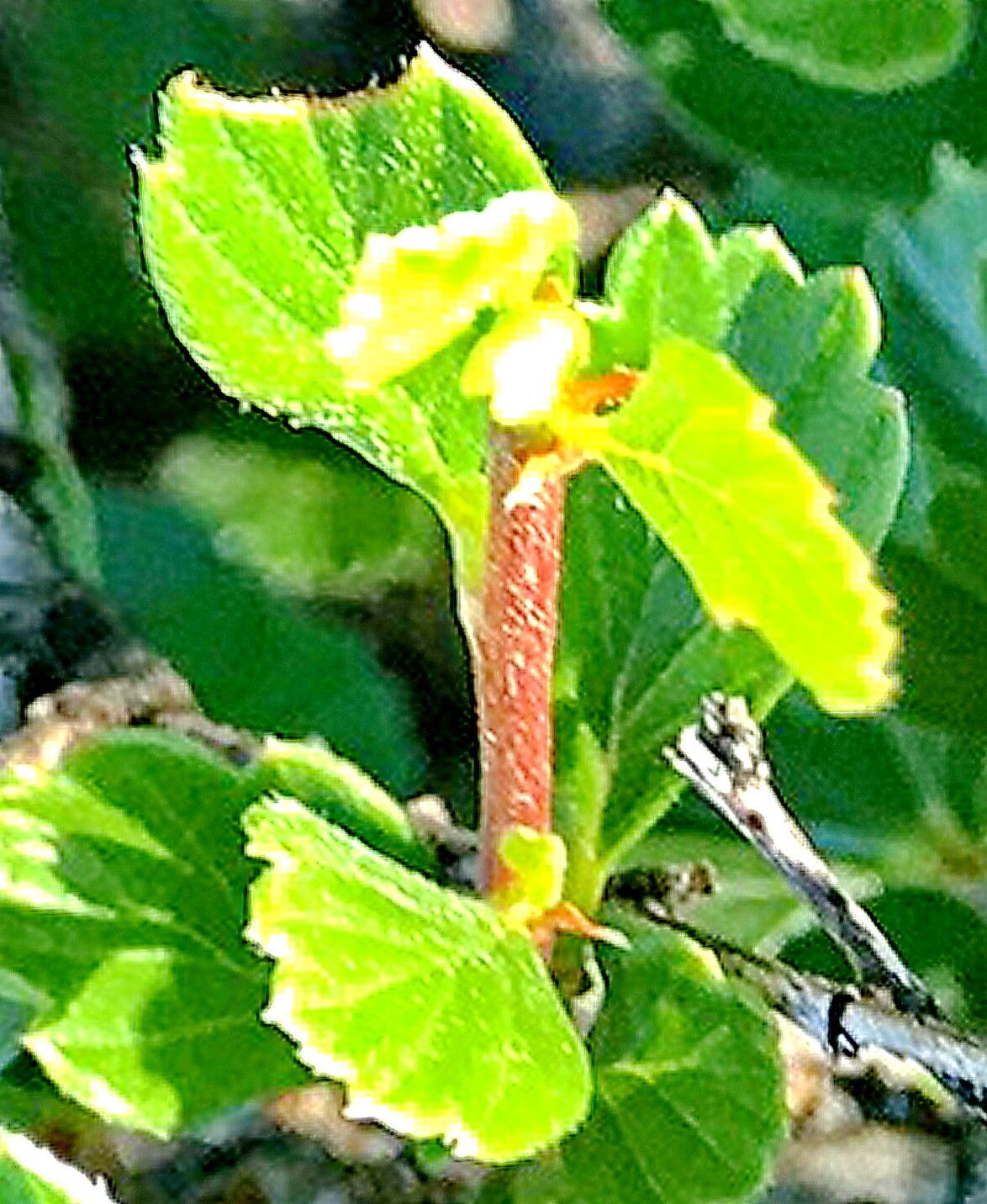
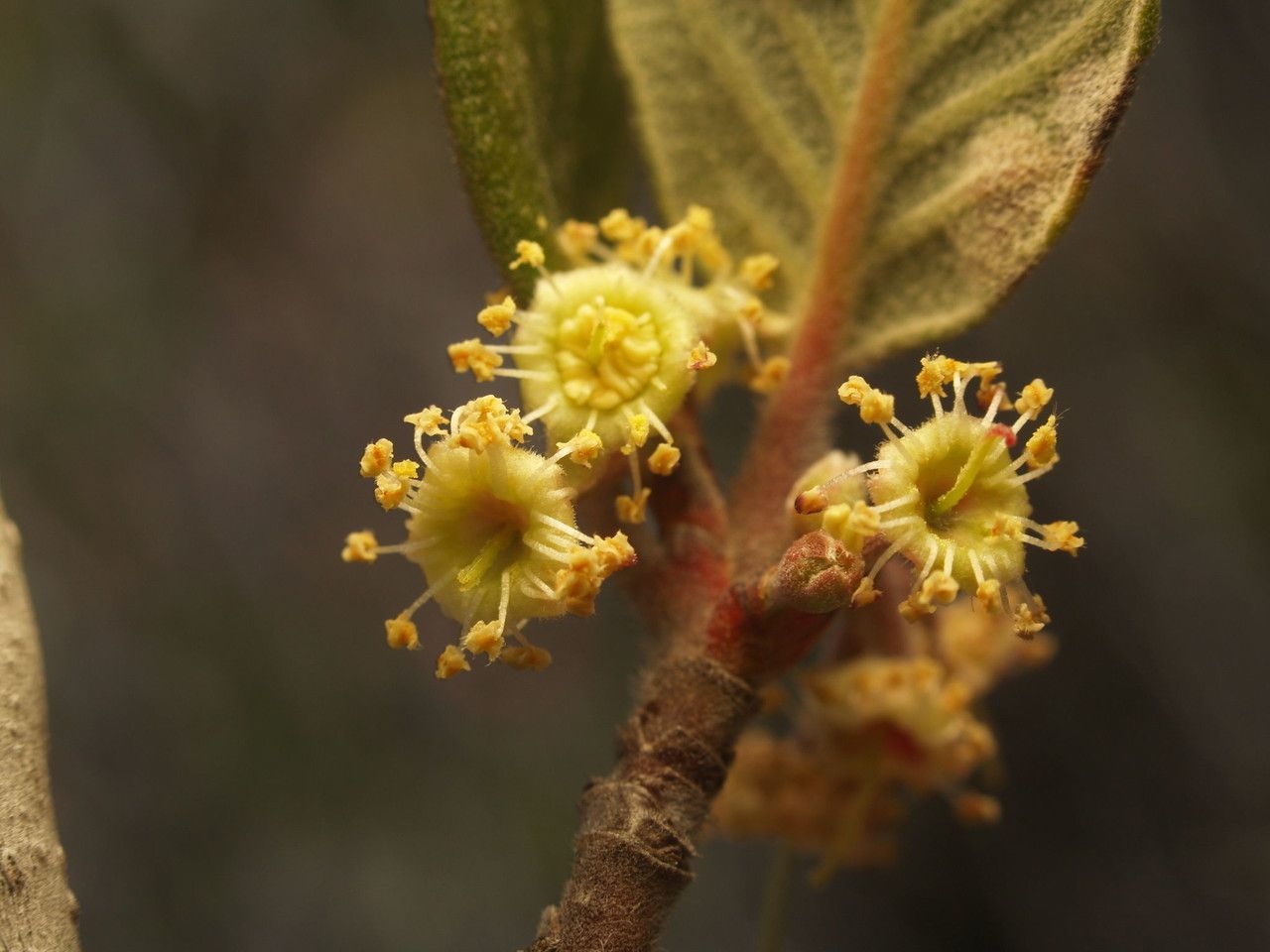
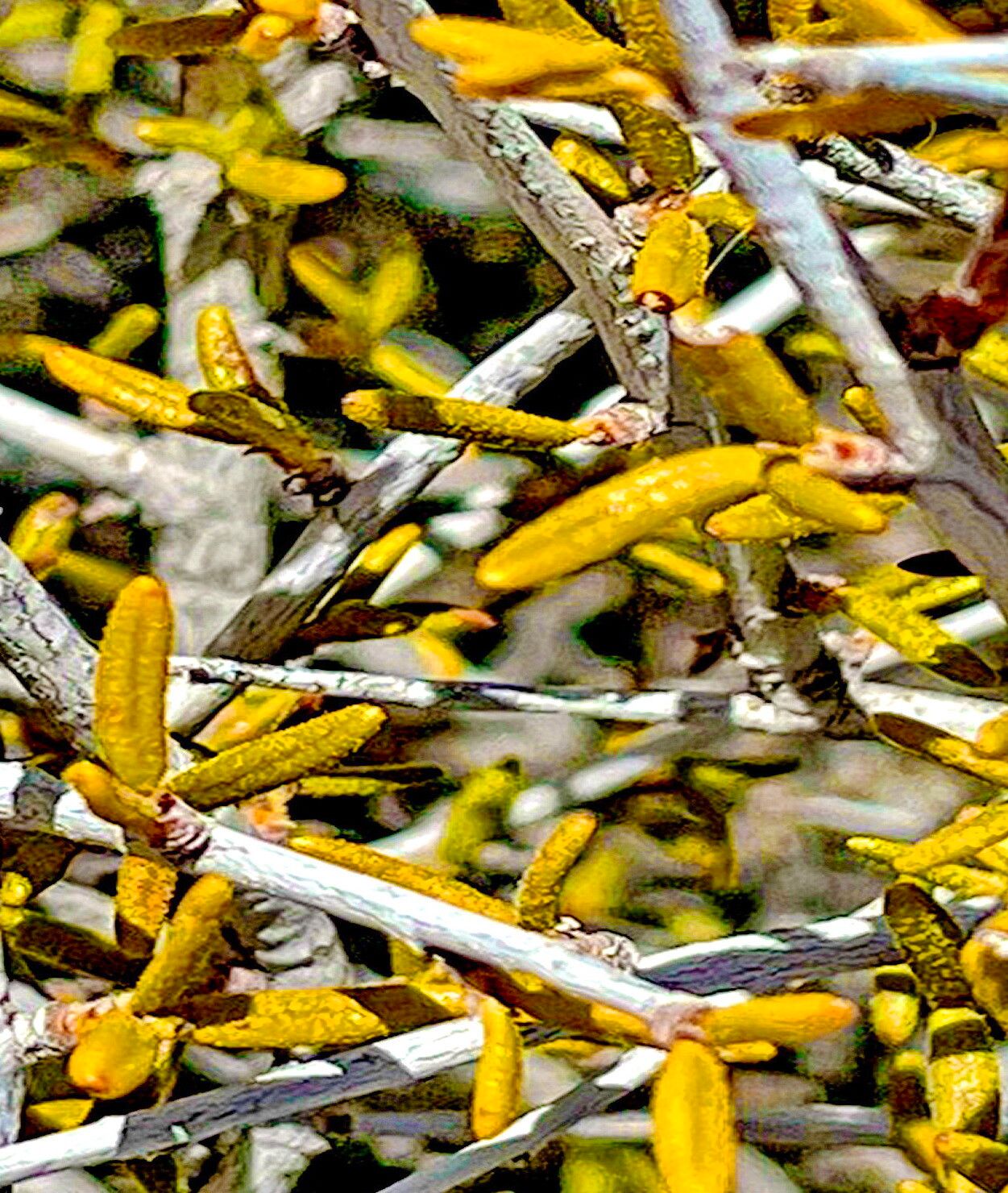
Cercocarpus montanus, commonly known as mountain mahogany, is a shrub or small tree native to the western United States. It typically reaches a height of 10-20 feet and features a dense, rounded crown with twisted branches. The leaves are small, leathery, and serrated, typically remaining evergreen throughout the year. While its flowers are small and inconspicuous, its fruit is distinctive, characterized by long, feathery plumes that resemble feathers.
Mountain mahogany plays a crucial role in many ecosystems by providing food and shelter for wildlife such as birds, rodents, deer, elk, and bighorn sheep. It also possesses medicinal properties; Native Americans traditionally used various parts of the plant to treat ailments like diarrhea.
This plant thrives in dry soils and sunny locations at elevations between 4,000 and 10,000 feet above sea level. It is commonly found in diverse habitats, including chaparral shrublands and open woodlands on rocky slopes or ridges.
Overall, Cercocarpus montanus is vital for wildlife habitat conservation and traditional medicinal practices by indigenous communities throughout its range in western North America.
Alder-leaf mountain-mahogany has strong resistance to disease and is typically not susceptible to illnesses. In terms of care, this plant is fairly low-maintenance. When grown outdoors, it needs only minimal watering, and larger specimens generally do not require pruning. Smaller plants, however, should be pruned after they finish blooming. Alder-leaf mountain-mahoganyt is suitable for anyone who has an outdoor area, such as a garden or a deck, and does not demand extensive plant-care experience.
How to keep Cercocarpus Montanus.
Light
The alder-leaf mountain-mahogany grows best with prolonged exposure to sunlight, which provides a consistent stimulus for vigorous development. Originating from a sun-rich habitat, this plant thrives without needing to adjust to shaded conditions. Because of its hardy resilience, it shows no notable damage from excessive sun exposure, nor negative effects from insufficient sunlight.
Water
Alder-leaf mountain-mahogany, native to arid regions, is highly drought-tolerant. It requires moderate watering every 1-2 weeks. As an outdoor plant, it thrives when its water intake mimics the sporadic rainfall of its natural habitat, aligning with the growth cycles typical of its native climate.
Temperature
Alder-leaf mountain-mahogany is native to temperate regions and prefers temperatures between 50 and 89.6 °F (10 to 32℃). During extreme seasonal shifts, adjust its exposure to keep it within those ideal temperature conditions.
Fertilizer
To encourage healthy growth, fertilize your Alder-leaf mountain-mahogany in early spring. Regular fertilization boosts overall health, leading to vigorous growth, increased resilience to harsh conditions, and improved resistance to pests and diseases. Follow a specific fertilization schedule to keep the foliage vibrant, richly colored, and lush.
Pruning
Alder-leaf mountain-mahogany is a tough shrub known for its dense shape and fragrant flowers. For best results, prune it in early spring using sterilized tools. Be sure to remove any dead branches to improve airflow. Light thinning is beneficial as it encourages growth and improves the plant's health. Avoid heavy pruning during periods of active growth, as this reduces stress and minimizes the risk of infections.
Botanical profile.
- Plant Type
- Shrub
- Life Cycle
- Perennial
- Genus
- Cercocarpus
- Family
- Rosaceae
- Hardiness Zone
- 6-7
- Mature Height
- 1.22 m to 6.1 m
- Mature Spread
- 1.22 m to 2.44 m
- Leaf Color
- Green
- Leaf Type
- Deciduous
- Flower Color
- White
- Flower Size
- 0.51 cm to 1.02 cm
- Bloom Time
- Late spring, Early summer, Mid summer
- Planting Time
- Spring, Summer, Autumn
- Harvest Time
- Mid summer
- Native Area
- Mexico
Other names.
Reader questions.
What is the best way to water my Alder-leaf mountain-mahogany plant?
To promote excellent root development, place a garden hose at the base of your plants. Avoid spraying the leaves directly, especially if they are outdoors and in direct sunlight, as they will require more water. To moisten the roots, you can use bubblers or soaker hoses for each plant. When adding or removing plants, use soaker hoses that cover the entire garden or bed to ensure deep root penetration. After watering, drain any excess water and wait for the soil to dry before watering again. Watering at ground level is recommended to prevent diseases. On sunny days, consider spraying the entire bush with water. Whether in pots or in the ground, remember that Alder-leaf mountain-mahogany prefers deep watering rather than light sprinkling.
Why do I have to add plant food to my Alder-leaf mountain-mahogany?
To ensure the overall health of your Alder-leaf mountain-mahogany, it is recommended to regularly fertilize regardless of the specific type you own. Providing the proper nutrients will result in stronger growth, making your plant more resistant to challenging growing conditions and better equipped to defend against diseases and pests. The foliage of your Alder-leaf mountain-mahogany is especially attractive, so it's important to maintain its quality. By establishing and following a consistent fertilization schedule tailored to your specific plant, you can encourage the development of vibrant, lush leaves.
What are the requirements for Alder-leaf mountain-mahogany regarding sunlight?
The Alder-leaf mountain-mahogany requires full sun, which means it should receive above 6 hours of sunlight daily. This species thrives under extensive exposure to the sun's rays, originating from an environment abundant in sunlight. It does not require adaptation to shade and can withstand excessive sun exposure without significant harm or adverse effects due to sun deficiencies. It's crucial to observe how sunlight moves through your garden, choosing spots that provide a perfect balance of light and shade to ensure the plant's happiness.
What is the native climate for Alder-leaf mountain-mahogany?
Alder-leaf mountain-mahogany is native to temperate regions and prefers a temperature range of 50 to 89.6 °F (10 to 32°C). To keep the plant healthy during extreme seasonal changes, it's important to adjust its exposure to maintain these ideal temperature conditions. This species is highly cold-tolerant and does not require additional frost protection measures during winter. However, it's recommended to water the plant generously before the first freeze in autumn to ensure the soil remains moist and enters a frozen state, which helps prevent drought and water scarcity for the plant during the winter and early spring.
What should I do if I give too much/not enough water to Alder-leaf mountain-mahogany?
An overwatered Alder-leaf mountain-mahogany can display yellowing, wilting leaves that may eventually drop off. The plant may also appear dull and unhealthy, with mushy stems. It's important to adjust watering schedule when these signs emerge. On the other hand, wilting can also indicate under watering, characterized by crispy and dry leaves. In such cases, it's necessary to check the soil for moisture and provide sufficient watering. While this will help the plant recover, it may continue to have yellow and dry leaves due to root damage. Once it returns to normal, the yellowing will stop. When growing Alder-leaf mountain-mahogany indoors, monitor moisture levels and avoid overwatering. Look out for black spots, and if present, allow the soil to dry out before watering again. Overwatering can lead to root rot, so if discolored and slimy roots are observed, consider transferring the plant to a different pot. Take precautions to prevent root rot and avoid excessively soggy soil. When planting Alder-leaf mountain-mahogany outdoors, ensure the soil is adequately moist. If it feels too dry, this may indicate under watering, and proper watering is necessary for the plant's recovery.
When should I fertilize my Alder-leaf mountain-mahogany tree?
To properly fertilize your Alder-leaf mountain-mahogany, start by applying fertilizer during late winter or early spring. This will give your plant the necessary nutrients for healthy growth when the weather becomes warmer. If you live in a warm climate region, it can also be beneficial to provide an additional fertilizer feeding in early fall. This will not only supply your Alder-leaf mountain-mahogany with extra nutrients for the following growing season but also help it become more resilient to winter cold and prevent foliage damage. Fertilizing earlier in the fall ensures that new branches have sufficient time to develop and withstand the cold winter.
How can artificial lighting be used for indoor plants?
Indoor plants, including the Alder-leaf mountain-mahogany when kept indoors, require adequate lighting for optimal growth, especially when natural sunlight is insufficient. Artificial lights, like LED lights, are vital as they can be customized to provide specific wavelengths needed by plants. Full sun plants need 30-50W/sq ft, partial sun plants 20-30W/sq ft, and full shade plants need 10-20W/sq ft of artificial light. The light source should be placed 12-36 inches above the plant, mimicking natural sunlight, and kept on for 8-12 hours per day depending on the plant species.
How does Alder-leaf mountain-mahogany react to low temperatures?
Alder-leaf mountain-mahogany is extremely cold-tolerant and can withstand winter temperatures above -25°C. If temperatures drop below this threshold, there might not be any noticeable effects during the winter, but come spring, the branches may become brittle, dry, and fail to produce new shoots. The solution for this problem involves pruning away any dead branches that have failed to produce new leaves in the spring.
How frequently should I water my Alder-leaf mountain-mahogany?
The Alder-leaf mountain-mahogany prefers deep and infrequent watering, especially when planted in pots. Potted plants have limited water storage, so soaking them with a gallon of water is necessary. In colder regions, watering should be done every 3 to 5 days, ideally in the morning when the soil is dry. Checking the top 2-3 inches of soil can help you determine if watering is needed. During hot days, the soil in pots can dry out quickly, so daily moisture checks may be necessary. If you have a garden, irrigation of the soil is required, particularly in hot climates where watering once a week is recommended. Consider the amount of rainfall before adding extra water to prevent root rot. Adding mulch 3 to 4 inches deep around outdoor plants can help conserve water. Sandy soil drains faster, so plants grown in this type of soil will need more frequent watering. On the other hand, clay soil requires less watering, allowing for 2-3 dry days between waterings to avoid root rot. Keeping track of watering dates on a calendar can help ensure timely care for plants. If you notice the leaves starting to droop, it may be an indication that watering is needed soon.
When should I not give my Alder-leaf mountain-mahogany any fertilizer?
There are a few specific times throughout the year when you should avoid fertilizing your Alder-leaf mountain-mahogany. The first instance is during the early and mid-winter months when the plant is dormant and does not require any feeding. Similarly, it is not recommended to fertilize this plant during the late spring and throughout the entire summer. This is because the weather during this period is usually hotter and drier, which can have a detrimental effect on the plant if it is fertilized. To prevent any potential issues, it is best to follow a fertilization schedule that involves feeding the plant only during the early spring and early fall.
What are the symptoms of light deficiency in Alder-leaf mountain-mahogany?
When Alder-leaf mountain-mahogany is grown in suboptimal lighting, it can show several symptoms of light deficiency including smaller new leaves, leggy or sparse growth, faster leaf drop, slower or no new growth, lighter-colored new leaves, and conditions like chlorosis, sunscald, leaf curling, wilting, and leaf scorching. These symptoms indicate that the plant is struggling with inadequate light exposure, affecting its growth and health.
What should be done if Alder-leaf mountain-mahogany experiences high temperatures?
Alder-leaf mountain-mahogany struggles with high temperatures, especially when the mercury rises above 32°C. In such cases, it may suffer significant leaf drop and, in severe situations, the entire plant might wither and die. To counteract these effects, trim away the sunburned and dried-up parts of the plant. Moving the plant to a location that provides shade from the midday and afternoon sun or using a shade cloth can also be beneficial. It's also crucial to water the plant in the morning and evening to keep the soil moist and help it survive the heat.