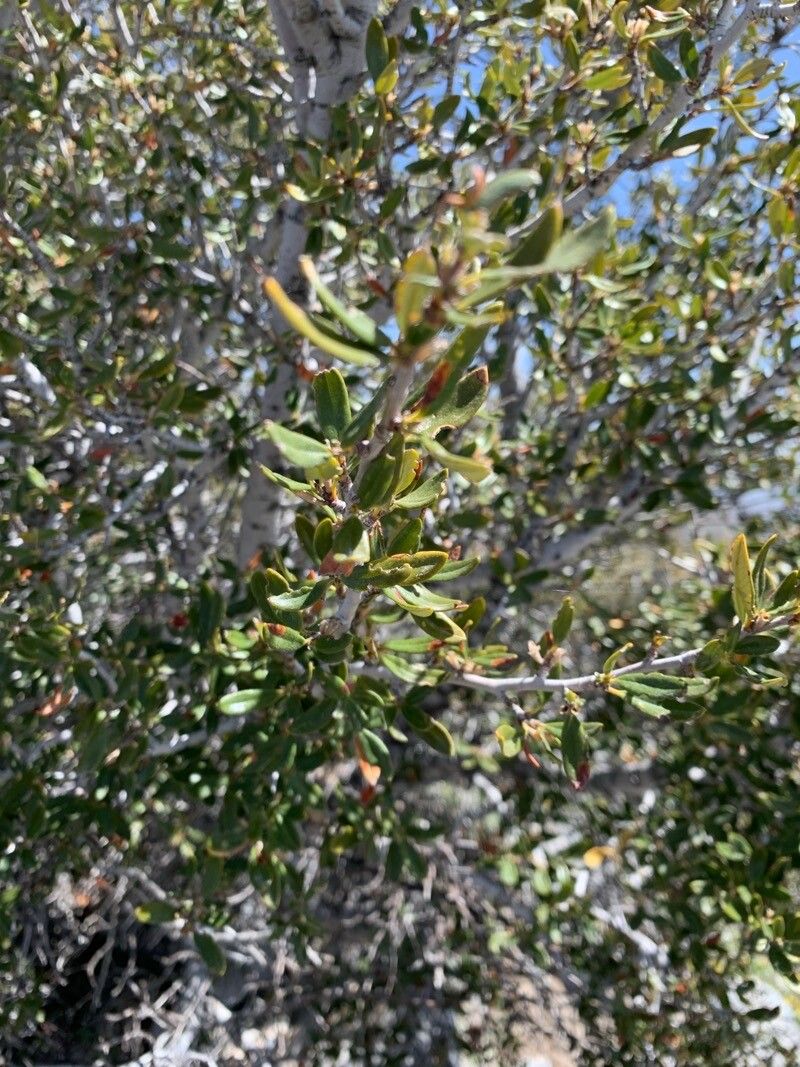
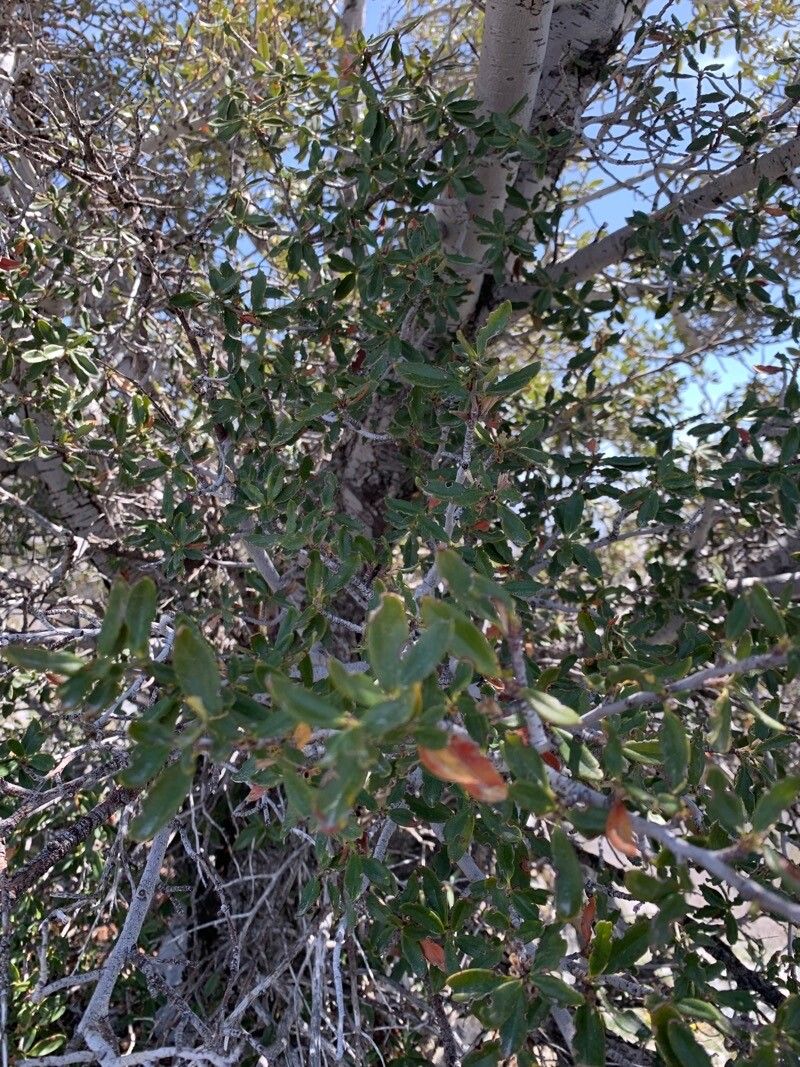
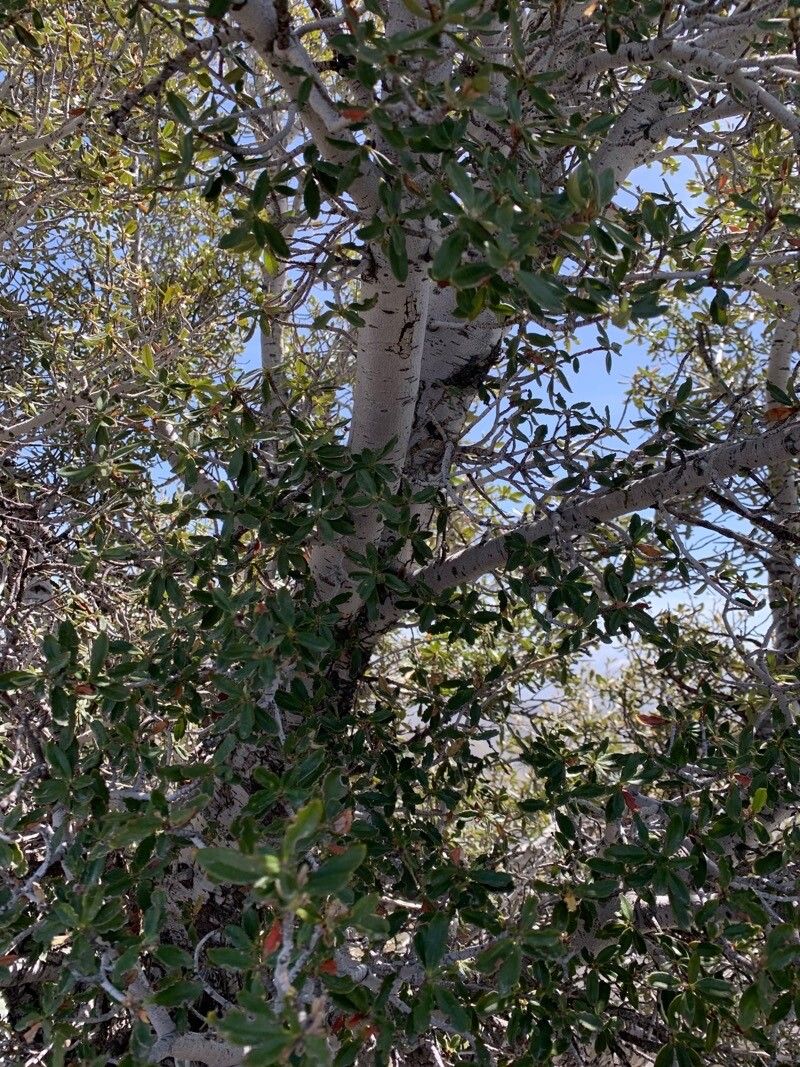
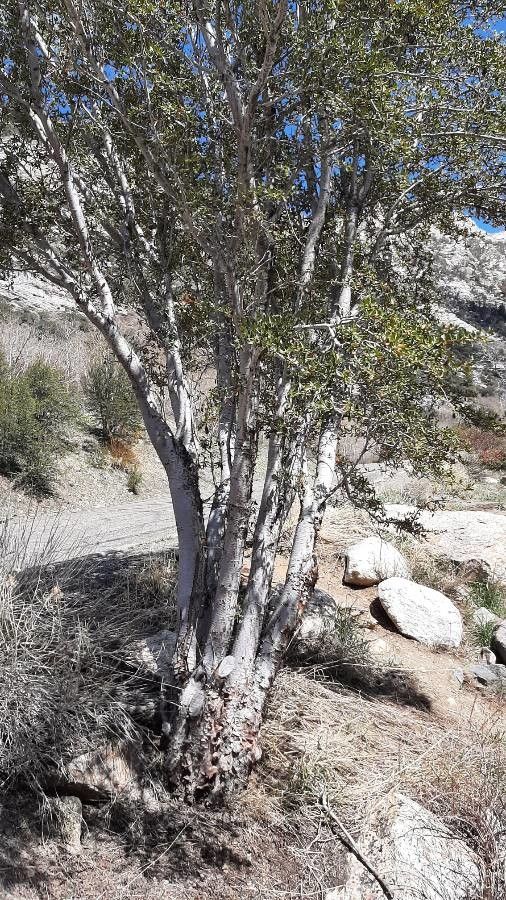
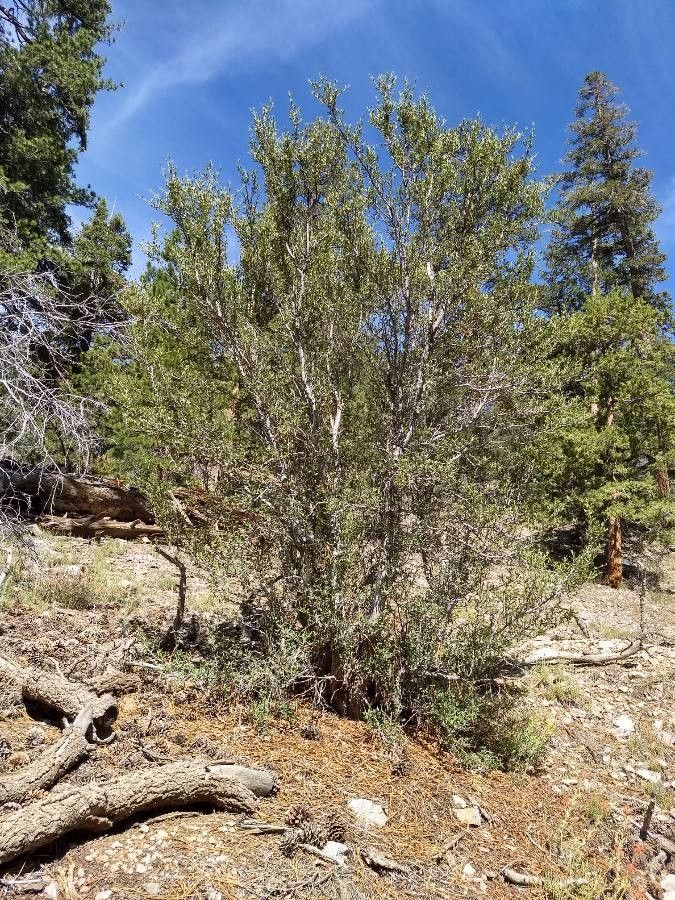
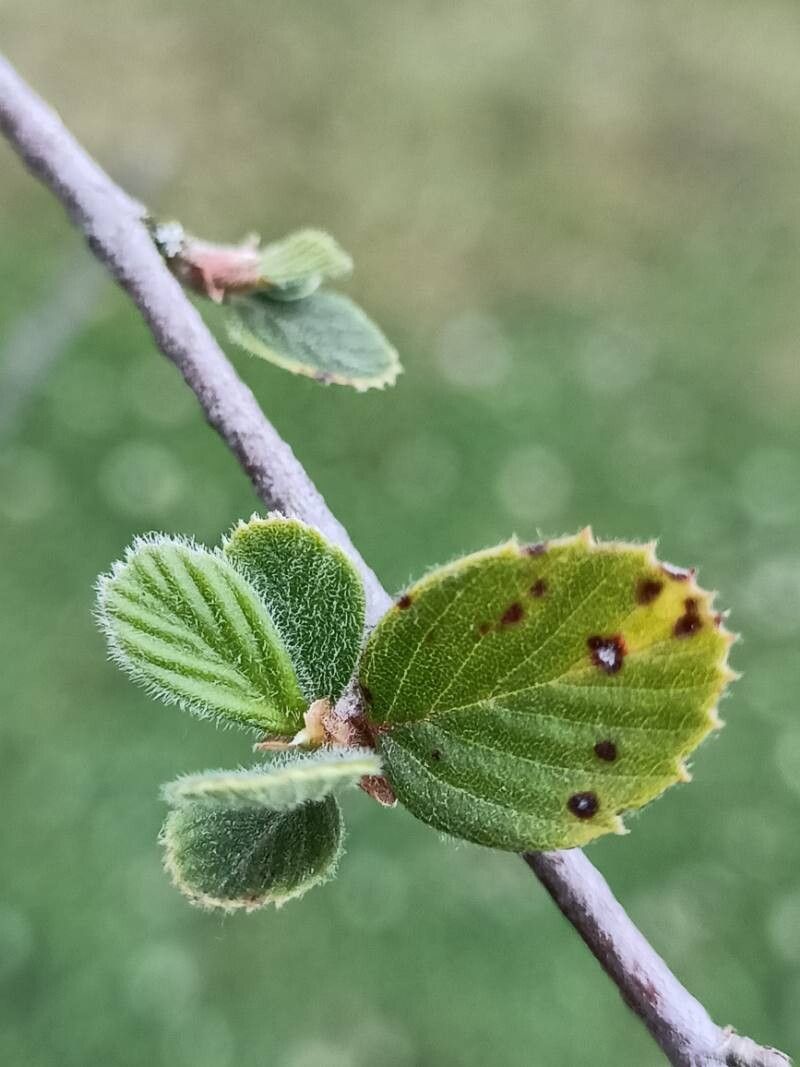
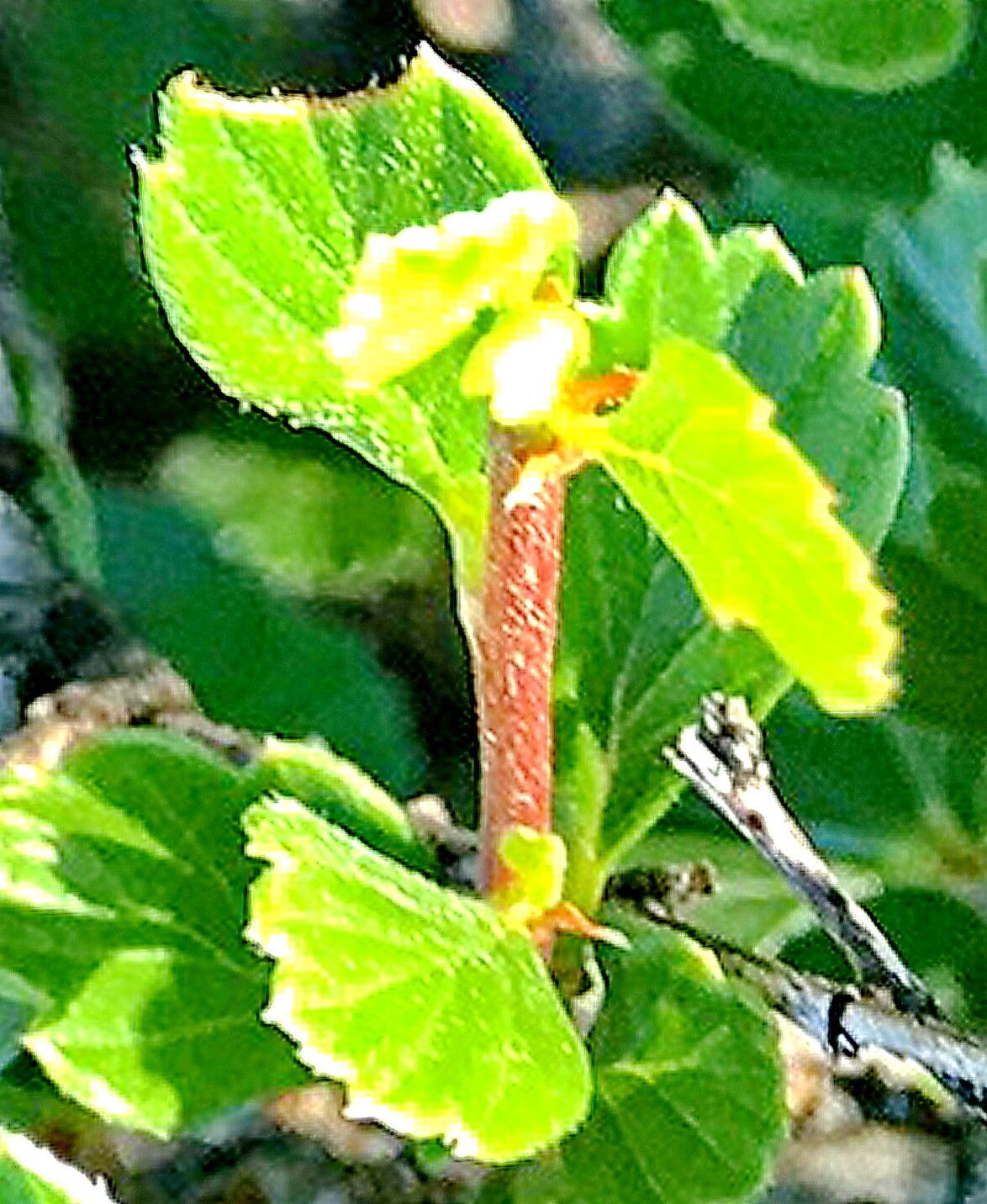
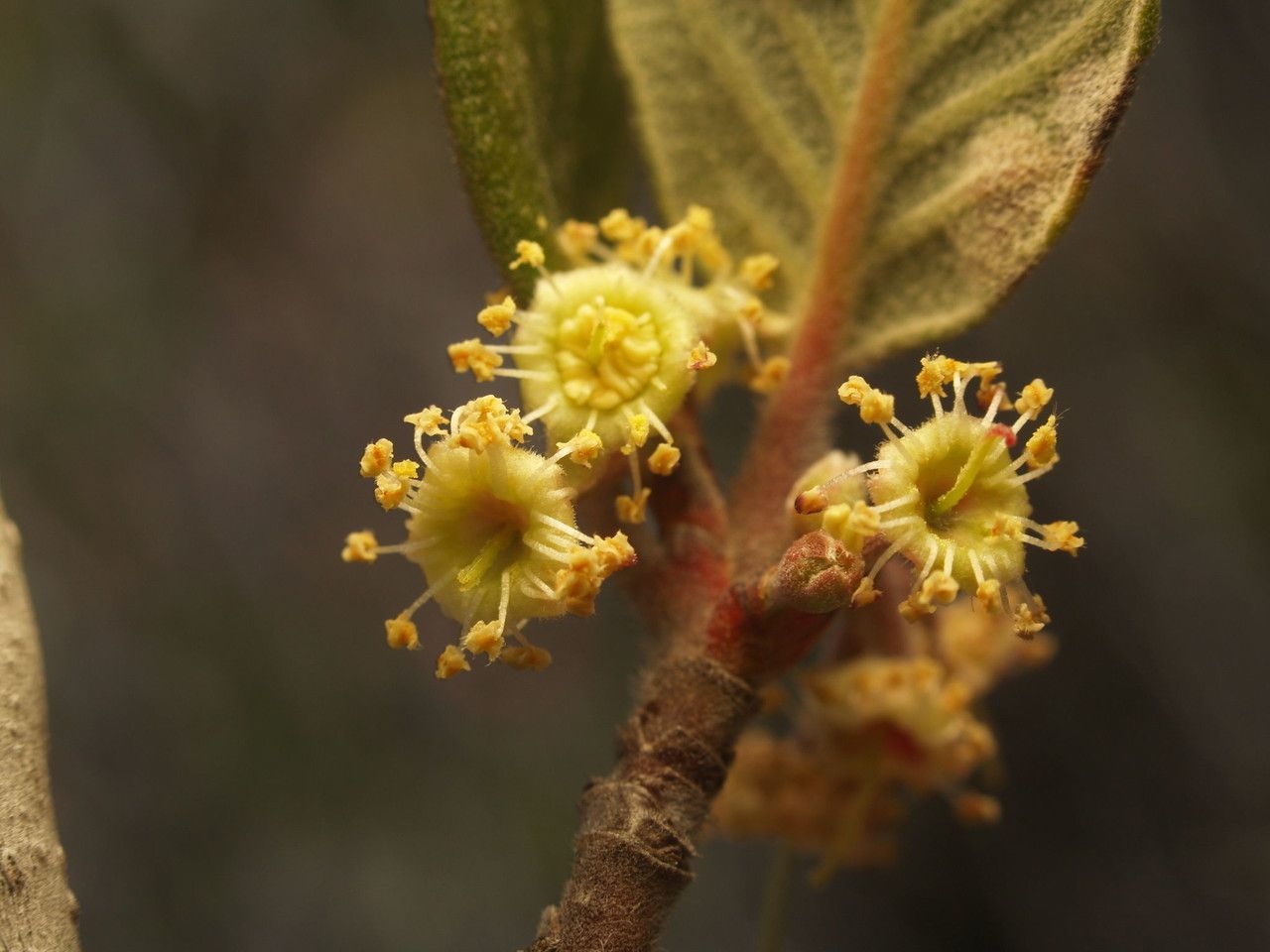
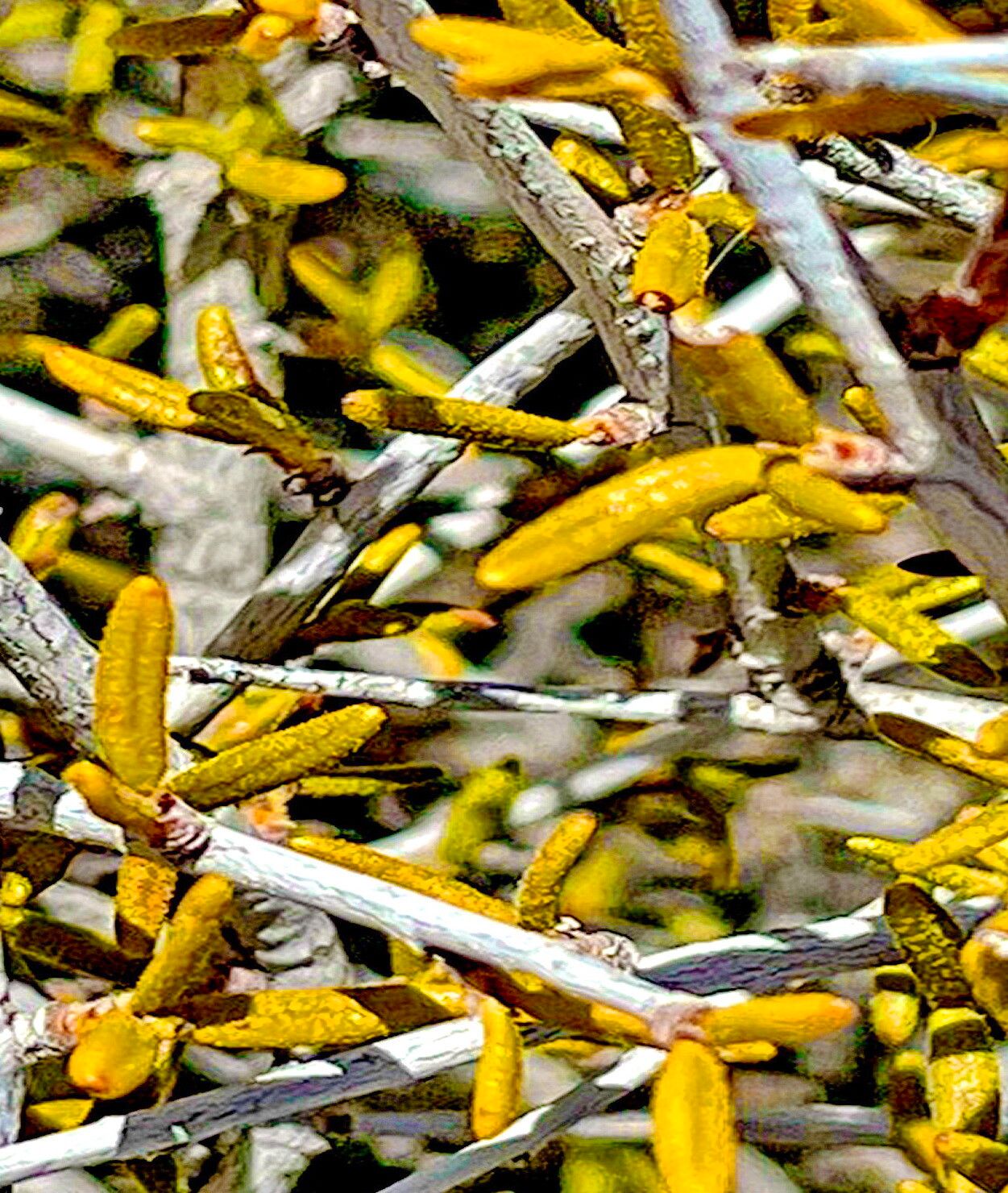
Cercocarpus ledifolius, commonly known as the curl-leaf mountain mahogany, is a shrub or small tree native to the western United States. It typically reaches heights of 3 to 15 feet and features a dense, rounded crown with twisted, curled, leathery leaves that are dark green in color. In the spring, the plant produces small white or pink flowers, which are followed by feathery seed heads.
Curl-leaf mountain mahogany is vital for wildlife, offering food and shelter to birds, mammals, and insects. Additionally, this plant boasts medicinal properties; its compounds have been used by Native American tribes to treat various ailments, including diarrhea, fever, coughs, and colds.
This adaptable species thrives in dry, rocky soils at high elevations but can also tolerate some shade at lower elevations. Its ecological and medicinal benefits make it a valuable plant in diverse environments.
Curl-leaf mountain mahogany is quite resistant to disease and generally not susceptible to illnesses. As for care, this plant is fairly low-maintenance. When grown outdoors it needs only minimal watering, and larger plants typically do not require pruning. Smaller plants, however, should be pruned after they finish blooming. Curl-leaf mountain mahoganyt is suitable for anyone who has outdoor space, such as a garden or deck, and does not demand extensive gardening experience.
How to keep Cercocarpus Ledifolius.
Light
Curl-leaf mountain mahogany grows best with steady daytime sunlight but can tolerate lower light levels. Native to sunny habitats, both insufficient and excessive sun can impede its growth, potentially causing dull foliage or stunted development.
Water
Curl-leaf mountain mahogany is well-suited to arid environments, as it thrives with minimal moisture and possesses a high tolerance for drought. When watering, aim for sparse intervals, roughly once every 2 to 3 weeks. This plant requires well-draining soil to avoid waterlogging, which mirrors the dry conditions of its native habitat. These features make it particularly suitable for outdoor cultivation.
Temperature
Curl-leaf mountain mahogany is native to habitats that provide moderate to hot temperatures of 50 to 95 °F (10 to 35 °C). It favors this range for optimal growth and vigor. Depending on the local climate, seasonal adjustments to temperature may be necessary.
Fertilizer
To encourage healthy growth, fertilize your Curl-leaf mountain mahogany in early spring. Consistent fertilization improves its overall health, leading to vigorous growth, increased resilience to harsh conditions, and enhanced resistance to pests and diseases. Follow a specific fertilizing schedule for your Curl-leaf mountain mahogany to maintain vibrant, deeply colored foliage and a lush appearance.
Pruning
Curl-leaf mountain mahogany benefits greatly from selective pruning, which involves removing dead branches and thinning the plant to improve air circulation. This pruning is best done between early and late winter. Make sure to cut just above the nodes to encourage new growth. Regular pruning helps maintain the plant's shape and vigor, while also preventing overcrowding.
Botanical profile.
- Plant Type
- Tree
- Life Cycle
- Perennial
- Genus
- Cercocarpus
- Family
- Rosaceae
- Hardiness Zone
- 6-9
- Mature Height
- 10.97 m
- Mature Spread
- 18 cm
- Leaf Color
- Green, White, Gray, Silver
- Leaf Type
- Evergreen, Semi-evergreen, Deciduous
- Flower Color
- White
- Flower Size
- 2.54 cm
- Bloom Time
- Mid spring, Late spring
- Planting Time
- Spring, Autumn
- Harvest Time
- Mid summer, Late summer, Early fall
- Native Area
- Mexico
Other names.
Reader questions.
What are the sunlight requirements for Curl-leaf mountain mahogany?
Curl-leaf mountain mahogany requires full sun, meaning it thrives best with above 6 hours of sunlight daily, but it can also tolerate partial sun, or about 3-6 hours of sunlight. Observing how sunlight moves through your garden will help you choose spots that provide the perfect balance of light and shade, ensuring the plants' growth and health. Originally from sun-rich habitats, both insufficient and excessive sun exposure can negatively impact the plant, possibly leading to dull foliage or stunted growth.
What is the ideal temperature range for Curl-leaf mountain mahogany?
Curl-leaf mountain mahogany thrives in environments that offer a moderate to hot temperature range, specifically between 50 to 95°F (10 to 35°C). This range is considered optimal for its growth and vigor. It's important to adjust for seasonal temperature variations based on the local climate to maintain its health and development.
How should artificial lighting be used for indoor plants?
Indoor plants, including Curl-leaf mountain mahogany, require adequate lighting for optimal growth, especially when natural sunlight is insufficient, such as in winter or less sunny spaces. Artificial light is a solution, promoting healthier growth. LED lights are recommended, providing the specific wavelengths needed. Full sun plants require 30-50W/sq ft, partial sun plants 20-30W/sq ft, and full shade plants 10-20W/sq ft of artificial light. The light source should be placed 12-36 inches above the plant, mimicking natural sunlight, for 8-12 hours per day.
Does Curl-leaf mountain mahogany require frost protection in winter?
Curl-leaf mountain mahogany exhibits strong cold resistance and usually doesn't require special frost protection measures during the winter. However, if temperatures are expected to plunge below -25°C, it's crucial to safeguard the plant. Wrapping the trunk and branches with non-woven fabric or cloth can provide adequate cold protection. Additionally, watering the plant abundantly before the first freeze in autumn helps keep the soil moist and ensures the plant remains hydrated throughout winter and early spring.
What are the symptoms of inadequate light exposure in Curl-leaf mountain mahogany?
Curl-leaf mountain mahogany may show several symptoms when exposed to insufficient light, including smaller new leaves, leggy or sparse growth, faster leaf drop, slowed or halted growth, and pale or chlorotic leaves. Conversely, too much direct sunlight can lead to chlorosis, sunscald, leaf curling, wilting, and leaf scorching, indicating damage and stress from overexposure. Recognizing these symptoms is crucial for adjusting care and ensuring plant health.
How does low temperature affect Curl-leaf mountain mahogany and what are the solutions?
Curl-leaf mountain mahogany is notably cold-tolerant and can thrive well when the temperature stays above 10°C. Throughout the winter, it's advisable to keep temperatures above -15°C. If the mercury dips below -25°C, the plant may not show immediate changes, but come spring, the branches could turn brittle and dry, failing to produce new shoots. To manage this, prune away any dead branches that haven't sprouted new leaves once spring arrives.
What are effective solutions for addressing light-related issues in Curl-leaf mountain mahogany?
For indoor plants, gradually move them to sunnier locations to ensure at least 6 hours of direct sunlight daily, utilizing south-facing windows for maximum exposure. If the plant is too large or not easily movable, consider using artificial lighting, keeping a lamp on for at least 8 hours daily or investing in grow lights. Outdoors, adapt your plants to sunlight changes gradually to prevent sunburn. Reducing obstructions like pruning trees can improve sunlight access. If needed, transplant smaller plants during their dormant period to sunnier locations with good drainage, ensuring healthier growth after increased light exposure.
What should be done if Curl-leaf mountain mahogany experiences high temperatures?
During the summer months, it's essential to keep Curl-leaf mountain mahogany below 35°C. Exposure to temperatures exceeding 38°C can lead to the plant's leaves becoming lighter in color, tips turning dry and withered, and increased susceptibility to sunburn. To mitigate these issues, trim away the sunburned and dried-up parts of the plant. Relocate the plant to a shaded area or use a shade cloth to protect it from the harsh midday and afternoon sun. Ensure the soil remains moist by watering the plant in the morning and evening.