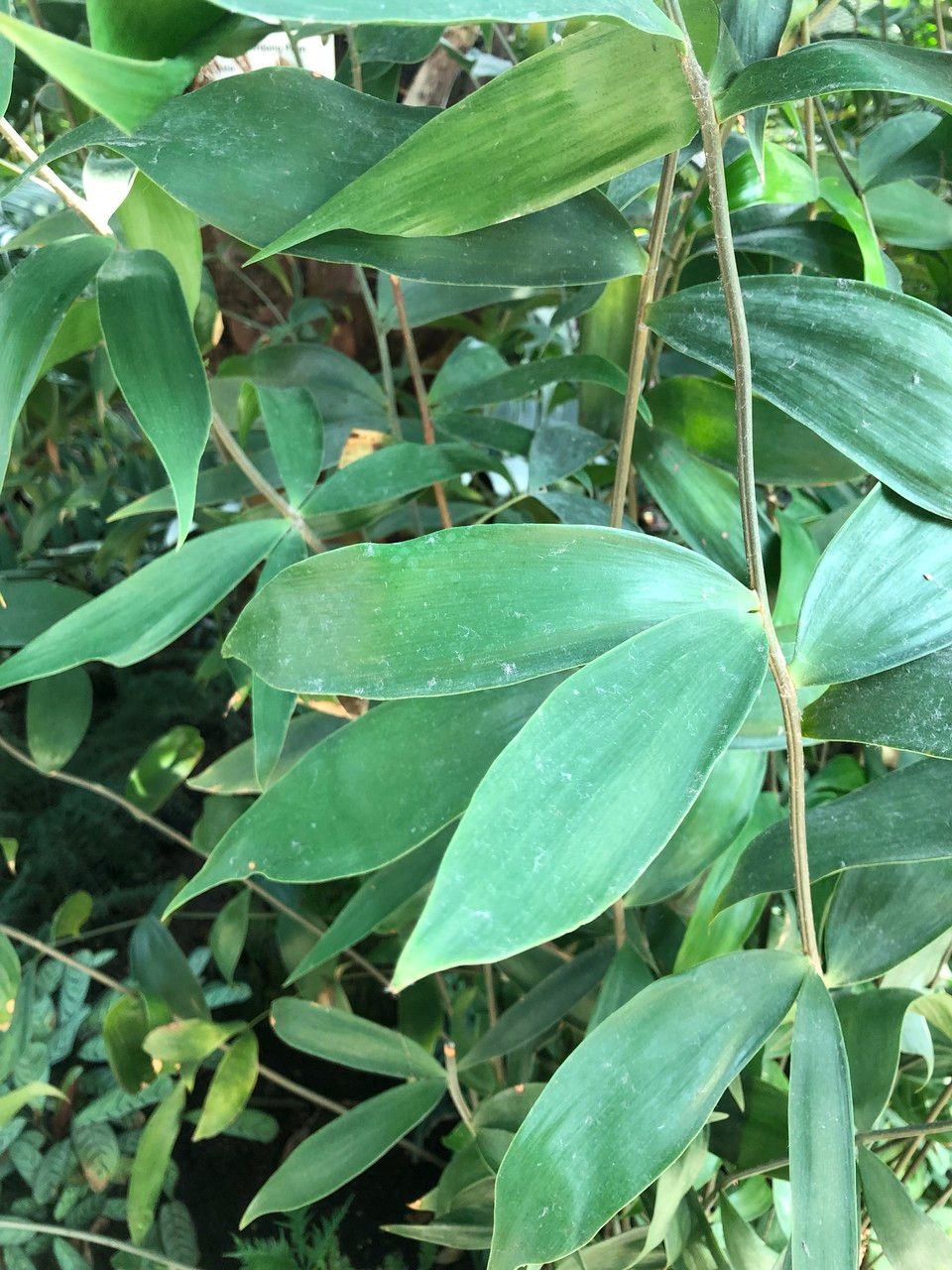
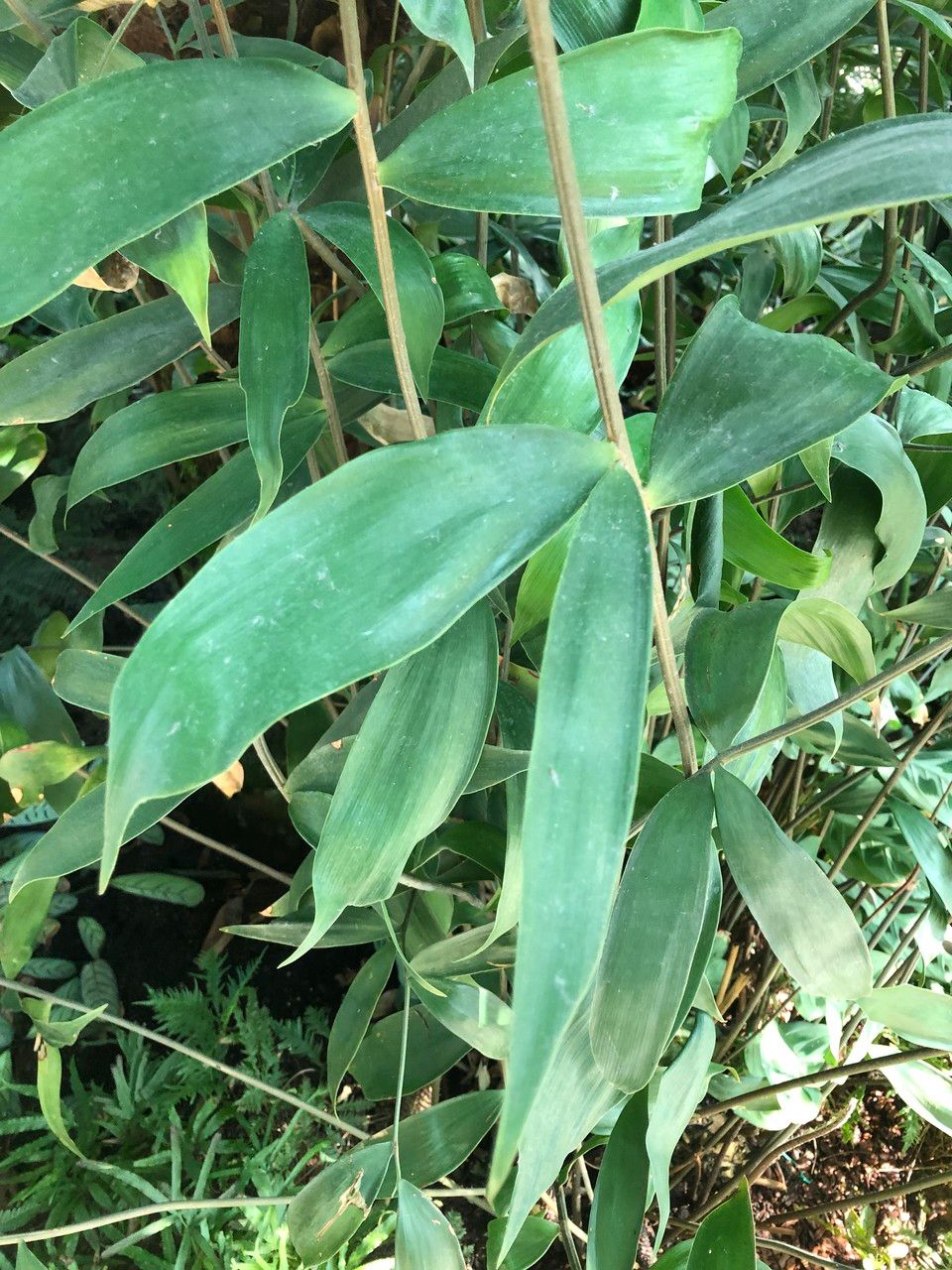
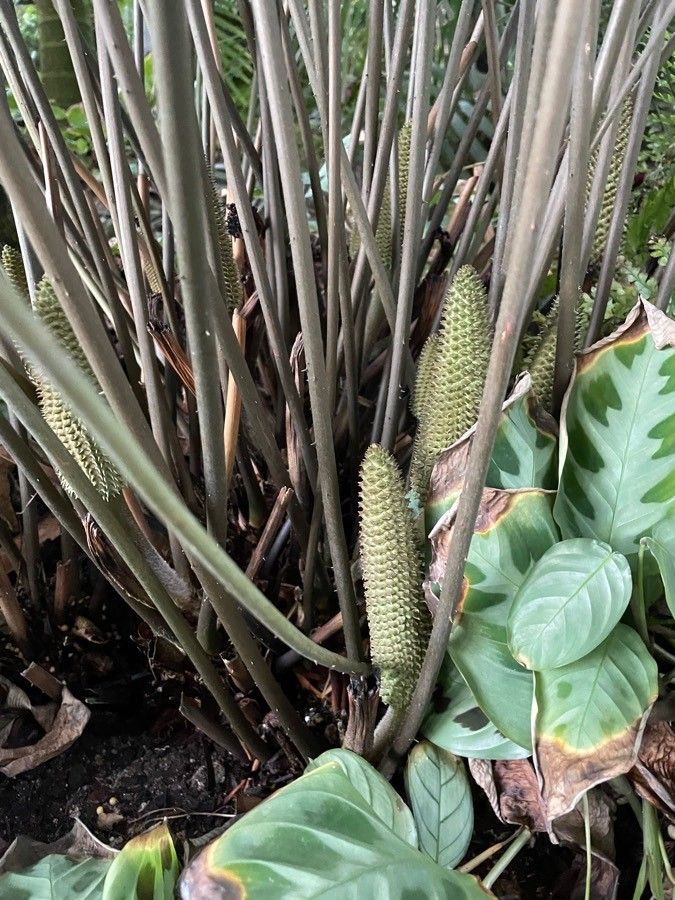
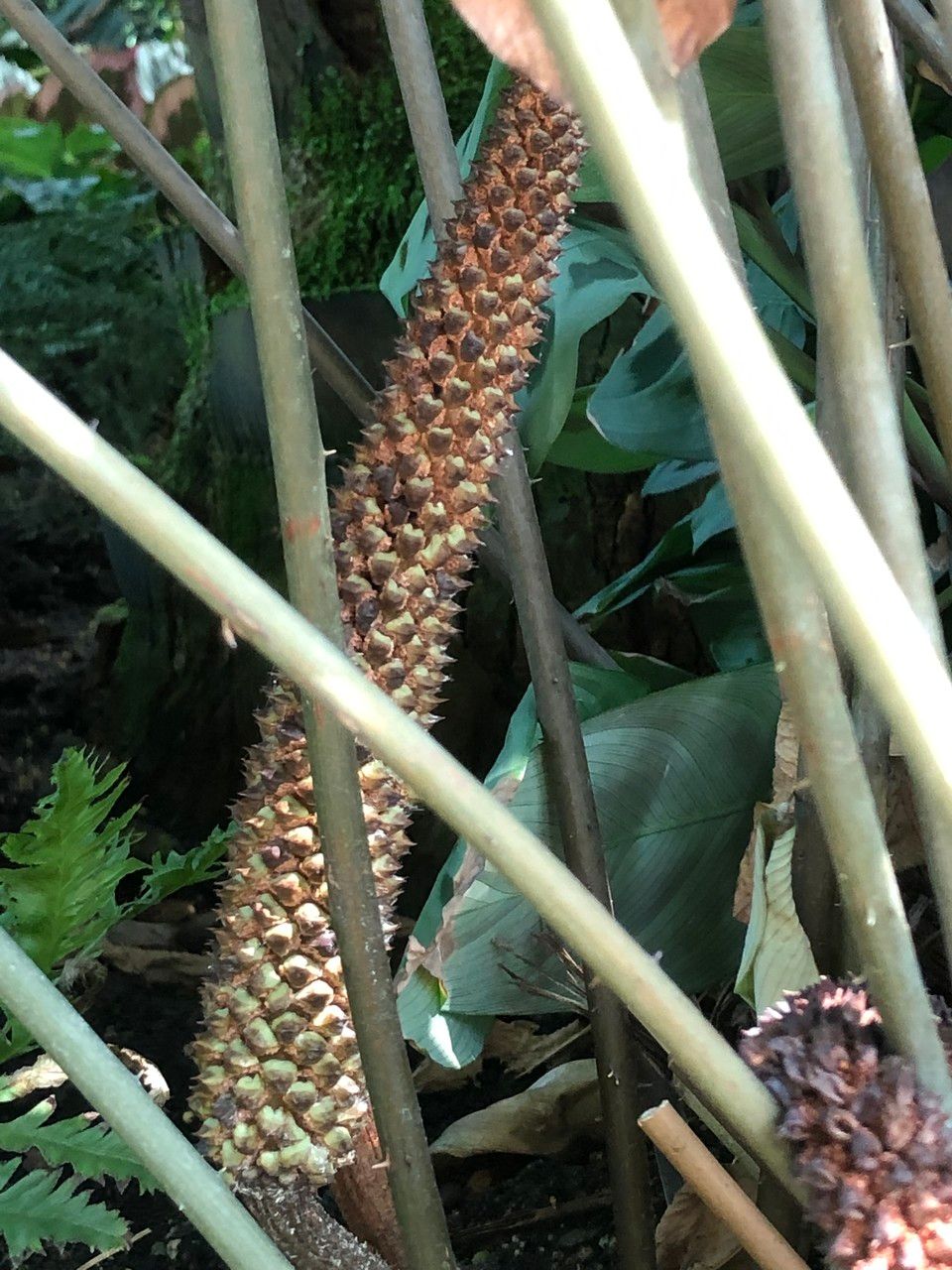
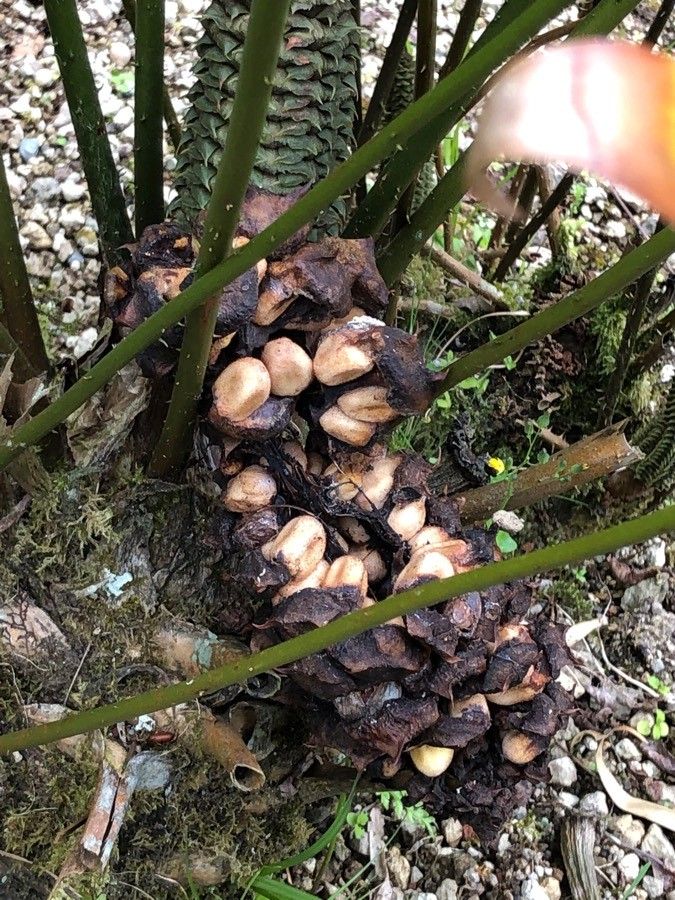
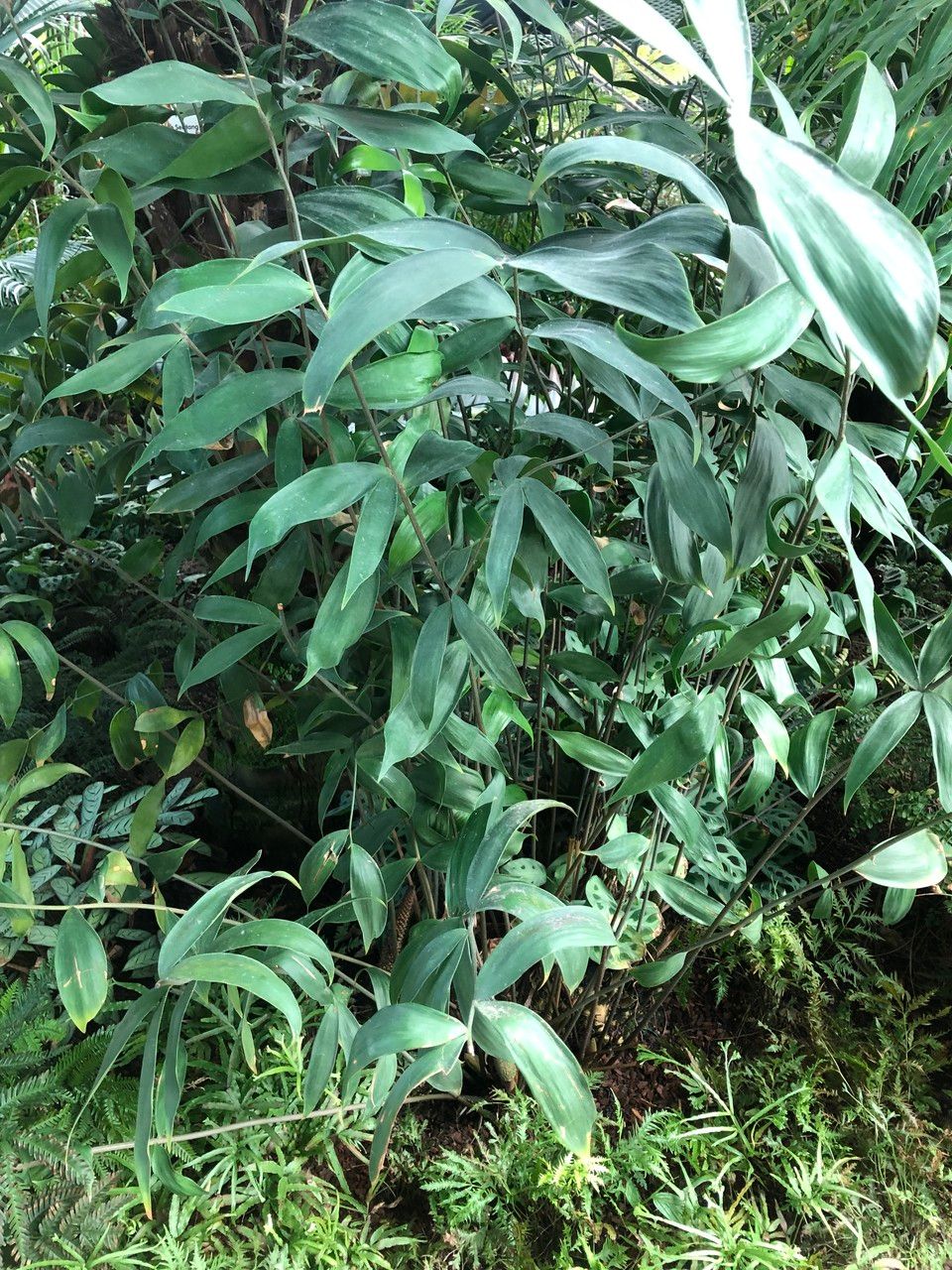
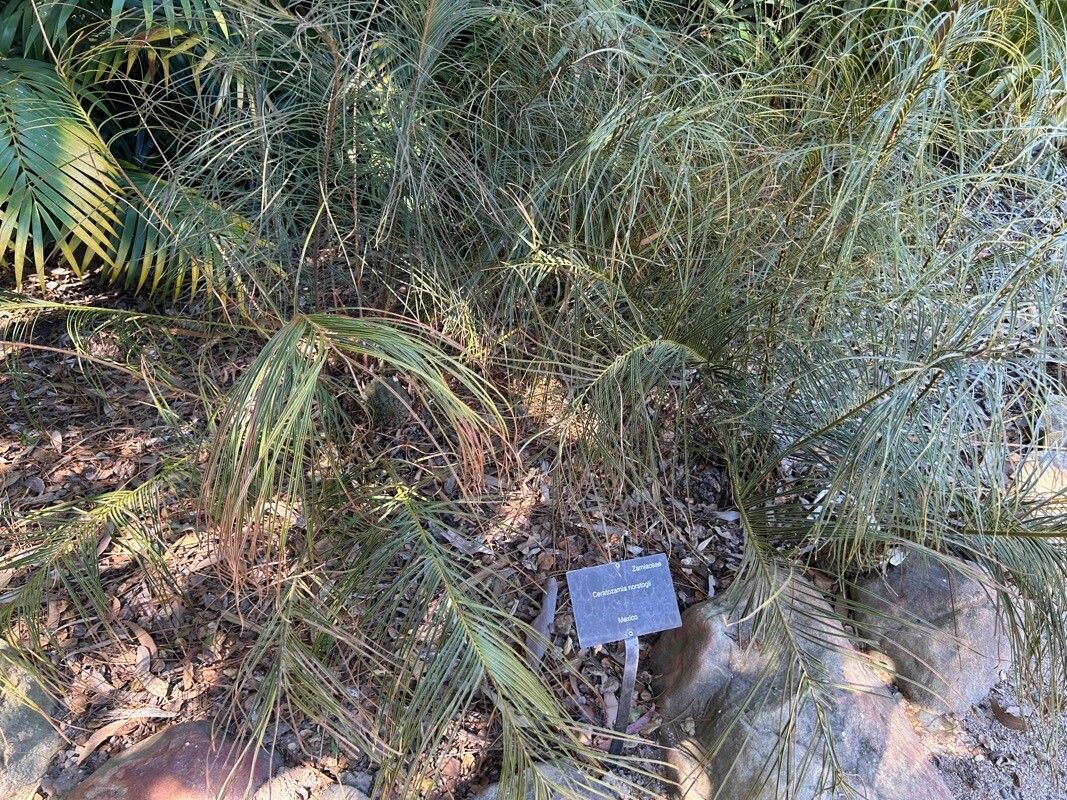
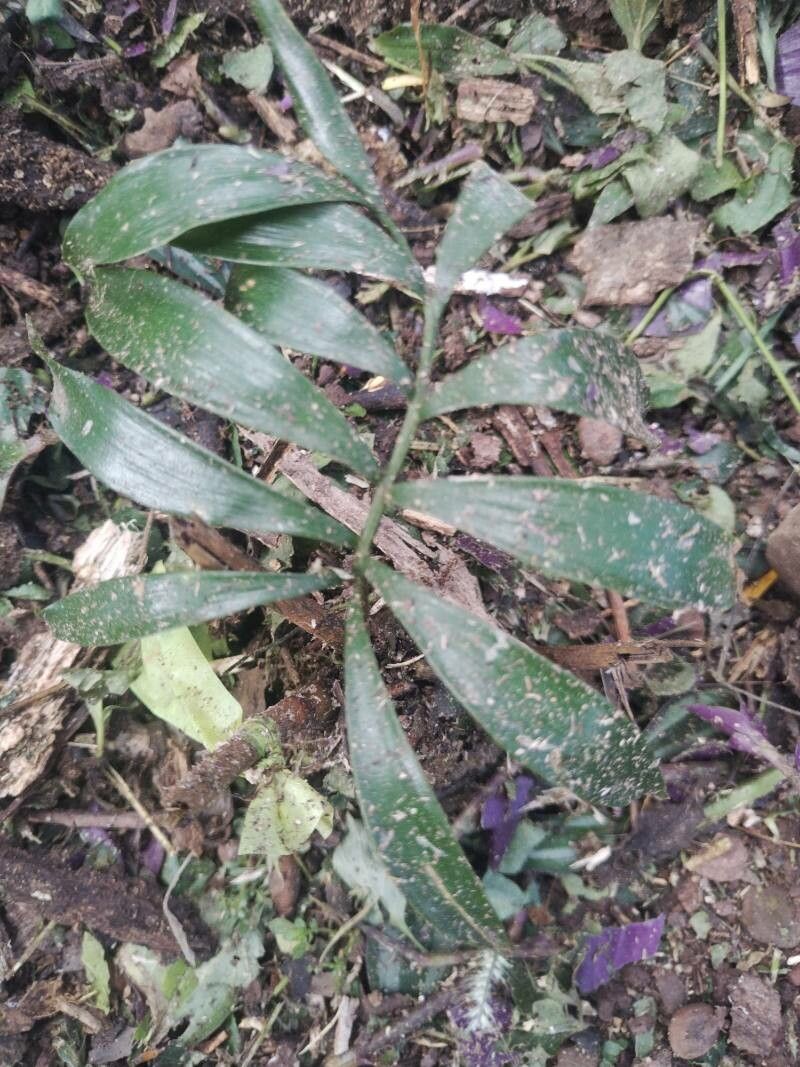
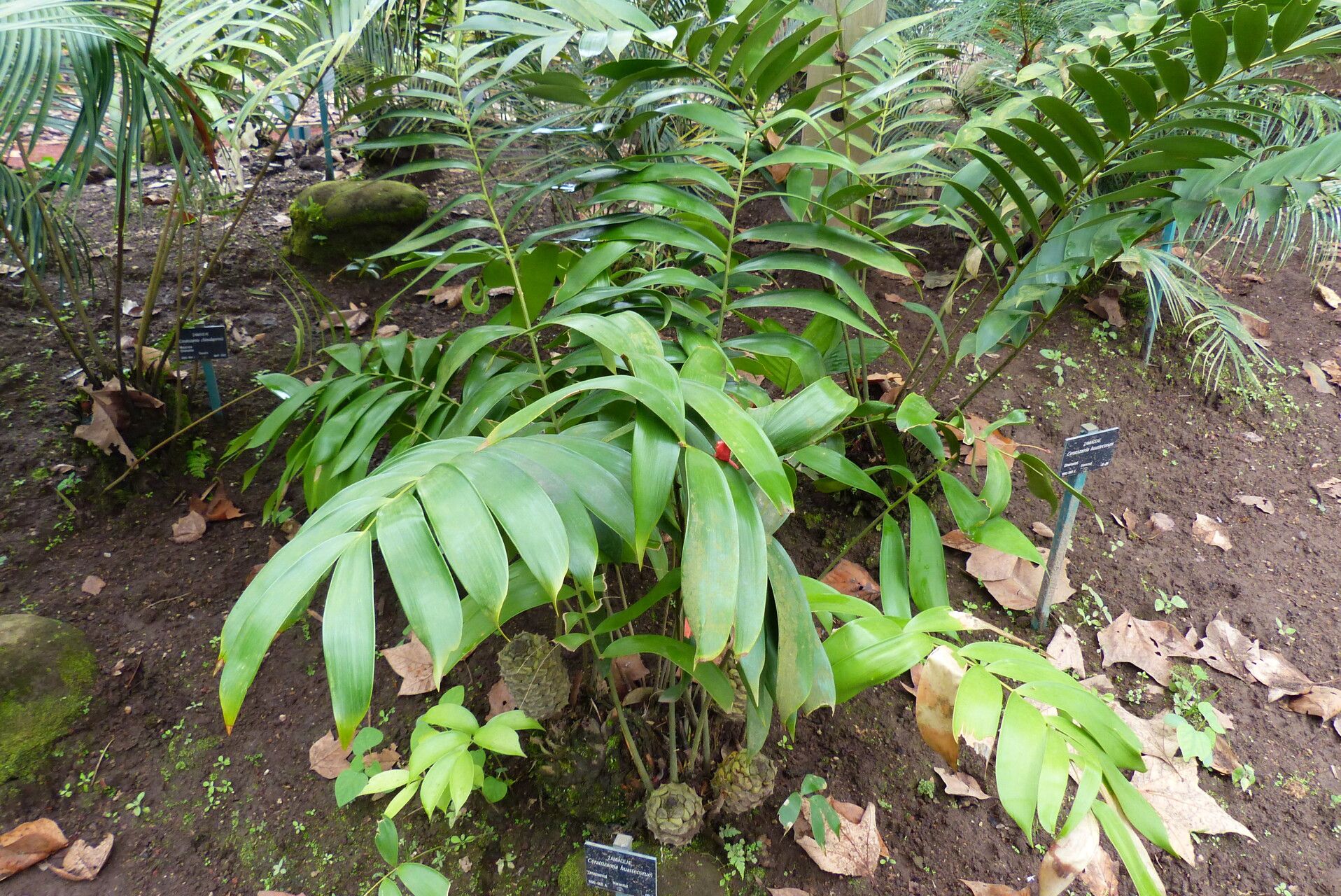
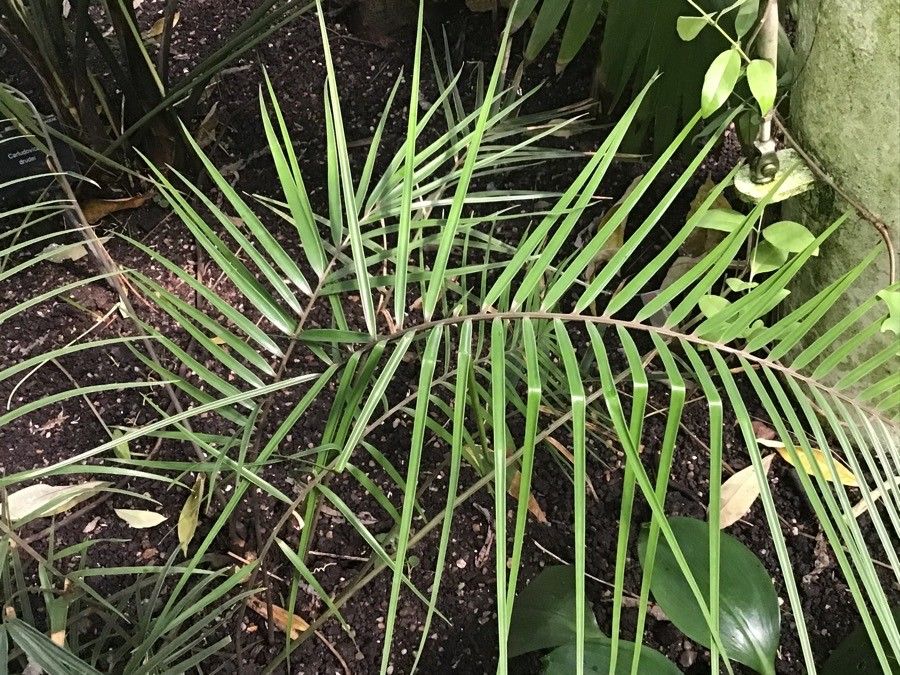
Ceratozamia hildae, commonly known as the bamboo cycad, is a species of cycad in the family Zamiaceae that is endemic to Mexico. It is native to the Huasteca Potosina of Querétaro and San Luis Potosí, near the Santa Maria River. C. hildae inhabits deciduous oak woodlands at elevations of 850–1,300 m (2,790–4,270 ft). It is threatened by habitat loss and over-collecting.It is the only cycad with more than two sets of leaflets per leaf internode.
The bamboo cycad has strong disease resistance and is typically not susceptible to illnesses. In terms of care, this plant is fairly low-maintenance. When grown outdoors it needs minimal watering, and larger specimens generally do not require pruning. Smaller plants, however, should be pruned after they finish blooming. The bamboo cycad is suitable for anyone with outdoor space, such as a garden or deck, and does not demand much gardening experience.
How to keep Ceratozamia Hildae.
Light
The bamboo cycad performs best in spots with partial sunlight but can tolerate full shade. You may need to make seasonal care adjustments, especially for plants kept in pots. Insufficient light can cause slowed growth or thin, sparse foliage.
Water
The bamboo cycad flourishes in humid conditions with consistent moisture but also demonstrates drought tolerance. It typically needs watering every 2-3 weeks, with reduced watering during its dormant phase. This watering schedule mimics the rainfall patterns of its natural habitat, the tropical rainforest.
Humidity
This plant prefers dry conditions, so don't mist it. However, watering it less often can also thrive in higher humidity.
Temperature
Bamboo cycad comes from tropical areas, where the climate is generally warm and humid. Therefore it is well suited to high temperatures and humidity. It does not tolerate sudden temperature changes and prefers a steady temperature, so avoiding indoor temperature fluctuations is important. It typically cannot withstand cold and needs higher temperatures to grow. If the environmental temperature falls too low, the plant may stop growing or even die.
Fertilizer
The bamboo cycad has specific nutrient needs and does not require heavy fertilization. Spring is the best time to apply fertilizer for optimal growth. Supplying nutrients improves its health, increases resistance to pests and diseases, and helps maintain its long lifespan.
Pruning
The Bamboo cycad features fern-like leaves and a shape reminiscent of bamboo. For optimal health and appearance, it is important to prune old or damaged leaves from early to late winter. Use clean, sharp tools to minimize the risk of disease. Regular pruning enhances airflow and light penetration, promoting strong growth in the following season.
Botanical profile.
- Plant Type
- Shrub
- Life Cycle
- Perennial
- Genus
- Ceratozamia
- Family
- Zamiaceae
- Hardiness Zone
- 9-11
- Mature Height
- 0.91 m to 1.22 m
- Mature Spread
- 61 cm to 91 cm
- Leaf Color
- Dark Green
- Leaf Type
- Evergreen
- Bloom Time
- Late spring, Early summer
- Planting Time
- Spring, Summer, Autumn
- Harvest Time
- Late summer, Early fall, Mid fall
- Native Area
- Mexico
Other names.
Reader questions.
What are the sunlight requirements for Bamboo cycad?
Bamboo cycad thrives in partial sun, requiring about 3-6 hours of sunlight daily, but it can also adapt to full shade conditions with less than 3 hours of sunlight. It's native to environments such as forest understories or rocky areas, where it experiences natural shade. Monitoring how sunlight moves through your garden and choosing locations that provide a balance of light and shade will promote the health and happiness of Bamboo cycad.
What are some artificial lighting tips for Bamboo cycad grown indoors?
For indoor Bamboo cycad plants lacking natural sunlight, especially in winter or less sunny spaces, artificial lighting is vital for optimal growth. LED lights are recommended because they can be customized to the specific light wavelengths needed by the plant. Full sun plants require 30-50W/sq ft, partial sun plants 20-30W/sq ft, and full shade plants 10-20W/sq ft of artificial light. The artificial light source should be placed 12-36 inches above the plant to mimic natural sunlight, and most plants need 8-12 hours of light per day to thrive.
What are the symptoms of insufficient sunlight for Bamboo cycad?
Symptoms of insufficient sunlight in Bamboo cycad include smaller new leaves, leggy or sparse growth, faster leaf drop, slower or halted new growth, lighter-colored new leaves, and conditions such as chlorosis (leaves turning yellow due to lack of chlorophyll), sunscald (damage from intense sunlight), leaf curling (as a defense mechanism against excess sunlight), wilting (loss of turgor pressure causing drooping), and leaf scorching (brown, dry, and crispy leaf edges due to excessive sunlight).
What are effective solutions for addressing insufficient sunlight for Bamboo cycad?
To address insufficient sunlight, gradually acclimate your Bamboo cycad to sunlight by moving it to sunnier spots each week until it receives the optimal 3-6 hours of direct sunlight daily. For large or immobile indoor plants, consider providing additional light through a desk or ceiling lamp for at least 8 hours daily or invest in professional plant grow lights. Outdoors, move plants to better light conditions gradually to avoid sunburn. Removing obstructions like branches can increase sunlight exposure. If necessary, transplant smaller plants during their dormant period into a location with ample sunlight and good drainage. Note that parts of the plant affected by light deficiency may not recover, but new growth will be healthy after adjusting light exposure.