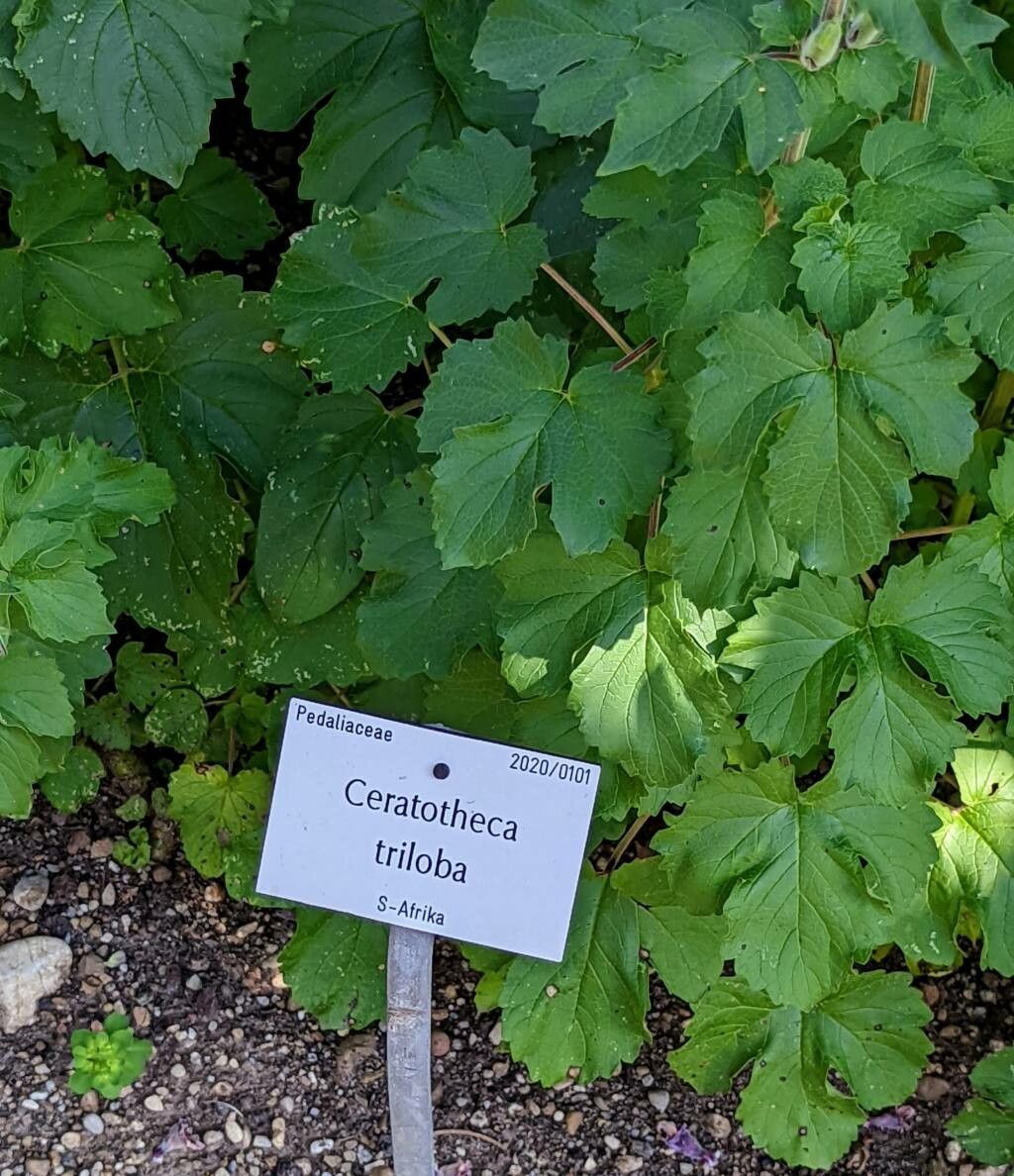
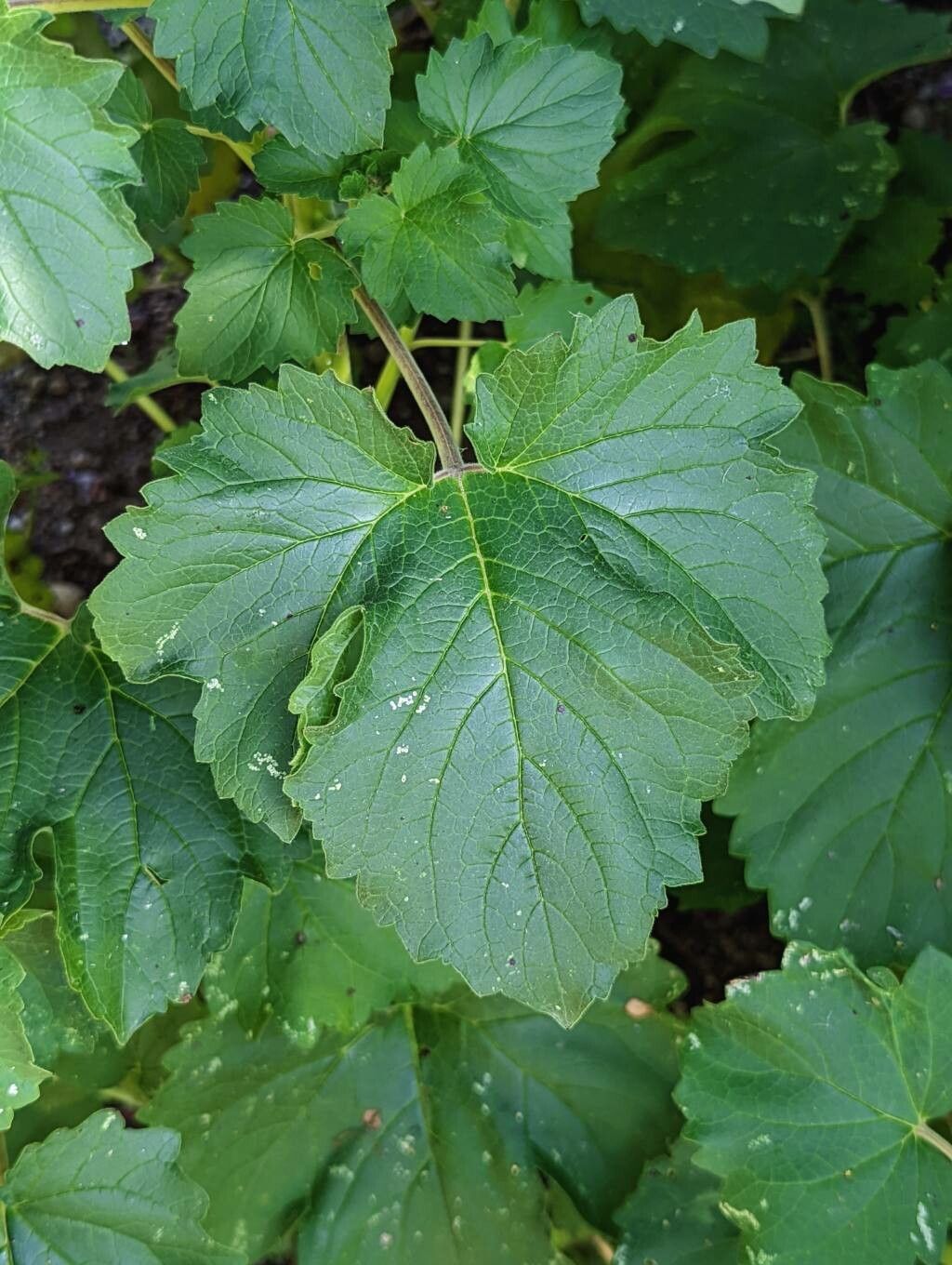
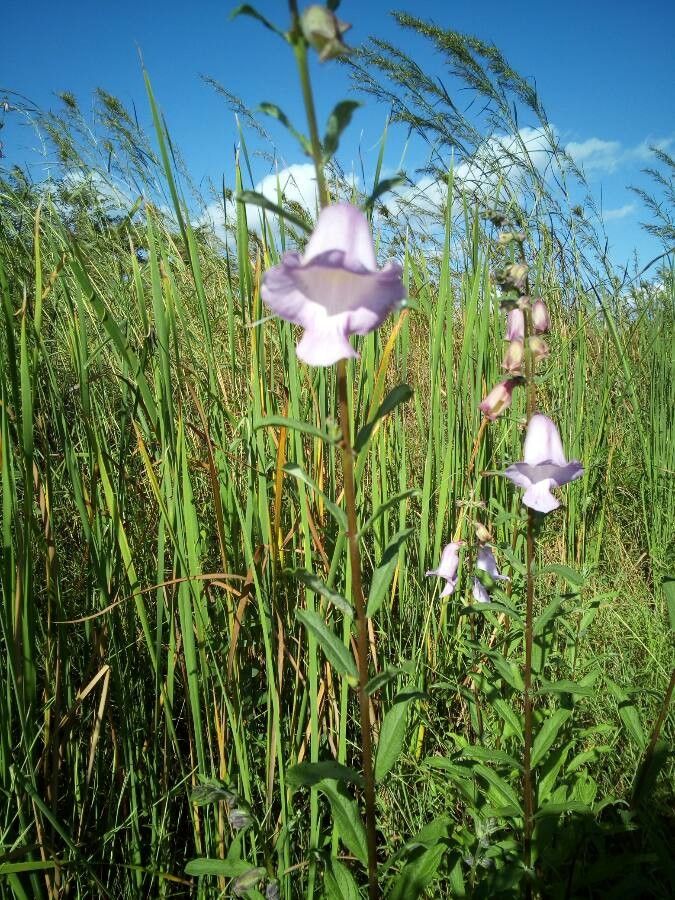
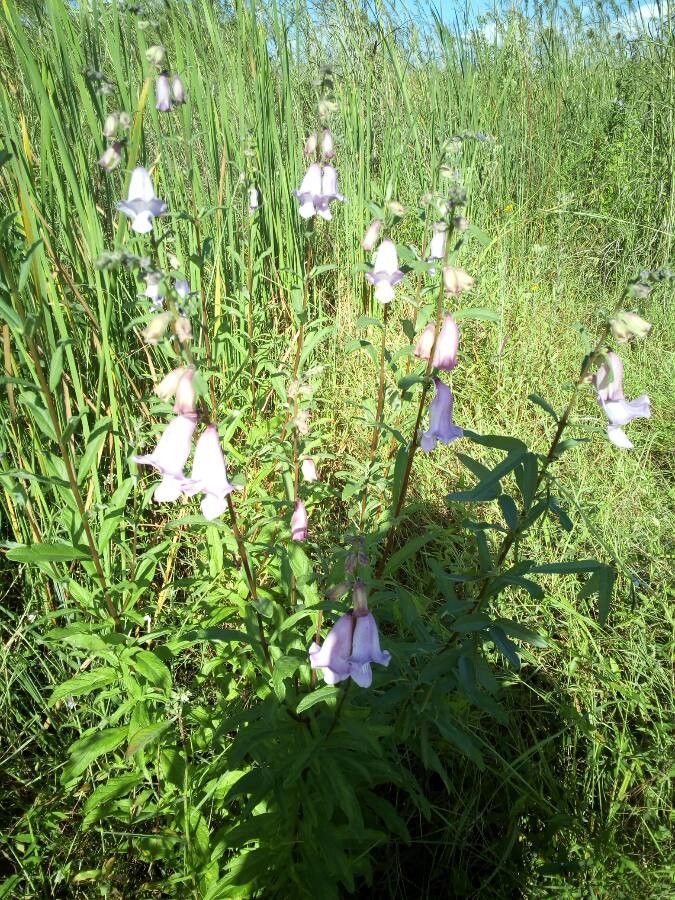
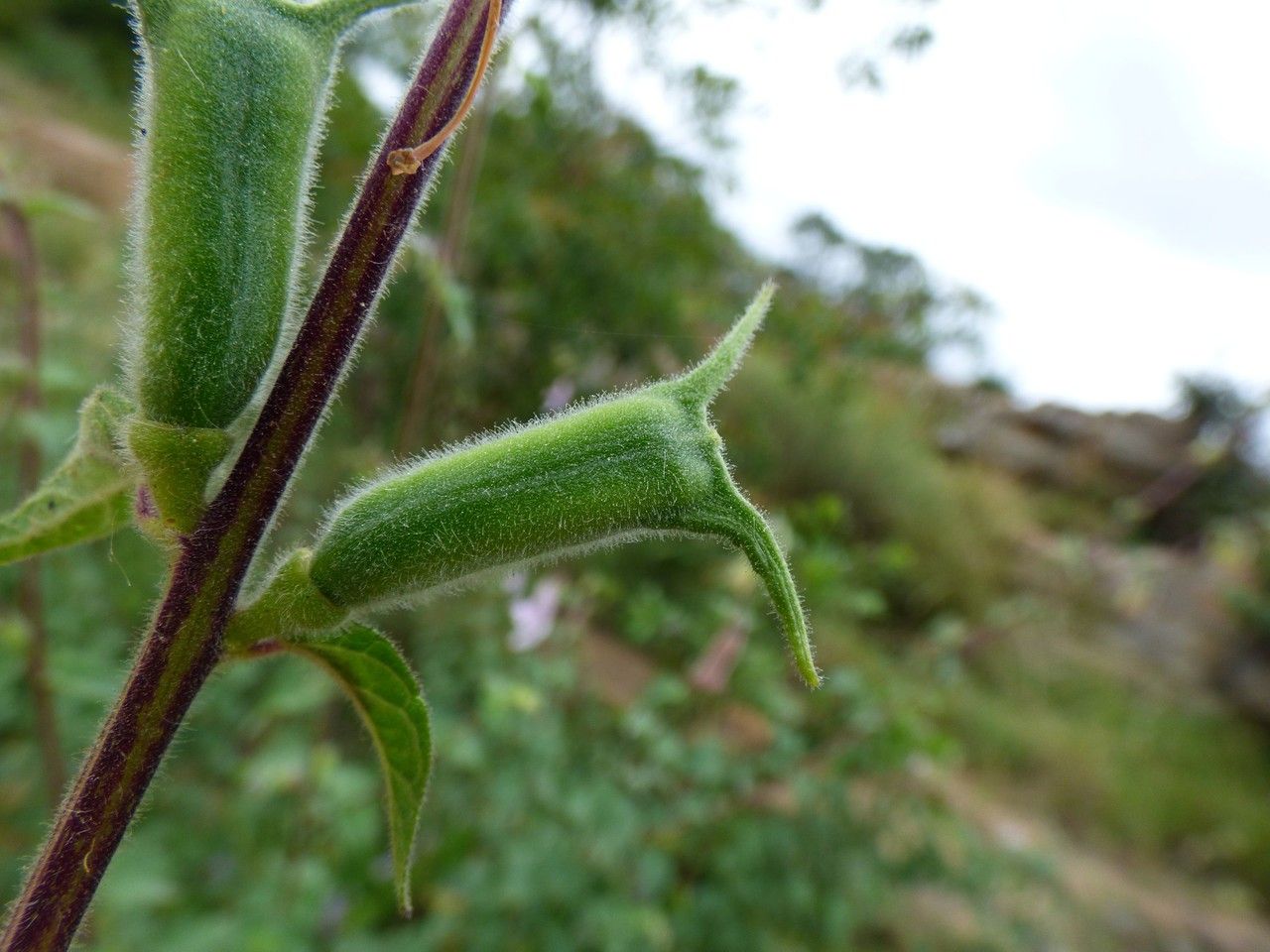
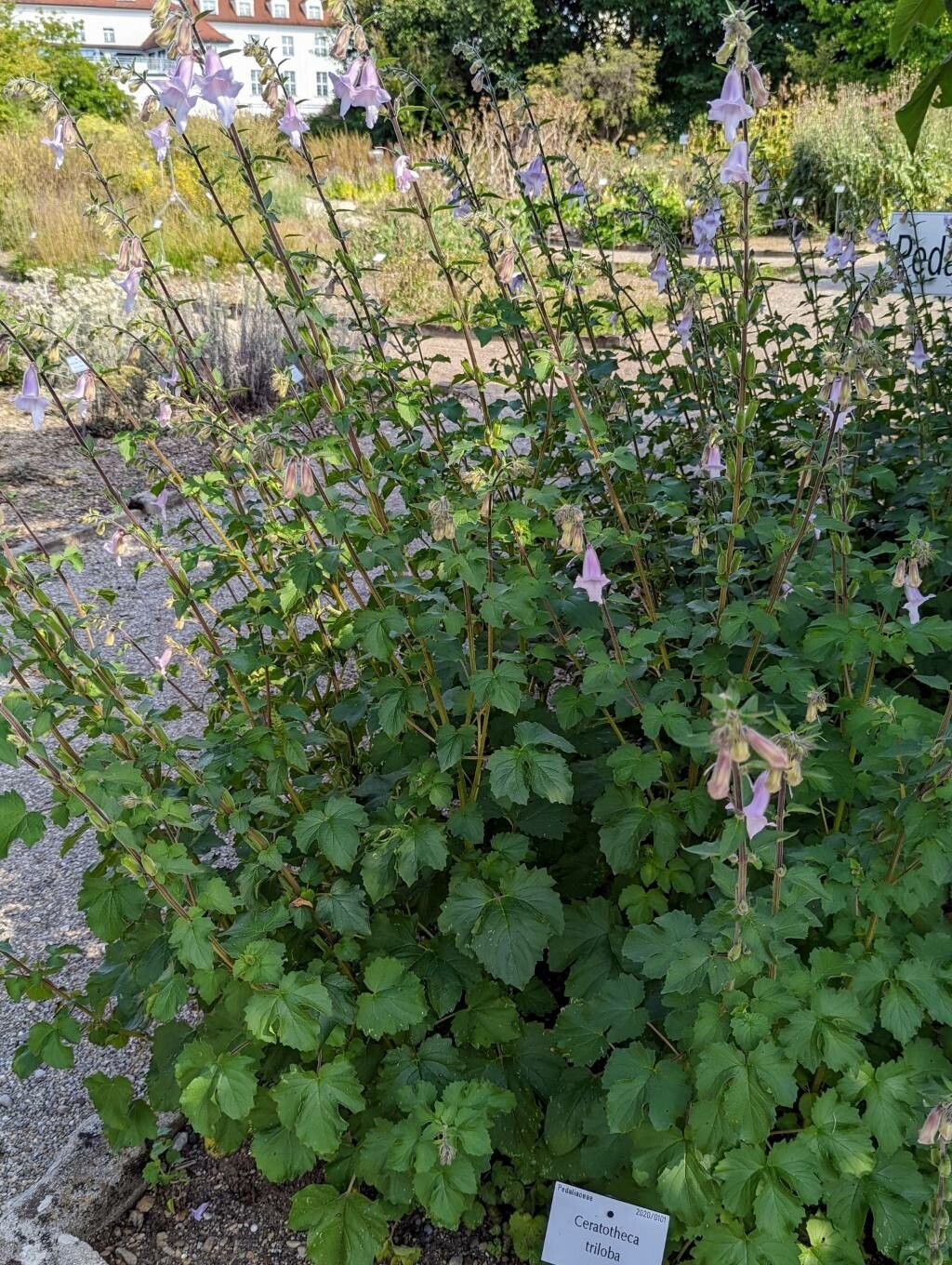
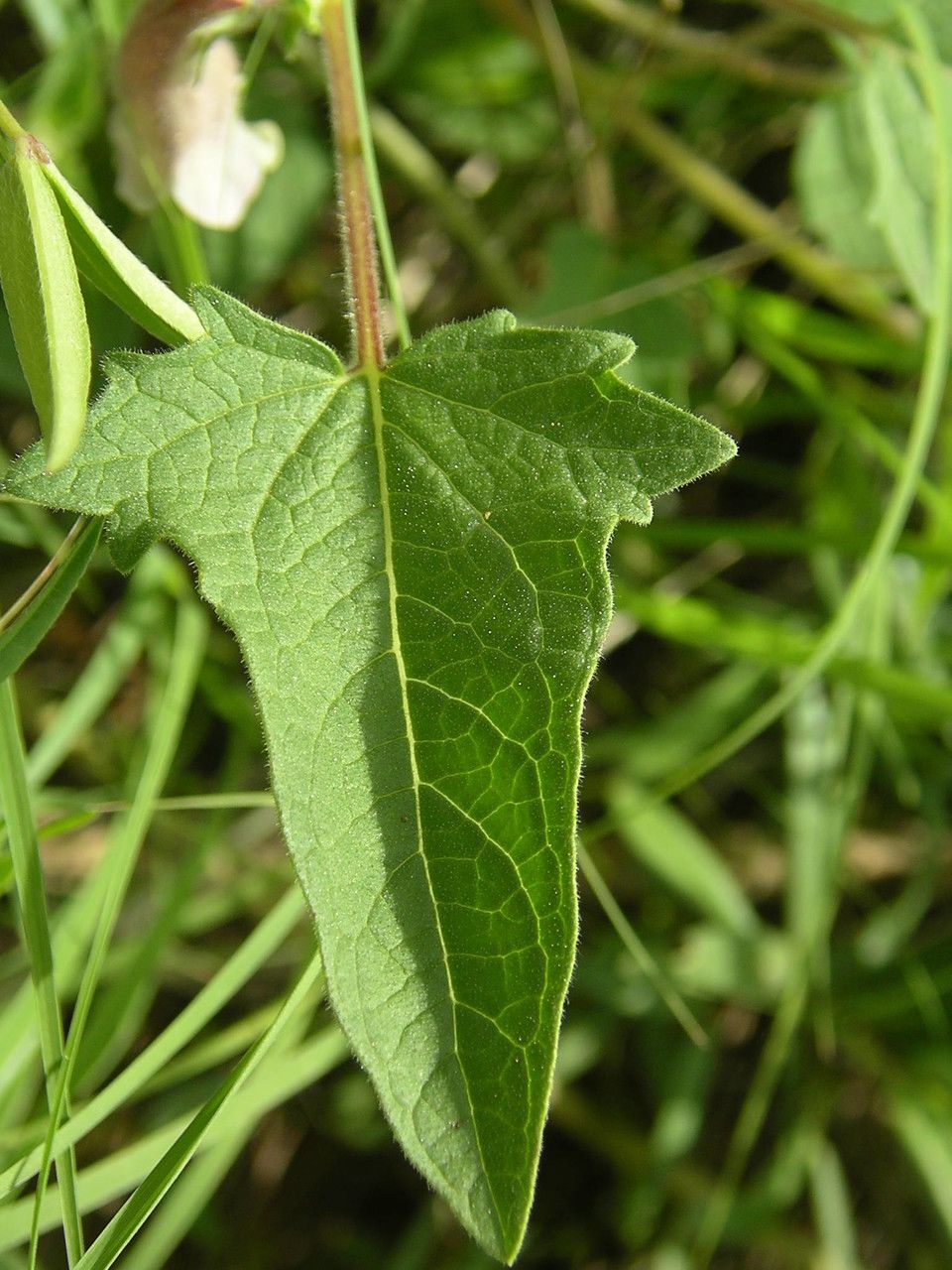
Ceratotheca is a genus of plants in the family Pedaliaceae (sesame family) comprising about five species native to worldwide tropical areas and to southern Africa.The genera name is derived from the Greek words keras meaning horn and theke meaning capsule.
Wild foxglove is fairly disease-resistant and usually not prone to illness. Nonetheless, it can be affected by pests and diseases present in its environment. Such infections are generally mild. Care-wise, the plant needs moderate attention. Regular pruning is necessary to preserve a neat appearance and support healthy growth. Fertilizing can also help encourage flowering. Wild foxglove is appropriate for anyone with outdoor space, like a garden or patio, and does not require extensive care experience. It may need more attention when cultivated indoors.
How to keep Ceratotheca Triloba.
Light
Wild foxglove needs a substantial amount of sunlight to grow well. In its native environment it thrives beneath open skies where sunlight is plentiful. Insufficient light can cause poor growth, while excessive exposure does not harm it.
Water
Wild foxglove, native to Southern Africa, thrives in arid conditions due to its high drought tolerance. For optimal growth, it should be watered weekly, and it also benefits from rainwater during its growing season, which promotes both hydration and a healthy growth cycle.
Temperature
Wild foxglove is a plant that prospers in its native habitat when temperatures range from 68 to 100°F (20 to 38℃). When seasons change, modify the climate accordingly, making sure it corresponds to its natural growth temperature.
Fertilizer
Once Wild foxglove has opened most of its blooms to full size, it's time to resume fertilizing. Around the time the blooms are at peak production, begin fertilizing again every three to four weeks, weather permitting. Then, after Wild foxglove starts producing fewer new blooms, stop fertilizing; there is no need to feed the plant when it can no longer produce more blooms.
Pruning
Wild foxglove has beautiful bell-shaped flowers and thrives in well-drained soil. To keep the plant healthy and promote bushiness, prune it from early to late spring to remove any damaged stems. Selective pruning and deadheading can help extend the blooming period. Avoid making severe cuts, as wild foxglove flowers on new growth. This approach enhances air circulation and contributes to the plant's overall health.
Botanical profile.
- Plant Type
- Herb
- Life Cycle
- Annual, Biennial, Perennial
- Genus
- Ceratotheca
- Family
- Pedaliaceae
- Hardiness Zone
- 9-11
- Mature Height
- 1.37 m
- Mature Spread
- 61 cm
- Leaf Color
- Green
- Leaf Type
- Semi-evergreen
- Flower Color
- Pink, White
- Flower Size
- 5.08 cm
- Bloom Time
- Summer, Early fall, Mid fall
- Planting Time
- Spring
- Harvest Time
- Late summer, Fall, Early winter
Other names.
Reader questions.
What are the sunlight requirements for Wild Foxglove?
Wild Foxglove requires full sun, meaning it should receive above 6 hours of sunlight daily for healthy growth. It thrives under clear skies in its natural habitat, where sunlight is abundant. Insufficient sunlight can lead to poor development, but it is tolerant of excess exposure. Observing the movement of sunlight through your garden will help you find the perfect balance of light and shade, ensuring the optimal growth of your plants.
What is the ideal temperature range for wild foxglove?
Wild foxglove thrives in environments where temperatures range from 68 to 100°F (20 to 38°C). It is crucial to adjust the climate to match its natural growth temperature as seasonal changes occur, particularly maintaining temperatures above 20°C during winter. Cold temperatures are harmful to the plant, so it is recommended to bring outdoor-grown wild foxglove indoors during autumn, placing it near a bright window but a certain distance from heaters to avoid damage. Temperatures approaching 0°C can be detrimental to the plant's health.
How important is artificial lighting for Wild Foxglove?
Artificial lighting becomes crucial for Wild Foxglove, especially when natural sunlight is insufficient, like in winter or less sunny spaces. It supports optimal growth by providing a vital light source. LED lights are recommended for their ability to be customized to specific plant needs. Full sun plants, including Wild Foxglove, need 30-50W/sq ft of artificial light. The light source should be placed 12-36 inches above the plant, mimicking natural sunlight as close as possible and ensuring plants get 8-12 hours of light per day.
How should wild foxglove be cared for in low temperatures?
Wild foxglove prefers warm temperatures and is not tolerant of low temperatures. It is best kept in conditions above 20°C and should remain above 0°C during the winter. If the temperature falls below -5°C, the leaves may lighten in color, and after frost damage, they can gradually turn brown or black with signs of wilting and drooping. To manage frost damage, trim off affected parts and move the plant to a warm environment indoors. Placing it near a south-facing window ensures ample sunlight while avoiding excessive dryness from heaters or air conditioning vents.
What symptoms indicate insufficient light exposure in Wild Foxglove?
Symptoms of light deficiency in Wild Foxglove include smaller new leaves, leggy or sparse growth, faster leaf drop, slower or ceased new growth, lighter-colored new leaves, chlorosis, sunscald, leaf curling, wilting, and leaf scorching. These signs suggest either inadequate sunlight or overexposure, affecting the plant's health adversely. Monitoring and adjusting the plant's exposure to sunlight or artificial light can help mitigate these issues.
What should be done if wild foxglove is exposed to high temperatures?
During the summer, it is essential to keep wild foxglove's temperature below 38°C to prevent overheating. Exposure to temperatures above 43°C can cause the leaves to lighten and make the plant more prone to sunburn. To address sunburn, trim away the affected parts and relocate the plant to a shaded area, particularly protecting it from the midday and afternoon sun. It is also beneficial to water the plant in the morning and evening to ensure the soil remains moist, helping the plant to cope with high temperatures.
How can you address light exposure issues for Wild Foxglove?
To address light exposure issues in Wild Foxglove, gradually increase sunlight exposure to ensure the plant receives at least 6 hours of direct sunlight daily. Use a south-facing window for indoor plants, and consider artificial lighting if the plant is large or not easily movable, keeping lights on for a minimum of 8 hours daily. For outdoor plants, move them gradually to sunnier spots to prevent sunburn. Reducing obstructions like pruning tree branches can also help increase sunlight access. When transplanting, choose the plant's dormant period for minimal stress. It's important to note that parts of the plant damaged by insufficient light may not recover, but new growth will be healthy with improved light conditions.