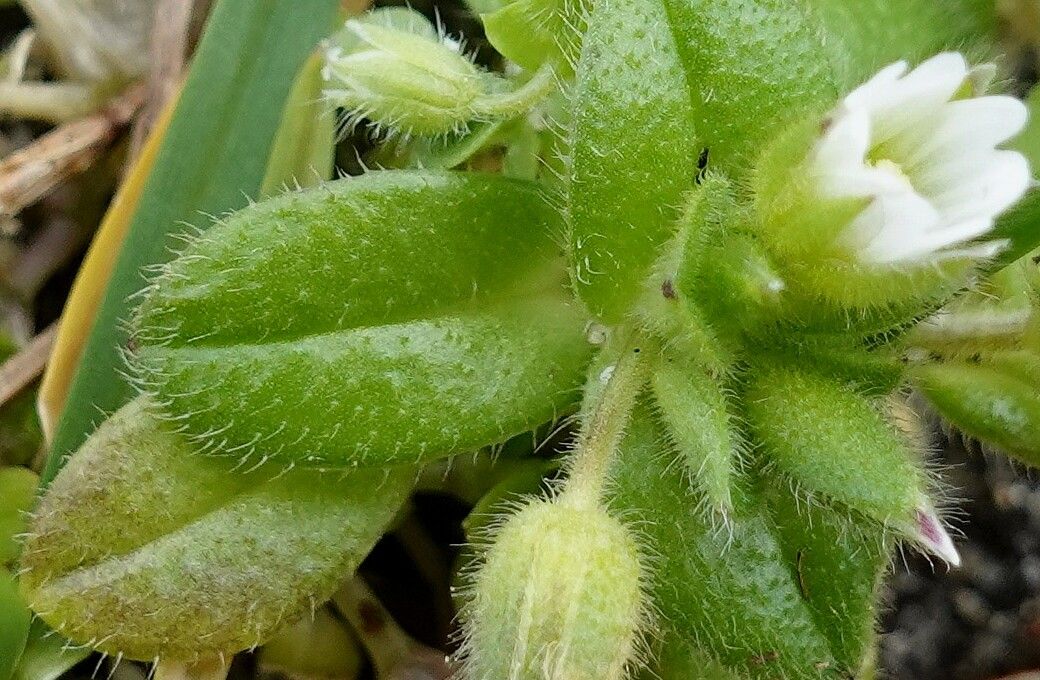
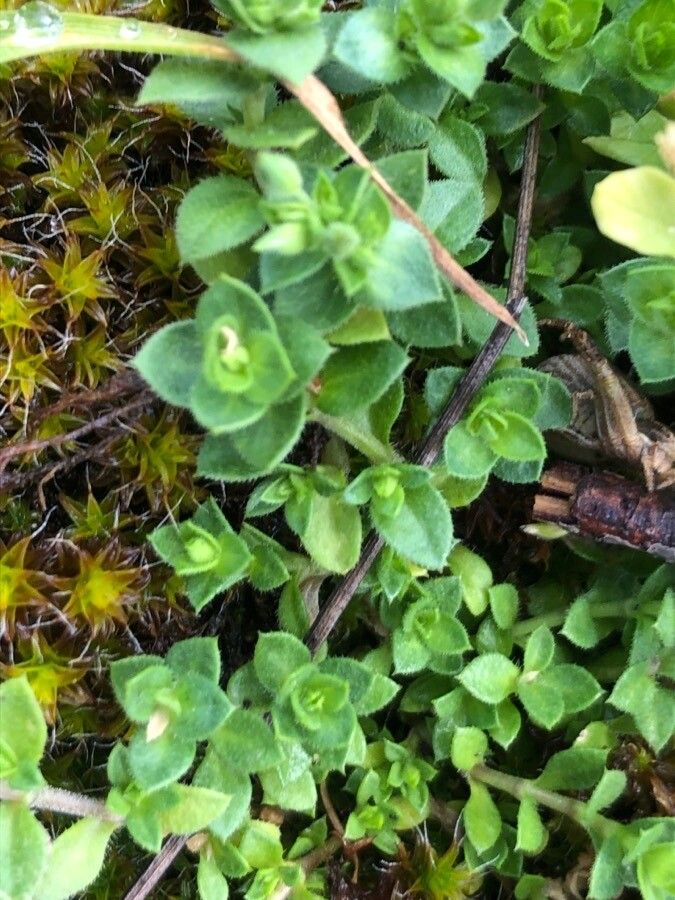
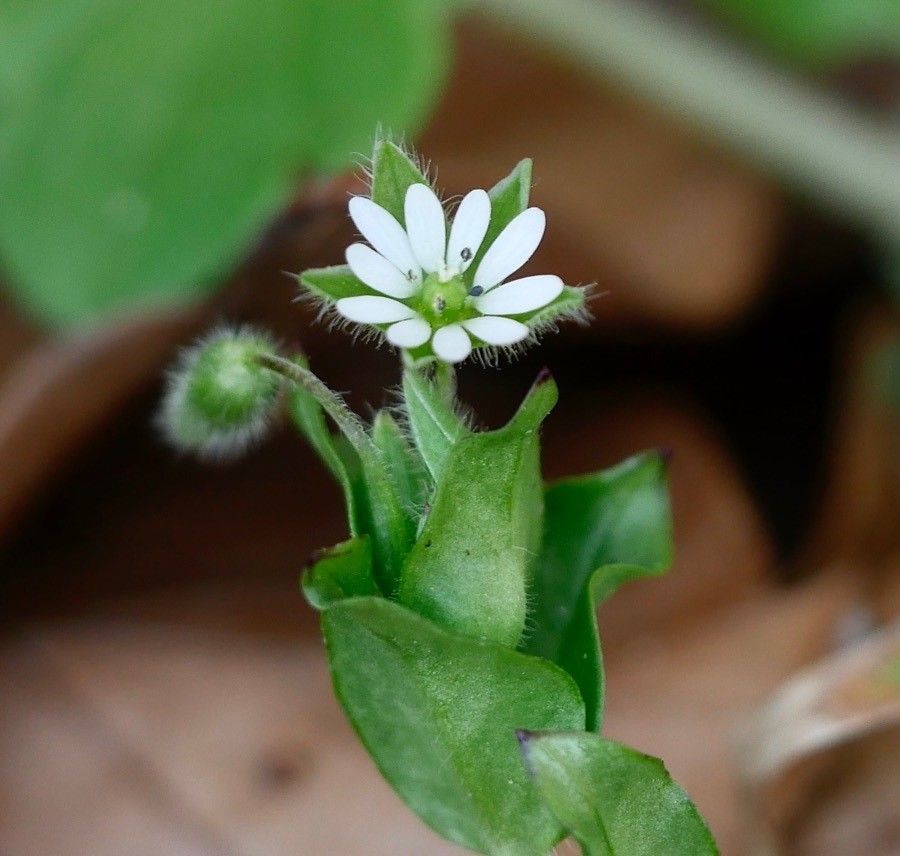
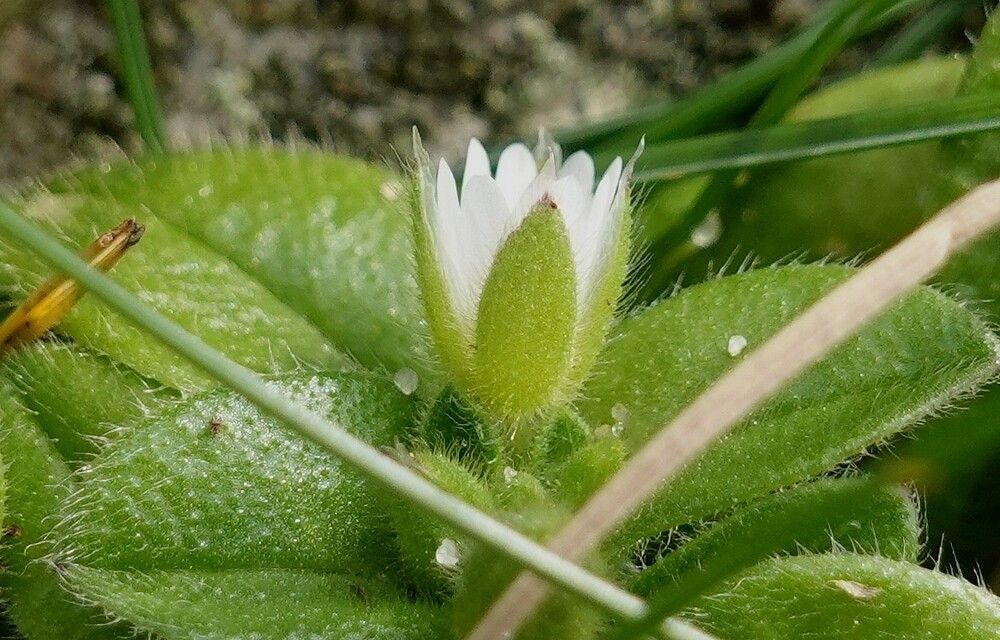
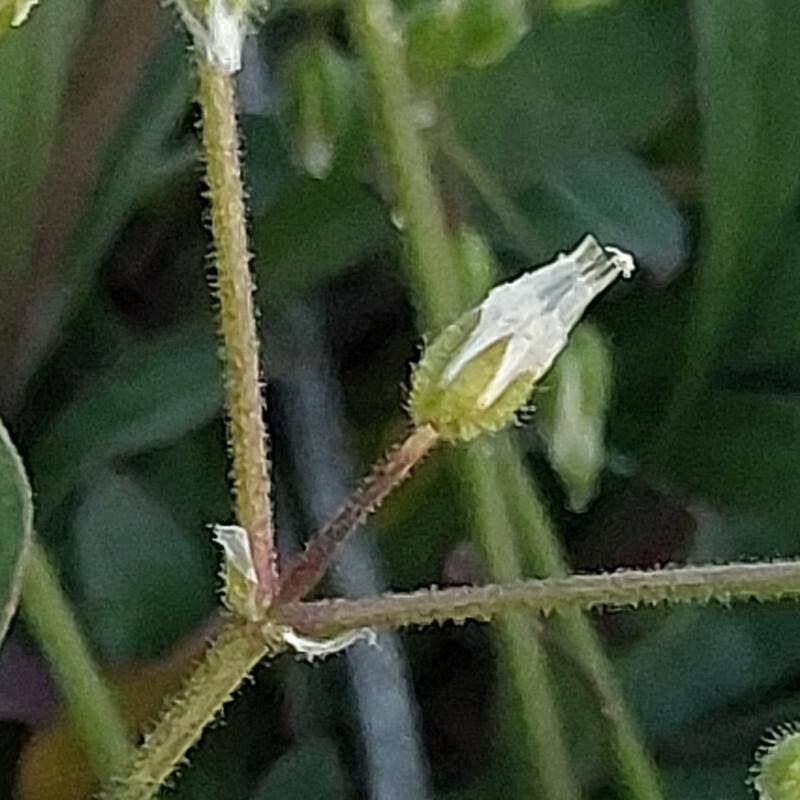
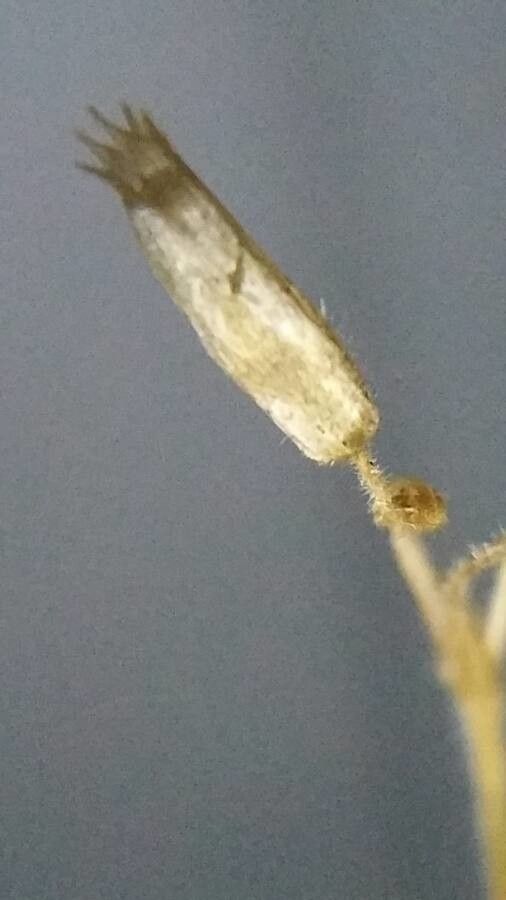
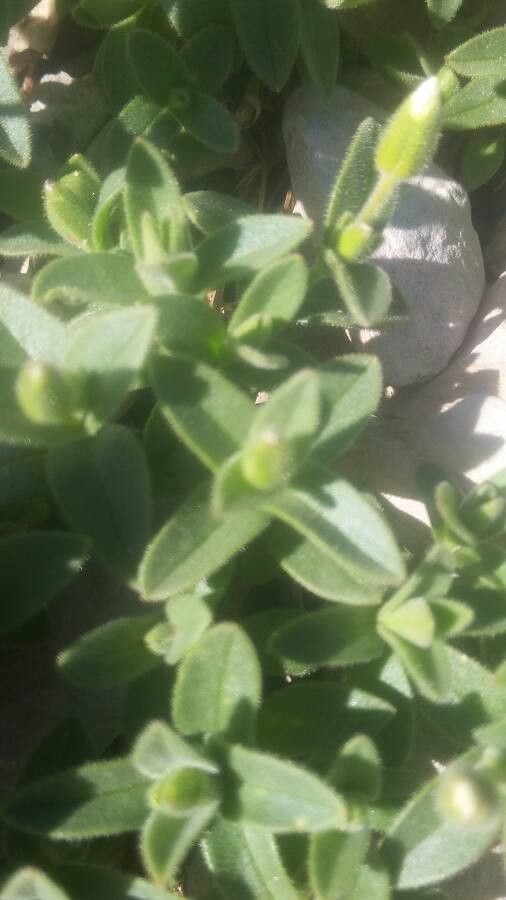
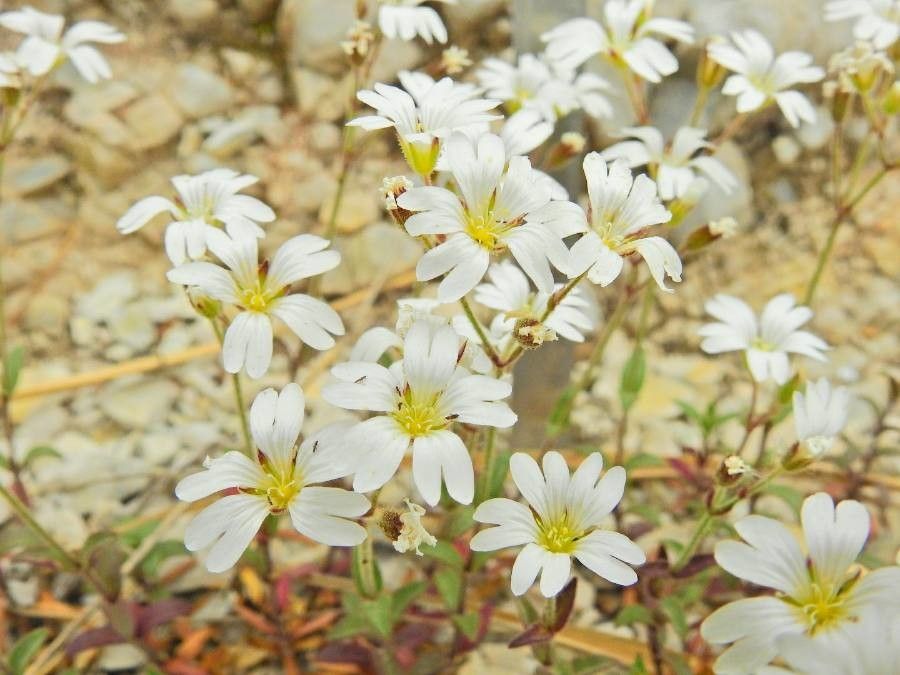
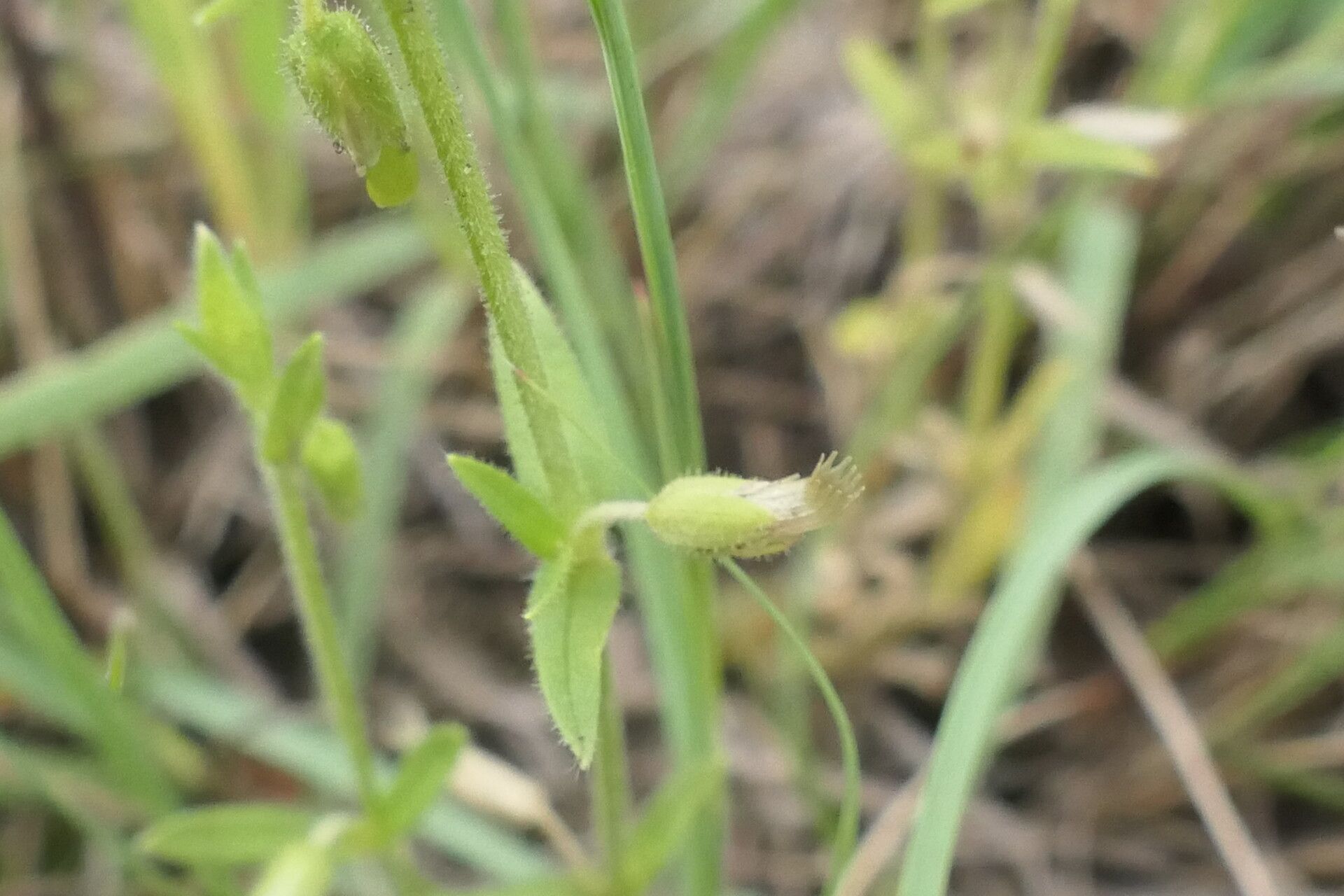
Cerastium semidecandrum, known as little mouse-ear in English, is an annual herbaceous plant in the flowering plant family Caryophyllaceae. It occurs in sandy, generally acid grassland and thin soils over bare rock. It is native to Europe, western Asia and north Africa and is widely established as an introduced species elsewhere.
Fivestamen chickweed has good disease resistance and is generally not prone to illness. However, it can be susceptible to pests and diseases present in its surroundings. These problems are usually not serious. In terms of care, this plant requires a moderate level of maintenance. It should be pruned regularly to maintain a tidy appearance and healthy growth. Fertilizing can also help encourage flowering. Fivestamen chickweed is suitable for anyone with outdoor space, such as a garden or patio, and does not demand extensive care experience. It may need more attention when grown indoors.
How to keep Cerastium Semidecandrum.
Light
Fivestamen chickweed performs best in areas with plentiful sunlight. It grows well in locations continuously lit by the sun and does not require any shading. The plant can tolerate uninterrupted sun exposure, although extreme conditions may influence its growth rate and overall vigor. It originates from sunny habitats.
Water
Fivestamen chickweed thrives best in moderate moisture and prefers well-drained soil. To support its optimal growth and keep it lush and vibrant, it is important to maintain stable soil moisture. Weekly watering during its active growing season will help achieve this.
Temperature
Fivestamen chickweed is native to temperate regions and grows best in moderate temperatures of 68 to 95 °F (20 to 35 ℃). When seasons change, adjust care temperatures up or down within that range to ensure optimal growth.
Fertilizer
Fivestamen chickweed responds well to regular, weak fertilizer applications to encourage healthy leaf development. Fertilize Fivestamen chickweed roughly once a month during the summer. Nitrogen is vital for foliage, so providing nitrogen-rich sources helps Fivestamen chickweed flourish.
Pruning
The fivestamen chickweed is characterized by its delicate, star-like flowers and benefits from light pruning in the early to late spring. To encourage growth and improve air circulation, trim any overgrown stems and remove dead parts. Ensure you use clean, sharp tools to minimize stress on the plant, and follow reliable horticultural guidelines.
Botanical profile.
- Plant Type
- Herb
- Life Cycle
- Annual
- Genus
- Cerastium
- Family
- Caryophyllaceae
- Hardiness Zone
- 8
- Mature Height
- 5 cm to 11 cm
- Mature Spread
- 10 cm to 25 cm
- Leaf Color
- Light Green, Gray
- Leaf Type
- Semi-evergreen
- Flower Color
- White
- Flower Size
- 0.76 cm
- Bloom Time
- Early spring, Mid spring
- Planting Time
- Spring, Summer
- Harvest Time
- Mid spring, Late spring, Early summer
- Native Area
- Libya, Turkey, Sweden, Austria, Slovakia, Montenegro, Slovenia, Morocco, Croatia, Belarus, Uzbekistan, Russia, Germany, Estonia, Romania, Latvia, Belgium, Moldova, Portugal, Netherlands, France, Tajikistan, Czech Republic, Cyprus, Bulgaria, Poland, Greece, Ukraine, Serbia, Lebanon, Lithuania, Norway, Afghanistan, Syria, Kyrgyzstan, Kazakhstan, Italy, Spain, Switzerland, Denmark, Finland, Iran, Albania, Ireland, United Kingdom, Hungary, Algeria, Azerbaijan, Turkmenistan
Other names.
Reader questions.
How should I water my Fivestamen chickweed?
To water Fivestamen chickweed, you have several options. You can use a garden hose with a spray nozzle, a watering can, or any common watering tool. Fivestamen chickweed is not too picky about the type of water it receives. It can survive on rainwater, tap water, or filtered water. However, it's best not to water this plant from above, as it can harm the leaves, flowers, and potentially cause disease. Instead, a drip irrigation system is recommended for watering Fivestamen chickweed. This method evenly and directly applies water to the soil. If you have a container-grown Fivestamen chickweed, you can use a cup, watering can, or tap to water it directly onto the soil.
What are the sunlight requirements for Fivestamen chickweed?
Fivestamen chickweed requires full sun, which means it needs above 6 hours of sunlight daily to thrive optimally. It's crucial to observe the movement of sunlight through your garden to identify areas that offer a good balance of light and shade, ensuring the best growth conditions for your plants. The warning about watching the sunlight's path through the garden emphasizes the importance of choosing the right location for your plants, aiming for a spot that meets their sunlight needs while avoiding potential harm from too much direct exposure.
What is the optimal temperature range for Fivestamen chickweed?
Fivestamen chickweed, known botanically as Cerastium semidecandrum, thrives in temperate environments, favoring temperatures between 68 to 95 °F (20 to 35 °C). To ensure optimal growth, it's essential to adjust care temperatures within this range during seasonal shifts. The plant exhibits strong cold resistance, typically not requiring special frost protection measures. However, in anticipation of winter temperatures dropping below -10°C, protective measures like covering the plant with soil or straw are advised. Additionally, watering the plant abundantly before the first autumn freeze to keep the soil moist aids in preventing drought and water scarcity during winter and early spring.
What do I do if I give my Fivestamen chickweed too much water or not enough water?
The remedy for underwatering Fivestamen chickweed is simple. If you notice your plant needs more moisture, start watering it more regularly. Overwatering, on the other hand, can be a bigger problem if not caught early. When Fivestamen chickweed is overwatered, it can get diseases and die. To avoid this, choose a good location with sunlight to dry the soil and proper drainage to prevent waterlogging. If you have overwatered chickweed in a pot, consider changing it to a new pot with better drainage. When repotting, use loose soil and a pot that drains well.
How does Fivestamen chickweed respond to different lighting conditions?
Fivestamen chickweed flourishes in environments with abundant sunlight, showing healthy growth in areas constantly exposed to the sun. It does not require light shelter and can handle constant sun exposure. However, extreme sunlight exposure may impact its growth rates and overall health. For indoor plants where natural sunlight might be insufficient, especially during winter or in spaces with less sunlight, artificial lighting provides a crucial alternative. It is recommended to use LED lights for indoor plants, adjusting the light wattage according to the plant's needs (30-50W/sq ft for full sun, 20-30W/sq ft for partial sun, and 10-20W/sq ft for full shade), and mimicking natural daylight hours as closely as possible.
How does Fivestamen chickweed respond to low temperatures?
Fivestamen chickweed displays significant cold tolerance, thriving best when temperatures remain above 20°C and should ideally be kept above 0°C during winter. Despite its resilience, exposure to temperatures below -10°C could lead to lower sprouting activity or a complete absence of sprouting in spring without noticeable changes during winter. To address this, it's recommended to remove any parts of the plant that have failed to sprout in spring as a solution.
How frequently do I need to water my Fivestamen chickweed?
Fivestamen chickweed requires regular watering throughout the growing season. In spring, it's recommended to water the plant once a week. As the season progresses and becomes warmer, the watering frequency should be increased to two to three times per week. However, it's important not to exceed this rate as it can harm the chickweed. Regardless of the watering schedule, the soil should be kept relatively moist but not wet. When it comes to watering Fivestamen chickweed in a pot, the frequency should be increased due to the soil heating up and drying out faster. In most cases, container-grown chickweed should be watered a few times per week compared to once a week for plants in the ground.
What are some common symptoms of improper lighting in Fivestamen chickweed?
When Fivestamen chickweed is cultivated indoors or under inadequate light, it may show several symptoms indicating light deficiency. These include smaller new leaves, leggy or sparse growth, faster leaf drop, slowed or halted new growth, lighter-colored new leaves, chlorosis (yellowing leaves due to chlorophyll breakdown), sunscald on leaves or stems, leaf curling as a defense against excessive sunlight, wilting due to increased water loss from transpiration, and leaf scorching characterized by brown, dry edges on leaves. These symptoms highlight the plant's struggle with improper lighting conditions and the need for adjustments to ensure better light exposure.
What should be done if Fivestamen chickweed experiences high temperatures?
During the summer, it's crucial to maintain Fivestamen chickweed's temperature below 35°C to avoid heat stress. Exposure to temperatures above 38°C may result in the leaves becoming lighter, prone to curling, susceptible to sunburn, and in severe instances, the entire plant wilting and drying up. To mitigate these symptoms, trimming away sunburned and dried parts, relocating the plant to a shaded area or utilizing a shade cloth to protect it from the midday and afternoon sun, and watering in the morning and evening to maintain soil moisture are effective strategies.
How much water should I give my Fivestamen chickweed?
Determining how much water to give your Fivestamen chickweed can be done in a few different ways. Some gardeners prefer to gauge the soil's moisture level by feeling it with their hands. They recommend watering until the top six inches of soil feel moist. Alternatively, you can use a specific measurement as a guideline. Generally, giving your Fivestamen chickweed around two gallons of water per week is suitable, adjusting based on heat and soil dryness. However, be cautious not to overwater if your plant requires less. If growing your chickweed in a container, a different method is needed. Make sure to thoroughly moisten all layers of dry soil, confirmed by checking with your finger or observing excess water draining from the pot.
What solutions are available for Fivestamen chickweed experiencing light-related issues?
To address light-related issues in Fivestamen chickweed, it's recommended to gradually increase the plant's exposure to sunlight if it has been under inadequate light, moving it each week to sunnier spots until it achieves at least 6 hours of direct sunlight daily. For indoor or large plants that are not easily moved, using a desk or ceiling lamp for at least 8 hours a day or investing in professional plant grow lights can provide the necessary additional light. Outdoor plants should be moved gradually to avoid sudden light intensity changes that could cause sunburn. It's also advised to reduce obstructions that block sunlight, such as pruning trees or moving smaller plants to sunnier locations with good drainage. Note that parts of the plant affected by insufficient sunlight may not recover, but new growth should be healthy with improved light conditions.
How do I know if I'm watering my Fivestamen chickweed enough?
Avoiding overwatering for Fivestamen chickweed can be a bit challenging. On one hand, they have deep roots that need to be moistened weekly. But on the other hand, these plants are highly prone to root rot and can turn brown if overwatered. Underwatering is less of a concern for Fivestamen chickweed since they can survive for a while without extra watering. However, if you wait too long to water them, they will start to wilt and their leaves may become dry.