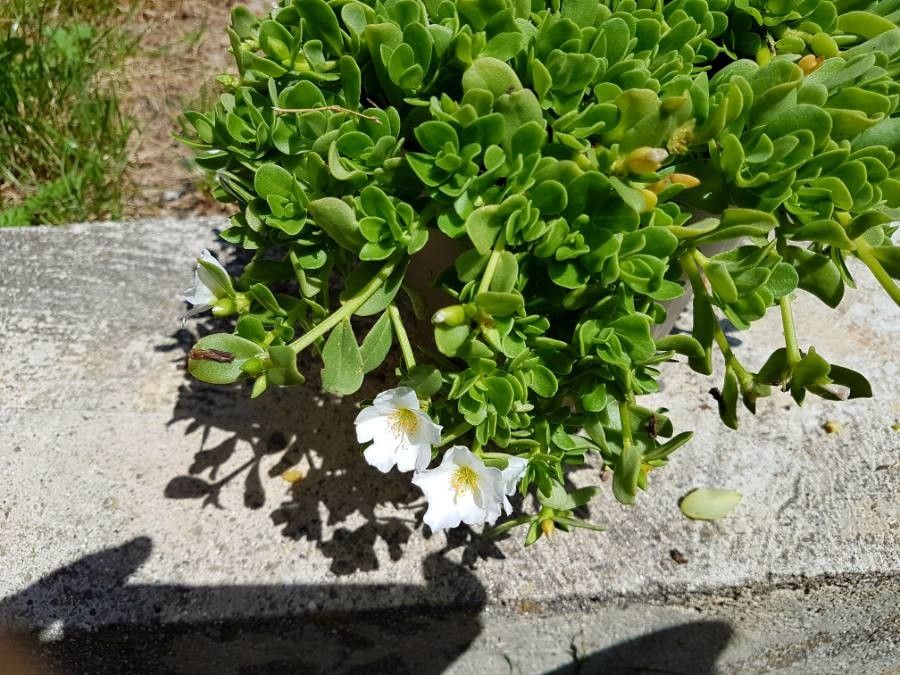
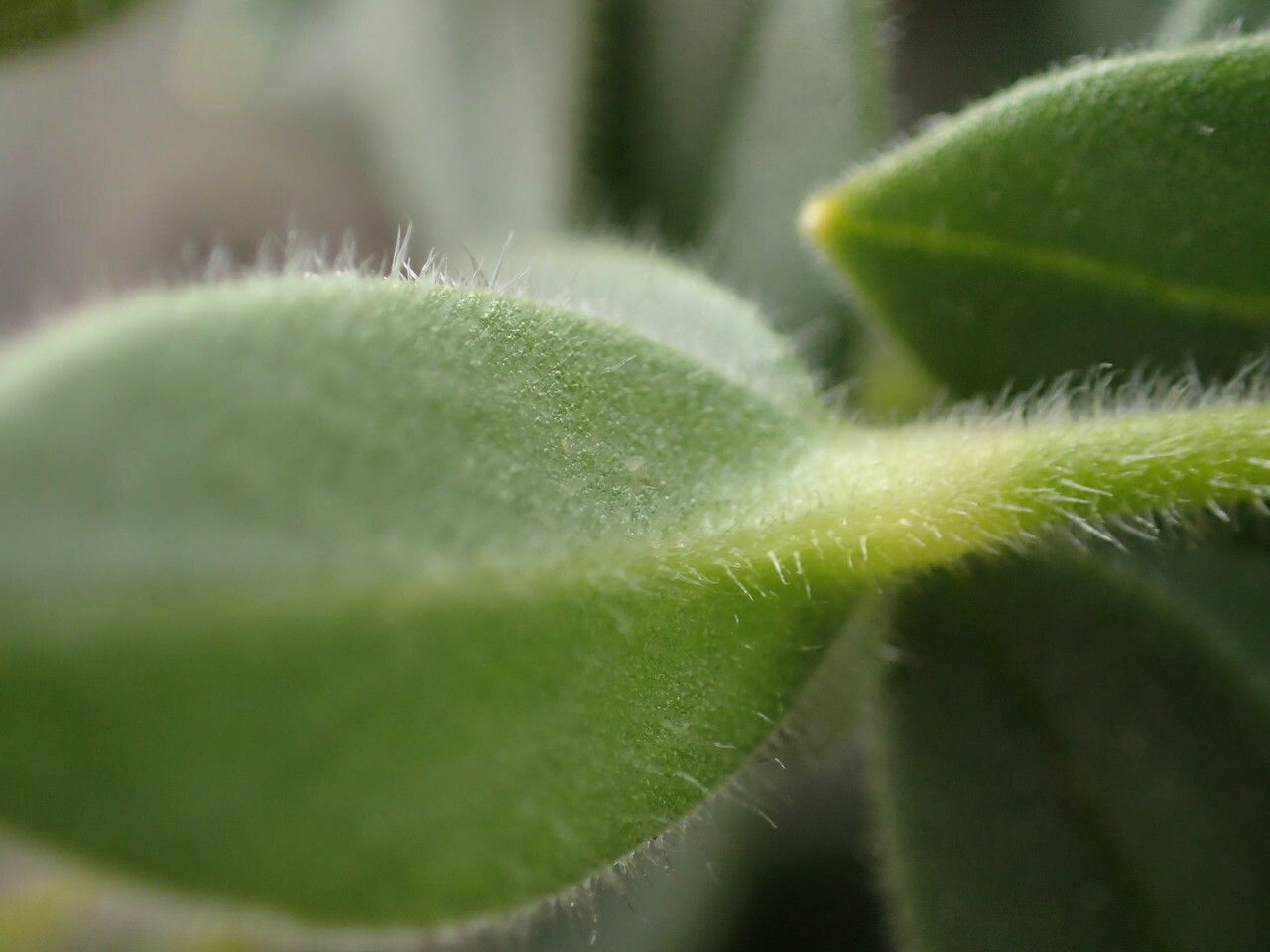
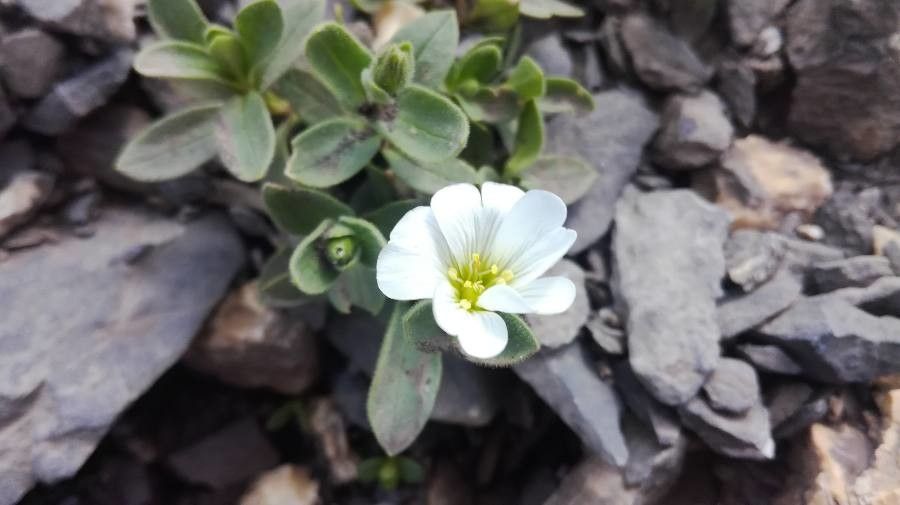
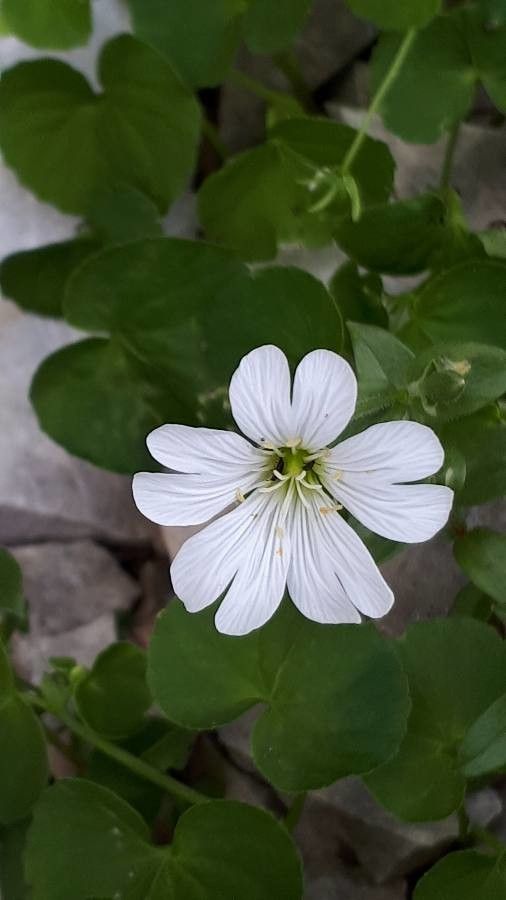
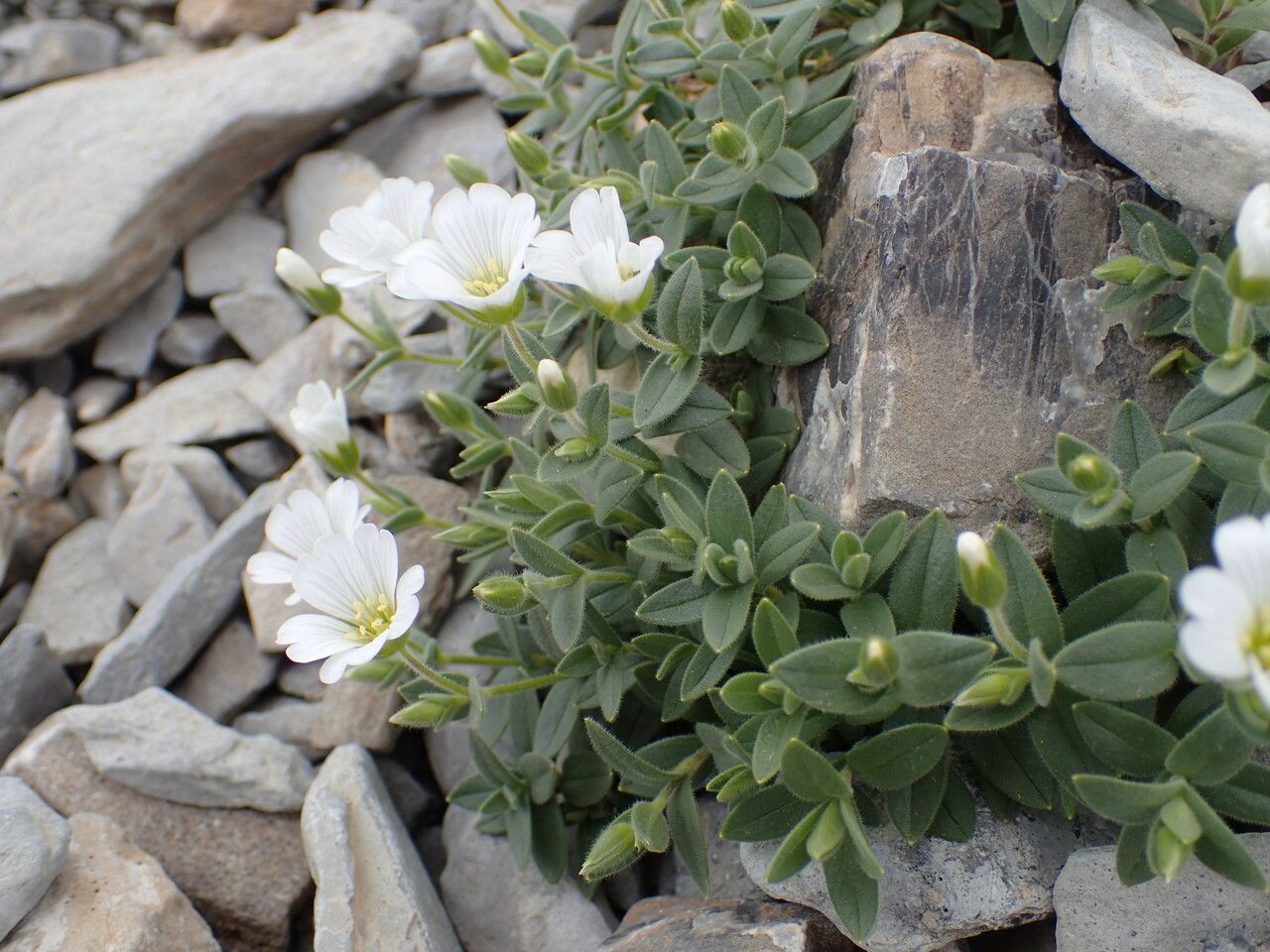
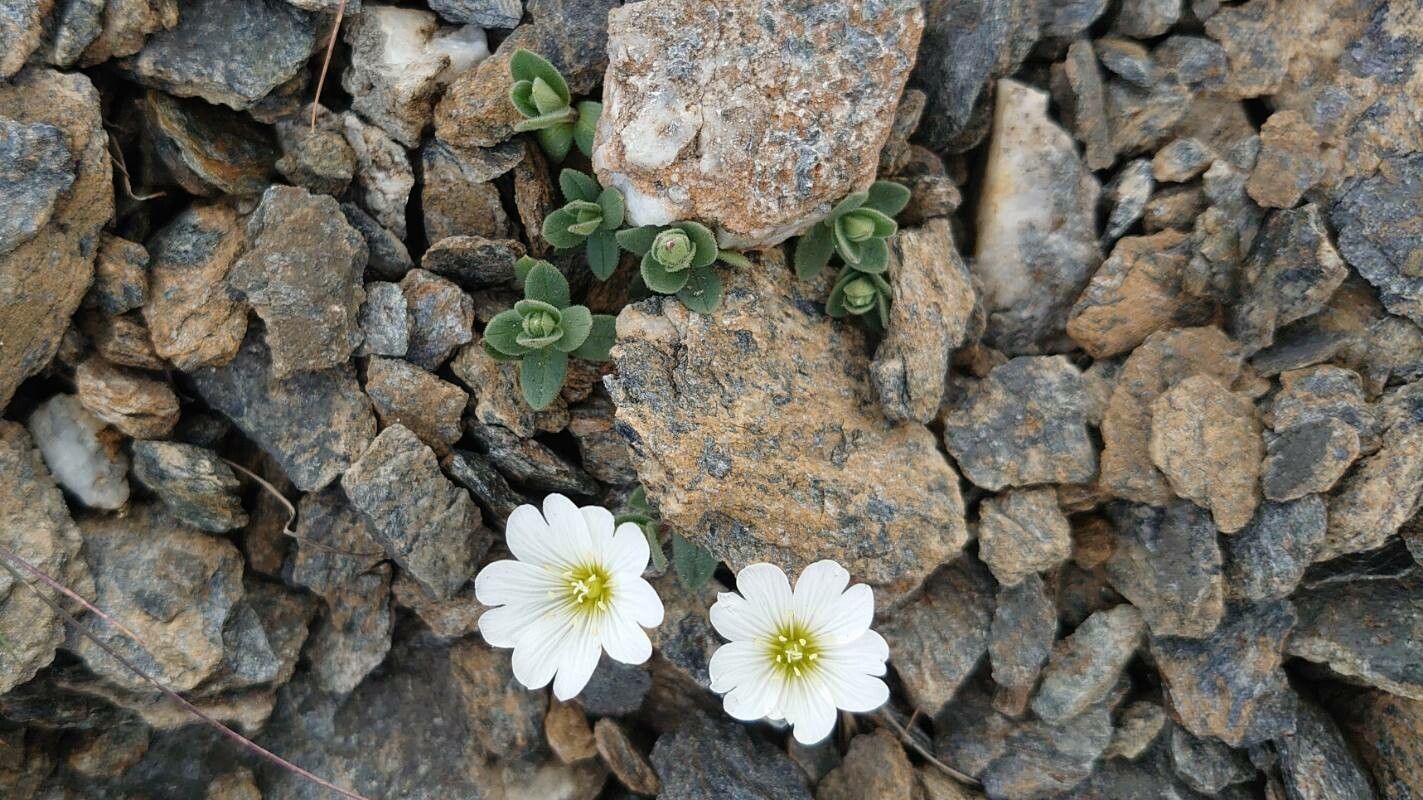
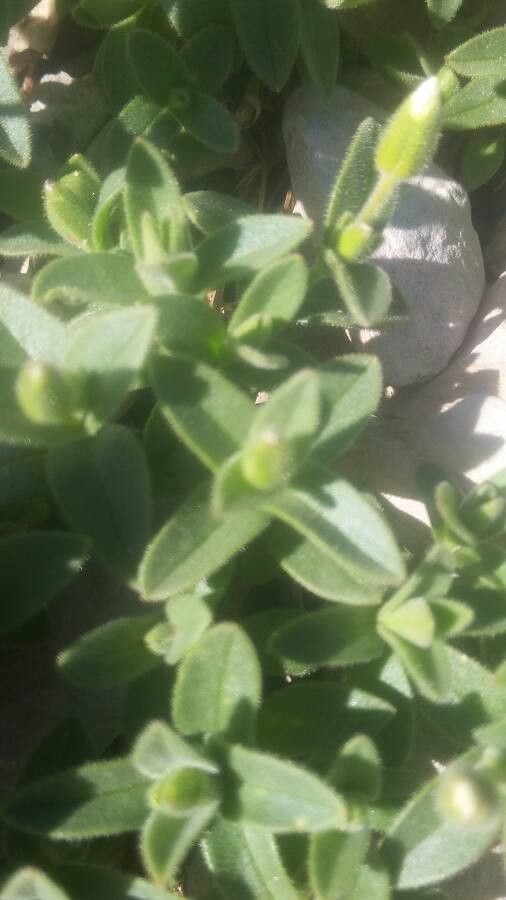
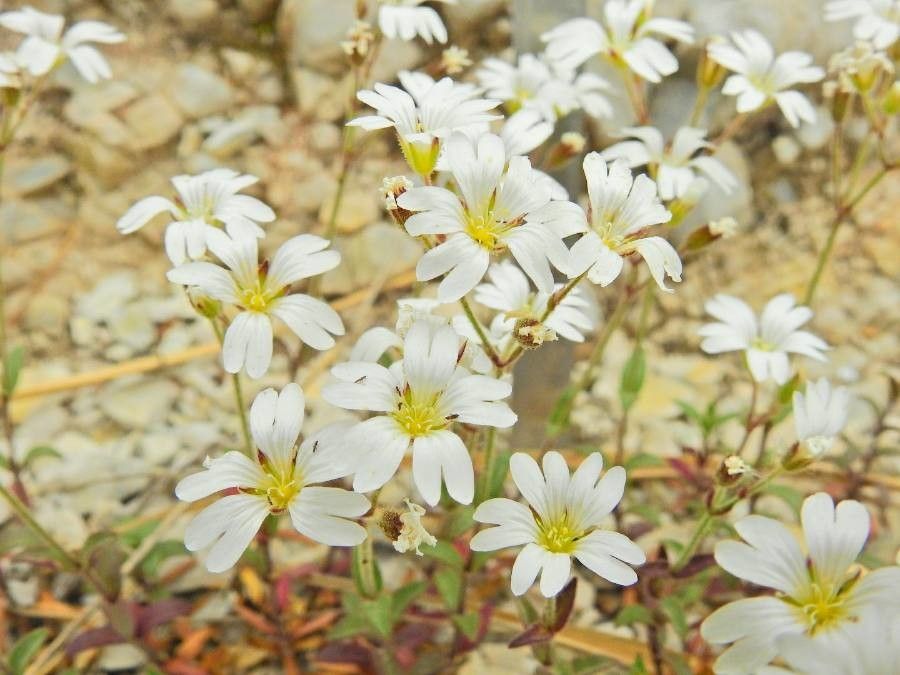
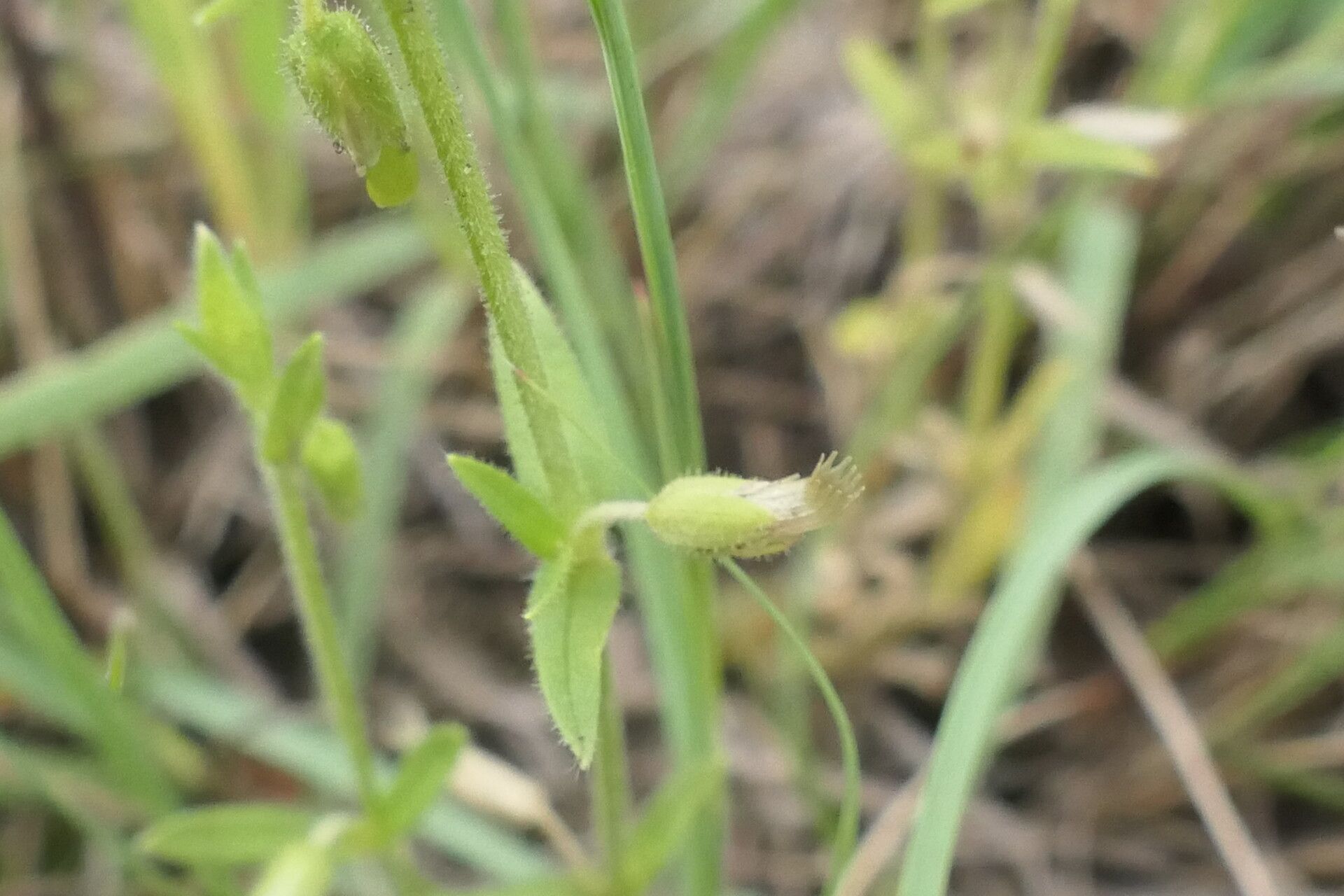
Breitblttriges hornkraut shows good disease resistance and is typically not prone to illnesses. However, it can be vulnerable to pests and diseases present in its surroundings. These infections are generally not serious. For care, this plant needs moderate maintenance. It should be pruned regularly to keep a neat appearance and support healthy growth. Fertilizing can also help encourage flowering. Breitblttriges hornkraut is appropriate for anyone with outdoor space, such as a garden or patio, and does not demand extensive gardening experience. It may need more attention when grown indoors.
How to keep Cerastium Latifolium.
Light
The perennial herbaceous plant, Breitblttriges hornkraut, is innately adaptable to open habitats, commonly found growing in meadows and grasslands. It holds a preference for exposure to bright, full sunlight, yet it demonstrates resilience in situations with only partial sun access.
Water
Breitblättriges Hornkraut, native to alpine regions, thrives with consistent moisture and well-drained soil. To mimic its natural environment, it should be watered weekly. This plant flourishes in cooler temperatures and is generally grown outdoors, where it benefits from natural rainfall patterns, promoting optimal health and synchronized growth.
Fertilizer
For Breitblttriges hornkraut, a one-time fertilizer application in the spring is typically enough, however, applying it several times can boost growth to its maximum. Provide nutrients every month to month and a half. Fertilizing improves the look and performance of the leaves, encouraging uniform color and robust texture. Furthermore, it promotes root development and nutrient uptake, contributing to the plant's overall well-being in the long run.
Pruning
Prune the broad-leaved hornwort from early to late spring by removing any dead or damaged stems. This regular pruning promotes healthy growth and helps maintain the plant's shape. Additionally, it improves air circulation, reduces the risk of disease, and encourages vigorous blooming, while preventing the plant from becoming too woody.
Botanical profile.
- Plant Type
- Herb
- Life Cycle
- Perennial
- Genus
- Cerastium
- Family
- Caryophyllaceae
- Hardiness Zone
- 4-8
- Mature Height
- 5 cm to 15 cm
- Mature Spread
- 10 cm to 30 cm
- Leaf Color
- Light Gray, Silver
- Leaf Type
- Evergreen
- Flower Color
- White
- Flower Size
- 1.52 cm to 2.03 cm
- Bloom Time
- Mid spring, Late spring, Early summer
- Planting Time
- Spring
- Harvest Time
- Summer
- Native Area
- Germany, Austria, Italy, Switzerland, Poland, Romania, France
Other names.