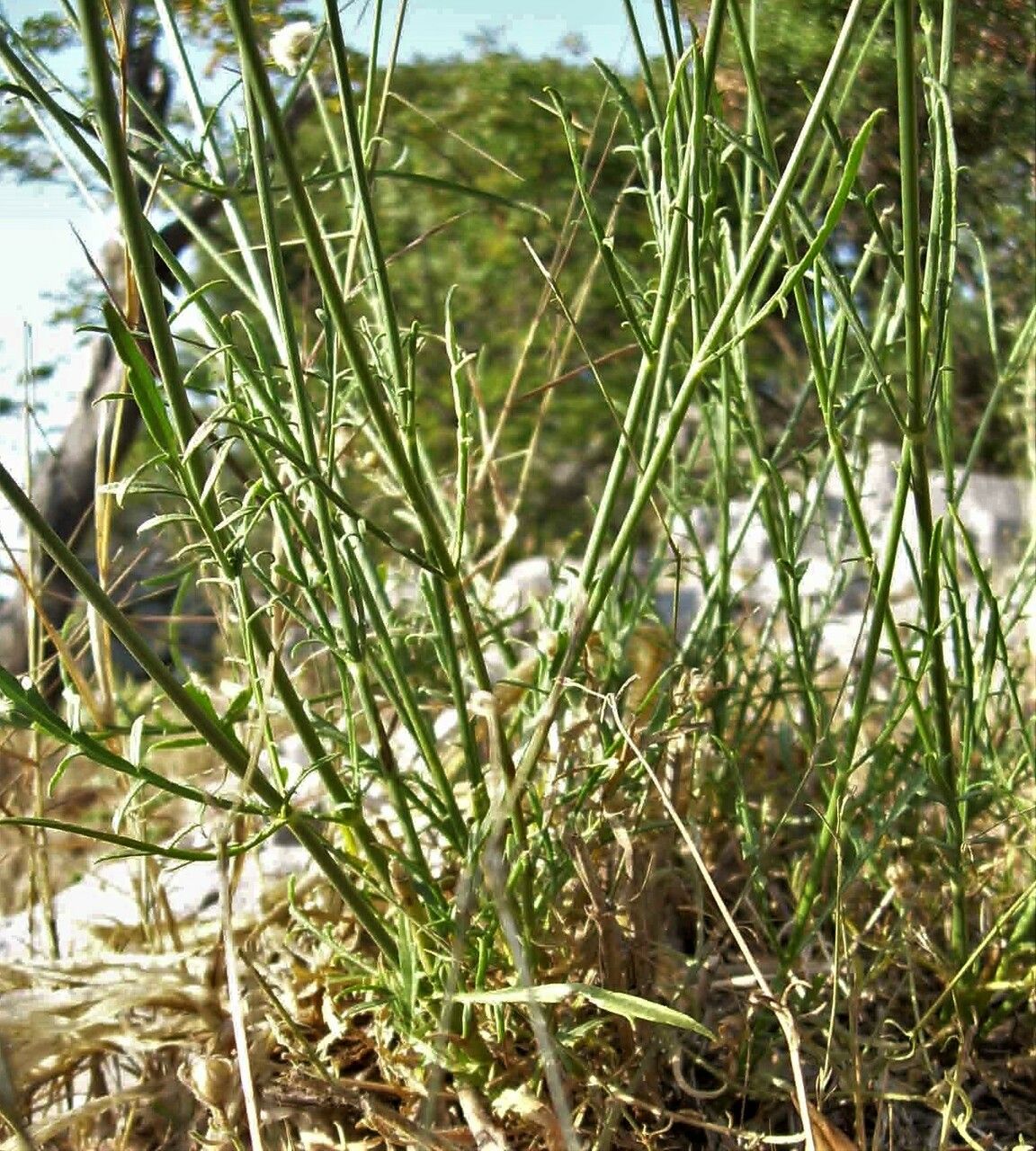
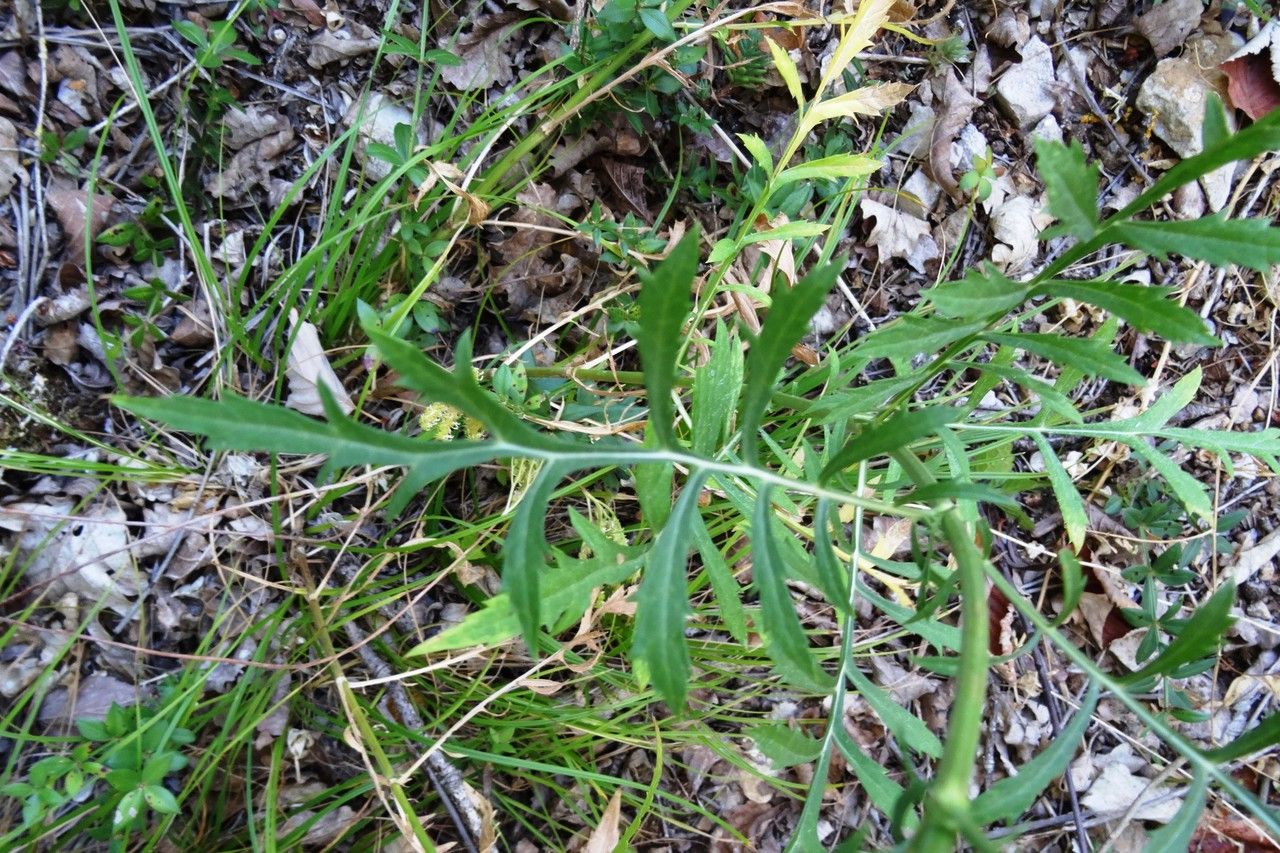
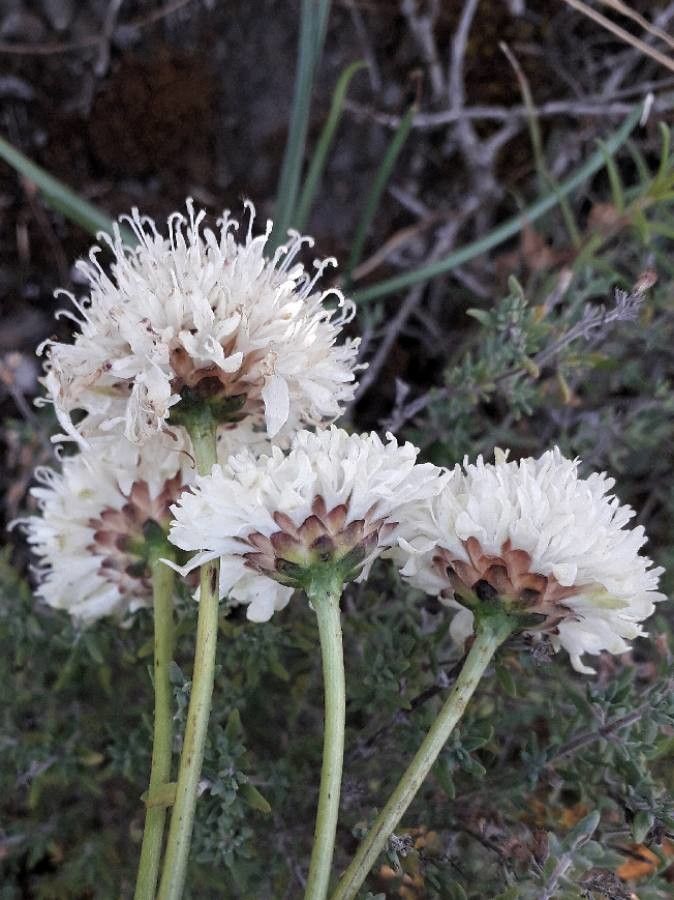
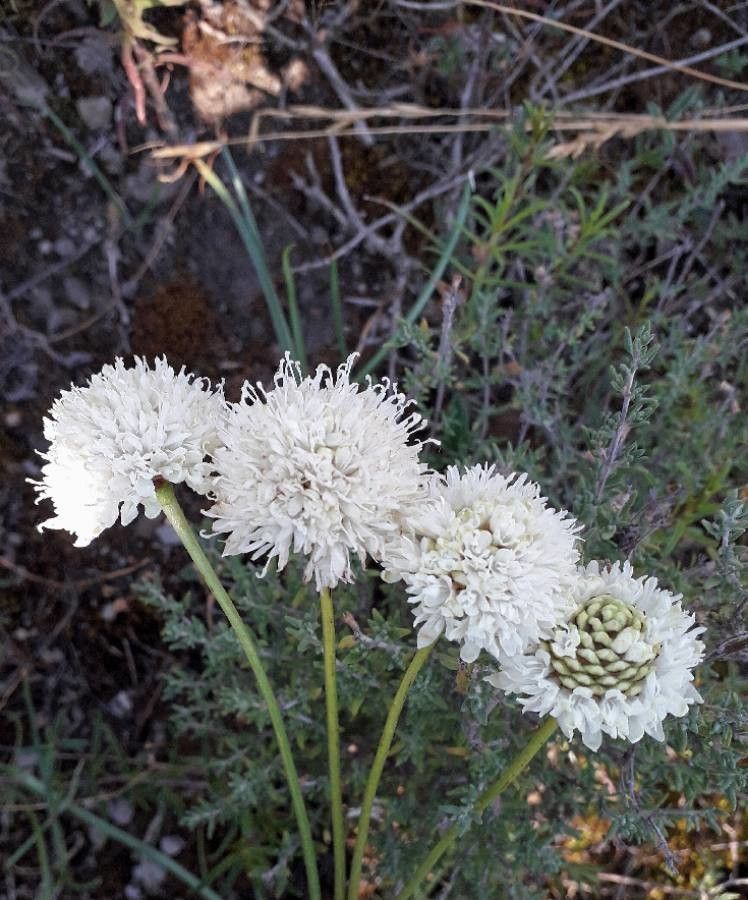
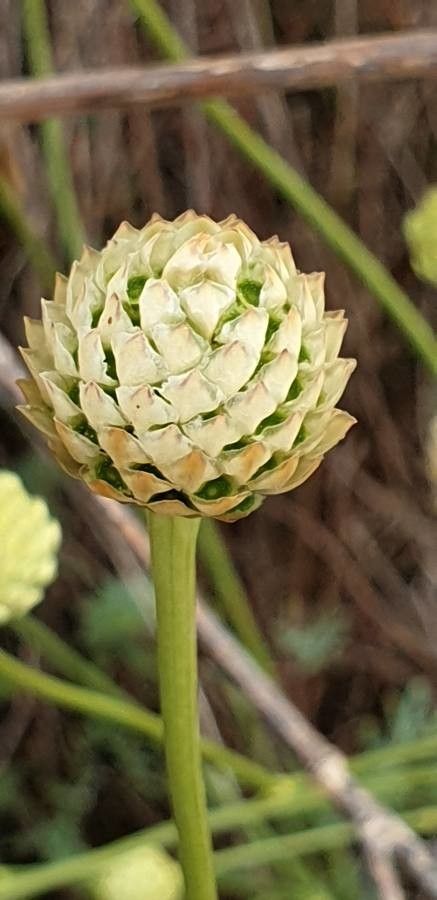
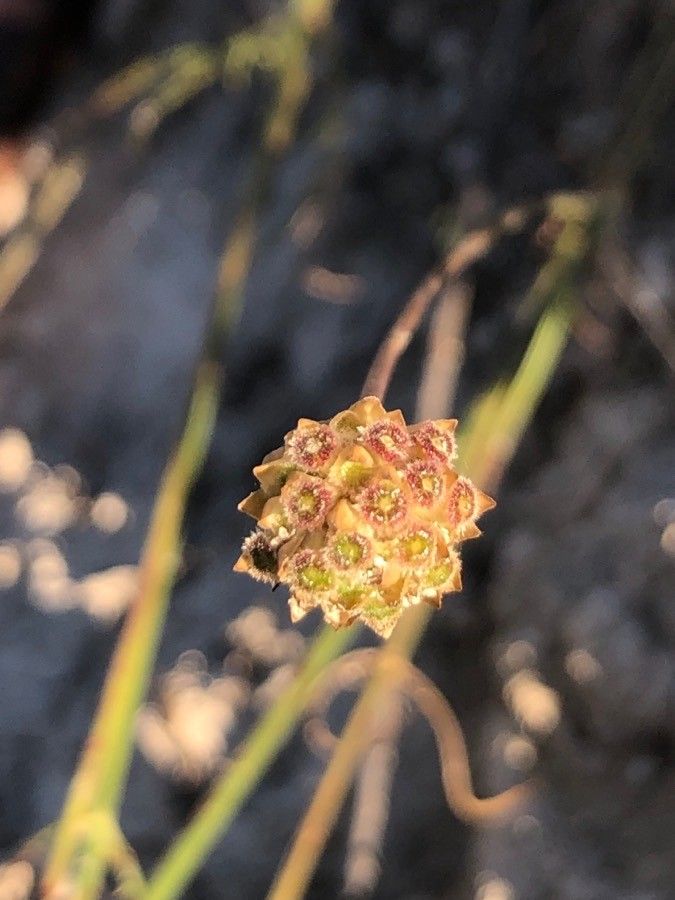
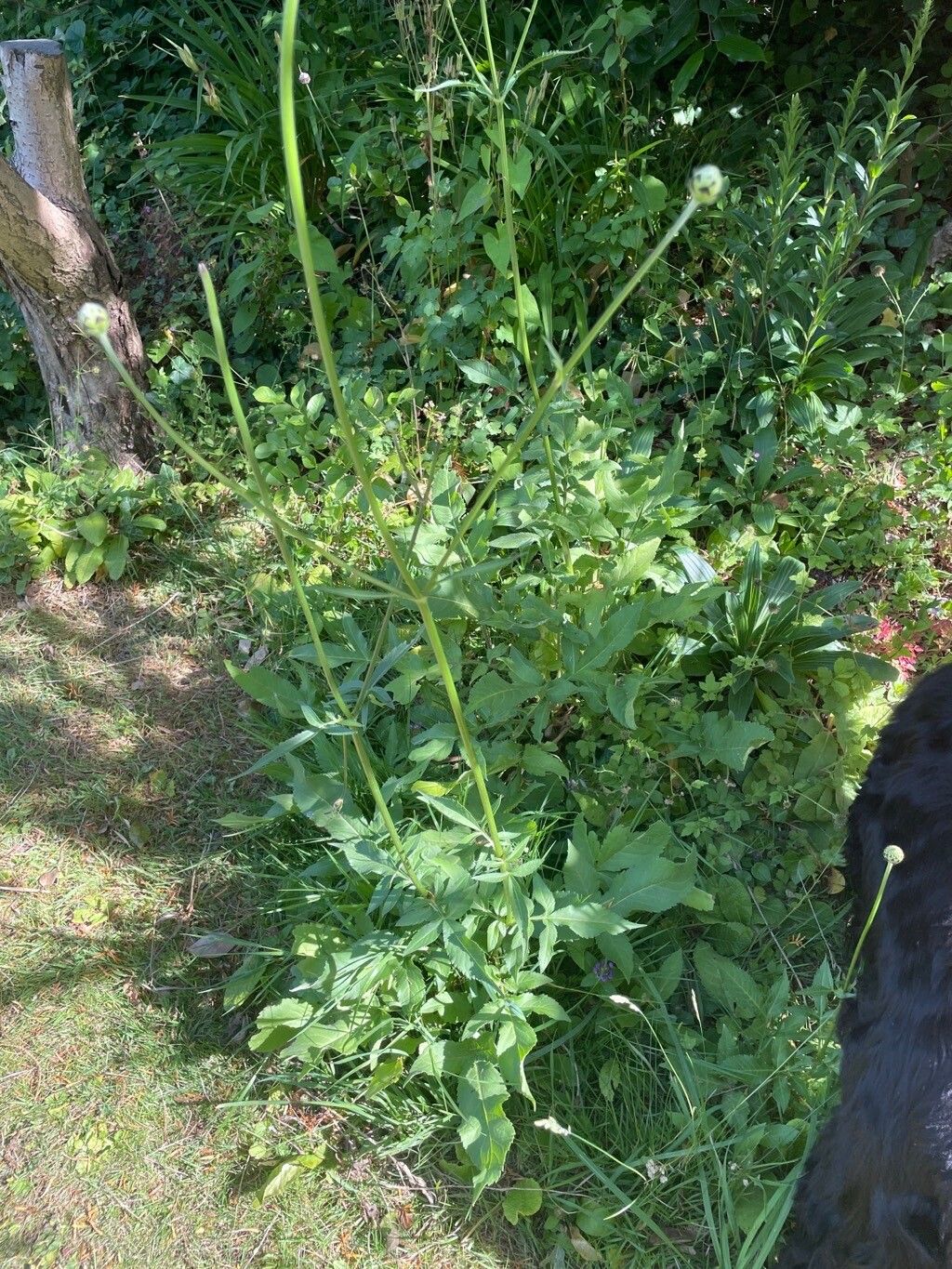
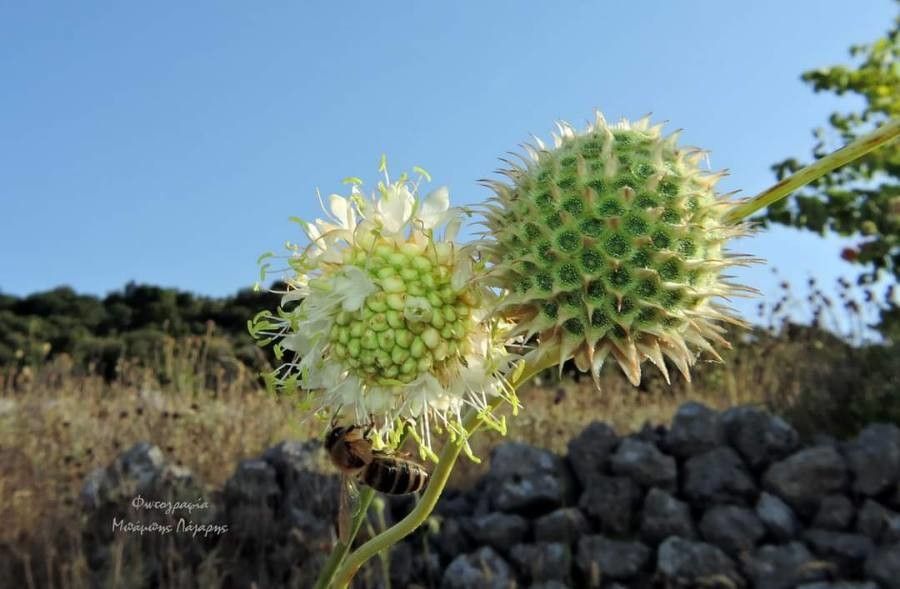
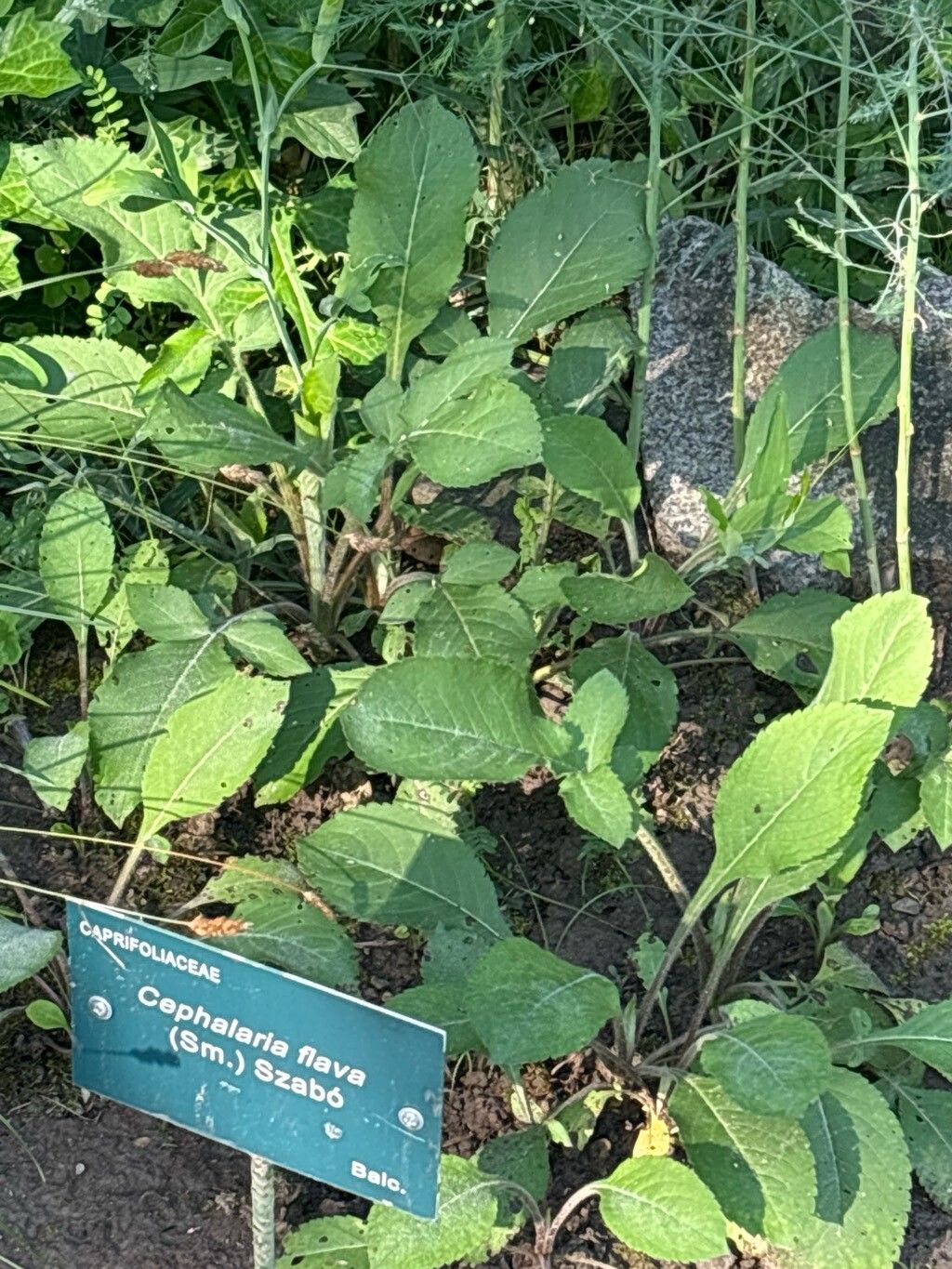
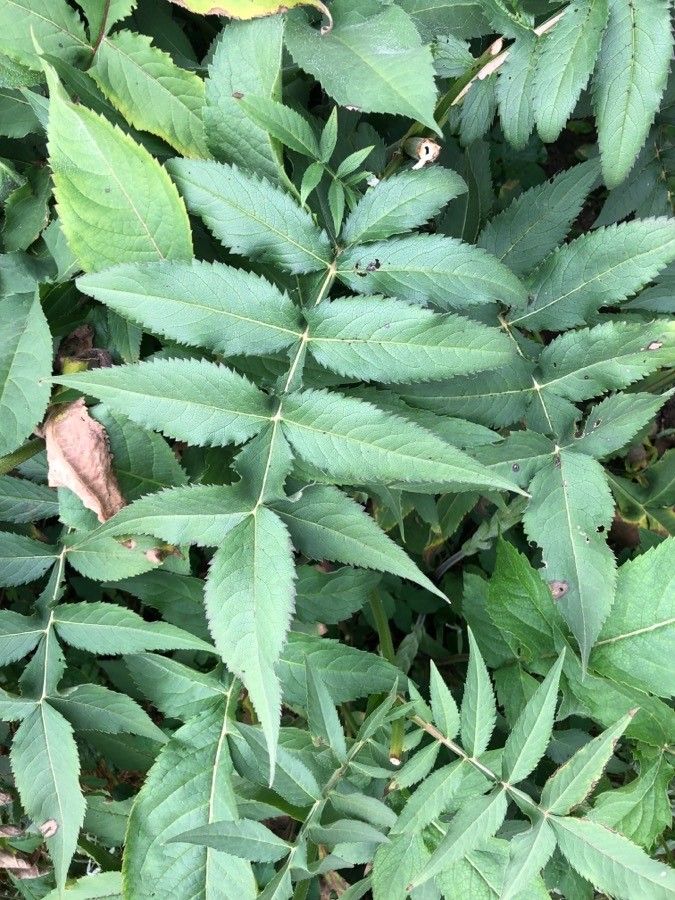
Cephalaria leucantha is a species of flowering plants in the family Caprifoliaceae.
Giant scabious is fairly disease-resistant and typically does not suffer from many illnesses. Still, it can be affected by pests and diseases present in its environment. Such infections are usually mild. Regarding care, the plant requires moderate maintenance. Regular pruning is needed to preserve its appearance and support healthy growth. Fertilizing can also encourage flowering. Giant scabious is appropriate for anyone with outdoor space, such as a garden or patio, and does not demand extensive care experience. It may need more attention when grown indoors.
How to keep Cephalaria Leucantha.
Light
Giant scabious requires ample, consistent sunlight to grow at its best. It can, however, survive with only short periods of sun. Because it comes from a region with plentiful sun, insufficient light can impede its proper growth and flowering. In contrast, too much sun generally does not harm the plant.
Water
Giant scabious flourishes in Mediterranean climates and requires infrequent watering. Once the plant is established, watering it once a week is recommended. Planted outdoors in full sun, the giant scabious has deep roots that absorb water efficiently, making it highly drought-tolerant during hot growing seasons.
Temperature
Giant scabious comes from areas where temperatures range from 59 to 95°F (15 to 35 ℃). This plant does best within that same temperature range. Seasonal adjustments may be required if temperatures fall below this preferred range.
Fertilizer
For Giant scabious, the primary time to apply fertilizer is in early spring as the flowers begin to form. The appropriate fertilizer promotes better blooms and helps Giant scabious produce attractive flowers. Fertilizing in early spring ensures excellent flowering during the season and supplies energy for dormant growth phases.
Pruning
Giant scabious benefits from regular pruning. In early spring, remove any dead stems. After it blooms in late spring, give it a light trim to encourage further growth and flowering. Additionally, remove spent blooms to enhance air circulation and reduce the risk of disease. This will help promote a healthier plant and result in more flowers throughout the season.
Botanical profile.
- Plant Type
- Herb
- Life Cycle
- Perennial
- Genus
- Cephalaria
- Family
- Caprifoliaceae
- Hardiness Zone
- 7-10
- Mature Height
- 1.52 m
- Mature Spread
- 76 cm
- Leaf Color
- Green, Gray
- Leaf Type
- Deciduous
- Flower Color
- White, Yellow, Cream
- Flower Size
- 2.03 cm to 3.05 cm
- Bloom Time
- Summer
- Planting Time
- Winter
- Harvest Time
- Late summer, Early fall, Mid fall
- Native Area
- Portugal, Morocco, Italy, Spain, France, Albania, Algeria, Greece, Croatia, Slovenia, Serbia
Reader questions.
What are the sunlight requirements for Giant scabious?
Giant scabious requires substantial exposure to sunlight to thrive, with optimal growth conditions including above 6 hours of sunlight categorized as 'full sun' and about 3-6 hours as 'partial sun'. It's important to observe how sunlight moves through your garden to find the perfect balance for your plants. However, Giant scabious can still survive with limited sun exposure but may not grow or bloom as well. Too much or too little sunlight can have adverse effects, but the plant generally tolerates excessive sun without significant harm.
What is the ideal temperature range for Giant Scabious?
Giant scabious, also known by its botanical name Cephalaria leucantha, flourishes in environments with a temperature range of 59 to 95°F (15 to 35°C). This plant is well-suited to these temperatures and requires seasonal adjustments when temperatures dip below this preferred range. It showcases strong cold resistance, meaning special frost protection measures are typically unnecessary during winter. Nonetheless, if winter temperatures are anticipated to fall below -15°C, it is crucial to provide cold protection by covering the plant with protective materials like soil or straw. Additionally, watering the plant abundantly before the first freeze in autumn is recommended to keep the soil moist and prevent drought and water scarcity during the winter and early spring.
How do artificial lights help indoor Giant scabious plants?
For indoor Giant scabious plants, artificial lighting can be crucial, especially when natural sunlight is insufficient. LED lights are recommended because they can be customized to deliver specific wavelengths needed for the plant's growth. The requirements vary, with full sun plants needing 30-50W/sq ft, partial sun 20-30W/sq ft, and full shade plants 10-20W/sq ft of artificial light. Position the light source 12-36 inches from the plant and aim for 8-12 hours of light per day to mimic natural daylight hours for optimal growth.
How does Giant Scabious react to low temperatures?
Giant scabious exhibits a notable cold tolerance and thrives optimally when the temperature remains above 15°C. During winter months, it is vital to ensure that temperatures stay above -10°C to maintain the plant’s health. However, exposure to temperatures below -15°C might not show immediate changes during the winter, but there could be a decrease in sprouting or even a total lack of sprouting come springtime. To mitigate these effects, it is recommended to remove any parts of the plant that have failed to sprout in the spring.
What are the key symptoms of inadequate sunlight for Giant scabious?
When Giant scabious doesn't receive enough sunlight, several symptoms can appear, including smaller new leaves, leggy or sparse growth, faster leaf drop, slower or no new growth, and lighter-colored or chlorotic leaves. Excessive sunlight can cause sunscald, leaf curling, wilting, and leaf scorching. Besides, chlorosis indicates a breakdown of chlorophyll due to too much light, affecting the plant's ability to photosynthesize and maintain health.
What should be done if Giant Scabious is exposed to high temperatures?
During the summer, Giant scabious should ideally be kept in conditions where the temperature does not exceed 35°C. Exposure to temperatures above 41°C may lead to the leaves becoming lighter in color, prone to curling, susceptible to sunburn, and in severe cases may cause the entire plant to wilt and dry out. To prevent damage under such conditions, it's advisable to trim away the sunburned and dried parts of the plant. If possible, move the plant to a location that offers shade during the midday and afternoon sun, or use a shade cloth to provide necessary shade. Ensuring the plant is watered in the morning and evening can help keep the soil adequately moist and further protect the plant from heat stress.
What solutions can improve sunlight exposure for Giant scabious?
To enhance sunlight exposure for Giant scabious, indoor plants can be gradually moved to sunnier locations to achieve at least 6 hours of direct sunlight daily or use artificial lighting like desk or grow lights for at least 8 hours daily. Outdoors, adapting plants gradually to sunnier spots can prevent sunburn. Pruning obstructions and transplanting can also improve light access. It's crucial to make these changes progressively to allow the plant to adapt without stress.