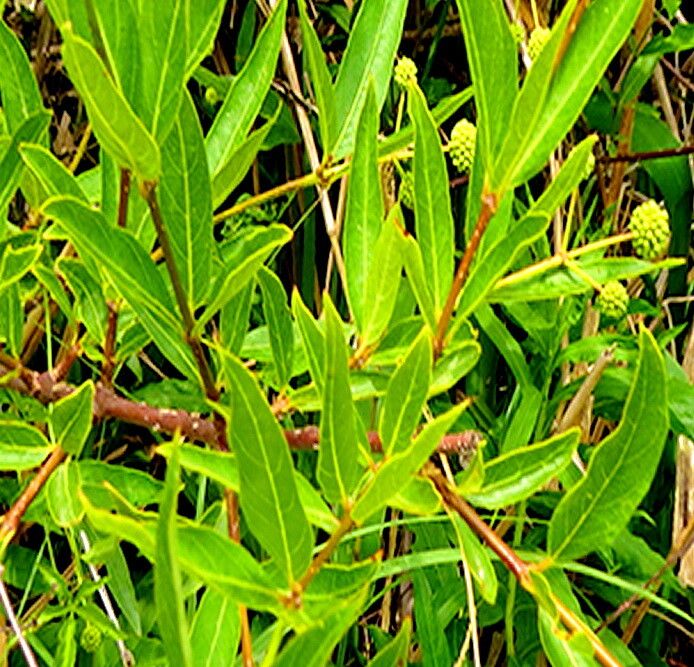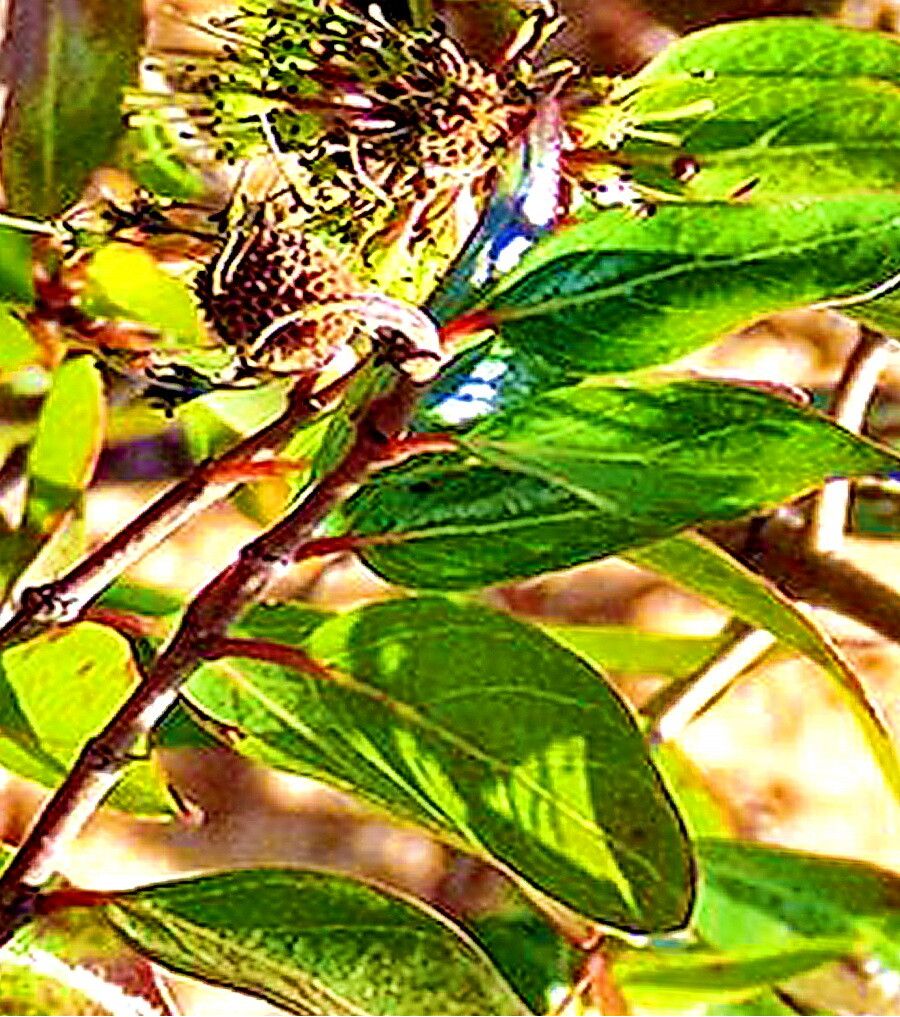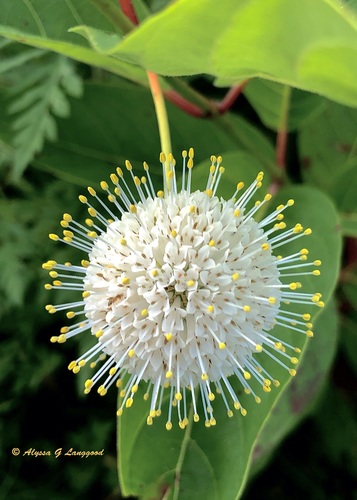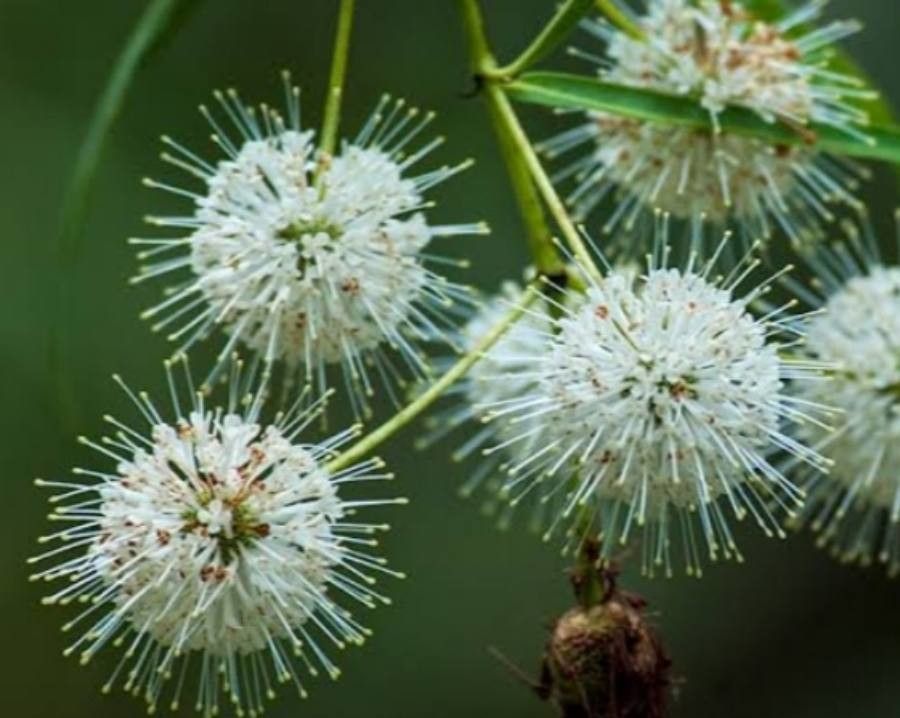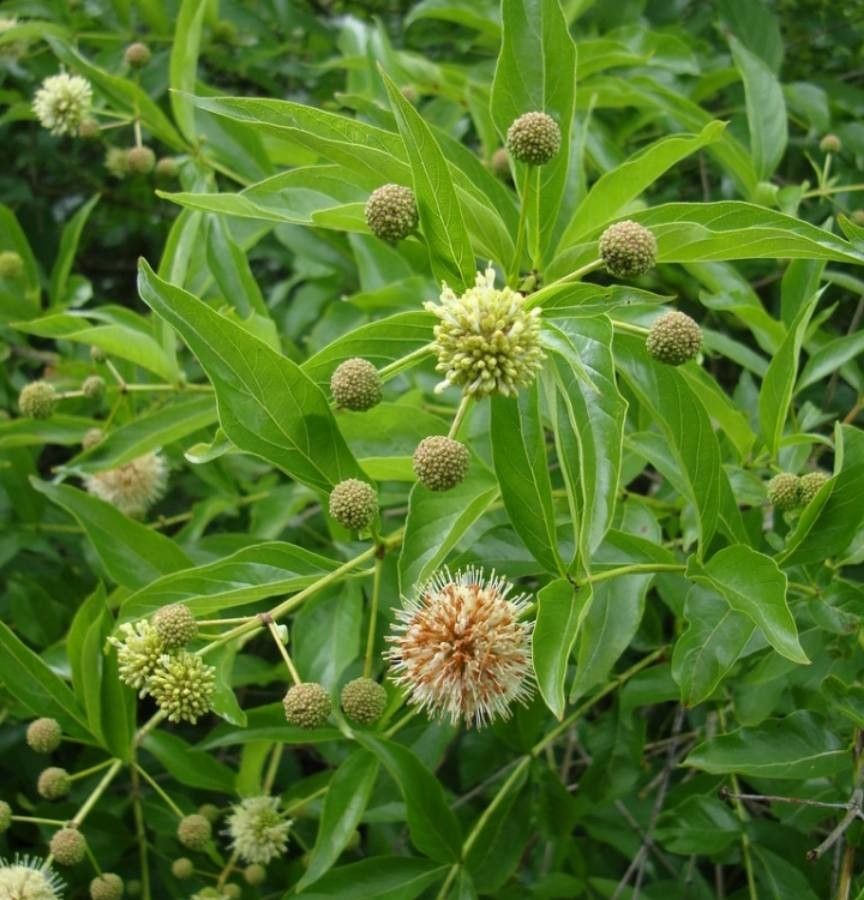
Common buttonbush has strong resistance to disease and is generally not susceptible to illnesses. In terms of care, this plant is fairly low-maintenance. When planted outdoors, it needs minimal watering, and larger plants usually do not require pruning; however, smaller plants should be pruned after they have bloomed. Common buttonbush is suitable for anyone with outdoor space, such as a garden or deck, and does not demand a great deal of care experience.
How to keep Cephalanthus Angustifolius.
Light
Buttonbush flourishes best in environments with plentiful sunlight throughout the day. Although it can endure less light, this could potentially affect its growth negatively. Its native habitat, marked by abundant sun exposure, supports this notion too. Excessive sunlight may cause it to wilt, whereas insufficient light might obstruct its growth.
Temperature
The usual buttonbush originates from North America and is typically seen in temperate areas. This plant favors temperature conditions between 41 and 100 ℉ (5 to 38 ℃). It may require some safeguarding during the chillier months, with its preferred temperature being above the freezing point. When the weather gets hotter, this plant can withstand higher temperatures and is capable of thriving under direct sunlight.
Fertilizer
To encourage proper development, give your Common buttonbush nutrition in the early spring. Consistent fertilizer application boosts the general well-being, leading to energetic expansion, durability under challenging circumstances, and upgraded resilience against diseases and insects. Stick to a particular schedule for fertilizing your Common buttonbush to guarantee bright leaves with intense color and a robust look.
Pot & Repot
When repotting Common buttonbush, choose a pot 1-2 inches (2.5–5.1 cm) larger with ample drainage. Use a well-draining potting mix. Repot in spring or fall, ensuring the root ball sits slightly lower than the rim of the flower pot. Water thoroughly after repotting and place the plant in a warm spot with indirect sunlight.
Botanical profile.
- Plant Type
- Shrub
- Life Cycle
- Perennial
- Genus
- Cephalanthus
- Family
- Rubiaceae
- Hardiness Zone
- 5-11
- Mature Height
- 0.91 m to 6.1 m
- Mature Spread
- 1.22 m to 2.44 m
- Leaf Color
- Green
- Leaf Type
- Deciduous
- Flower Color
- White
- Flower Size
- 2.03 cm to 3.56 cm
- Bloom Time
- Early summer, Mid summer
- Planting Time
- Spring, Autumn
- Harvest Time
- Mid summer
- Native Area
- Honduras, Mexico, Guatemala, Belize