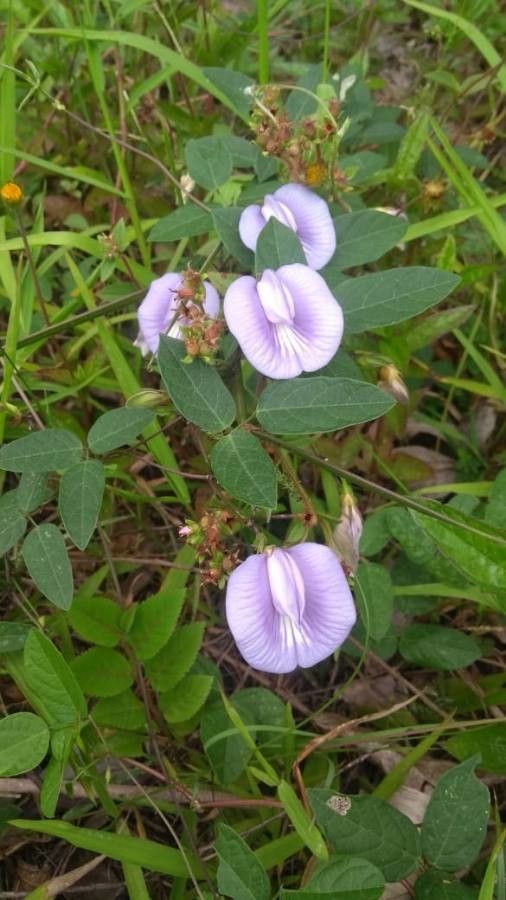
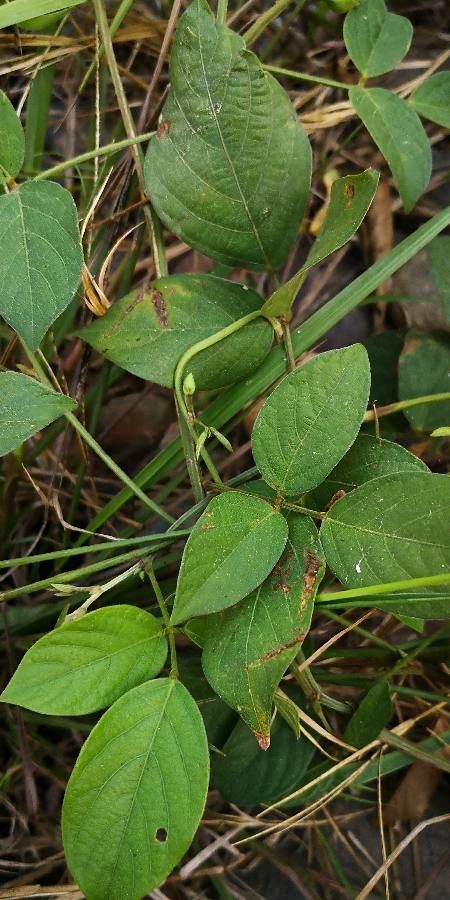
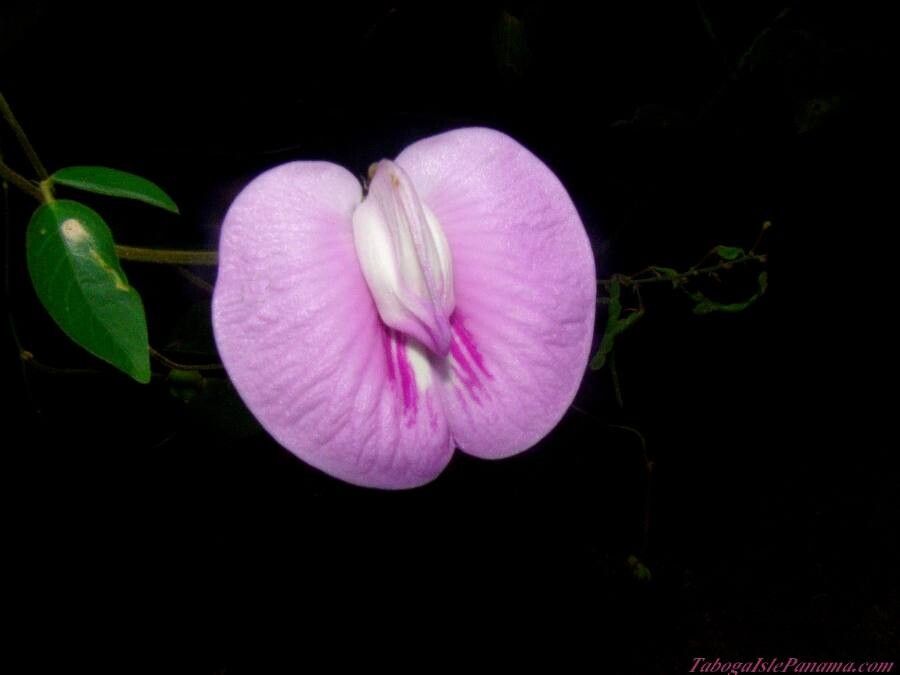
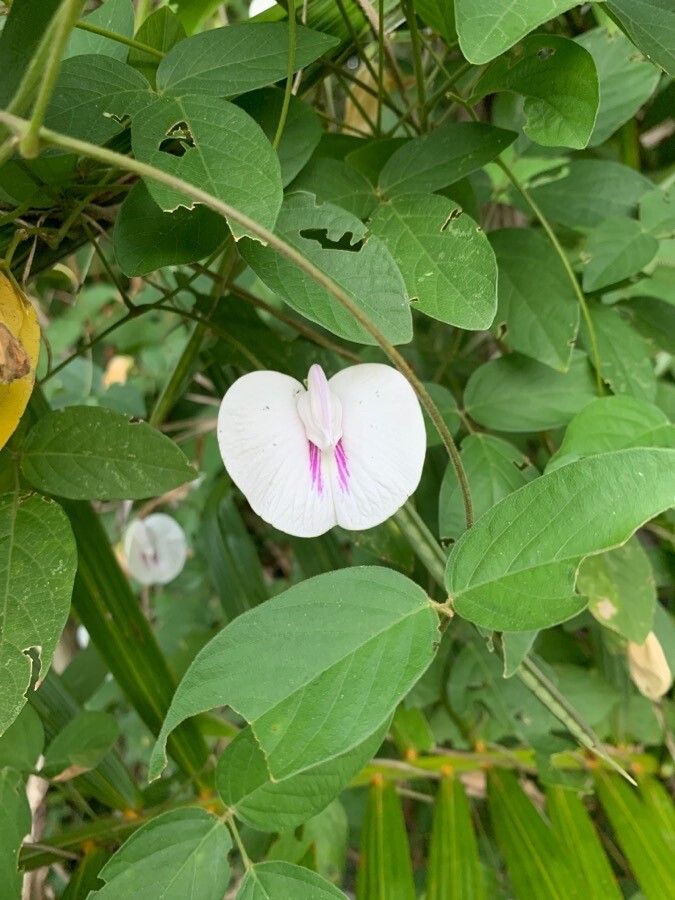
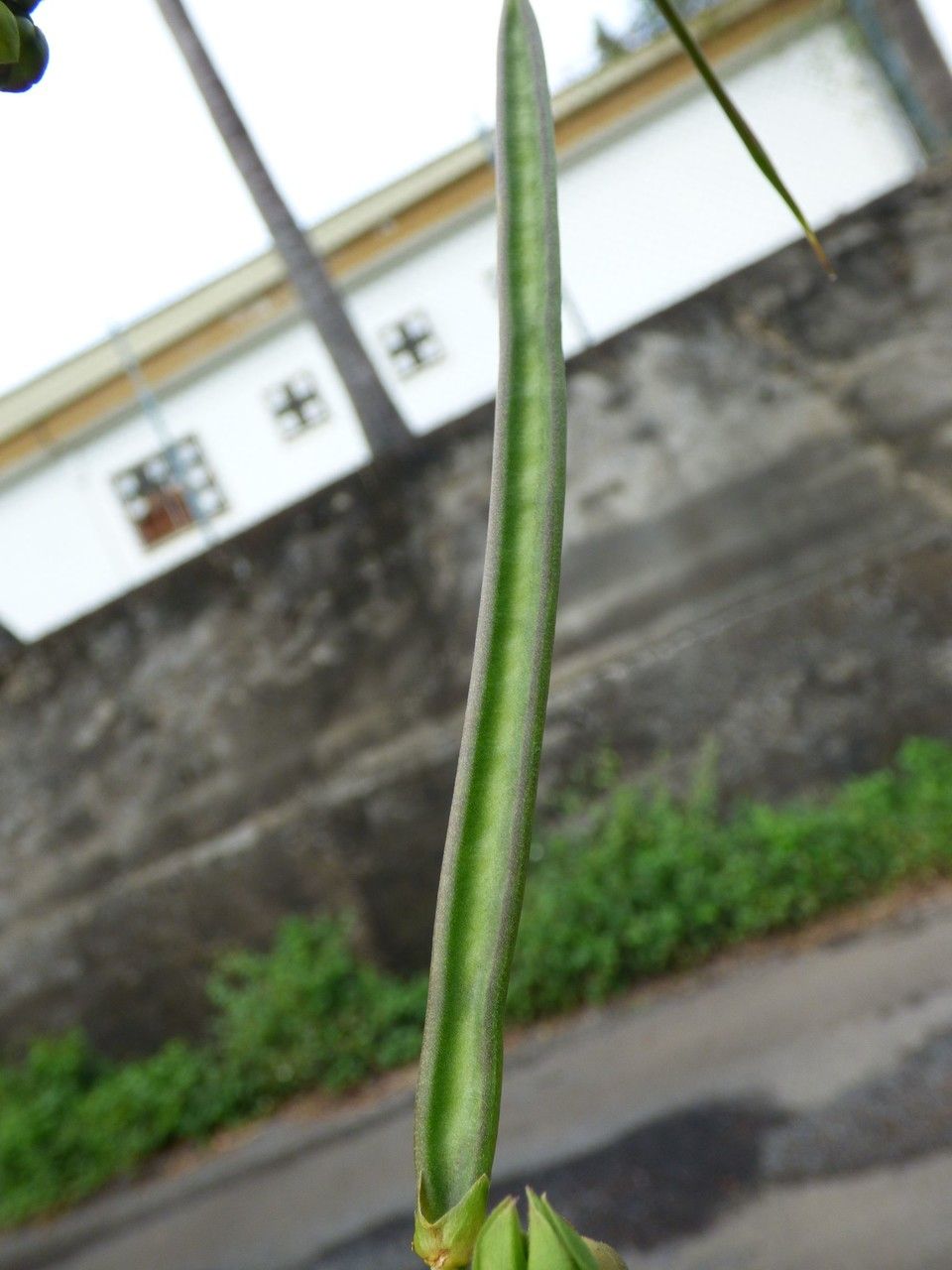
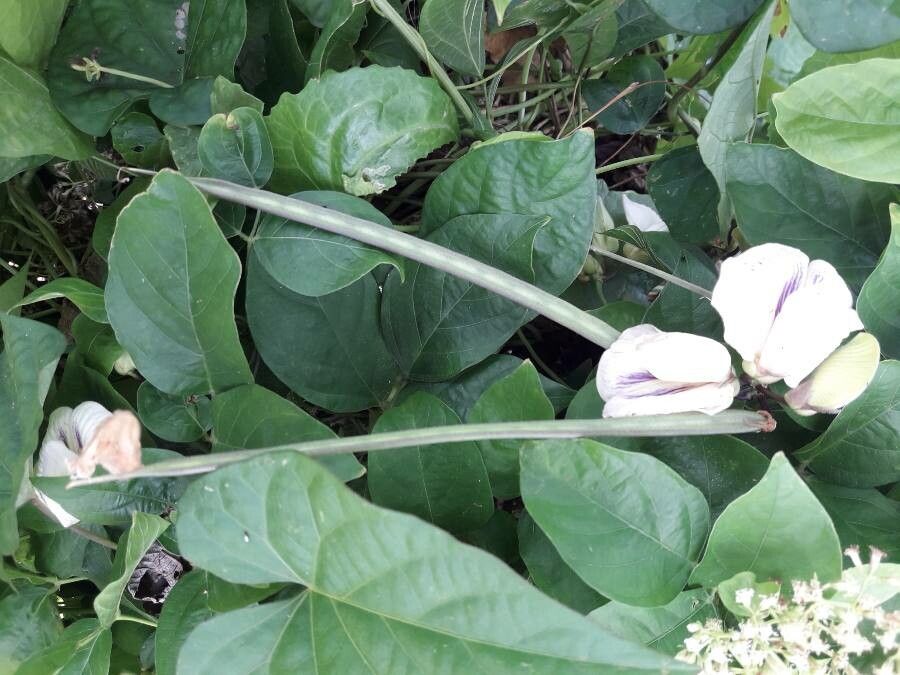
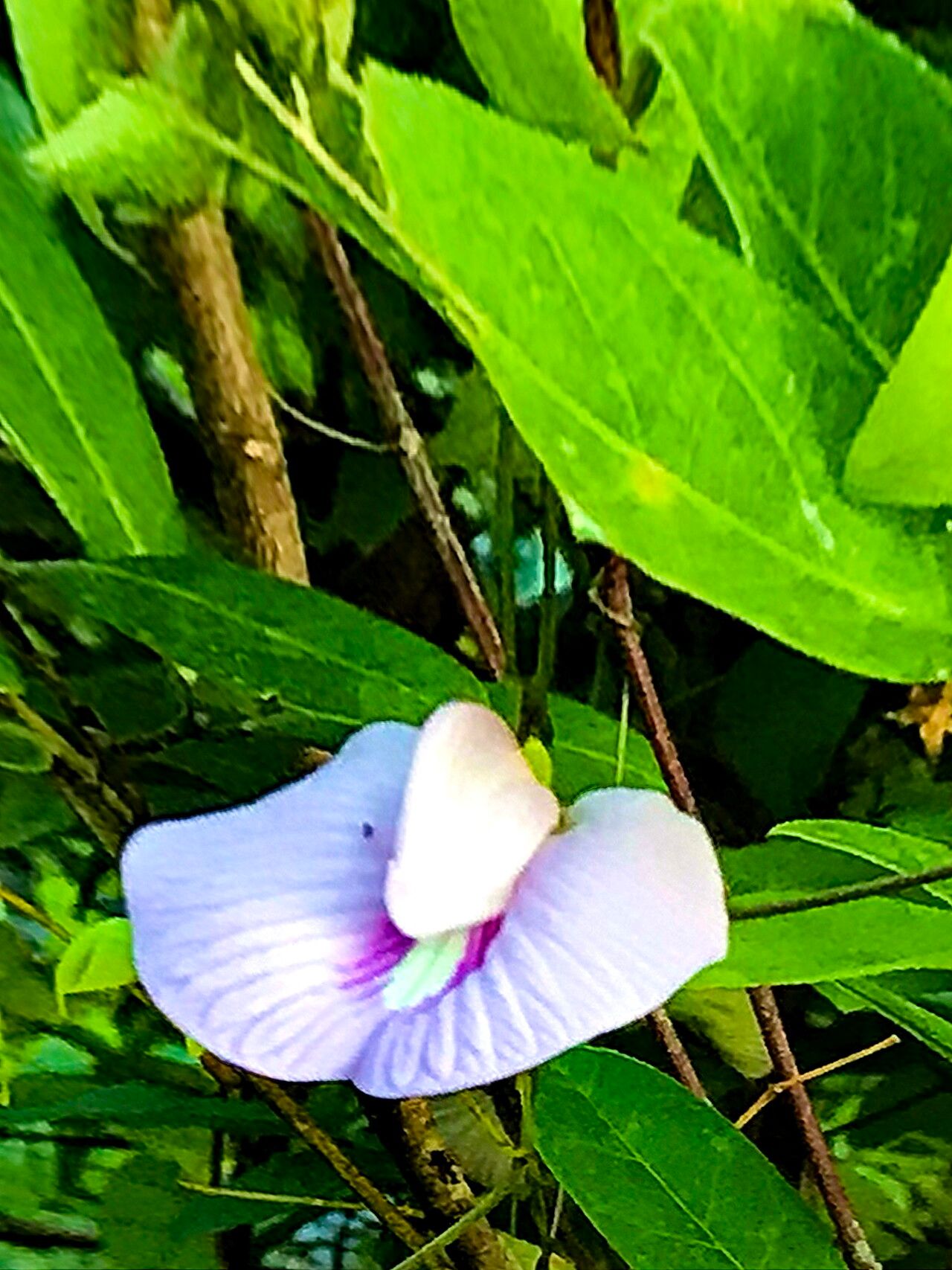
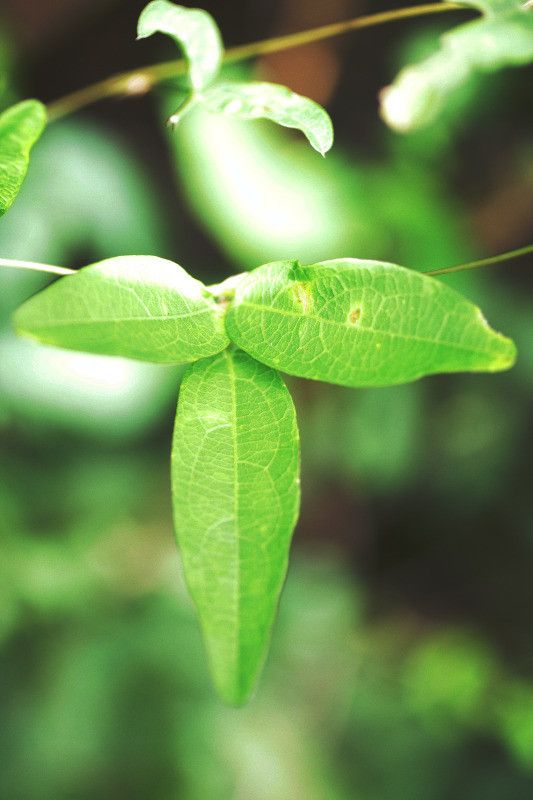
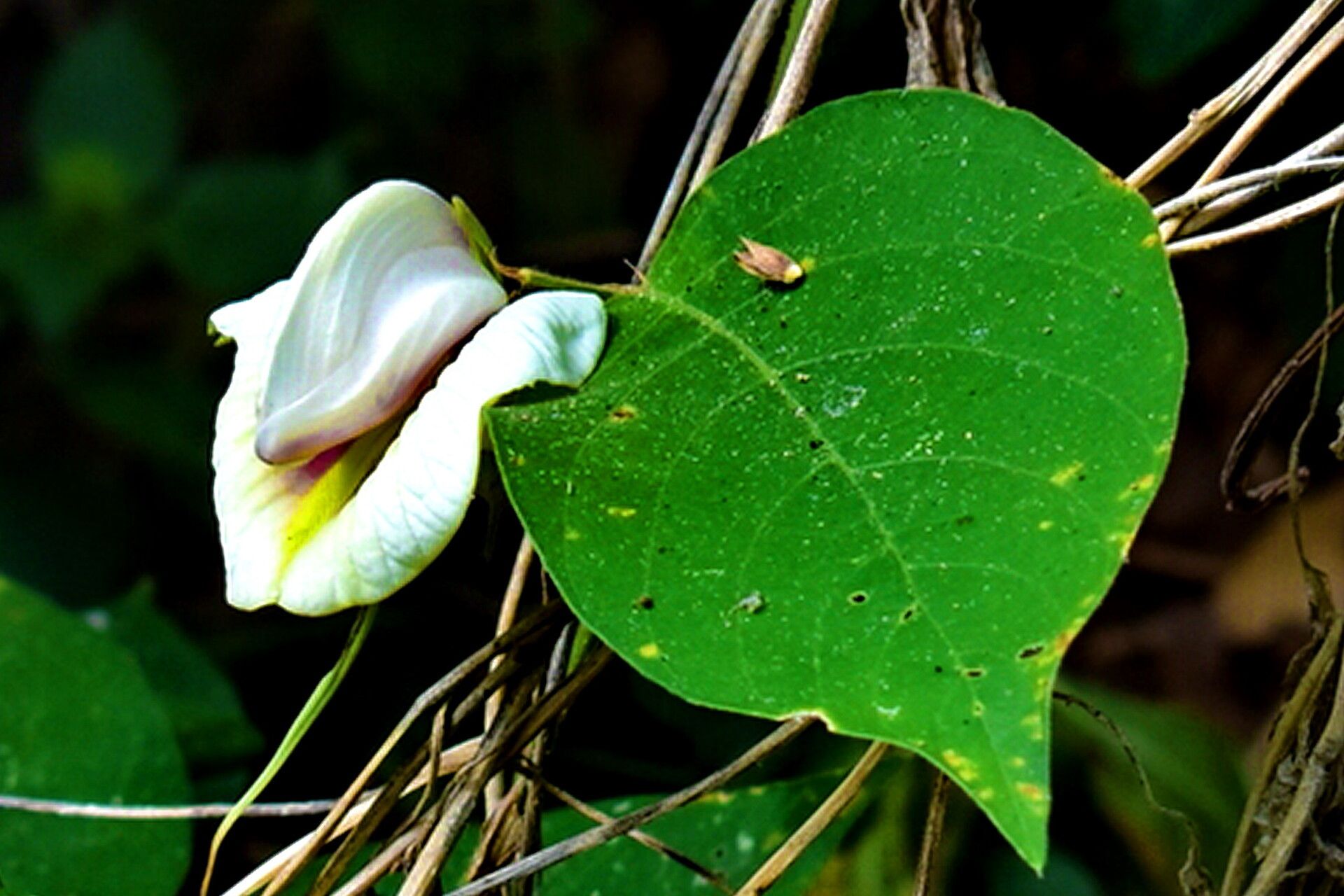
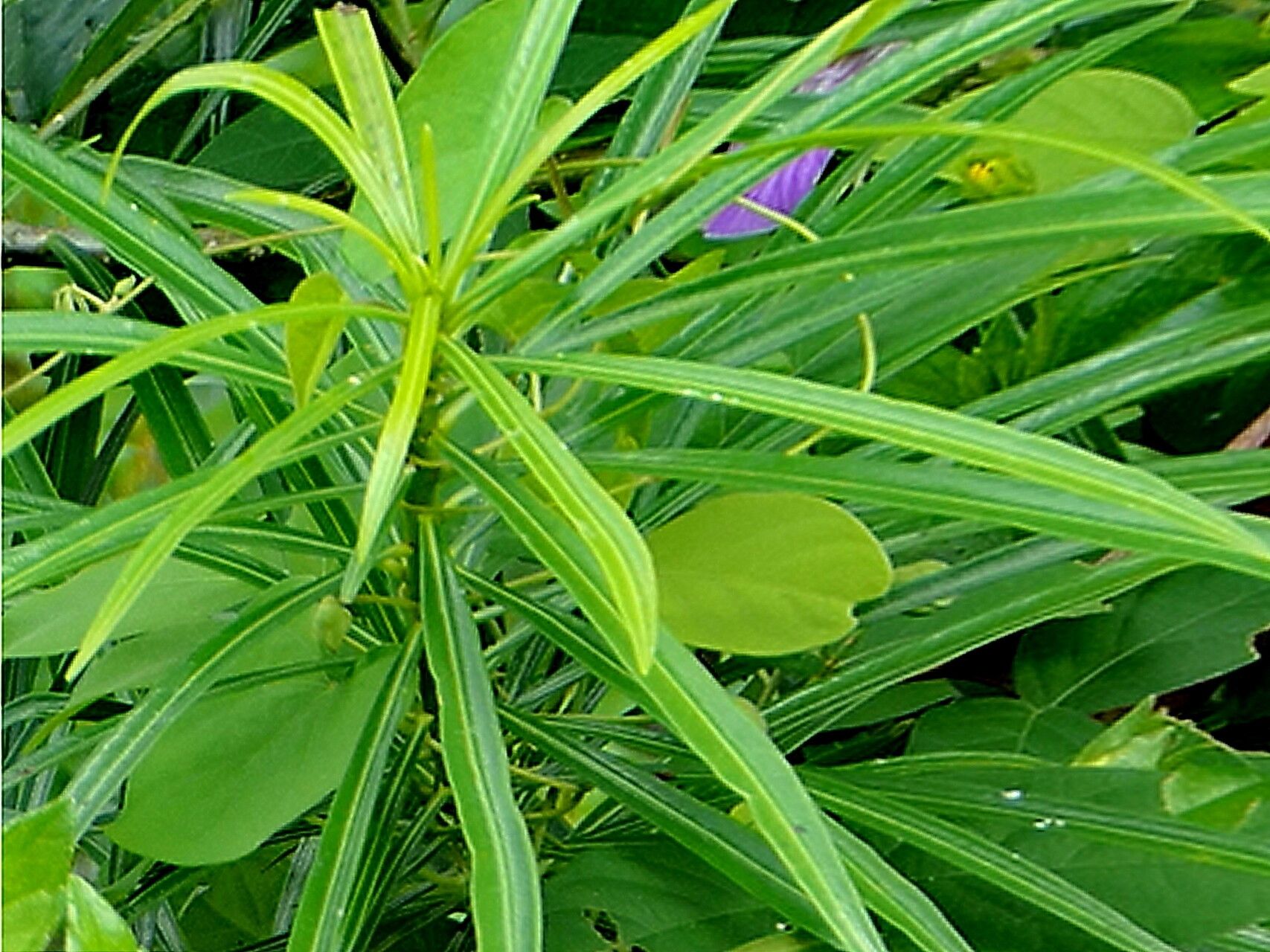
Centrosema pubescens, common name centro or butterfly pea, is a legume in the family Fabaceae, subfamily Faboideae, and tribe Phaseolae. It is native to Central and South America and cultivated in other tropical areas as a forage for livestock.Although, this species has hitherto almost exclusively been referred to as Centrosema pubescens, its correct name is Centrosema molle. The former C. schiedeanum (incl. the released cultivar Belalto centro) is now C. pubescens.
Centro muestra buena resistencia a las enfermedades y, por lo general, no se ve afectado con facilidad. No obstante, puede ser vulnerable a plagas y enfermedades presentes en su entorno. Estas infecciones suelen ser leves. En cuanto al cuidado, la planta necesita un mantenimiento moderado. Debe podarse de forma regular para conservar un aspecto ordenado y favorecer un crecimiento sano. La fertilización también puede ayudar a estimular la floración. Centro es adecuado para cualquier persona que disponga de un espacio exterior, como un jardín o una terraza, y no exige mucha experiencia en cuidados. Cuando se cultiva en interiores, sin embargo, puede requerir más atención.
How to keep Centrosema Pubescens.
Light
Centro prospera a pleno sol y soporta una ligera sombra. En su hábitat nativo, crece mejor en sitios que reciben la mayor parte de los rayos del sol. La falta o el exceso de este recurso fundamental podría provocar el amarilleo de las hojas e impedir un crecimiento sano.
Water
Centro thrives in consistently moist, tropical-like environments and requires watering every week, ensuring that the soil does not retain excess water. It prefers stable outdoor conditions and benefits from natural rainfall. To flourish, it needs well-draining soil that maintains balanced moisture levels.
Temperature
Centro originates from areas where temperatures typically range from 68 to 100 °F (20 to 38 ℃). It favors warm conditions and often adapts to seasonal changes. However, in colder seasons, providing a warmer microclimate can ensure its robust growth.
Fertilizer
Correct feeding is essential for Centro’s health and appearance. Feed Centro during the summer, applying fertilizer once a month throughout the season. Nutrients drive growth and preserve the plant’s parts. Fertilizing improves Centro’s flowering display, helping it produce the best blooms.
Pruning
To promote healthy growth and flowering, prune the centro plant from early to late spring by removing dead stems and thinning out crowded areas. This improves airflow and light penetration. Be sure to sanitize your tools to prevent the spread of disease. Regular pruning also helps shape the plant, enhancing its vigor and aesthetic appeal.
Botanical profile.
- Plant Type
- Herb, Vine
- Life Cycle
- Perennial
- Genus
- Centrosema
- Family
- Fabaceae
- Hardiness Zone
- 10-12
- Mature Height
- 46 cm
- Mature Spread
- 2.13 m to 3.05 m
- Leaf Color
- Green, Blue
- Leaf Type
- Evergreen
- Flower Color
- Purple, Lavender
- Flower Size
- 3.05 cm to 4.06 cm
- Bloom Time
- Summer, Fall
- Planting Time
- Spring, Summer
- Harvest Time
- Late summer, Fall, Early winter
- Native Area
- Colombia, Belize, Cuba, Honduras, Mexico, Guatemala, Bolivia, Brazil, Nicaragua, Ecuador, Costa Rica, Panama, Jamaica
Other names.
Reader questions.
How should I water my Centro plant?
To properly water the Centro plant, it is recommended to use filtered water at room temperature. Tap water may contain harmful particles, so using filtered water is better. The Centro plant prefers warm temperatures, so it is important to use room temperature or slightly warmer water to avoid shocking its system. It is also advised to avoid overhead watering, as it can cause issues with the foliage. Instead, slowly pour the filtered room temperature water onto the soil until it is completely soaked. This helps moisten the roots and support their spread through the soil for nutrient absorption.
Why is it necessary to add fertilizer to my Centro?
All plants, including the Centro, depend on soil nutrients for growth. However, the soil may not always provide all the necessary nutrients. To address this, fertilization and soil amendments are used to supply the plants with both essential and specific nutrients. For the Centro, fertilizer is crucial to promote healthy root and stem development throughout the growing season. Fertilization also enhances the appearance of its leaves, which are the main attraction of this ornamental plant.
What are the sunlight requirements for Centro plants?
Centro plants flourish under conditions of full sun, requiring above 6 hours of sunlight a day, but they can also tolerate partial sun, which equates to about 3-6 hours of sunlight daily. It's crucial to observe the movement of sunlight through your garden over time to find spots that provide an ideal balance of light and shade, ensuring the optimal growth and happiness of your plants.
What are the ideal temperature conditions for Centro?
Centro, or Centrosema pubescens, thrives in regions where temperatures typically range from 68 to 100 °F (20 to 38 °C). It is a heat-loving plant that adjusts to seasonal changes but requires protection from cold. During colder seasons, it is beneficial to create a warmer microclimate for robust growth. In autumn, if grown outdoors, Centro should be moved indoors near a bright window but kept away from direct heat sources to maintain temperatures above 20°C. It is crucial to avoid exposure to temperatures nearing 5°C, as these conditions can be detrimental to the plant.
What should I do if I give too much water or too little water to my Centro?
Overwatering is a common issue that can harm your Centro plant, while underwatering is less likely but still a potential problem. When overwatered, the plant's stems and leaves may wilt and turn yellow. Prolonged overwatering can also cause diseases like root rot, mold, and mildew that can kill the plant. On the other hand, underwatering is less common because the Centro plant can tolerate drought to some extent. If your plant is underwatered, you may notice brittle and brown leaves. It's important to recognize the signs of overwatering promptly. Diseases like root rot may become irreversible if not addressed quickly. Reduce your watering schedule immediately if you notice signs of overwatering and consider replacing poorly draining soil with a loose, well-draining potting mix. If your plant shows signs of receiving too little water, simply increase your watering frequency until the signs improve.
When should I fertilize my Centro?
The Centro requires the most fertilizer when it is actively growing, which usually happens during the spring, summer, and early fall. After winter is over, you should feed the Centro every two to four weeks until the fall months. During fall, gradually decrease the amount of fertilizer until you stop feeding the Centro completely in preparation for winter, when its growth slows down.
What are the essentials for growing healthy Centro plants?
Centro plants thrive best in full sunlight and can withstand some shade. In their natural habitat, they prosper in areas that receive a significant amount of sunshine. It's important to provide them with the right amount of light as both a lack and an excess can lead to leaf yellowing and prevent healthy growth. In spaces where natural sunlight is insufficient, especially during winter or in areas with limited sun exposure, artificial lighting can help maintain optimal growth. LED lights are a good choice because they can be customized to provide the specific wavelengths needed. Full sun plants require 30-50W/sq ft of artificial light, partial sun plants need 20-30W/sq ft, and shade plants need 10-20W/sq ft. The artificial light source should be placed 12-36 inches above the plants and left on for 8-12 hours per day to mimic natural daylight hours.
How should you care for Centro in low temperatures?
In low temperatures, it is essential to protect Centro from the cold, as it thrives in warm conditions and is intolerant of cold. If the temperature drops below 20°C, especially during winter, keep the plant in a location where it stays above 5°C to avoid damage. Exposure to temperatures below 1°C can cause the leaves to lighten in color, eventually turning brown or black, and the plant may exhibit symptoms such as wilting and drooping. In case of frost damage, trim off the damaged parts and move the plant to a warmer environment indoors, near a south-facing window for sunlight, while avoiding placement near heaters or air conditioning vents to prevent air dryness.
How frequently should I water my Centro?
If your plant is in a pot, the most precise way to determine if it needs water is to stick your finger into the soil. If the top two to three inches of soil are dry, then it's time to water. The same method can be used if you have your plant outdoors in the ground. Once again, if the top few inches of soil have dried out, it's time to water. During the spring and early fall, you'll typically need to water this plant about once a week. However, during extremely hot weather, you may need to water it twice a week or even more. It's important to note that mature, well-established Centros can withstand drought quite well.
When is it better to not use fertilizer on my Centro plant?
To keep your Centro plant healthy and thriving, it's important to feed it regularly throughout most of the year. This includes spring, summer, and most of the fall. However, if you notice that your Centro has been over-fertilized or if you made a mistake while fertilizing it, causing fertilizer burn or other issues, you should address these problems before resuming the regular feeding schedule. The only exception to feeding your Centro is during winter. If you have your plant indoors in a cold winter area, it will go into a dormant phase during this time. Feeding the plant during its dormancy is not necessary or beneficial for its growth and may even lead to fertilizer burn.
What are some important symptoms of light deficiency in Centro plants?
When Centro plants do not receive enough light, especially if cultivated indoors during winter, several symptoms can emerge. These include smaller new leaves, leggy or sparse growth, faster leaf drop, slower or no new growth, and lighter-colored new leaves. Additionally, excessive sunlight can lead to chlorosis, where leaves lose their green color and turn yellow, sunscald, leaf curling, wilting, and leaf scorching. These symptoms reflect the plant's struggle with inadequate light conditions.
What should you do if Centro is exposed to high temperatures?
Centro should ideally be kept below 38°C during the summer months to prevent heat stress. Exposure to temperatures exceeding 43°C can lead to lighter leaf color and increased susceptibility to sunburn. If such conditions occur, it is advisable to trim away sunburned and dried parts of the plant. To protect the plant, move it to a location with shade from the harsh midday and afternoon sun. Ensure the soil remains moist by watering the plant in the morning and evening.