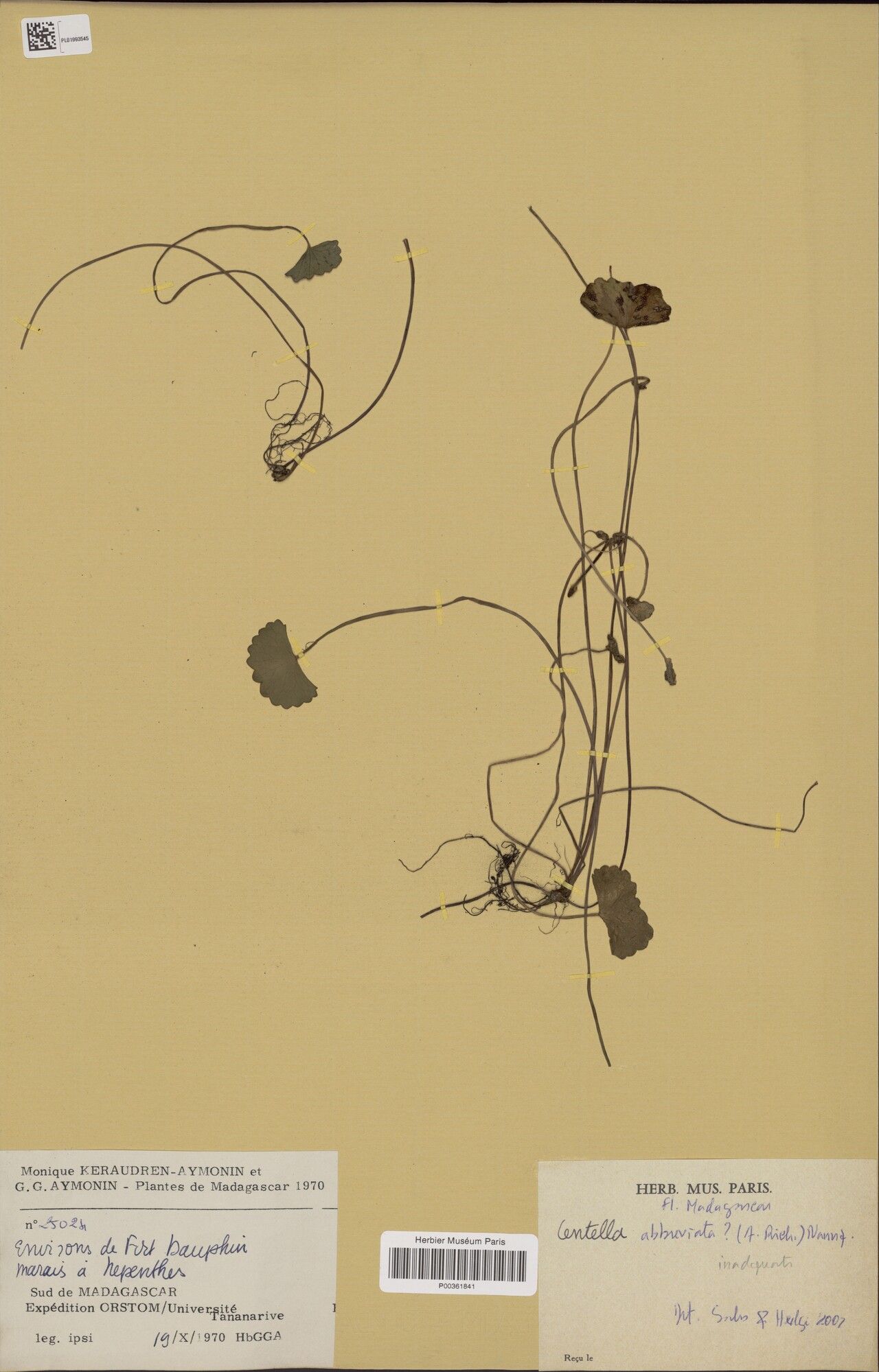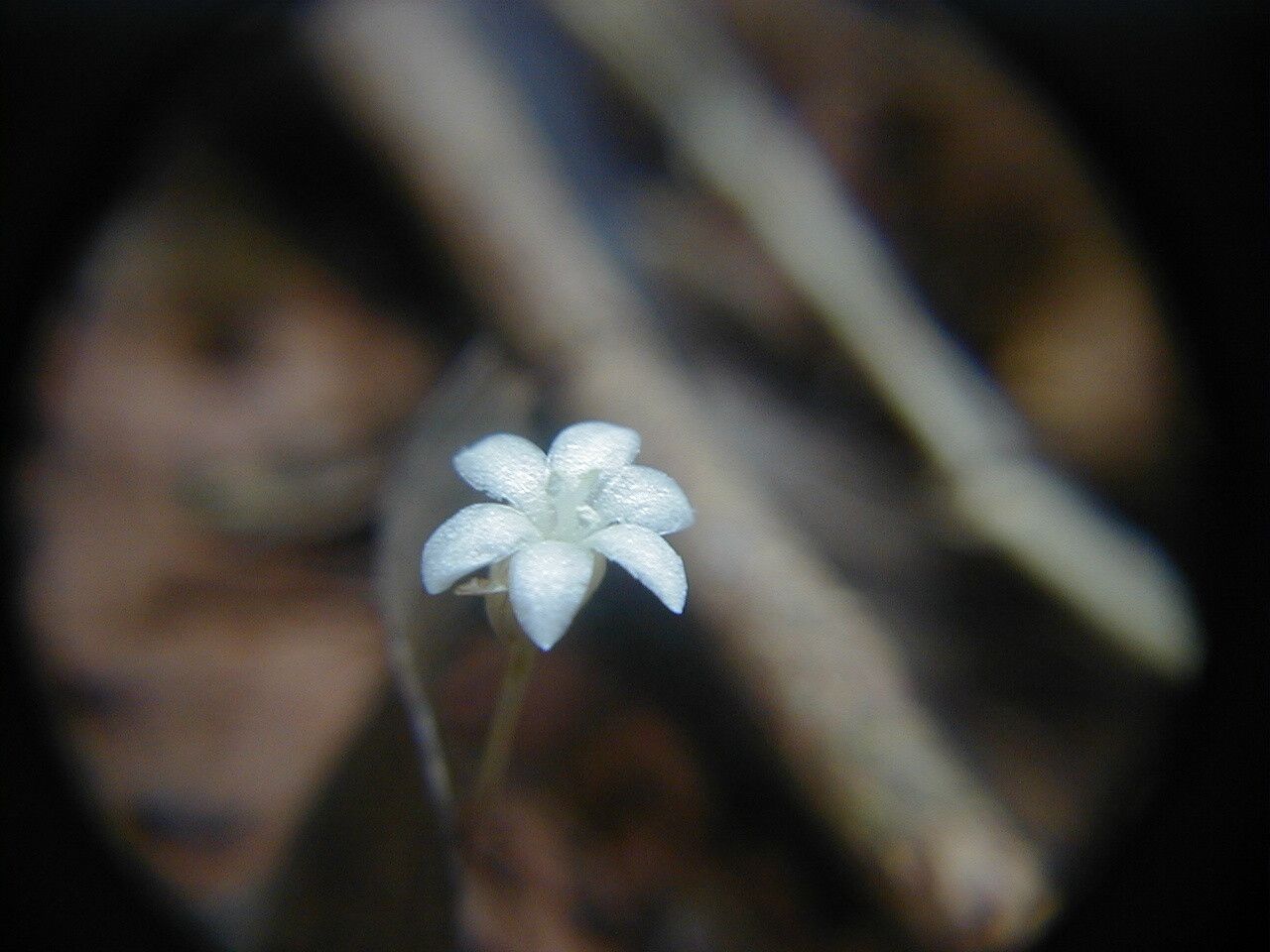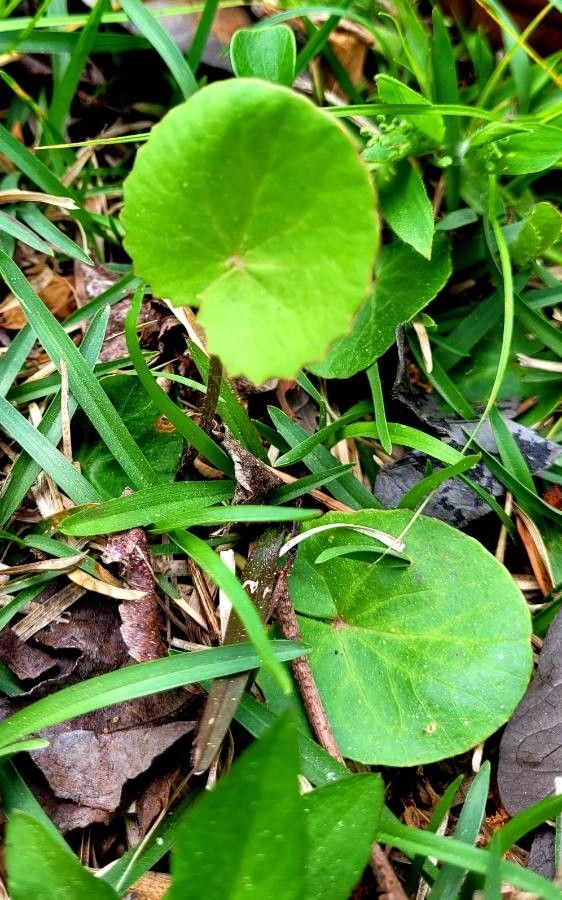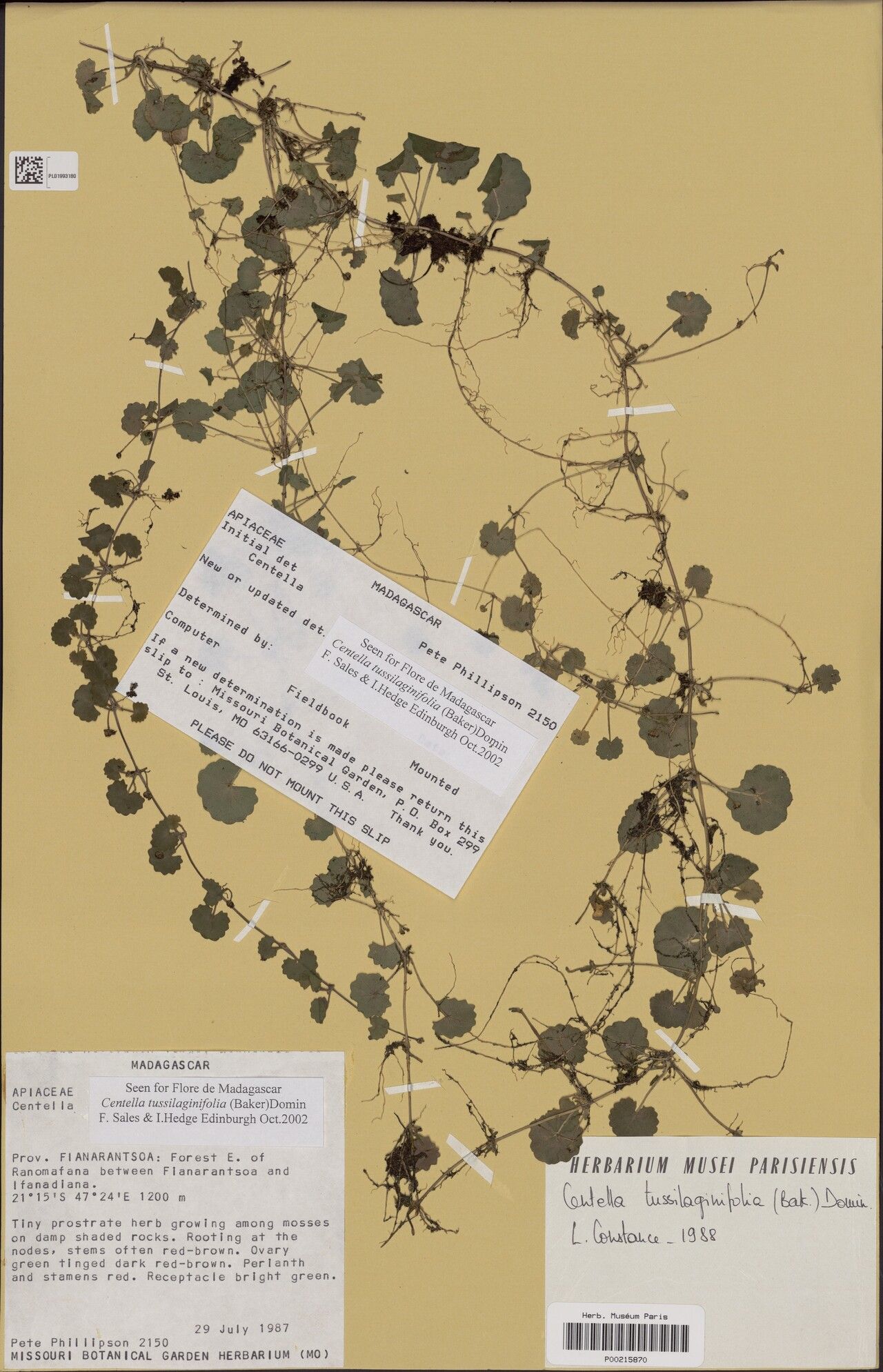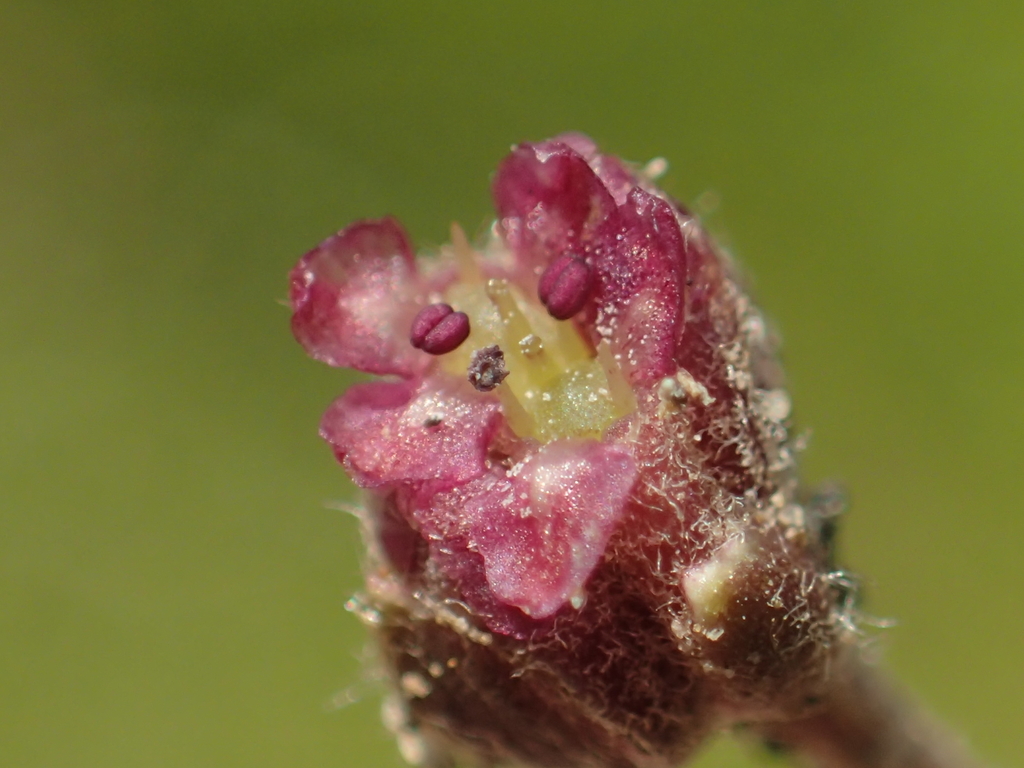
Centella asiatica, also known as Gotu Kola, is a perennial herbaceous plant that belongs to the Apiaceae family. Native to Asia, this plant has been utilized for centuries in traditional medicine due to its numerous health benefits. It features small, fan-shaped leaves that grow in clusters and produces small pink or white flowers.
Centella asiatica contains several active compounds, including triterpenoids, flavonoids, and asiaticoside, which are responsible for its medicinal properties. It is known for its anti-inflammatory, antioxidant, and anti-anxiety effects and has been found to improve cognitive function.
The plant can be consumed fresh or dried as a tea, or added to salads. It can also be used topically in creams or ointments for wound healing, thanks to its ability to increase collagen production.
Centella asiatica thrives in moist soil with partial shade and grows well in tropical regions with high humidity levels. It is easy to grow from seeds but requires regular watering during the growing season.
Overall, Centella asiatica is a versatile herb with numerous health benefits, making it an excellent addition to any garden both for its medicinal properties and aesthetic appeal.
Asiatic pennywort has moderate disease resistance and can be susceptible to conditions such as leaf spot. Its susceptibility to insect pests depends on the variety, but most varieties are comparatively less resistant to pests. In terms of care, Asiatic pennywort needs regular watering and fertilization, along with frequent removal of yellow leaves. It is important to manage pests and diseases when they occur and to harvest the plant promptly. Asiatic pennywort is suitable for people who can devote some time and effort to regular care.
How to keep Centella Asiatica.
Light
Asiatic pennywort grows best with a combination of sunlight and shade, and it can tolerate full sun. It fares better in areas where the balance of light and shade matches that of its primary habitats. Too much sun or too little light can stress the plant and restrict its growth.
Water
Asiatic pennywort originates from the damp, marshy regions of Asia. This plant thrives in high humidity and consistently moist conditions. While it can tolerate some drought, it grows best when watered twice a week. When grown outdoors, asiatic pennywort benefits from natural rainfall, which promotes its growth and boosts its medicinal properties.
Humidity
This plant will thrive in moderate humidity, which is probably the level in your home. However, misting it a few times a week can be very beneficial. Make sure the room has good ventilation.
Temperature
Asiatic pennywort is native to areas where temperatures usually range from 59 to 100.4 °F (15 to 38 °C). Its ideal temperature range mirrors these conditions. In colder seasons, consider relocating the plant indoors to maintain a steady temperature.
Fertilizer
To maximize the yield and flavor of Asiatic pennywort, supply adequate nitrogen at every stage of growth, from before planting through harvest. Plants that are consistently watered and fed produce plentiful, healthy leaves and are less bitter. Before planting, amend the soil with organic matter such as compost or manure, preferably 2 to 8 weeks beforehand.
Pruning
Asiatic pennywort is a low-growing plant that benefits greatly from regular pruning, particularly from early to late spring. This practice helps control its spread, encourages denser growth, and improves air circulation by removing dead stems. To achieve the best results and maintain an attractive appearance, use clean, sharp shears for precise pruning, which is essential for the plant’s healthy development.
Pot & Repot
Repot Asiatic pennywort every 2 to 3 years in the spring to support its growth. Use a wide and shallow pot to accommodate its shallow roots, and make sure there is plenty of space for expansion. Keep the soil moist, but be careful not to overwater. Provide partial shade to help the plant recover and promote vigorous growth after repotting.
Toxicity
Although there is no clear scientific evidence to support most of these purposes, gotu kola is considered non-toxic and is used in a variety of remedies for inflammation, blood pressure, wound healing, varicose veins, scars, stretch marks, and many other diseases. However, long-term use of gotu kola may result in a number of negative effects.
Further reading →
The toxicity and danger assessments provided are for reference only. We do not assure their accuracy, so it's crucial not to depend on them. Seek professional advice when necessary for accurate guidance.
Botanical profile.
- Plant Type
- Herb
- Life Cycle
- Perennial
- Genus
- Centella
- Family
- Apiaceae
- Hardiness Zone
- 8-11
- Mature Height
- 20 cm
- Mature Spread
- 91 cm
- Leaf Color
- Green
- Leaf Type
- Evergreen
- Flower Color
- White
- Flower Size
- 0.25 cm to 0.51 cm
- Bloom Time
- Late spring, Early summer, Mid summer
- Planting Time
- Spring
- Harvest Time
- Summer
- Native Area
- Burkina Faso, Sri Lanka, Belize, India, Guatemala, Madagascar, Pakistan, Dominican Republic, Nigeria, Guinea-Bissau, Fiji, Uganda, Tanzania, Benin, Paraguay, Sierra Leone, Indonesia, Cameroon, Mozambique, Koppen, Ethiopia, Central African Republic, Saudi Arabia, Malawi, Peru, Philippines, Bangladesh, Laos, New Zealand, China, Colombia, Solomon Islands, Japan, Mongolia, Togo, El Salvador, Senegal, Eswatini, Iran, Côte d'Ivoire, Congo (DRC), Somalia, Lesotho, Angola, Malaysia, Namibia, Rwanda, Eritrea, Yemen, Kenya, Niger, Jamaica, Zimbabwe, Uruguay, Mali, Cuba, Argentina, Cambodia, Equatorial Guinea, Liberia, Burundi, Venezuela, Brazil, Ghana, South Korea, Botswana, Congo, Nepal, Chile, South Africa, Sudan, Zambia, Guinea, Trinidad and Tobago, Bahamas, Vietnam, Myanmar, Bhutan, Singapore, Thailand, Gabon
Other names.
Reader questions.
How should I water my Asiatic pennywort?
When watering the Asiatic pennywort, it is recommended to use filtered water at room temperature. Tap water may contain harmful particles, so filtered water is better for the plant. The water should be at room temperature or slightly warmer to avoid shocking the plant, as it is accustomed to a warm environment. Overhead watering should be avoided to prevent foliage issues. Instead, apply the filtered room temperature water directly to the soil until it is completely soaked. This helps to moisten the roots and facilitate their spread through the soil, ensuring the plant gets the necessary nutrients.
Why is it necessary to add fertilizer to my Asiatic pennywort?
The main structure of the Asiatic pennywort is its leaves. Fertilization is an impactful way to enhance the appearance and function of these leaves. Proper fertilization will improve the color and texture of the leaves, as well as aid in root growth and maintenance. This not only keeps the plant healthy in the short term but also helps it absorb nutrients from the soil more efficiently in the long run.
What are the sunlight requirements for Asiatic pennywort?
Asiatic pennywort thrives best under a combination of sunlight and shade, and can handle full exposure to the sun. It performs better in environments that mimic its natural habitat, where there is a balanced mix of light and shade. Both partial sun, defined as about 3-6 hours of sunlight, and full sun, which is above 6 hours of sunlight, are suitable for this plant. However, it's crucial to observe the movement of sunlight in your garden to select spots that ensure a good balance of light and shade, promoting the plant's health and growth.
What is the native temperature range for Asiatic pennywort?
Asiatic pennywort, known botanically as Centella asiatica, thrives in its native temperature range of 59 to 100.4 °F (15 to 38 °C). This range is considered optimal for the plant's growth, as it mimics the conditions of its native regions.
What should I do if I give too much or too little water to my Asiatic pennywort plant?
Overwatering is a more common issue for Asiatic pennywort and can lead to wilting, yellowing leaves, and diseases like root rot. Underwatering is less common but can cause brittle, brown leaves. It's important to notice signs of overwatering early and reduce watering. Check the soil's drainage and replace if necessary. If underwatering is the issue, simply water more regularly until the signs improve.
When should I fertilize my Asiatic pennywort plant?
If you grow your Asiatic pennywort outdoors each year, you'll notice new growth shooting out in early spring, signifying it's time to start fertilizing. Typically, a single application of fertilizer in the spring is sufficient for the plant to thrive. However, if you want to maximize its growth, you can fertilize multiple times during the spring and early summer, approximately once every month to a month and a half.
How should indoor Asiatic pennywort plants be lit?
Indoor Asiatic pennywort plants require adequate lighting for optimal growth, especially when natural sunlight is insufficient. During winter or in less sunny spaces, artificial lighting is a practical solution, enabling faster, healthier growth. LED lights, which can be tailored to provide specific light wavelengths needed by plants, are recommended. Full sun plants should have 30-50W/sq ft of artificial light, partial sun plants 20-30W/sq ft, and full shade plants 10-20W/sq ft. The light source should be placed 12-36 inches above the plant to mimic natural sunlight and should be left on for 8-12 hours per day to simulate natural daylight hours.
What should I do to protect Asiatic pennywort in colder seasons?
In colder seasons, when temperatures drop, it is advisable to move Asiatic pennywort indoors to maintain a stable temperature conducive to its growth. If outdoor temperatures are expected to fall below -5°C, temporary cold protection measures, like wrapping the plant with plastic film, fabric, or similar materials, should be implemented. Once temperatures rise again, these protective coverings must be removed to prevent any potential damage to the plant.
How often do I need to water my Asiatic pennywort?
If your Asiatic pennywort is in a pot, the most accurate way to determine if it needs water is to check the moisture of the soil by putting your finger in it. If the top two to three inches of soil feel dry, it's time to water it. If you have your Asiatic pennywort growing outdoors in the ground, you can also use this method to check the soil. When the top few inches of soil have dried out, it's time to water. Generally, during spring and early fall, watering once a week is sufficient. However, during very hot weather, you may need to water it two or more times a week. However, it's worth noting that mature, well-established Asiatic pennywort plants have a good ability to withstand drought.
When is the wrong time to fertilize my Asiatic pennywort?
During the late fall and winter, your Asiatic pennywort goes into a dormant phase and stops growing. It's important to avoid fertilizing it during this time. In the spring and summer, if you decide to fertilize, gradually reduce the amount as summer approaches because the growth rate of your Asiatic pennywort will slow down. Regardless, it's not recommended to fertilize when it's unusually hot or when the soil is extremely dry because this can stress the plant and cause it to die prematurely.
What are some symptoms of insufficient light in Asiatic pennywort?
When Asiatic pennywort is grown indoors with inadequate light, it may exhibit symptoms such as smaller new leaves, leggy or sparse growth, faster leaf drop, slower or halted growth, and lighter-colored or chlorotic new leaves. Excessive sunlight can lead to chlorosis, where leaves turn yellow due to chlorophyll breakdown, sunscald with damaged plant tissues, leaf curling to minimize water loss, wilting from rapid water loss, and leaf scorching characterized by brown, dry edges on leaves. These symptoms indicate the plant is stressed from improper lighting.
How does Asiatic pennywort react to low temperatures?
Asiatic pennywort has a moderate tolerance to low temperatures, ideally thriving when the temperature stays above 15°C. If the temperature dips below -10°C, the plant may exhibit signs of stress, such as drooping leaves. While the plant can recover from mild frostbite, severe cases can lead to wilting and leaf loss. If frost damage occurs, the affected parts should be trimmed off. To prevent frost damage in the future, wrap the plant with insulating materials and construct a wind barrier for additional protection.