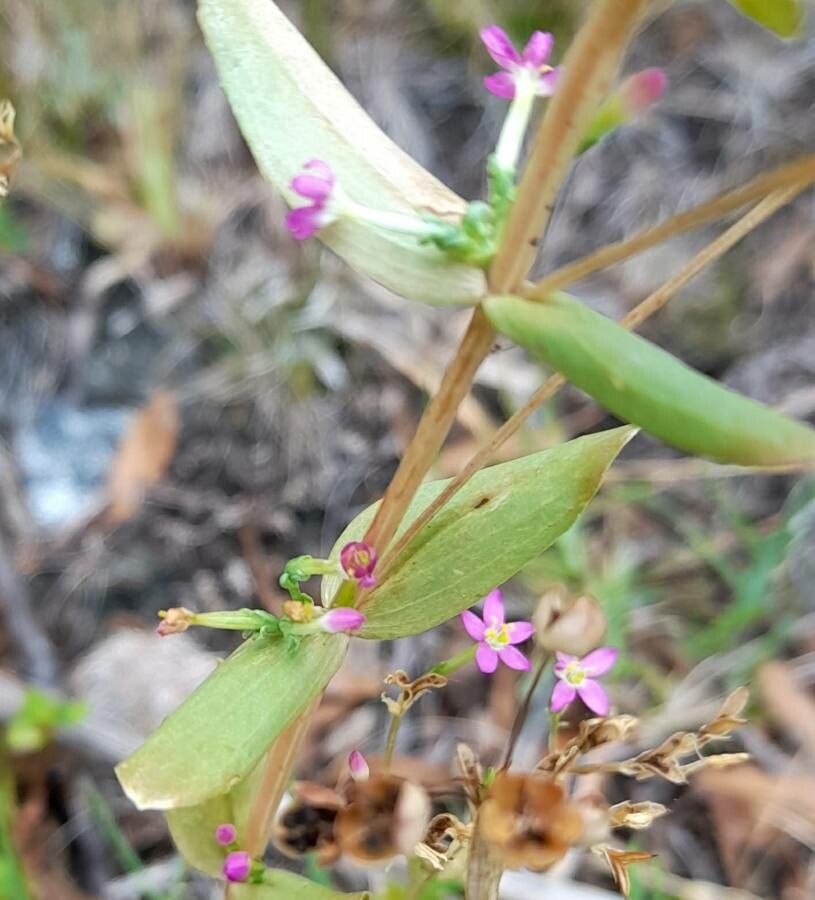
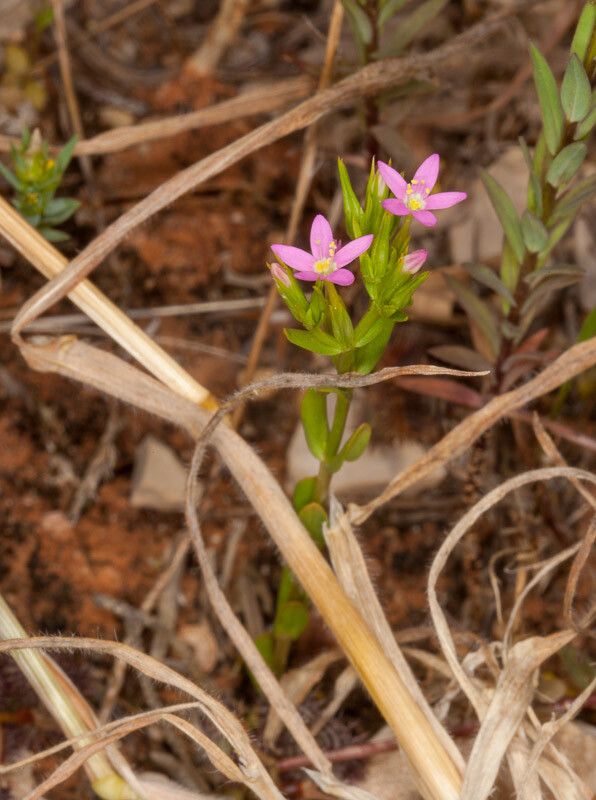
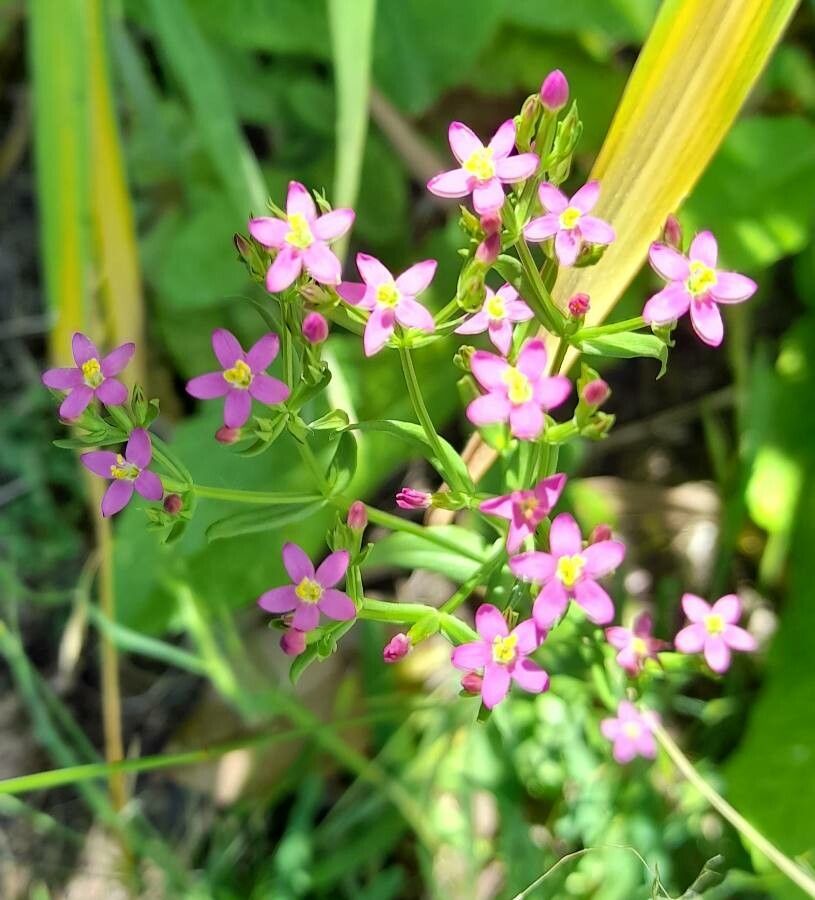
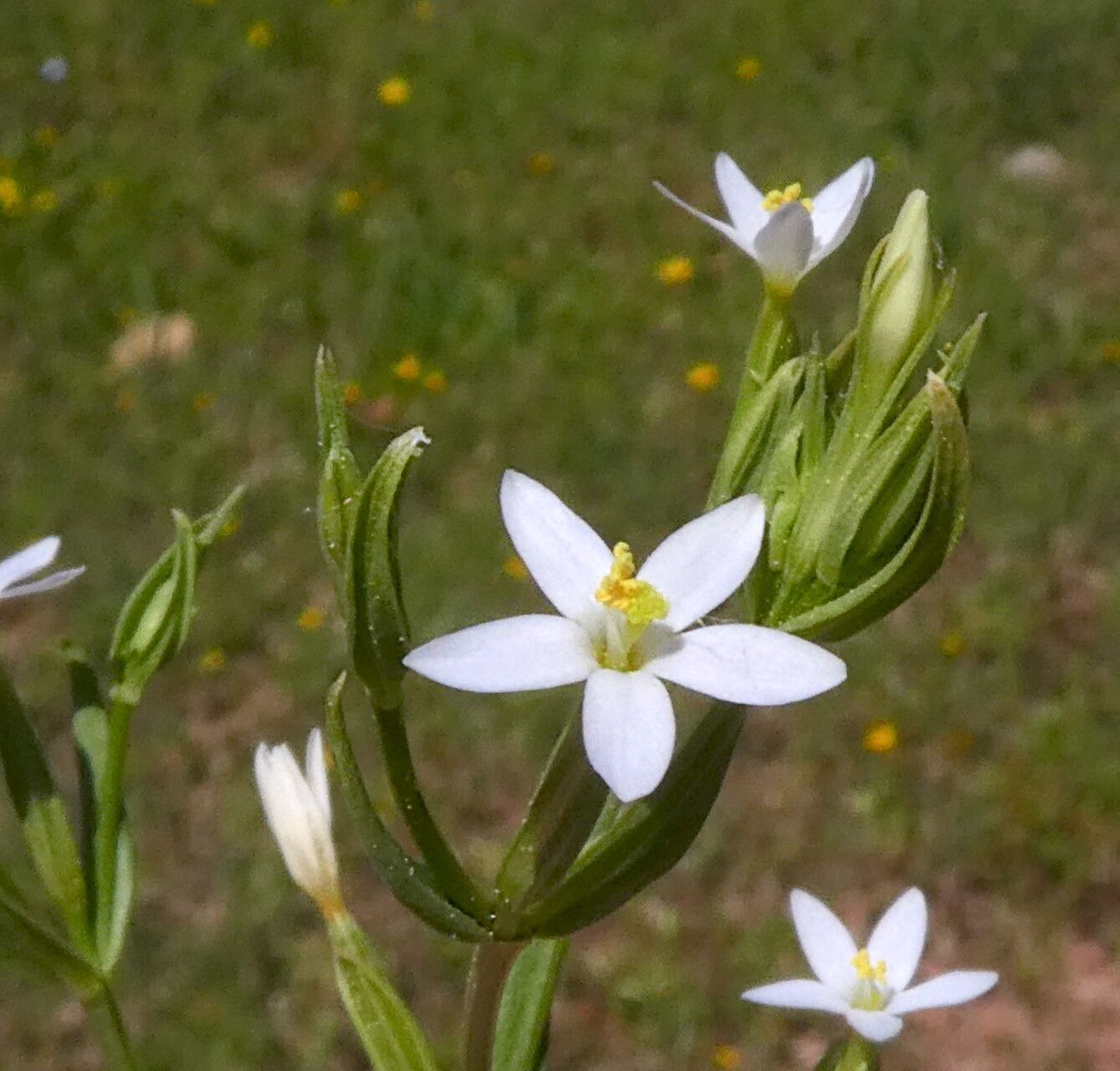
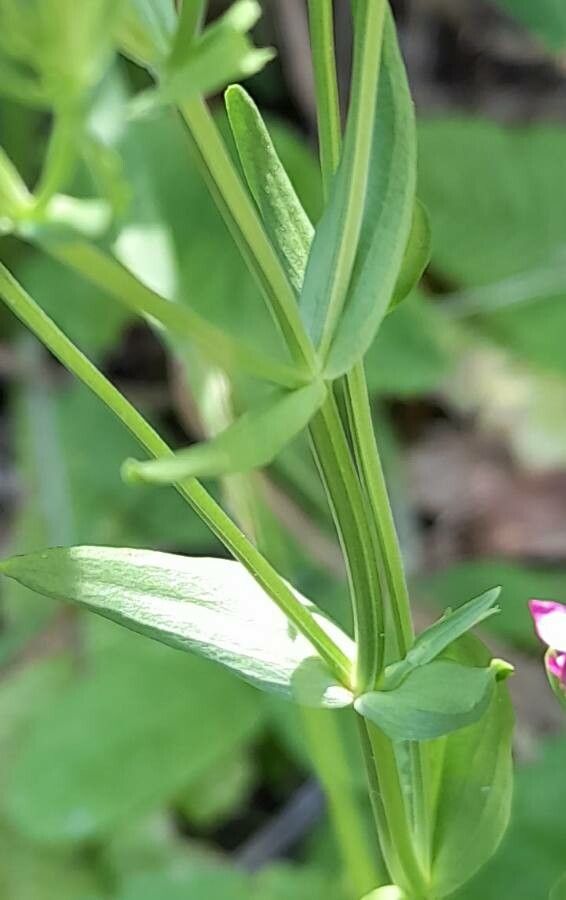
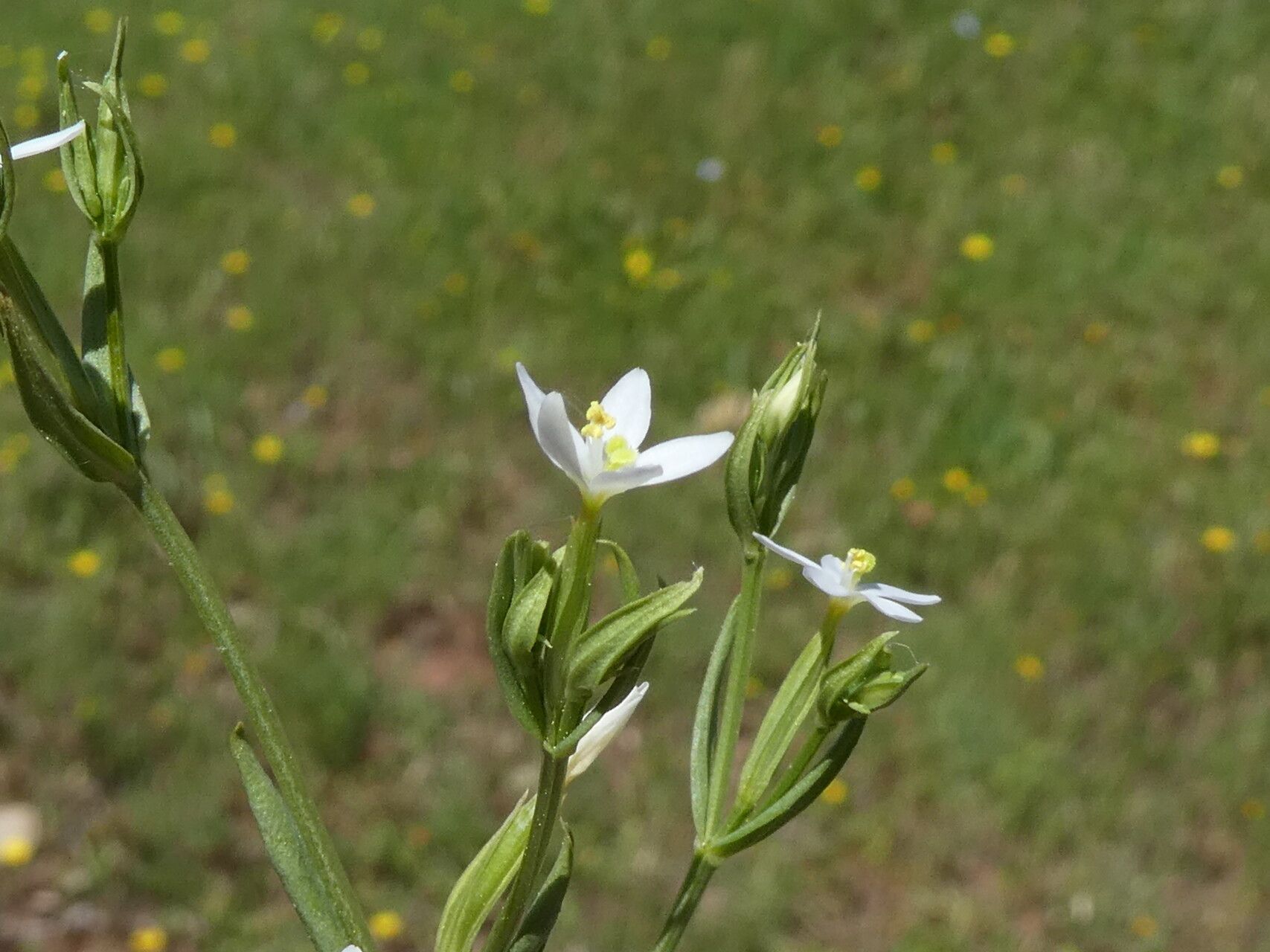
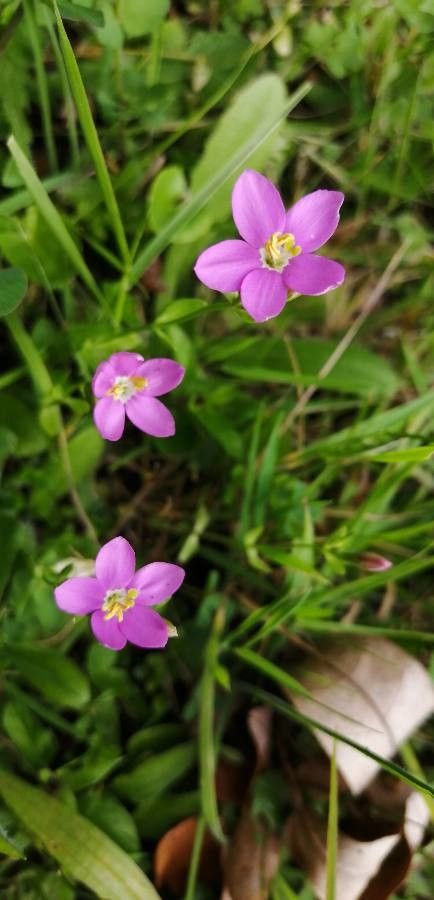
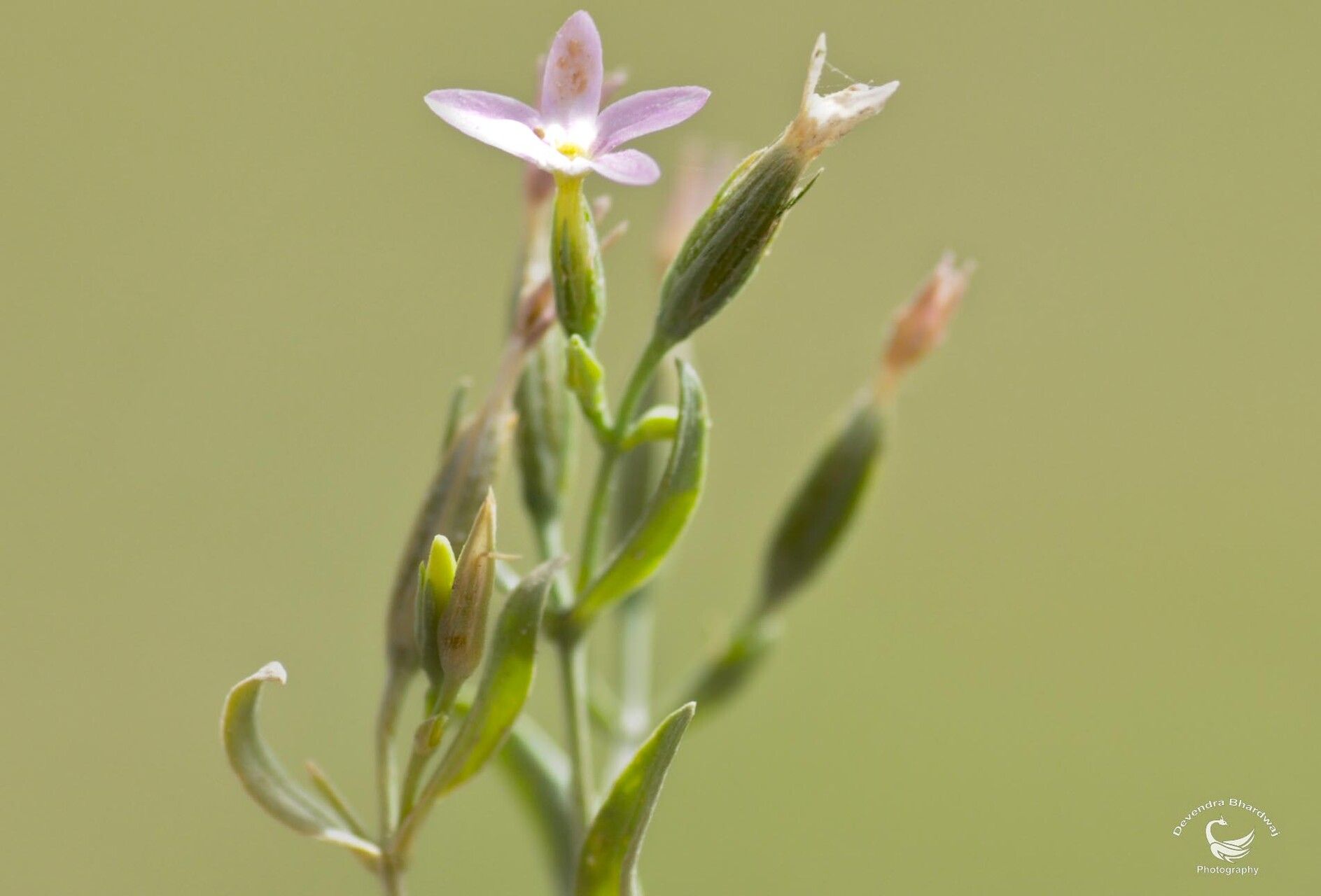
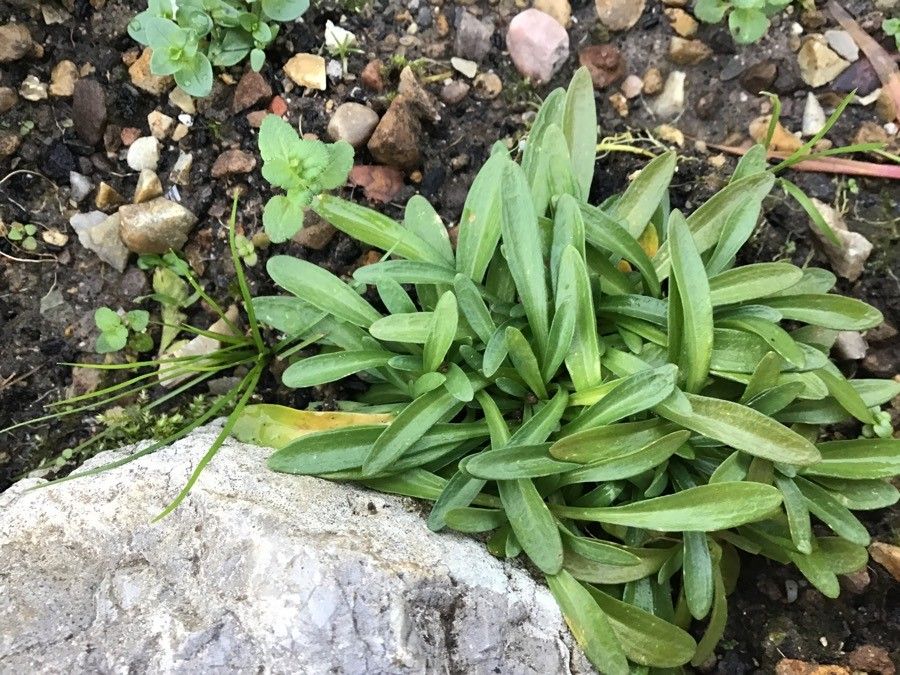
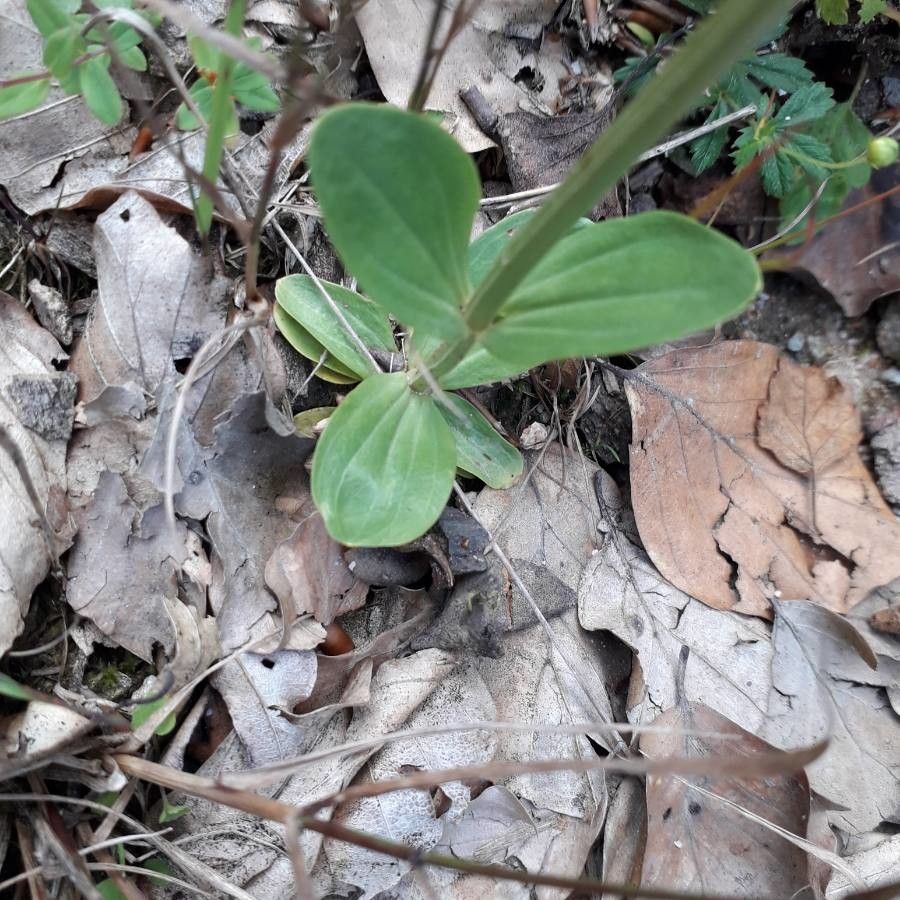
Centaurium pulchellum is a species of flowering plant in the gentian family known by the common name lesser centaury, or slender centaury. It differs from Centaurium erythraea by lacking basal rosette of leaves and by having a developed peduncle below the flowers. It is often much smaller, less than ten centimetres. It is native to the southern temperate parts of Europe.
Branched centaury is fairly disease-resistant and usually not prone to illnesses. However, it can be vulnerable to pests and diseases present in its surroundings. These issues are typically not severe. For care, the plant requires moderate maintenance. It should be pruned regularly to maintain a neat appearance and healthy growth. Fertilizing can also help encourage flowering. Branched centaury is well suited for anyone with outdoor space, such as a garden or patio, and does not demand extensive care experience. It may need more attention when grown indoors.
How to keep Centaurium Pulchellum.
Light
Branched centaury does best with ample light, reflecting its origins in open areas. Throughout its lifecycle, abundant sunlight promotes vigorous growth. Yet excessive exposure can produce harmful effects, while insufficient light may impede healthy development.
Water
Branched centaury thrives in environments with periodic rainfall. While it needs consistent hydration, the plant can endure short dry spells. To maintain its health and vigor, weekly watering is ideal. The plant is usually grown outdoors, where it can benefit from natural rainfall and well-draining soil, which are essential for optimal water absorption.
Temperature
Branched centaury is a plant native to temperate climates, and it thrives best at temperatures of 68 to 95 °F (20 to 35 °C). Modifying the environment to be warmer may be required during seasons of extreme heat or cold.
Fertilizer
When most of Branched centaury’s blooms have fully opened, resume fertilizing. At the peak of blooming, apply fertilizer once every three to four weeks, weather permitting. Then, when Branched centaury begins to produce fewer new blooms, stop fertilizing; there’s no need to feed the plant once it cannot produce more blooms.
Pruning
The branched centaury, a low-growing annual herb recognized for its small pink flowers, thrives with careful pruning from early to late spring. By removing dead or overgrown stems, you can improve air circulation and light penetration, which encourages bushier growth and more abundant blooms throughout the growing season.
Botanical profile.
- Plant Type
- Herb
- Life Cycle
- Annual
- Genus
- Centaurium
- Family
- Gentianaceae
- Hardiness Zone
- 5
- Mature Height
- 3 cm to 15 cm
- Mature Spread
- 3 cm to 10 cm
- Leaf Color
- Light Green
- Leaf Type
- Deciduous
- Flower Color
- Pink
- Flower Size
- 0.76 cm to 12.70 cm
- Bloom Time
- Summer
- Planting Time
- Spring
- Harvest Time
- Late summer, Early fall, Mid fall
Other names.
Reader questions.
How should I water my Branched centaury plant?
To water Branched centaury, you have several options. You can use a garden hose with a spray nozzle, a watering can, or any other common watering tool. It's not too fussy about the type of water it receives, as it can thrive on rainwater, tap water, or filtered water. However, it's generally recommended to avoid watering this plant from overhead, as it can harm the leaves and flowers and potentially result in disease. Instead, setting up a drip irrigation system is often the best method for watering Branched centaury. These systems distribute water evenly and directly to the soil, benefitting the plant. If you have a container-grown Branched centaury, the watering process is similar, but you can use a cup, watering can, or even just your tap to water the soil directly.
What are the sunlight requirements for Branched centaury?
Branched centaury requires above 6 hours of sunlight daily to thrive, reflecting its adaptation to origins in open areas. The right balance of light and shade is crucial for its growth, as both excessive and insufficient sunlight can impact the plant adversely. Optimal sunlight exposure supports its robust growth through various life stages, while too much or too little light can lead to negative effects. Observing the movement of sunlight through your garden and choosing spots that offer a perfect balance is essential for ensuring the plants' happiness.
What is the native climate for branched centaury?
Branched centaury, botanically known as Centaurium pulchellum, is a plant native to temperate climates. It thrives best at temperatures ranging from 68 to 95 °F (20 to 35 °C). However, it may require adjustments when exposed to extreme heat or cold conditions to ensure its optimal growth.
What should I do if I give my Branched centaury too much or too little water?
To prevent underwatering, simply water your Branched centaury more regularly when you notice it lacks moisture. Overwatering can be a more serious issue, potentially leading to diseases and the plant's decline. To avoid overwatering, choose a growing location with ample sunlight and good drainage. If you have overwatered your potted Branched centaury, consider repotting it in a new pot with proper drainage and loose soil.
How can artificial lighting support indoor plant growth?
Artificial lighting plays a vital role in supplementing natural sunlight for indoor plants, especially in scenarios where natural light is insufficient, such as during winter or in less sunny spaces. LED lights are favored for indoor plant lighting owing to their ability to provide specific wavelengths required by the plants. The intensity of light required varies with the type of plant; full sun plants need 30-50W/sq ft, partial sun plants require 20-30W/sq ft, and full shade plants need 10-20W/sq ft of artificial light. Proper positioning of the light source (12-36 inches above the plant) and mimicking natural daylight hours (8-12 hours per day) are crucial for promoting faster and healthier growth.
How does branched centaury adapt to cold weather?
Branched centaury is remarkably tolerant of cold weather and generally does not need additional measures for frost protection during winter. To prepare for the first freeze of autumn, it's advisable to water the plant generously. This ensures the soil remains moist and enters the frozen state properly, which helps in preventing drought and water scarcity for the plant during the winter months and into early spring.
How much water does my Branched centaury need?
Branched centaury requires regular watering throughout its growing season. In the spring, it is recommended to water the plant once per week. As the season progresses and temperatures rise, you may need to increase watering to two or three times per week. However, exceeding this watering rate can be harmful to the plant. It is important to keep the soil relatively moist but not overly wet, regardless of how often you need to water. When it comes to potted Branched centaury, the watering needs are slightly different. The soil in a pot can heat up and dry out faster than ground soil, so you'll generally need to water container-grown plants more frequently. In most cases, plan to water a potted Branched centaury a few times per week, compared to just once per week for an in-ground plant.
What are the symptoms of light deficiency in Branched centaury when grown indoors?
When Branched centaury is grown indoors with insufficient light, several symptoms may indicate light deficiency. These include smaller new leaves, leggy or sparse growth causing a stretched-out appearance, quicker dropping of older leaves to conserve resources, slower growth or complete halt in new growth suggesting the plant is in survival mode, pale or irregularly colored new leaves due to lack of chlorophyll, and conditions such as chlorosis (leaves turning yellow), sunscald (damaged areas on leaves or stems from intense light), leaf curling (a defense mechanism against excessive sunlight), wilting (loss of turgor pressure), and leaf scorching (brown, dry edges on leaves due to too much light).
What should be done if the winter temperature drops below -25°C for branched centaury?
Although branched centaury is extremely cold tolerant, winter temperatures below -25°C can pose a risk. In such conditions, the plant might not show immediate damage but could experience a decrease in sprouting, or fail to sprout altogether come springtime. If this occurs, it's recommended to remove any parts of the plant that have failed to sprout in the spring to encourage new growth.
How much water does my Branched centaury plant need?
Determining how much water to give to your Branched centaury can be approached in a few different ways. Some gardeners prefer to gauge the moisture level of the soil by feeling it, watering until the top six inches feel moist. On the other hand, you can use a specific measurement as a guide. Typically, two gallons of water per week works well, but adjust based on temperature and soil dryness. However, strictly following this guideline may result in overwatering if your plant needs less. When growing in a container, a different method applies. You should water enough to moisten all dry soil layers, which can be detected by sticking your finger in or observing a slight trickle of water from the drainage holes.
What solutions are there for light deficiency problems in indoor and outdoor Branched centaury plants?
To address light deficiency in Branched centaury plants, different strategies can be employed based on whether the plant is kept indoors or outdoors, or planted in the ground. Indoor plants can benefit from being gradually moved to sunnier locations to receive at least 6 hours of direct sunlight, or using artificial light such as desk lamps or grow lights for at least 8 hours a day. Outdoor plants should be relocated to sunnier spots gradually to avoid sunburn. It's important to note that parts of the plant already affected by insufficient sunlight may not recover, but new growth should be healthy post adjustment. Additionally, reducing obstructions like pruning trees or transplanting smaller plants during their dormant period to sunnier locations with ample sunlight and good drainage can significantly benefit growth.
How should branched centaury be managed in high temperature conditions?
Branched centaury is sensitive to high temperatures, and its growth can cease when temperatures exceed 35°C, making it vulnerable to rot. To manage this, affected parts like the sunburned and dried-up sections should be trimmed away. Relocating the plant to an area that provides shade during the peak sun of midday and afternoon, or using a shade cloth for protection, can be beneficial. It's also important to water the plant in the morning and evening to ensure the soil remains moist, mitigating the stress from high temperatures.