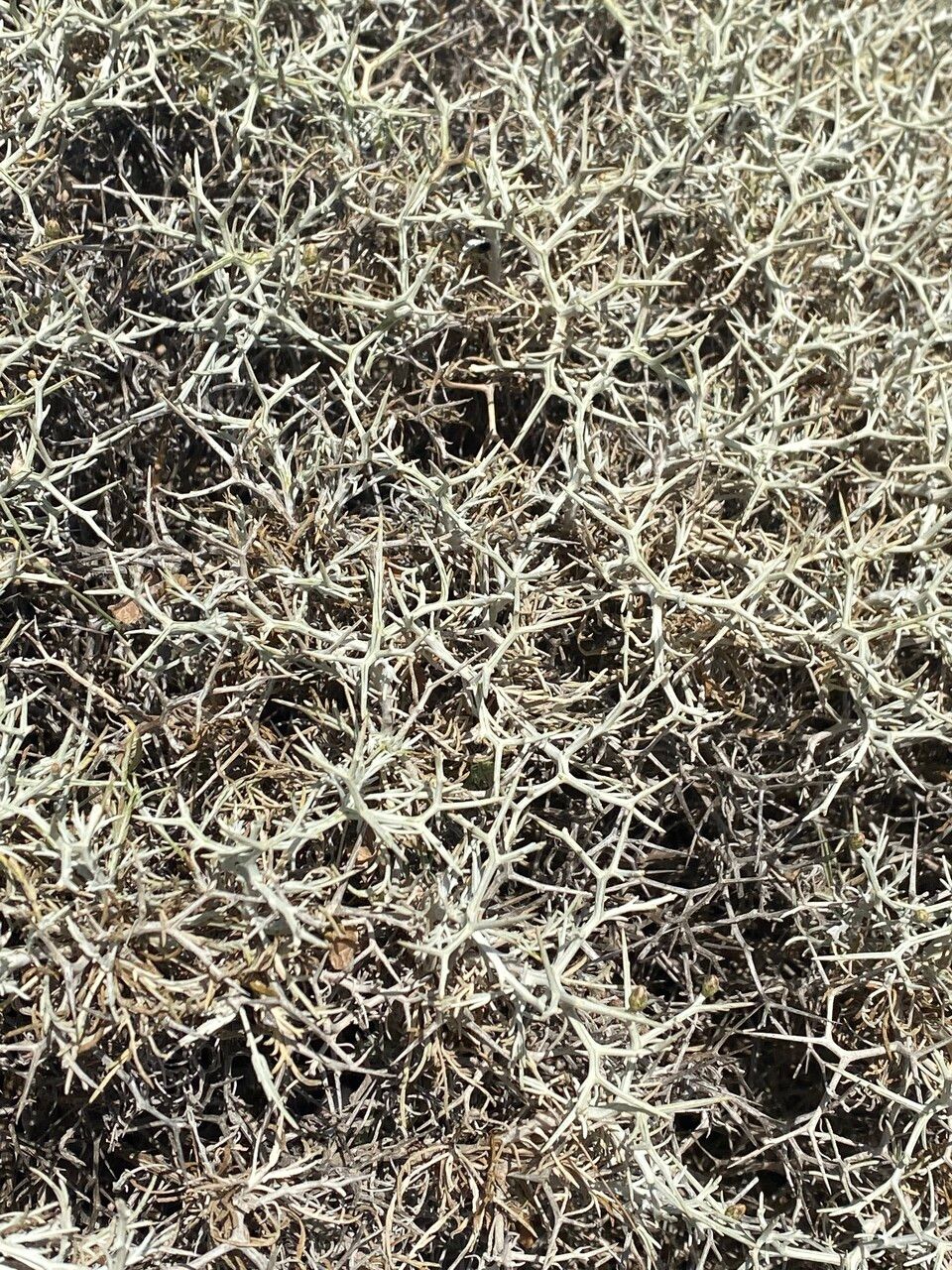
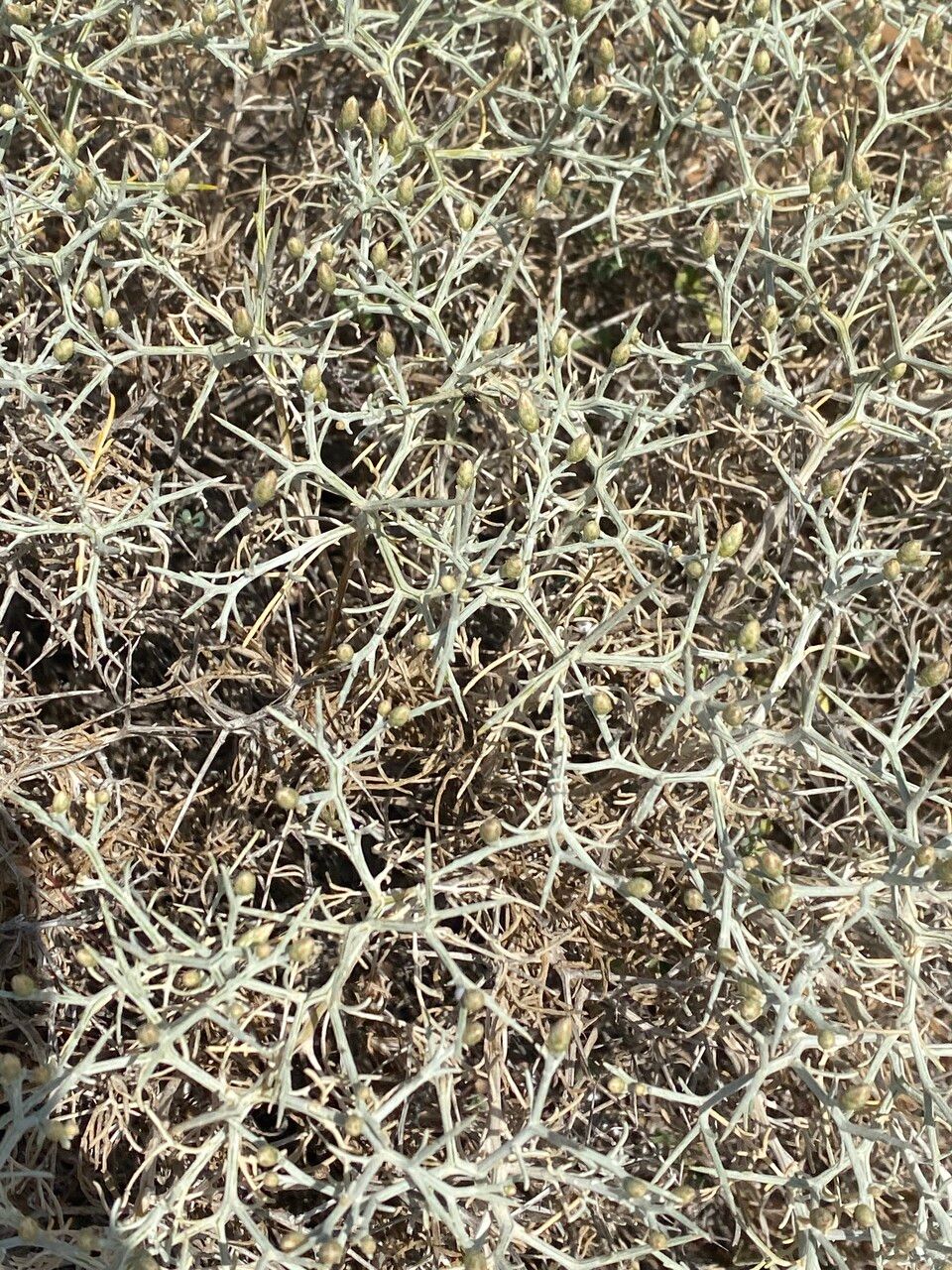
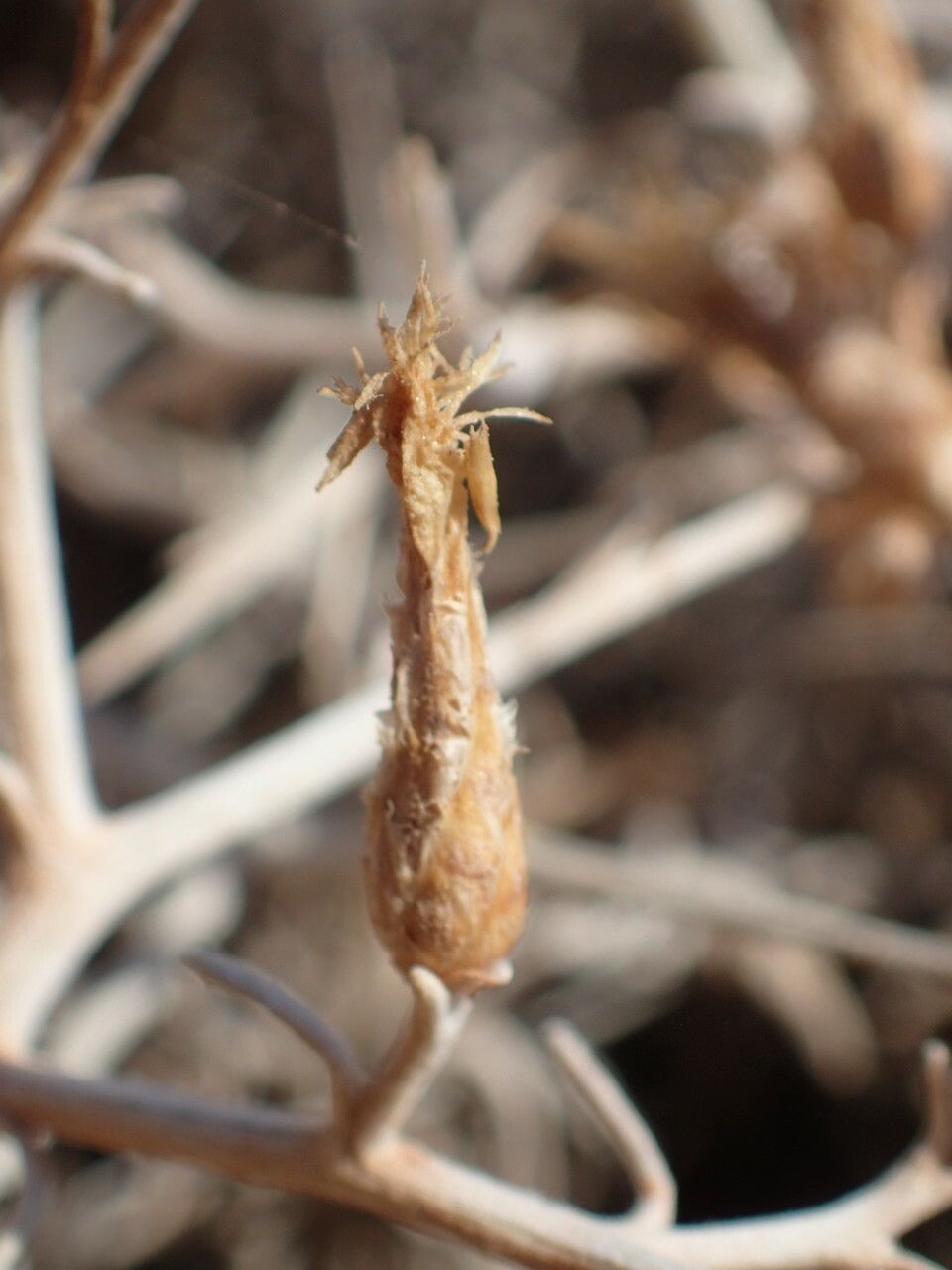
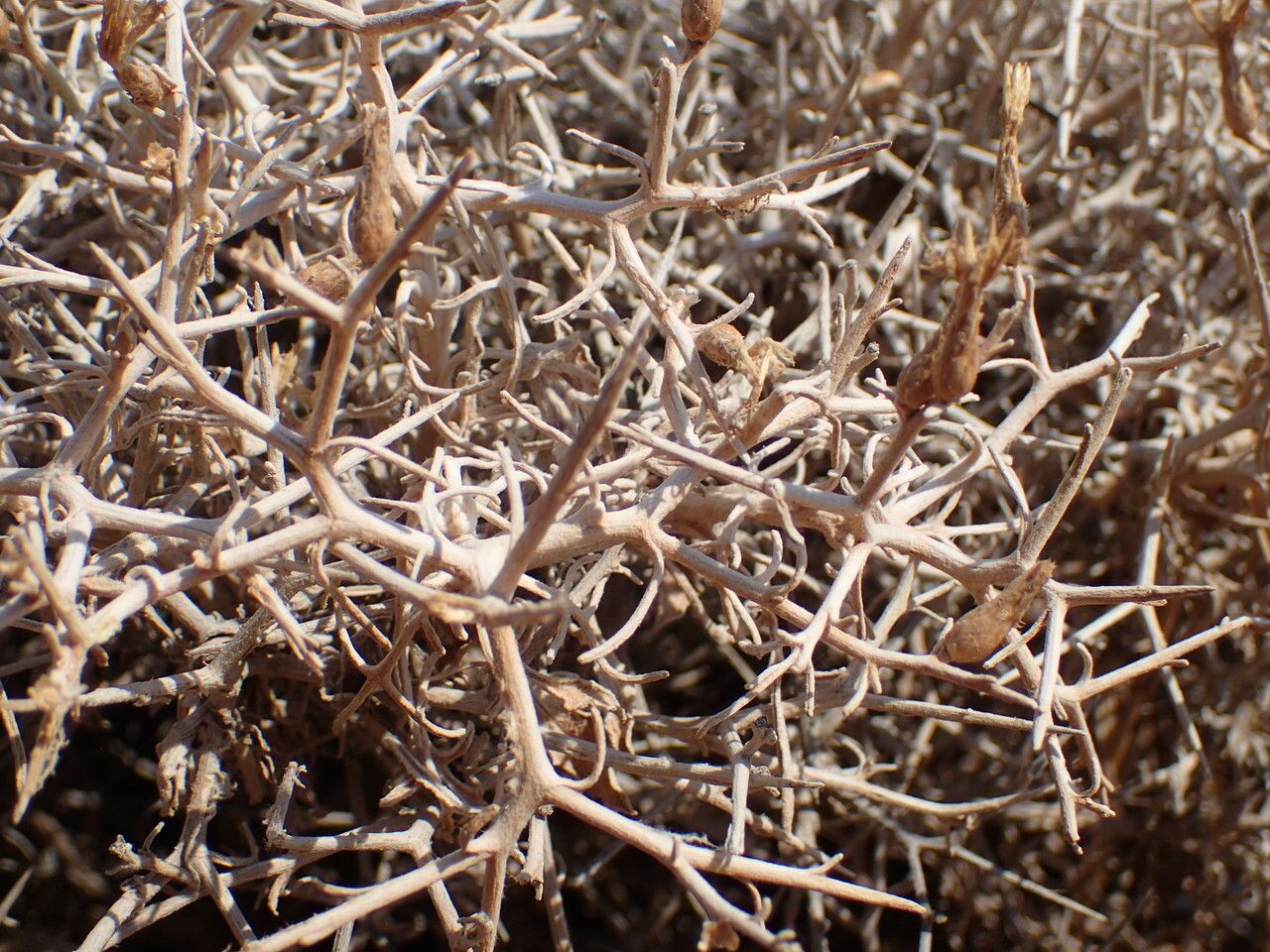
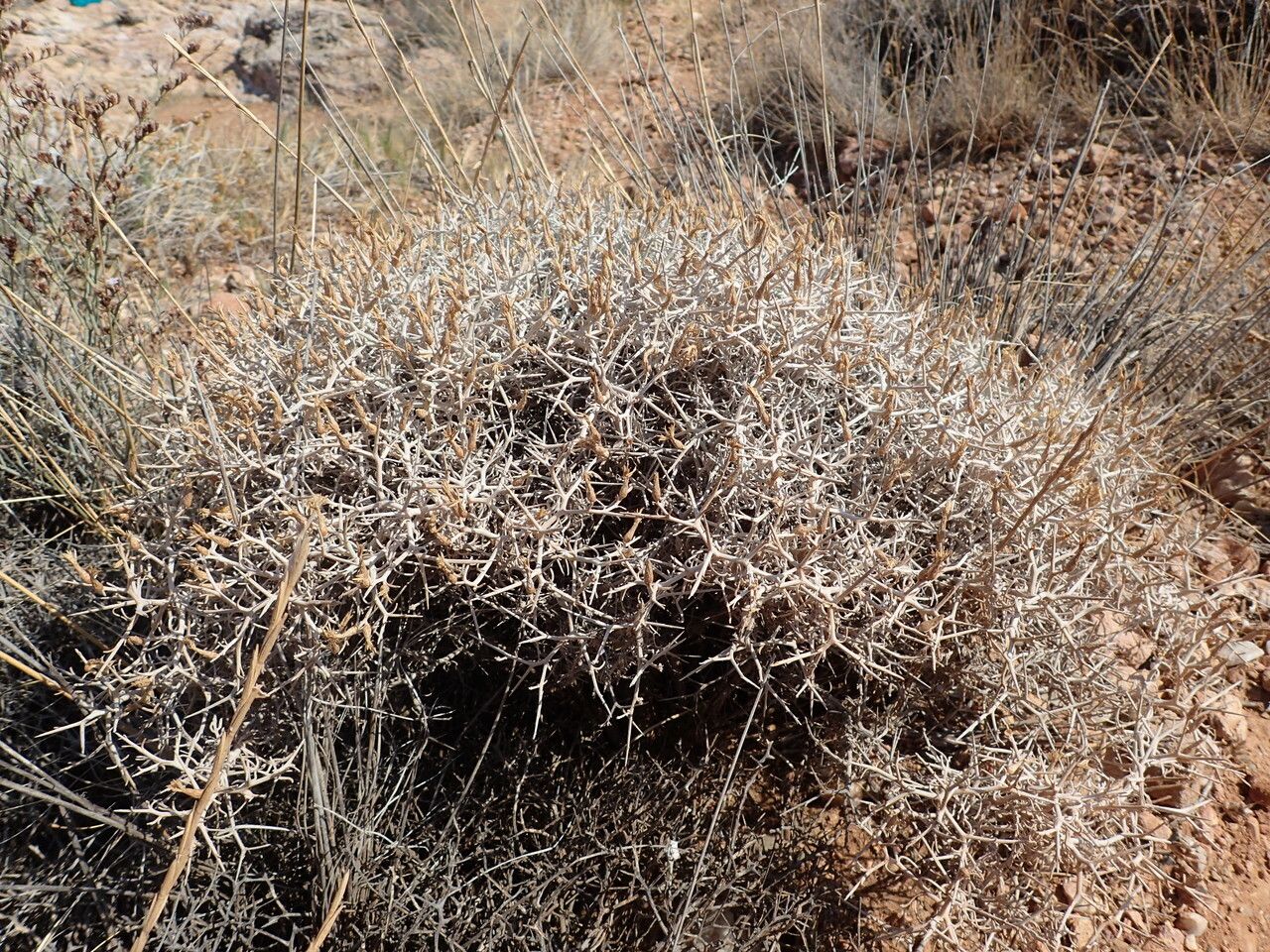
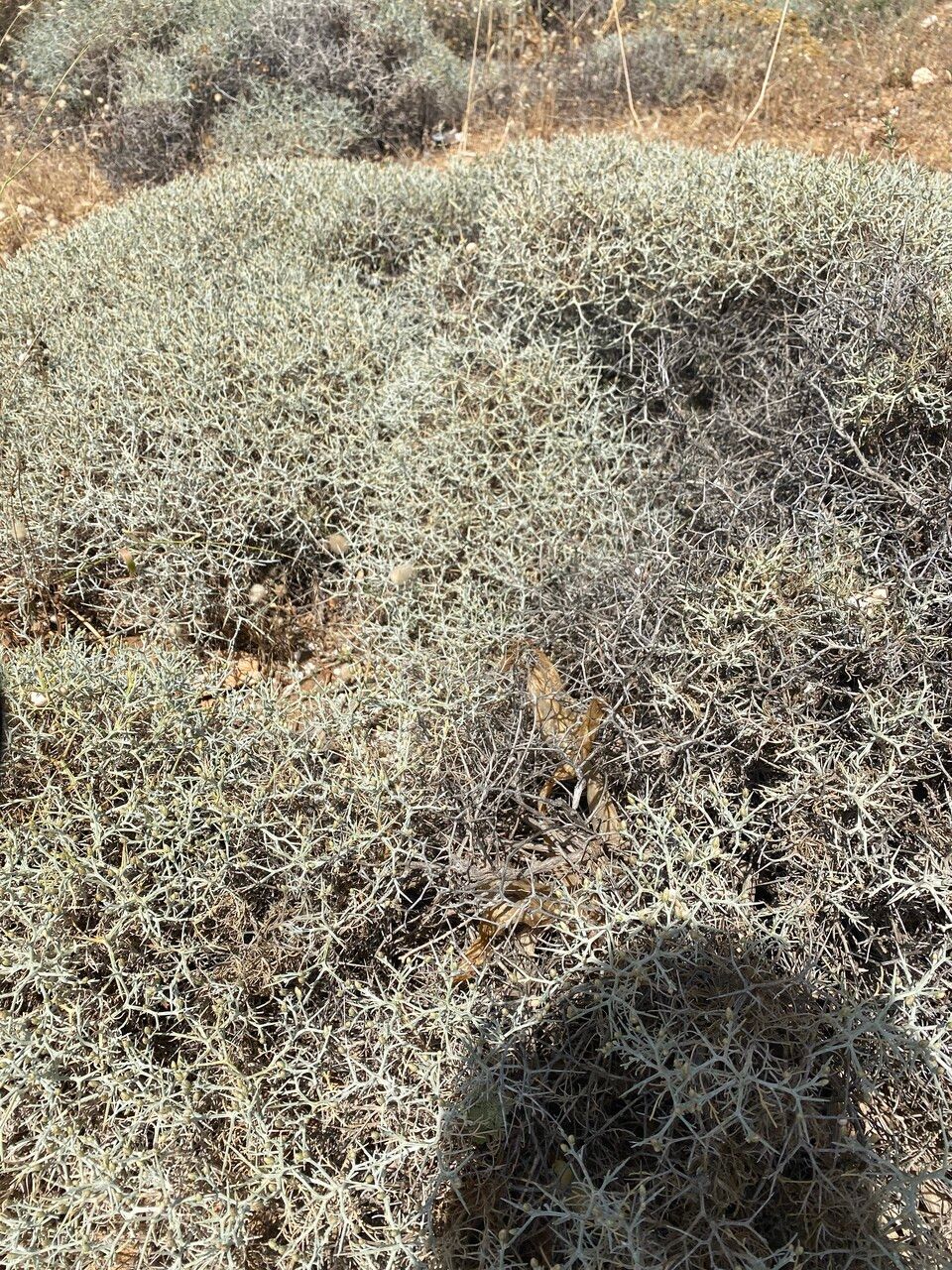
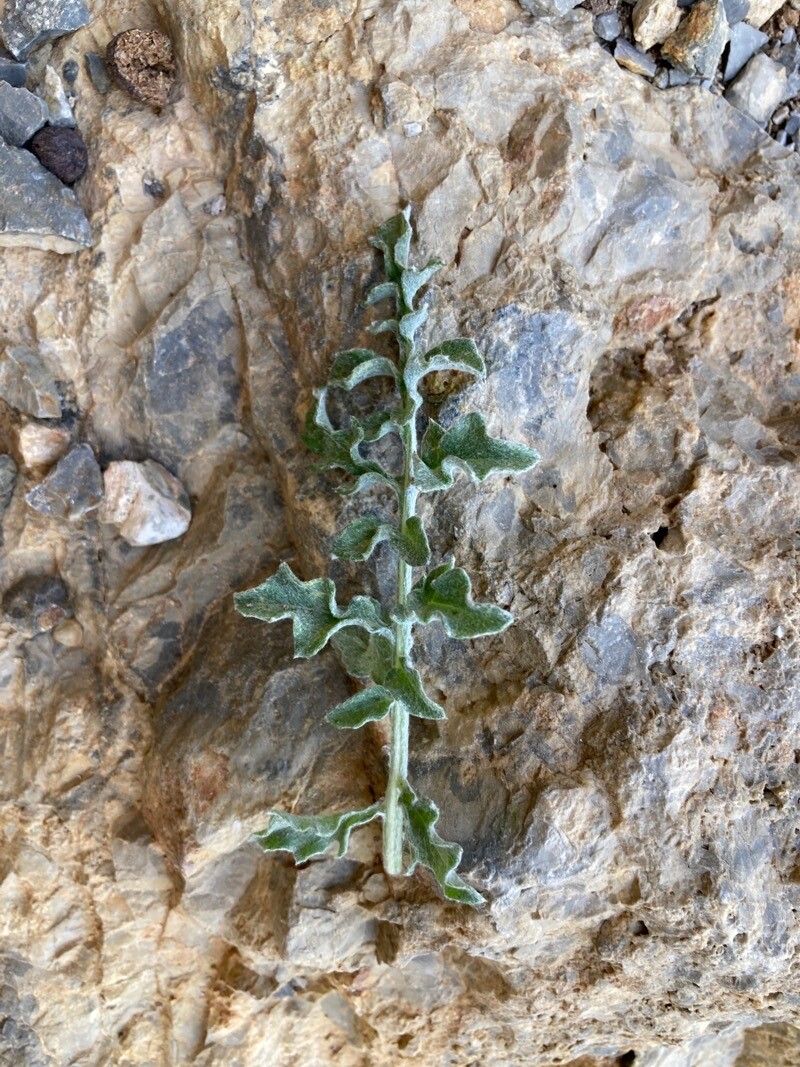
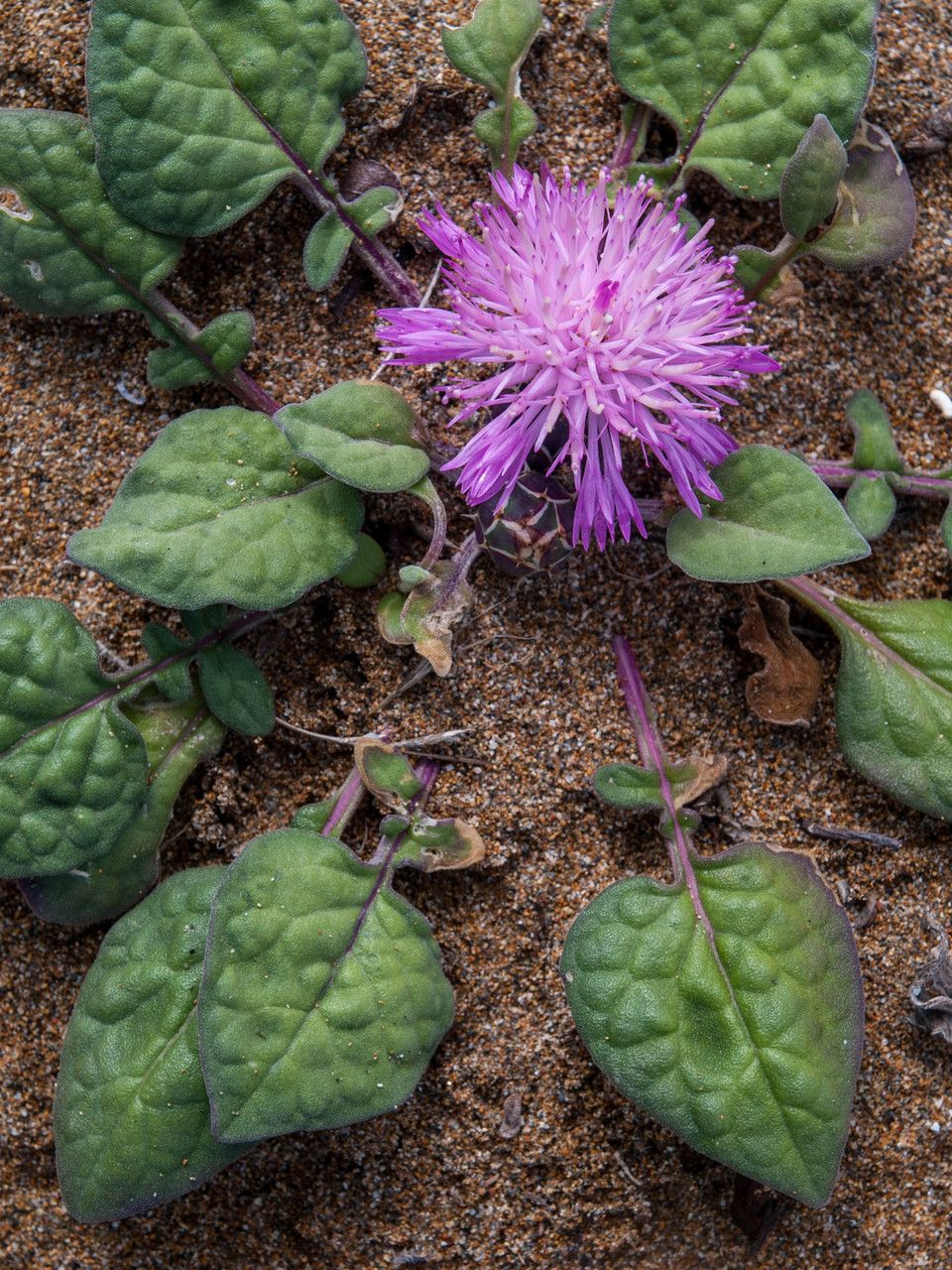
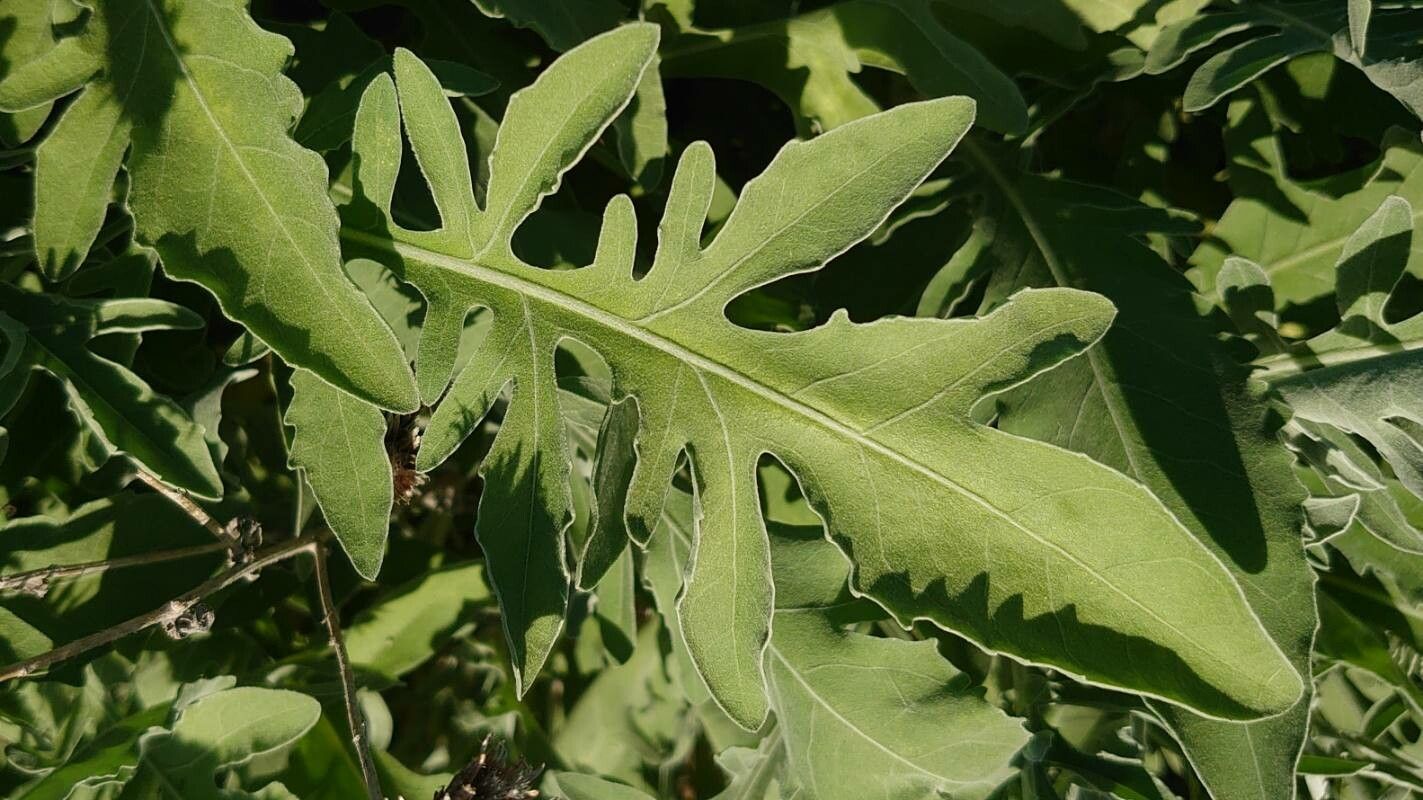
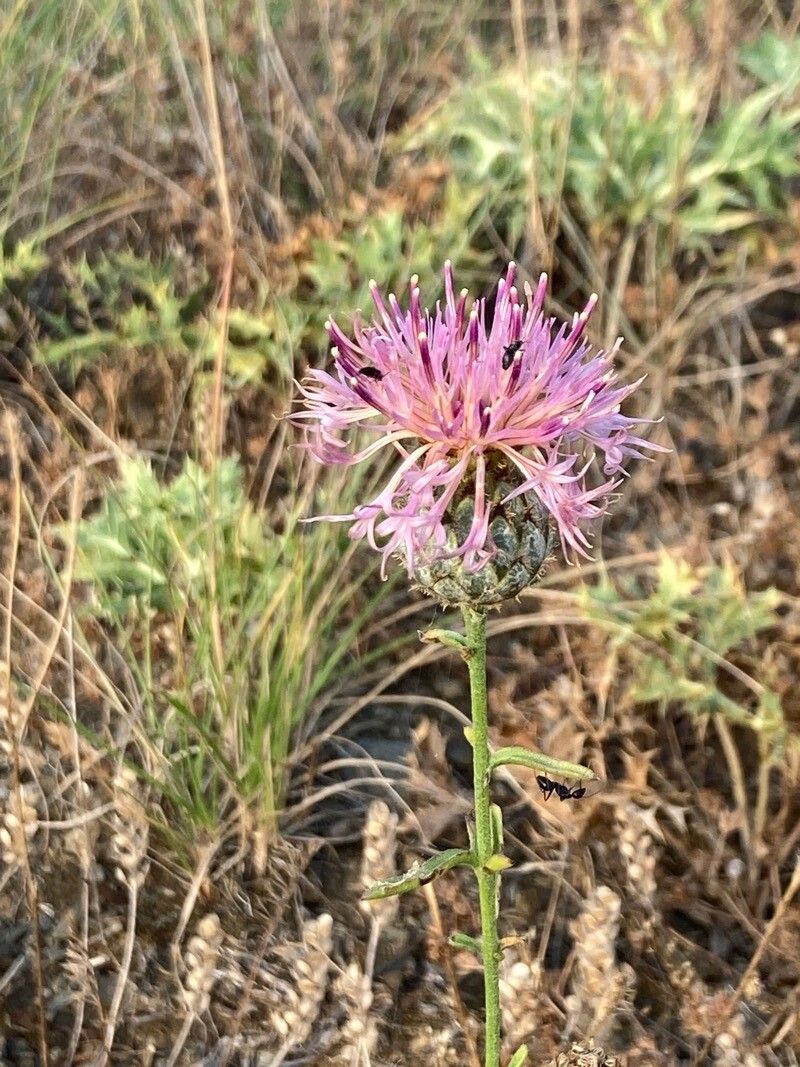
Diffuse knapweed is fairly disease resistant and generally not prone to illnesses. That said, it can be affected by pests and diseases present in its environment. These infections are typically minor. In terms of care, this plant needs moderate maintenance. It should be pruned regularly to keep a tidy appearance and support healthy growth. Fertilizing can also help encourage flowering. Diffuse knapweed is suitable for anyone with outdoor space, such as a garden or patio, and does not demand extensive care experience. It may require more attention when cultivated indoors.
How to keep Centaurea Spinosa.
Light
Diffuse knapweed prefers intense sunlight, reflecting its native habitat which is rich in sun. Although it can tolerate lower light, its growth and overall health may decline. Various sunlight levels can influence its different growth stages. Both too little and too much sun can be harmful to the plant.
Temperature
Diffuse knapweed grows best in temperatures between 68 and 95 degrees Fahrenheit (20 to 35 degrees Celsius). Native to temperate climates, it favors warm conditions. Seasonal temperature adjustments may be necessary to sustain optimal growth.
Fertilizer
When most of the Diffuse knapweed blooms have opened to full size, resume fertilizing. Around the period when bloom production is at its peak, start applying fertilizer again every three to four weeks, as weather allows. Then, when the plant begins producing fewer new blooms, stop fertilizing; there's no need to fertilize once it can no longer produce more blooms.
Botanical profile.
- Plant Type
- Herb
- Life Cycle
- Annual, Perennial, Biennial
- Genus
- Centaurea
- Family
- Asteraceae
- Hardiness Zone
- 3-10
- Mature Height
- 20 cm to 76 cm
- Mature Spread
- 20 cm to 61 cm
- Leaf Color
- Green, Gray
- Leaf Type
- Semi-evergreen
- Flower Color
- White, Pink
- Flower Size
- 2.54 cm
- Bloom Time
- Summer
- Planting Time
- Spring, Summer
- Harvest Time
- Late summer, Early fall, Mid fall
- Native Area
- Slovenia, Slovakia, Belarus