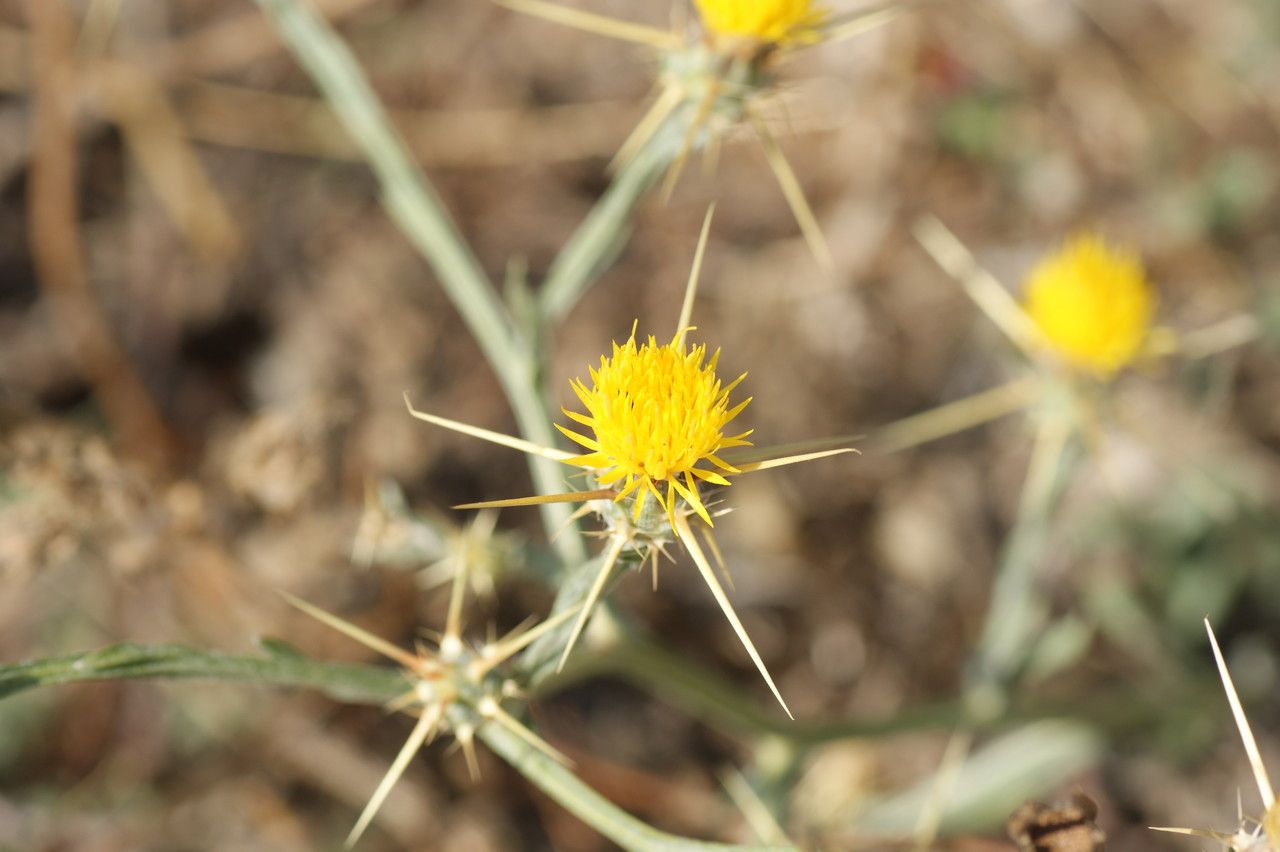
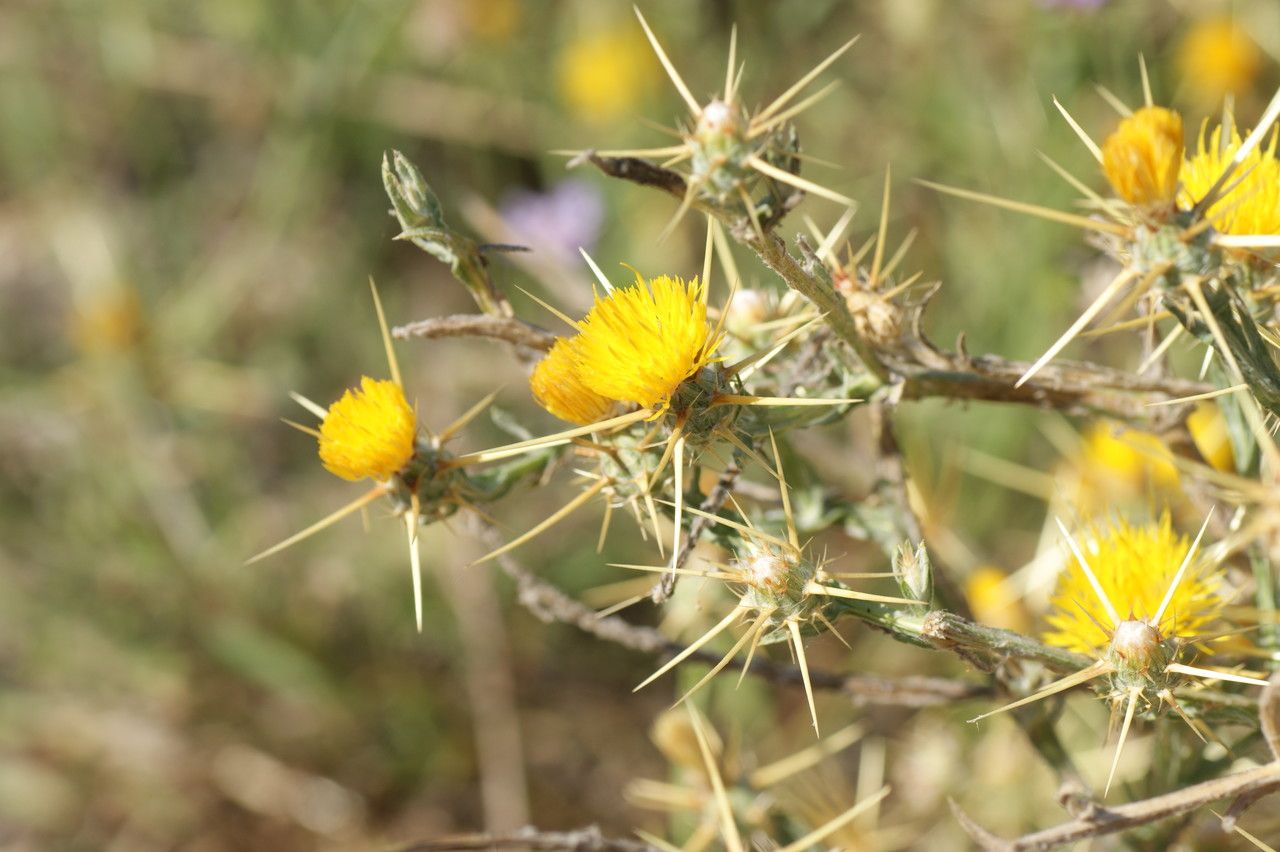
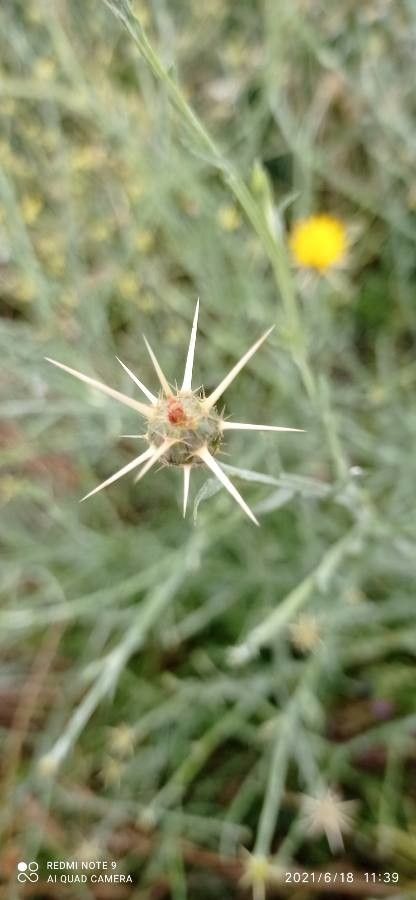
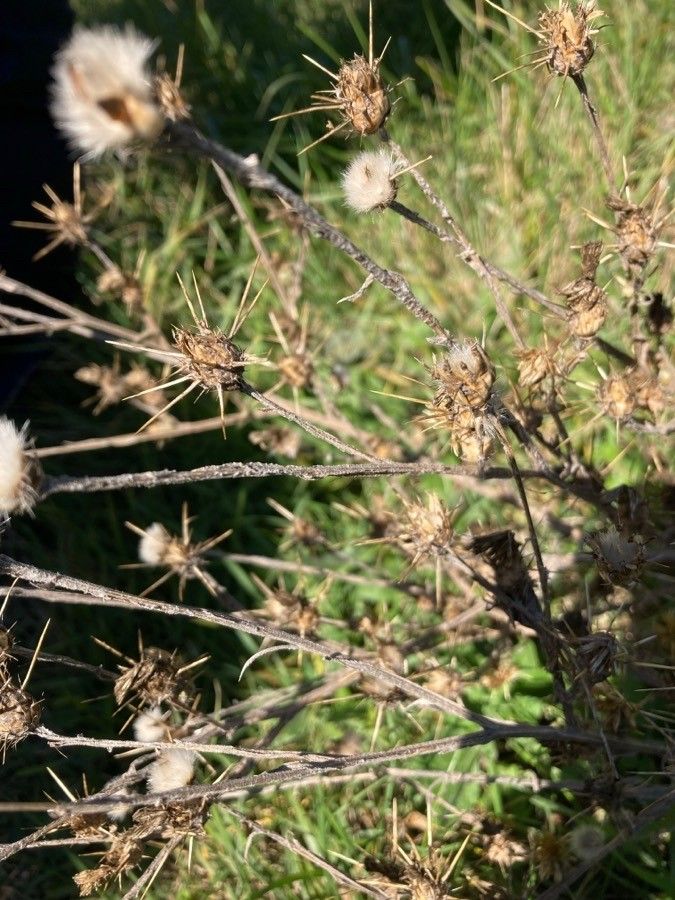
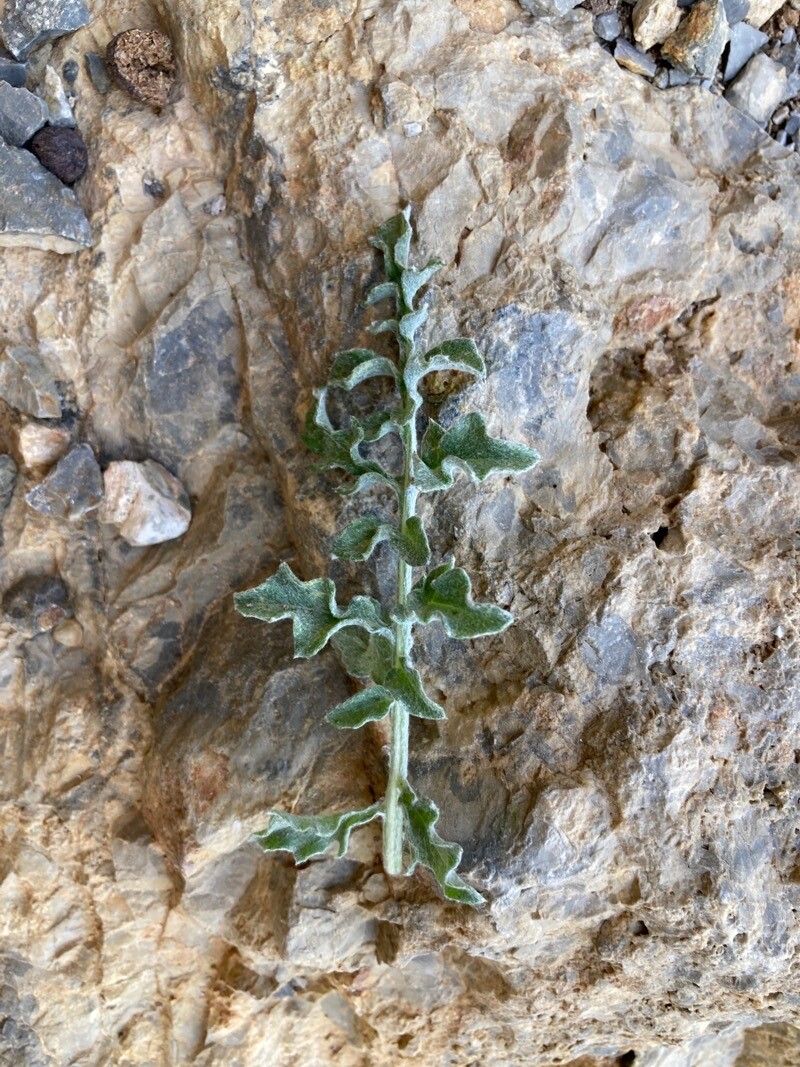
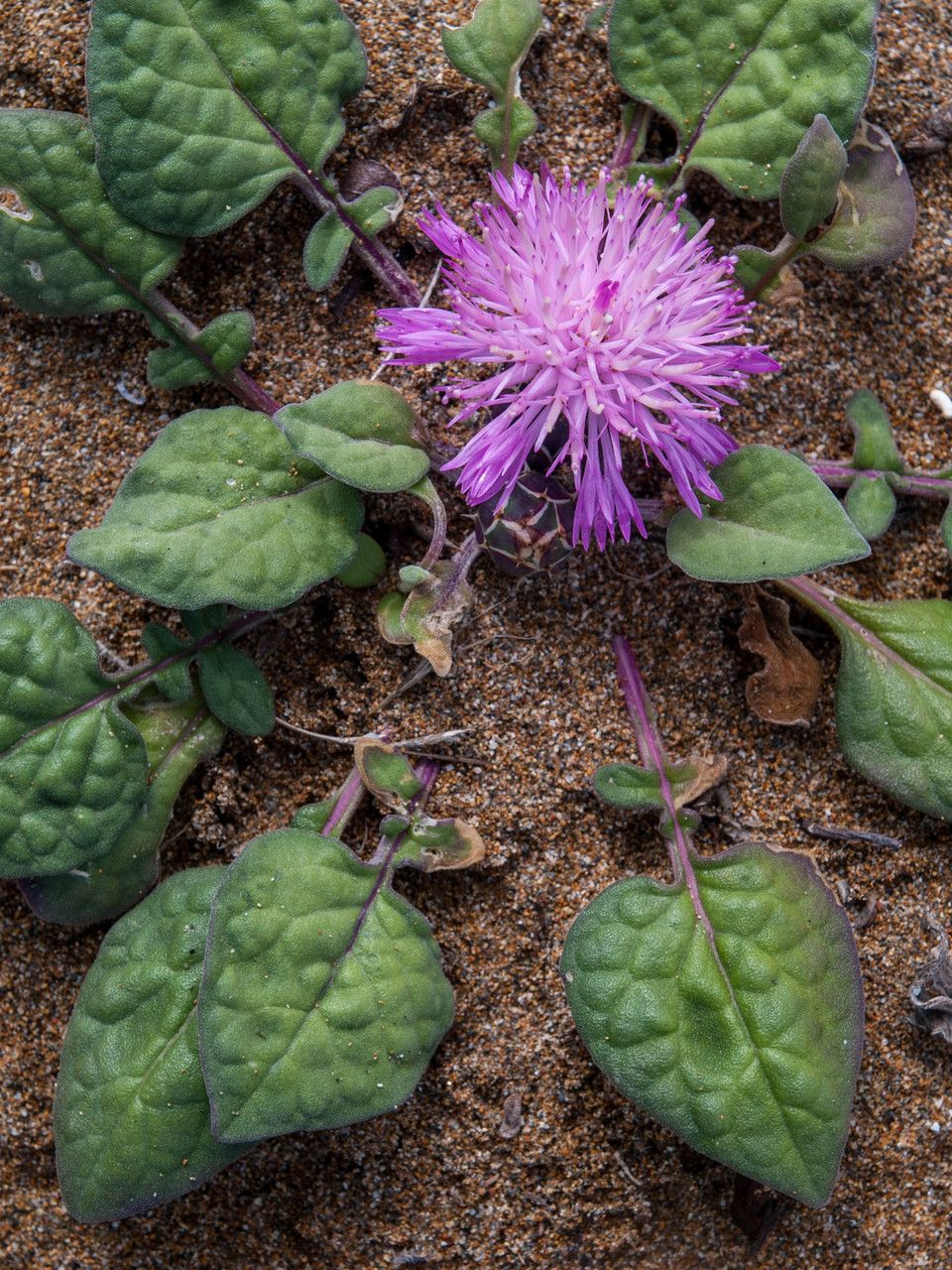
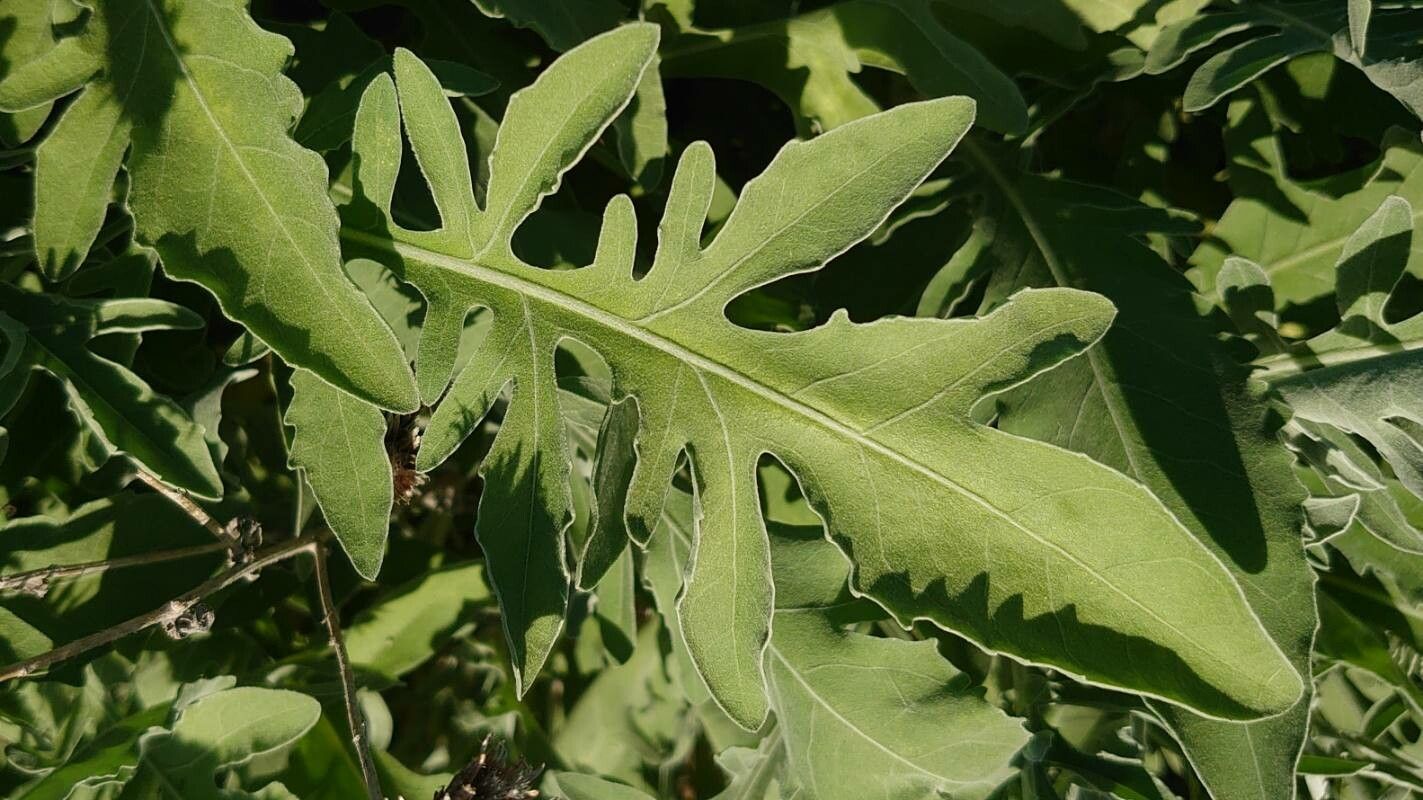
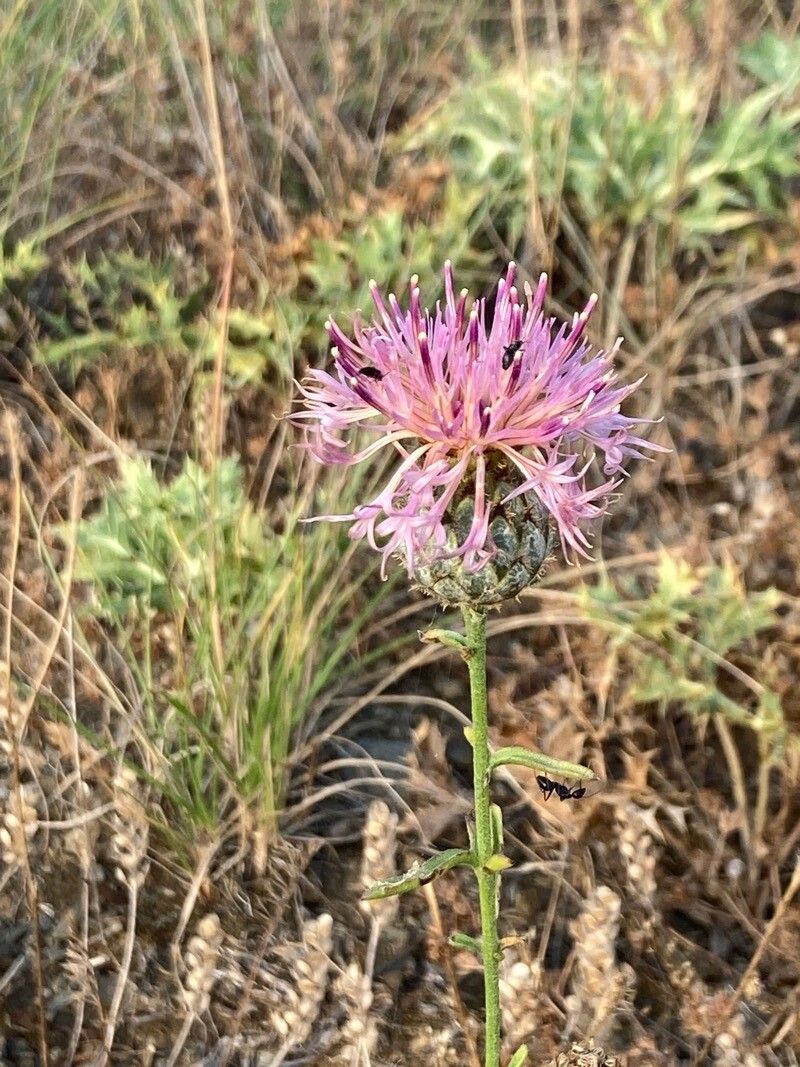
Centaurea solstitialis, the yellow star-thistle, is a species of thorny plant in the genus Centaurea, which is part of the family Asteraceae. A winter annual, it is native to the Mediterranean Basin region and invasive in many other places. It is also known as golden starthistle, yellow cockspur and St. Barnaby's thistle (or Barnaby thistle).
Yellow star-thistle is fairly disease-resistant and usually not liable to illnesses. Still, it can be affected by pests and diseases present in its environment. These problems are typically mild. For care, this plant needs moderate maintenance. It should be pruned regularly to keep a tidy appearance and healthy growth. Fertilizing can also encourage flowering. Yellow star-thistle is well suited to anyone with an outdoor area, like a garden or patio, and does not demand much care experience. It can need extra attention when grown indoors.
How to keep Centaurea Solstitialis.
Light
Yellow star-thistle performs best with abundant light, having originally evolved in environments where shade is scarce. It needs plenty of sunlight at every stage of growth for good health. Too much light is not problematic, whereas too little light can impede its growth and vigor.
Water
The yellow star-thistle, originally from the Mediterranean, thrives in dry and arid conditions due to its drought tolerance. It needs only minimal watering, roughly once a week, to remain healthy. Its root system is specifically adapted to maximize water absorption during times of scarce rainfall, making the most efficient use of available resources.
Temperature
Yellow star-thistle is indigenous to habitats where temperatures commonly range from 68 to 95 °F (20 to 35 ℃). It prospers in these warm conditions and may need supplemental heating in colder seasons to maintain its preferred temperature range.
Fertilizer
Yellow star-thistle does well with regular, light applications of fertilizer to encourage healthy leaf development. You should feed Yellow star-thistle roughly once a month throughout the summer. Nitrogen is important for the foliage, and providing nitrogen-rich fertilizers helps Yellow star-thistle prosper.
Pruning
To promote larger flowers in yellow star-thistle, prune the terminal buds. In mid-summer, if the leaves start to turn yellow, cut the plant back to one-third or one-half of its height to rejuvenate it. During winter, trim the perennial roots to help the yellow star-thistle survive cold and frosty conditions.
Botanical profile.
- Plant Type
- Herb
- Life Cycle
- Annual, Biennial
- Genus
- Centaurea
- Family
- Asteraceae
- Hardiness Zone
- 5-9
- Mature Height
- 20 cm to 76 cm
- Mature Spread
- 30 cm to 61 cm
- Leaf Color
- Green, Gray, Silver
- Leaf Type
- Semi-evergreen
- Flower Color
- Yellow
- Flower Size
- 1.27 cm to 2.03 cm
- Bloom Time
- Summer
- Planting Time
- Spring, Summer
- Harvest Time
- Late summer, Early fall, Mid fall
Other names.
Reader questions.
How should I water my Yellow star-thistle plant?
To water Yellow star-thistle, you have several options for watering tools such as a garden hose with a spray nozzle or a watering can. Yellow star-thistle is not too particular about how it gets its water and can survive with rainwater, tap water, or filtered water. However, it's best to avoid watering this plant from above as it can harm the leaves and flowers and potentially cause diseases. Installing a drip irrigation system is often the most effective method for watering Yellow star-thistle as it delivers water evenly and directly to the soil. If you have a container-grown Yellow star-thistle, you can use a cup, watering can, or tap water to water it directly at the soil level.
What are the sunlight requirements for Yellow star-thistle?
Yellow star-thistle requires extensive light exposure for optimal growth. Full sun, defined as over 6 hours of sunlight, is essential for its well-being. However, it can also grow under partial sun, which means about 3-6 hours of sunlight. This plant evolved in habitats with limited shade, making it thrive under conditions where overexposure to sunlight isn't a concern. Insufficient light, on the other hand, can stunt its development and health. Watch the sunlight movement in your garden to choose spots that ensure the right balance of light and shade for the plant.
What is the preferred temperature range for Yellow star-thistle?
Yellow star-thistle is native to environments that generally experience temperatures between 68 to 95 °F (20 to 35 °C). It thrives best within these warm conditions and may require artificial heating in colder seasons to maintain its preferred temperature range. Despite its strong cold resistance, special frost protection measures are usually not necessary. However, protection is advised if winter temperatures are expected to drop below -25°C by covering the plant with materials like soil or straw and watering it abundantly before the first freeze of autumn to ensure the soil remains moist and enters a frozen state. This practice helps prevent drought and water scarcity for the plant during winter and early spring.
What should I do if I give too much or too little water to my Yellow star-thistle?
To remedy underwatering Yellow star-thistle, simply water it more regularly when you notice it lacks moisture. Overwatering, on the other hand, can be a more serious issue. This can cause diseases that lead to decline and death in the plant. To prevent this, ensure you choose a suitable location with ample sunlight to dry the soil and good drainage to avoid waterlogging. If you overwater a potted Yellow star-thistle, consider changing it to a new pot with better drainage to prevent future issues. Make sure to use loose soils and an efficient drainage pot when repotting an overwatered plant.
How can artificial lighting support indoor Yellow star-thistle growth?
For Yellow star-thistle plants growing indoors where natural sunlight is inadequate, particularly in winter or less sunny spaces, artificial lighting provides a critical solution. It promotes faster, healthier growth by mimicking natural sunlight conditions. LED lights are recommended for their ability to offer specific light wavelengths needed by the plants. Full sun plants need 30-50W/sq ft, partial sun plants 20-30W/sq ft, and full shade plants 10-20W/sq ft of artificial light. The light source should be placed 12-36 inches above the plant, mimicking natural daylight lengths, generally requiring 8-12 hours of light per day.
How does Yellow star-thistle react to low temperatures?
Yellow star-thistle is cold-tolerant and prefers temperatures above 20°C. During winter, it's advisable to keep it above 0°C. If the temperature falls below -25°C, there may not be noticeable changes during the winter; however, a decrease in sprouting or even no sprouting might occur in spring. The solution for any parts that fail to sprout in spring is to remove them. This ensures that the plant remains healthy and can continue its growth cycle effectively despite the cold.
How often do I need to water my Yellow star-thistle plant?
Yellow star-thistle requires regular watering throughout the growing season. In spring, water it once a week, and as the season gets warmer, you may need to increase watering to two to three times a week. Be careful not to exceed this rate, as it can harm the plant. Additionally, make sure the soil remains moist but not wet, regardless of the watering frequency. Watering a potted Yellow star-thistle is different. The soil in pots can dry out faster, so you'll need to water container-grown plants a few times per week compared to just once a week for those in the ground.
What signs indicate Yellow star-thistle is receiving insufficient light?
When grown indoors with inadequate light, Yellow star-thistle may show signs such as smaller new leaves compared to mature ones, leggy or sparse growth where the spaces between leaves or stems lengthen, premature leaf drop to conserve resources, halted growth due to survival mode from poor light conditions, and new leaves that appear lighter in color or pale. Chlorosis, sunscald, leaf curling, wilting, and leaf scorching are other symptoms that might occur due to inappropriate light conditions.
What are the effects of high temperatures on Yellow star-thistle and how can they be mitigated?
During summer, Yellow star-thistle should ideally be kept below 35°C. Temperatures exceeding 38°C can result in the leaves becoming lighter in color, curling, becoming susceptible to sunburn, and in severe cases, the entire plant may wilt and dry out. To mitigate these effects, trim away the sunburned and dried-up parts. Move the plant to a shaded location, especially away from the midday and afternoon sun, or set up a shade cloth to provide sufficient shade. Additionally, watering the plant in the morning and evening can help keep the soil moist and support the plant's needs during high temperature periods.
How much water does my Yellow star-thistle require?
Determining the right amount of water for your Yellow star-thistle can be approached in a few different ways. Some gardeners prefer to gauge the moisture level of the soil by feeling it, aiming to water until the top six inches are moist. Another option is to use a specific measurement, like two gallons per week, depending on factors such as temperature and soil drying rate. However, it's important to be cautious with strict guidelines, as they may cause overwatering if your plant needs less. When growing Yellow star-thistle in a container, a different method is needed. In this case, it's recommended to water enough to moisten all layers of dry soil, which can be tested by sticking your finger in the soil. Additionally, you can water until you observe a small amount of excess water draining from the pot's holes.
What steps should be taken if Yellow star-thistle shows symptoms of light deficiency?
To address light deficiency in Yellow star-thistle, gradually increase sunlight exposure to at least 6 hours daily. For indoor plants, use a south-facing window and consider supplemental artificial light for large plants or those in fixed locations. Outdoors, move plants progressively to sunnier spots to avoid sunburn. Minimize shadow-casting obstructions by pruning trees or relocating the plant to sunnier areas. Note that affected parts may not recover, but new growth should be healthy after improving light exposure.
How can I know if I'm giving enough water to my Yellow star-thistle?
Avoiding overwatering Yellow star-thistle can be tricky. These plants have deep roots that need weekly watering, but they are also prone to root rot and browning when overwatered. Underwatering is less of a concern as Yellow star-thistle can survive without additional watering for a while. However, if you don't water it for a long time, the plant will wilt and the leaves will become dry.