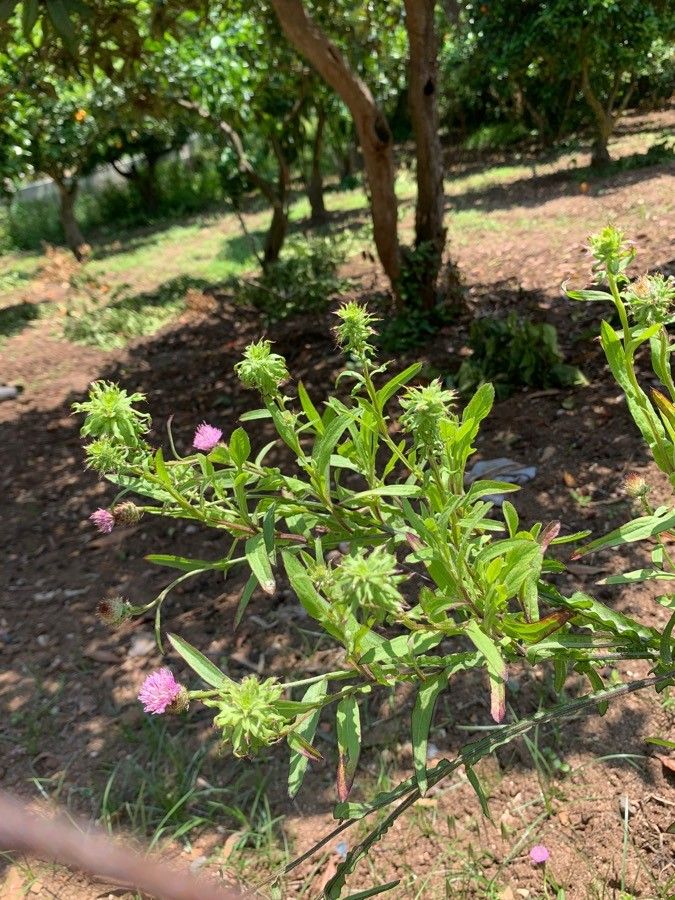
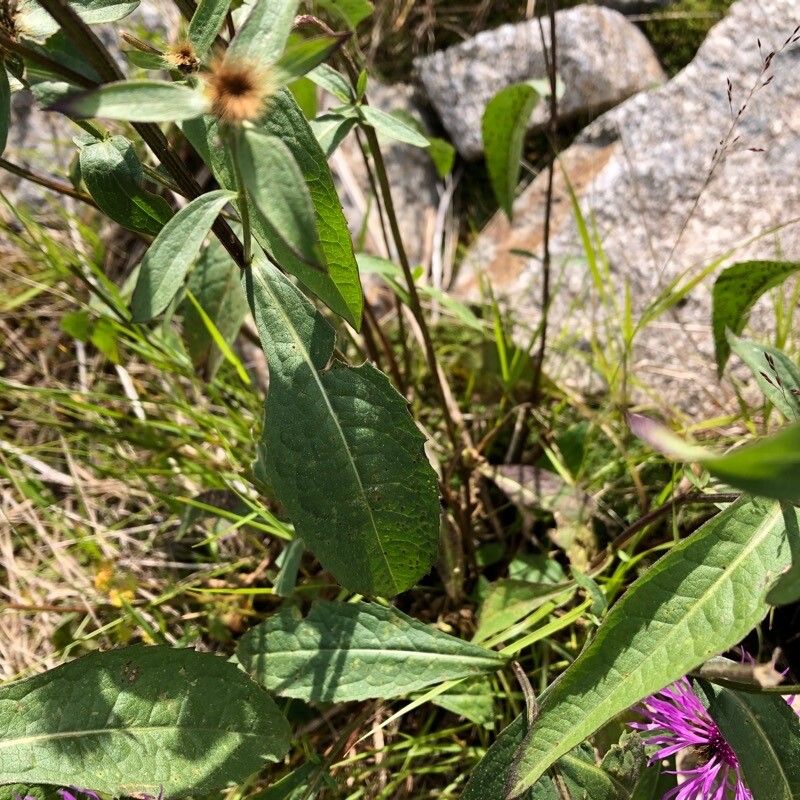
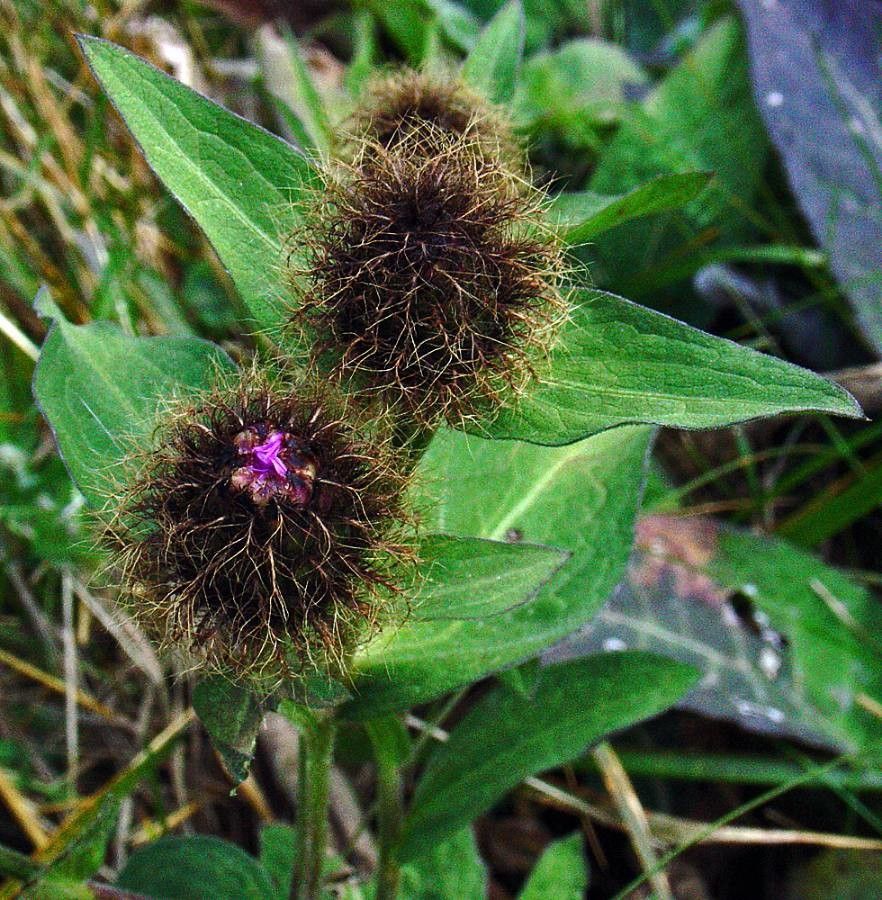
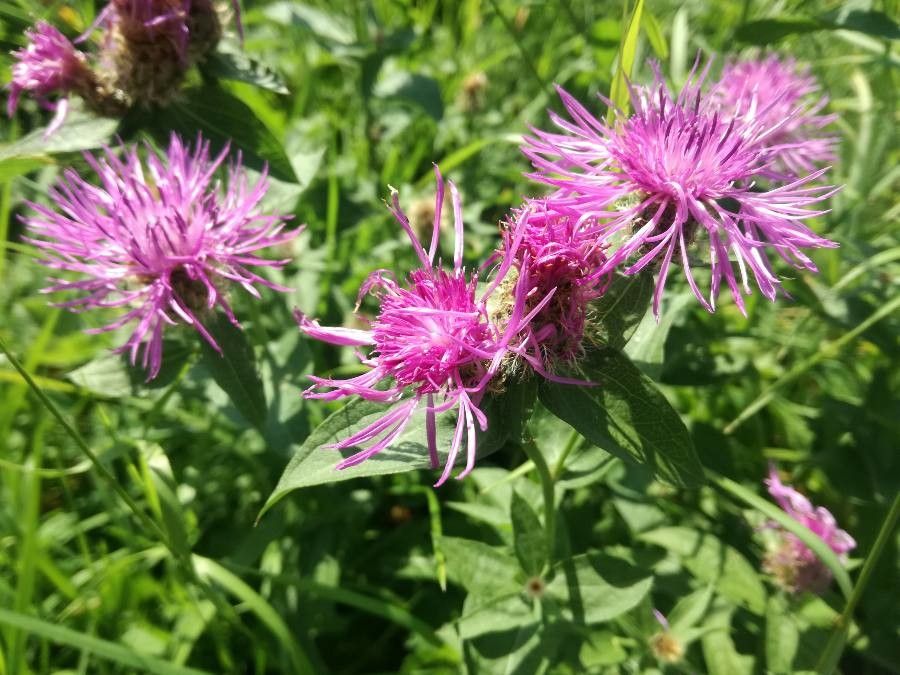
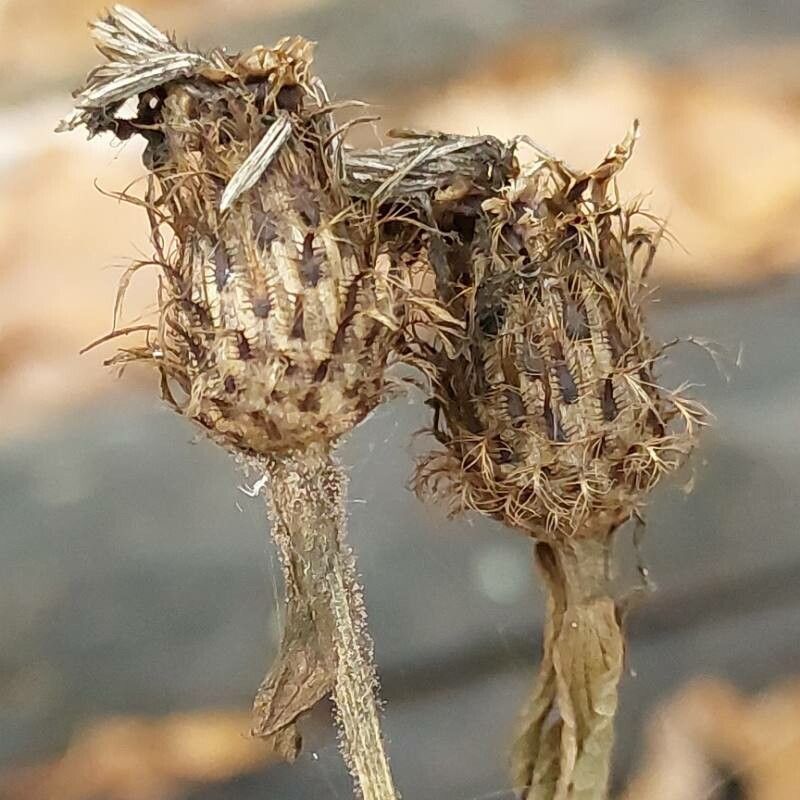
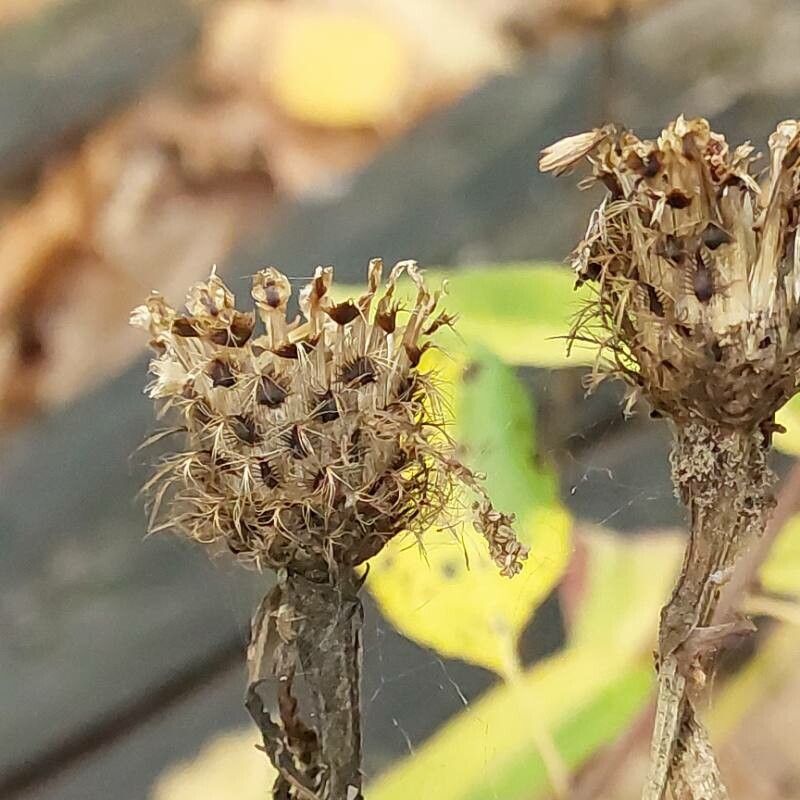
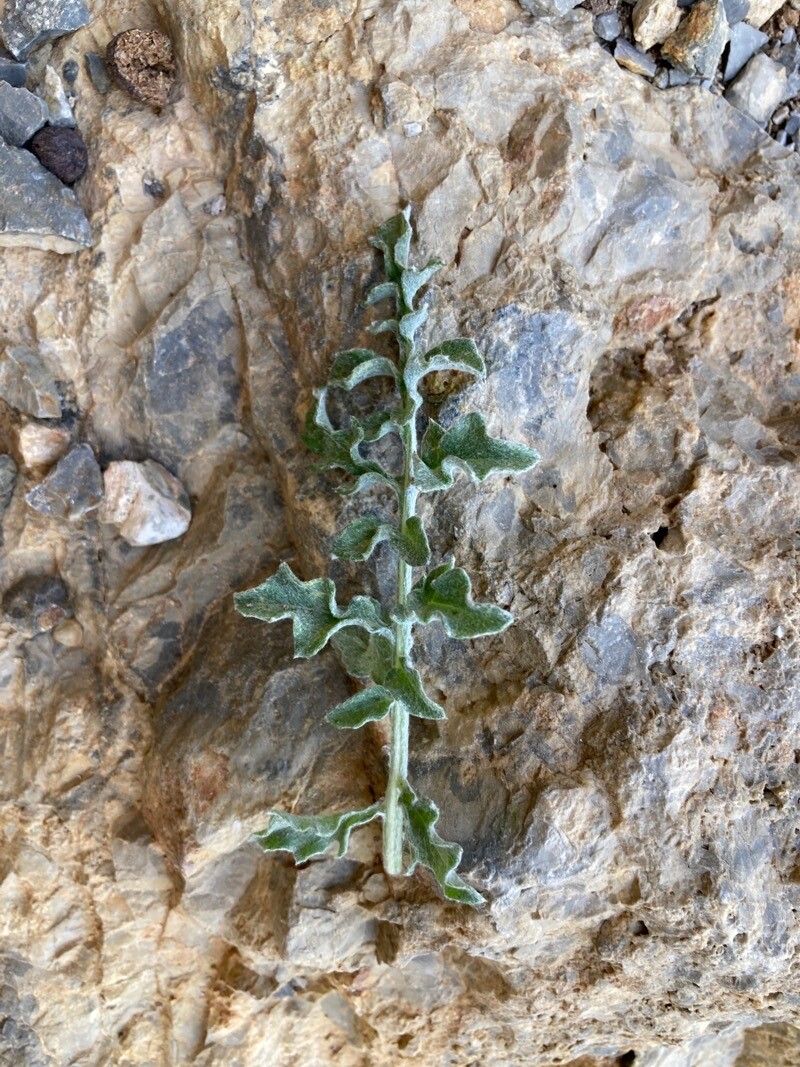
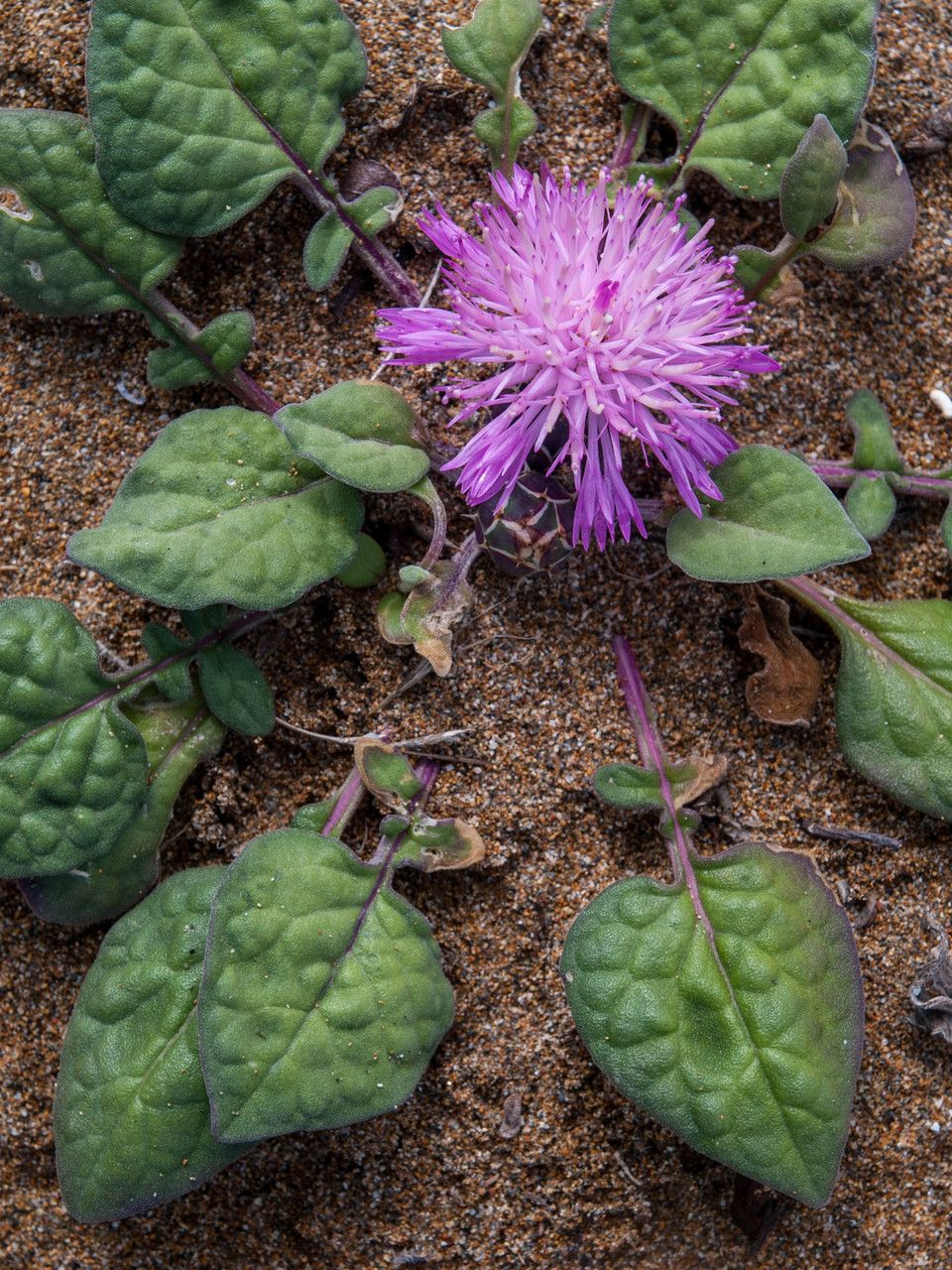
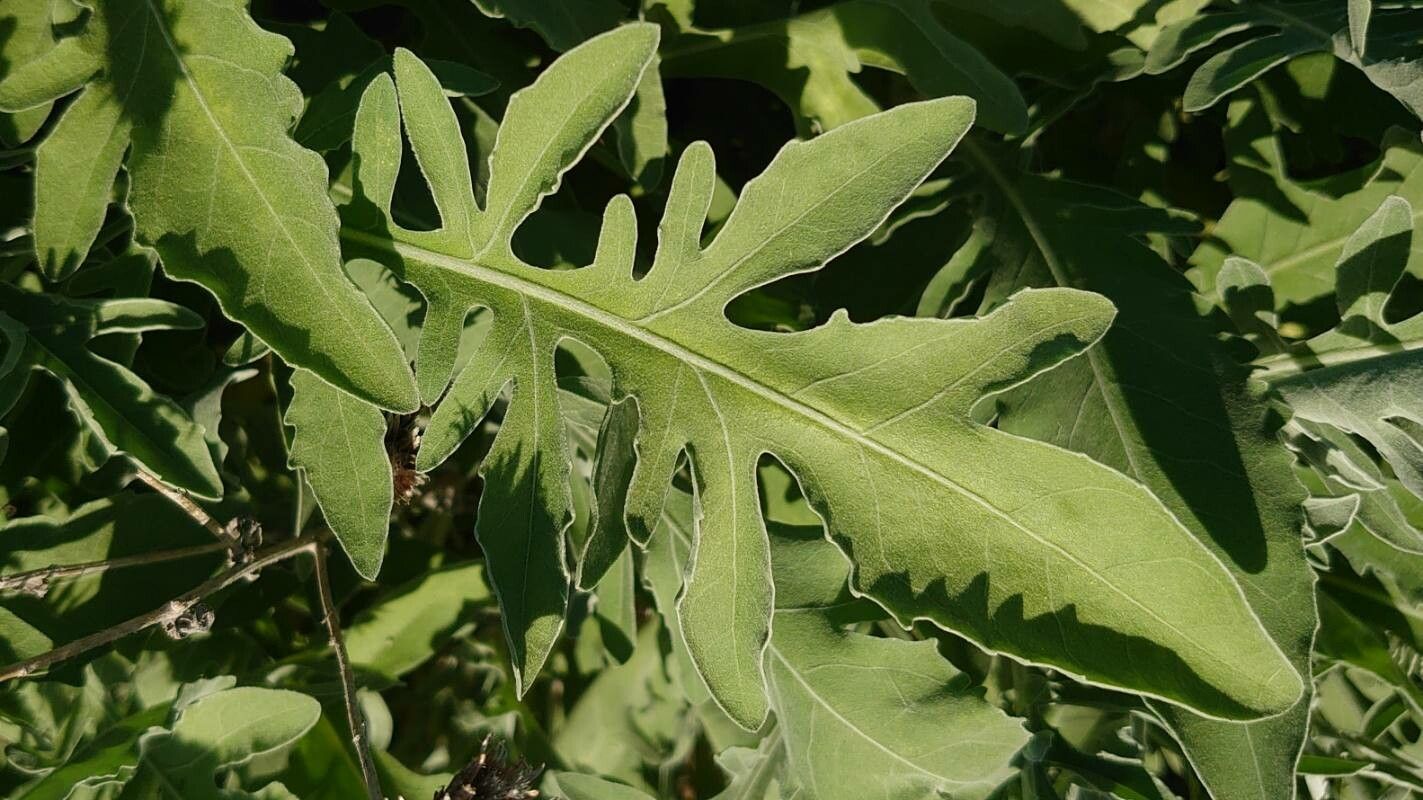
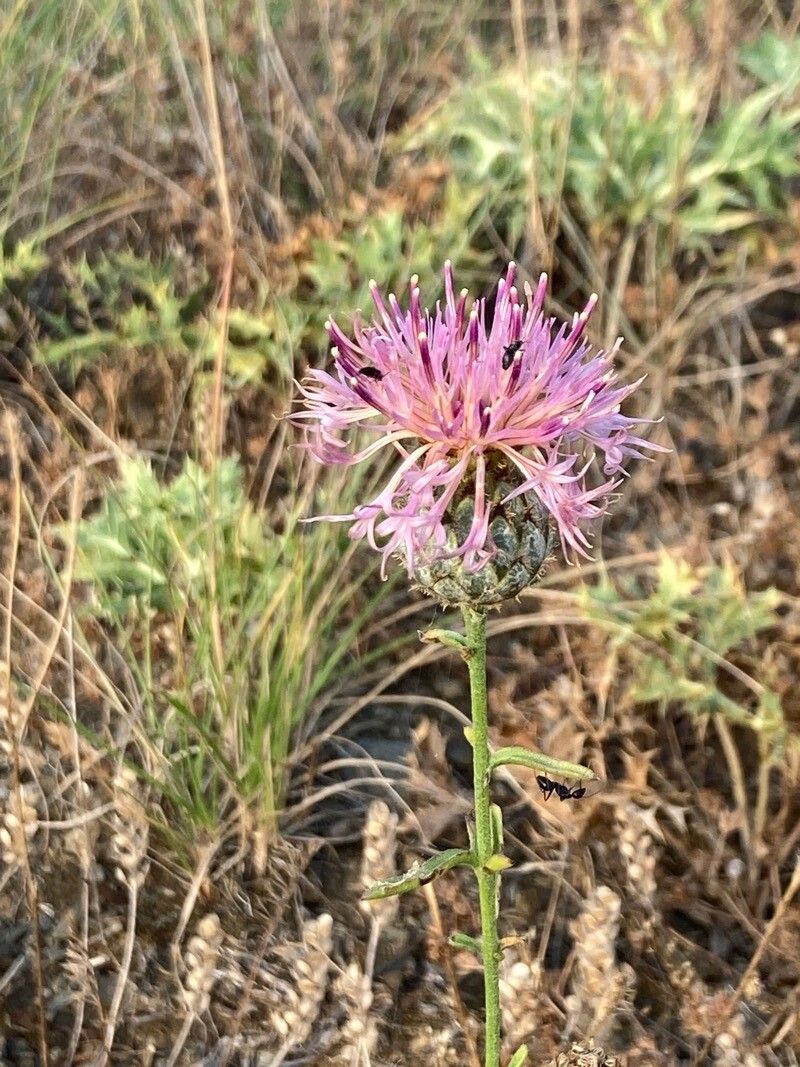
Centaurea phrygia, the wig knapweed, is a species of Centaurea. It is native to Europe.
Wig knapweed is fairly disease-resistant and generally not prone to illness. However, it can be affected by pests and diseases present in its environment. Such infections are typically not serious. In terms of care, this plant requires moderate maintenance. It should be pruned regularly to preserve a neat appearance and support healthy growth. Fertilizing can also help encourage flowering. Wig knapweed is suitable for anyone with an outdoor area, such as a garden or patio, and does not demand extensive care experience. It may need more attention if grown indoors.
How to keep Centaurea Phrygia.
Light
Wig knapweed is a plant that does well with abundant sunlight. While it grows vigorously with a high level of sun, it shows some tolerance for slightly reduced light. Too much or too little light can adversely affect the plant's health. Native to areas with strong sun exposure, its sunlight needs do not change much across different growth stages.
Water
Wig knapweed, which hails from temperate regions, thrives best in environments with moderate moisture levels and can endure short periods of dryness. This plant benefits from regular weekly watering and particularly appreciates rainwater, especially during its active growing season, as it mimics the natural moisture balance of its native habitat.
Temperature
Wig knapweed is native to habitats with temperatures from 32 to 90 °F (0 to 32 ℃). It typically thrives in those conditions. Depending on seasonal changes, temperature moderation may be necessary to preserve its health.
Fertilizer
The best time to fertilize a Wig knapweed is in early spring, as it wakes from dormancy and starts active growth. Fertilization supplies important nutrients needed for healthy development. Although Wig knapweed has relatively low fertilizer requirements, applying fertilizer annually can boost its survival and encourage better, longer-lasting blooms.
Pruning
Wig knapweed features vibrant, spiky blooms and benefits from pruning in early to late spring to thrive. To promote healthy growth, remove any dead or diseased stems and thin out overcrowded areas to improve air circulation and prevent pest infestations. Regular pruning not only prolongs the blooming period but also enhances the plant's overall vigor, ensuring a healthy and attractive display throughout the season.
Botanical profile.
- Plant Type
- Herb
- Life Cycle
- Perennial
- Genus
- Centaurea
- Family
- Asteraceae
- Hardiness Zone
- 2-8
- Mature Height
- 30 cm to 76 cm
- Mature Spread
- 30 cm
- Leaf Color
- Green
- Leaf Type
- Semi-evergreen
- Flower Color
- Purple, Lavender
- Flower Size
- 3.05 cm to 4.57 cm
- Bloom Time
- Summer
- Planting Time
- Spring, Summer, Autumn
- Harvest Time
- Late summer, Early fall, Mid fall
Other names.