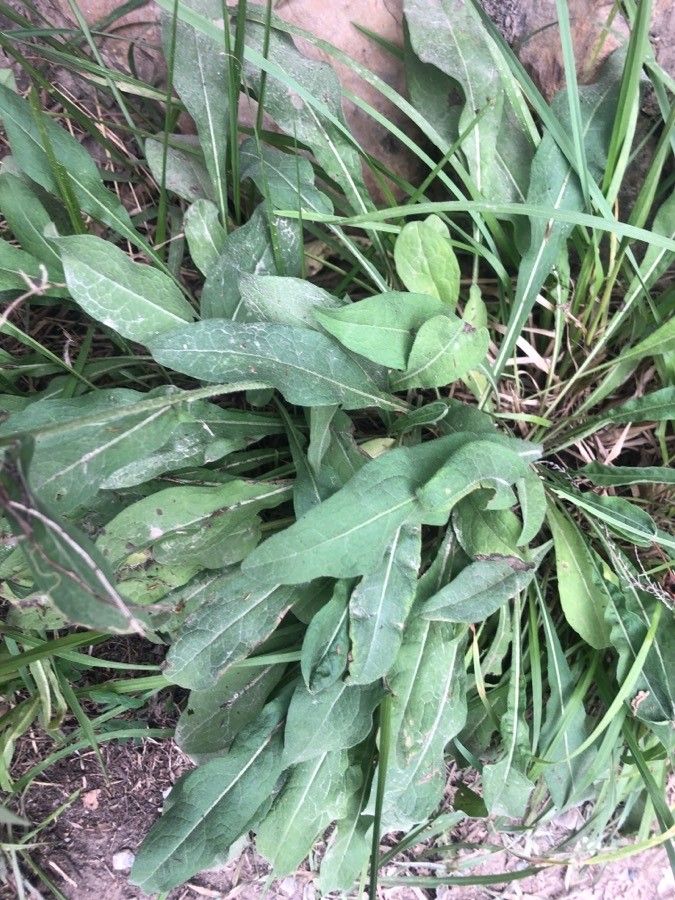
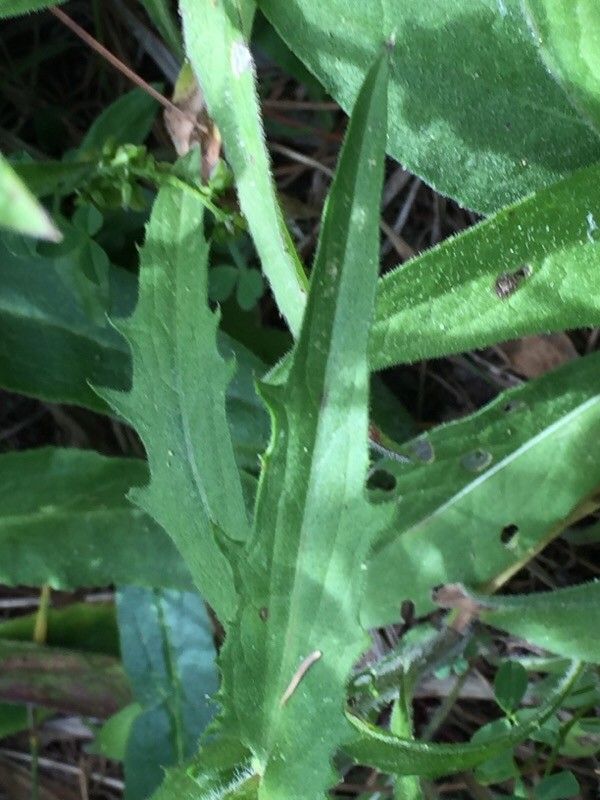
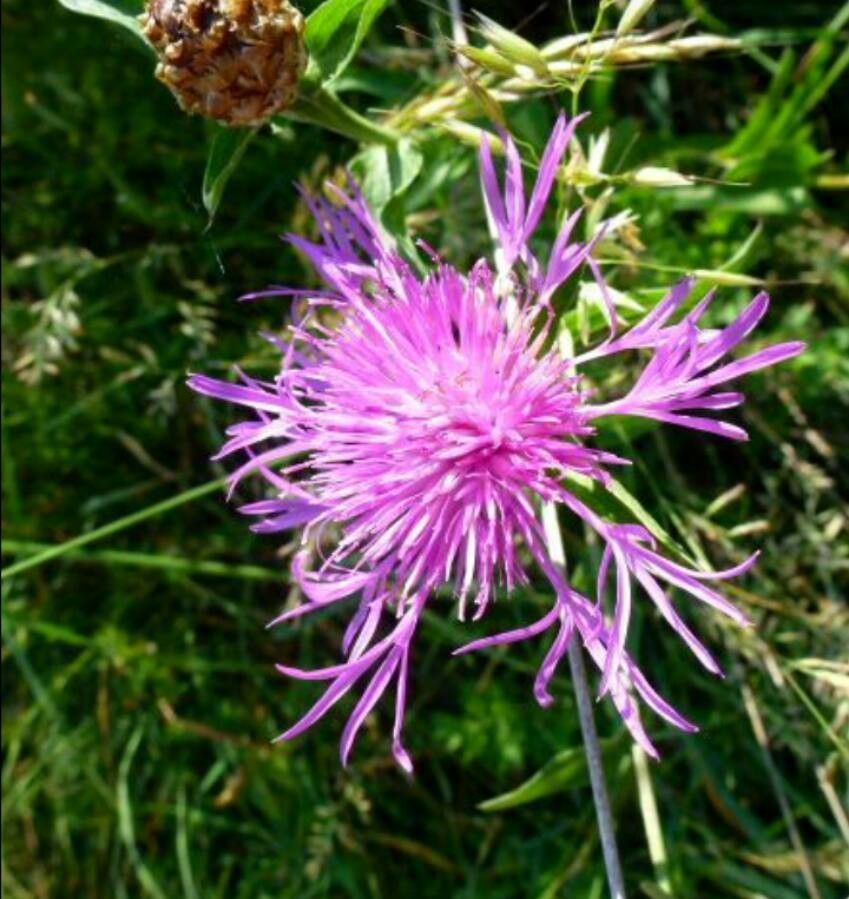
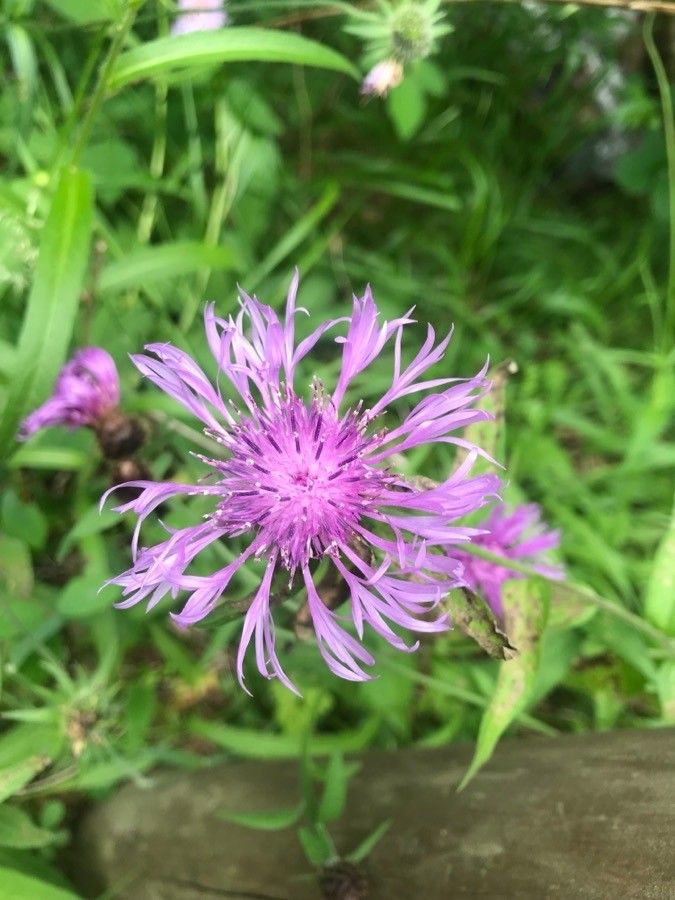
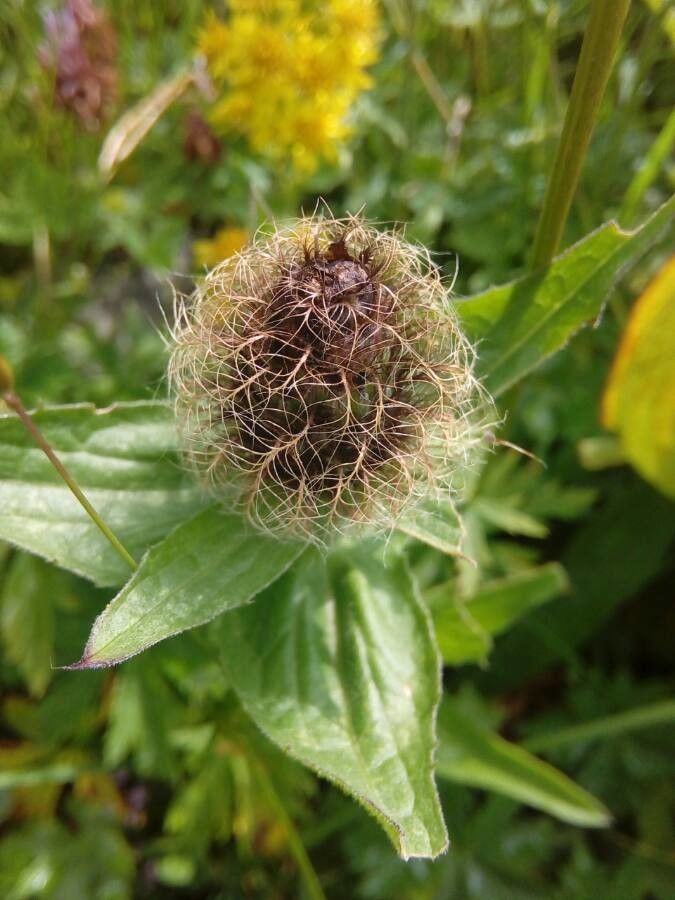
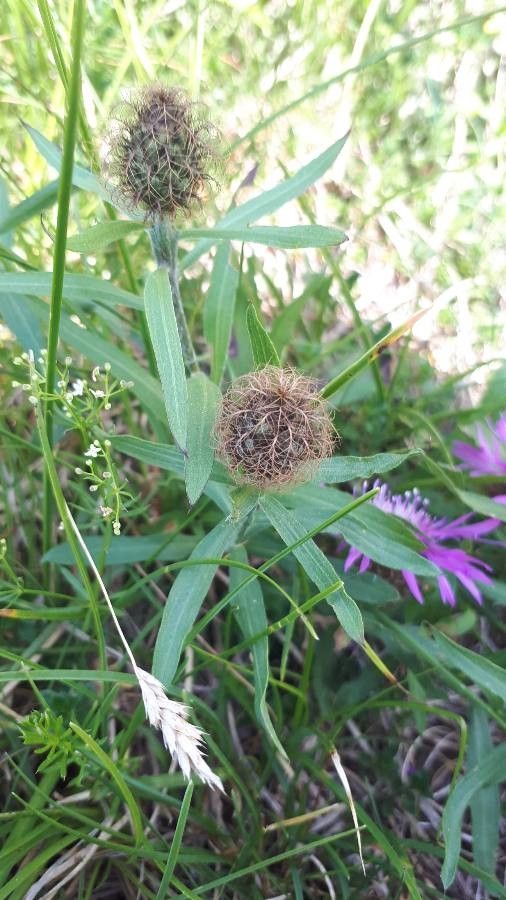
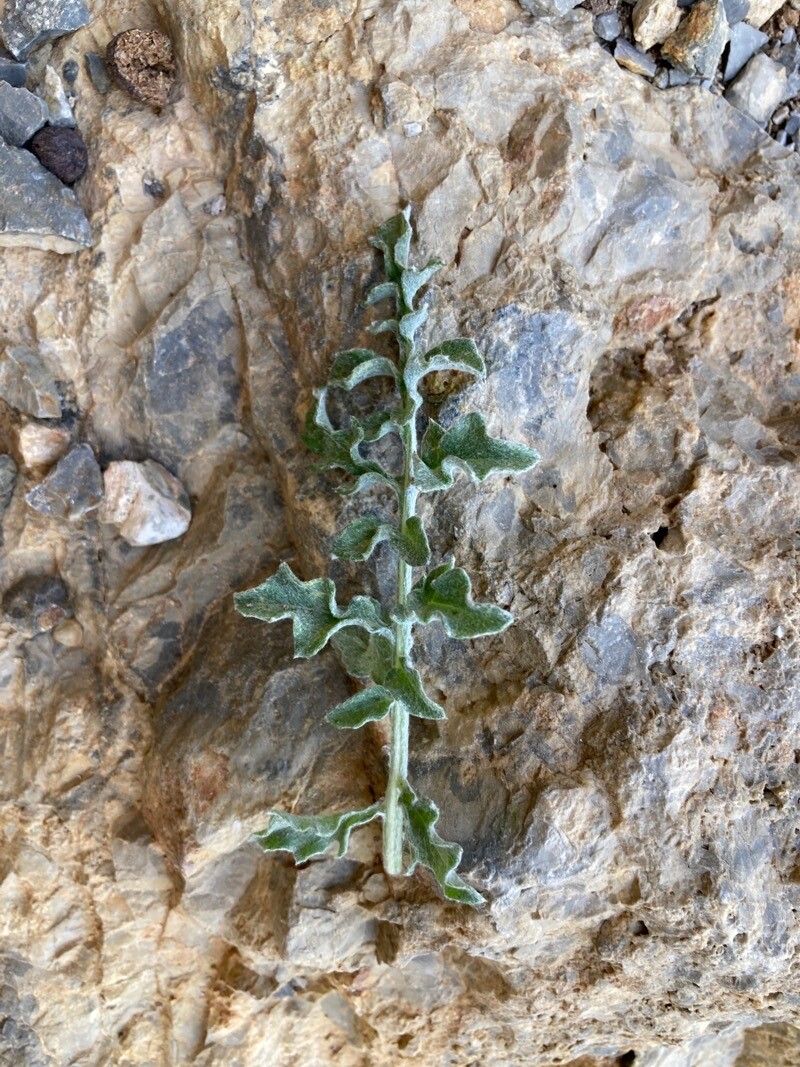
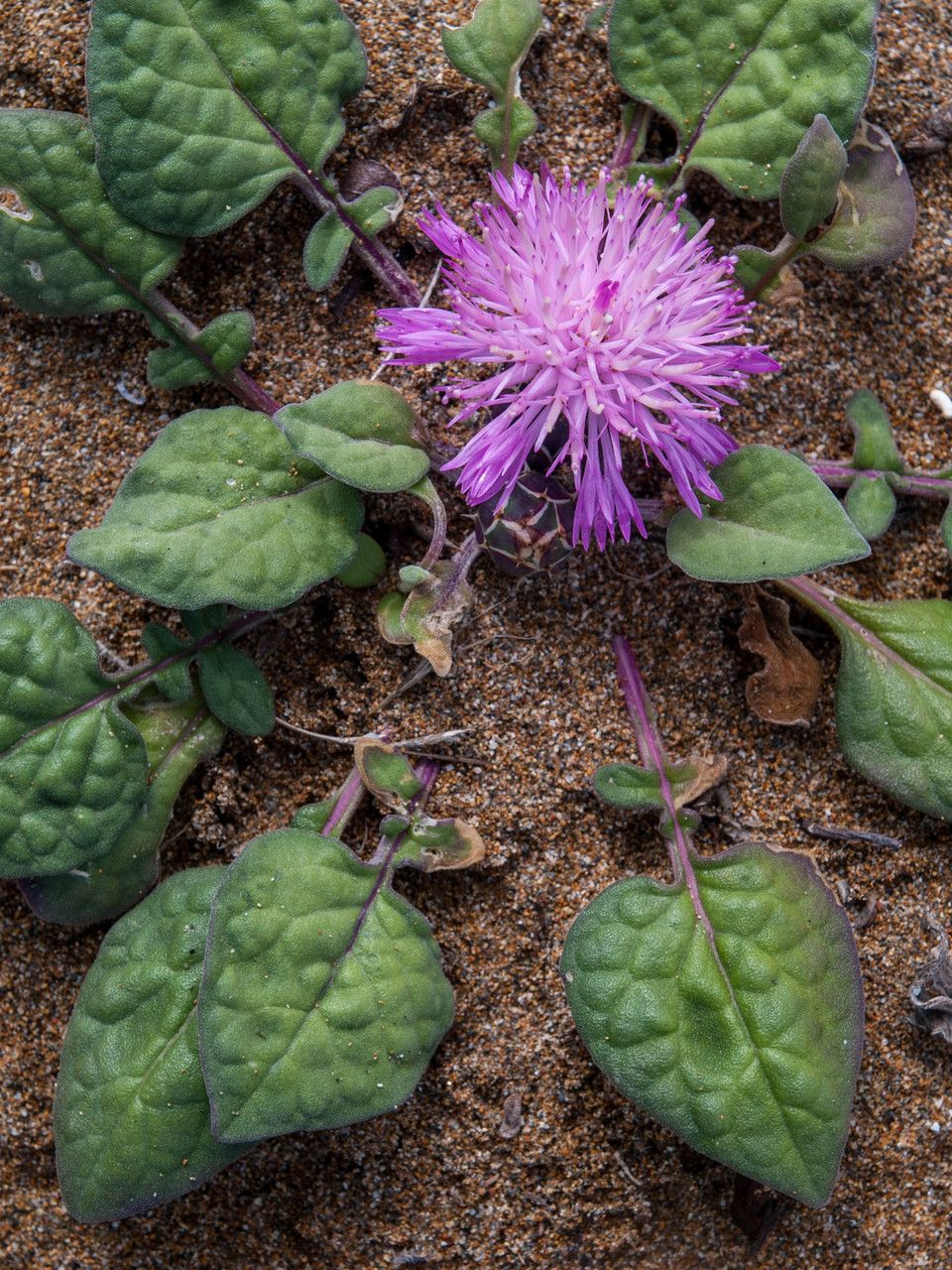
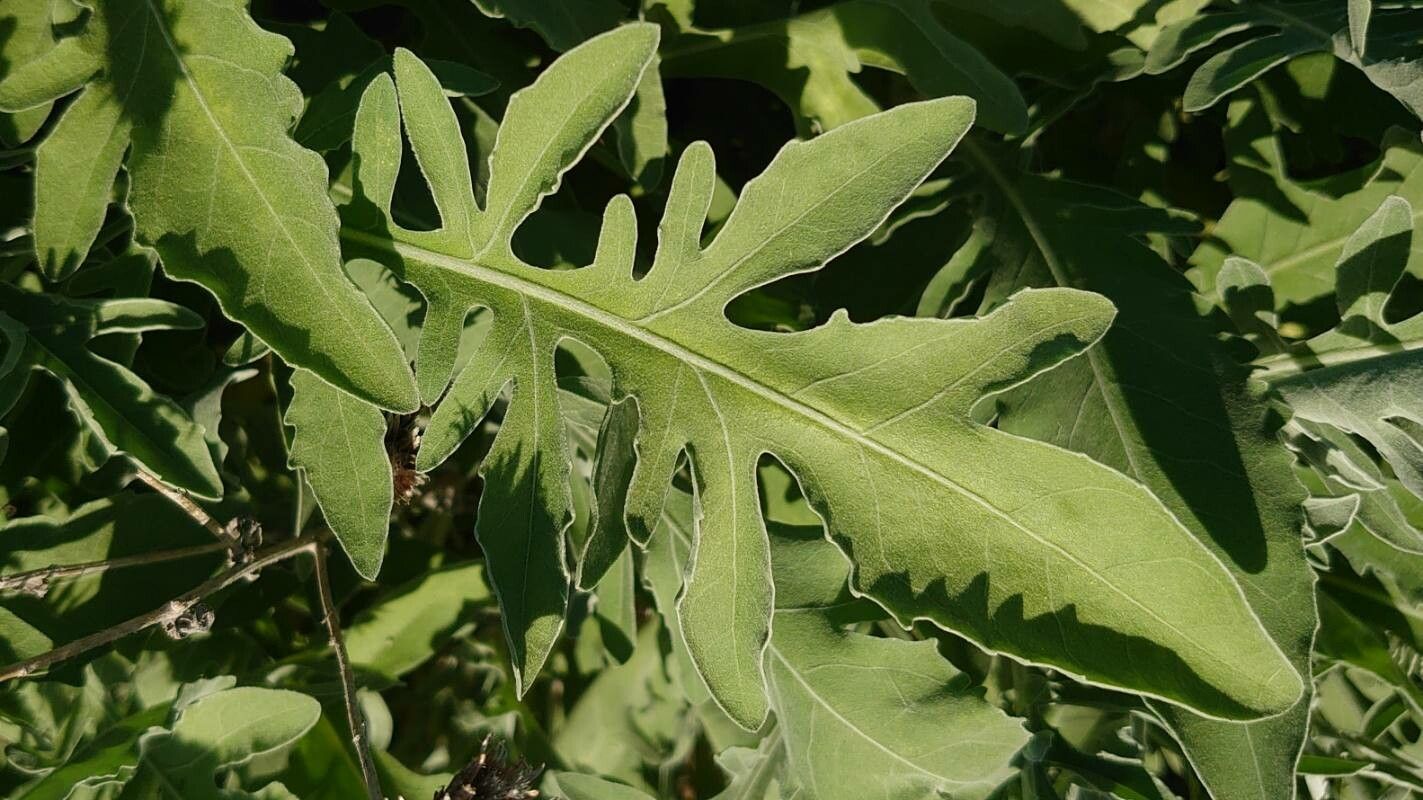
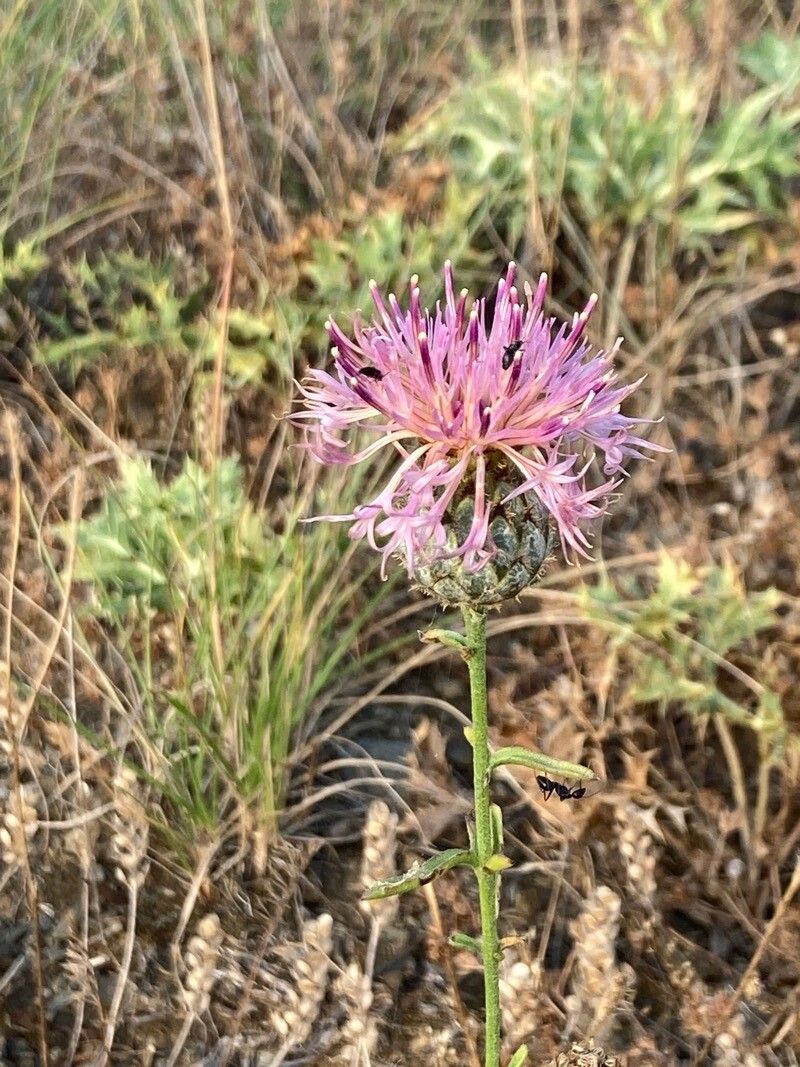
Centaurea nervosa is a species of Centaurea found in Italy in the North ( in the Alps ) where it is common, the Tuscan- Emilian where it is rare, Outside Italy in the Alps and in the French Alpine departments, in the cantons of Valais, Ticino and Graubünden of Switzerland, the provinces of Carinthia in Austria, in the Carpathian Mountains of Slovenia.
Singleflower knapweed is fairly resistant to disease and typically does not suffer from major illnesses. Still, it can be affected by pests and pathogens present in its environment. When infections occur, they are generally mild. Regarding maintenance, this plant is moderately demanding. It should be pruned on a regular basis to preserve an attractive appearance and robust growth. Applying fertilizer can also encourage more abundant flowering. Singleflower knapweed is appropriate for anyone with outdoor areas such as a garden or patio and does not need extensive horticultural experience. It may, however, need extra attention if cultivated indoors.
How to keep Centaurea Nervosa.
Light
Singleflower knapweed does best in environments with abundant light, though it can also tolerate lower light levels. However, its growth can be limited by either insufficient or excessive light. The sunlight regime of its native habitat explains this adaptability.
Water
Singleflower knapweed thrives with weekly watering, which mimics its natural rainfall environment. It prefers consistent moisture but should not be overwatered. During its active growth period, particularly in warmer temperatures, increasing the watering helps promote healthy development. This makes it well-suited for outdoor cultivation.
Temperature
Singleflower knapweed is native to regions with a mild climate. It grows best at temperatures between 59 and 95 °F (15 to 35 ℃). In other seasons, if temperatures fall outside that range, measures may be needed to imitate its native temperature conditions.
Fertilizer
For Singleflower knapweed, the best time to apply fertilizer is early spring, when flowers are forming. The correct fertilizer promotes improved blooms and helps Singleflower knapweed produce attractive flowers. Fertilizing in early spring guarantees strong flowering during the season and gives energy for dormant growth phases.
Pruning
Singleflower knapweed benefits greatly from pruning in the spring, which encourages blooming and prevents the plants from becoming leggy. To achieve the best results, it's important to remove spent flowers through deadheading and trim any overgrown stems. These practices also help manage diseases and pests, especially when you use sterilized tools to maintain the plants' health.
Botanical profile.
- Plant Type
- Herb
- Life Cycle
- Perennial
- Genus
- Centaurea
- Family
- Asteraceae
- Hardiness Zone
- 7-10
- Mature Height
- 40 cm to 91 cm
- Mature Spread
- 30 cm to 46 cm
- Leaf Color
- Green, Dark Green
- Leaf Type
- Semi-evergreen
- Flower Color
- Purple, Violet
- Flower Size
- 4.06 cm to 6.35 cm
- Bloom Time
- Early summer, Mid summer
- Planting Time
- Spring, Summer
- Harvest Time
- Late summer, Early fall
Other names.
Reader questions.
How should I water my Singleflower knapweed?
To ensure the wellbeing of the Singleflower knapweed, it's recommended to use filtered water at room temperature. Tap water may contain harmful particles for this plant. The Singleflower knapweed prefers slightly warm water, as it originates from warm climates and cold water can be stressful for it. It's best to avoid overhead watering as it can lead to issues with the foliage. Instead, simply water the soil with your filtered room temperature water until it becomes thoroughly soaked. This allows the roots to absorb moisture and nutrients, aiding their spread and the plant's overall health.
Why should I put plant food on my Singleflower knapweed?
The Singleflower knapweed relies heavily on its leaves for its overall structure. Fertilizing the plant is an effective way to ensure that the leaves not only look great but also function properly. With proper fertilization, the leaves will maintain a consistent color and a healthy texture. Additionally, fertilization also has benefits below the surface of the soil. It helps the Singleflower knapweed to develop new roots and maintain its existing roots. This not only keeps the plant healthy currently, but also improves its ability to absorb soil nutrients in the future.
What are the sunlight requirements for Singleflower knapweed?
Singleflower knapweed thrives best when provided with full sunlight conditions, meaning it should receive more than 6 hours of direct sunlight daily. However, it can also adapt to partial sun conditions, where it gets around 3-6 hours of sunlight. It's important to monitor the movement of sunlight through your garden and position your plants to achieve a suitable balance between light and shade, ensuring optimal growth and health for the plants.
What is the native environment of Singleflower knapweed?
Singleflower knapweed is native to environments that enjoy a moderate climate. It flourishes in temperatures between 59 to 95°F (15 to 35°C), making it well-suited to regions that maintain these temperatures throughout different seasons. It's important to mimic these conditions as closely as possible if they change with the seasons to ensure the plant's healthy growth and development.
What should I do if I give my Singleflower knapweed too much or too little water?
Overwatering is a more common issue than underwatering for the health of your Singleflower knapweed. When the plant receives too much water, its stems and leaves may wilt and turn yellow. Prolonged overwatering can also lead to diseases like root rot, mold, and mildew, which can be fatal for your plant. While underwatering is less common, it can still happen. In such cases, the leaves of your Singleflower knapweed will become brittle and brown. It's important to identify overwatering signs promptly, as some diseases like root rot may not be reversible if you wait too long. If you notice early signs of overwatering, reduce your watering schedule and check the soil quality. If the soil drains poorly, replace it with a well-draining potting mix. If you suspect your plant is underwatered, increase your watering frequency until the signs improve.
When should I fertilize my Singleflower knapweed?
To maximize the growth of your Singleflower knapweed, you can fertilize it multiple times throughout the spring and early summer. When the plant starts sending out new growth in early spring, that's the ideal time to start fertilization. Typically, a single application of fertilizer is sufficient, but if you want to ensure maximum growth, you can feed the plant about once every month to a month and a half.
How essential is light for the growth of Singleflower knapweed?
Light is a critical factor for the growth of Singleflower knapweed. This plant flourishes in environments with ample light exposure but can also adapt to lesser light situations. Its native habitat's conditions of sunlight influence this adaptability. In scenarios where natural light is insufficient, especially during winter or in less sunny spots, using artificial lighting such as LED lights can significantly promote healthier and faster growth. When choosing artificial lights, remember to adjust the distance (12-36 inches above the plant), duration (mimicking natural daylight hours, typically 8-12 hours), and intensity (30-50W/sq ft for full sun, 20-30W/sq ft for partial sun, and 10-20W/sq ft for full shade plants) to meet your plant's specific needs.
Does Singleflower knapweed require frost protection in winter?
Singleflower knapweed possesses strong cold resistance, and special frost protection measures are generally not required. However, in cases where winter temperatures are anticipated to drop below -15°C, it becomes important to take steps to protect the plant from the cold. This can include covering the plant with insulating materials like soil or straw. Adequately watering the plant before the first freeze of autumn, to ensure the soil remains moist, can help the plant withstand winter and early spring by preventing drought and water scarcity.
How frequently should I water my Singleflower knapweed plant?
If your Singleflower knapweed is in a pot, the best way to check if it needs water is to stick your finger into the soil. If the top two to three inches are dry, it's time to water it. If you're growing the Singleflower knapweed outdoors in the ground, you can use the same method to test the soil. Once the top few inches of soil have dried out, it's time to water. Generally, you'll need to water this plant about once a week in the spring and early fall. During extremely hot weather, you may need to increase watering to twice or more per week. However, mature, well-established Singleflower knapweed plants can tolerate drought well.
When is it best to not put fertilizer on my Singleflower knapweed?
During the late fall and winter, your Singleflower knapweed will be dormant and not produce new growth. Therefore, it is recommended that you avoid fertilizing it during this period. However, in the spring and summer, if you choose to fertilize, it is important to gradually reduce the fertilization rate as the summer season approaches since the growth rate of your Singleflower knapweed will also slow down. Overall, it is not advisable to fertilize your Singleflower knapweed during hot weather or when the soil is excessively dry, as doing so can stress the plant and lead to premature death.
What are the symptoms of incorrect lighting for Singleflower knapweed?
Incorrect lighting can lead to several symptoms in Singleflower knapweed, such as smaller new leaves, leggy or sparse growth, faster leaf drop, and halted new growth, indicating insufficient light. Conversely, excessive sunlight can cause chlorosis (yellowing of the leaves), sunscald, leaf curling, wilting, and leaf scorching, showcasing the plant's struggle with too much sunlight. These symptoms provide crucial insights into whether your plant's lighting conditions need to be adjusted for better health and growth.
How does low temperature affect Singleflower knapweed, and what are the solutions?
Singleflower knapweed tolerates cold well and performs best when temperatures stay above 15°C. If during winter the temperature drops below -10°C, and especially under -15°C, while the plant might not show noticeable signs of distress during the colder months, there may be a decrease or absence of sprouting come spring. The solution in spring is to remove any parts of the plant that have failed to sprout, promoting healthier growth for the remainder of the plant.