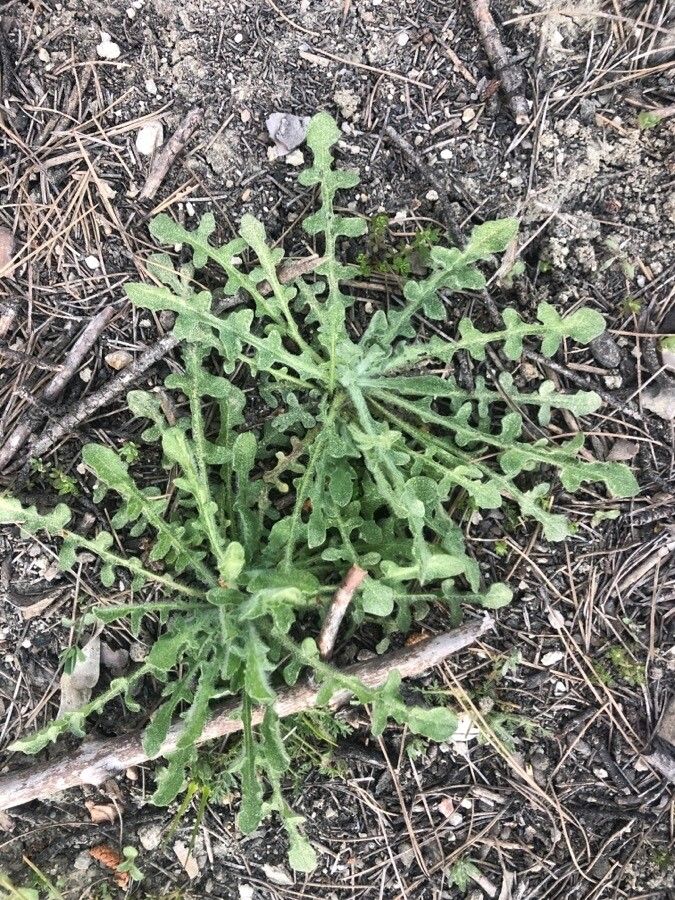
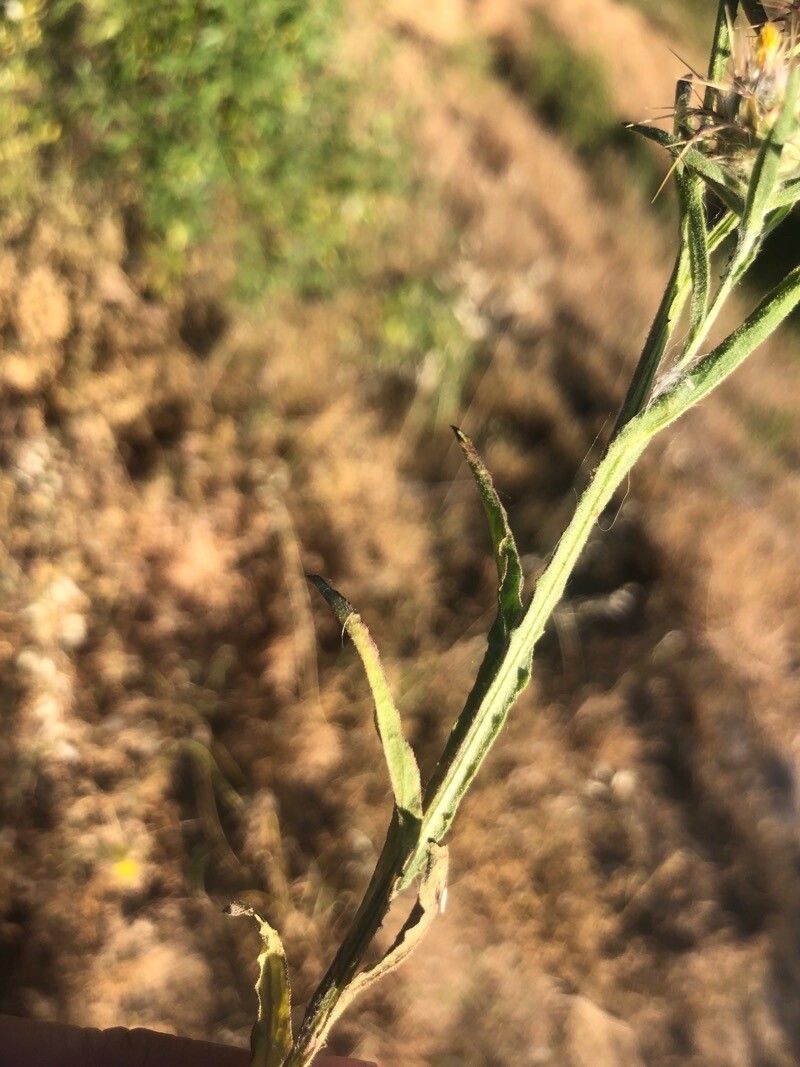
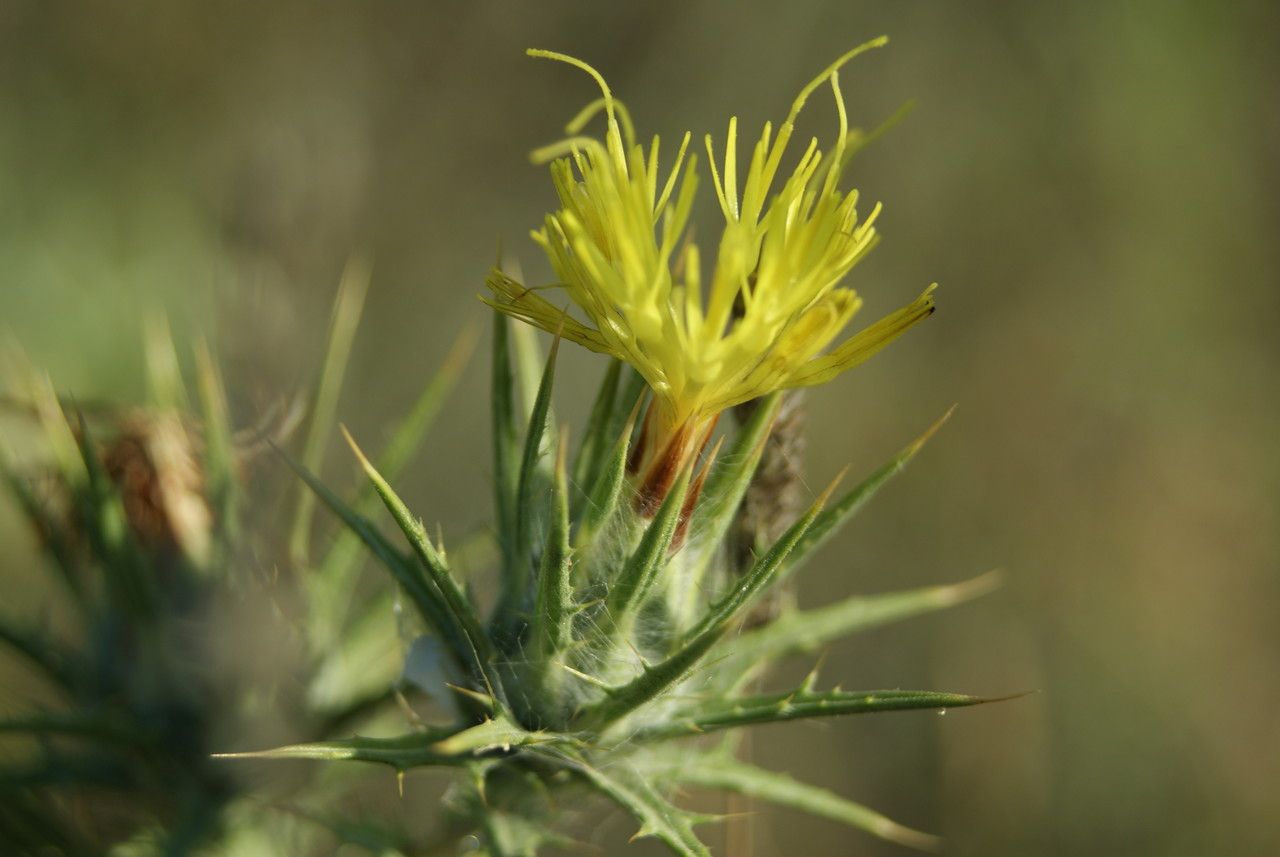
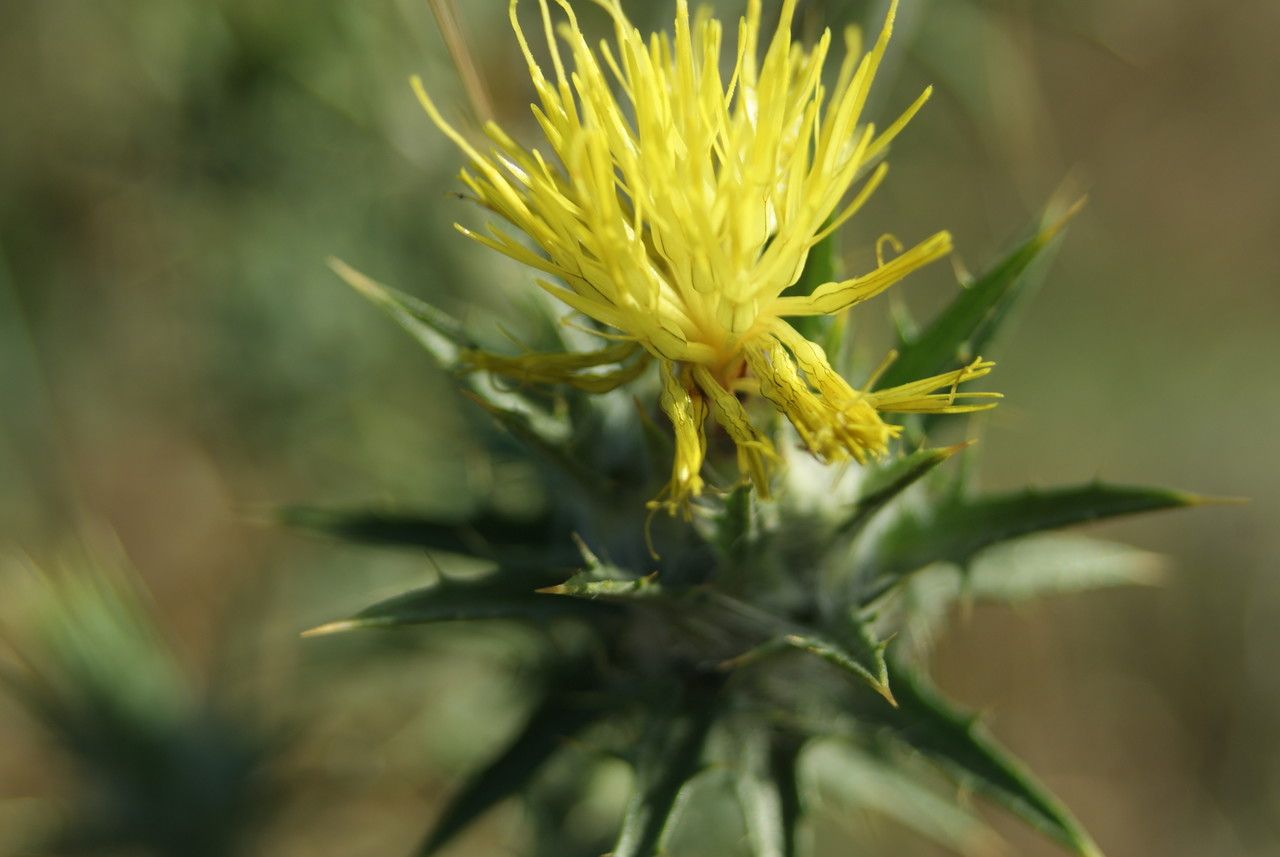
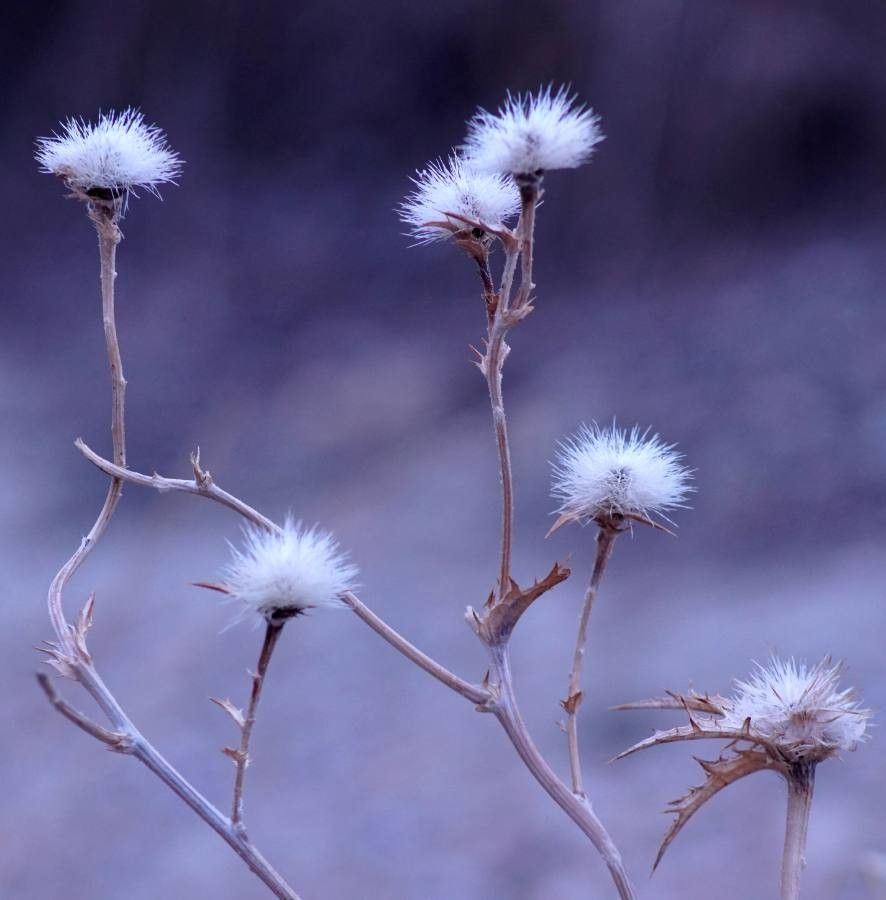
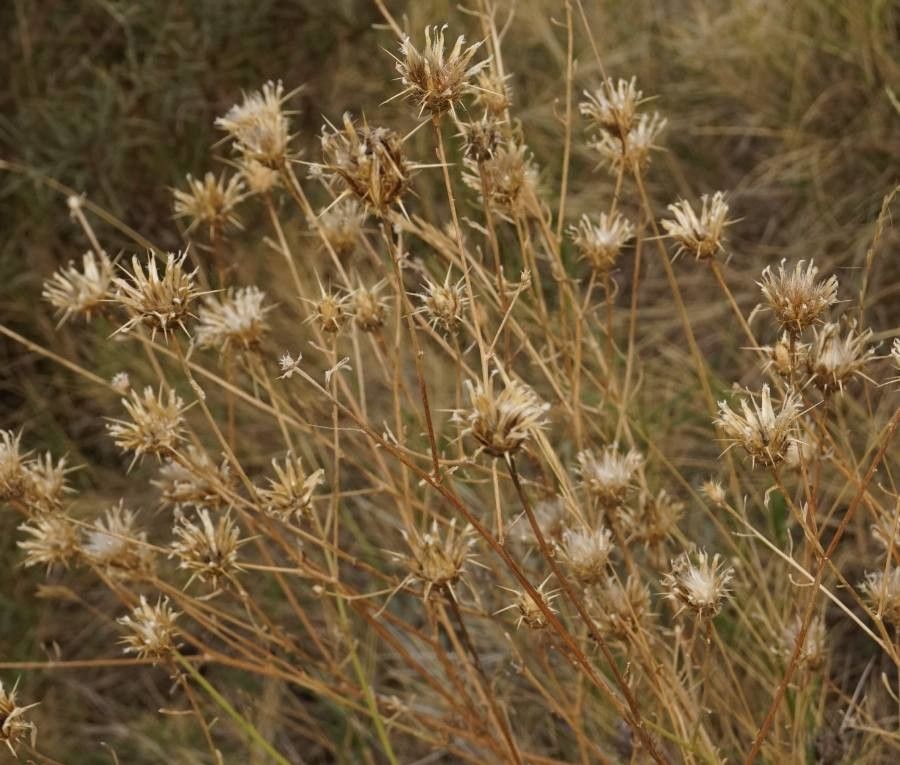
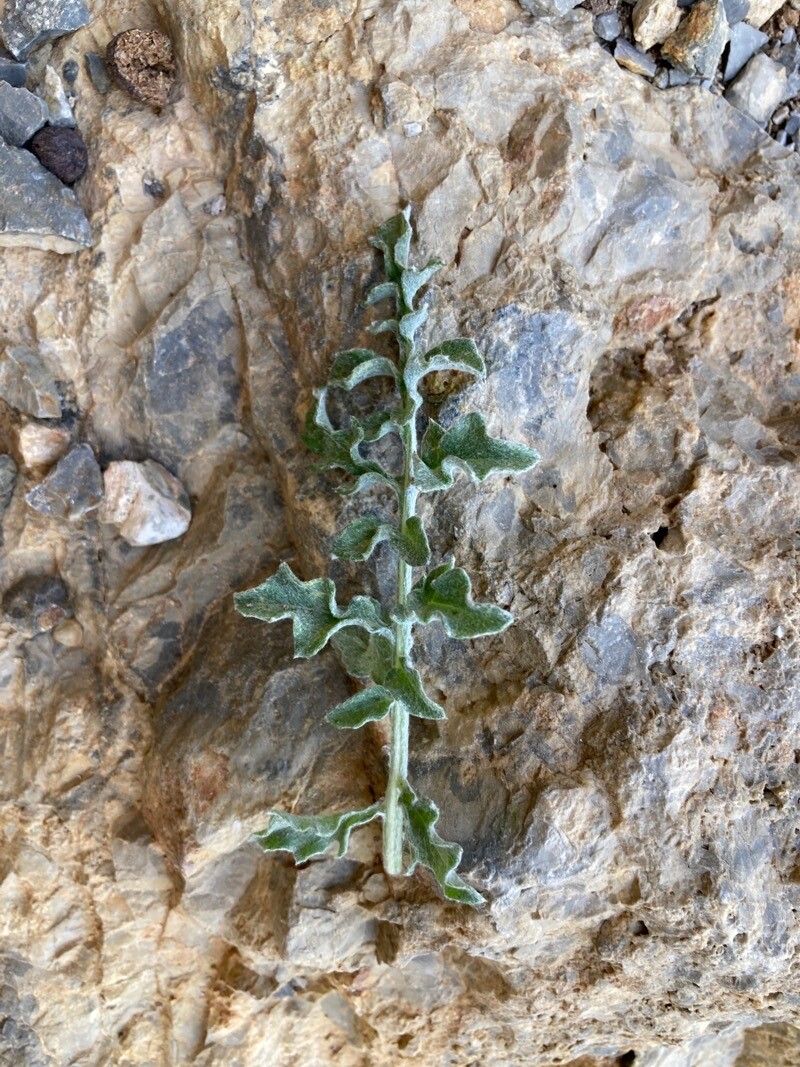
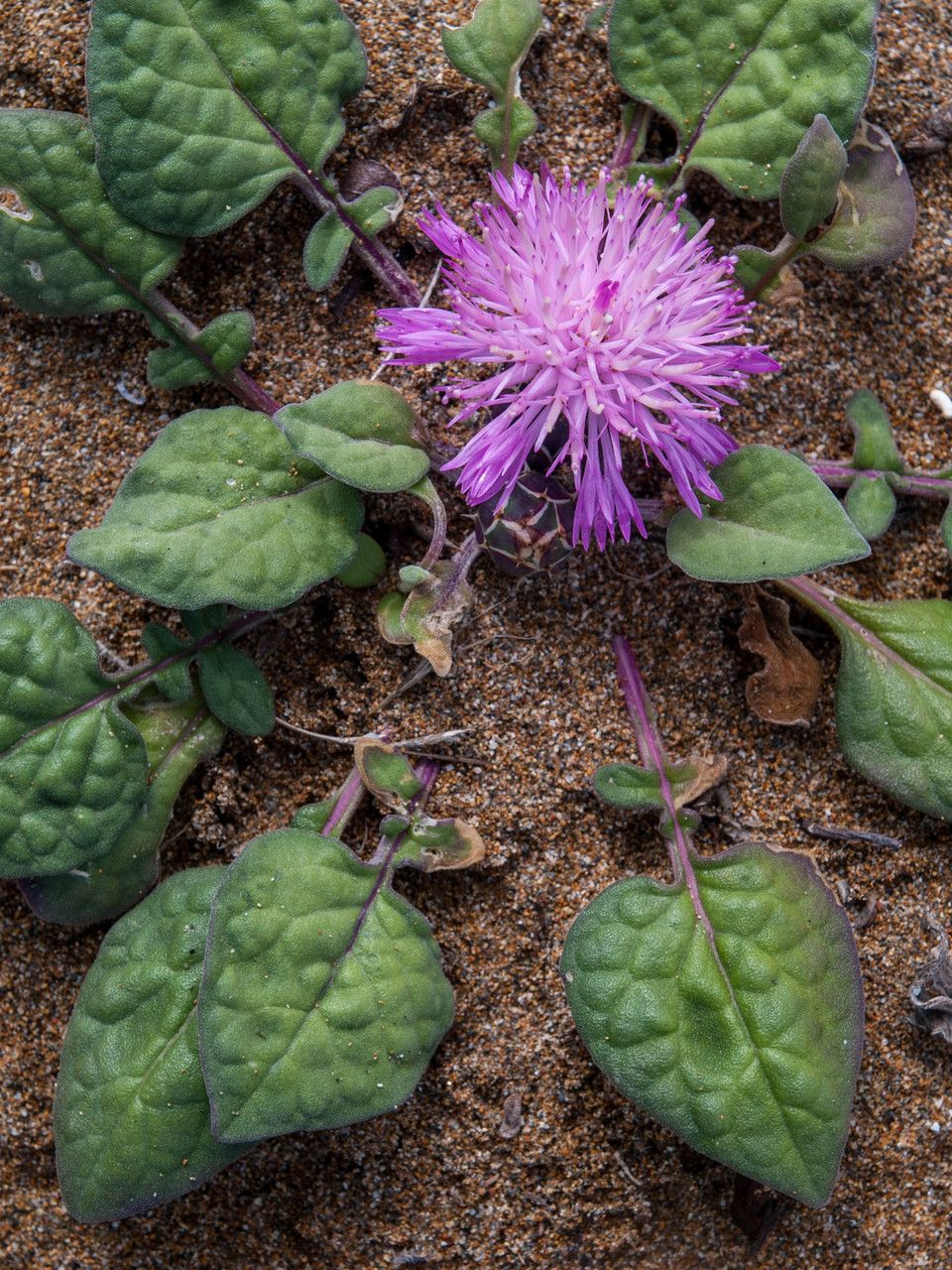
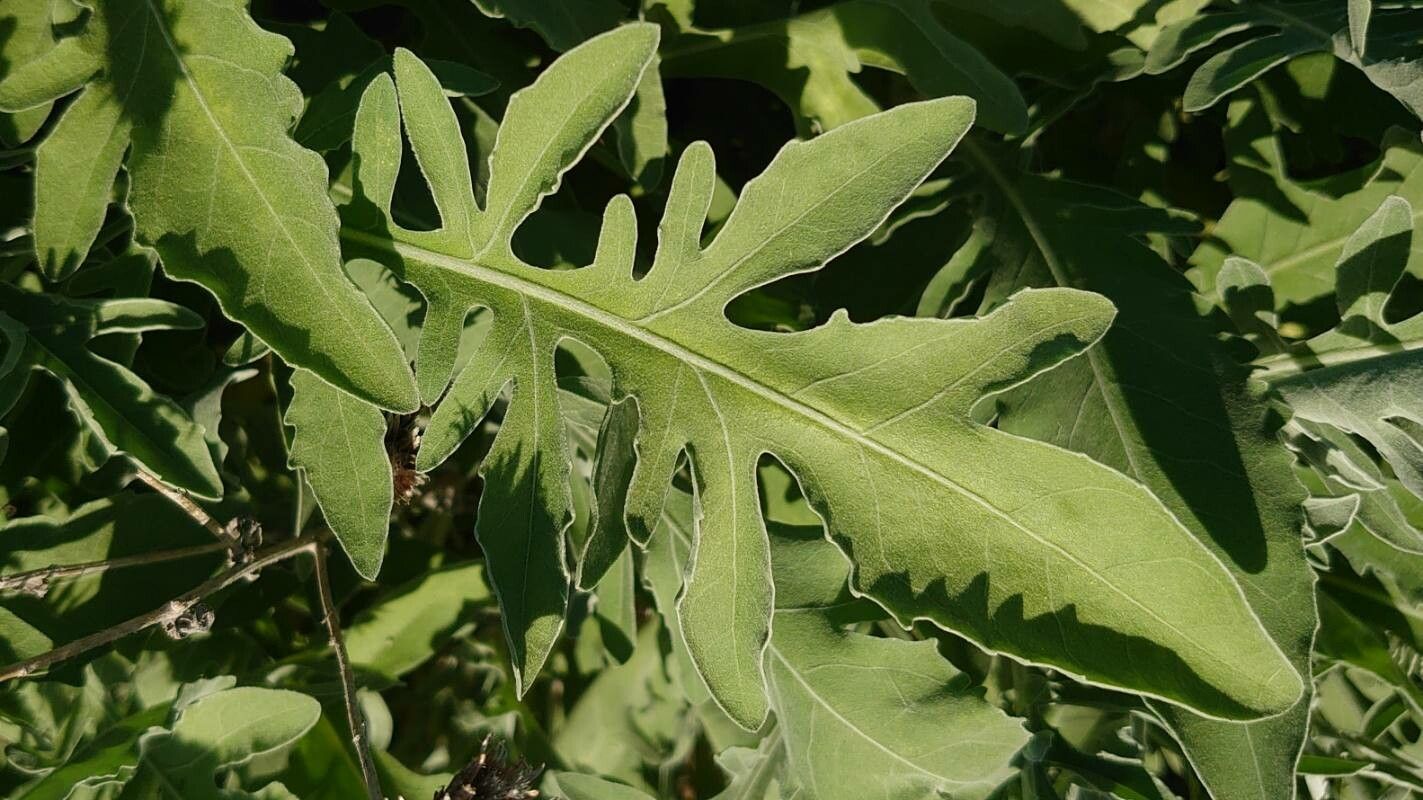
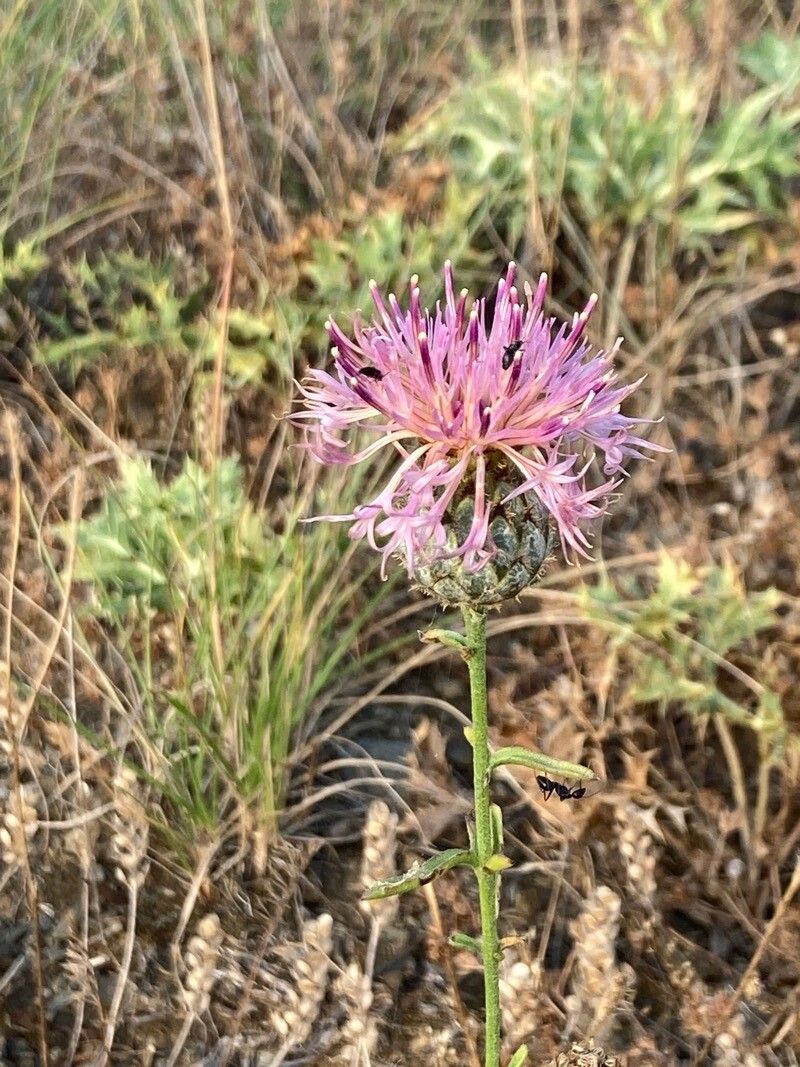
Centaurea melitensis, commonly known as Maltese star-thistle, is a flowering plant species belonging to the family Asteraceae. Native to the Mediterranean region, it thrives in various habitats such as grasslands, rocky slopes, and disturbed areas.
The plant can grow up to 1 meter tall, with branched stems that bear spiny leaves and yellowish flowers, which bloom from June to September. These flowers are surrounded by spiny bracts, giving them a distinctive star-like appearance.
Centaurea melitensis has been introduced to many parts of the world, including North America, where it is considered an invasive species. Its ability to outcompete native plants for resources like water and nutrients poses a significant ecological challenge.
In traditional medicine, the plant has been used for its anti-inflammatory properties. Additionally, it serves as a source of nectar for bees and other pollinators.
To control its spread, conservationists around the world are employing various methods, including the use of biological control agents such as insects that feed on the plant, and targeted herbicide applications in areas where it grows excessively.
Overall, Centaurea melitensis is a fascinating plant with unique features, but it also presents ecological challenges when introduced outside its natural range.
Maltese Star-Thistle is fairly disease-resistant and usually not prone to illness. However, it can be affected by pests and diseases present in its environment. These problems tend to be mild. For care, the plant requires moderate maintenance. It should be pruned regularly to keep a tidy appearance and support healthy growth. Fertilizing can also help encourage flowering. Maltese Star-Thistle is suitable for anyone with outdoor space, such as a garden or patio, and does not need extensive care experience. It may need more attention if grown indoors.
How to keep Centaurea Melitensis.
Light
Maltese Star-Thistle grows best when exposed to direct sunlight for most of the day, though it can cope reasonably well in locations where shade alternates with sun. Too little light diminishes its vigor, while too much exposure can cause health problems. It comes from habitats with strong daytime illumination.
Water
The Maltese Star-Thistle, native to Mediterranean climates, thrives in dry conditions and is drought-tolerant. It requires weekly watering, but for successful cultivation, it's important to let the soil dry out between waterings. During the growing season, adjust your watering schedule to accommodate increased sunlight and temperature, which can affect the plant's hydration needs.
Temperature
Maltese Star-Thistle is a plant suited to moderate climates, originating from areas where temperatures generally fall between 68 to 95 °F (20 to 35 ℃). For best growth, those same conditions should be recreated. Sharp temperature fluctuations should be avoided, especially during seasonal changes.
Fertilizer
Maltese Star-Thistle benefits from regular, light applications of fertilizer to encourage healthy leaf growth. Fertilize Maltese Star-Thistle roughly once a month during the summer. Nitrogen is essential for foliage, and providing nitrogen-rich sources helps Maltese Star-Thistle thrive.
Pruning
The Maltese Star-Thistle features spiky leaves and vibrant yellow flowers. To encourage growth, prune it from early to late spring by removing dead stems and trimming overgrown areas to shape the plant. Avoid heavy pruning during its peak blooming period to prevent stress. Regular pruning helps maintain its appearance and limits invasive spreading.
Botanical profile.
- Plant Type
- Herb
- Life Cycle
- Annual, Biennial
- Genus
- Centaurea
- Family
- Asteraceae
- Hardiness Zone
- 6-9
- Mature Height
- 30 cm to 61 cm
- Mature Spread
- 20 cm to 49 cm
- Leaf Color
- Green
- Leaf Type
- Semi-evergreen
- Flower Color
- Yellow
- Flower Size
- 1.27 cm
- Bloom Time
- Late spring, Early summer, Mid summer
- Planting Time
- Spring, Summer
- Harvest Time
- Mid summer, Late summer, Early fall
- Native Area
- Libya, Egypt, Tunisia, Portugal, Italy, Spain, Montenegro, Algeria, Greece, Croatia, Morocco, France
Other names.
Reader questions.
How should I water my Maltese Star-Thistle plant?
Maltese Star-Thistle can be watered using various tools such as a garden hose with a spray nozzle or a watering can. It is not too particular about the type of water it receives, as it can survive with rainwater, tap water, or even filtered water. However, it is generally not recommended to water this plant from overhead as it can harm the leaves, flowers, and potentially cause diseases. A drip irrigation system is often the best method for watering, as it evenly supplies water directly to the soil. For a Maltese Star-Thistle in a container, you can stick to a similar watering approach but adapt the tools used, such as a cup, watering can, or tap, to directly apply water to the soil.
What are the sunlight requirements for Maltese Star-Thistle?
Maltese Star-Thistle requires full sun exposure for optimal growth, receiving more than 6 hours of sunlight per day, though it can also sustain growth in partial sun with about 3-6 hours of sunlight. The plant flourishes in environments where it's enveloped entirely by the sun's rays for most of the day but also manages reasonably where the shade intermittently interchanges with sun exposures. A balance of light and shade is crucial for the plant's health, as insufficient sunlight may deteriorate its robustness, while too much sun exposure can cause health issues.
What is the ideal climate for Maltese Star-Thistle growth?
Maltese Star-Thistle thrives in moderate climates, specifically in regions where temperatures typically range from 68 to 95 °F (20 to 35 °C). To ensure optimal growth, it's important to replicate similar conditions. The plant exhibits strong cold resistance, making special frost protection measures usually unnecessary. However, if winter temperatures are expected to drop below -25°C, protection by covering the plant with soil or straw is advised. Watering the plant abundantly before the first freeze in autumn helps keep the soil moist, preventing drought and water scarcity during winter and early spring.
What should I do if I give my Maltese Star-Thistle too much or too little water?
To remedy underwatering of Maltese Star-Thistle, simply increase the frequency of watering when you notice the plant lacking moisture. Overwatering, on the other hand, can be a more serious issue if not detected early. It can cause diseases that lead to the decline and death of the plant. To prevent this, choose a suitable location with ample sunlight to dry the soil and good drainage to prevent water from pooling. If your potted Maltese Star-Thistle is overwatered, consider transferring it to a new pot with better soil drainage and more efficient drainage holes. Make sure to use loose soils while repotting.
How important is artificial lighting for indoor Maltese Star-Thistle plants?
Artificial lighting plays a critical role in the growth of indoor Maltese Star-Thistle plants, especially in conditions where natural sunlight is insufficient, such as during winter or in less sunny spaces. Adequate lighting promotes faster and healthier growth. LED lights are popular for indoor plant lighting as they can be customized to provide specific wavelengths needed by plants. Full sun plants need 30-50W/sq ft, partial sun plants need 20-30W/sq ft, and full shade plants 10-20W/sq ft of artificial light. The light should be placed 12-36 inches above the plant, mimicking natural sunlight, and provided for 8-12 hours per day.
How does Maltese Star-Thistle respond to low temperatures, and what solutions are recommended?
Maltese Star-Thistle is cold-tolerant, best thriving when temperatures remain above 20°C. During winter, it's crucial to keep temperatures above 0°C. If temperatures fall below -25°C, while there might not be noticeable changes in winter, a decrease in spring sprouting, or even no sprouting, might occur. To address this, in spring, any parts of the plant that have failed to sprout should be removed.
How often should I water my Maltese Star-Thistle plant?
Maltese Star-Thistle needs regular watering throughout the growing season. In spring, you should water once per week. As it gets warmer, you may need to increase watering to two to three times per week. However, watering too much can harm the plant. It's important to keep the soil moist, but not wet. Watering potted Maltese Star-Thistle is a bit different. The soil in pots can dry out faster, so you should water a container-grown plant a few times per week, compared to just once per week for a plant in the ground.
What are symptoms of inadequate sunlight in Maltese Star-Thistle?
When Maltese Star-Thistle is cultivated indoors with insufficient light, it may exhibit symptoms including smaller new leaves, leggy or sparse growth, faster leaf drop, delayed or stopped growth, and lighter-colored new leaves indicating a lack of chlorophyll. Excessive sunlight can cause chlorosis (leaves turning yellow), sunscald (pale or necrotic areas on tissue), leaf curling, wilting, and leaf scorching (brown, dry edges on leaves), negatively affecting the plant's ability to photosynthesize and overall health.
What effects do high temperatures have on Maltese Star-Thistle, and how can they be mitigated?
During summer, it is best to keep Maltese Star-Thistle below 35°C. Temperatures exceeding 38°C might cause the leaves to lighten in color, curl, become susceptible to sunburn, and in severe cases, may result in the wilting and drying of the entire plant. To mitigate these effects, sunburned and dried-up parts should be trimmed away. Moving the plant to a shaded location or using a shade cloth can protect it from the midday and afternoon sun. Additionally, watering the plant in the morning and evening will help keep the soil moist.
How much water does my Maltese Star-Thistle plant require?
To determine how much water to give your Maltese Star-Thistle, there are a few options. Some gardeners rely on checking the soil for moisture, watering until the top six inches feel moist. Another approach is to use a fixed measurement, typically around two gallons per week, adjusted based on temperature and soil dryness. However, following specific guidelines may result in overwatering if your plant needs less. When growing in a container, a different method is needed. Water until all dry layers of soil are moist, which can be tested by feeling the soil or observing excess water flowing from drainage holes.
What solutions can help Maltese Star-Thistle get adequate sunlight?
To ensure Maltese Star-Thistle receives adequate sunlight, gradually move plants to sunnier locations to receive at least 6 hours of direct sunlight daily. Indoor plants can benefit from a south-facing window or artificial lighting if not easily movable, with lights kept on for at least 8 hours. Outdoors, avoid sudden changes in light intensity to prevent sunburn. Reduce obstructions, such as pruning trees to allow more sunlight, and consider transplanting smaller plants during their dormant period to spots with ample sunlight and good drainage.
How can I know if I'm giving enough water to my Maltese Star-Thistle plant?
Avoiding overwatering your Maltese Star-Thistle can be a bit tricky due to its specific watering needs. The plants have deep roots that require weekly watering, but they are also highly susceptible to root rot. Overwatering can cause browning and other issues. Underwatering is less likely to occur as these plants can survive without additional watering for a while. However, if you neglect to water them for too long, they may wilt and develop dry leaves.