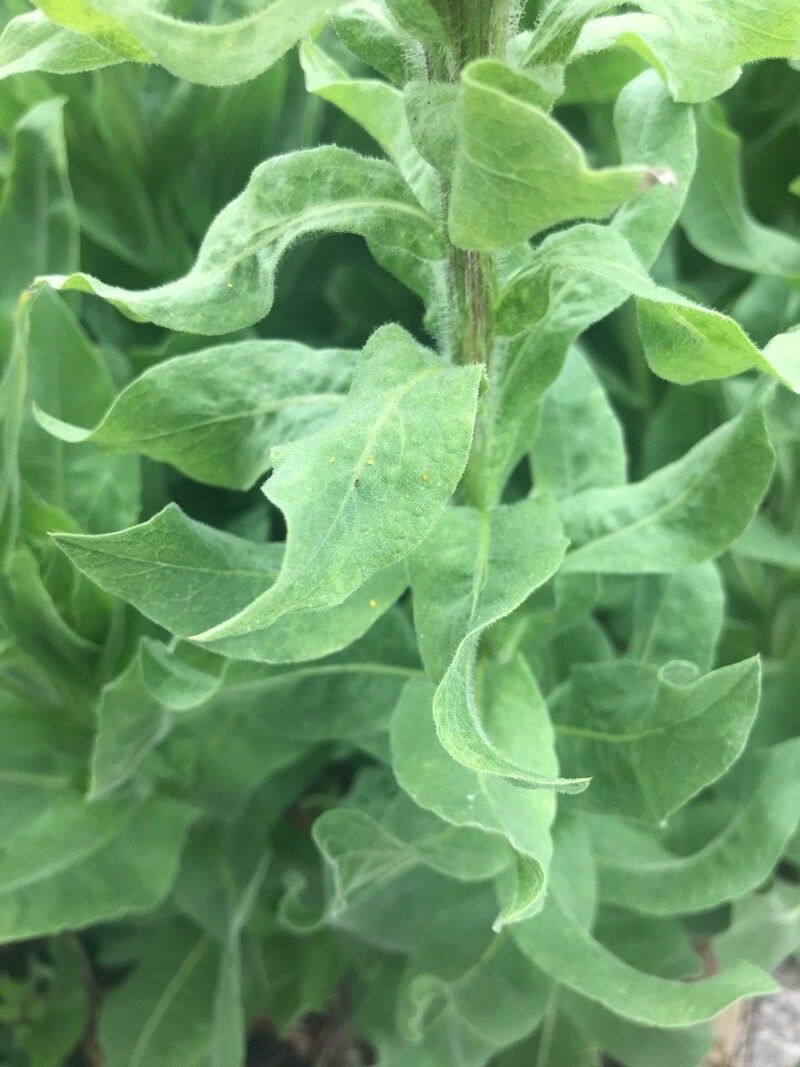
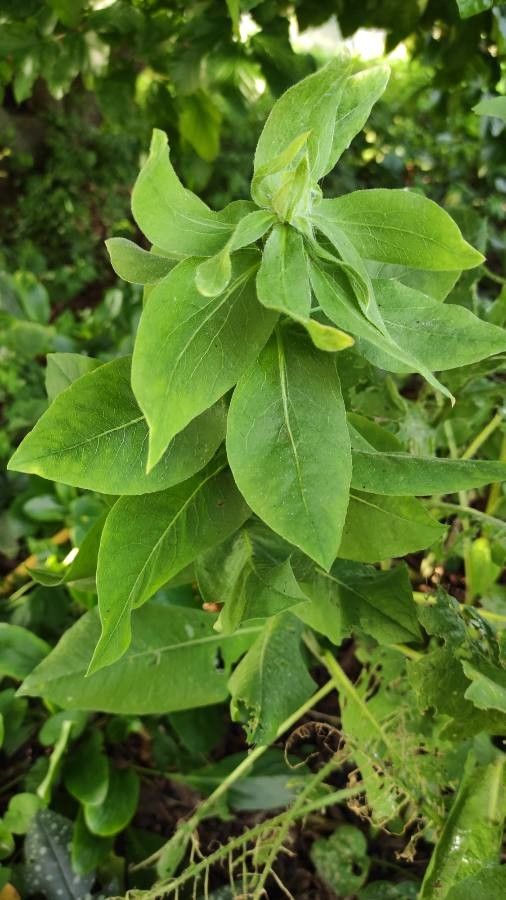
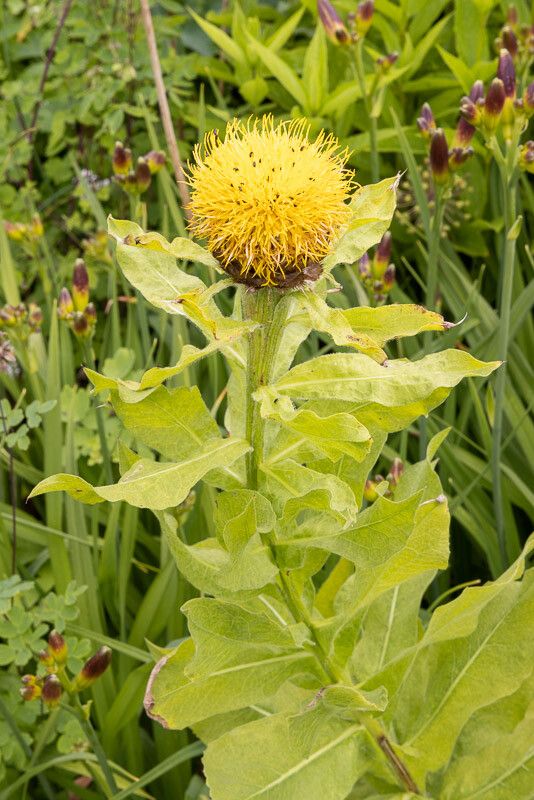
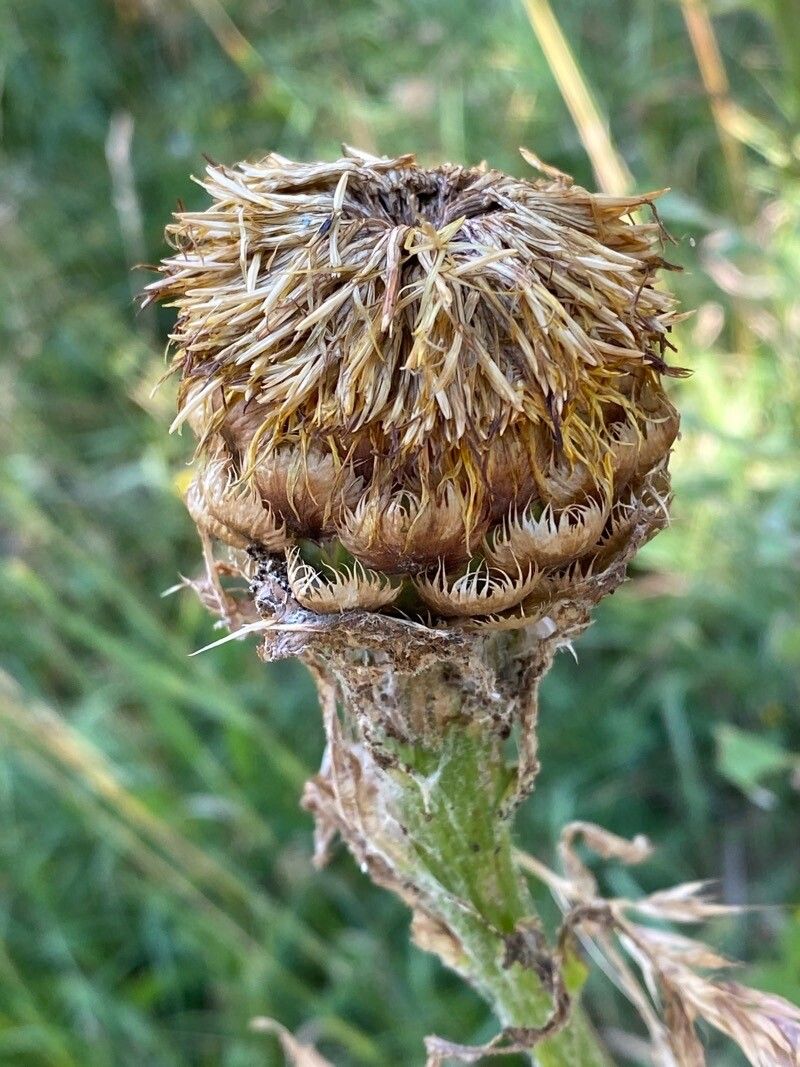
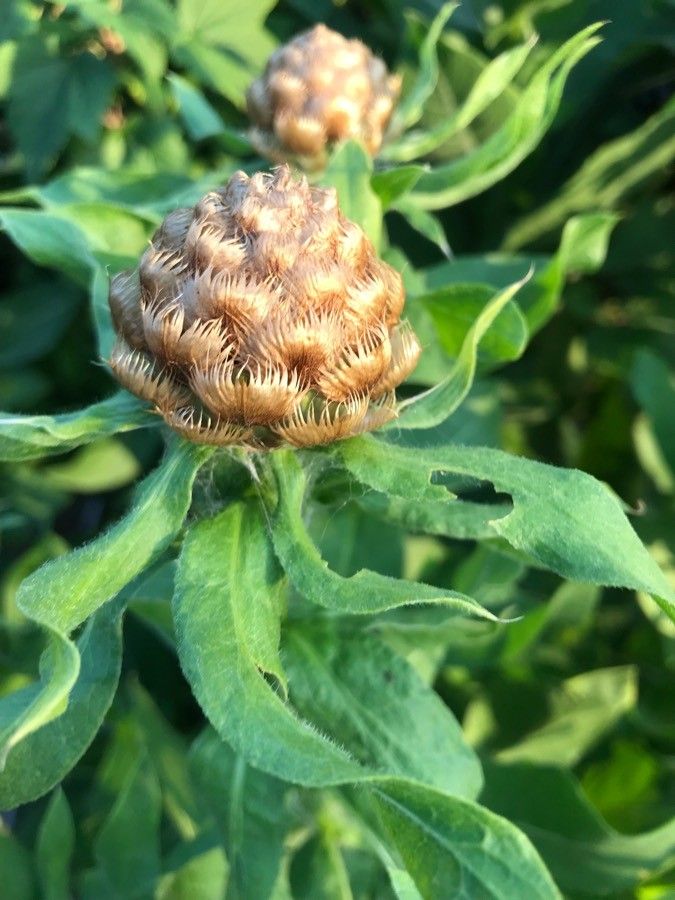
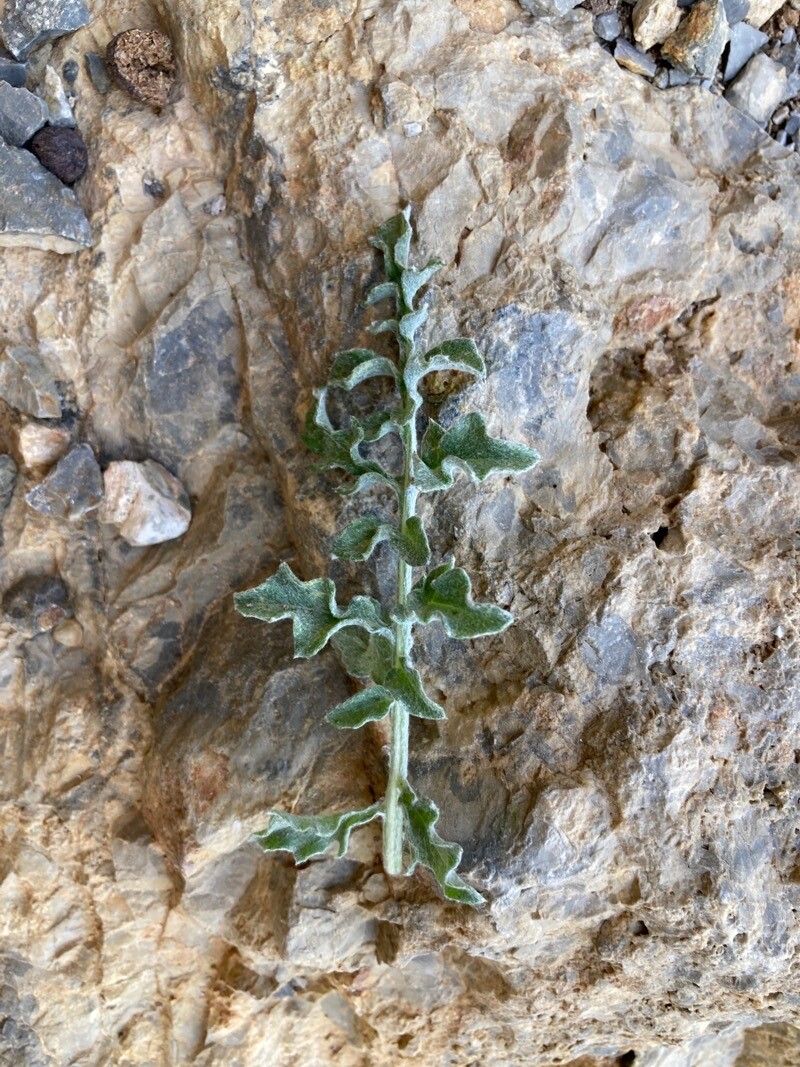
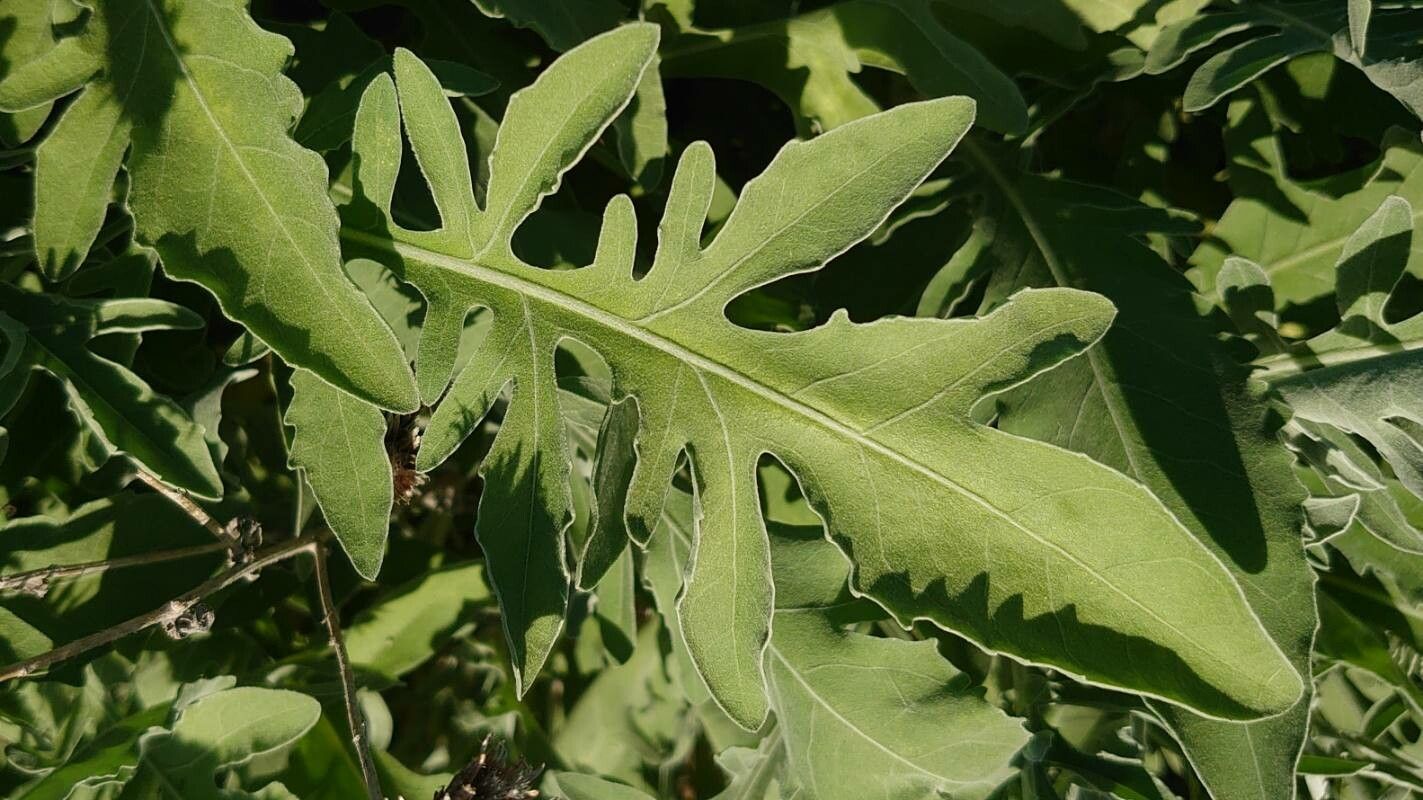
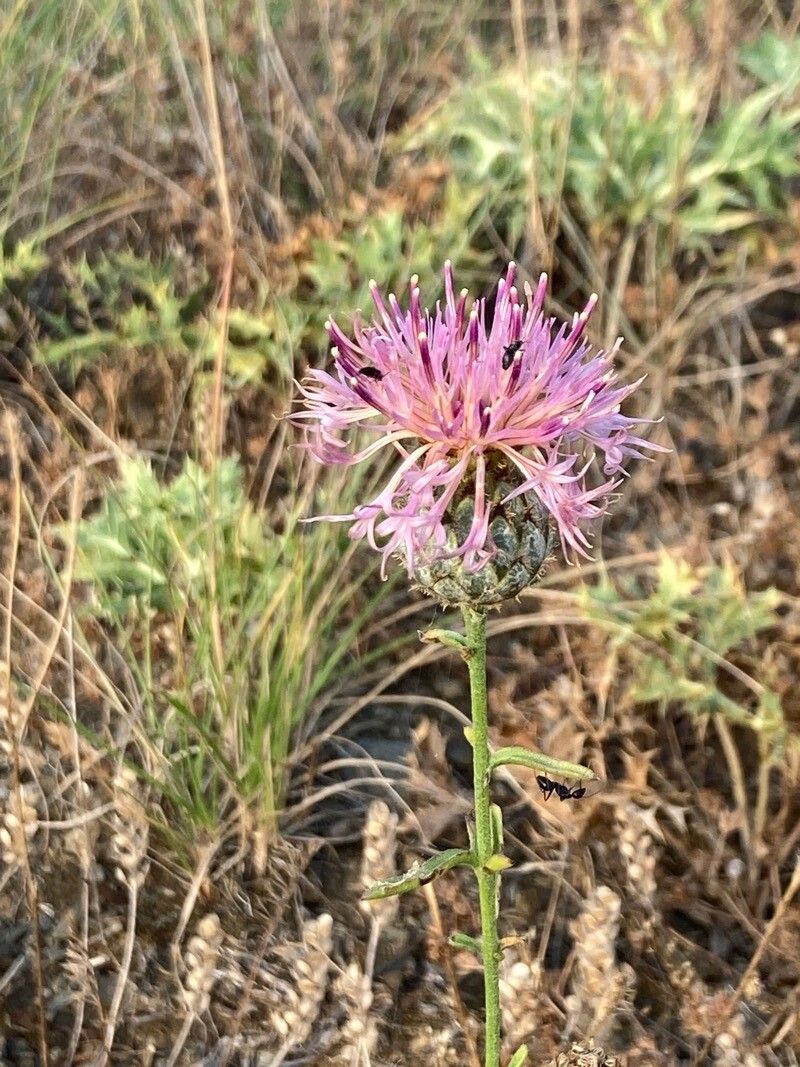
Centaurea macrocephala, commonly known as bighead knapweed, is a perennial herbaceous plant that belongs to the Asteraceae family. Native to Central Asia, it can be found in countries such as Kazakhstan, Kyrgyzstan, and Uzbekistan. This plant typically grows 1 to 2 meters tall and features a sturdy stem with numerous branches. The leaves are lanceolate or oblong, and they have serrated edges.
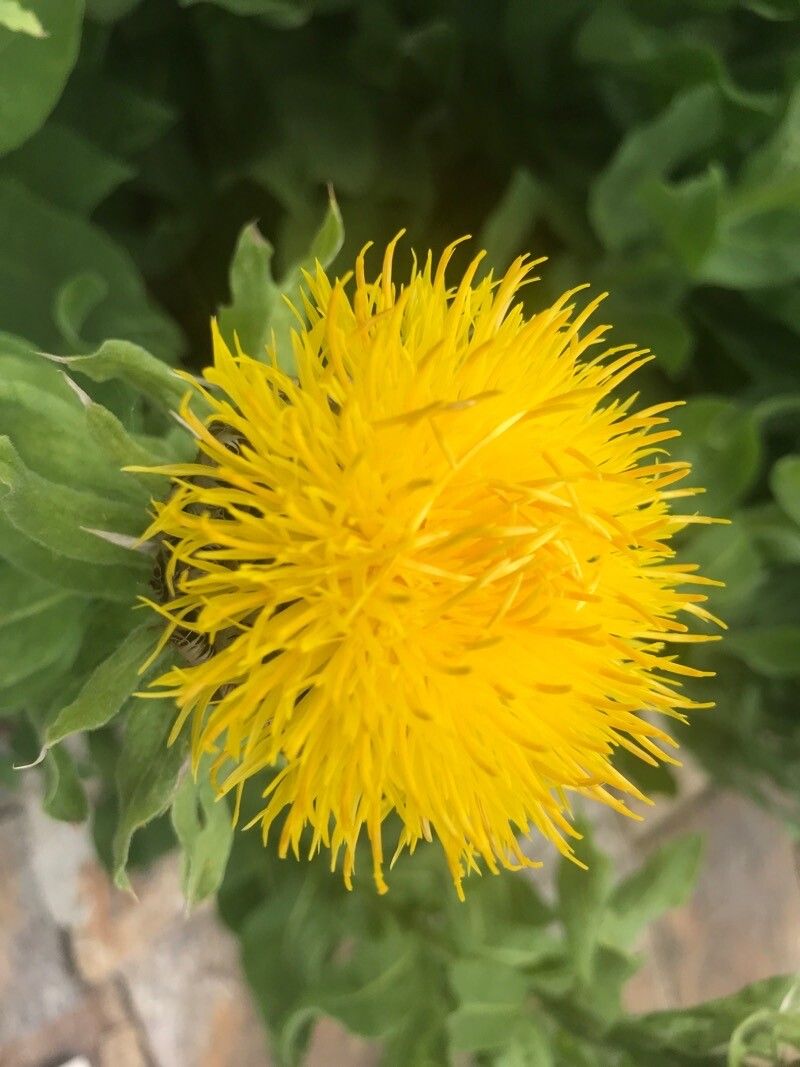
The flowers of Centaurea macrocephala are large and striking, with bright yellow petals surrounding a brownish-yellow central disk. These flowers bloom from June to August and attract bees, butterflies, and other pollinators.
Centaurea macrocephala thrives in full sun but can tolerate partial shade in well-drained soils. While it is drought-tolerant once established, the plant requires regular watering during its first growing season.
Traditionally, the plant has been used for its anti-inflammatory properties in medicinal applications. Additionally, its roots have been used as a natural dye for textiles.
Overall, Centaurea macrocephala is an attractive ornamental plant that adds vibrant color to gardens and provides ecological benefits by attracting pollinators such as bees and butterflies.
Big-head knapweed is fairly resistant to disease and generally not prone to illnesses. Nevertheless, it can be vulnerable to pests and diseases present in its surroundings. These problems are typically not severe. As for care, this plant requires moderate maintenance. It should be pruned regularly to preserve a neat appearance and support healthy growth. Fertilizing can also help encourage flowering. Big-head knapweed is well suited for anyone with outdoor space, such as a garden or patio, and does not need extensive care experience. It may demand more attention when grown indoors.
How to keep Centaurea Macrocephala.
Light
Big-head knapweed requires ample sunlight to grow vigorously and reacts favorably to sunny conditions. Its habitat needs are a result of evolving in places with abundant daylight. While it can tolerate lower light levels, inadequate sun can impede its growth or result in poor flowering.
Water
Big-head knapweed, which comes from mountainous areas, prefers moderate moisture but can tolerate dry conditions. For healthy growth, it needs regular weekly watering. In outdoor gardens, it benefits from natural rainfall during the growing season, which helps boost its flowering.
Temperature
Big-head knapweed originates from areas with mild temperatures and favors a range of 68 to 95 °F (20 to 35 ℃). Seasonal adjustments may be required if temperatures rise above or fall below that range.
Fertilizer
The best time to fertilize a Big-head knapweed is in early spring, as it is coming out of dormancy and beginning active growth. Feeding supplies essential nutrients needed for healthy development. Although Big-head knapweed has fairly low fertilizer requirements, applying fertilizer once a year can improve its survival and result in better, longer-lasting flowers.
Pruning
The big-head knapweed is known for its large flower heads and benefits greatly from pruning between early and late spring. To improve airflow and reduce the risk of disease, it's important to remove any dead stems. Regular, light trimming not only promotes growth but also helps maintain the plant's shape and enhances its appearance. Additionally, cutting back the spent flowers encourages the growth of new blooms.
Botanical profile.
- Plant Type
- Herb
- Life Cycle
- Perennial, Annual, Biennial
- Genus
- Centaurea
- Family
- Asteraceae
- Hardiness Zone
- 3-8
- Mature Height
- 0.91 m to 1.22 m
- Mature Spread
- 49 cm
- Leaf Color
- Green
- Leaf Type
- Deciduous
- Flower Color
- Gold, Yellow
- Flower Size
- 5.08 cm to 7.62 cm
- Bloom Time
- Early summer, Mid summer
- Planting Time
- Spring, Summer, Autumn
- Harvest Time
- Late summer, Early fall
- Native Area
- Azerbaijan, Iran, Armenia, Turkey
Other names.
Reader questions.
How should I water my Big-head knapweed?
To properly water the Big-head knapweed, it is best to use filtered water at room temperature. Tap water may contain harmful particles that could be detrimental to the plant's health. Since the Big-head knapweed thrives in warm environments, it is important to use room temperature or slightly warmer water to prevent shocking its system. Additionally, it is recommended to avoid watering the plant from above, as this can cause issues with its leaves. Instead, gently apply the filtered room temperature water directly to the soil until it is fully soaked. This method benefits the plant by providing moisture to the roots and assisting them in spreading throughout the soil to obtain necessary nutrients.
Why do I need to add plant food to my Big-head knapweed?
Fertilization is important for the Big-head knapweed because it provides necessary nutrients for the plant's growth. While the overall fertilization needs of the Big-head knapweed are low, annual fertilization can greatly benefit the plant. It helps keep the plant alive and promotes the production of beautiful, long-lasting flowers. Therefore, those who want their Big-head knapweed to thrive should maintain regular annual fertilization.
What are the sunlight requirements for Big-head Knapweed?
Big-head Knapweed requires full sun, meaning it should receive above 6 hours of sunlight daily for optimal growth. It can also tolerate partial sun, which amounts to about 3-6 hours of sunlight. Observing the movement of sunlight through your garden helps in choosing spots that provide the perfect balance of light and shade for your plants, ensuring their well-being.
What is the optimal temperature range for Big-head knapweed?
Big-head knapweed thrives in moderate temperatures, specifically between 68 to 95 °F (20 to 35 °C). It's adaptable to seasonal changes but performing adjustments to its environment when temperatures are expected to go beyond or drop below this preferred range enhances its growth and health.
What should I do if I give too much or too little water to my Big-head knapweed?
Overwatering is a more common issue that can harm your Big-head knapweed. It causes wilting and yellowing of stems and leaves. Overwatering for a long time can lead to diseases like root rot, mold, and mildew, which can be deadly for your plant. Underwatering is less common due to the plant's tolerance for drought. However, when it happens, the leaves become brittle and brown. It's important to notice signs of overwatering early to prevent irreparable damage. Reduce watering if you see early signs and check the soil's drainage. Replace poorly draining soil with a loose, well-draining potting mix. If your Big-head knapweed is not receiving enough water, water more regularly until signs of underwatering improve.
When should I fertilize my Big-head knapweed for the best results?
The best time to fertilize a Big-head knapweed is in the late winter to early spring when it transitions from dormancy to active growth. Fertilizing during this time helps promote healthy growth and a strong start to the season. While early spring is generally the most beneficial, fall is also an acceptable time to fertilize. However, it is not recommended to fertilize during the summer or winter seasons.
Why is sufficient sunlight important for Big-head Knapweed?
Sufficient sunlight is crucial for Big-head Knapweed's growth and blooming. Originating from regions with abundant daylight, it thrives under ample solar exposure. While it can survive in less sunny conditions, a lack of sunlight may stunt its growth and affect blossoming. For indoor plants, artificial lighting can compensate for insufficient natural light, enhancing growth and health.
Does Big-head knapweed require special frost protection during winter?
Big-head knapweed is notable for its strong cold resistance, negating the need for special frost protection measures during winter in most cases. However, when winter temperatures are anticipated to fall below -35°C, it becomes important to safeguard the plant against the cold. Methods include covering the plant with soil or straw to shield it. Additionally, watering the plant abundantly before the first freeze in autumn to maintain soil moisture is recommended, helping to prevent drought and water scarcities during winter and early spring.
How frequently do I need to water my Big-head knapweed?
If your Big-head knapweed is in a pot, the most accurate way to determine if it needs watering is to check the soil by putting your finger in it. If the top two to three inches of soil are dry, it needs water. If you are growing your Big-head knapweed outdoors in the ground, you can use a similar method. When you find that the first few inches of soil are dry, it is time to water. Typically, you will need to water this plant about once a week during spring and early fall. However, during extremely hot weather, you may need to increase watering to two or more times per week. It's worth noting that mature, well-established Big-head knapweed can tolerate drought well.
When is the best time to not use fertilizer on my Big-head knapweed?
To properly fertilize your Big-head knapweed, it is best to do so during the late winter and early spring. This plant has low fertilization needs, so a single annual feeding is enough. Fertilizing during spring, summer, and fall can lead to overfertilization and its associated complications, unless you missed fertilizing in spring, in which case fall fertilization is acceptable. Avoid fertilizing during most of the growing season. Additionally, there is no need to fertilize during winter when the plant is in a dormant phase and not growing.
How can artificial lighting support plant growth indoors?
Indoor plants benefit significantly from artificial lighting, especially when natural sunlight is scarce, such as during winter or in less sunny spaces. LED lights are recommended for their ability to provide specific light wavelengths. The light intensity should mimic natural sunlight conditions for full sun and partial sun plants, with specific wattages and distances from the plants suggested to ensure optimal growth.
How should I care for Big-head knapweed in low temperatures?
Big-head knapweed is cold-tolerant and fares well above 20°C. It should remain above 0°C during winter. In cases where temperatures plummet below -35°C, while the plant may not exhibit immediate changes, there could be a decrease in sprouting or a total absence of it come spring. To manage this, remove parts that failed to sprout in spring as part of its care routine.