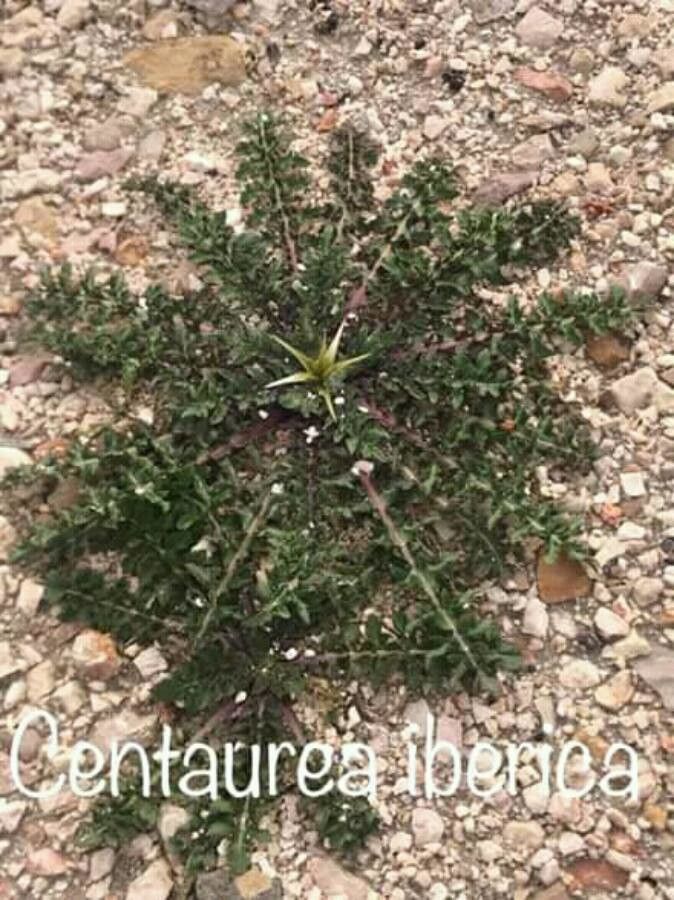
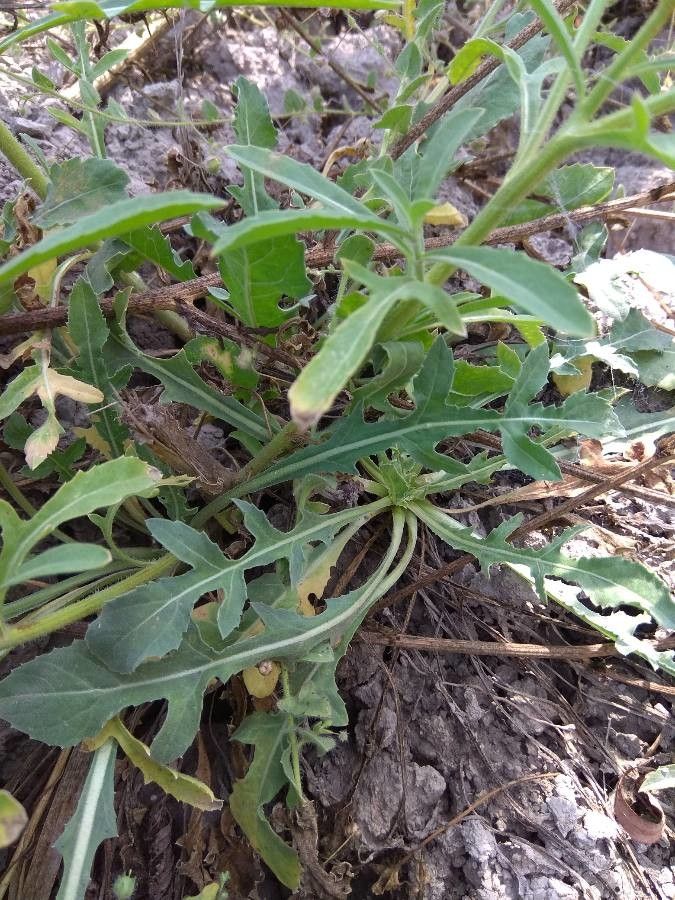
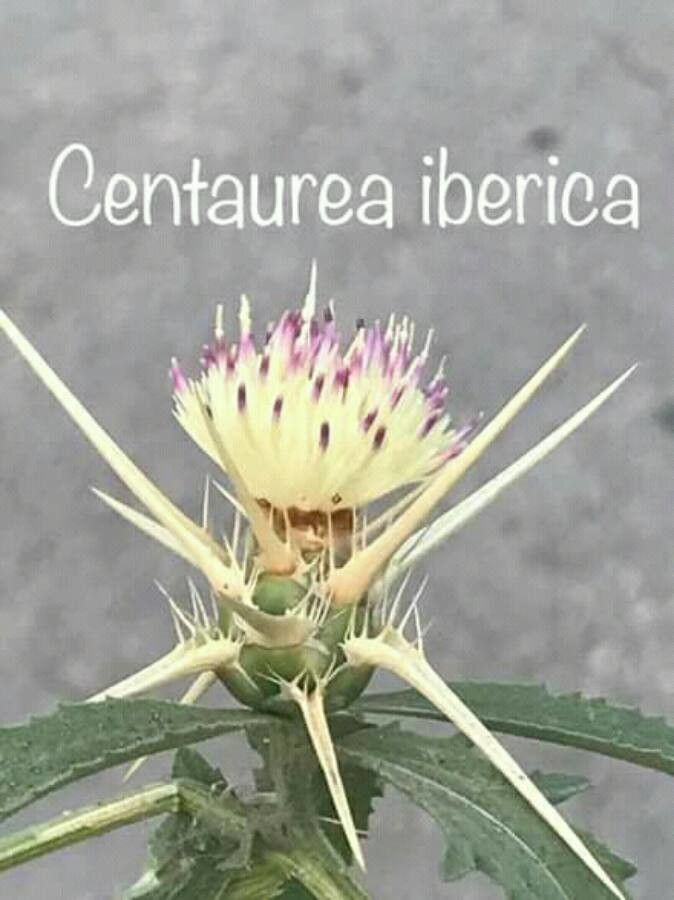
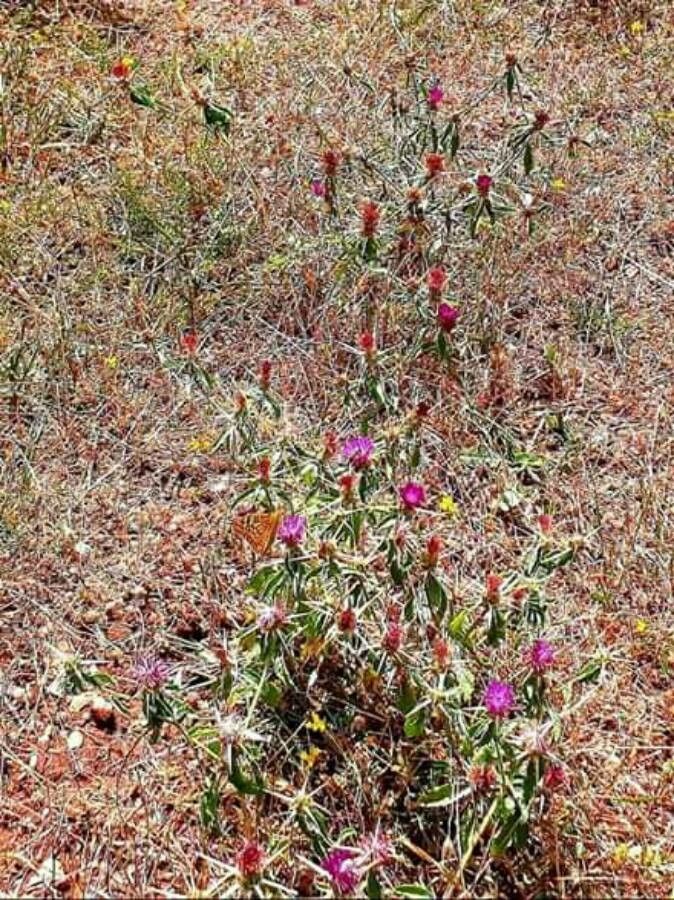
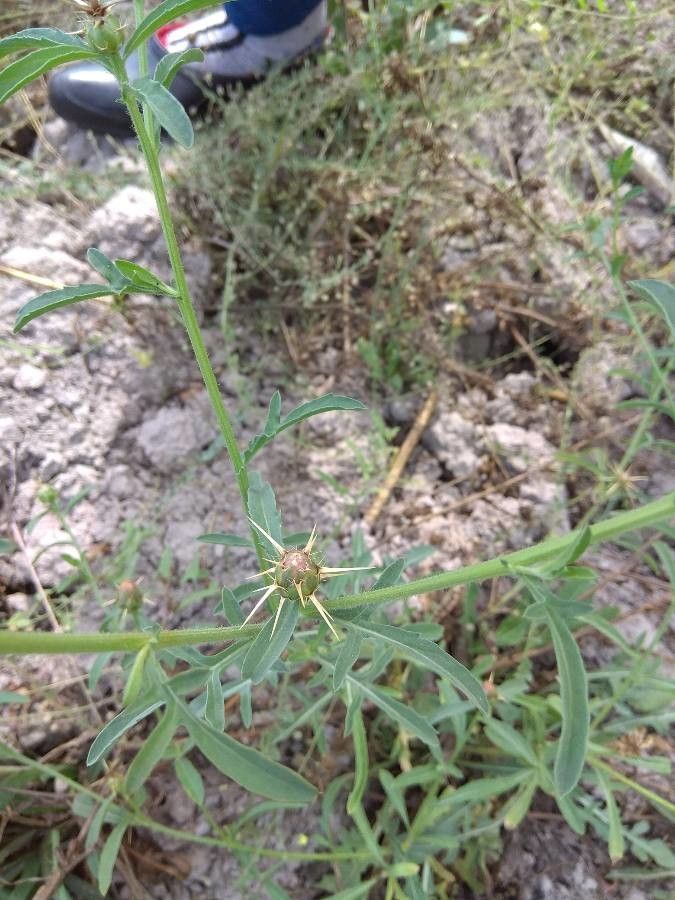
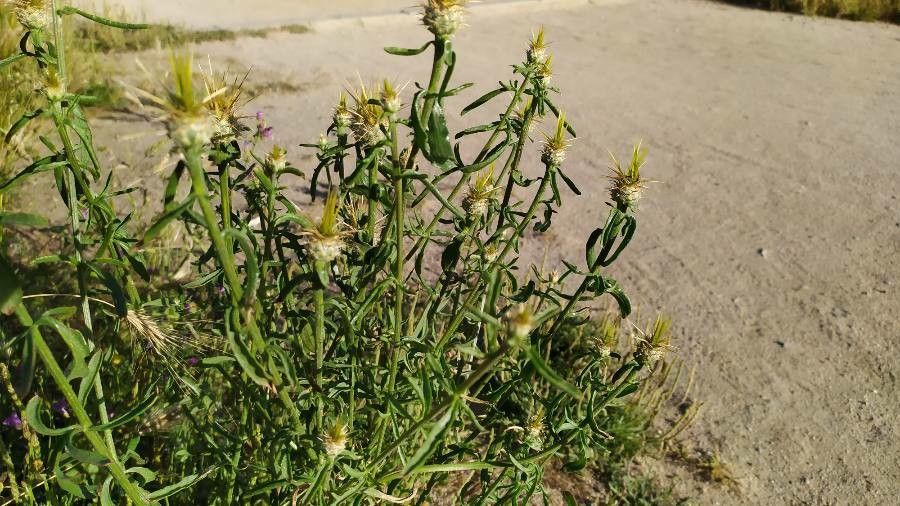
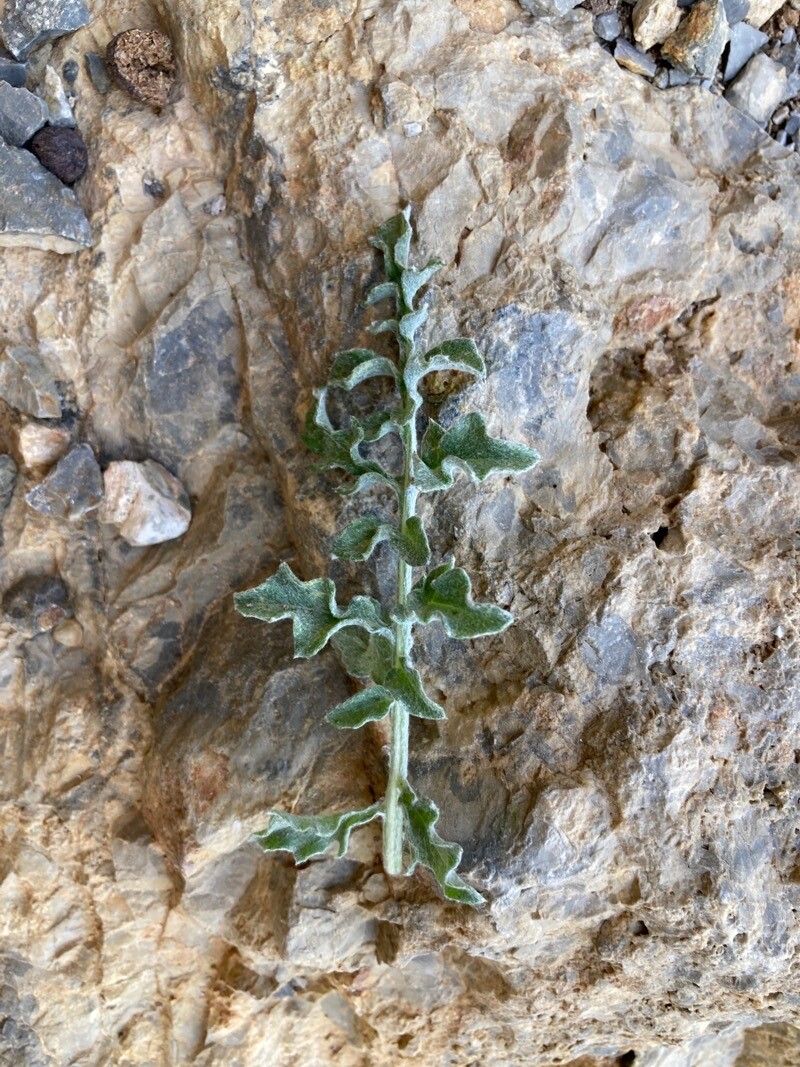
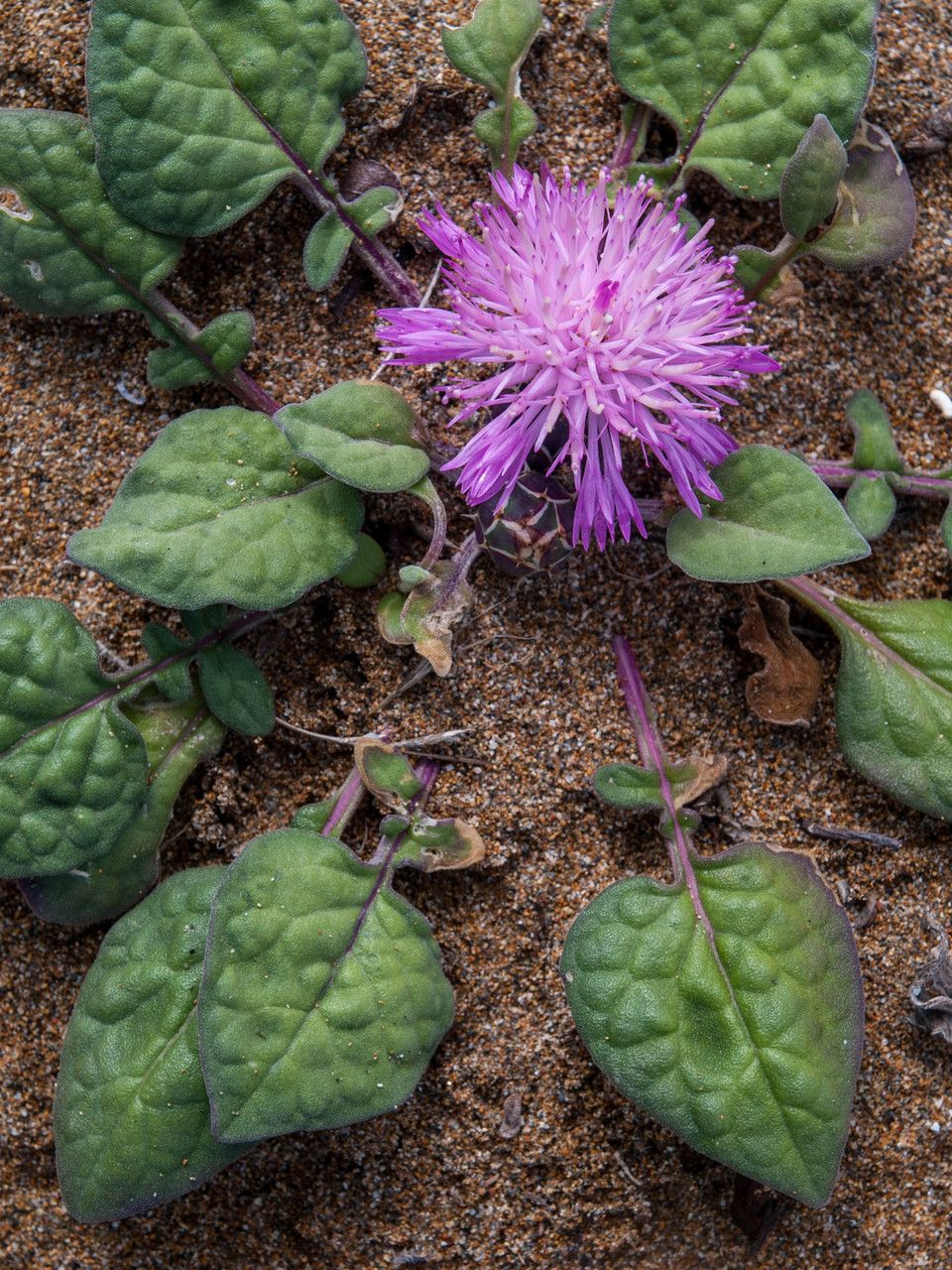
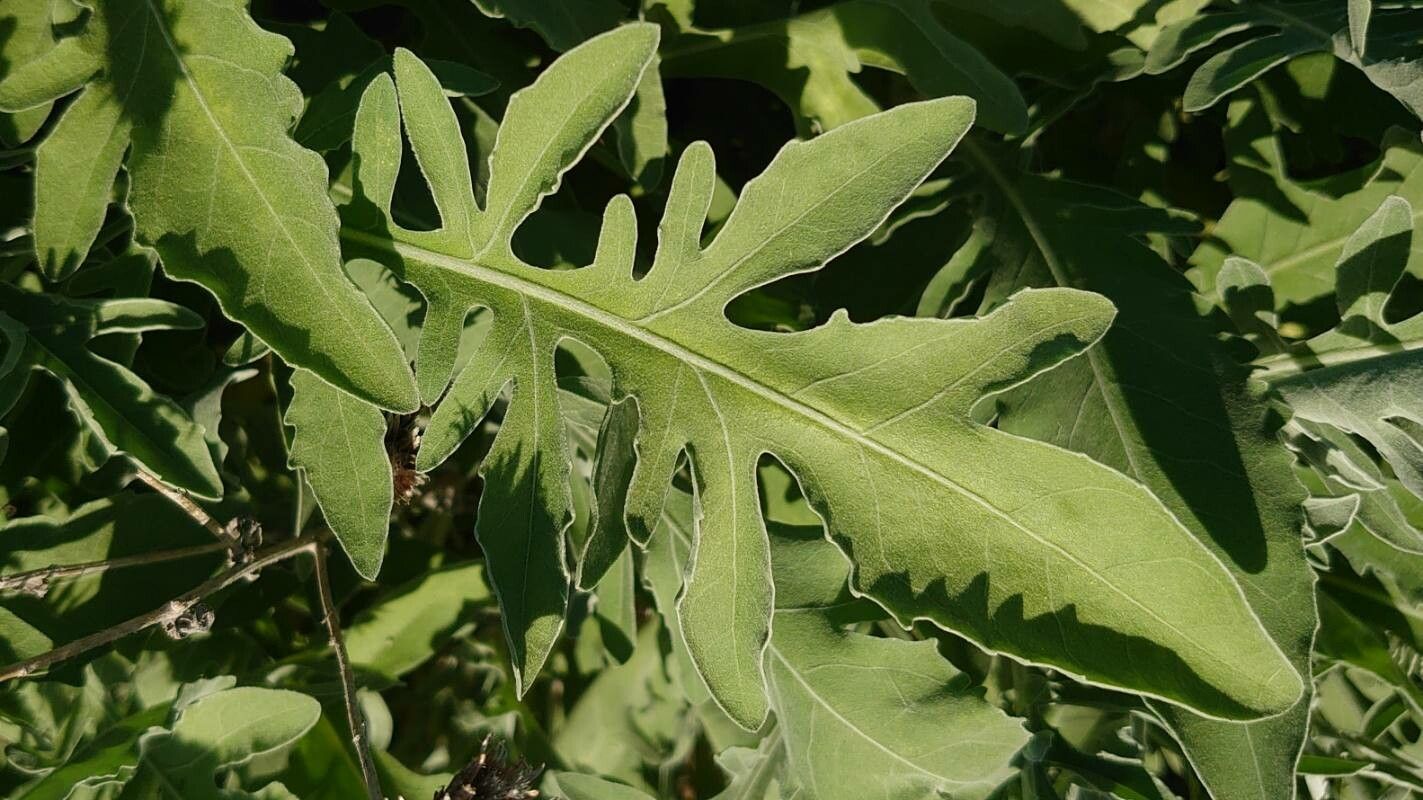
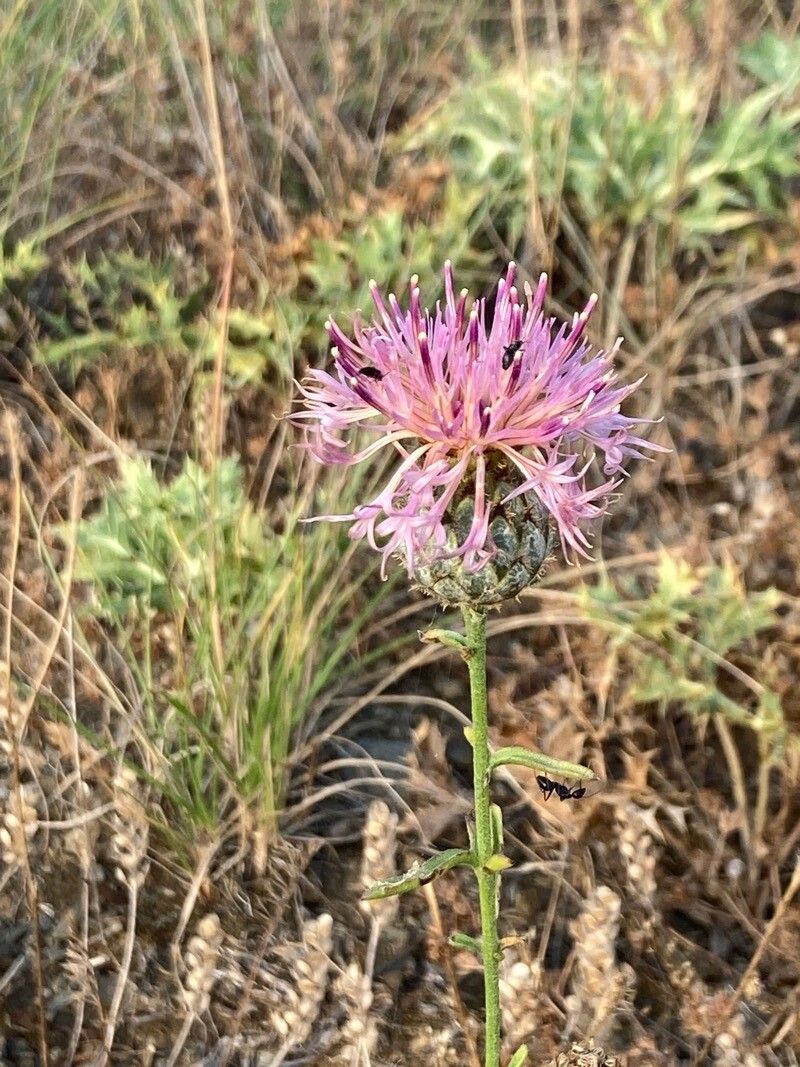
Centaurea iberica, the Iberian knapweed or Iberian star-thistle, is a species of Centaurea. It is native to southeastern Europe and southwestern Asia. It is known elsewhere as an introduced species and a noxious weed.
Iberian star-thistle has good resistance to disease and is generally not likely to develop illnesses. However, it can be vulnerable to pests and diseases found in its vicinity. These infections are generally mild. In terms of care, the plant needs a moderate amount of maintenance. It should be pruned regularly to keep a neat appearance and support healthy growth. Fertilizing can also encourage flowering. Iberian star-thistle is appropriate for anyone with outdoor space, such as a garden or patio, and does not require extensive care experience. It may demand more attention when grown indoors.
How to keep Centaurea Iberica.
Light
The iberian star-thistle does best in full light. It comes from habitats with plentiful sunshine. Although inadequate light can limit its growth, it can still survive. Very intense sun may cause some stress, yet the plant is resilient and will not easily die.
Water
The Iberian star-thistle, native to dry habitats, is drought-resistant and requires minimal care. Watering it once a week is sufficient. This plant thrives outdoors, benefiting from rainfall during the growing season, which aids its robust growth in diverse weather conditions.
Temperature
Iberian star-thistle originates from areas with moderately warm climates. It grows best at temperatures between 68 and 95 °F (20 to 35 °C). If temperatures fall below this preferred range, seasonal adjustments may be necessary.
Fertilizer
The best time to fertilize an Iberian star-thistle is in early spring, as it emerges from dormancy and starts active growth. Fertilizing supplies essential nutrients for healthy development. Although the Iberian star-thistle has relatively low fertilizer requirements, an annual application can improve its survival and encourage better, longer-lasting flowers.
Pruning
Iberian star-thistle benefits greatly from pruning between early and late spring. This practice encourages growth and helps prevent the spread of seeds. By removing dead stems and thinning crowded areas, you can enhance air circulation and light exposure. Regular pruning not only controls the plant's invasiveness but also boosts its vigor and ornamental appeal. Remember to use clean, sharp tools to minimize the risk of disease.
Botanical profile.
- Plant Type
- Herb
- Life Cycle
- Perennial, Biennial
- Genus
- Centaurea
- Family
- Asteraceae
- Hardiness Zone
- 5-9
- Mature Height
- 20 cm to 91 cm
- Mature Spread
- 30 cm to 61 cm
- Leaf Color
- Green, Dark Green
- Leaf Type
- Semi-evergreen
- Flower Color
- Purple, Pink
- Flower Size
- 1.27 cm to 2.03 cm
- Bloom Time
- Summer
- Planting Time
- Summer
- Harvest Time
- Late summer, Early fall, Mid fall
- Native Area
- Tajikistan, Turkey, India, Cyprus, Bulgaria, Pakistan, Armenia, Greece, Ukraine, China, Uzbekistan, Lebanon, Afghanistan, Iraq, Syria, Jordan, Kyrgyzstan, Kazakhstan, Israel, Iran, Azerbaijan, Romania, Turkmenistan
Other names.
Reader questions.
What are the sunlight requirements for Iberian star-thistle?
Iberian star-thistle requires full sun, meaning it thrives best with above 6 hours of sunlight daily, though it can also tolerate partial sun, about 3-6 hours of sunlight. It's important to observe how sunlight moves through your garden to find spots that provide a balanced environment of light and shade for your plants. This ensures your plants' happiness and promotes healthy growth.
What is the native temperature range for Iberian star-thistle?
Iberian star-thistle is native to regions with moderately warm temperatures and thrives well within a temperature range of 68 to 95°F (20 to 35°C). It requires seasonal adjustments if the temperature falls below its preferred range. Despite its strong cold resistance, measures against extreme cold below -25°C may still be necessary, such as covering the plant with soil or straw and watering abundantly before the first freeze in autumn to maintain soil moisture.
What are the essentials for growing Iberian star-thistle?
The Iberian star-thistle thrives under full-light conditions, originating from environments rich in sunshine. While it can survive under less light, its growth may be stunted, and excessive exposure can cause stress, though the plant is resilient. Inadequate natural light can be compensated with artificial lighting. For optimal indoor growth, especially in winter or less sunny areas, artificial lights like LEDs are beneficial. These should be tailored to the plant's light needs, providing 30-50W/sq ft for full sun plants, 20-30W/sq ft for partial sun, and 10-20W/sq ft for full shade plants. The light source should be placed 12-36 inches above the plant for 8-12 hours per day to mimic natural sunlight.
How does Iberian star-thistle react to low temperatures?
Iberian star-thistle is cold tolerant, best thriving above 20°C, and should be kept above 0°C during winter. Although it may not show noticeable changes when temperatures fall below -25°C during winter, there could be a decrease in sprouting or even a lack of sprouting in spring. To manage this, it is recommended to remove any parts that have failed to sprout when spring arrives.
What are common symptoms of improper lighting for Iberian star-thistle?
When Iberian star-thistle doesn't receive adequate lighting, it may show several symptoms. Poor lighting can lead to smaller new leaves, leggy or sparse growth, faster leaf drop, and a halt in new growth, exhibiting the plant's shift to survival mode. Insufficient light may also cause leaves to develop paler colors or irregular patterns, indicating a lack of essential nutrients. Excessive sunlight can lead to chlorosis, sunscald, leaf curling, wilting, and leaf scorching, which negatively affect the plant's health and productivity.
What should be done if Iberian star-thistle experiences high temperatures?
During summer, it is important to ensure that the Iberian star-thistle's temperature does not exceed 35°C. If the temperature goes beyond 38°C, the plant's leaves may turn lighter, curl, become prone to sunburn, and in severe cases, the plant may wilt and dry out. To mitigate these effects, sunburned and dried-up parts should be trimmed away, the plant should be moved to a shaded location or covered with a shade cloth to protect it from midday and afternoon sun, and the soil should be kept moist by watering in the morning and evening.
How can I improve the growth of Iberian star-thistle with insufficient sunlight?
To enhance the growth of Iberian star-thistle in insufficient lighting, gradually acclimate it to sunnier locations, aiming for at least 6 hours of direct sunlight daily. Use south-facing windows for indoor plants, keeping curtains open during daylight hours. If natural light is lacking, consider using artificial lights, such as desk lamps or professional grow lights, for at least 8 hours per day. For outdoor plants, avoid sudden changes in light intensity to prevent sunburn. If sunlight is blocked by obstacles like trees, try pruning or transplanting to a sunnier location, especially during the plant's dormant period for minimal stress.