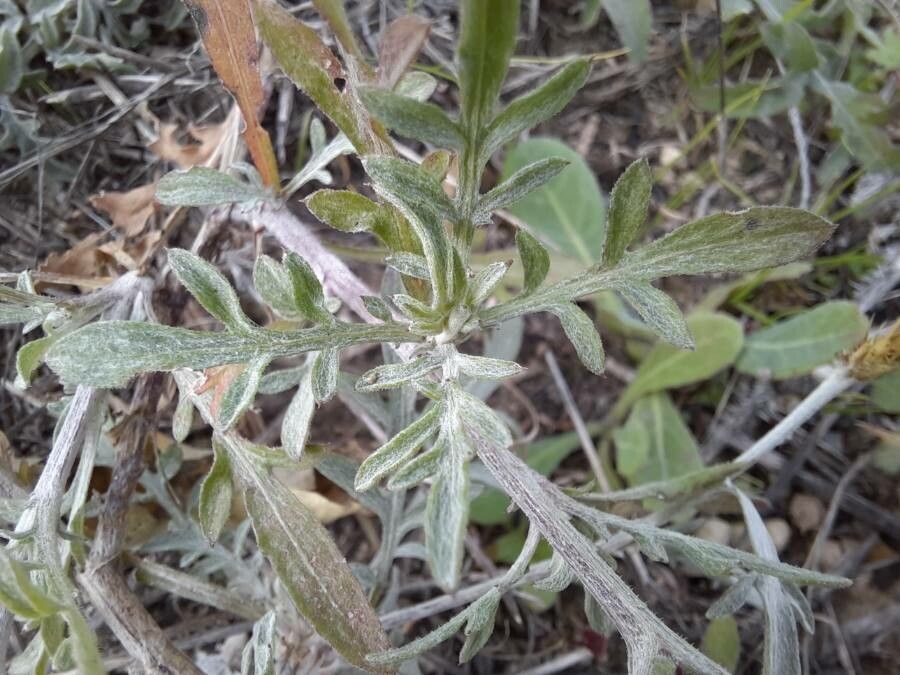
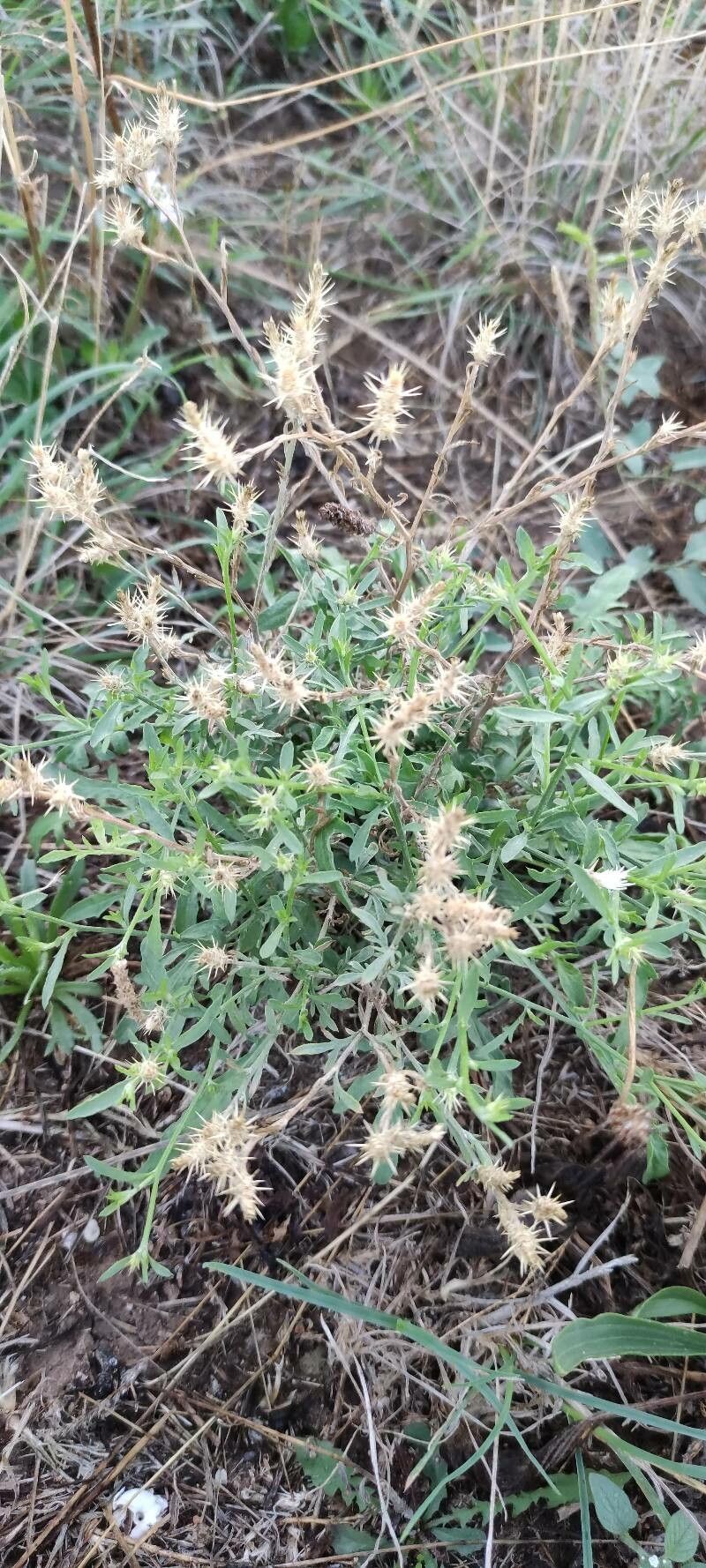
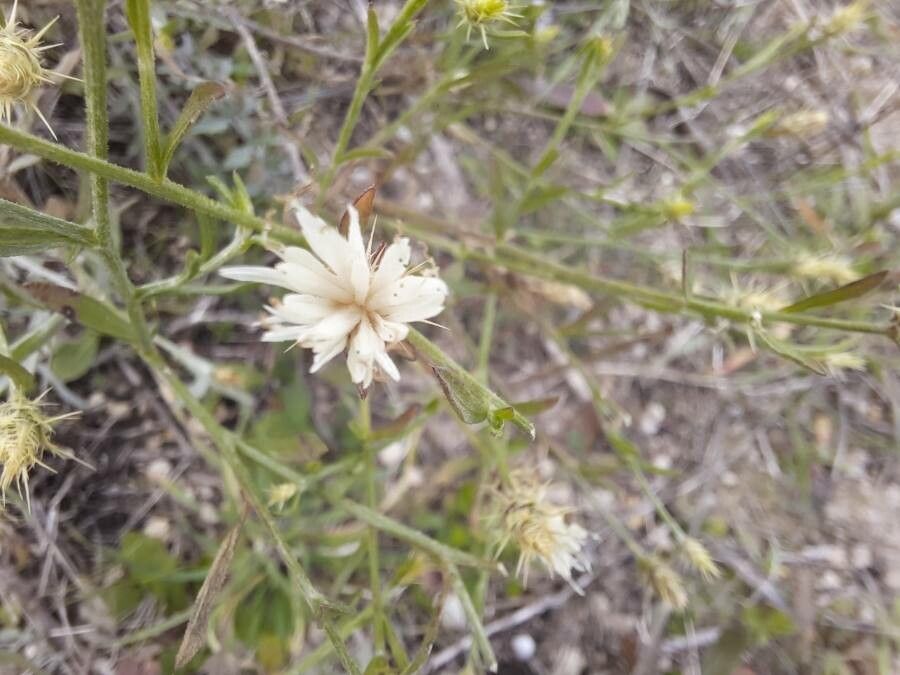
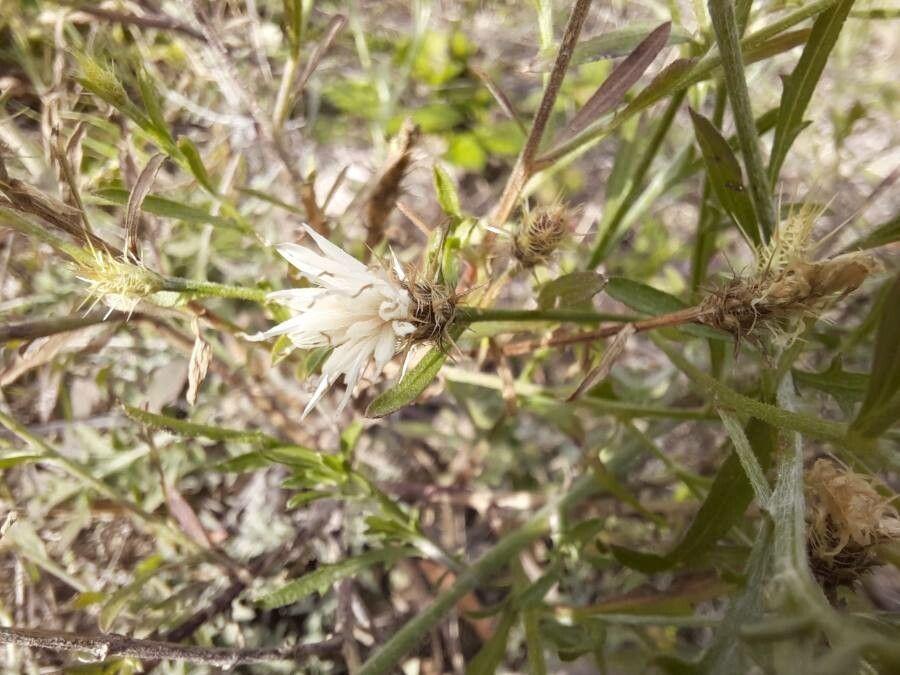
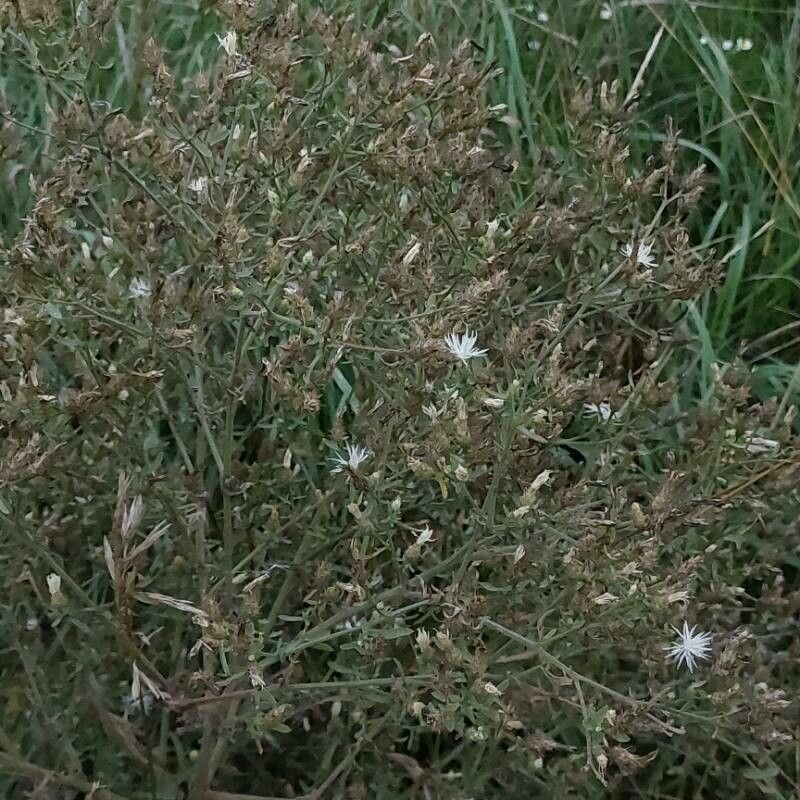
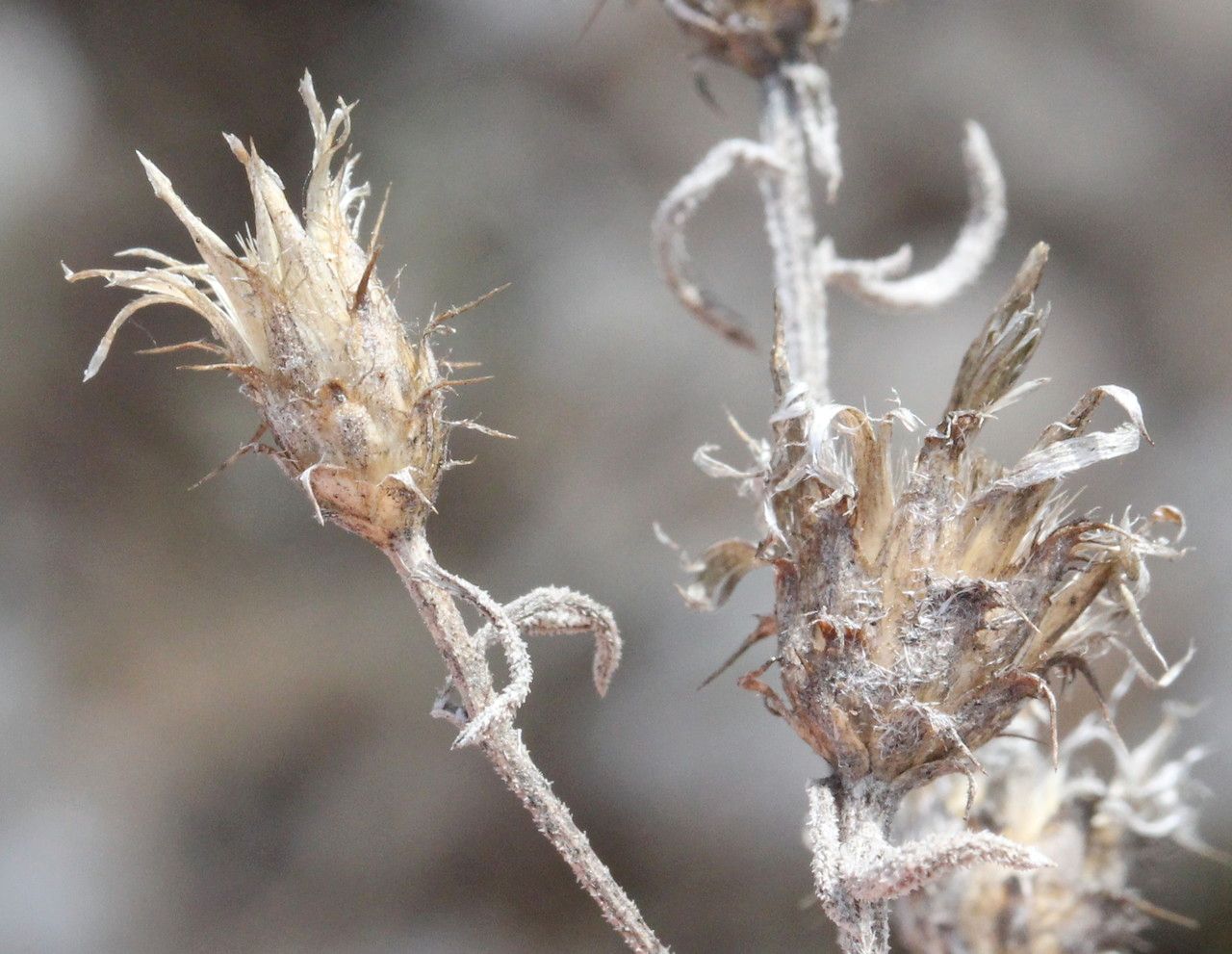
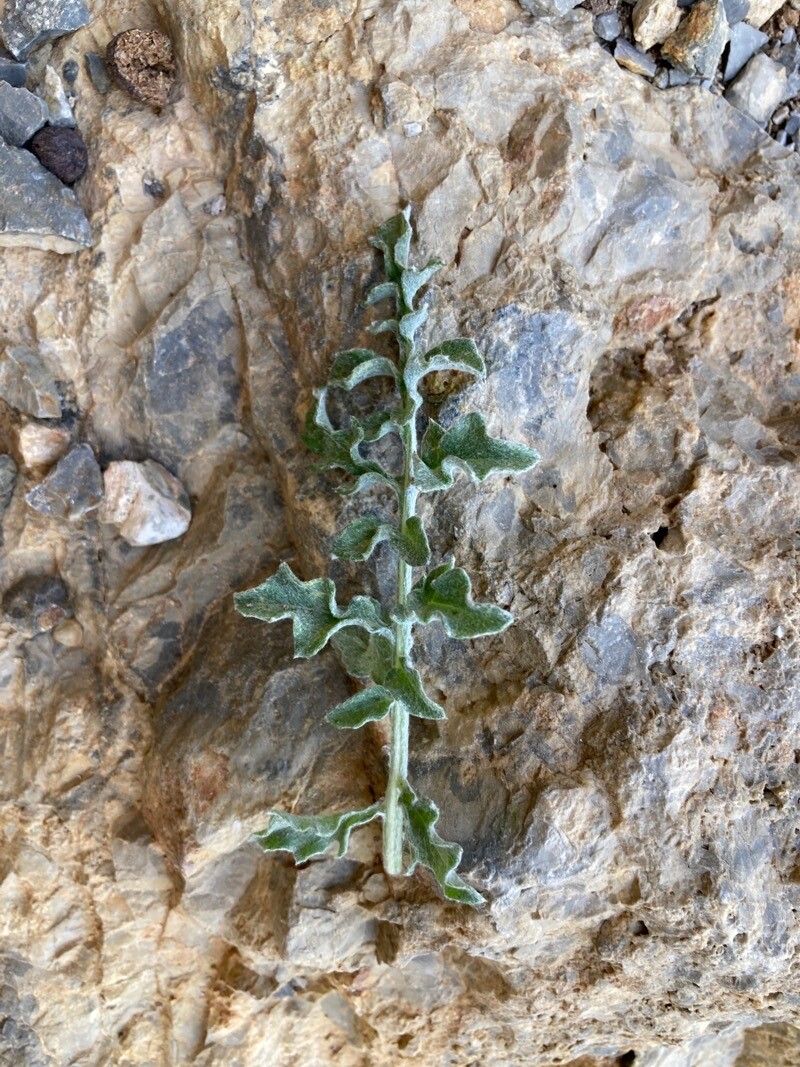
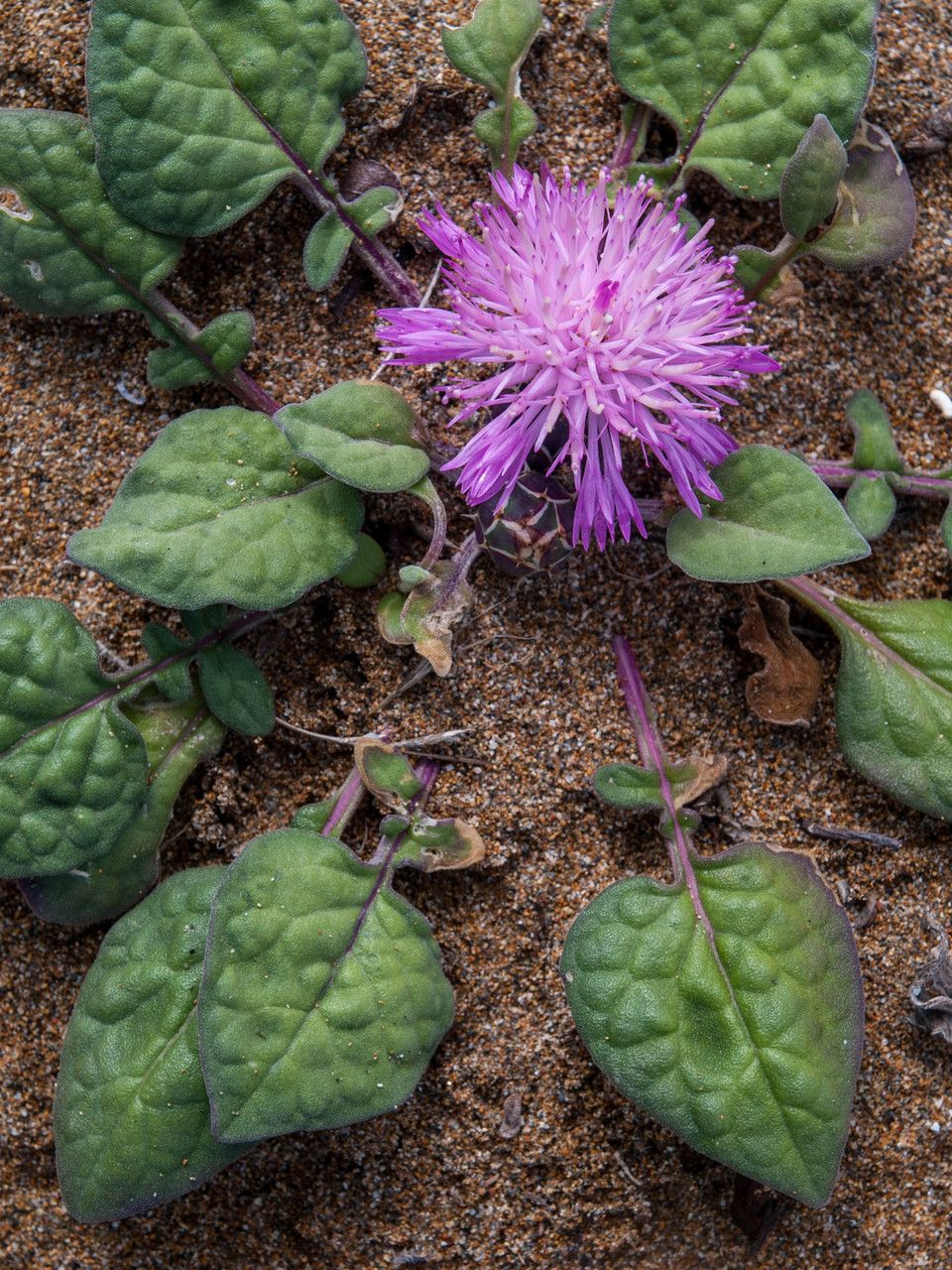
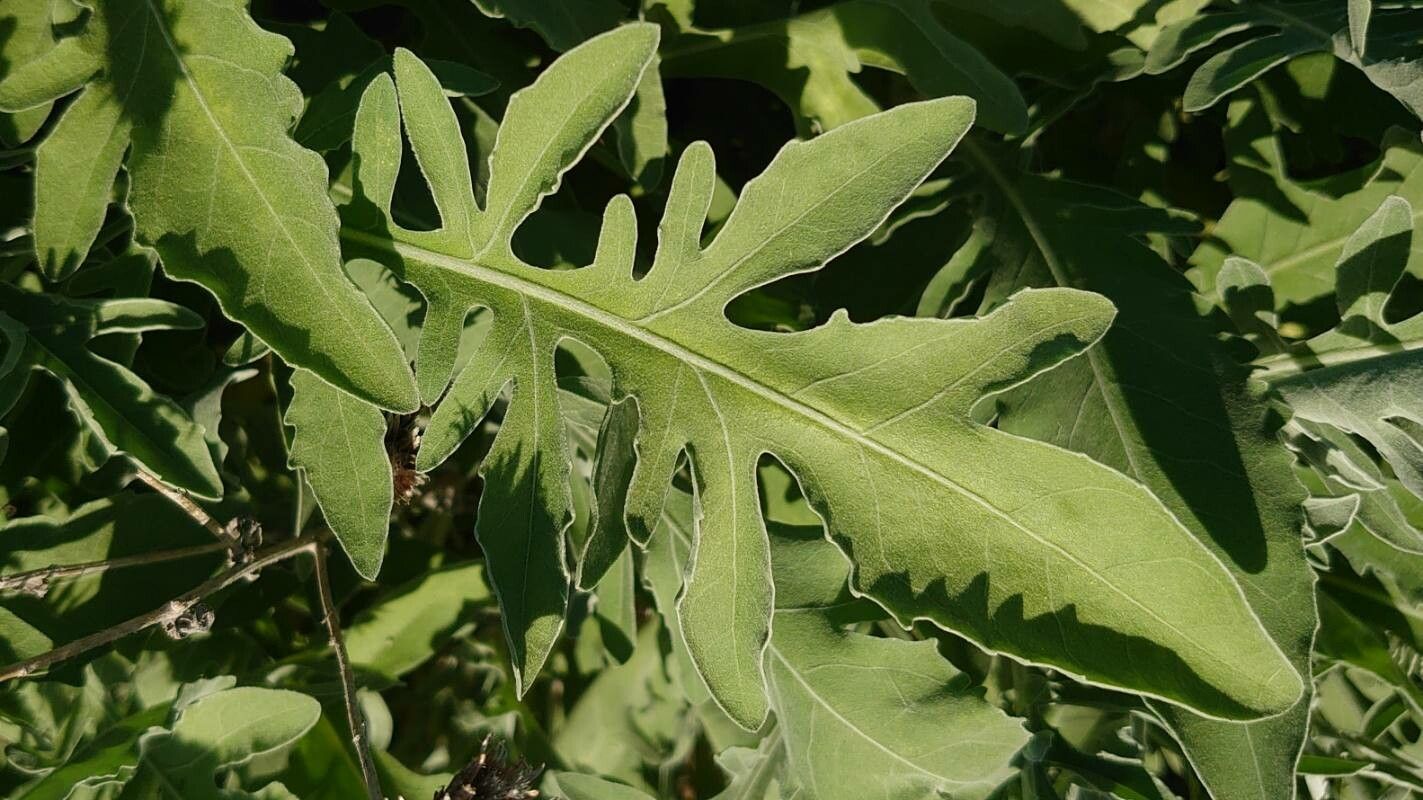
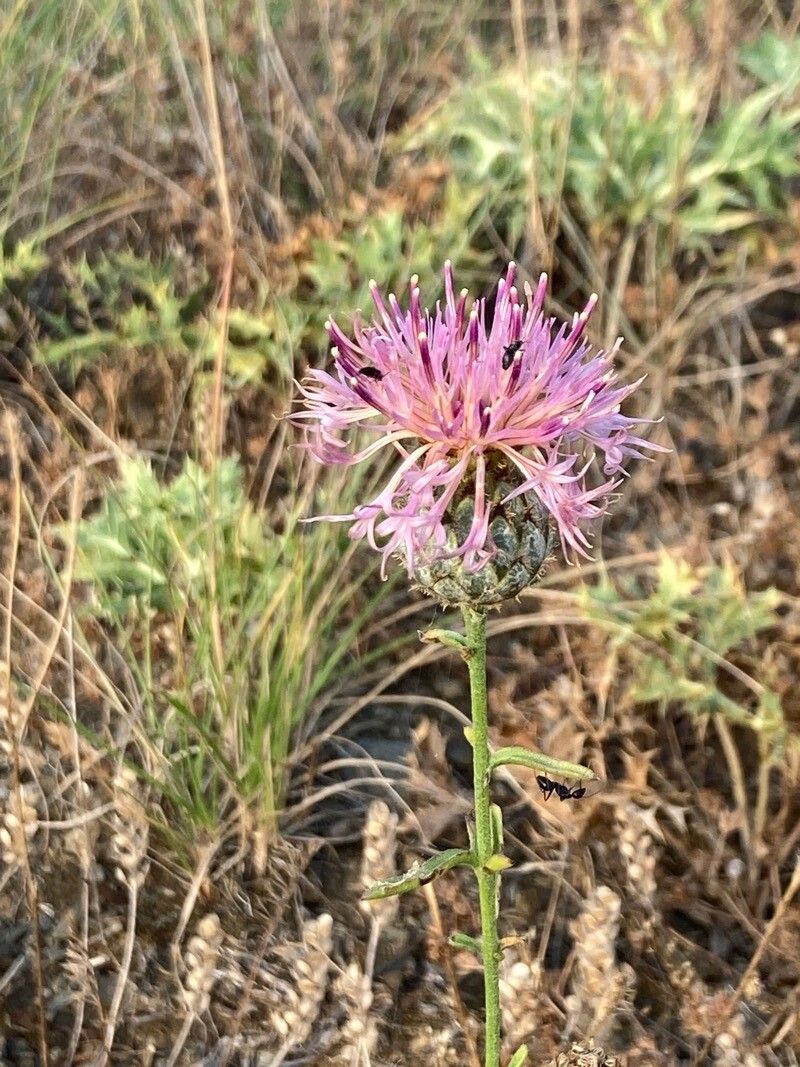
Centaurea diffusa, commonly known as diffuse knapweed, is a perennial herbaceous plant that belongs to the family Asteraceae. Native to Europe and Asia, it has been introduced to North America and other parts of the world. The plant can grow up to 1 meter tall and features a taproot system that can extend 2 meters deep into the soil. The leaves of Centaurea diffusa are deeply lobed with spiny margins, giving them a fern-like appearance. Its pinkish-purple flowers are surrounded by spiny bracts and bloom from June through September. Centaurea diffusa is considered an invasive species in many parts of North America, where it displaces native vegetation due to its aggressive growth habit and allelopathic properties, which allow it to release chemicals that inhibit the growth of other plants. This plant can also reduce forage availability for livestock. Despite its invasive nature, Centaurea diffusa has some medicinal properties. It contains compounds such as flavonoids and sesquiterpene lactones, which have anti-inflammatory effects. Additionally, it serves as an important source of nectar for pollinators like bees and butterflies. Conservationists worldwide are working to control or eradicate this species from natural habitats while promoting its use in controlled environments, such as gardens or for medicinal purposes, where it can be managed effectively without causing harm or damage.
Diffuse knapweed is fairly disease resistant and generally not prone to illnesses. That said, it can be affected by pests and diseases present in its environment. These infections are typically minor. In terms of care, this plant needs moderate maintenance. It should be pruned regularly to keep a tidy appearance and support healthy growth. Fertilizing can also help encourage flowering. Diffuse knapweed is suitable for anyone with outdoor space, such as a garden or patio, and does not demand extensive care experience. It may require more attention when cultivated indoors.
How to keep Centaurea Diffusa.
Light
Diffuse knapweed prefers intense sunlight, reflecting its native habitat which is rich in sun. Although it can tolerate lower light, its growth and overall health may decline. Various sunlight levels can influence its different growth stages. Both too little and too much sun can be harmful to the plant.
Water
Diffuse knapweed thrives in dry, arid regions with minimal moisture. It needs to be watered once a week to stay healthy and is excellent at conserving water during the hot growing season. This ability allows it to survive even when rainfall is scarce.
Temperature
Diffuse knapweed grows best in temperatures between 68 and 95 degrees Fahrenheit (20 to 35 degrees Celsius). Native to temperate climates, it favors warm conditions. Seasonal temperature adjustments may be necessary to sustain optimal growth.
Fertilizer
When most of the Diffuse knapweed blooms have opened to full size, resume fertilizing. Around the period when bloom production is at its peak, start applying fertilizer again every three to four weeks, as weather allows. Then, when the plant begins producing fewer new blooms, stop fertilizing; there's no need to fertilize once it can no longer produce more blooms.
Pruning
Diffuse knapweed is a resilient and invasive plant that often thrives in disturbed areas. To manage its spread, prune the plant from early to late spring by cutting the stems at ground level to prevent seed dispersal. Consistent pruning helps to curb its aggressive growth and reduces competition, making it an effective strategy for controlling the invasive nature of diffuse knapweed.
Botanical profile.
- Plant Type
- Herb
- Life Cycle
- Annual, Perennial, Biennial
- Genus
- Centaurea
- Family
- Asteraceae
- Hardiness Zone
- 3-10
- Mature Height
- 20 cm to 76 cm
- Mature Spread
- 20 cm to 61 cm
- Leaf Color
- Green, Gray
- Leaf Type
- Semi-evergreen
- Flower Color
- White, Pink
- Flower Size
- 2.54 cm
- Bloom Time
- Summer
- Planting Time
- Spring, Summer
- Harvest Time
- Late summer, Early fall, Mid fall
- Native Area
- Slovenia, Slovakia, Belarus
Other names.
Reader questions.
How should I water my Diffuse knapweed plant?
To water Diffuse knapweed, you have several options: a garden hose with a spray nozzle, a watering can, or any common watering tool. This plant is not picky about the source of water - it can thrive with rainwater, tap water, or filtered water. Avoid watering from above, as it can harm the leaves and flowers and increase the risk of disease. Instead, consider using a drip irrigation system, which evenly and directly applies water to the soil. If you have a container-grown Diffuse knapweed, use a cup, watering can, or your tap to water it directly at the soil level.
What are the sunlight requirements for Diffuse Knapweed?
Diffuse Knapweed thrives in environments that provide excessive solar exposure, ideally mimicking its natural habitat that is abundant in sunlight. For optimal growth, it requires full sun, which is above 6 hours of sunlight per day, but it can tolerate partial sun, about 3-6 hours of sunlight per day. It's important to watch how sunlight moves through your garden to find spots that offer a good balance of light and shade, ensuring your plants grow happily.
What is diffuse knapweed and how does it grow?
Diffuse knapweed (botanic name: Centaurea diffusa) is a plant known for thriving in temperatures ranging between 68 to 95 degrees Fahrenheit (20 to 35 degrees Celsius), ideally originating from temperate climates and preferring warm environments. To maintain optimal growth conditions, seasonal temperature adjustments may be necessary. The plant possesses strong cold resistance, eliminating the need for special frost protection measures in most winter conditions. However, in extremely cold winters with temperatures expected to drop below -35°C, it's essential to ensure cold protection by covering the plant with materials like soil or straw. Additionally, watering the plant abundantly before the first freeze in autumn ensures the soil remains moist and enters a frozen state, helping prevent drought and water scarcity during winter and early spring.
What should I do if I give my Diffuse knapweed too much or too little water?
The solution for underwatering Diffuse knapweed is simple: water it regularly when you notice it lacks moisture. However, overwatering can be more serious, as it can lead to diseases and the plant's decline. To prevent this, choose a sunny location with well-draining soil to keep the soil from becoming waterlogged. If you have overwatered a potted Diffuse knapweed, consider changing it to a container with better drainage and loose soil during repotting.
How does varying sunlight levels affect Diffuse Knapweed's growth?
Varying levels of sunlight can significantly impact the growth stages of Diffuse Knapweed. While it craves lots of sunlight, too little or too much can have detrimental effects on its health and development. Inadequate sunlight can lead to weaker growth and health issues, whereas too much sunlight can harm the plant. Monitoring and adjusting the light exposure according to the plant's needs is crucial for its well-being.
How does diffuse knapweed react to low temperatures?
Diffuse knapweed is quite cold-tolerant, performing best when the temperature stays above 20°C. Despite its resistance, it is advisable to keep it above 0°C during winter. If temperatures fall below -35°C, there might not be noticeable changes in winter, but there could be a decrease in sprouting, or in some cases, no sprouting at all come springtime. The recommended solution for plants affected by extremely low temperatures is to remove any parts that have failed to sprout in the spring.
How frequently should I water my Diffuse knapweed?
To keep your Diffuse knapweed healthy, it's important to water it regularly throughout the growing season. In the spring, aim to water it once a week. As the weather gets warmer, you may need to water it two to three times a week. However, be careful not to exceed this rate as it can harm the plant. Regardless of how often you water, make sure the soil remains moist but not overly wet. If your Diffuse knapweed is in a pot, it will need more frequent watering. Potted plants tend to dry out faster, so you should water them a few times a week. In comparison, in-ground plants only require watering once a week.
Can artificial lighting be used for Diffuse Knapweed, and how?
Yes, artificial lighting can be a vital solution for growing Diffuse Knapweed indoors, especially when natural sunlight is insufficient. It is recommended to use LED lights for their efficiency and ability to provide specific wavelengths needed by the plant. Full sun plants require 30-50W/sq ft, partial sun plants 20-30W/sq ft, and full shade plants 10-20W/sq ft of artificial light. The light source should be placed 12-36 inches above the plant, mimicking natural sunlight, and it should be kept on for 8-12 hours per day to ensure optimal growth.
What should be done if diffuse knapweed experiences high temperatures?
In situations where diffuse knapweed is exposed to summer temperatures above its optimal range, and especially when temperatures exceed 41°C, it may exhibit signs like lighter-colored leaves, curling, susceptibility to sunburn, and in severe cases, wilting and dryness. To combat these issues, it is advised to trim away sunburned and dried-up parts of the plant. Moving the plant to a location with shade from the midday and afternoon sun or using a shade cloth can be beneficial. Additionally, watering the plant in the morning and evening to keep the soil moist is crucial in high-temperature conditions.
How much water does my Diffuse knapweed require?
There are different methods for determining how much water to give to your Diffuse knapweed. One approach is to feel the soil for moisture and water until the top six inches are moist. Another option is to use a set measurement of around two gallons per week, taking into account the temperature and how quickly the soil dries out. However, be cautious about overwatering if your plant needs less than two gallons. When growing in a container, you will need to check the moisture levels in the different soil layers. Test by inserting your finger in the soil or watering until you see a slight excess water drainage.
What are the symptoms of inadequate sunlight for Diffuse Knapweed?
When Diffuse Knapweed is grown indoors with insufficient light, it may show symptoms such as smaller new leaves, leggy or sparse growth, faster leaf drop, slower or no new growth, lighter-colored new leaves, chlorosis (leaf yellowing), sunscald, leaf curling, wilting, and leaf scorching. These symptoms indicate that the plant is not receiving enough light, which is crucial for its photosynthesis and overall health.
How do I know if I'm giving enough water to my Diffuse knapweed?
Avoiding overwatering Diffuse knapweed can be a challenge. These plants have deep roots that require weekly watering, but they are also susceptible to root rot and browning from too much water. Underwatering is less likely, as these plants can survive without extra water for a while, but if left too long without watering, they may wilt and develop dry leaves.