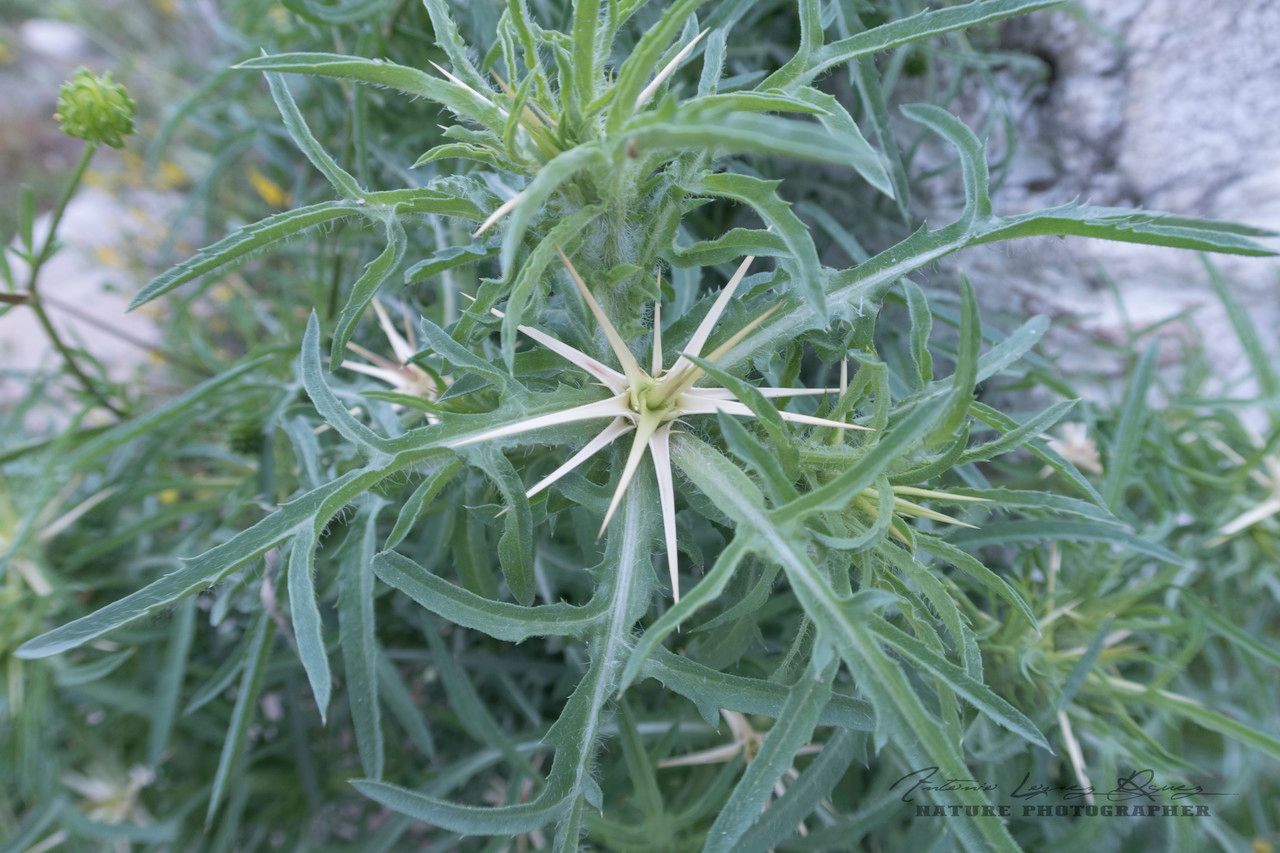
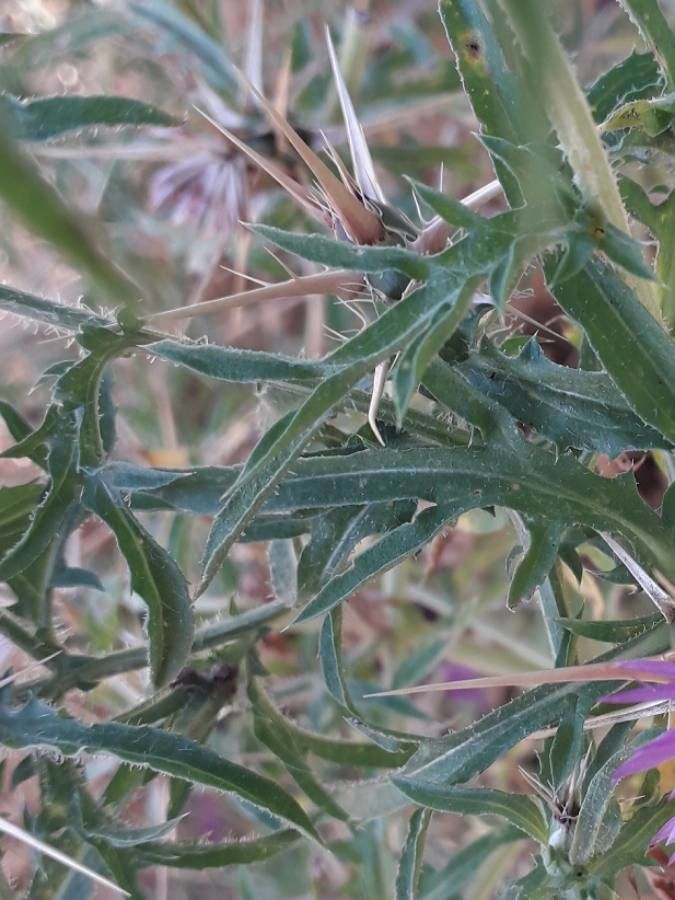
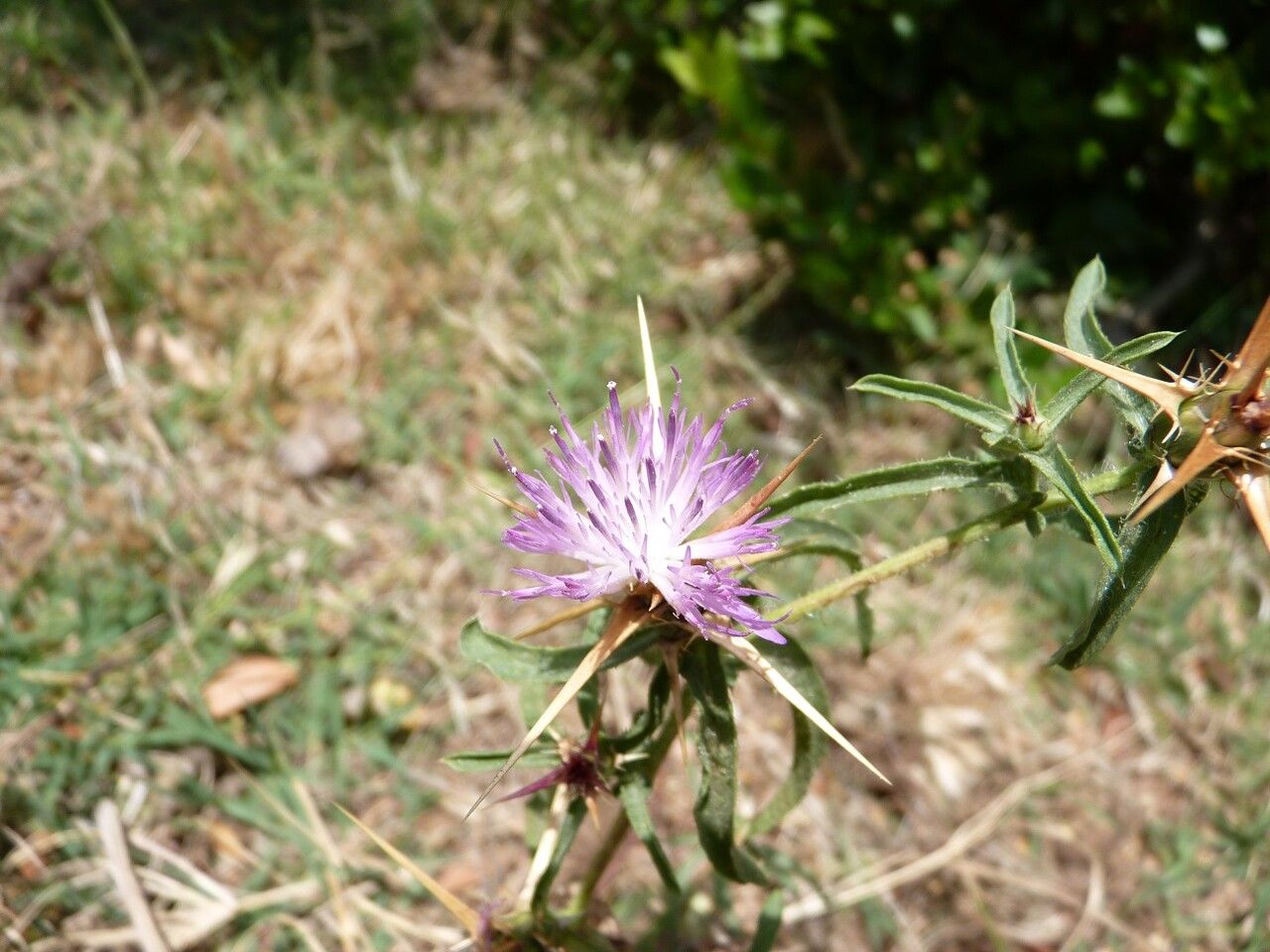
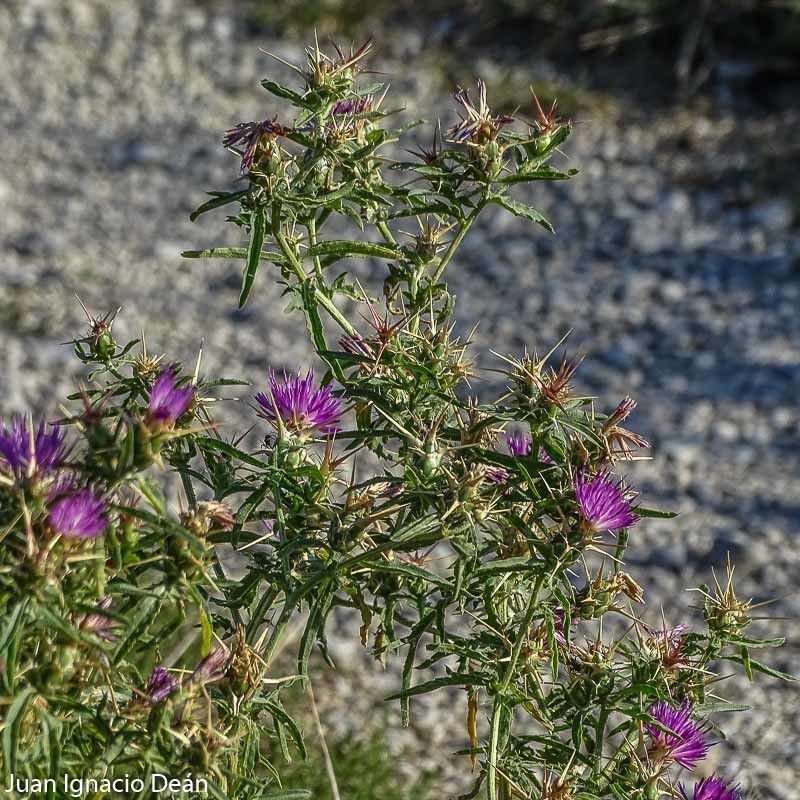
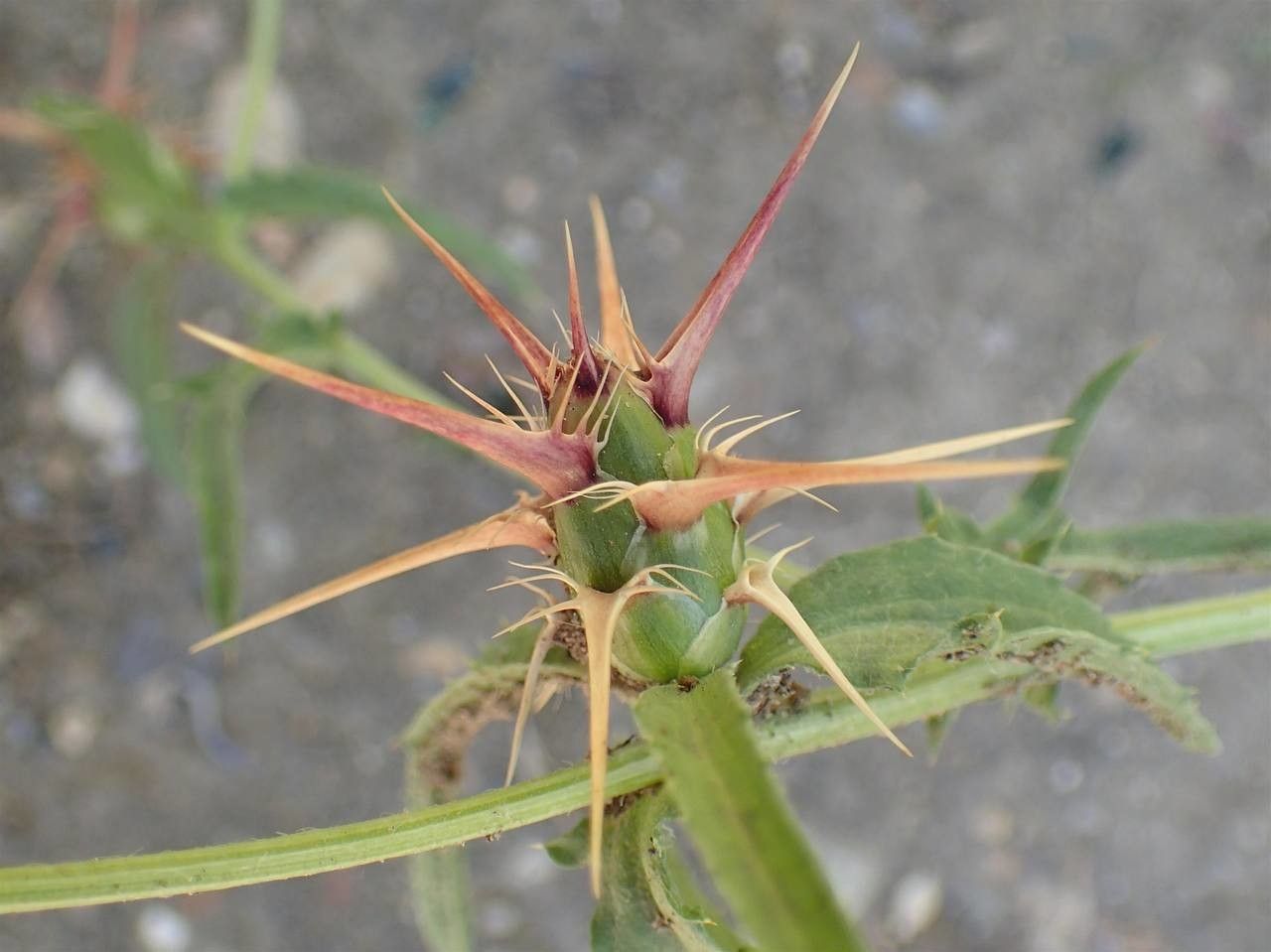
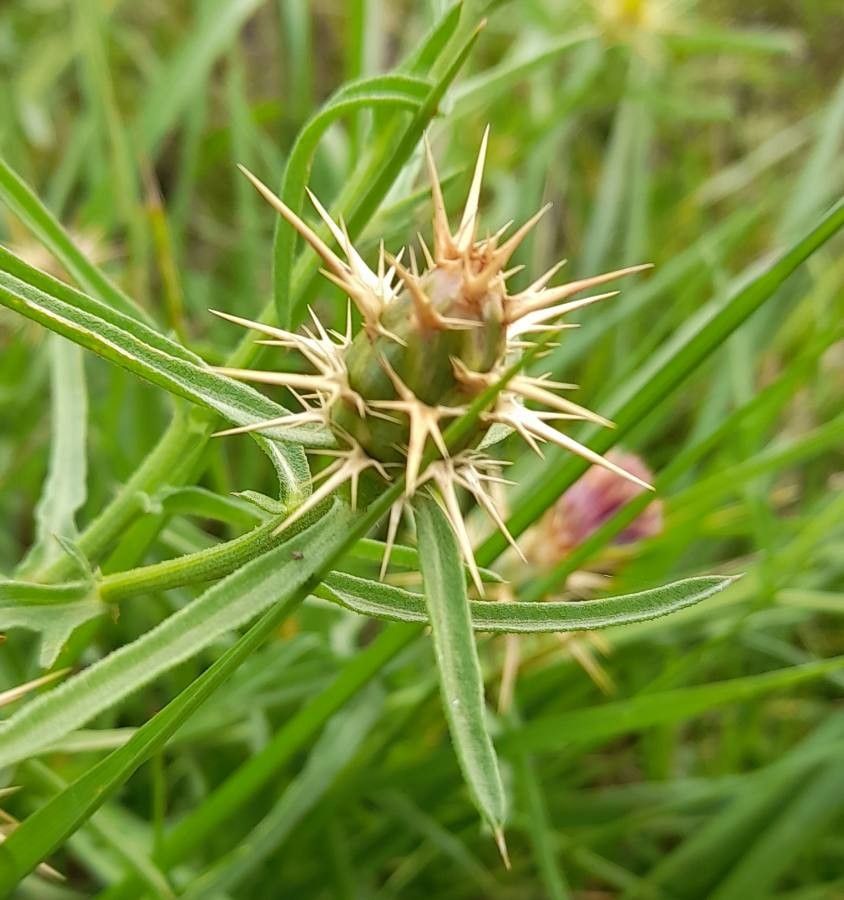
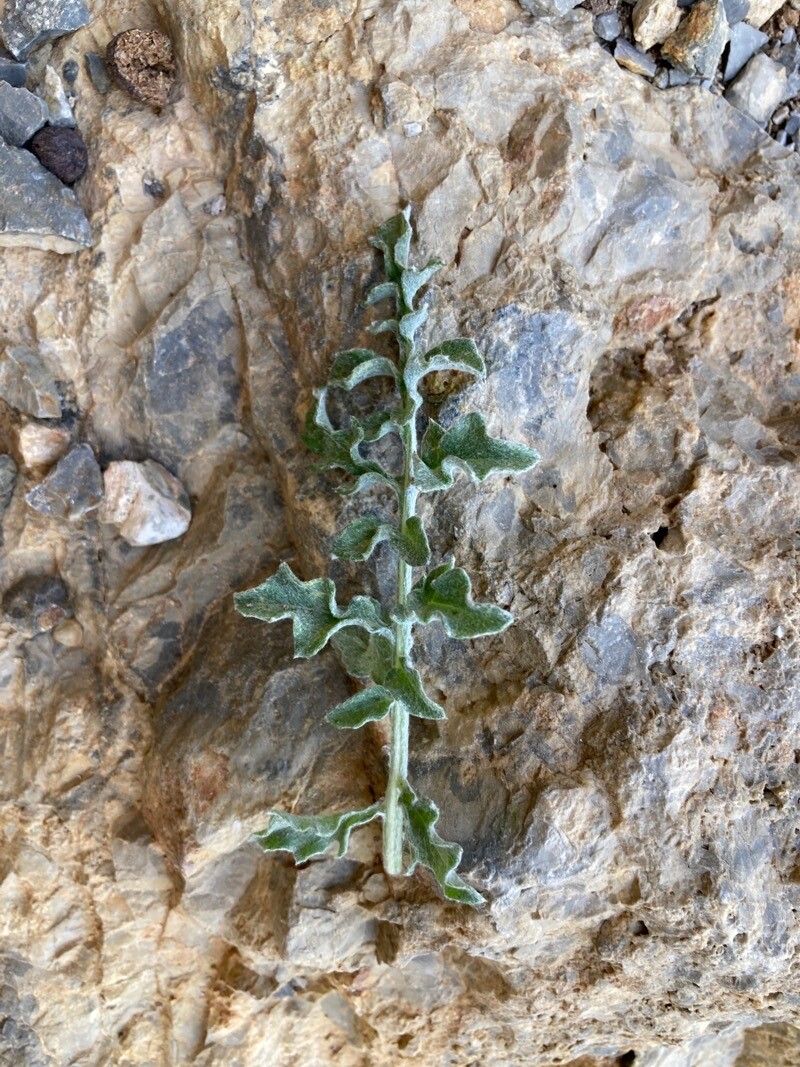
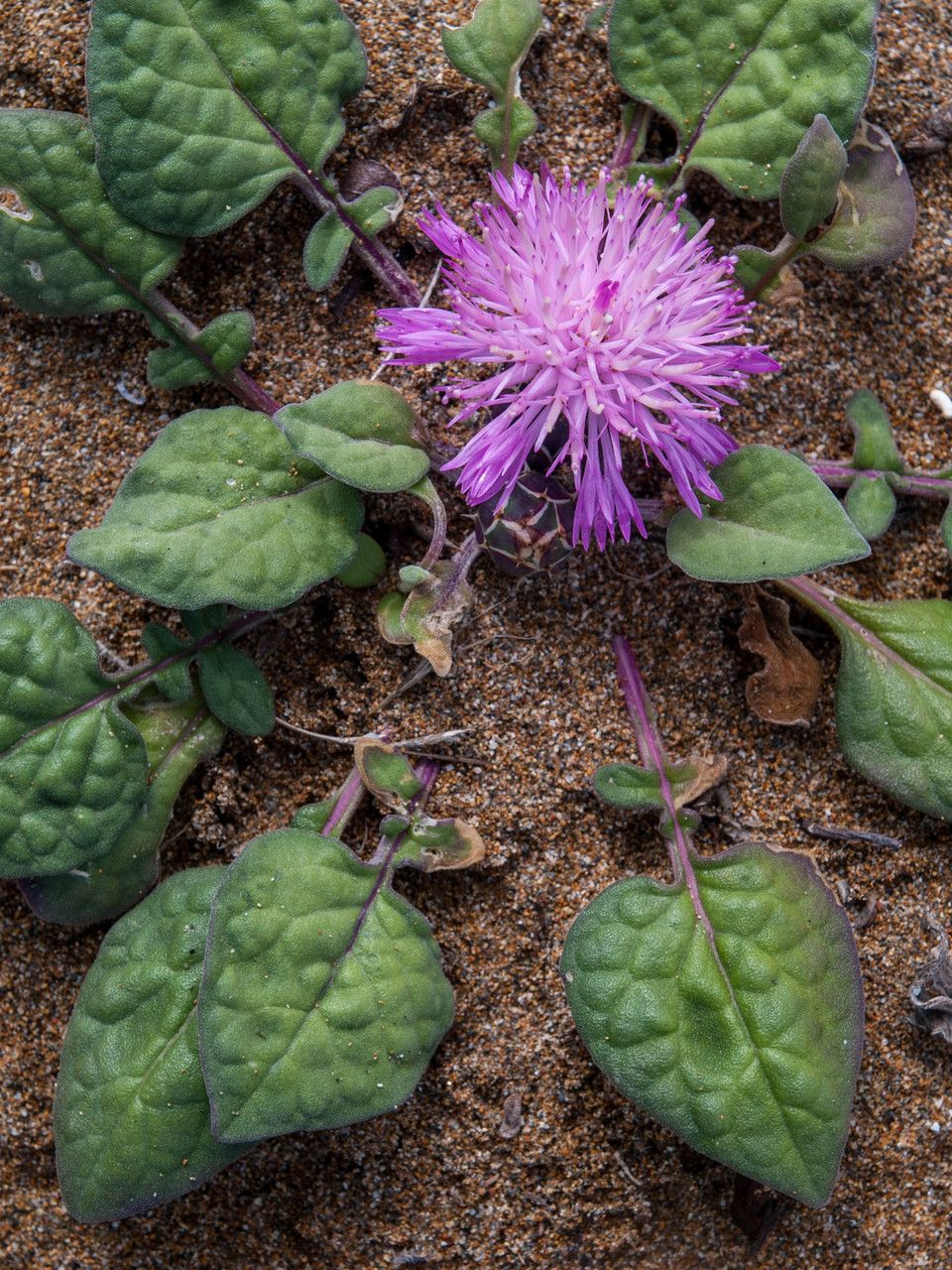
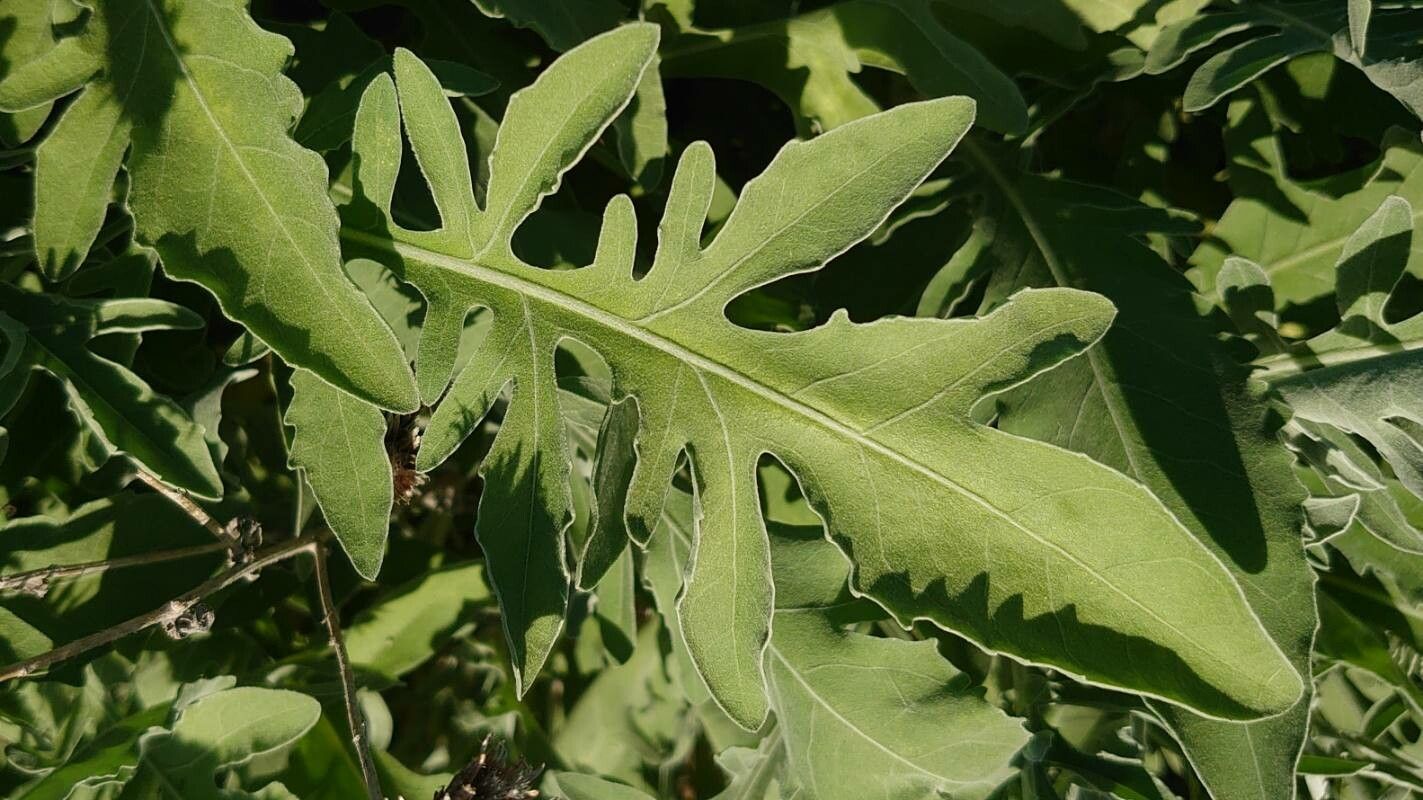
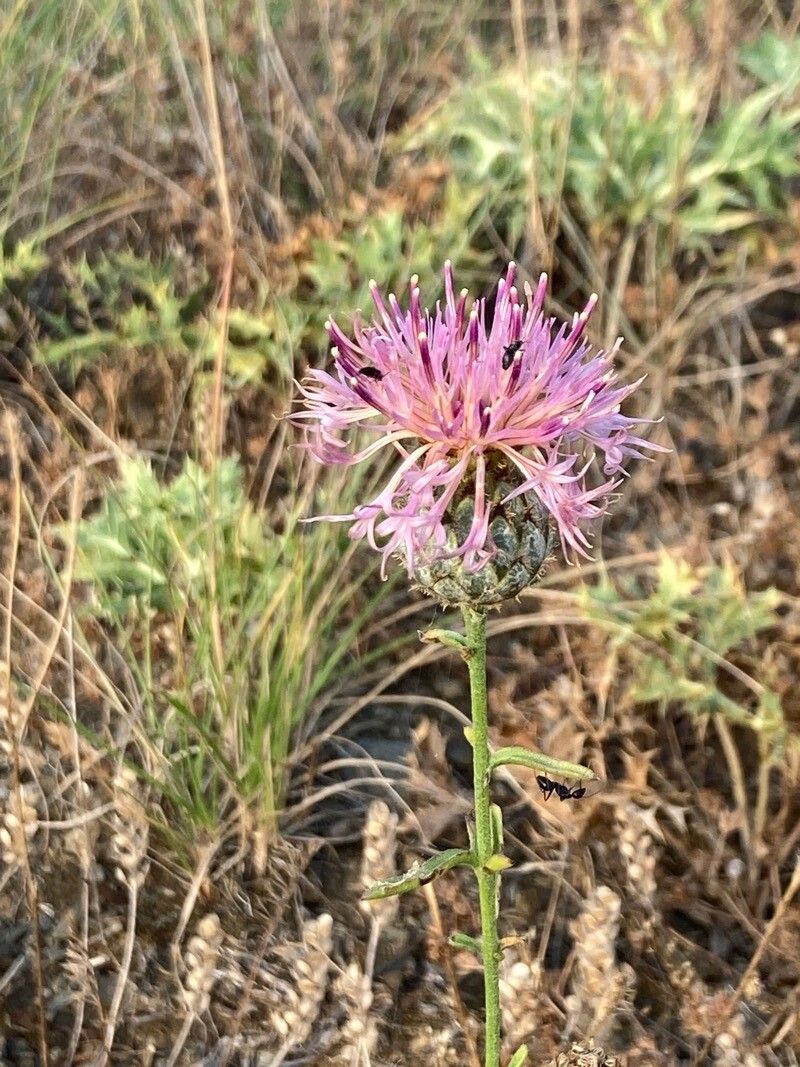
Centaurea calcitrapa, commonly known as star thistle or purple starthistle, is a species of flowering plant in the Asteraceae family. Native to Europe and western Asia, it has also been introduced to other regions, including North America and Australia.
This plant can grow up to 1 meter tall, featuring spiny leaves and purple flowers that bloom from June to September. It thrives in dry, sunny habitats such as grasslands and roadsides.
Centaurea calcitrapa has a history of use in traditional medicine for its anti-inflammatory properties. However, it is considered a noxious weed in some areas because it can outcompete native plants.
In response to its invasive nature, some regions have implemented biological control measures using natural enemies like weevils or flies that target the plant's seeds.
In summary, Centaurea calcitrapa is a fascinating yet potentially troublesome plant, notable for its medicinal uses as well as its invasive characteristics.
Red star-thistle has good resistance to diseases and is generally not easily affected by them. However, it can be vulnerable to pests and diseases present in its environment. These problems are generally mild. Care-wise, the plant needs moderate maintenance. It should be pruned regularly to preserve a tidy appearance and support healthy growth. Applying fertilizer can also help encourage flowering. Red star-thistle is well suited for anyone with outdoor space, such as a garden or patio, and does not demand extensive care experience. It may require more attention if grown indoors.
How to keep Centaurea Calcitrapa.
Light
Red star-thistle grows best with unobstructed exposure to sun, which promotes its overall health and wellbeing. A shortage of light can lead to stunted growth. In its native habitats, these plants are accustomed to abundant sunlight and may not do well under lacklustre light conditions.
Water
The red star-thistle is a plant native to arid regions, known for its strong drought tolerance and ability to thrive with minimal water. It prefers to be watered about once a week, making it an excellent choice for xeriscaping or rock gardens. While it is generally suited to outdoor cultivation, the amount of water it receives plays a crucial role in its growth cycles and seasonal vitality.
Temperature
Red star-thistle naturally occurs in areas with suitable temperatures, typically about 68 to 95 °F (20 to 35 ℃). The plant favors warm climates and may need careful monitoring and temperature adjustments as seasons vary.
Fertilizer
Red star-thistle requires regular fertilization to encourage flowering but does not tolerate too much. It needs light, frequent applications of fertilizer throughout its life cycle, especially during the peak active-growth period and while it is flowering. You should feed your Red star-thistle until they stop blooming.
Pruning
Pruning red star-thistle between early and late spring helps improve its health. When pruning, concentrate on shaping the plant, removing any dead wood, and promoting better airflow. This approach not only enhances the plant's appearance but also reduces pests and encourages blooming. Additionally, it helps control the plant's spread, leading to stronger growth.
Botanical profile.
- Plant Type
- Herb
- Life Cycle
- Biennial, Perennial, Annual
- Genus
- Centaurea
- Family
- Asteraceae
- Hardiness Zone
- 3-10
- Mature Height
- 0.91 m to 1.22 m
- Mature Spread
- 46 cm to 61 cm
- Leaf Color
- Green, Dark Green
- Leaf Type
- Semi-evergreen
- Flower Color
- Purple
- Flower Size
- 1.52 cm to 2.03 cm
- Bloom Time
- Summer
- Planting Time
- Spring, Summer, Autumn
- Harvest Time
- Late summer, Early fall, Mid fall
Other names.
Reader questions.
How should I water my Red star-thistle plant?
To properly water the Red star-thistle plant, it is recommended to use filtered water at room temperature. Tap water may contain harmful particles that can affect the plant's health. Since the plant is accustomed to a warm environment, it is best to use water that is at room temperature or slightly warmer to avoid shocking its system. It is advised to refrain from overhead watering as it can lead to issues with the foliage. Instead, it is sufficient to thoroughly water the soil with the filtered room temperature water until it is completely saturated. This method helps moisten the roots and promote their spread through the soil, enabling them to collect essential nutrients.
What are the sunlight requirements for Red star-thistle?
Red star-thistle requires full sun exposure, thriving best under unobstructed access to sunlight for its overall health and well-being. Full sun is defined as above 6 hours of sunlight daily, while partial sun refers to about 3-6 hours of sunlight each day. Insufficient sunlight may result in stunted growth for these plants, as they are accustomed to abundant sunlight in their native environments.
What is the native temperature range for Red star-thistle?
Red star-thistle, also known as Centaurea calcitrapa, thrives in environments where the temperature is conducive, typically within 68 to 95°F (20 to 35°C). This plant prefers warm climates and may require adjustments in varying seasons to maintain the optimal temperature range.
What should I do if I give my Red star-thistle too much or too little water?
Overwatering is a common issue for Red star-thistle plants and can cause wilting, yellowing of leaves, and diseases like root rot, mold, and mildew. Underwatering is less common but can cause brittle, brown leaves. It's important to notice the signs of overwatering early and reduce watering immediately. If the soil drains poorly, replace it with a well-draining mix. If underwatering is the issue, water more regularly until the signs subside.
How can artificial lighting support indoor Red star-thistle plants?
For indoor Red star-thistle plants that do not receive adequate natural sunlight, artificial lighting is crucial for optimal growth, especially in winter or less sunny spaces. LED lights are recommended because they can be customized to provide specific wavelengths of light that the plants need. Full sun plants require 30-50W/sq ft, partial sun plants need 20-30W/sq ft, and full shade plants need 10-20W/sq ft of artificial light. The light source should be placed 12-36 inches above the plant, mimicking natural sunlight for 8-12 hours per day.
Does Red star-thistle require frost protection measures during winter?
Red star-thistle exhibits strong cold resistance, reducing the need for special frost protection measures during winter. However, in regions where winter temperatures are expected to drop below -35°C, it's important to provide cold protection by covering the plant with soil or straw and ensuring the soil is moist before the first freeze in autumn. This helps prevent drought and water scarcity for the plant during colder months.
How frequently should I water my Red star-thistle?
If your Red star-thistle plant is in a pot, the best way to check if it needs water is by sticking your finger into the soil. If you find that the top two to three inches of soil are dry, it's time to water it. The same method can be used if you grow your Red star-thistle outdoors in the ground. Once the top few inches of soil have dried out, it's time to add water. During spring and early fall, watering the plant once a week is usually sufficient. However, when it gets very hot, you may need to water it twice a week or even more. Keep in mind that mature and well-established Red star-thistle plants can tolerate drought well.
What are some common symptoms of insufficient light in Red star-thistle?
When Red star-thistle is grown indoors with inadequate light, it may exhibit symptoms such as small new leaves, leggy or sparse growth, faster leaf drop, slower or no new growth, and lighter-colored new leaves. These signs indicate a deficiency in light, and adjustments should be made to ensure the plant receives sufficient sunlight or artificial lighting.
How does low temperature affect Red star-thistle and what are the solutions?
Red star-thistle is cold-tolerant and performs best when temperatures stay above 20°C. In winters, temperatures should ideally be kept above 0°C. When temperatures fall below -35°C, there might be a decrease in sprouting or an absence of sprouting during spring, despite the plant's cold resistance. The solution for any parts that have failed to sprout due to cold is to remove them in spring.
How much water does my Red star-thistle require?
When watering your Red star-thistle, it's important to be generous with the amount of water you give. Make sure the top two to three inches of soil are dry before watering, and then give the plant a good, thorough soaking. The goal is to completely saturate the soil, so add enough water that it starts to flow out of the drainage holes at the bottom of the pot. If you don't see any excess water draining, you might not have given enough water. It's important to avoid excessive water accumulation in the soil, as this can harm the plant. On the other hand, if water isn't draining properly from the pot, it could be a sign of poorly draining soil, which is bad for the plant's health. If your Red star-thistle is planted outside, it will only need about 1 inch of rain per week.
What steps can be taken to address insufficient sunlight for Red star-thistle?
To address insufficient sunlight for Red star-thistle, gradually move the plants to a sunnier location each week until they receive at least 6 hours of direct sunlight daily. For indoor plants, using a south-facing window or artificial lighting such as desk or ceiling lamps for at least 8 hours daily can help. Outdoors, it is essential to avoid sudden changes in light intensity to prevent sunburn. Additionally, identifying and reducing obstructions or transplanting the plants to a location with ample sunlight and good drainage can improve their light exposure.
What impact does high temperature have on Red star-thistle, and how can it be mitigated?
During the summer, it's crucial to maintain temperatures below 35°C for Red star-thistle. Exceeding 41°C could lead to the leaves becoming lighter in color, prone to curling, susceptible to sunburn, and in severe cases, lead to wilting and drying of the entire plant. To mitigate these issues, sunburned and dried-up parts should be trimmed away. Additionally, moving the plant to a shaded area or utilizing shade cloth can protect it from the midday and afternoon sun. Ensuring the soil remains moist by watering the plant in the morning and evening is also beneficial.