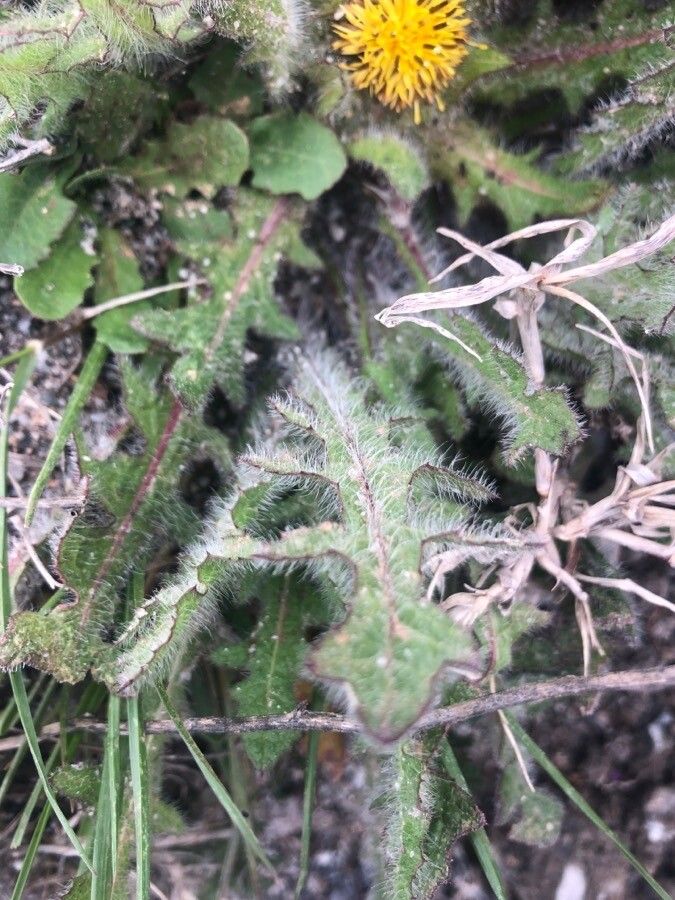
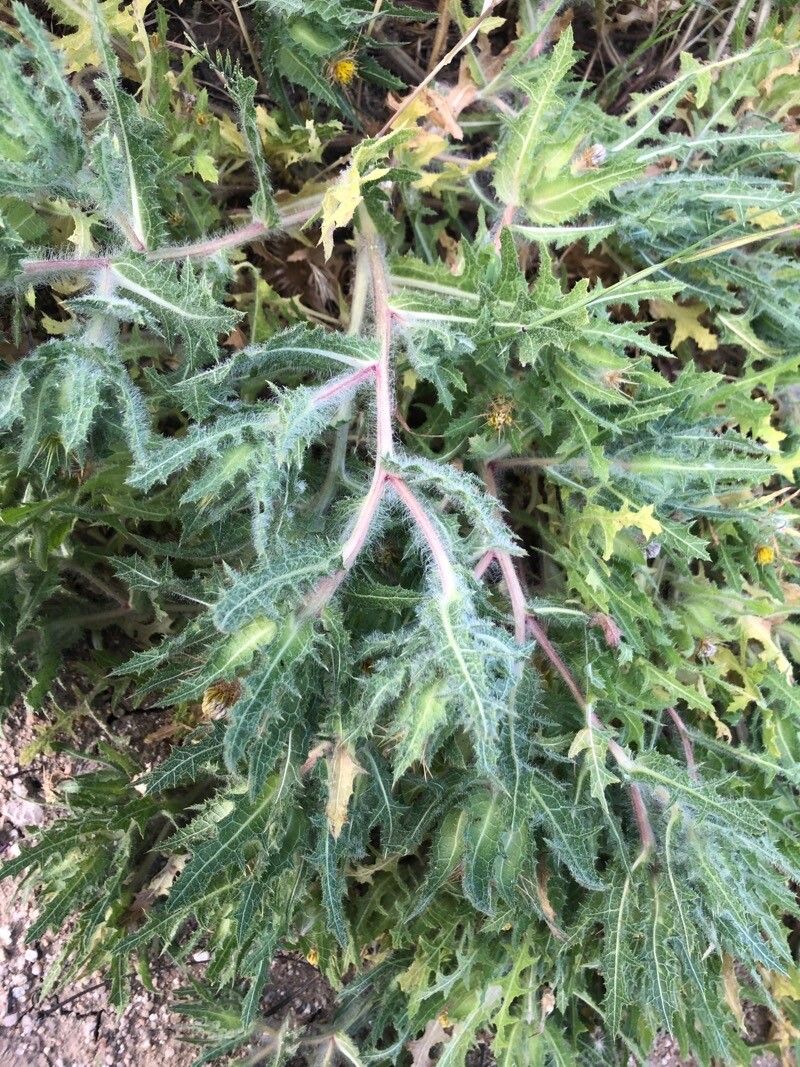
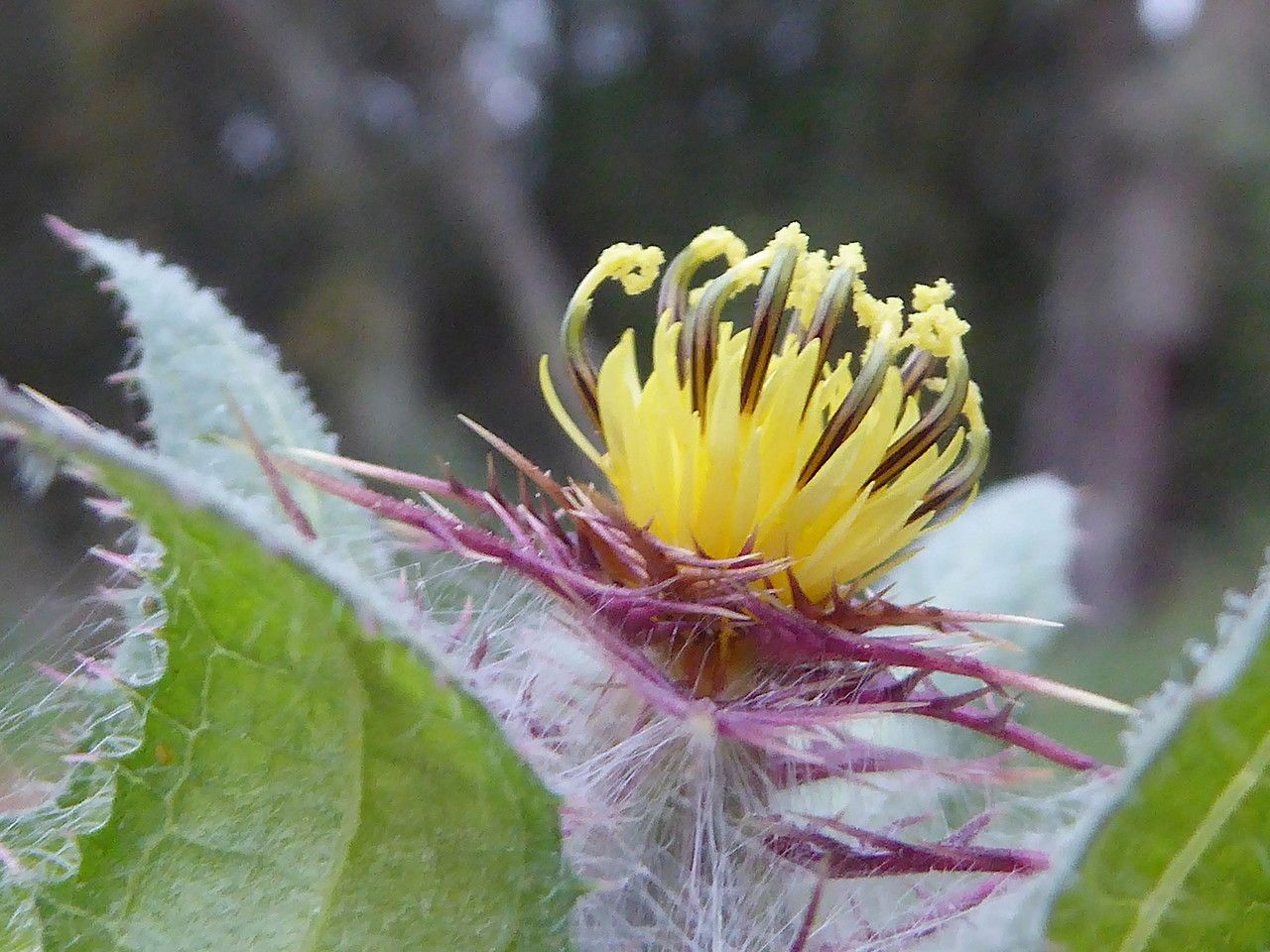
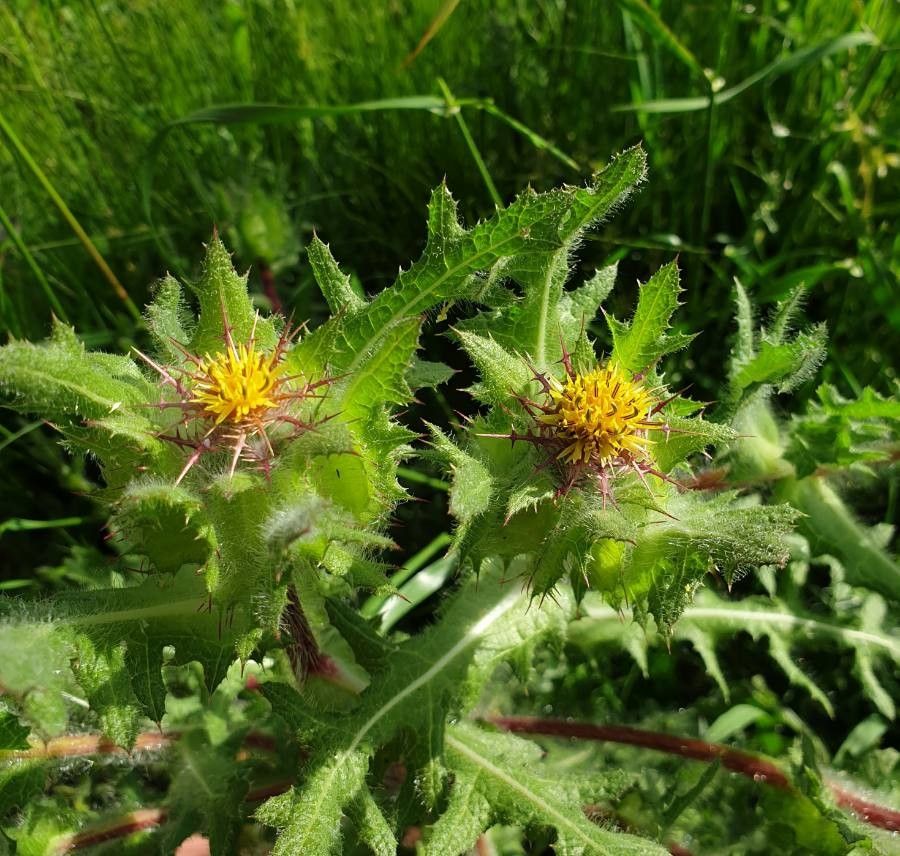
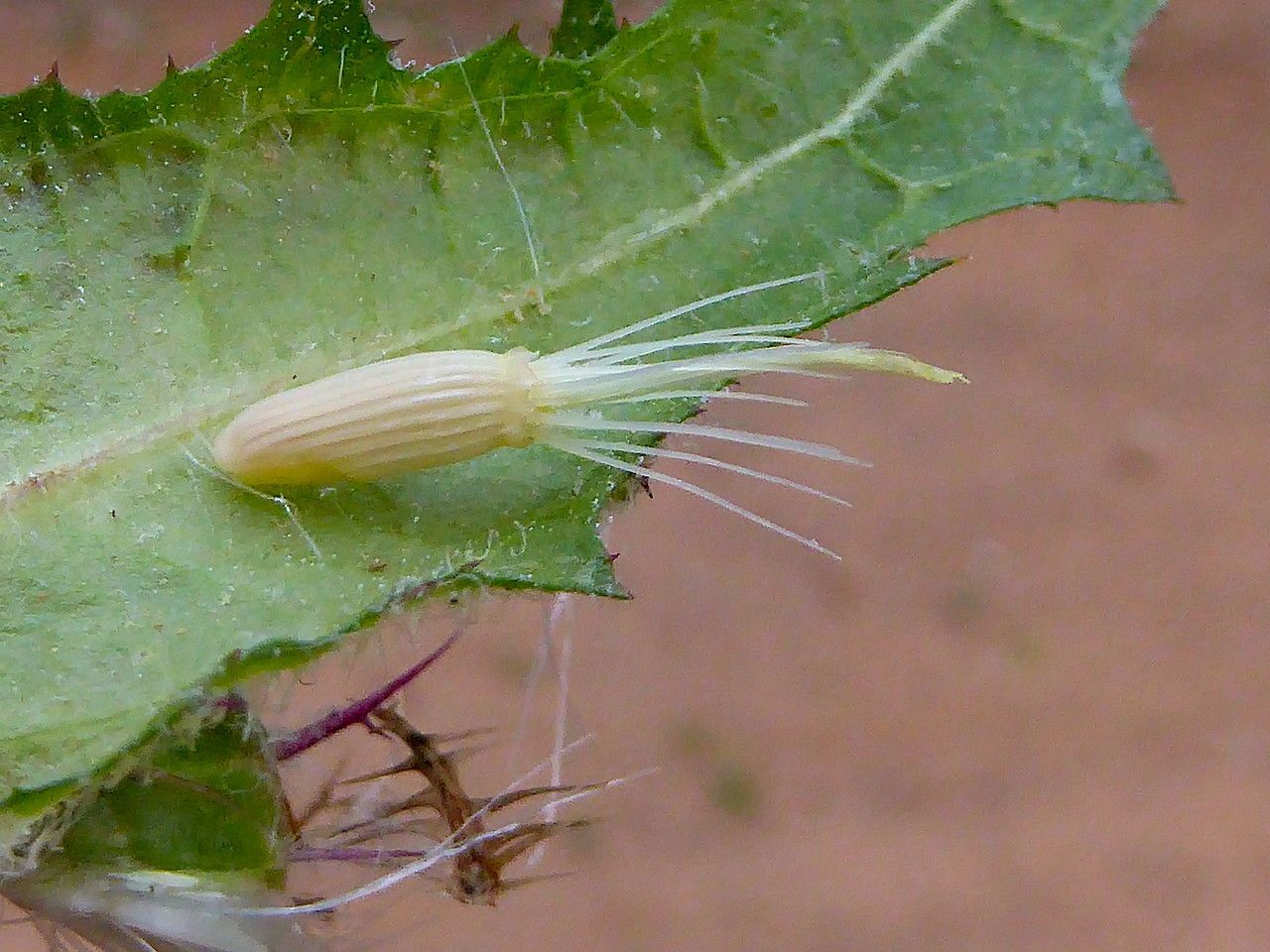
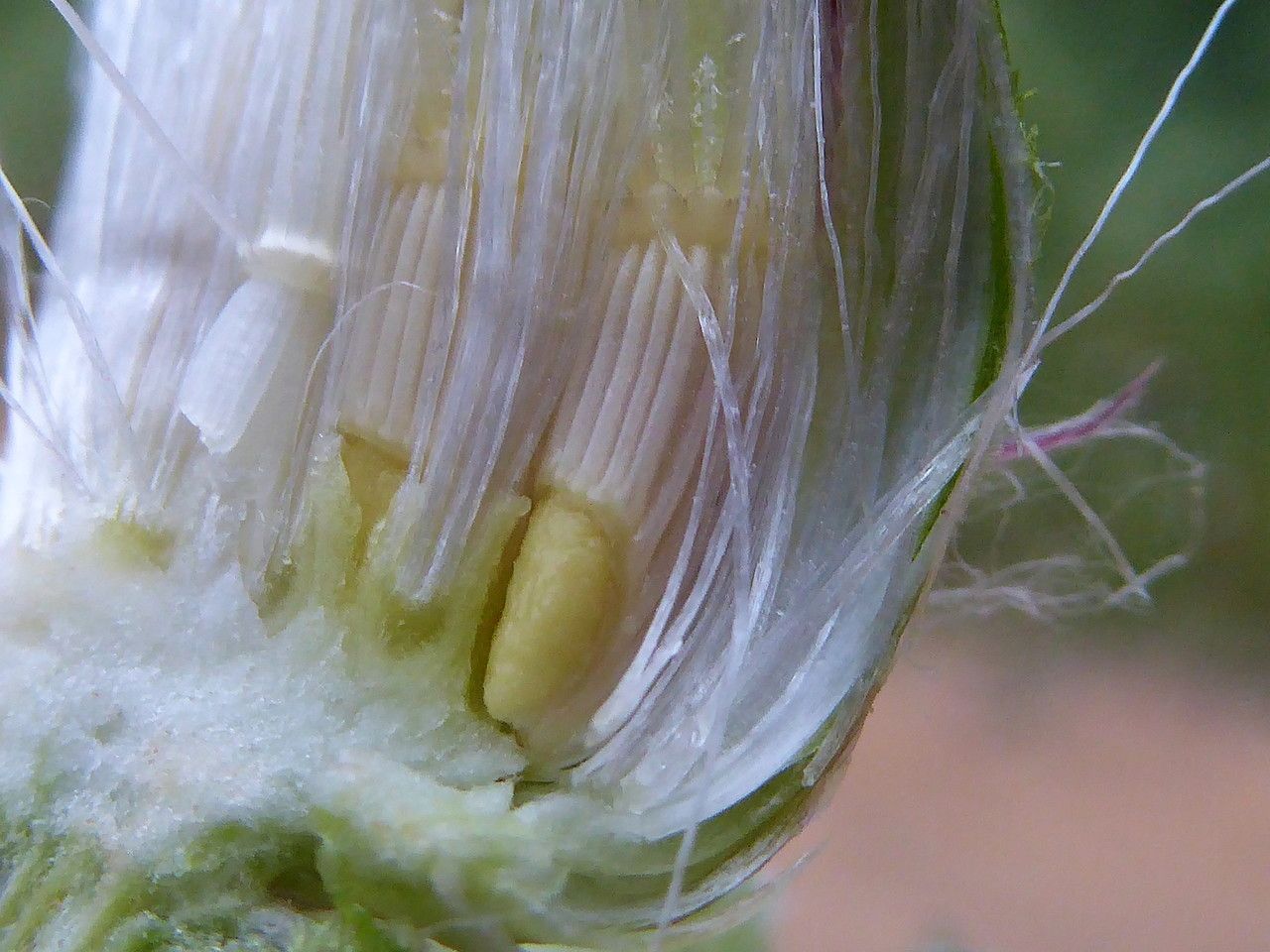
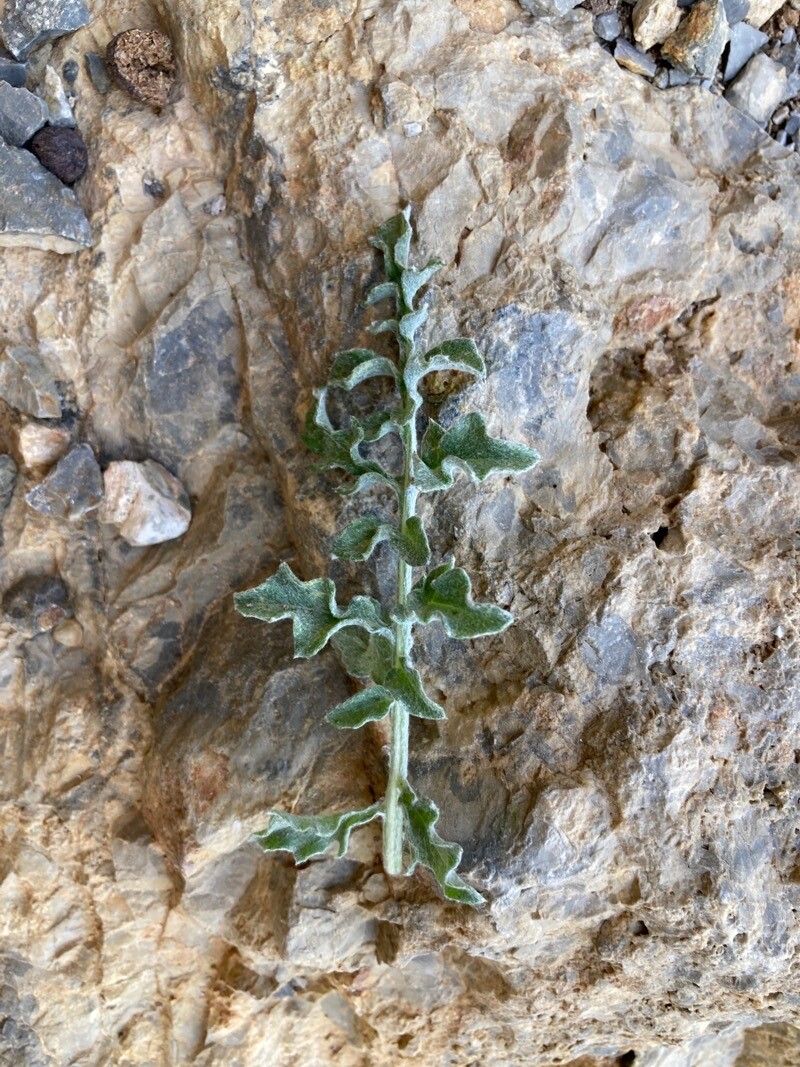
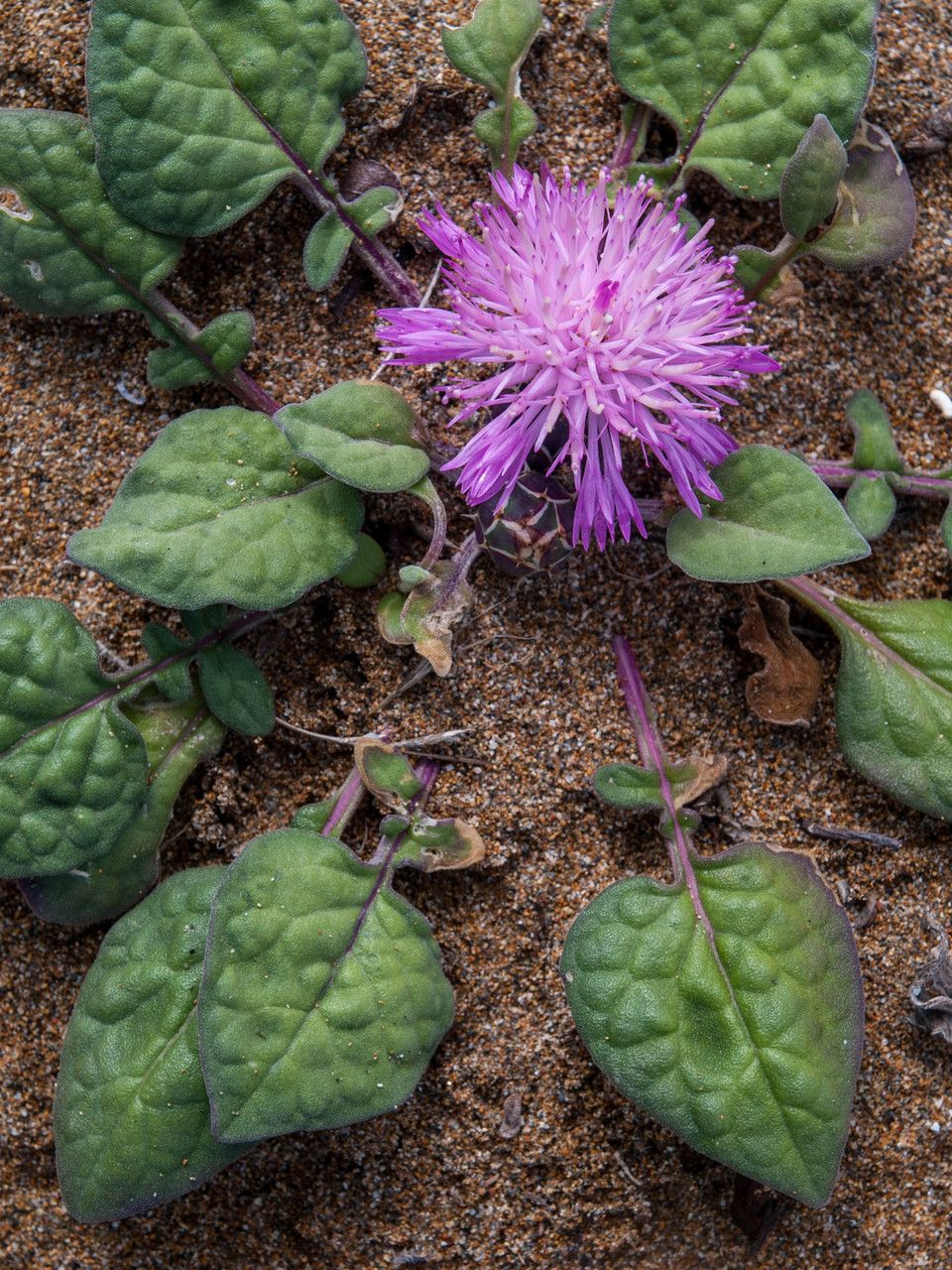
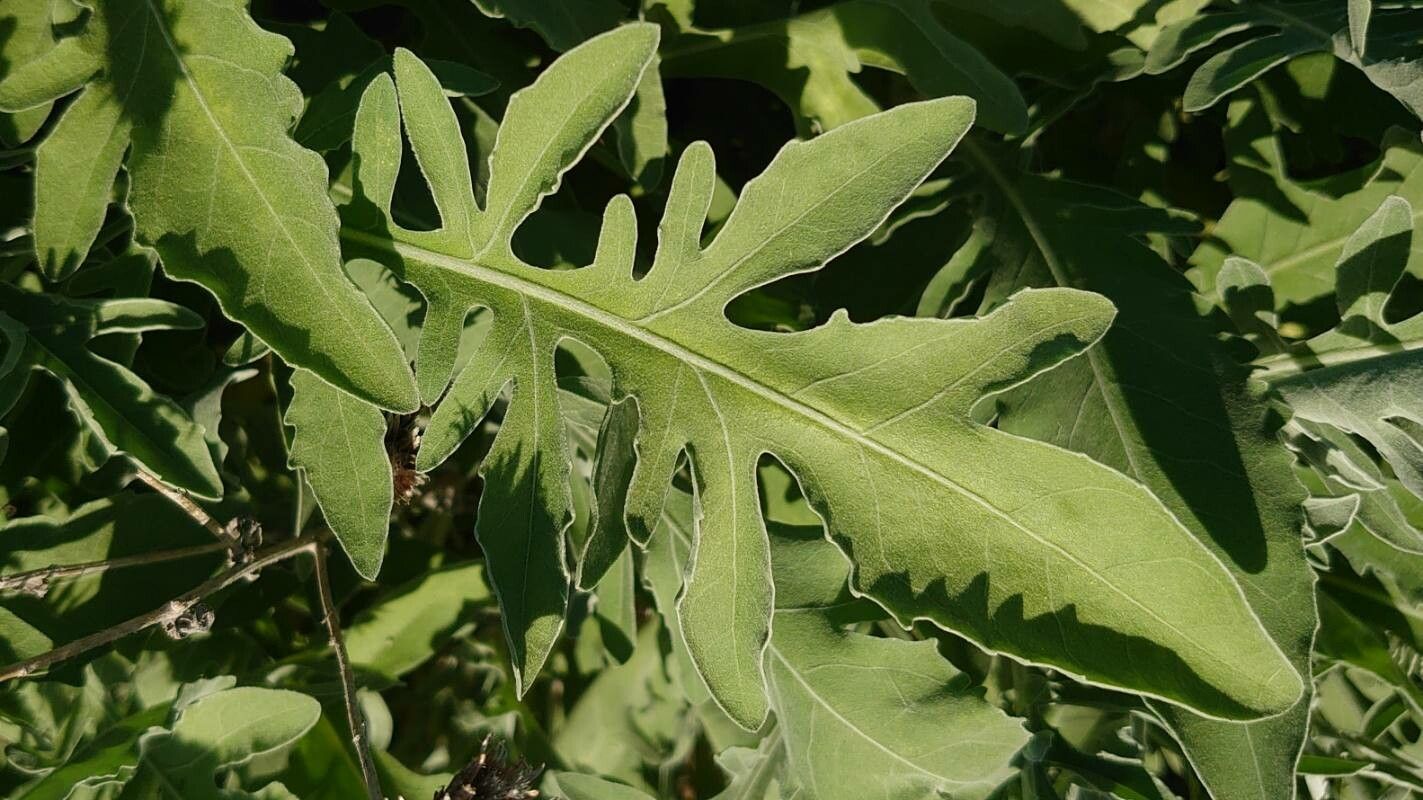
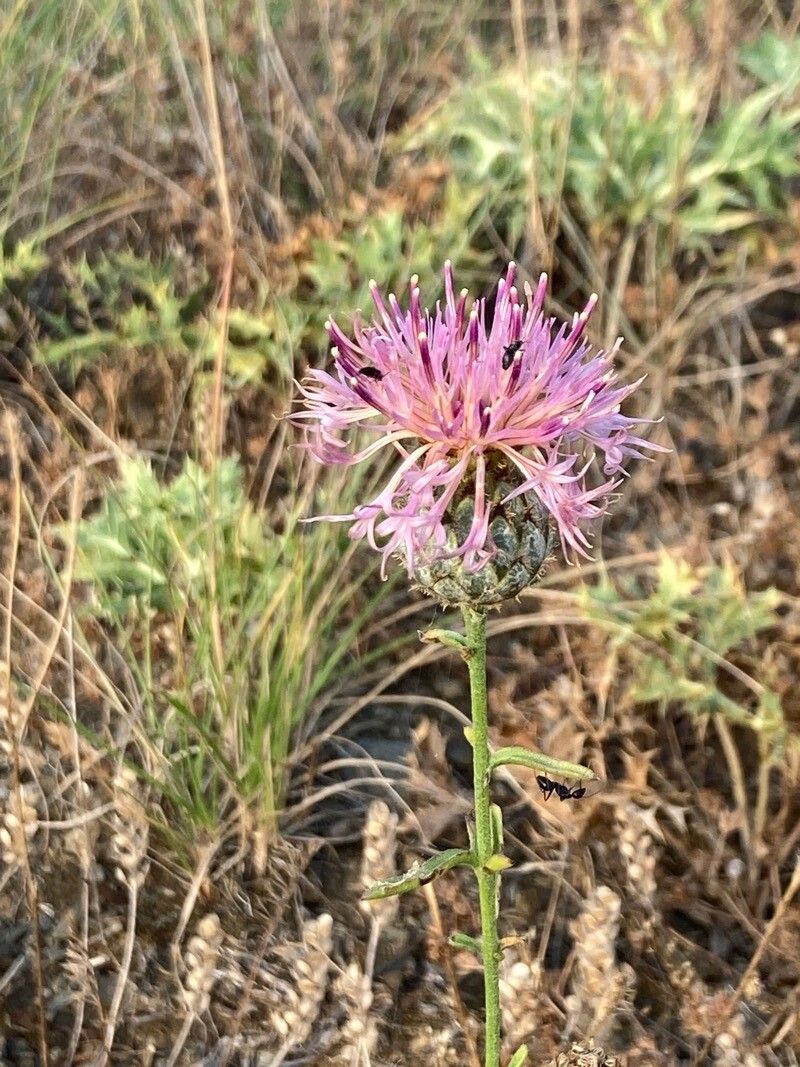
Cnicus benedictus, known by the common names St. Benedict's thistle, blessed thistle, holy thistle and spotted thistle, is a thistle-like plant in the family Asteraceae, native to the Mediterranean region, from Portugal north to southern France and east to Iran. It is known in other parts of the world, including parts of North America, as an introduced species and often a noxious weed. It is the sole species in the monotypic genus Cnicus. Other species once included in the genus have largely been reclassified to Cirsium, Carduus, and Centaurea. The related genus Notobasis is included in Cnicus by some botanists; it differs in slender, much spinier leaves, and purple flowers.
Blessed thistle is fairly disease-resistant and usually not prone to illnesses. However, it can be vulnerable to pests and diseases present in its environment. These problems are typically not serious. For care, this plant requires moderate maintenance. It should be pruned regularly to keep a good appearance and healthy growth. Fertilizing can also help encourage flowering. Blessed thistle is suitable for anyone with outdoor space, such as a garden or patio, and does not demand a lot of gardening experience. It may need more attention when grown indoors.
How to keep Centaurea Benedicta.
Light
Thriving under the harsh and direct sunlight, blessed thistle has adapted to environments with plenty of sun exposure. An ample amount of sunlight is essential for its optimal growth and health. A deficiency or excess of sunlight can result in hindered growth, faded color, or wilting, which interferes with its standard physiological functions.
Water
Blessed thistle, which originates from the Mediterranean, thrives in an arid climate with infrequent watering, demonstrating a moderate tolerance to drought. Watering it once a week mimics the sporadic rainfall of its natural habitat, promoting growth and resilience. This makes blessed thistle an excellent choice for outdoor herb gardens.
Temperature
Blessed thistle comes from temperate regions and therefore does best in temperatures of 68 to 95 °F (20 to 35 ℃). It is well adapted to warm climates, although seasonal temperature adjustments may be necessary to meet its ideal growth conditions.
Fertilizer
When majority of the flowers on the Blessed thistle have fully blossomed, this signifies that it is time to commence fertilization once again. Initiate fertilization process on a frequency of every three to four weeks, provided the weather conditions are favorable, particularly when the flowers are in their maximum bloom. Conversely, when the Blessed thistle begins to generate fewer new flowers, discontinue the fertilization. There isn't a necessity for fertilization when the plant is incapable of producing additional flowers.
Pruning
Blessed thistle features spiky leaves and yellow flowers. Prune the plant from early to late spring to improve air circulation and encourage blooming. Regular trimming helps maintain its shape and prevents overgrowth, which enhances the plant's health. Timing is important for achieving the best results, ensuring that blessed thistle becomes a thriving addition to your garden.
Botanical profile.
- Plant Type
- Herb
- Life Cycle
- Annual, Perennial
- Genus
- Centaurea
- Family
- Asteraceae
- Hardiness Zone
- 5-9
- Mature Height
- 49 cm to 61 cm
- Mature Spread
- 20 cm to 30 cm
- Leaf Color
- Green, Dark Green
- Leaf Type
- Semi-evergreen
- Flower Color
- Yellow
- Flower Size
- 3.05 cm to 4.06 cm
- Bloom Time
- Mid spring, Late spring, Early summer
- Planting Time
- Spring, Summer
- Harvest Time
- Summer
- Native Area
- Saudi Arabia, Tajikistan, Turkey, Slovakia, Cyprus, Bulgaria, Pakistan, Armenia, Greece, Slovenia, Croatia, Ukraine, Lebanon, Uzbekistan, Russia, Serbia, China, Iraq, Afghanistan, Syria, Kyrgyzstan, Kazakhstan, Italy, Spain, Iran, Albania, Azerbaijan, Hungary, Turkmenistan, Portugal
Other names.
Reader questions.
How should I water my Blessed thistle plant?
To water Blessed thistle, there are various options you can choose from. You can use a garden hose with a spray nozzle, a watering can, or any other common watering tool. This plant is not too particular about how it receives water, as it can survive with rainwater, tap water, or filtered water. However, it is generally recommended to avoid watering this plant from overhead to prevent damage to the leaves and flowers as well as potential disease. Setting up a drip irrigation system is often the best way to water Blessed thistle, as it ensures even and direct water application to the soil. When it comes to watering a container-grown Blessed thistle, you can follow a similar approach but use different tools. A cup, watering can, or tap can be used to directly apply water to the soil of the container-grown plant.
Why should I add fertilizer to my Blessed thistle plant?
Certain plants can fulfill their nutrient requirements without needing additional fertilizers. Blessed thistle, like other plants, relies on nutrients for growth and internal processes. The main nutrients plants need, such as nitrogen, phosphorus, and potassium, serve various important functions. For foliage, nitrogen is particularly crucial. However, obtaining enough nitrogen from the soil can be challenging for Blessed thistle. As a result, many gardeners choose to supplement the plant's nitrogen intake by feeding it with a nitrogen source.
What are the sunlight requirements for Blessed Thistle (Centaurea benedicta)?
Blessed thistle requires full sun exposure, which means it thrives in environments with more than 6 hours of direct sunlight daily. However, it can also tolerate partial sun conditions, receiving about 3-6 hours of sunlight. It's crucial to observe how sunlight moves through your garden to ensure your plants receive the right balance of light. Insufficient or excessive sunlight exposure can lead to problems such as stunted growth, pale coloration, or wilting, which disrupt normal plant growth.
What is the ideal temperature range for growing blessed thistle?
Blessed thistle, botanically known as Centaurea benedicta, thrives best in temperate regions with ideal temperatures ranging from 68 to 95 °F (20 to 35 °C). It is well-adapted to warm climates and possesses strong cold resistance, making it suitable for growth without special frost protection measures in most conditions. However, care should be taken to provide cold protection if winter temperatures are expected to drop below -25°C, by covering the plant with materials like soil or straw and watering it abundantly before the first freeze in autumn.
What should I do if I give too much or too little water to my Blessed thistle?
When your Blessed thistle lacks moisture, the solution is simple: water it regularly. However, overwatering can be more problematic as it can lead to diseases and the decline of the plant. To prevent this, choose a growing location with plenty of sunlight and good drainage. If your Blessed thistle in a pot is being overwatered, consider transferring it to a pot with better drainage and loose soils.
When should I fertilize my Blessed thistle?
Blessed thistle generally grows well. To give it a boost while it's actively growing, you can apply fertilizer about once a month. It's best to fertilize Blessed thistle in the spring and summer months when it's most active, and avoid fertilizing during fall and winter when it's less active and doesn't require as many nutrients. If you notice new growth, it's a good sign to start fertilizing. Whether the plant is grown outside or indoors in a container, the fertilization schedule remains the same. However, if your Blessed thistle is in a container, you may not need to fertilize for the first one to two months. Container potting soil typically contains enough nutrients, so you should start fertilizing only after your plant has been in the same soil for a while.
How does artificial lighting support indoor Blessed Thistle growth?
Artificial lighting is essential for the growth of indoor Blessed Thistle, especially when natural sunlight is insufficient. LED lights are recommended due to their ability to provide specific wavelengths needed by plants. For full sun plants, 30-50W/sq ft of artificial light is needed; partial sun plants require 20-30W/sq ft, and full shade plants need 10-20W/sq ft. The artificial light source should be placed 12-36 inches above the plant to mimic natural sunlight, and most plants benefit from 8-12 hours of light per day.
How does blessed thistle react to low temperatures?
Blessed thistle is tolerant of cold temperatures and generally thrives when the temperature remains above 20°C. In winter, it is crucial to ensure that the temperature stays above 0°C to prevent damage. If temperatures fall below -25°C, there might not be noticeable changes during the winter, but issues such as a decrease in sprouting or no sprouting at all might occur in spring. To counteract any damage from low temperatures, removing parts of the plant that have failed to sprout in spring is recommended.
How often should I give water to my Blessed thistle?
To properly care for your Blessed thistle plant, it is important to water it regularly throughout the growing season. In the spring, watering once a week should be sufficient. However, as the weather gets hotter, you may need to increase watering to two or three times a week. It is crucial not to exceed this rate as it can harm the plant. Regardless of the frequency, remember to keep the soil moist but not overly wet. If you are growing Blessed thistle in a pot, you will likely need to water it more often compared to plants in the ground. Potted plants tend to dry out faster, so watering a few times a week is generally recommended.
When is it best to not put fertilizer on my Blessed thistle?
To ensure optimal health for your Blessed thistle, refrain from fertilizing it if it is already unhealthy. This includes instances where the plant has contracted a disease or has been infested by insects. Additionally, avoid fertilizing a dehydrated plant, as the fertilizer may exacerbate this issue. Only apply fertilizer to plants that are already in good health. When watering the plant, be cautious not to splash fertilizer onto the leaves or stem, as this can cause unsightly burned spots. Unless you have a specific foliage-focused fertilizer, try to prevent direct contact between the plant and the fertilizer.
What are common symptoms of insufficient light in Blessed Thistle?
When Blessed Thistle receives inadequate light, it may show symptoms like smaller new leaves, leggy or sparse growth, faster leaf drop, slower or no new growth, lighter-colored new leaves, chlorosis (leaves turning yellow), sunscald, leaf curling, wilting, and leaf scorching. These symptoms indicate the plant is struggling with the available light conditions, impacting its health and growth.
What are the effects of high temperatures on blessed thistle, and how can they be mitigated?
During summer, it is important to keep blessed thistle's surrounding temperature below 35°C to ensure its well-being. Exposure to temperatures above 38°C can lead to the leaves becoming lighter in color, prone to curling, susceptible to sunburn, and in severe cases, wilting and drying of the entire plant. To mitigate these effects, trimming away the sunburned and dried-up parts of the plant is advised. Additionally, relocating the plant to an area with shade during the midday and afternoon, or using a shade cloth, can protect it from excessive heat. Ensuring the soil remains moist through morning and evening watering can also help prevent heat stress.