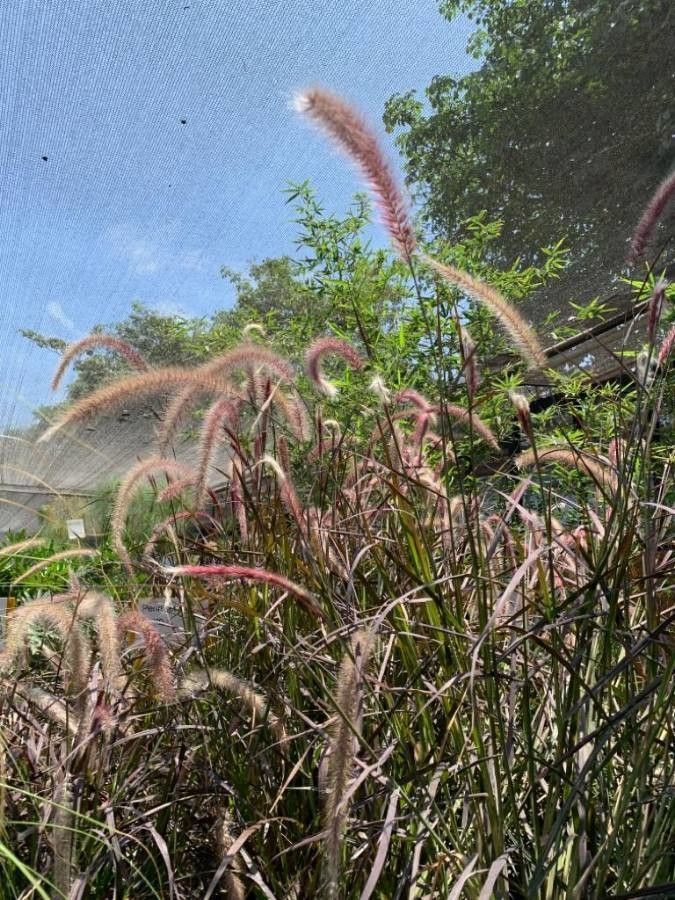
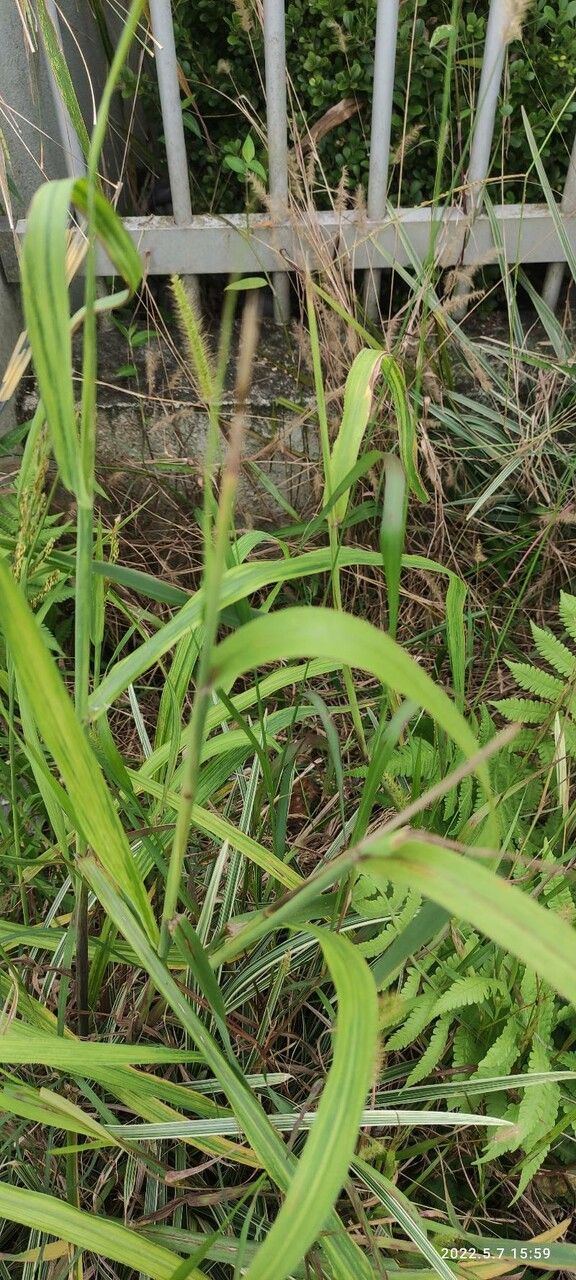
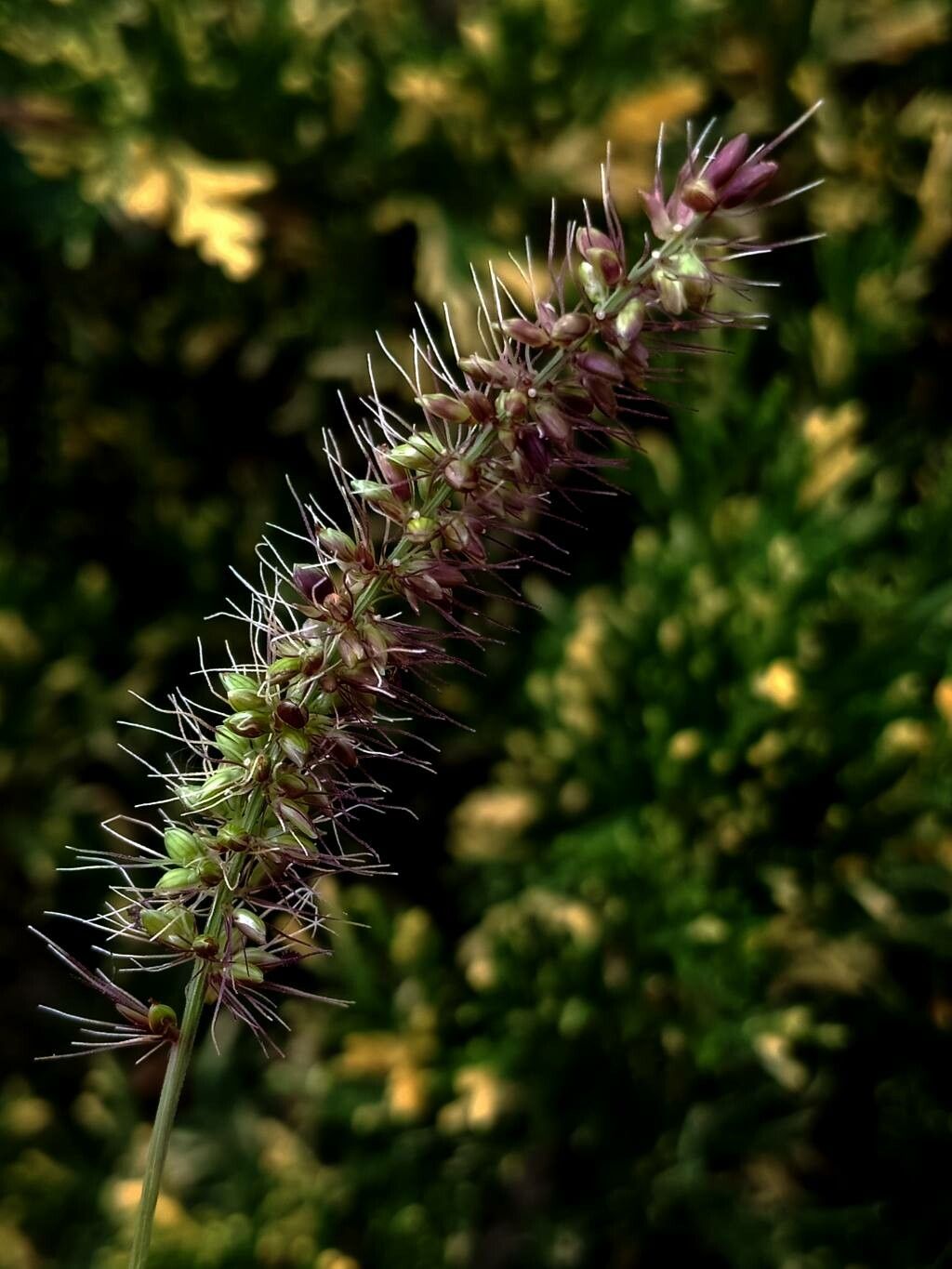
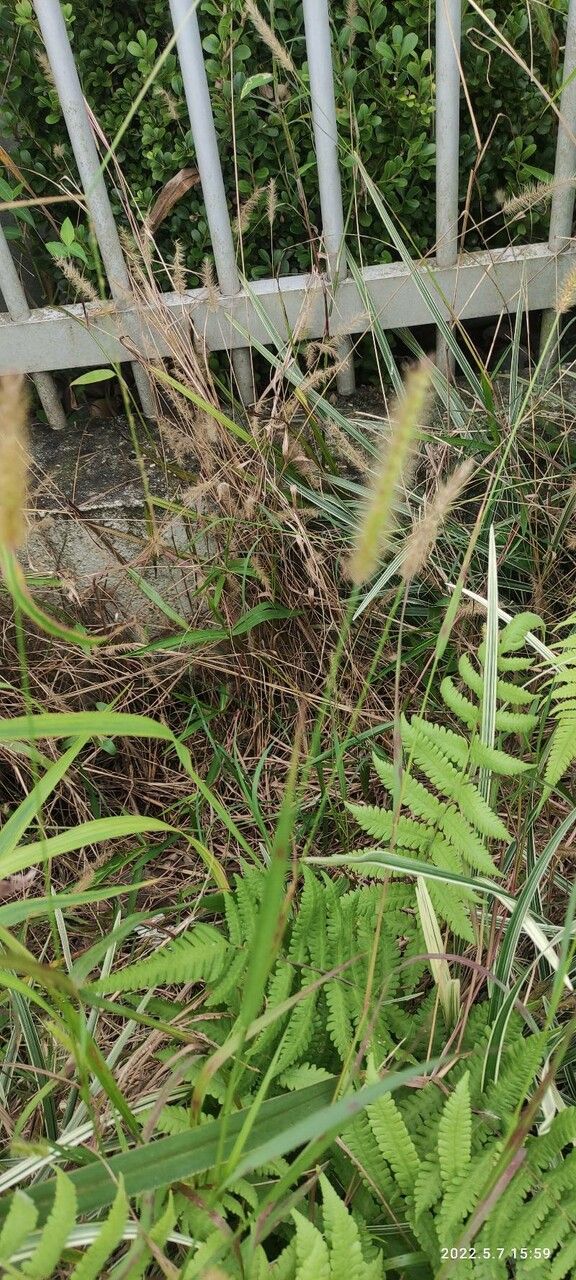
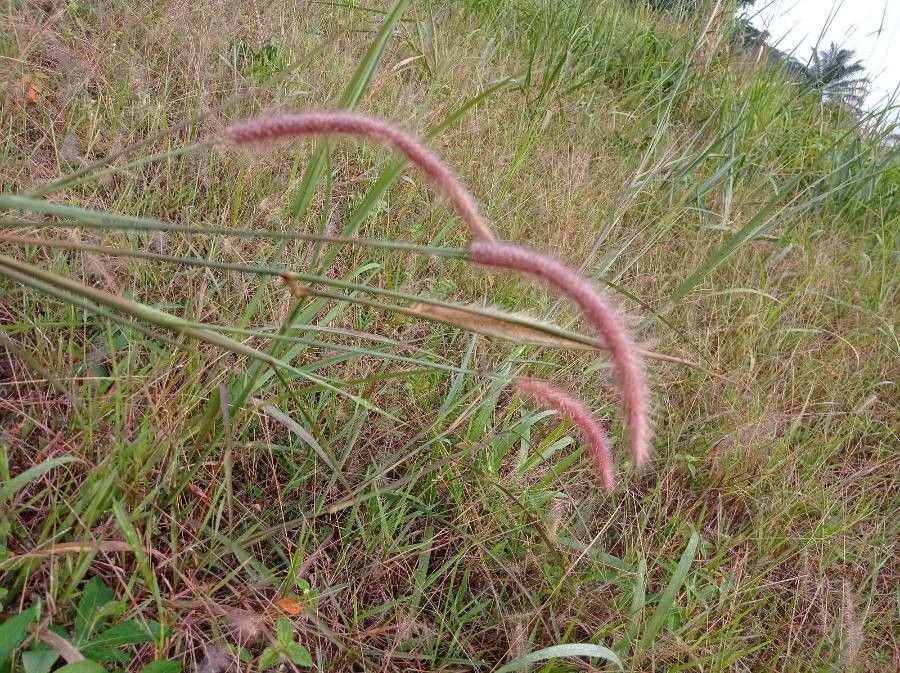
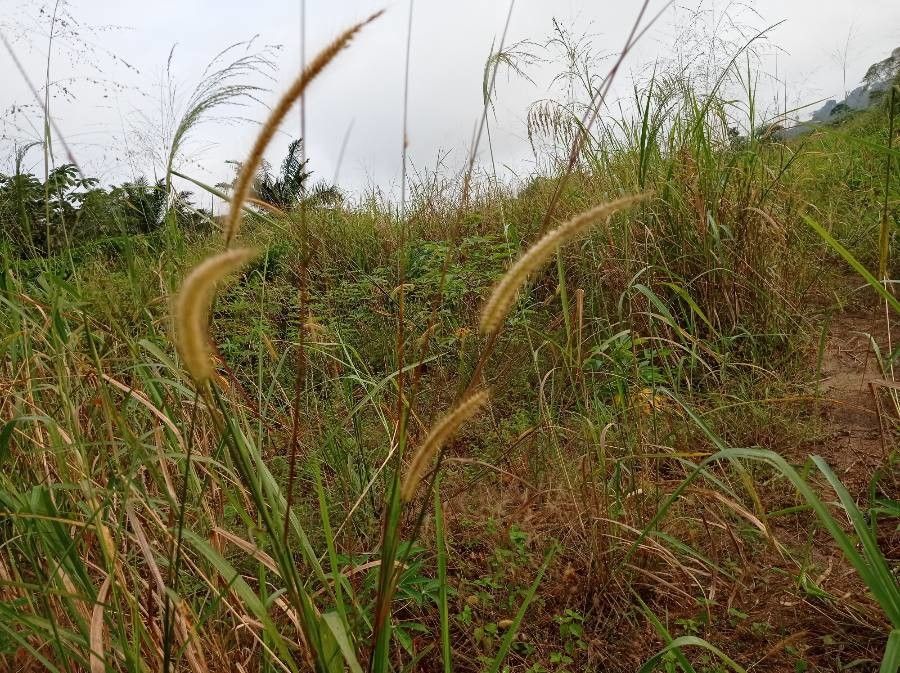
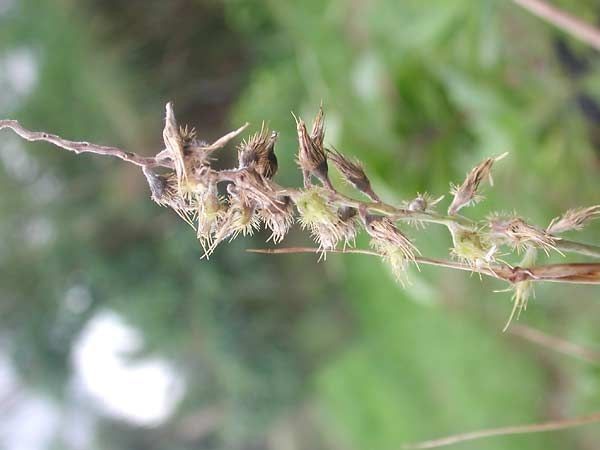
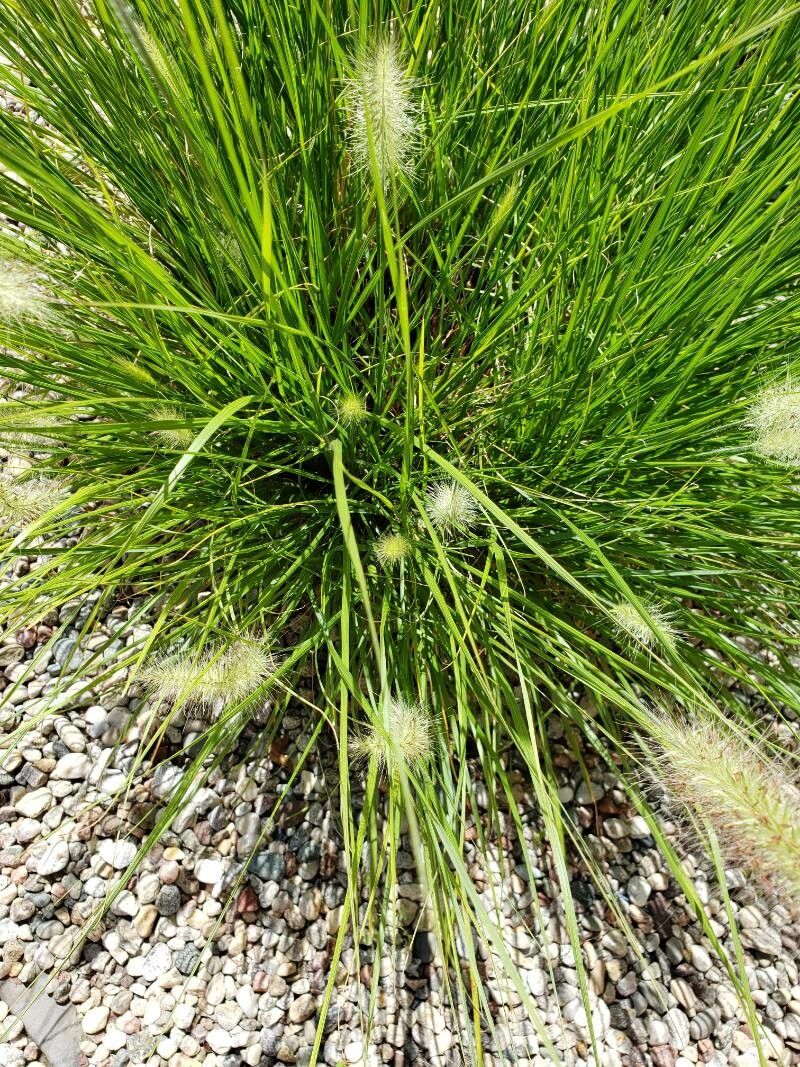
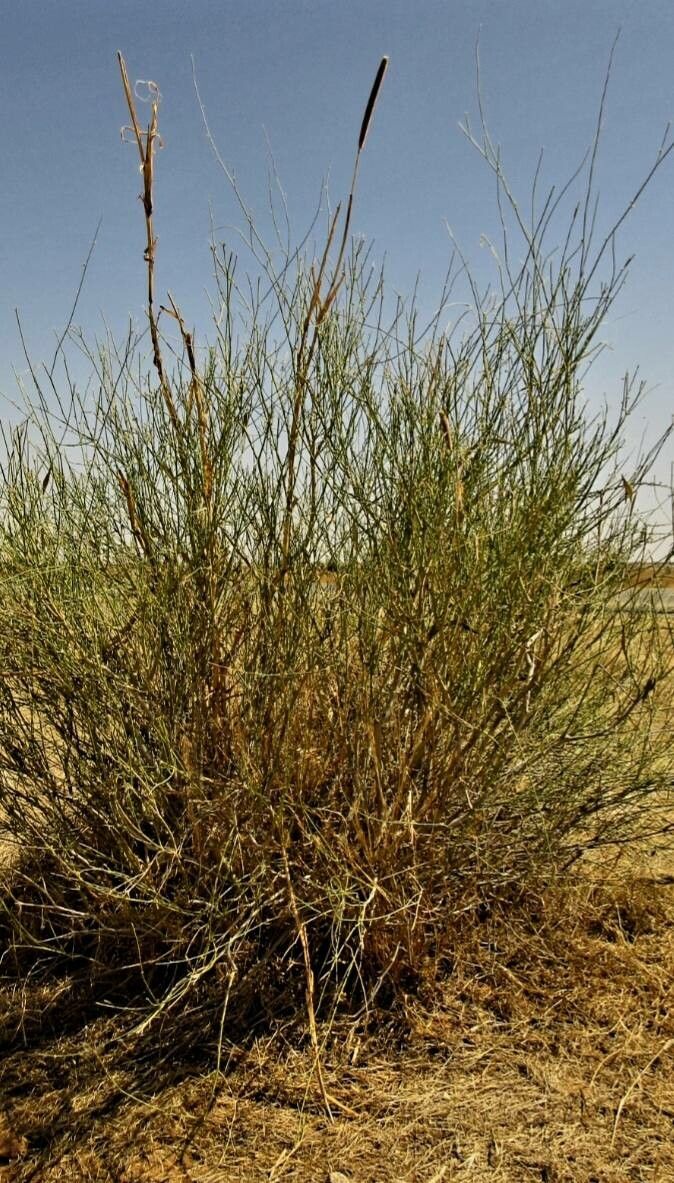
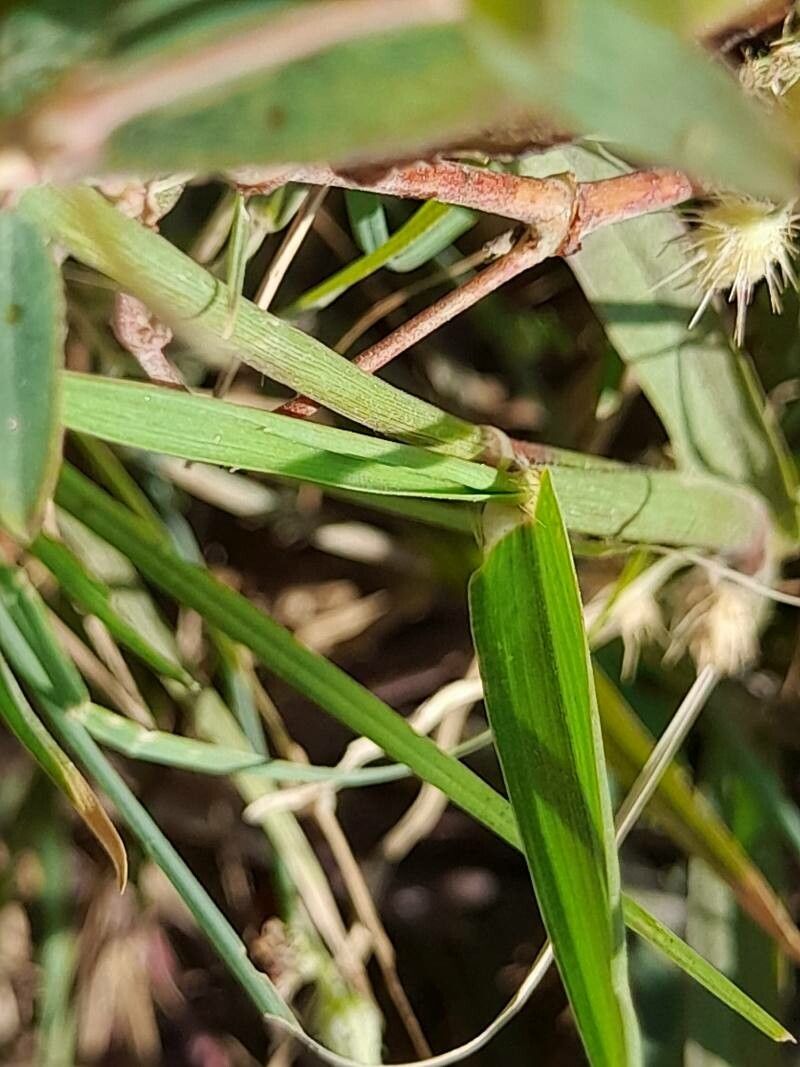
Mission grass is resistant to disease and is usually not vulnerable to illnesses. With respect to care, this plant is fairly low maintenance. When grown outdoors it needs only light watering, and larger specimens typically do not require pruning. Smaller plants, however, should be pruned after they finish blooming. Mission grasst is appropriate for anyone with an outdoor area, such as a garden or deck, and does not demand much gardening experience.
How to keep Cenchrus Polystachios.
Light
Mission grass grows best in places where sunlight is present throughout the day. It can also survive in areas that do not receive constant sun. Insufficient sunlight can impede growth and produce dull, sparse foliage. Excessive exposure may scorch the leaves. Coming from environments with ample sunlight, it is adapted to a wide range of light conditions.
Water
Mission grass flourishes in tropical climates and requires consistent moisture with evenly moist soil. To ensure optimal hydration, it should be watered weekly. While the grass becomes moderately drought-tolerant once established, it still benefits from natural rainfall and additional watering during dry periods. This supplemental irrigation supports its growth, especially after seasonal rains.
Temperature
Mission grass originates from areas where temperatures range from 59 to 100 °F (15 to 38 ℃). It does better in milder climates, and the temperature should be adjusted in winter to prevent damage from cold weather.
Fertilizer
Mission grass needs extra nutrients to encourage healthy new growth. In spring, applying compost around the plant’s base can effectively supply the nutrition it requires. Fertilizing supports vigorous growth and helps the plant resist diseases and pests.
Pruning
Mission grass is characterized by its tall, feathery plumes and fast growth. To promote healthy development and maintain its shape, it is best to prune in early spring. Use sharp shears to cut away old foliage and remove any diseased parts, ensuring better airflow and sunlight penetration. Be sure to adjust the timing of pruning based on the climate conditions in your region.
Botanical profile.
- Plant Type
- Grass
- Life Cycle
- Perennial
- Genus
- Cenchrus
- Family
- Poaceae
- Hardiness Zone
- 8-11
- Mature Height
- 2.13 m to 3.05 m
- Mature Spread
- 30 cm to 61 cm
- Leaf Color
- Green
- Leaf Type
- Semi-evergreen
- Flower Color
- Yellow, Green, Brown
- Flower Size
- 0.51 cm to 2.59 cm
- Bloom Time
- Summer, Early fall, Mid fall
- Planting Time
- Spring, Summer, Autumn
- Harvest Time
- Mid summer, Late summer, Fall
Other names.
Reader questions.
What are the sunlight requirements for Mission Grass?
Mission grass requires full sun, which means it thrives in areas with more than 6 hours of direct sunlight daily. It can also tolerate partial sun, receiving about 3-6 hours of sunlight. It's essential to observe how sunlight moves through your garden to find spots that offer a perfect balance of light and shade, ensuring the plants' well-being. Originating from habitats with abundant sunlight, Mission grass is adapted to a wide spectrum of light conditions. However, insufficient sunlight can inhibit growth and lead to dull, sparse foliage, while too much exposure can cause leaf scorching.
What is the native environment temperature range for Mission grass?
Mission grass thrives in environments where temperatures vary from 59°F (15°C) to 100°F (38°C). It is better suited to milder climates, and during winter, it's necessary to adjust the environment to prevent damage from cold weather. Despite its some cold tolerance, where it can generally withstand temperatures above -5°C without additional protection, precautions must be taken if temperatures are expected to drop below that.
How can artificial lighting supplement sunlight for Mission Grass?
When natural sunlight is insufficient, especially during winter or in spaces with less exposure to sunlight, artificial lighting can be a vital solution. It promotes faster, healthier growth by providing adequate lighting for indoor plants. LED lights are often chosen for indoor plant lighting as they can offer specific wavelengths needed by plants. For full sun plants, 30-50W/sq ft of artificial light is recommended, partial sun plants need 20-30W/sq ft, and full shade plants require 10-20W/sq ft. The light source should be placed 12-36 inches above the plant, mimicking natural sunlight conditions, and plants typically need 8-12 hours of light daily.
How should you protect Mission grass from extreme cold?
Mission grass requires temporary protection from cold when temperatures are expected to fall below -5°C. Protection can be provided by wrapping the plant with materials such as plastic film, fabric, or other suitable insulators. Once temperatures rise, it's important to remove these protective measures promptly to avoid any adverse effects on the plant.
What are the symptoms of inadequate lighting in Mission Grass?
Symptoms of light deficiency in Mission Grass may include smaller new leaves, leggy or sparse growth, faster leaf drop, slower or halted new growth, and lighter-colored or pale new leaves. Chlorosis, or the loss of green color in leaves turning them yellow due to excessive sunlight, can affect the plant's ability to photosynthesize. Sunscald, caused by intense sunlight exposure, shows as damaged areas on the plant. Leaves may curl or twist as a defense mechanism against excessive sunlight, and wilting could occur from increased water loss. Leaf scorching is characterized by brown, dry, and crispy leaf edges or patches due to overexposure to sunlight.
What are the symptoms of Mission grass exposed to low temperatures and how can you treat it?
Mission grass has moderate tolerance to cold but thrives best when temperatures are above 15°C. If temperatures fall below -10°C, the leaves may droop, and in severe cases, wilt and eventually fall off. To treat frost-damaged Mission grass, trim off the damaged parts and, to prevent future damage, wrap the plant with non-woven fabric or cloth, and create a wind barrier for protection against cold winds.
What are the solutions for Mission Grass facing light-related issues?
For optimal growth, gradually move Mission Grass to a sunnier location until it receives at least 6 hours of sunlight daily. Use south-facing windows and keep curtains open during the day for maximum exposure. If the plant is large or not easily movable, consider artificial lighting with a lamp on for at least 8 hours daily, or invest in professional grow lights. Outdoors, adapt plants to sunlight gradually to prevent sunburn. Prune obstructions like tree branches to improve sunlight access. For smaller plants, transplantation during the dormant period (late winter or early spring) to a sunnier location with good drainage can help. Note that parts of the plant affected by insufficient sunlight might not recover, but new growth after increasing light exposure will be healthy.
How does high temperature affect Mission grass and what are the solutions?
During the summer, it is important to keep Mission grass below 38°C to avoid stress. Temperatures exceeding 43°C can cause the leaves to lighten in color, tips to dry and wither, leaves to curl, and increase the susceptibility to sunburn. The solution involves trimming away sunburnt and dried parts of the plant, moving it to a shaded location, or using a shade cloth to protect it from the intense midday and afternoon sun. Additionally, ensuring the soil remains moist by watering in the morning and evening is essential.
What is the botanical name of Mission grass?
The botanical name of Mission grass is Cenchrus polystachios.