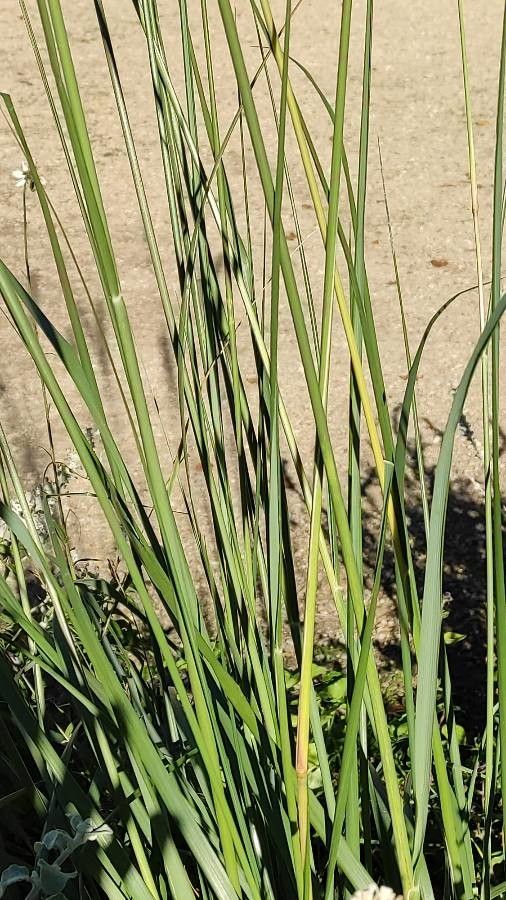
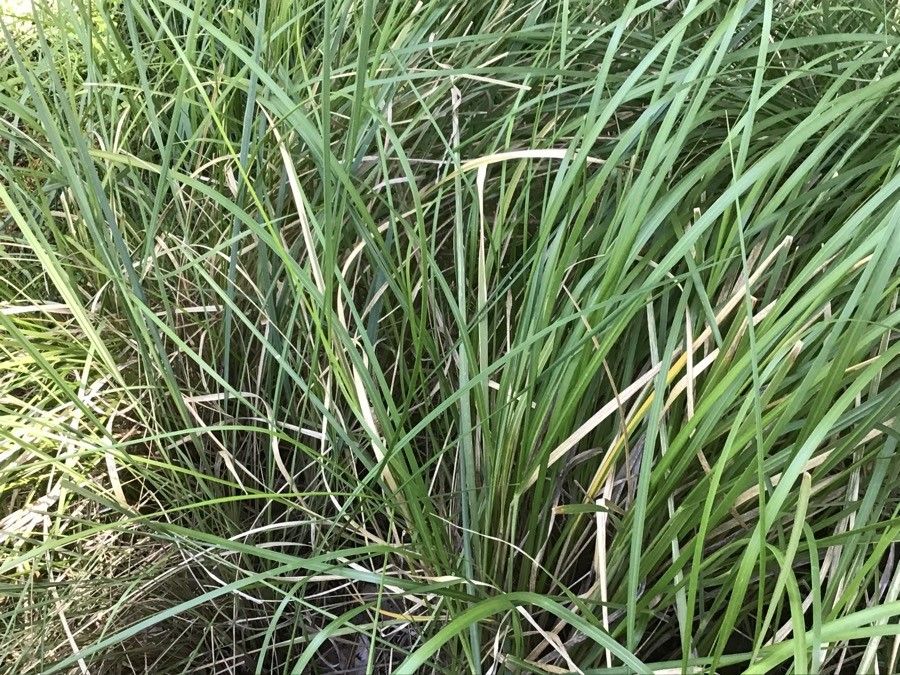
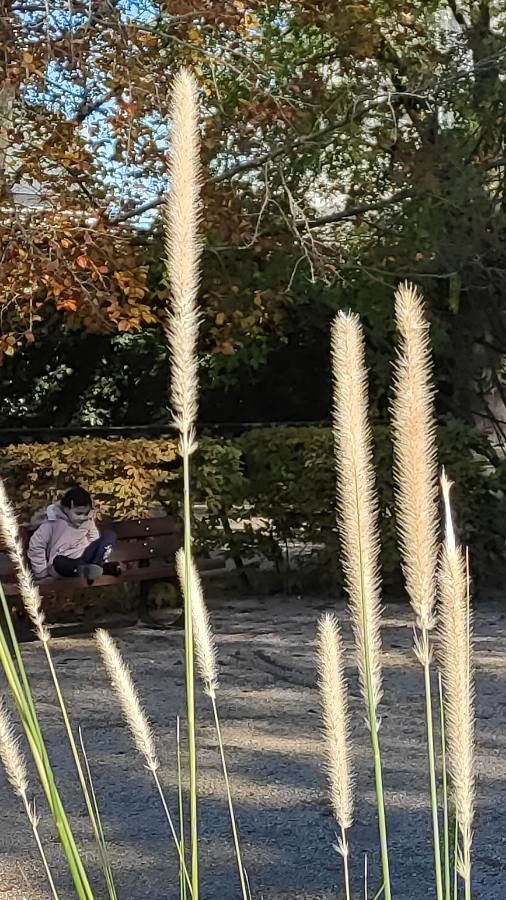
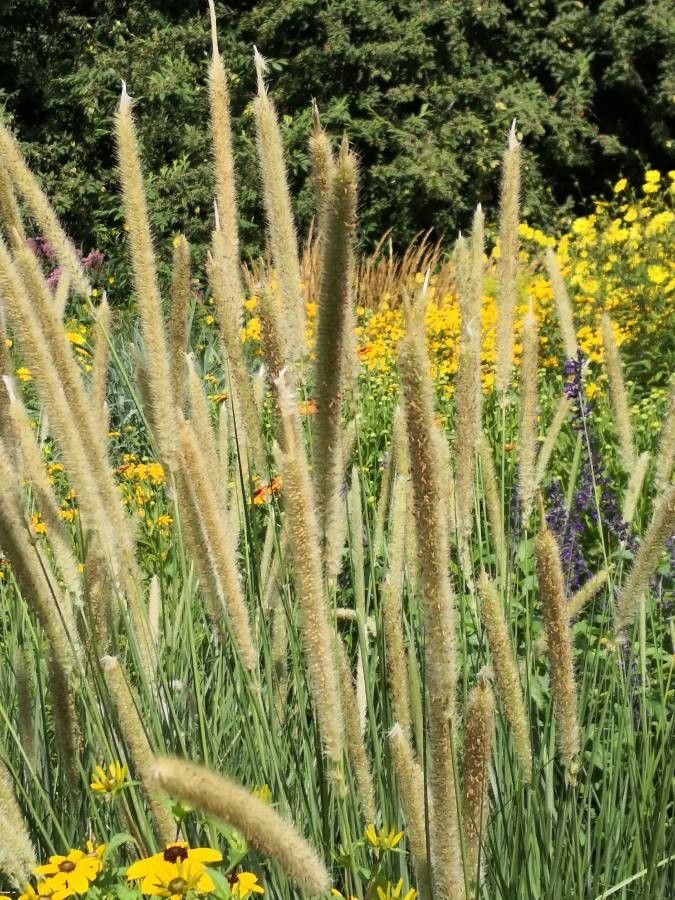
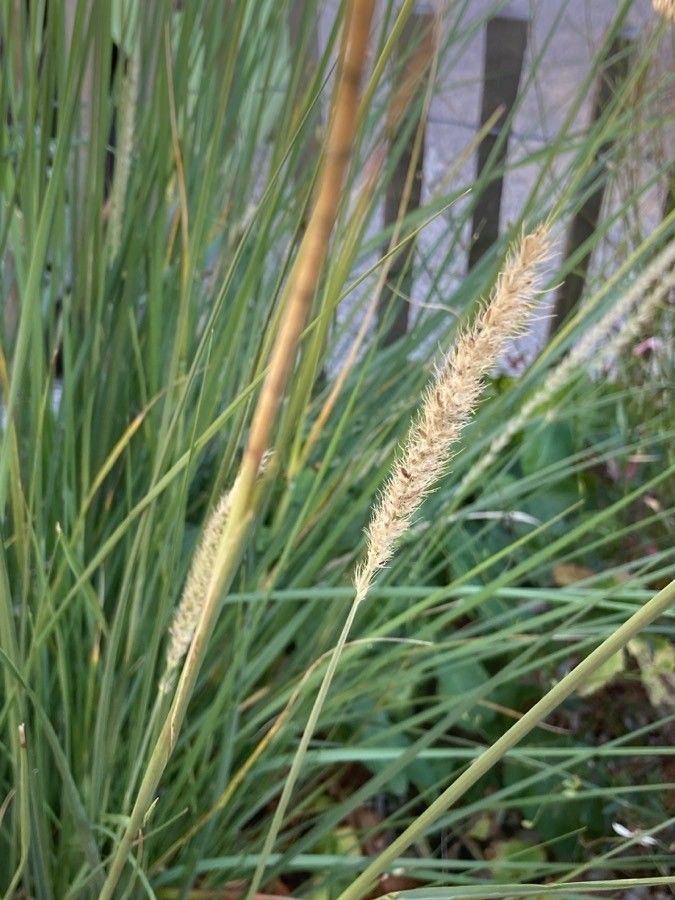
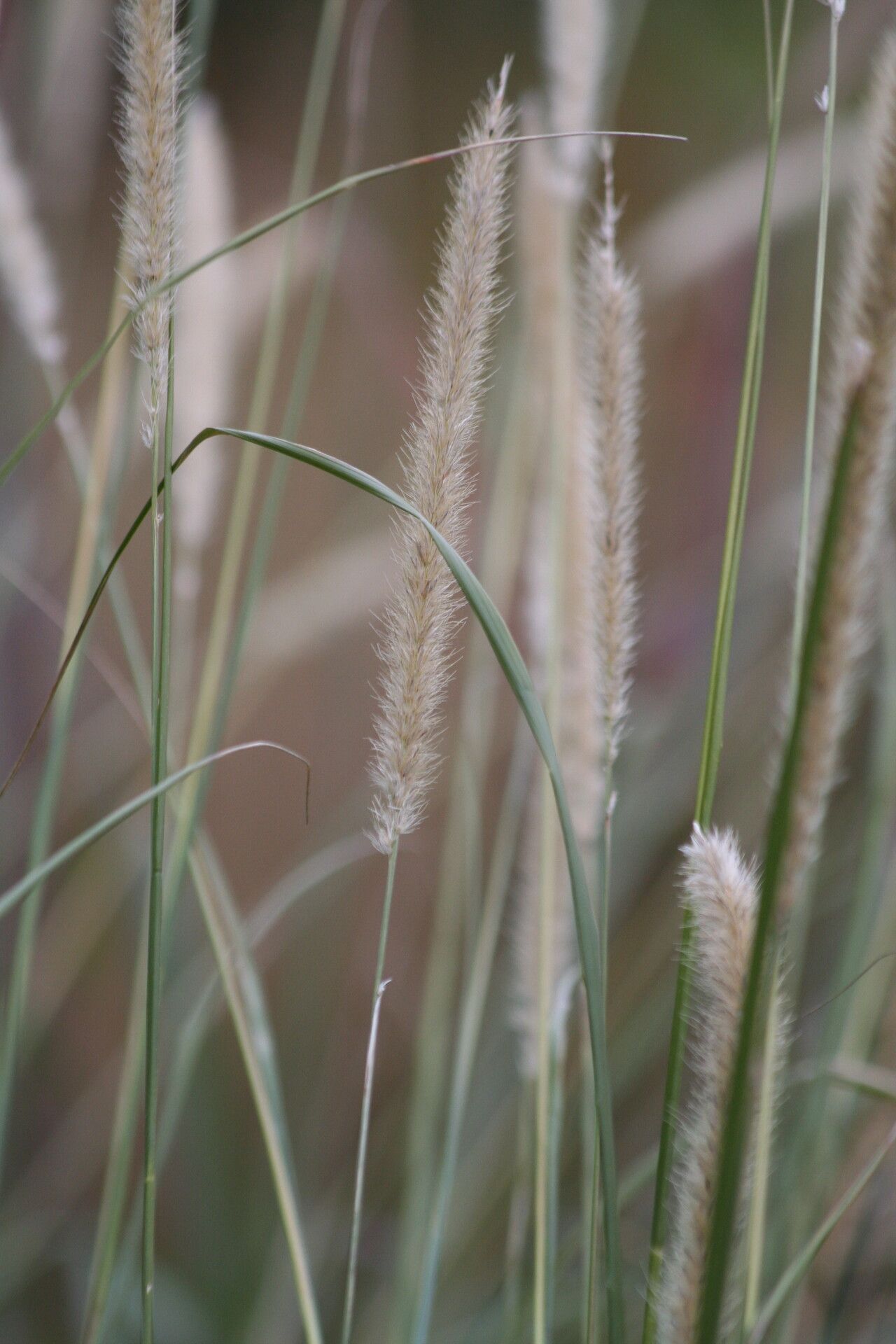
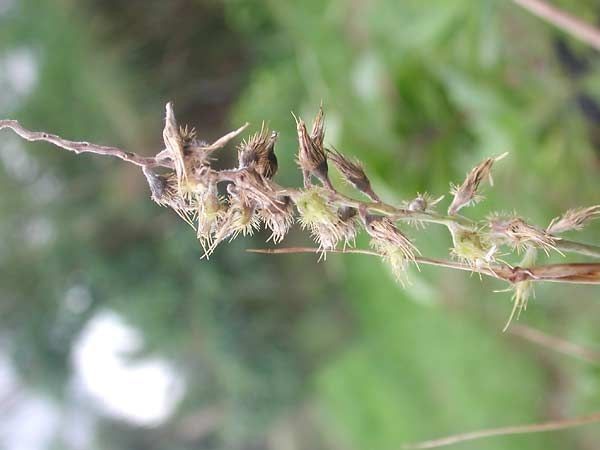
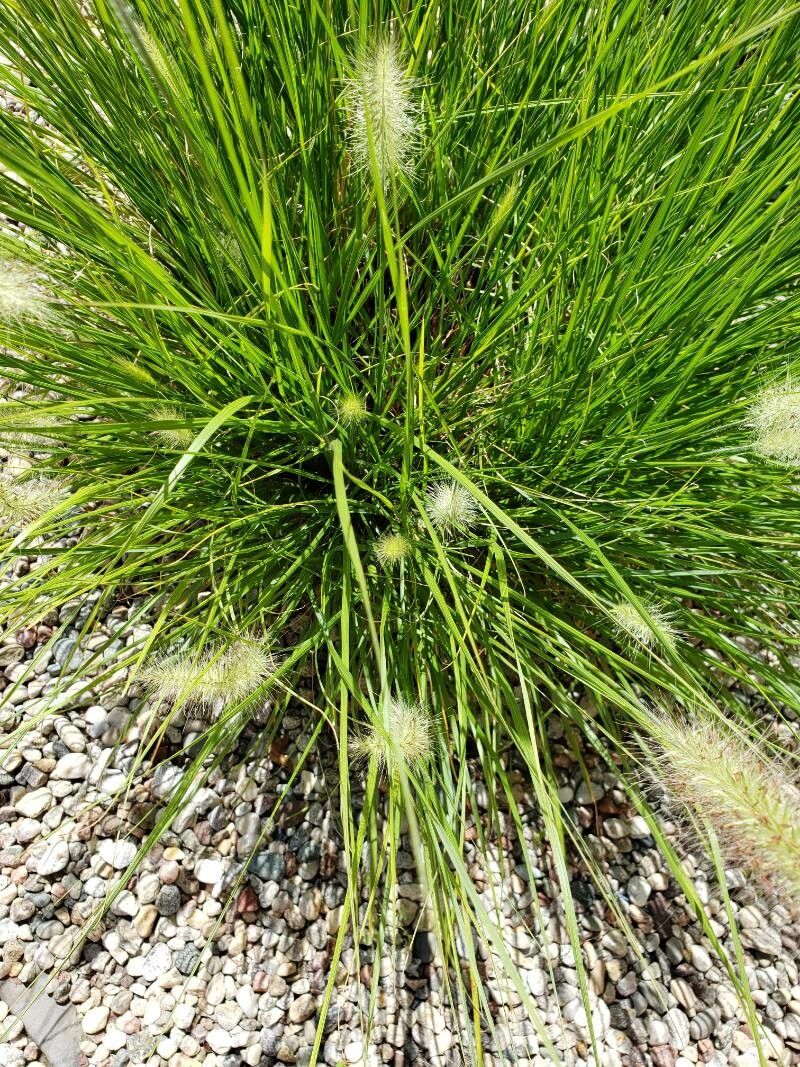
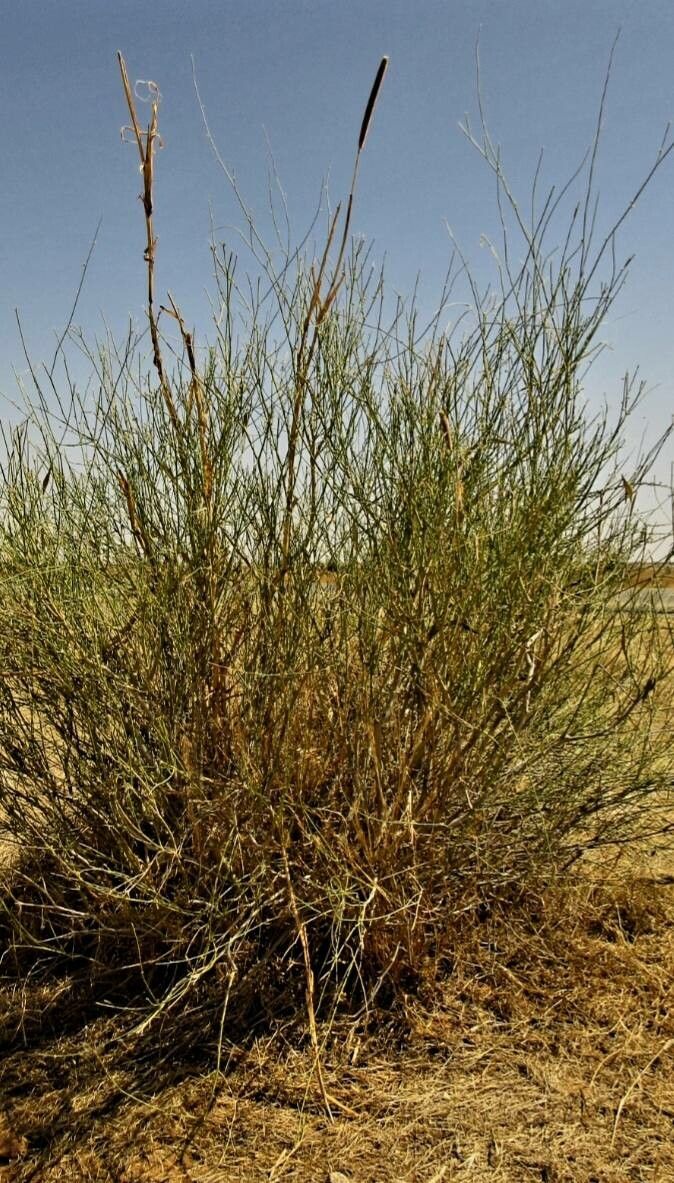
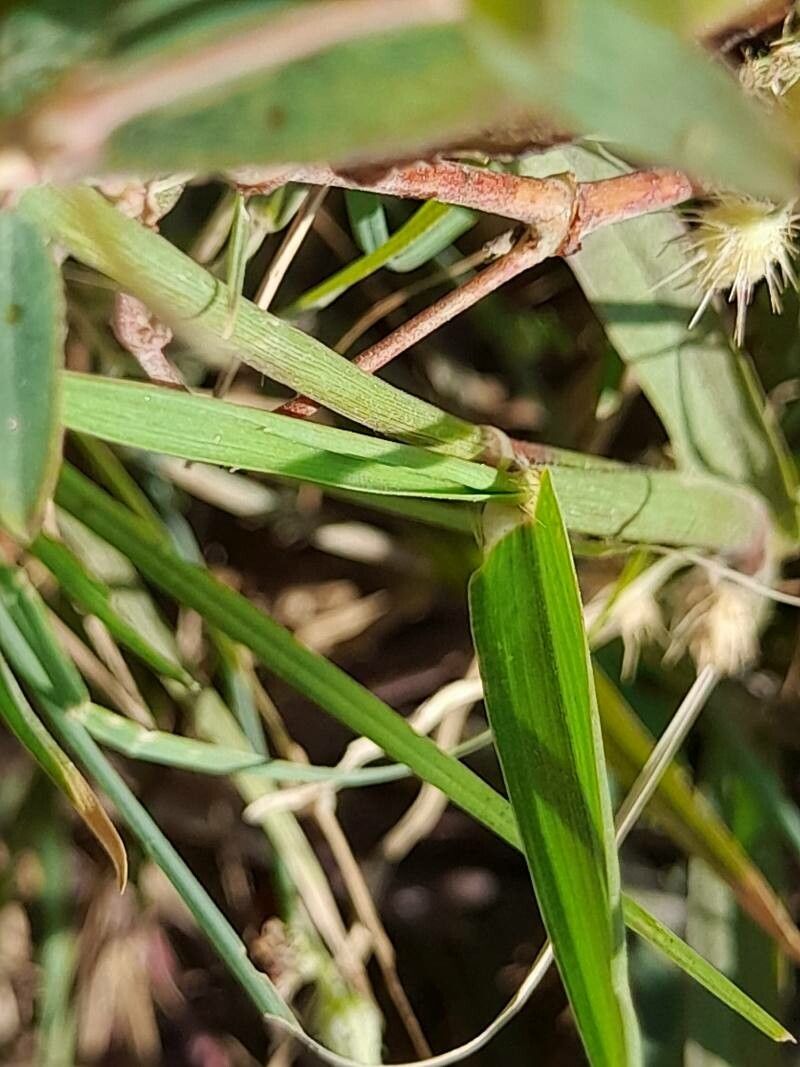
Cenchrus macrourus, commonly known as long-tailed sandbur, is a species of grass in the Poaceae family. It is a warm-season annual grass that can grow up to 60 cm tall and has a deep root system. The plant features long, slender leaves and produces spike-like inflorescences covered in sharp spines or burrs.
Native to North America, long-tailed sandbur thrives in sandy soils typically found in fields, pastures, roadsides, and disturbed areas. It prefers hot and dry conditions but can tolerate some shade.
The plant serves as an important food source for various wildlife, including birds and small mammals. However, it is also considered a weed due to its ability to spread rapidly; its burrs cling to animals and clothing, aiding in its dissemination.
Native Americans have traditionally used Cenchrus macrourus for medicinal purposes, such as treating fever and diarrhea. The plant contains compounds with anti-inflammatory properties, which may explain its traditional use.
Overall, Cenchrus macrourus is a fascinating species of grass with both ecological significance and medicinal potential.
Cenchrus macrourus shows strong resistance to disease and is generally not susceptible to illnesses. In terms of care, this plant is fairly low-maintenance. When grown outdoors it needs only minimal watering, and larger plants typically do not require pruning. Smaller plants, however, should be pruned after they finish blooming. Cenchrus macrourus is well suited to anyone with an outdoor area, like a garden or deck, and does not demand much gardening experience.
How to keep Cenchrus Macrourus.
Light
Cenchrus macrourus is a perennial herbaceous species that prefers sunny conditions and is native to open habitats, commonly found in meadows and grasslands. It favors full sun but can also tolerate partial sun.
Temperature
Cenchrus macrourus comes from tropical areas, where the climate is characteristically warm and humid. Consequently, it is adapted to high temperatures and humidity. It does not tolerate abrupt temperature changes and prefers a steady thermal environment, so it is important to prevent temperature fluctuations indoors. It typically cannot withstand cold and needs warmer conditions to grow. If the surrounding temperature falls too low, the plant may stop growing or even die.
Fertilizer
Cenchrus macrourus needs extra nutrients to encourage healthy new growth. In spring, placing compost around the base of the plant will effectively supply the nutrition it requires. Fertilizing supports vigorous growth and helps the plant resist diseases and pests.
Pruning
Cenchrus macrourus is a perennial grass known for its tufted growth and distinctive seed heads. To promote healthy development and maintain its shape, it is best to prune this plant in early spring. Early pruning helps remove dead foliage and encourages new growth. Be sure to avoid pruning late in the season, as this can lead to cold damage. Regular pruning will ensure the grass stays healthy and vibrant.
Botanical profile.
- Plant Type
- Grass
- Life Cycle
- Perennial
- Genus
- Cenchrus
- Family
- Poaceae
- Hardiness Zone
- 8-11
- Mature Height
- 0.91 m to 1.83 m
- Mature Spread
- 30 cm to 61 cm
- Leaf Color
- Green, Dark Green
- Leaf Type
- Semi-evergreen
- Flower Size
- 10.16 cm to 15.24 cm
- Bloom Time
- Summer, Early fall, Mid fall
- Planting Time
- Spring, Autumn
- Harvest Time
- Late summer, Fall, Early winter
- Native Area
- Saudi Arabia, Malawi, Somalia, Lesotho, Angola, South Africa, Zambia, Sudan, Nigeria, Guinea, Yemen, Kenya, Uganda, Tanzania, Zimbabwe, Benin, Central African Republic, Gabon, Cameroon, Togo, Eswatini, Ethiopia, Congo (DRC), Botswana, Congo
Other names.
Reader questions.
What are the sunlight requirements for Cenchrus macrourus?
Cenchrus macrourus, also known by its botanic name, requires specific sunlight conditions to thrive. These conditions are categorized into two: Full sun and Partial sun. For 'Full sun', the plant should receive above 6 hours of sunlight a day. In the case of 'Partial sun', about 3-6 hours of sunlight daily is ideal. It's important to observe the movement of sunlight through your garden carefully. Identifying spots that offer a harmonious balance of light and shade will be crucial in ensuring the well-being of your plants.