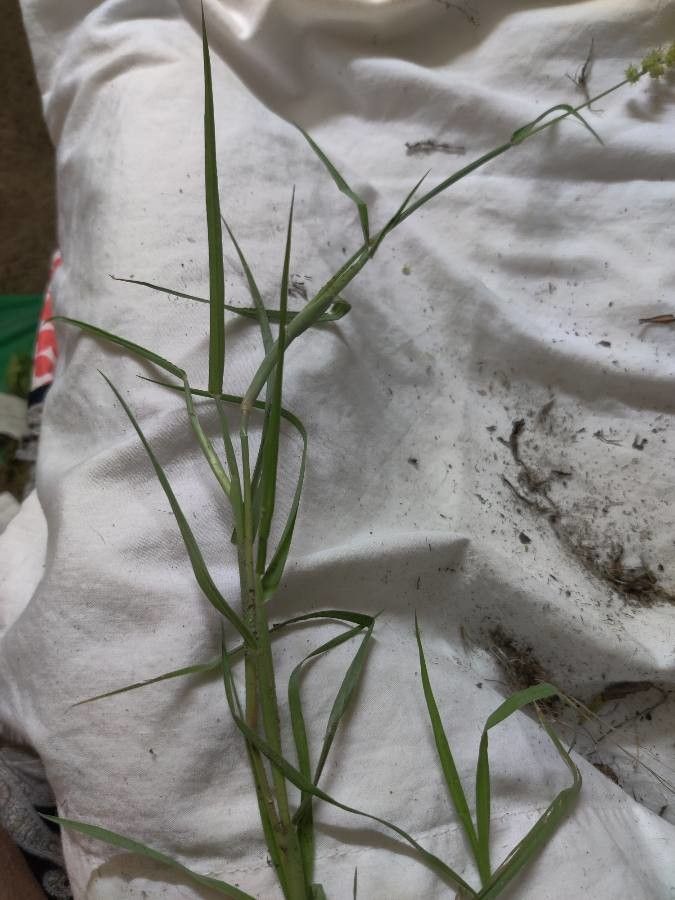
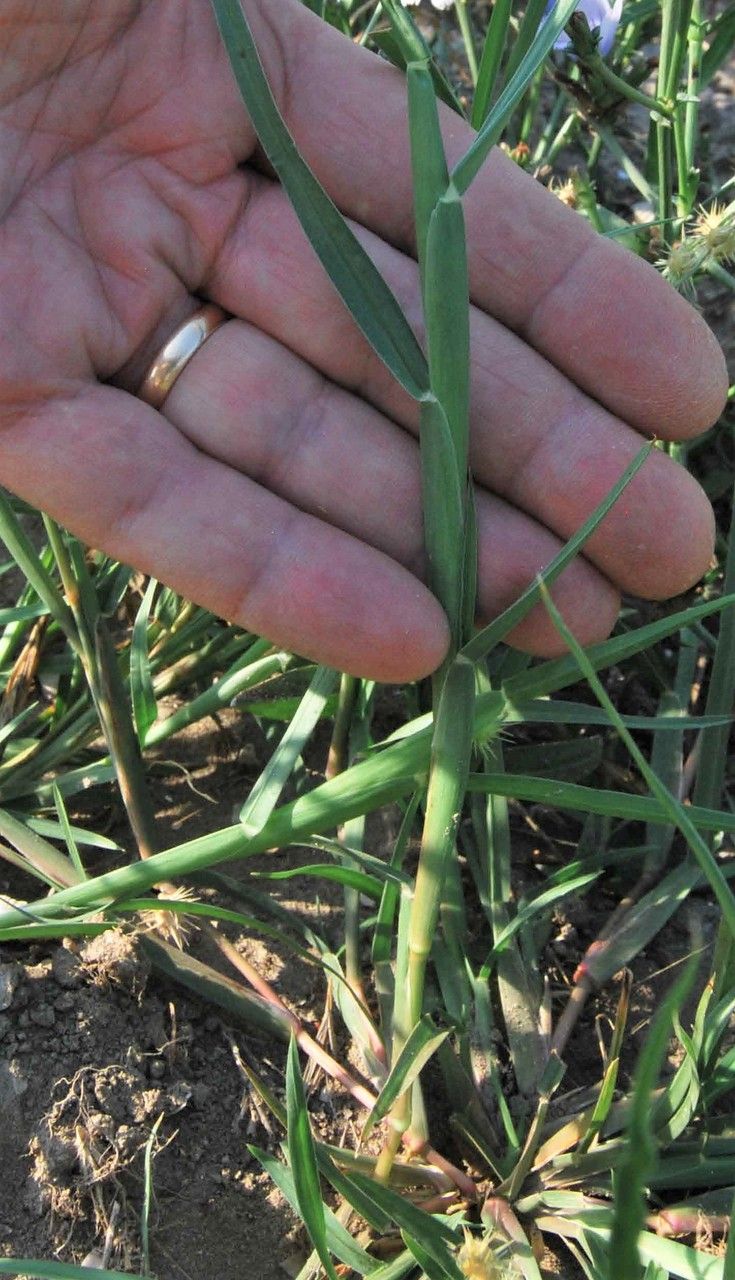
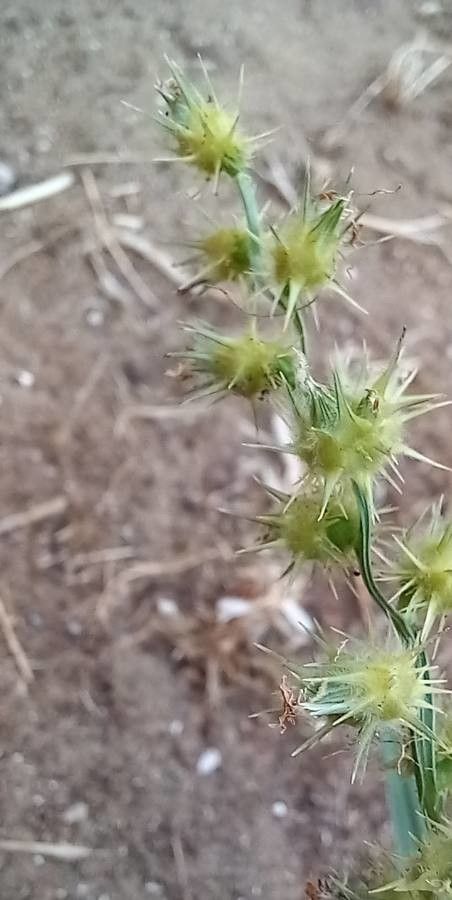
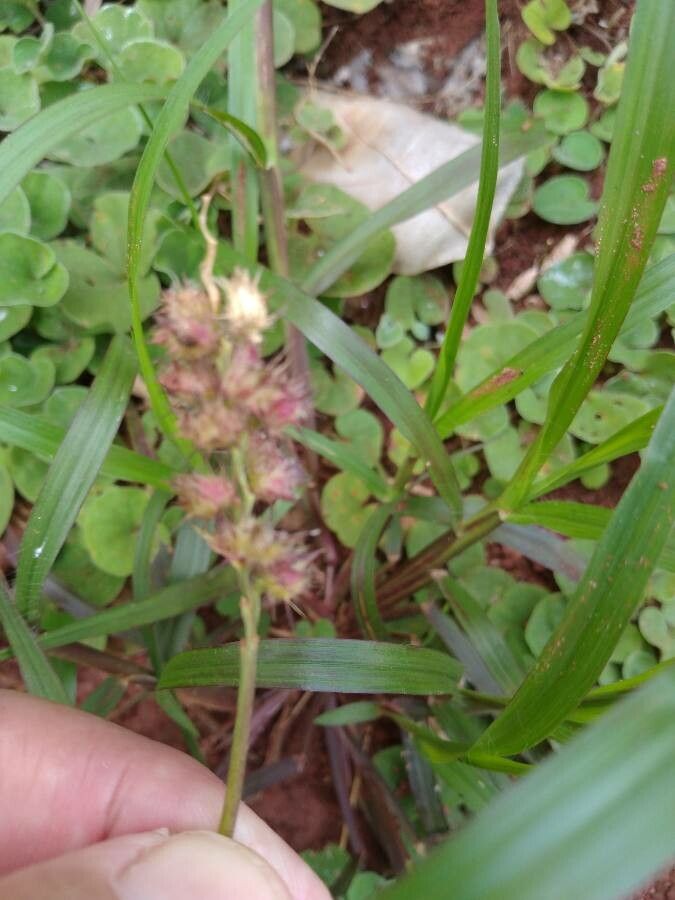
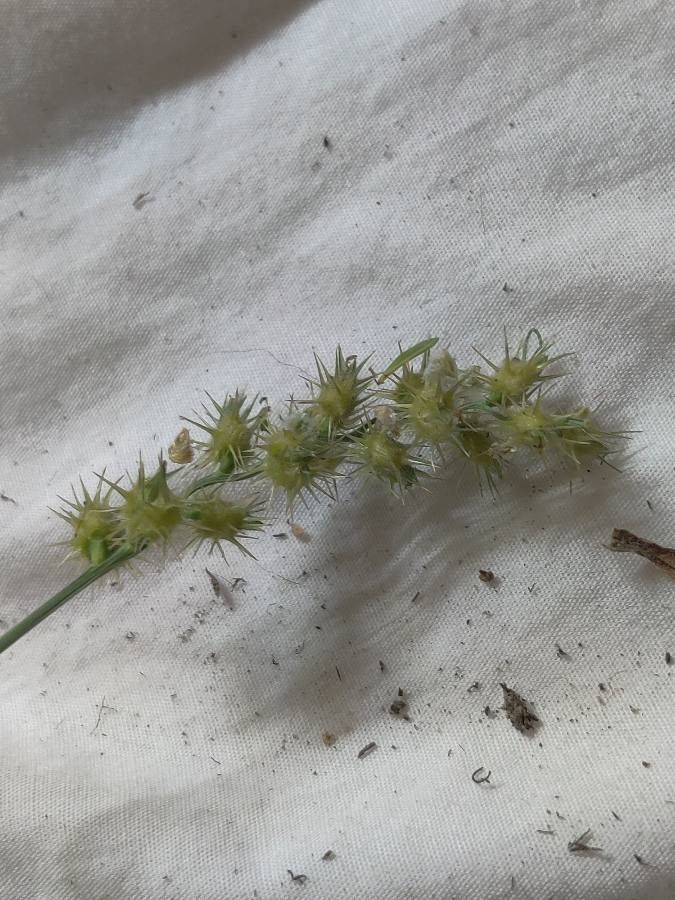
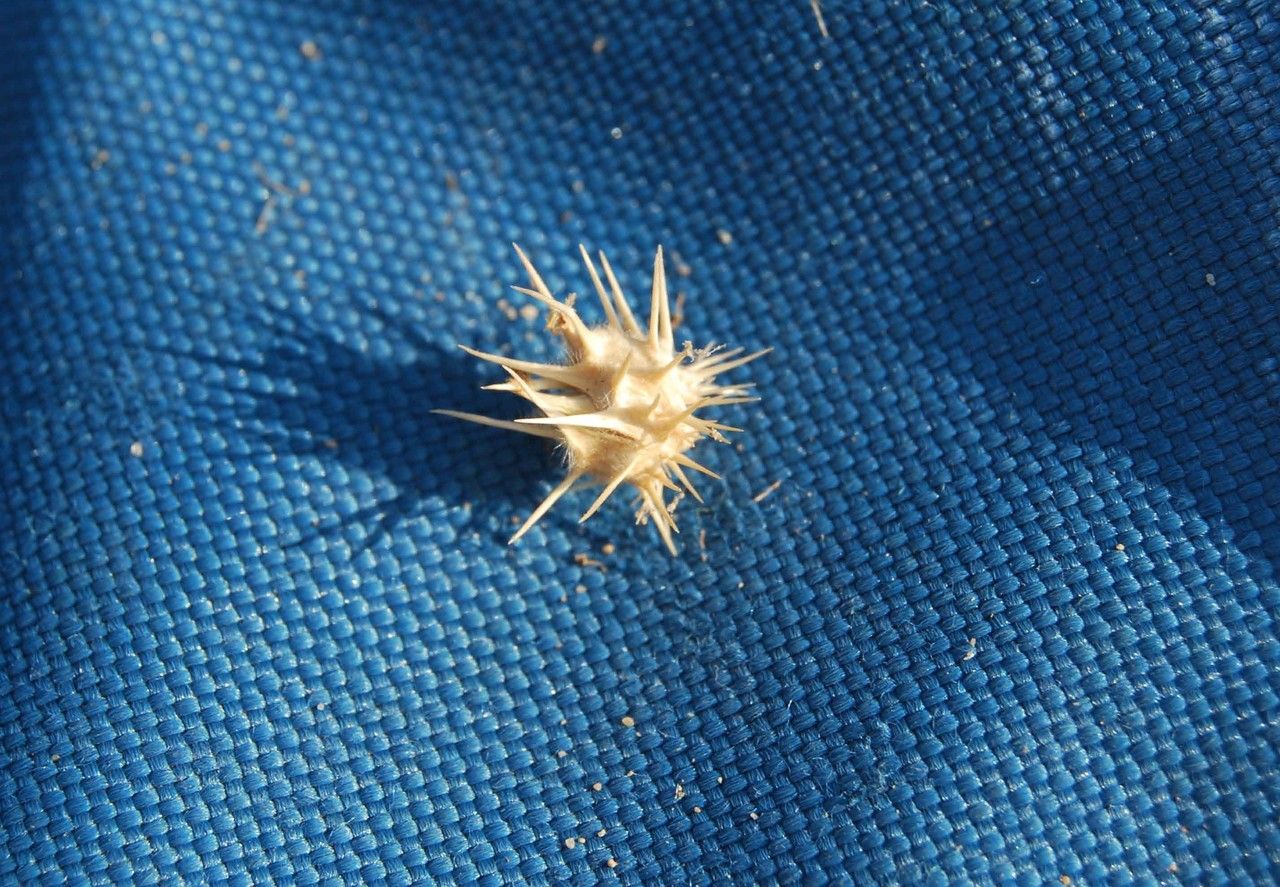
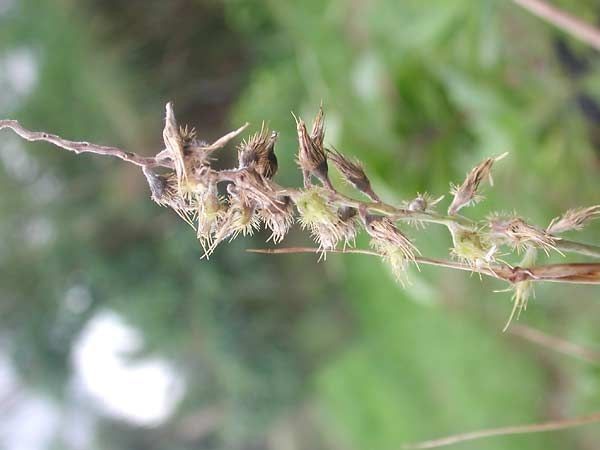
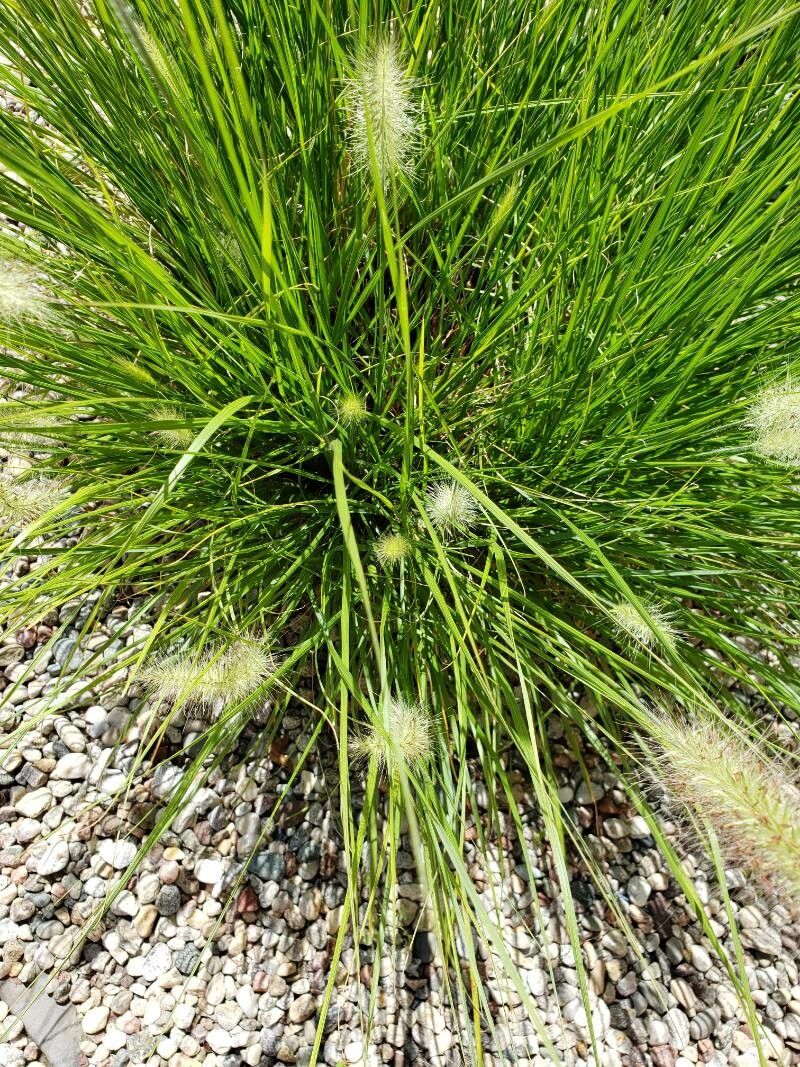
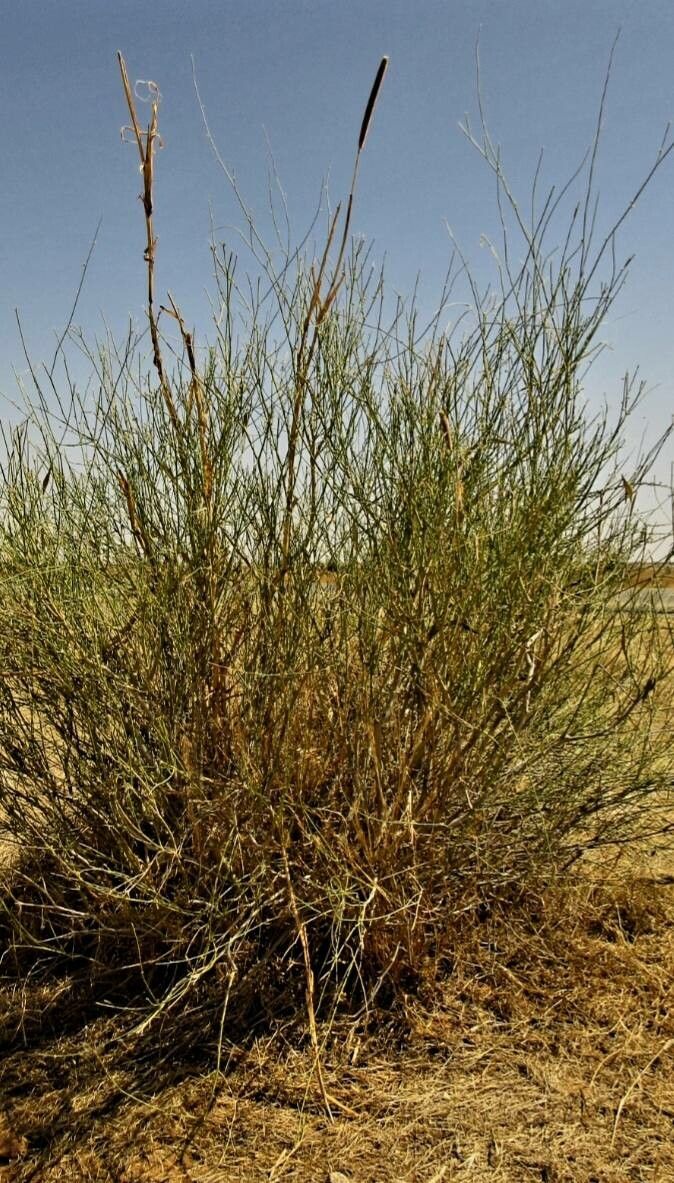
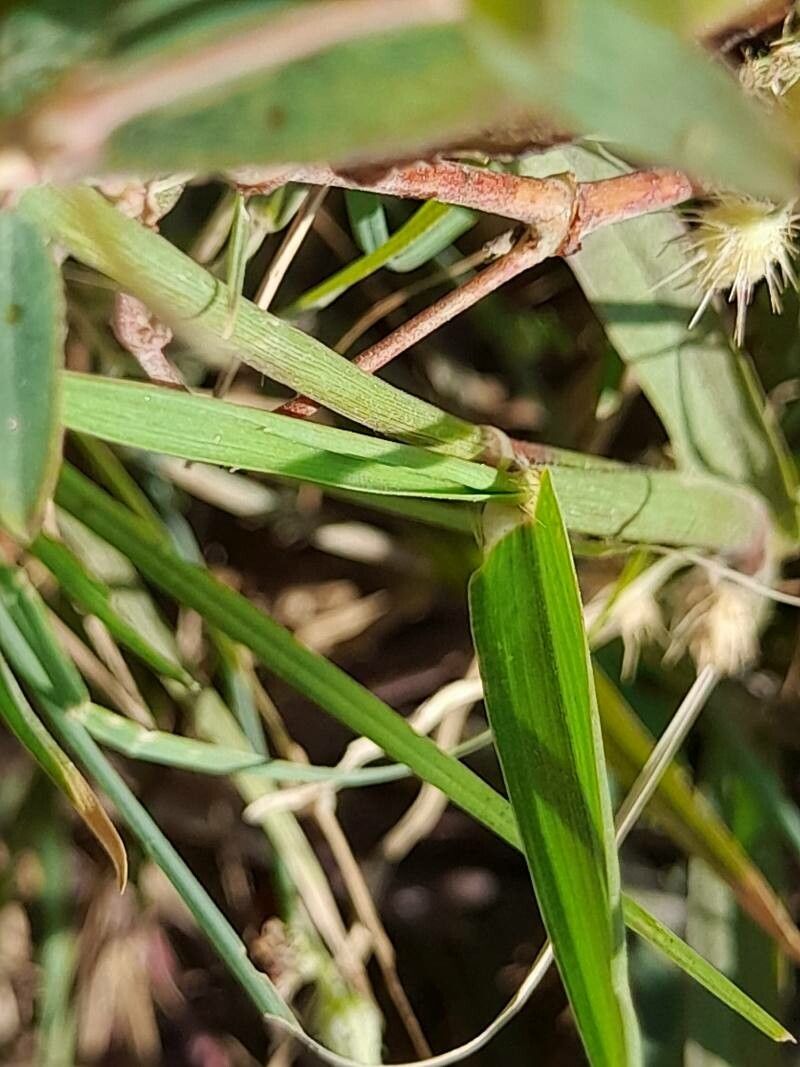
Cenchrus longispinus is a species of grass, also known as spiny burr grass or gentle Annie. Its fruits are clumped into "burrs" with sharp, barbed spines that can penetrate the hides and mouth of grazing animals. They can also become lodged in human clothing, causing some discomfort.The species is native to North America (Canada, Mexico, and the United States). It is a noxious weed in Europe, Australia and New Zealand where it was introduced.
Mat sandbur shows strong resistance to disease and is usually not susceptible to illnesses. Regarding care, this plant is fairly low-maintenance. When planted outdoors it needs only minimal watering, and larger specimens typically do not require pruning. However, smaller specimens should be pruned after they have bloomed. Mat sandburt is suitable for anyone with an outdoor area, such as a garden or a deck, and does not demand a lot of care experience.
How to keep Cenchrus Longispinus.
Light
Mat sandbur does best when exposed to strong light all day, though it can tolerate a moderate amount of shade. Too much shade can impede its healthy growth, making the plant leggy and weak, while very intense light may also stress it. Coming from habitats with extensive sun exposure, it is naturally adapted to those conditions.
Water
Mat sandbur thrives in dry grassland conditions due to its excellent drought tolerance. It requires minimal watering, usually just once a week, and has a robust root system that efficiently stores water. This makes it an ideal choice for xeriscaping, as it is well-suited for gardens in arid climates, where it can survive on sporadic rainfall.
Temperature
Mat sandbur is adapted to its native temperate climate and does best in temperatures of 68 to 95°F (20 to 35°C). In other climatic zones, seasonal adjustments may be required to replicate its natural conditions.
Pruning
To control the invasive grass known as mat sandbur, begin by pruning in early to late spring to remove seed heads. Regular mowing helps reduce its growth and prevent the spread of seeds. Make sure to properly dispose of the clippings to avoid further propagation. These steps will effectively manage the grass, promote healthier lawns, and reduce the risk of skin irritation from the spiny burs.
Botanical profile.
- Plant Type
- Grass
- Life Cycle
- Annual
- Genus
- Cenchrus
- Family
- Poaceae
- Hardiness Zone
- 6-10
- Mature Height
- 20 cm to 61 cm
- Mature Spread
- 61 cm
- Leaf Color
- Green, Light Green
- Leaf Type
- Deciduous
- Flower Color
- Yellow, Green
- Flower Size
- 10.16 cm
- Bloom Time
- Summer, Early fall
- Planting Time
- Spring, Autumn
- Harvest Time
- Late summer, Fall
- Native Area
- Mexico, Venezuela
Other names.
Reader questions.
What should I do if I give my Mat sandbur too much or too little water?
Proper watering is crucial for the performance of this beautiful ornamental grass. If the grass is in the ground, watering problems can be solved. However, in a container, too much or too little water can quickly kill the grass. Insufficient water can cause the grass to stop growing, while overwatering can lead to yellow leaves with brown tips. Underwatering can result in drooping leaves, weak seed head production, and browned leaves. If you suspect incorrect watering, the first step is to determine if there is too much or too little water. Stop watering immediately if there is excessive water. It may take weeks for heavy soils to dry out, so be patient. Once you see new growth, test the soil's moisture and decide if more water is needed. If there is insufficient water, simply give the grass a deep drink and observe if it perks up. Remember that long, deep watering is always better than frequent shallow waterings. This promotes the growth of deep roots, making the grass more resistant to drought and less susceptible to watering-related problems.
What are the sunlight requirements for Mat sandbur?
Mat sandbur thrives under full sunlight, requiring above 6 hours of sunlight daily, though it can tolerate partial sun, which is about 3-6 hours of sunlight. The plant is adapted to extensive sun exposure given its natural habitats. However, it's essential to observe your garden's sunlight patterns to ensure the plants get a balance of light and shade, as too much shade can make the plant leggy and weak, while too much direct sunlight may stress it.
What are the essential growing conditions for Mat sandbur?
Mat sandbur thrives best in its native temperate climate, with optimum temperatures ranging from 68 to 95°F (20 to 35°C). Despite its strong resistance to cold, if temperatures are expected to drop below -25°C, it's important to protect the plant from the cold by covering it with soil or straw. To prepare for winter, it is advisable to water the plant abundantly before the first freeze in autumn, ensuring the soil remains moist and enters a frozen state. This helps the plant to avoid drought and water scarcity during the winter and early spring.
How frequently should I wet my Mat sandbur?
The watering needs of Mat sandbur will vary depending on where it is planted. Generally, you should water this grass every week. However, in hot climates, watering once or twice a week in the summer may be necessary. In moderate climates, watering once every seven days or more may be enough. Grass in containers typically need more frequent watering than grasses in the ground. But the location of the grass also affects its watering needs. For example, shaded grasses need to be watered less frequently than grasses in the ground. To determine when to water, there are a few cues you can look for. Pressing your finger a couple of inches into the soil will help you determine if it is dry. For potted grass, you can also weigh the grass with a portable scale, or simply feel the pot to see if it feels light due to lack of water. Additionally, the blades of the grass may appear folded along their centers and thinner than usual when the roots lack water. Despite its drought tolerance, regular and deep waterings will result in a beautiful color for the Mat sandbur grass. In its natural habitat of open scrubland, Mat sandbur is subjected to extreme heat, bright sun, and intermittent rain. While this grass is drought resistant, it still requires care and attention. Consistent watering is recommended by gardeners for optimal growth. During the initial planting phase, Mat sandbur will need more frequent watering until it establishes deep roots. For potted grass, the soil may dry out quickly, especially if the pot is exposed to hot, direct sun. It is advised to test the soil every 3 to 4 days and water only when it feels dry. Mat sandbur in the ground generally requires less watering, but the watering frequency depends on the type of soil it is grown in. Heavy clay soil can hold water for a long time even if it appears dry at the surface. On the other hand, sandy soils that drain quickly will need more frequent watering.
What essential conditions do Mat sandbur plants need?
Mat sandbur requires intensive light exposure throughout the day for optimal growth, being capable of withstanding a moderate amount of shade. Excessive shade can impede its growth, while extreme sunlight can stress the plant. For indoor plants, artificial lighting becomes crucial when natural sunlight is insufficient. LED lights are recommended because you can customize them to provide the specific wavelengths of light that plants need, with full sun plants requiring 30-50W/sq ft, partial sun plants needing 20-30W/sq ft, and full shade plants needing 10-20W/sq ft of artificial light.
How does Mat sandbur respond to low temperatures, and what are the solutions?
Mat sandbur is cold-tolerant and best performs when temperatures stay above 20°C. In winter, it's crucial to keep the plant above 0°C. When temperatures fall below -25°C, you may not notice changes during winter, but there could be a decline in sprouting, or the plant may not sprout at all in spring. The solution for any parts of the plant that have failed to sprout in spring is to remove them.
What do I need to watch out for when watering my Mat sandbur in different seasons, climates, or during different stages of growth?
To determine if you are watering your grass enough, pay attention to the rate of growth. Mat sandbur grass, for example, tends to double in size during the hottest months of the year. If the weather is hot but the grass is not growing well, it may indicate a need to adjust your watering schedule. In winter, you might be able to water once a month, but it is still important to check the soil for moisture. During the peak growth cycle in warm months, extra watering may be necessary, while the need for water decreases significantly in winter and cooler months. Remember that with Mat sandbur, it is crucial to let the soil dry out completely before adding more water.
What are the symptoms of light deficiency in Mat sandbur?
When Mat sandbur is cultivated indoors or in insufficient light, it may show several symptoms indicating light deficiency. These include smaller new leaves, leggy or sparse growth, faster leaf drop, slower or halted new growth, and lighter-colored new leaves. In conditions of excessive sunlight, symptoms like chlorosis, sunscald, leaf curling, wilting, and leaf scorching could appear. Such symptoms suggest the plant's struggle with either too much or too little light.
What should be done if Mat sandbur experiences high temperatures?
During summer, it's important to keep Mat sandbur's temperature below 35°C. Exposure to temperatures above 41°C can cause the leaves to lighten in color, become prone to curling, suffer from sunburn, and in severe cases, the entire plant may wilt and dry up. To alleviate these issues, trim away the sunburned and dried parts of the plant. Move the plant to a location that offers shade during the midday and afternoon sun, or utilize a shade cloth to provide protection. Additionally, watering the plant in the morning and evening helps keep the soil moist, further protecting it from high temperatures.
How can I improve light conditions for my Mat sandbur?
Improving light conditions for Mat sandbur involves several strategies. Indoors, gradually move your plants to sunnier spots until they receive at least 6 hours of direct sunlight daily, or use artificial light, like a desk or ceiling lamp for at least 8 hours daily. Outdoors, adapt your plants to sunlight gradually to avoid sunburn. Minimize obstructions by pruning trees or moving smaller plants to sunnier locations. Remember, while parts of the plant that suffered in inadequate light may not recover fully, new growth will be healthy with improved lighting.