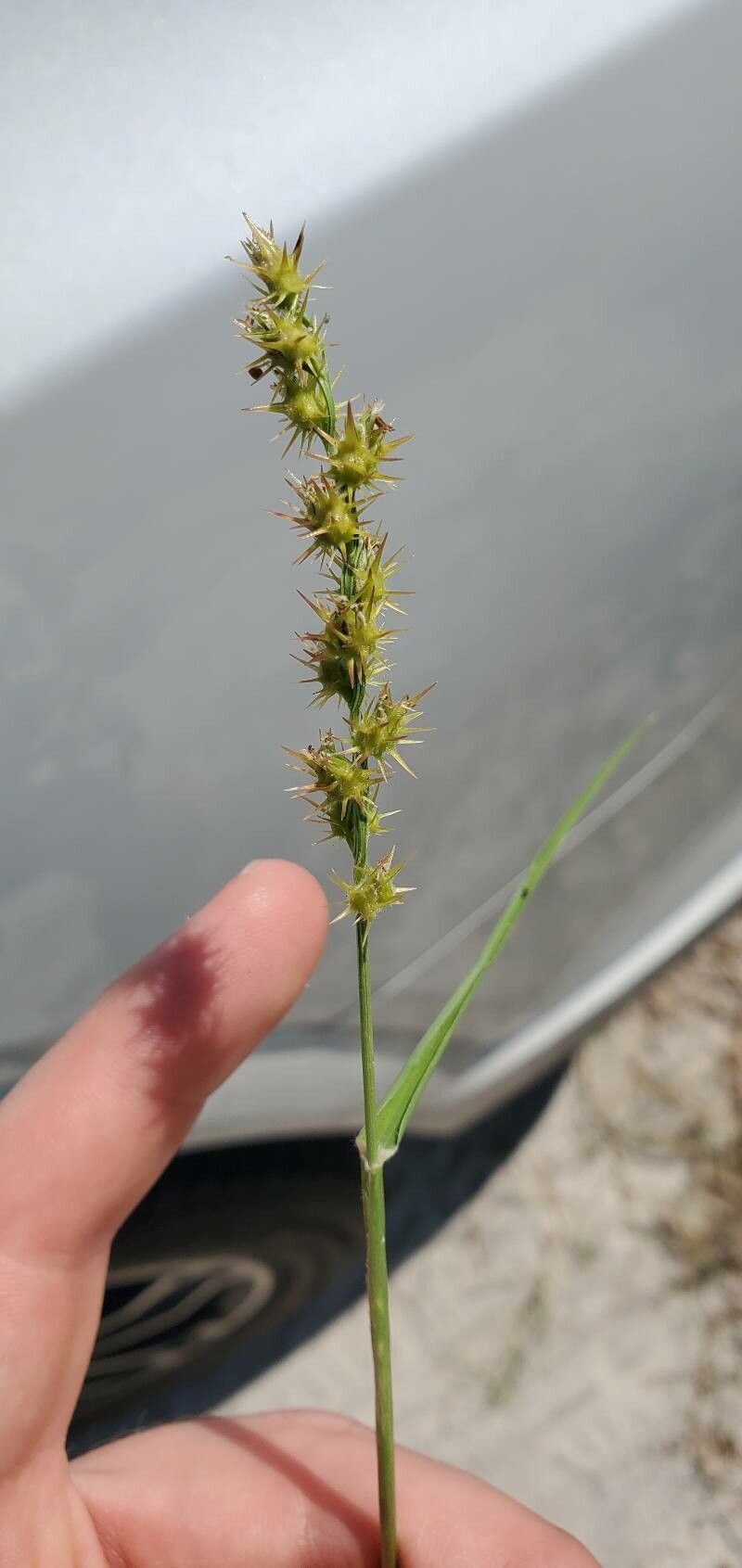
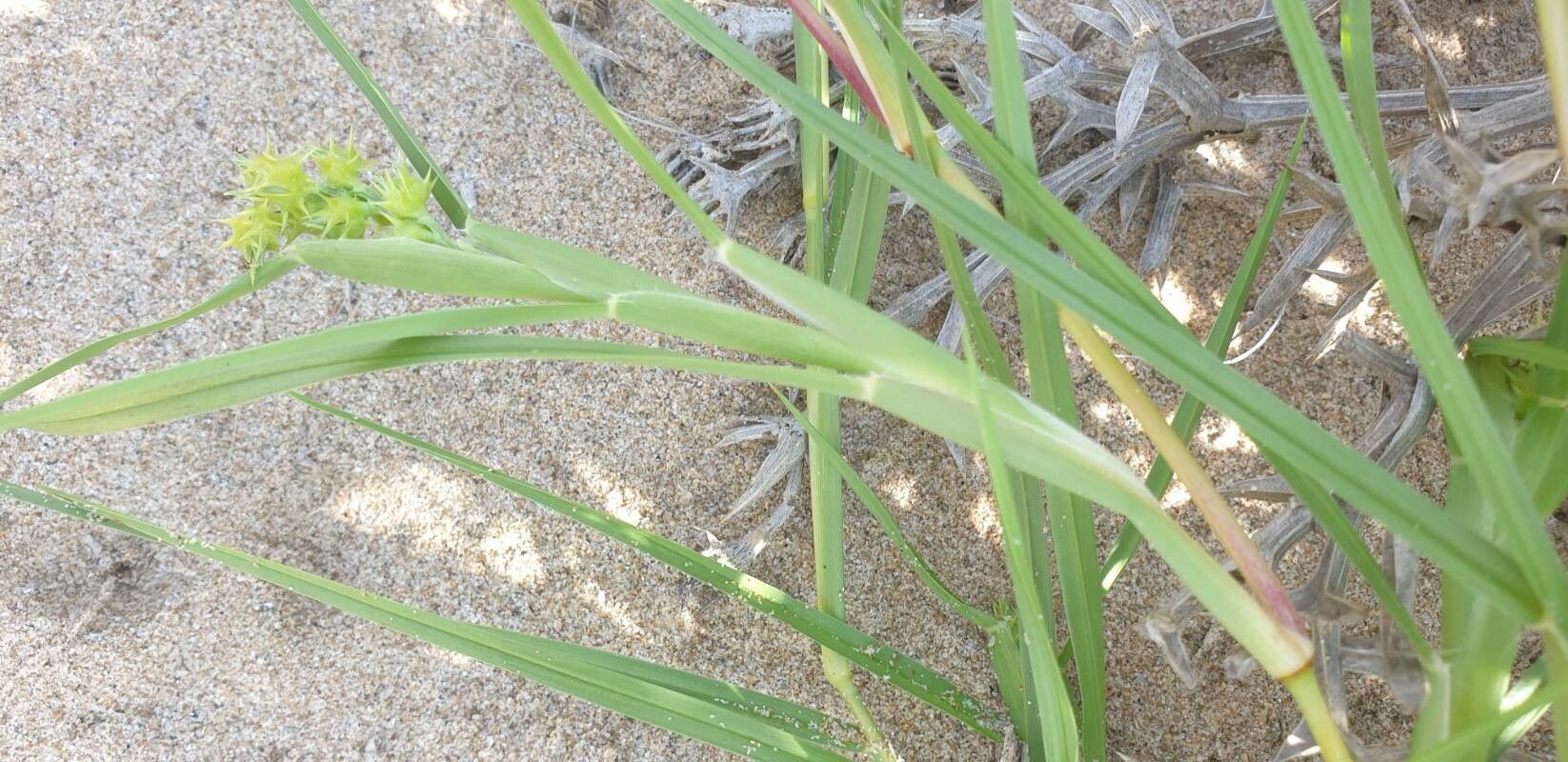
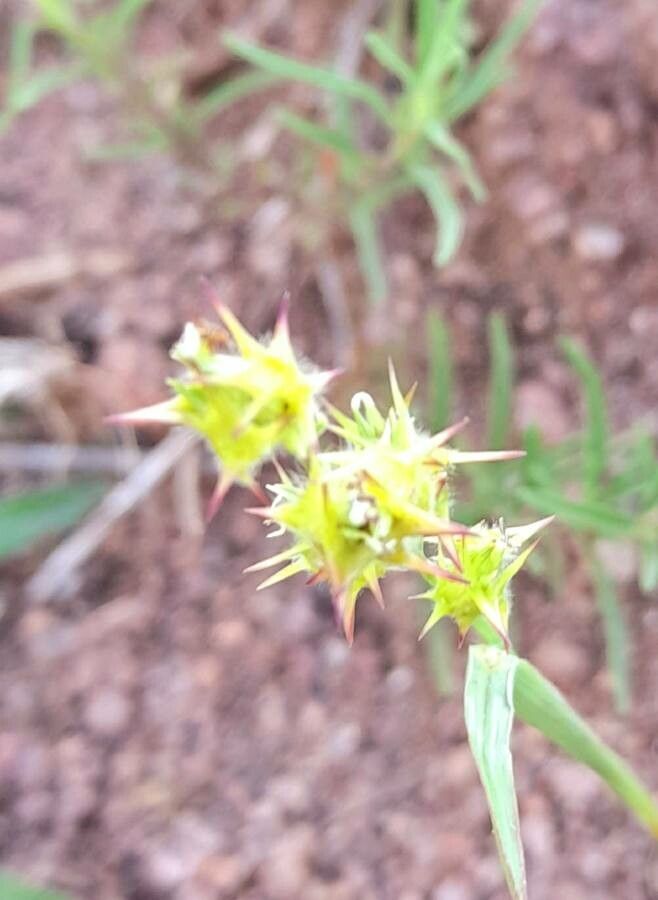
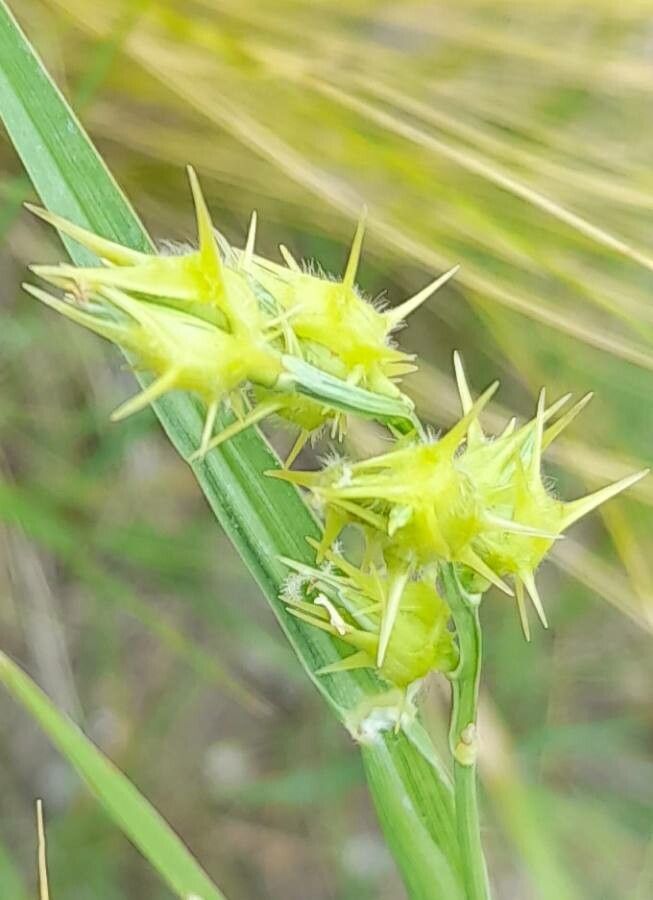
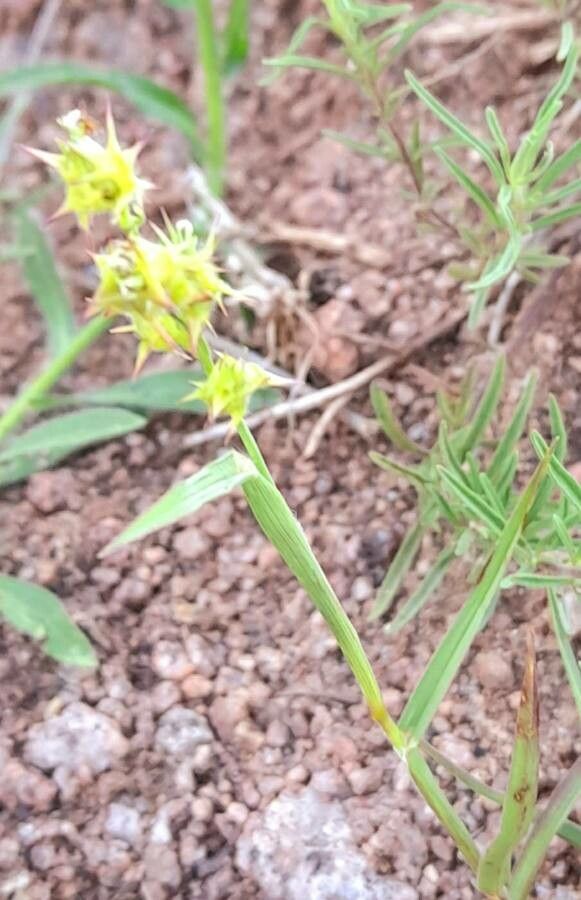
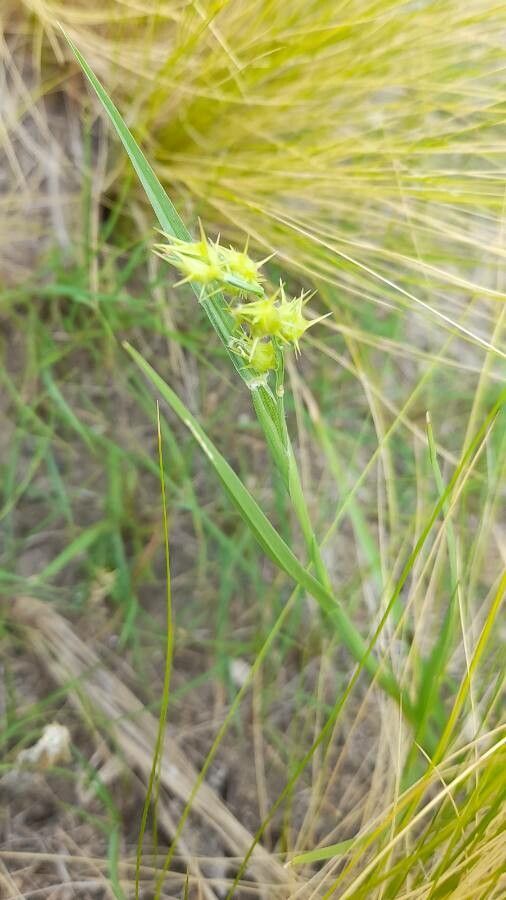
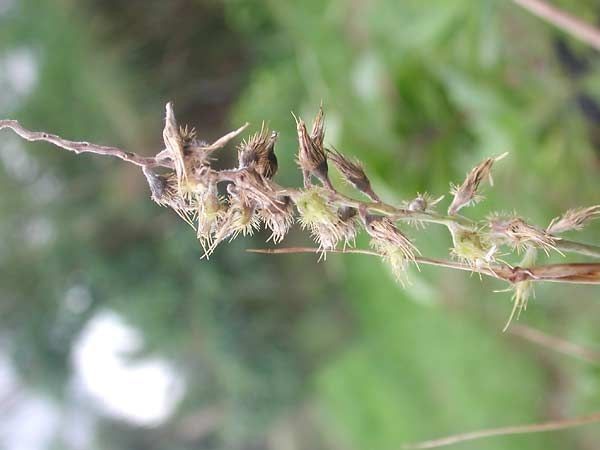
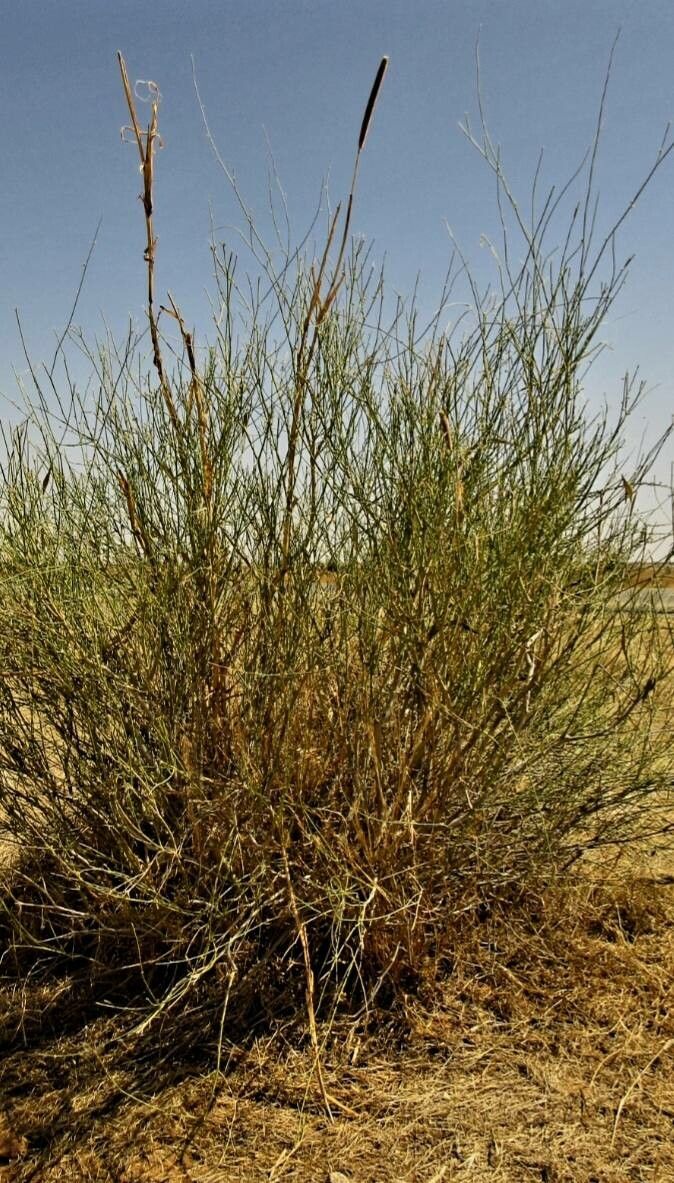
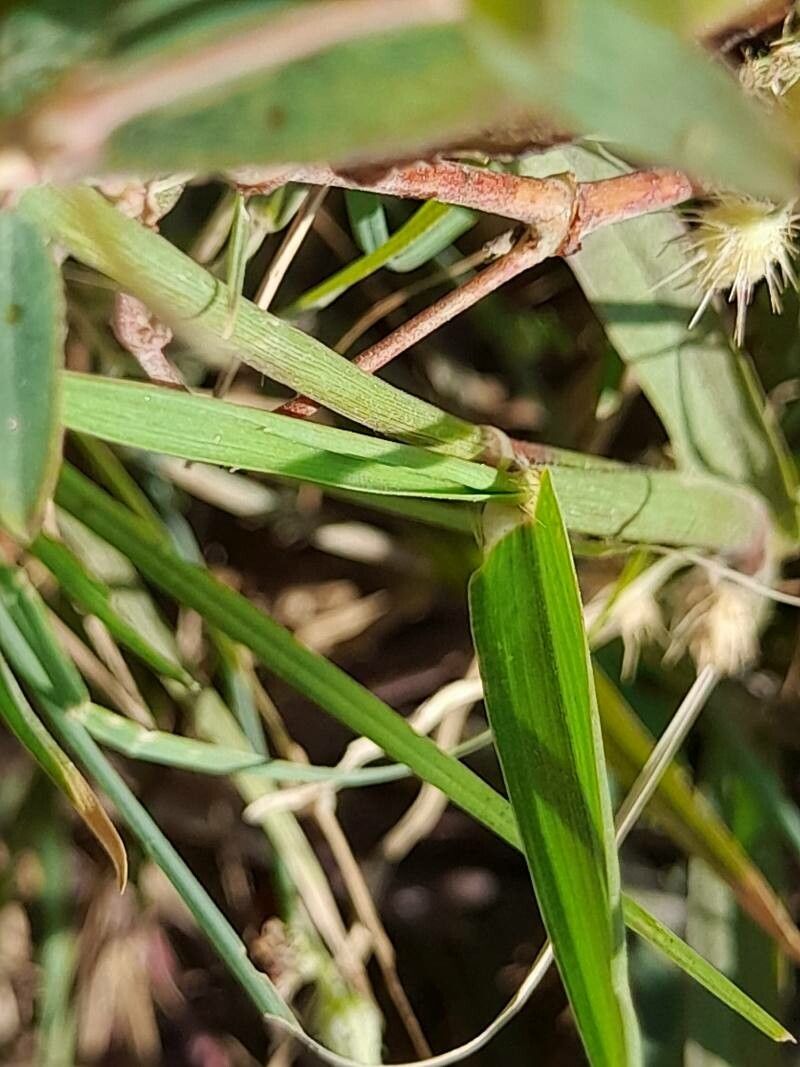
Cenchrus spinifex, known commonly as the common sandbur, coastal sandbur, or stickerweed, is a perennial grass that grows from 5 to 30 inches (13 to 76 cm) high in sandy or gravelly terrain. It is native to the southern United States southward into Mexico and the Caribbean. It has been introduced elsewhere in the United States and in the Philippines and South Africa. It is a noxious weed in Europe.The grass produces a bur, a type of grain fruit, consisting of eight to forty sharp, barbed spines that lodge in clothes, exposed feet, and fur.
Coast sandbur shows strong resistance to disease and is generally unlikely to suffer from them. Still, it can be affected by pests and diseases present in its environment. These problems are typically minor. Regarding care, this plant needs moderate maintenance. It should be pruned regularly to preserve a neat appearance and healthy growth. Applying fertilizer can also encourage blooming. Coast sandbur is appropriate for anyone with outdoor space, such as a garden or patio, and does not demand extensive gardening experience. It may call for extra attention if grown indoors.
How to keep Cenchrus Incertus.
Light
Coast sandbur thrives with ample sunlight, which is essential for its healthy development. Because of the environment it originated from, it can tolerate not having full sun all day. Still, very limited light or excessive sunlight can impede its growth.
Temperature
Coast sandbur is a plant adapted to temperate environments and prefers temperatures of 68 to 95 °F (20 to 35 ℃). In cooler climes, consider sheltering it during periods of extreme cold to prevent damage.
Fertilizer
Coast sandbur responds well to regular, light applications of fertilizer to encourage healthy leaf growth. You should apply fertilizer to Coast sandbur roughly once a month during the summer. Nitrogen is essential for foliage, and adding nitrogen-rich sources helps Coast sandbur thrive.
Botanical profile.
- Plant Type
- Herb
- Life Cycle
- Annual, Perennial
- Genus
- Cenchrus
- Family
- Poaceae
- Hardiness Zone
- 6-10
- Mature Height
- 13 cm to 76 cm
- Mature Spread
- 30 cm to 49 cm
- Leaf Color
- Green, Blue
- Leaf Type
- Semi-evergreen
- Flower Color
- Yellow, Green, Brown
- Flower Size
- 1.02 cm to 2.03 cm
- Bloom Time
- Summer, Early fall, Mid fall
- Planting Time
- Spring, Summer, Autumn
- Harvest Time
- Late summer, Fall, Early winter
- Native Area
- Russia, Colombia, Bahamas, Belize, Cuba, Honduras, Mexico, Bolivia, Venezuela, Peru, Brazil, El Salvador, Nicaragua, Ecuador, Costa Rica, Panama, Jamaica
Other names.