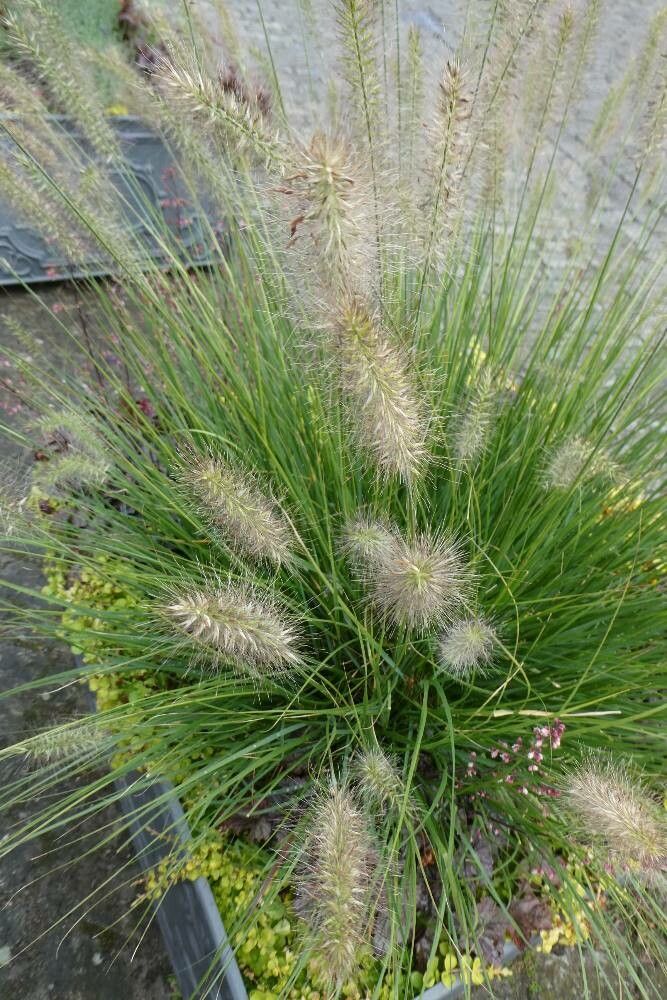
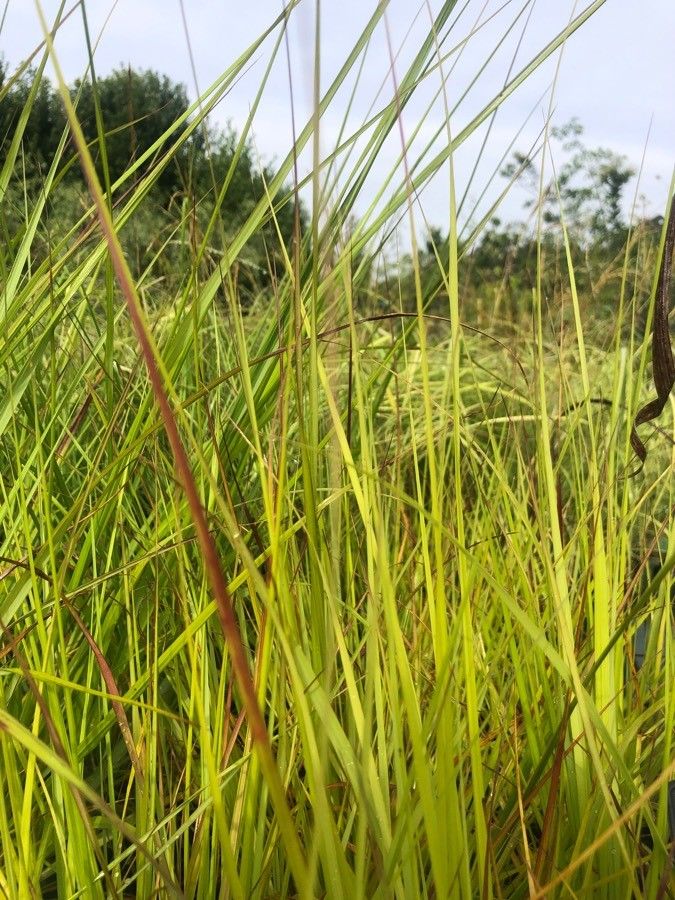
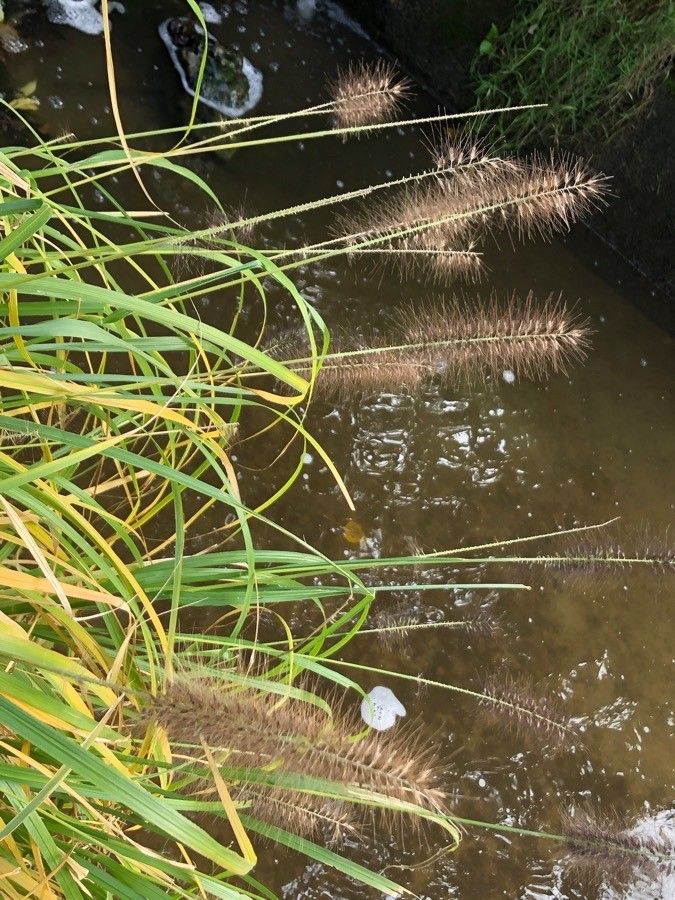
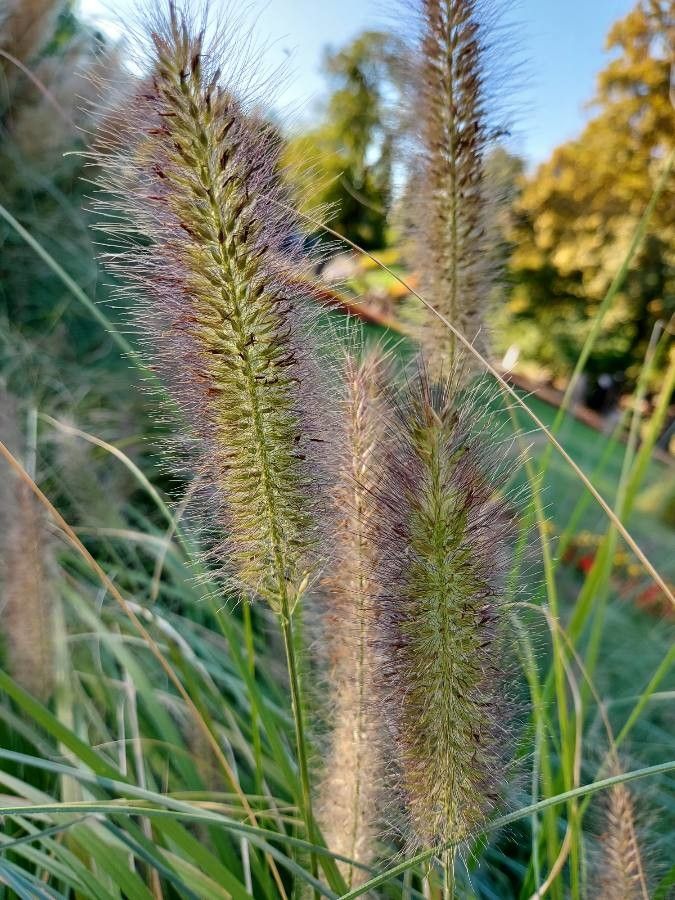
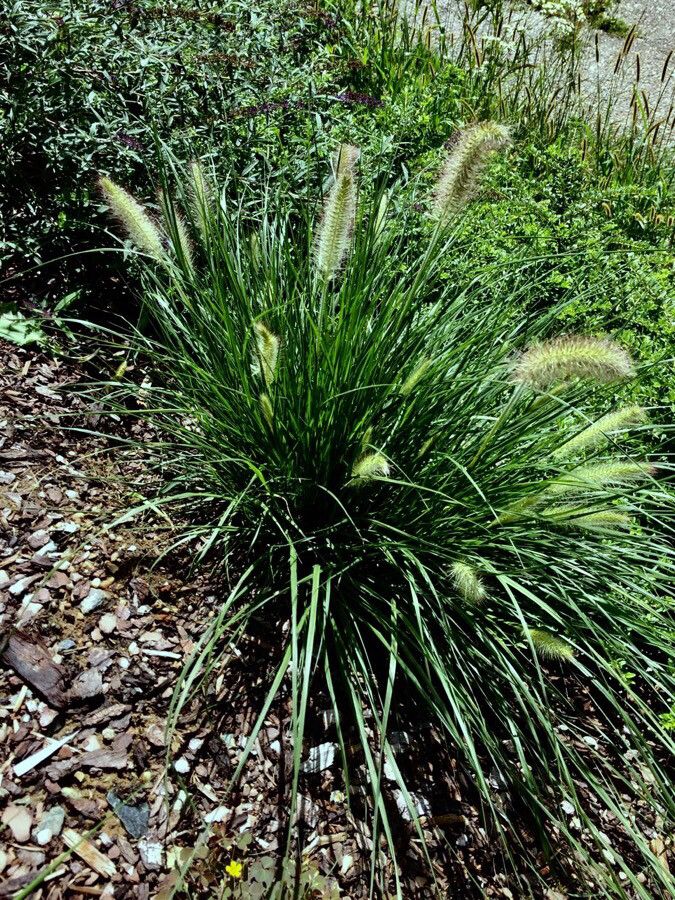
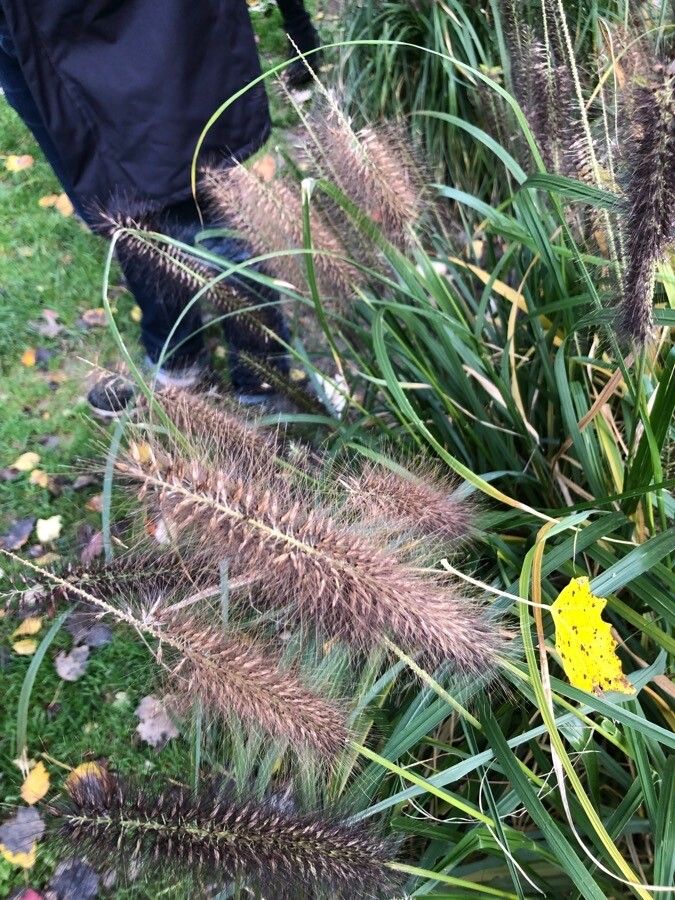
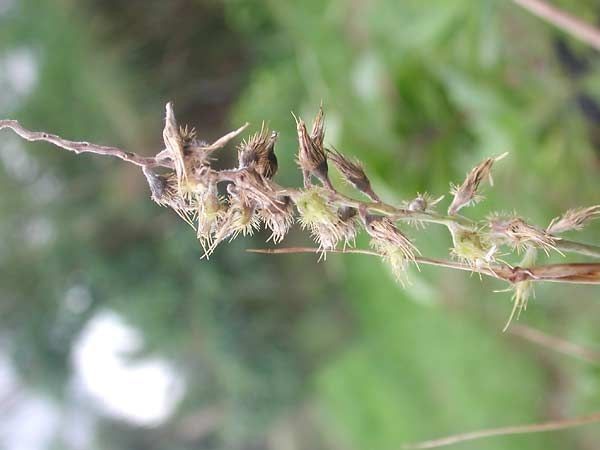
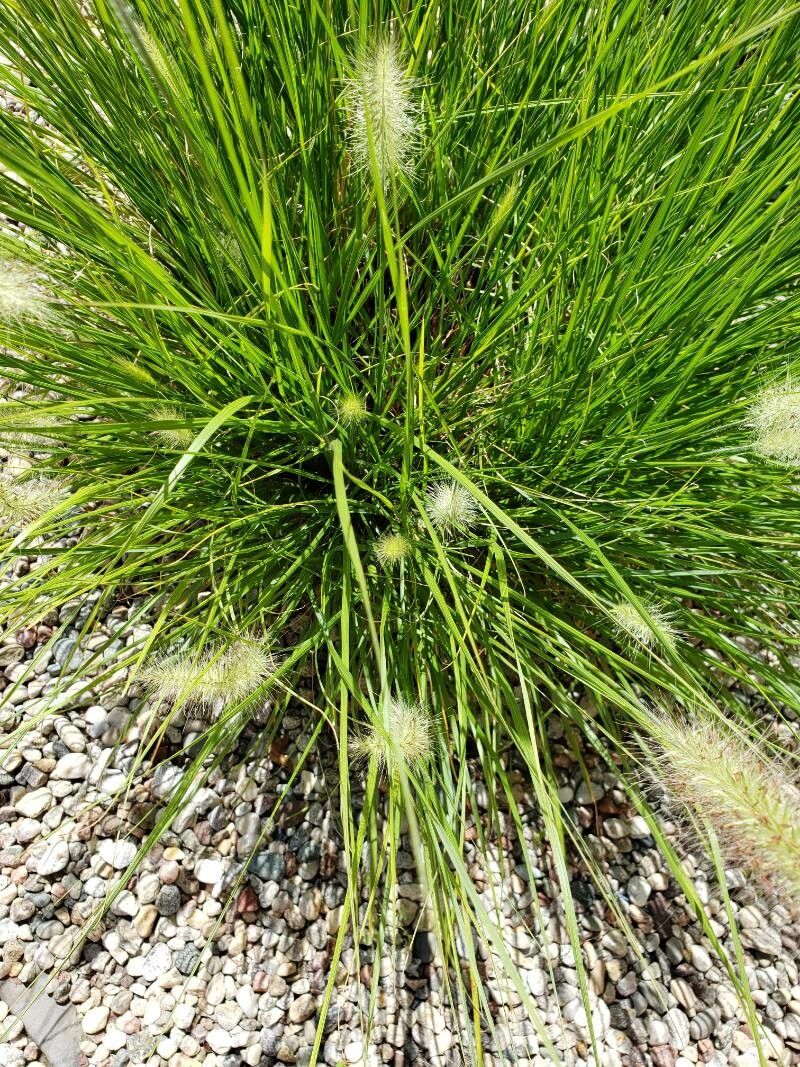
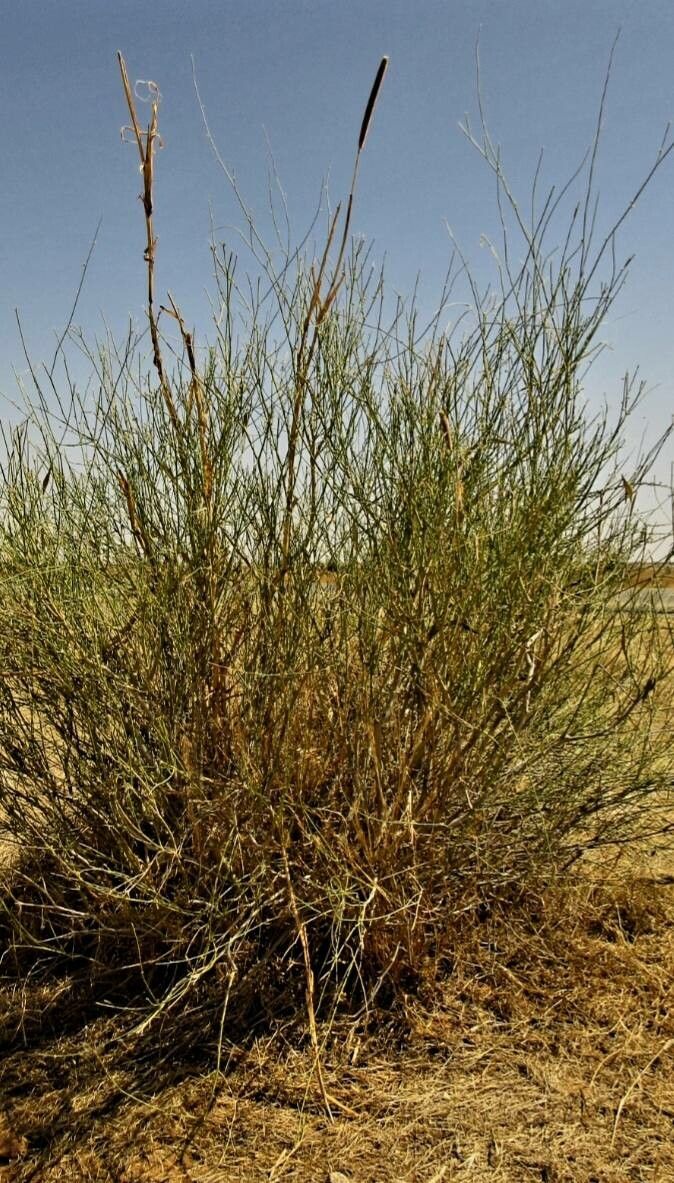
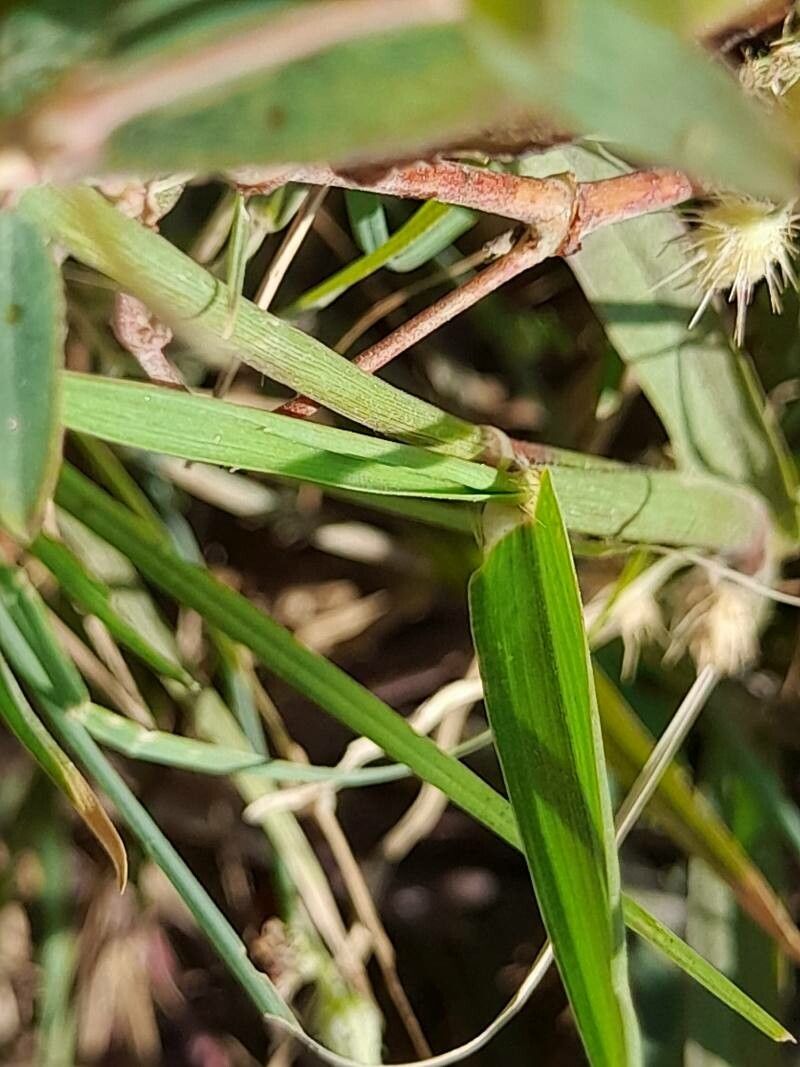
Chinese fountaingrass is disease-resistant and is generally unlikely to develop illnesses. Regarding care, this plant is fairly low-maintenance. When grown outdoors it needs only minimal watering, and larger specimens usually do not require pruning. Smaller plants, however, should be trimmed after they have finished blooming. Chinese fountaingrass is suitable for anyone with outdoor space, such as a garden or deck, and does not demand extensive plant-care experience.
How to keep Cenchrus Compressus.
Light
Chinese fountaingrass does best when it gets plenty of sunlight for most of the day. It can also tolerate locations with moderate shade. However, sites with a severe shortage of light may restrict its growth. Native to sunny environments, the plant can adjust to variations in light exposure, but long periods without enough sunlight can lead to poor health.
Temperature
Chinese fountaingrass originates from habitats with temperatures between 41 and 95 °F (5 to 35 °C). It grows best in moderate conditions and may need extra care during periods of extreme heat or cold.
Fertilizer
Chinese fountaingrass benefits from extra nutrients to encourage healthy new growth. In spring, spreading some compost around the plant’s base can effectively supply the nutrition it needs. Fertilizing helps support vigorous growth and improves the plant’s resistance to diseases and pests.
Botanical profile.
- Plant Type
- Grass
- Life Cycle
- Perennial
- Genus
- Cenchrus
- Family
- Poaceae
- Hardiness Zone
- 5-9
- Mature Height
- 1.22 m
- Mature Spread
- 1.22 m to 1.52 m
- Leaf Color
- Green, Blue, Yellow, Gold
- Leaf Type
- Deciduous
- Flower Color
- Tan
- Flower Size
- 2.54 cm
- Bloom Time
- Mid summer
- Planting Time
- Spring, Summer, Autumn
- Harvest Time
- Mid summer, Late summer, Early fall