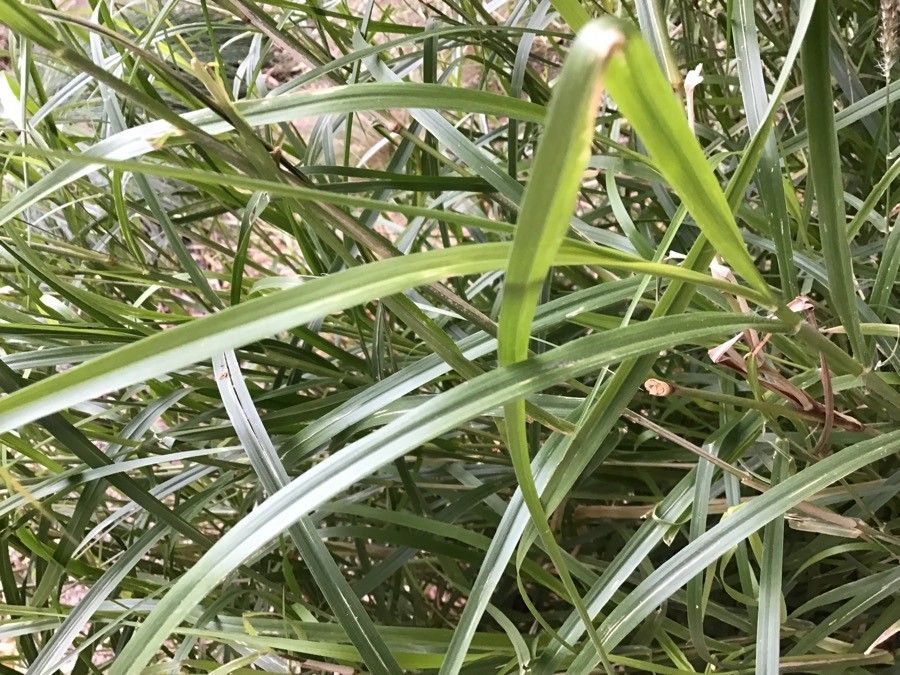
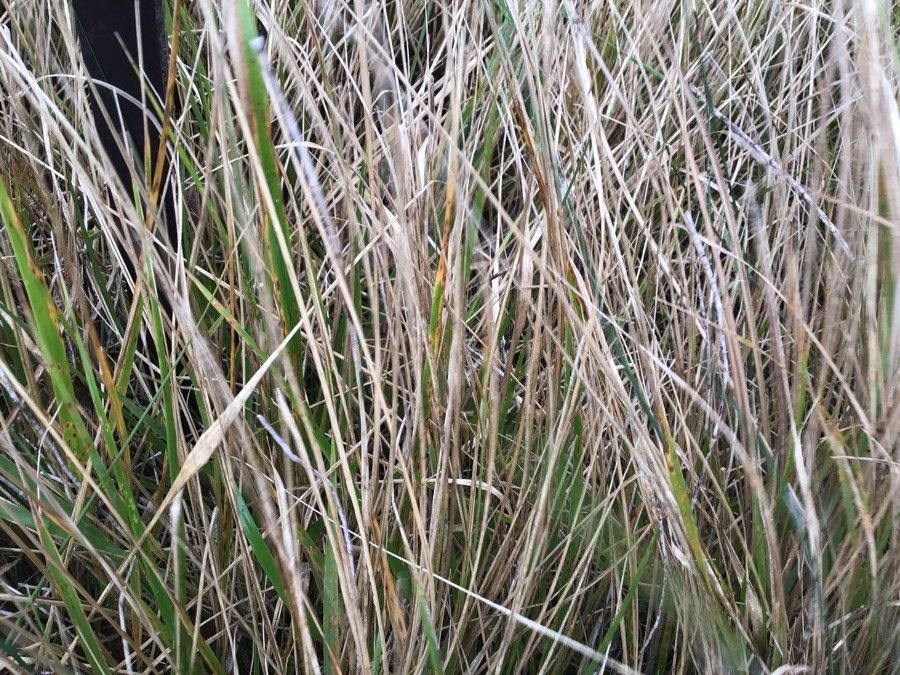
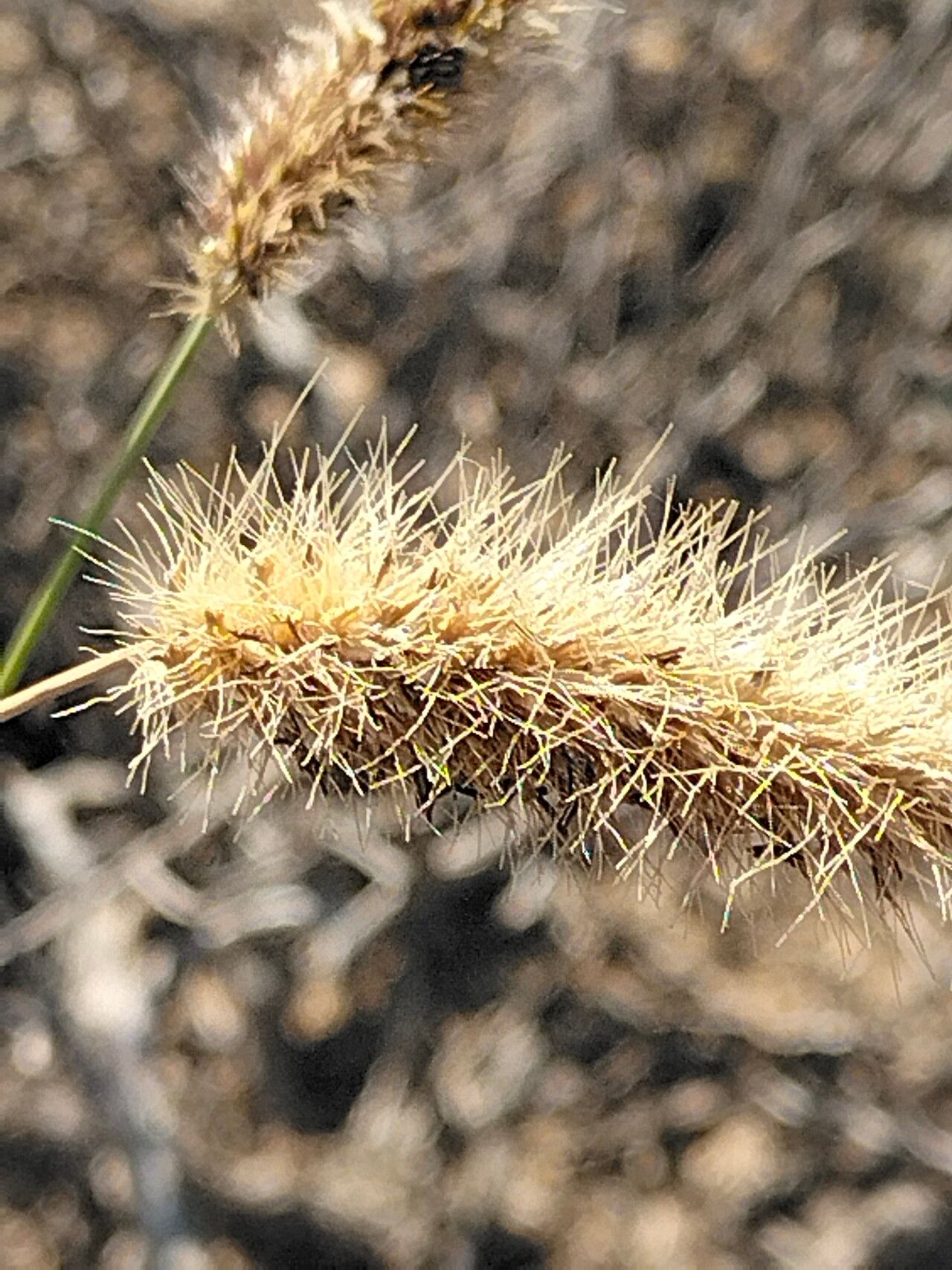
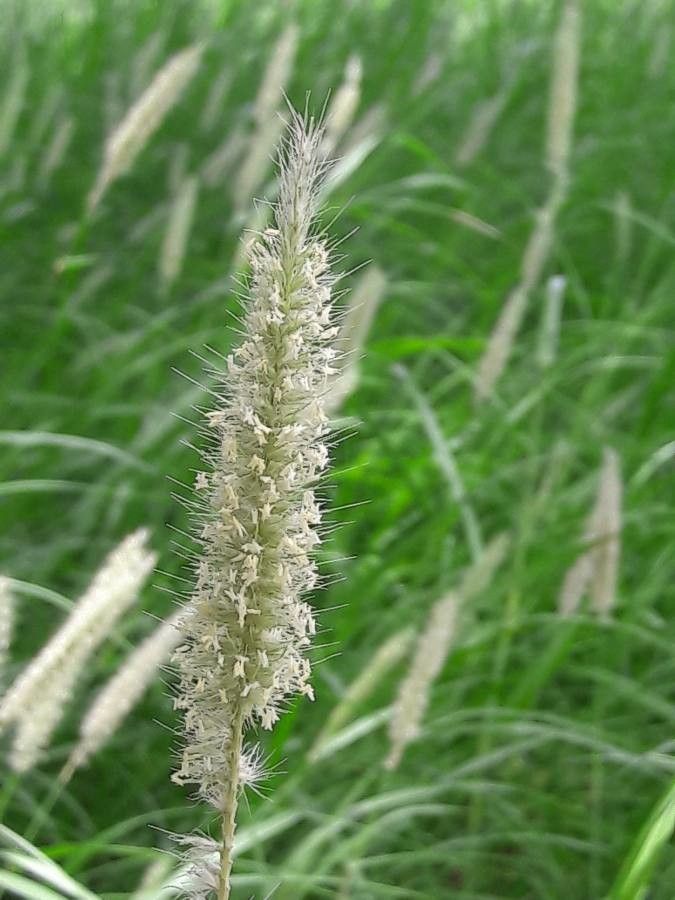
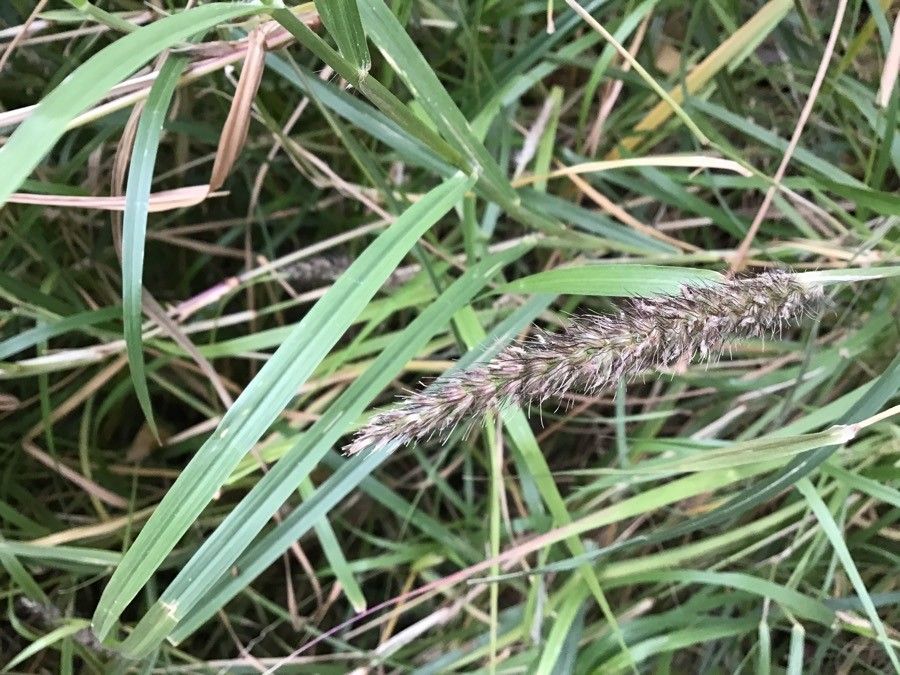
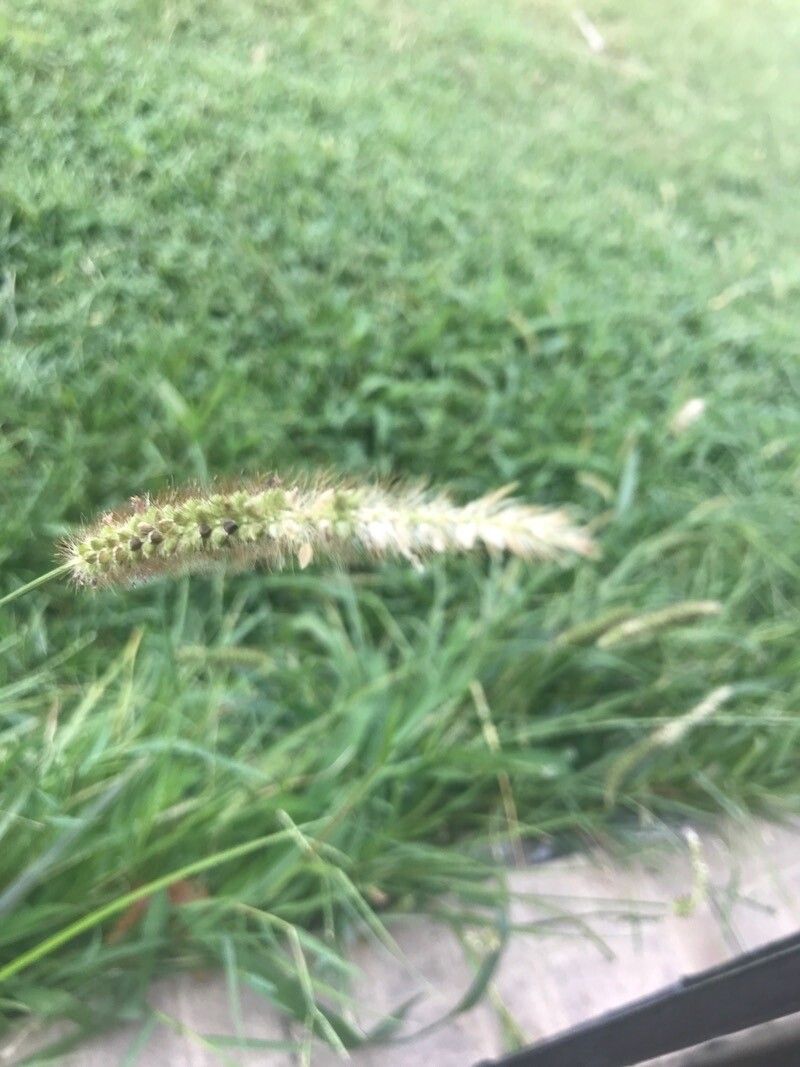
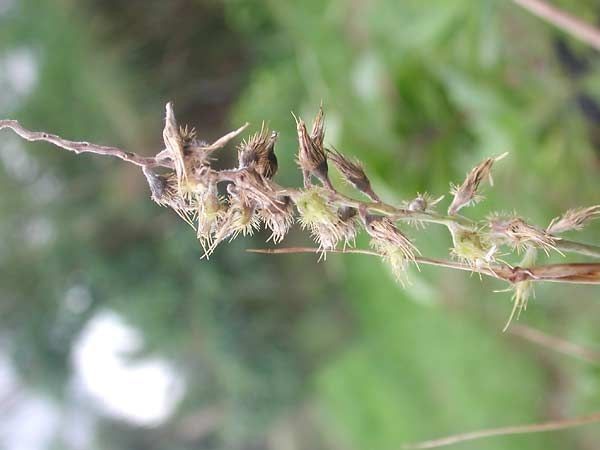
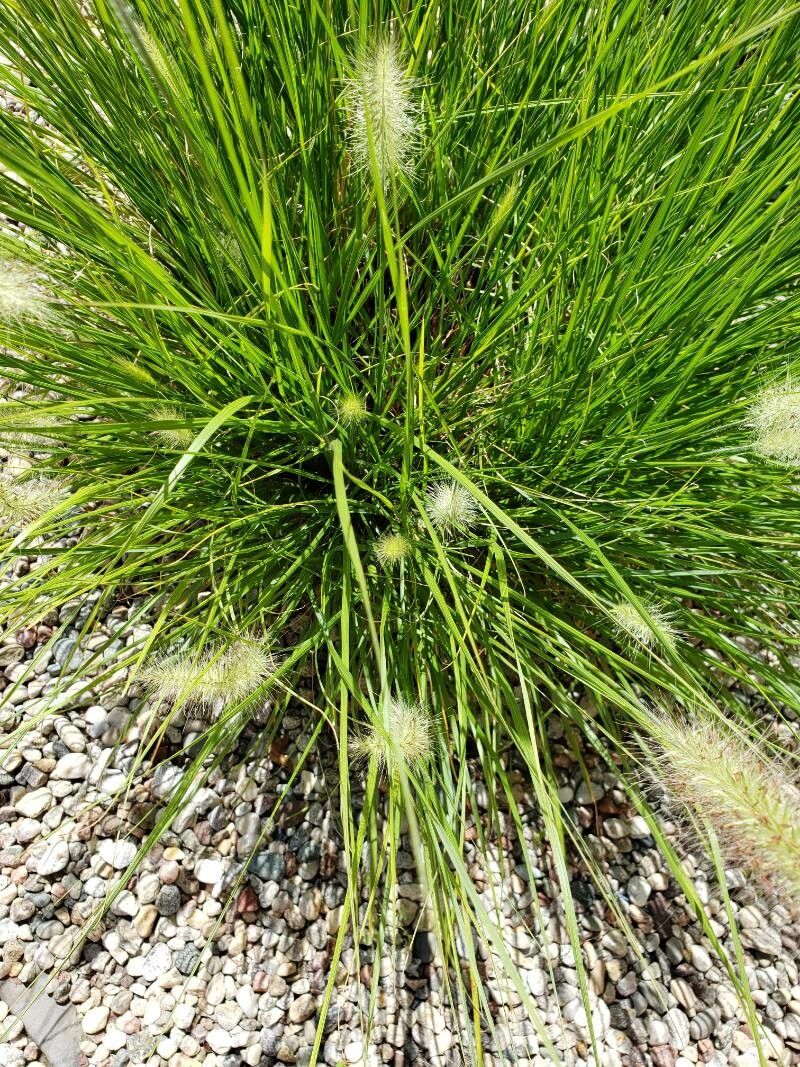
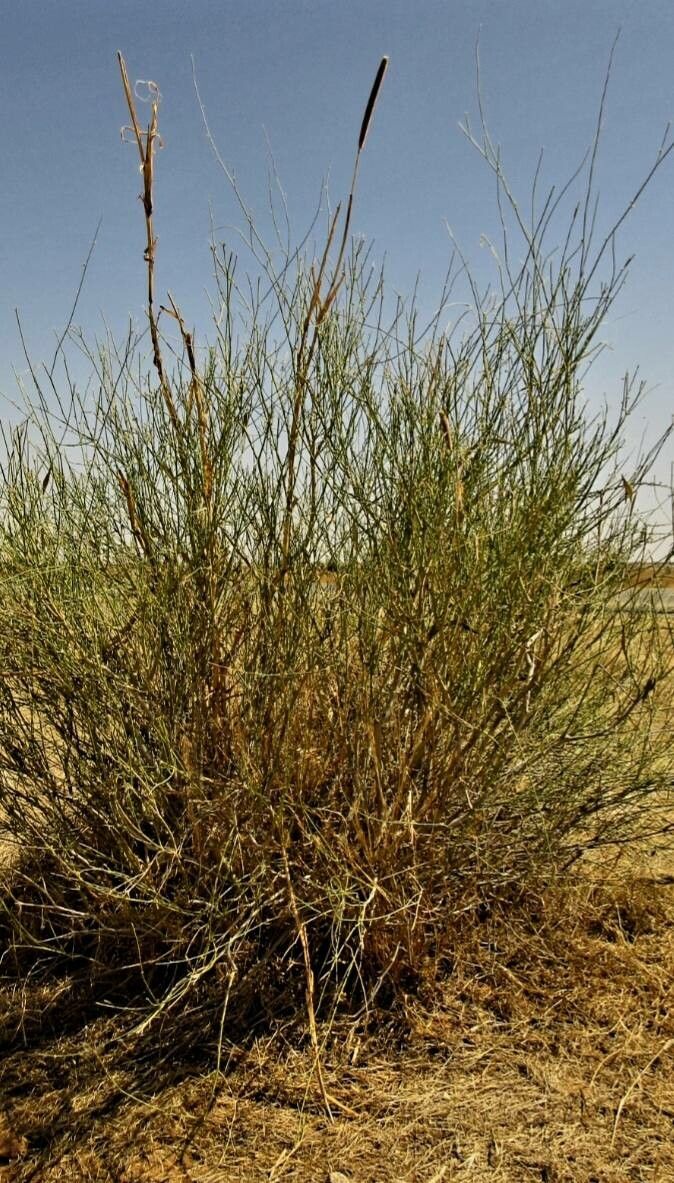
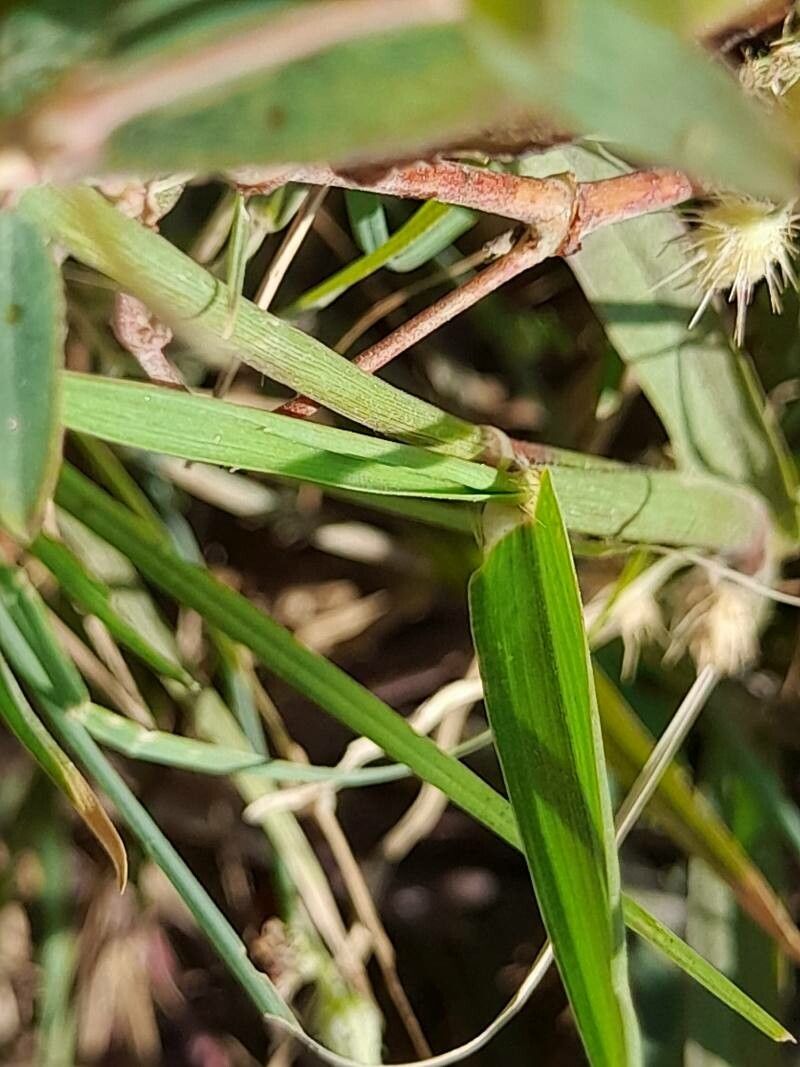
Cenchrus ciliaris (buffel-grass or African foxtail grass; syn. Pennisetum ciliare (L.) Link) is a species of grass native to most of Africa, southern Asia (east to India), southern Iran, and the extreme south of Europe (Sicily). Other names by which this grass is known include dhaman grass, anjan grass, koluk katai and buffelgrass.
Buffel-grass has strong disease resistance and generally is not prone to illnesses. However, it can be vulnerable to pests and diseases found in its environment, and these problems are typically mild. For care, the plant requires a moderate amount of maintenance. It should be pruned regularly to keep a good appearance and support healthy growth. Fertilizing can also encourage flowering. Buffel-grass is well suited for anyone with outdoor space, such as a garden or patio, and does not demand extensive care experience. It may need more attention when grown indoors.
How to keep Cenchrus Ciliaris.
Light
Buffel-grass favors sites that get a considerable amount of sunshine each day. It originated in a very bright environment that promoted strong growth. A lack of sufficient sun can cause stunted development and reduced vitality. Conversely, excessive exposure should be avoided because it can lead to wilting or leaf scorch.
Water
Buffel-grass, native to arid regions, is highly drought-tolerant and requires very little moisture to thrive. Watering it once a week is sufficient to keep it healthy. Often cultivated outdoors, buffel-grass is ideal for xeriscaping, illustrating its remarkable ability to prosper in water-conserving environments.
Temperature
Buffel-grass originates from areas with temperatures between 68 and 95 °F (20 to 35 ℃). It prefers warm conditions and may need extra protection or to be moved indoors when temperatures drop below or rise above its preferred range.
Fertilizer
A single fertilizer application in spring is typically enough for Buffel-grass, though repeated feedings can enhance growth. Apply fertilizer roughly every one to one and a half months. Fertilization improves the leaves' appearance and function, helping maintain uniform color and a healthy texture. It also promotes root development and nutrient uptake, supporting long-term plant health.
Pruning
Buffel grass is a drought-tolerant perennial that requires pruning in early spring to encourage new growth. Use sharp shears to trim dead foliage down to ground level. This will promote healthy shoots, control its spread, improve air circulation, and reduce disease risks, all of which ensure robust growth and an attractive appearance.
Botanical profile.
- Plant Type
- Herb
- Life Cycle
- Perennial
- Genus
- Cenchrus
- Family
- Poaceae
- Hardiness Zone
- 9
- Mature Height
- 0.2 m to 1.22 m
- Mature Spread
- 91 cm
- Leaf Color
- Green
- Leaf Type
- Deciduous
- Flower Color
- Tan
- Flower Size
- 1.02 cm to 2.59 cm
- Bloom Time
- Summer, Early fall, Mid fall
- Planting Time
- Spring, Summer, Autumn
- Harvest Time
- Late summer, Fall, Early winter
- Native Area
- Burkina Faso, Libya, Somalia, Egypt, India, Djibouti, Angola, United Arab Emirates, Namibia, Madagascar, Rwanda, Pakistan, Eritrea, Nigeria, Morocco, Yemen, Kenya, Uganda, Tanzania, Zimbabwe, Niger, Mali, Iraq, Jordan, Sierra Leone, Indonesia, Equatorial Guinea, Mozambique, Oman, Ghana, Ethiopia, Botswana, Saudi Arabia, Malawi, Tunisia, South Africa, Zambia, Sudan, Mauritania, Afghanistan, Syria, Italy, Israel, Togo, Senegal, Eswatini, Iran, Côte d'Ivoire, Congo (DRC)
Other names.
Reader questions.
How should I water my Buffel-grass?
To properly water the Buffel-grass, it is important to follow a few key steps. Firstly, using filtered water at room temperature is recommended. Tap water may contain harmful particles that could affect the plant's health. Additionally, the water should be at room temperature or slightly warm, as this plant is accustomed to warm environments and cold water can be a shock to its system. It is best to avoid overhead watering, as it can cause issues with the foliage. Instead, focus on thoroughly soaking the soil with your filtered room temperature water. This method benefits the plant by moisturizing the roots and facilitating their spread through the soil, allowing for better nutrient absorption.
What are the sunlight requirements for Buffel-grass?
Buffel-grass requires a significant amount of daily sunshine to thrive, indicating its preference for environments that mirror its native habitat of abundant luminosity. The plant needs full sun, which is above 6 hours of direct sunlight daily, or partial sun, about 3-6 hours of sunlight, for optimal growth. Inadequate sun exposure can result in stunted growth and compromised vitality, while too much direct sunlight could lead to withering or leaf scorch. It's important to watch how sunlight moves through your garden to choose spots that provide the right balance of light and shade for your plants.
What is the ideal temperature range for Buffel-grass?
Buffel-grass, scientifically known as Cenchrus ciliaris, is native to environments where temperatures range from 68 to 95°F (20 to 35°C). It thrives best in warm conditions within this temperature range. The grass has some degree of cold tolerance and does not usually require extra protection when temperatures are above 0°C. However, if temperatures are expected to fall below 0°C, temporary cold protection measures such as wrapping the plant with plastic film, fabric, or similar materials may be necessary. These protective measures should be removed once the temperature rises again to ensure the health of the plant.
What should I do if I give my Buffel-grass too much water or not enough water?
It is important to be aware of both overwatering and underwatering when taking care of Buffel-grass. Overwatering is a more common problem and can cause wilting, yellowing, and potential diseases like root rot. Underwatering is less likely, but can result in brittle, brown leaves. If you notice signs of overwatering, reduce your watering schedule and check the soil drainage. Replace poorly draining soil with a loose, well-draining potting mix. If you see signs of underwatering, simply water more regularly until the signs improve. Acting promptly is crucial to prevent irreversible damage.
How can artificial lighting support the growth of Buffel-grass indoors?
Indoor plants, including Buffel-grass, require adequate lighting for growth, especially when natural sunlight is insufficient, like in winter or less sunny spaces. Artificial lights are crucial in providing necessary light to promote healthier and faster growth. LED lights, being popular for indoor plant lighting, can be customized to offer specific wavelengths needed by plants. Full sun plants typically need 30-50W/sq ft of artificial light, partial sun plants 20-30W/sq ft, and full shade plants 10-20W/sq ft. The light source should be placed 12-36 inches above the plant to mimic natural sunlight, and plants generally require 8-12 hours of artificial light per day.
How does Buffel-grass react to low temperatures and what are the solutions?
Buffel-grass has a moderate tolerance to low temperatures, performing optimally above 20°C. During winter, it is paramount to keep it above 0°C to prevent damage. If temperatures dip below -5°C, the leaves may start to droop and in severe cases, will wilt and fall off. To protect the grass from such damage, frost-affected parts should be trimmed off. For future cold events, wrapping the plant with materials like non-woven fabric or cloth, and establishing a wind barrier can provide essential protection from the cold wind.
How much should I water my Buffel-grass?
If you have a potted Buffel-grass plant, the best way to determine if it needs water is to stick your finger into the soil. If the top two to three inches are dry, it's time to water it. The same method can be used for Buffel-grass grown outdoors in the ground. When the top few inches of soil dries out, it's time to water. Usually, this means watering once a week in spring and early fall. However, during extremely hot weather, you may need to water twice or more per week. It's worth noting that mature Buffel-grass plants have a good ability to tolerate drought.
What symptoms indicate that Buffel-grass is receiving inadequate sunlight?
Symptoms of inadequate sunlight in Buffel-grass include smaller new leaves compared to older ones, leggy or sparse growth, faster leaf drop, slower or ceased new growth, and lighter-colored new leaves. Insufficient sunlight leads to a lack of chlorophyll and essential nutrients, causing irregular color patterns or pale foliage. Additionally, symptoms like chlorosis (yellowing leaves due to chlorophyll breakdown), sunscald, leaf curling, wilting from overexposure, and leaf scorching are critical indicators of either too much or too little sunlight, impacting the plant's health significantly.
What should be done if Buffel-grass is exposed to high temperatures?
In the summer, it's critical to ensure Buffel-grass does not exceed temperatures of 35°C. Exposure to temperatures above 38°C can result in lighter leaf coloration, dry and withered leaf tips, leaf curling, and an increased risk of sunburn. To mitigate these effects, trim away the sunburned and dried-up parts of the plant. Moving the plant to a shaded location during the midday and afternoon sun or using a shade cloth can provide relief. Moreover, watering the plant in the morning and evening will help keep the soil appropriately moist, aiding in the plant's recovery and health during high temperatures.
How much water does my Buffel-grass require?
When watering your Buffel-grass, don't be afraid to give it a generous amount of water. Make sure the top two to three inches of soil are dry before watering. It's important to thoroughly soak the soil, allowing excess water to drain out of the pot through the drainage holes. If you don't see any excess water draining, it means you haven't watered enough. However, be careful not to let the water accumulate in the soil, as this can be harmful to the plant. On the other hand, if the water doesn't drain well, it may indicate that the soil is not draining properly, which is not good for the plant's health. When the plant is outside, receiving about 1 inch of rain per week is sufficient.
What solutions can alleviate sunlight-related issues for Buffel-grass?
To address sunlight-related issues in Buffel-grass, gradually moving plants to sunnier locations each week until they receive at least 6 hours of direct sunlight daily is advisable. Utilize south-facing windows for maximum natural sunlight exposure. For large or immovable plants, consider artificial lighting like desk or professional grow lights for at least 8 hours daily. Outdoor plants should be moved cautiously to prevent sunburn. Minimize obstructions by pruning trees or moving plants to sun-exposed areas. Transplant smaller plants during their dormant period to spots with better sunlight and drainage. It's important to note that while parts of the plant affected by poor light may not recover, new growth should be healthy with improved light conditions.
How do I water my Buffel-grass when it is growing in different stages?
The water needs of the Buffel-grass can vary depending on its growth stages. When the Buffel-grass is young or has been recently transplanted, it will require more water than usual. This is because it is focused on developing new roots to support future growth, and these roots need additional moisture to thrive. As the Buffel-grass matures, it will require less water. However, during its bloom period, when the plant is producing flowers, it may need more water due to the increased moisture demand for flower development.