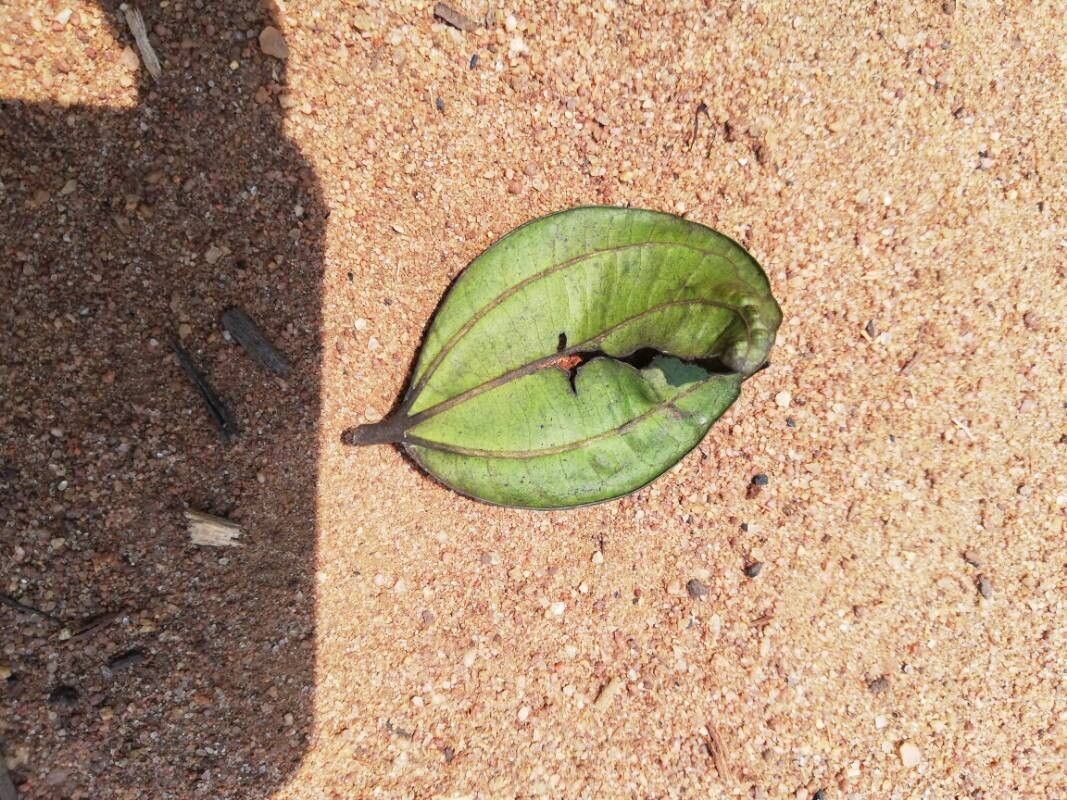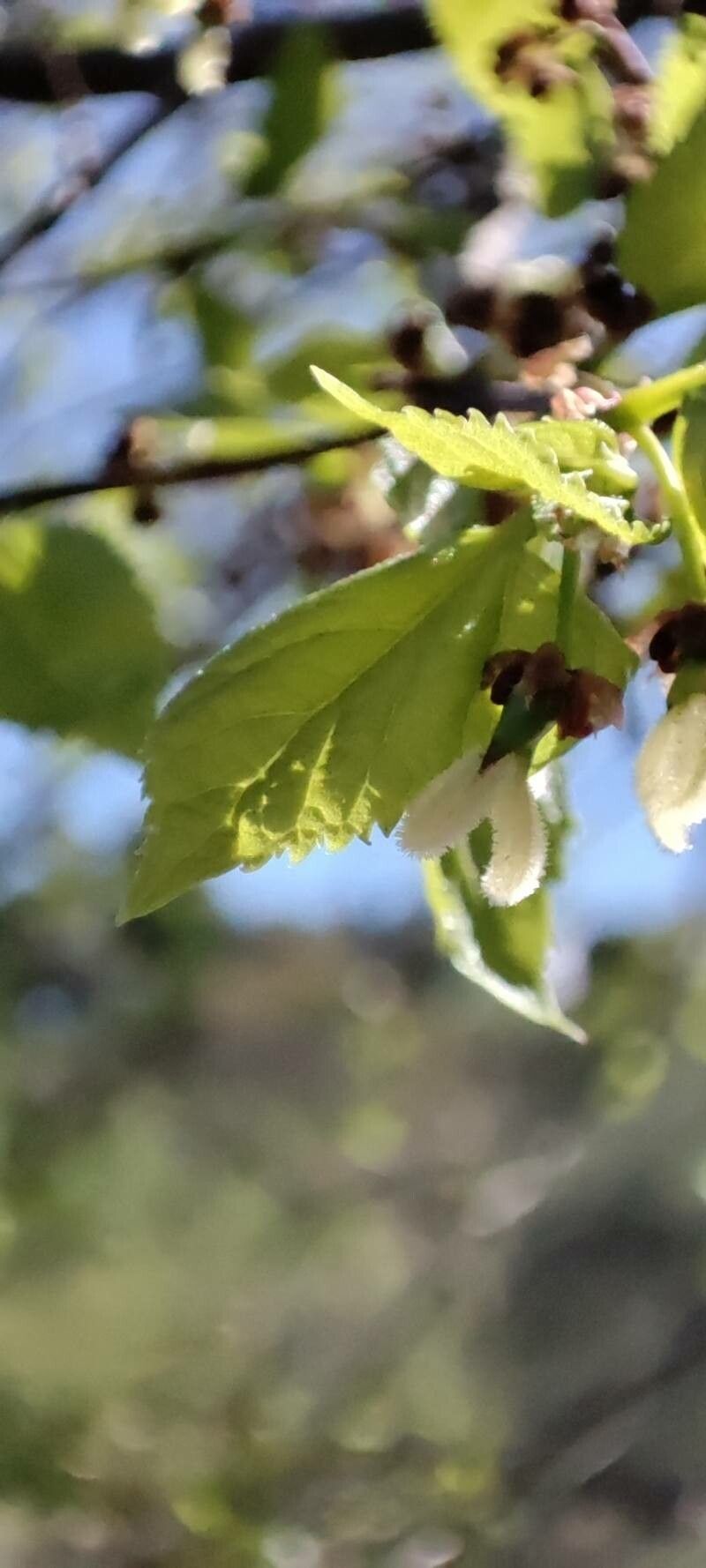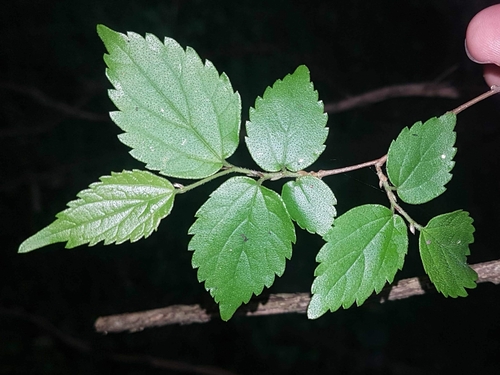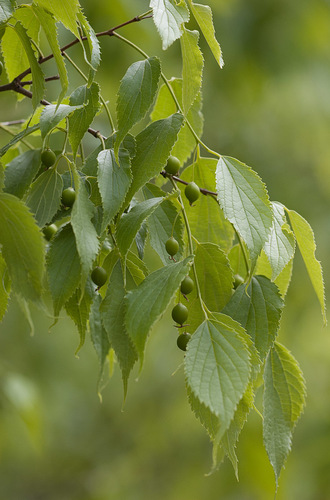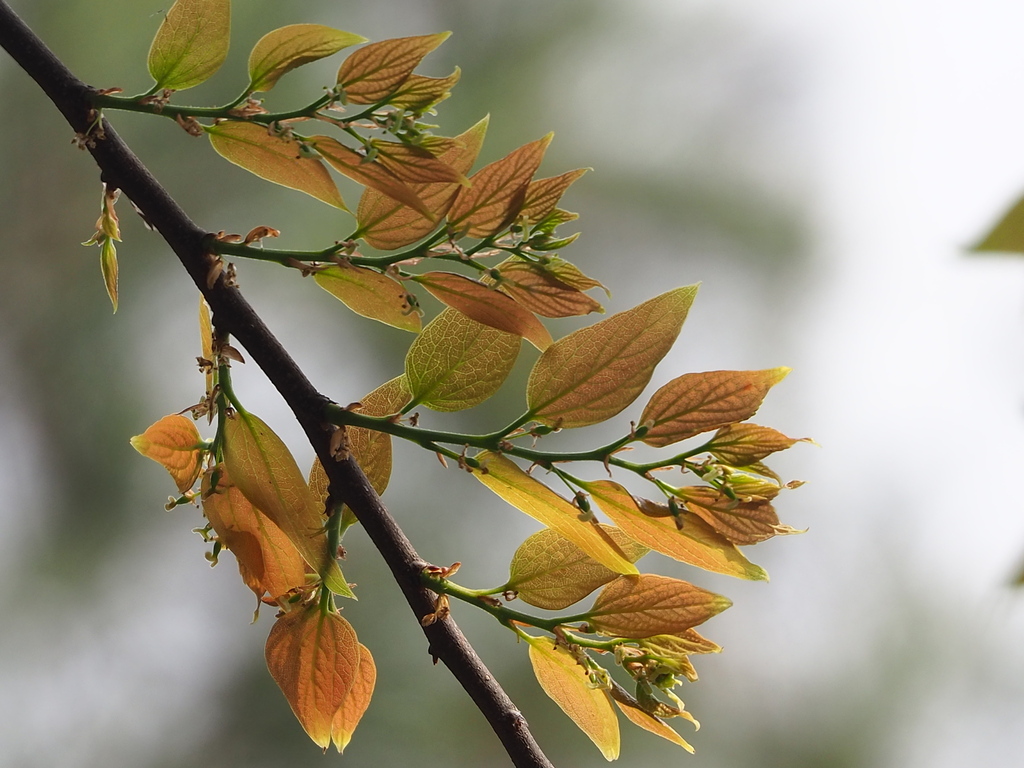
Celtis sinensis, commonly known as the Chinese hackberry, is a deciduous tree belonging to the Ulmaceae family. Native to China, Japan, and Korea, it has been widely cultivated in various parts of the world for its ornamental value. This tree can grow up to 20 meters tall, with a broad crown and a trunk diameter reaching up to 1 meter.
The leaves of Celtis sinensis are alternate, simple, and have serrated margins. During the summer months, they are dark green, but in autumn, they turn yellow before falling. The bark is grayish-brown with shallow fissures that become more pronounced as the tree matures.
Celtis sinensis produces small, greenish-yellow flowers that bloom from April to May. These flowers give way to small, round fruits that ripen from August to September. While the fruits are edible, they are not commonly consumed due to their bitter taste.
The Chinese hackberry prefers well-drained soils and can tolerate both full sun and partial shade, making it an ideal choice for urban landscapes or gardens with limited space. It also boasts good resistance to pests, making it relatively easy to maintain for both gardeners and landscapers.
In traditional Chinese medicine (TCM), Celtis sinensis has been used for its medicinal properties, such as treating coughs, asthma, and fever. Its bark extract contains flavonoids, including quercetin-3-O-β-D-glucoside (Q3G), which have shown promising results against inflammation-related conditions like arthritis in animal models.
Overall, Celtis sinensis offers both ornamental and medicinal value, making it an excellent choice for gardeners seeking dual benefits. Additionally, its ease of growth and suitability for urban environments where space is limited further enhance its appeal.
Chinese hackberry has strong resistance to disease and is typically not susceptible to illnesses. Regarding maintenance, this plant is fairly low-maintenance. When grown outside it needs only minimal watering, and larger specimens generally do not require pruning. Smaller plants, however, should be pruned after they have finished blooming. Chinese hackberry is suitable for anyone with an outdoor area, such as a garden or a deck, and does not demand much experience in plant care.
How to keep Celtis Sinensis.
Light
Chinese hackberry favors settings with plentiful sunlight yet can tolerate partially shaded conditions. Native to regions with strong sun, the plant performs well when it gets enough light. Proper illumination supports its growth and vigor. Imbalances in light can harm the plant, resulting in poor development or wilting.
Water
The Chinese hackberry prefers moderate humidity and becomes drought-tolerant once established, requiring watering every two weeks. When grown indoors, it thrives in higher humidity, and maintaining consistent moisture during the growing season is important. However, it's crucial to avoid waterlogging to ensure the plant remains healthy.
Temperature
Chinese hackberry is native to temperate regions and prefers temperatures between 59 and 100.4 °F (15 to 38 ℃). Seasonal changes may necessitate adjustments to meet its temperature needs.
Fertilizer
Fertilize your Chinese hackberry in early spring to encourage healthy growth. Regular fertilization improves overall health, producing vigorous growth, greater tolerance of harsh conditions, and increased resistance to pests and diseases. Keep a consistent fertilization schedule for your Chinese hackberry to preserve vibrant, deeply colored foliage and a lush appearance.
Pruning
The Chinese hackberry is a hardy deciduous tree known for its attractive foliage. For optimal growth and health, prune in early spring. Focus on removing dead or diseased branches and thinning out crowded areas. Avoid heavy pruning in late summer or fall, as this can cause stress during the winter. Regular pruning enhances airflow and light penetration while reducing the risk of pests.
Pot & Repot
When repotting Chinese hackberry, choose a pot 1–2 inches (2.5–5.1 cm) larger with ample drainage. Use a well-draining potting mix. Repot in spring or fall, ensuring the root ball is slightly lower than the rim of the flower pot. Water thoroughly after repotting and place in a warm spot with indirect sunlight.
Botanical profile.
- Plant Type
- Tree
- Life Cycle
- Perennial
- Genus
- Celtis
- Family
- Cannabaceae
- Hardiness Zone
- 8-11
- Mature Height
- 20.12 m
- Mature Spread
- 10.36 m to 14.94 m
- Leaf Color
- Green, Yellow
- Leaf Type
- Deciduous
- Flower Color
- Yellow, Green, Brown
- Flower Size
- 0.20 cm to 0.25 cm
- Bloom Time
- Mid spring, Late spring
- Planting Time
- Spring, Autumn, Winter
- Harvest Time
- Mid summer, Late summer
- Native Area
- Vietnam, Japan, Koppen, Laos, South Korea, China
Other names.
Reader questions.
How should I water my Chinese hackberry tree?
To ensure excellent root development in your plants, consider these watering tips. First, place a garden hose at the base of the plant to water the roots directly, avoiding spraying the leaves. If your plants are outdoors and exposed to direct sunlight, keep in mind that the leaves may need more water. You can also use bubblers or soaker hoses to moisten the roots, either individually for each plant or by covering the entire garden or bed. When adding or removing plants, use soaker hoses to encourage deep root growth. After watering, make sure to drain any excess water and wait for the soil to dry before watering again. To prevent diseases, water at ground level rather than spraying the leaves. On sunny days, it might be beneficial to spray the entire bush with water. Regardless of whether your plants are in pots or in the ground, remember that Chinese hackberry prefers deep watering rather than light sprinkling.
Why should I put fertilizer on my Chinese hackberry plant?
No matter the type of Chinese hackberry you have, regular fertilization is essential for its overall health. Providing the right nutrients promotes vigorous growth and enhances the plant's ability to withstand tough conditions, resist diseases, and fend off pests. Since the foliage of your Chinese hackberry is a standout feature, it's important to prioritize its preservation. This involves implementing and following a tailored fertilization schedule for your specific Chinese hackberry. By doing so, you will encourage the growth of vibrant and lush leaves with a deep, attractive color.
What type of sunlight conditions are required for Chinese hackberry?
Chinese hackberry thrives in environments with extensive sunlight exposure, capable of enduring partially lit conditions as well. This plant is accustomed to rigorous sunlight in its natural habitats, promoting optimal growth and health when adequately illuminated. It is crucial for the plant's development to have a balance of light and shade, as imbalances can lead to poor development or wilting. For optimal growth, ensuring the plant receives above 6 hours of sunlight for full sun conditions or about 3-6 hours for partial sun is essential.
What is the native climate for Chinese hackberry?
Chinese hackberry, or Celtis sinensis, thrives in environments with a temperate climate. It finds comfort in a temperature range of 59 to 100.4 °F (15 to 38 °C), indicating its preference for conditions that fluctuate seasonally. This adaptability to changing temperatures suggests the plant's origin in regions with distinct seasonal changes.
If I give too much or too little water to the Chinese hackberry, what should I do?
If you overwater a Chinese hackberry, you may notice yellow leaves falling off and wilting. The plant may also look dull and unhealthy with mushy stems. Adjust your watering schedule to address these signs. Wilting can also occur from underwatering, which causes crispy, dry leaves. When the soil is dry and regular watering isn't enough, give the plant a thorough watering. This will help the hackberry recover, but it may still have dry, yellow leaves for a few days due to damaged roots. Once it returns to normal, the yellowing will stop. When growing a Chinese hackberry indoors, always check the moisture levels in the pot. Avoid overwatering and look for black spots, which indicate excess moisture. If present, allow the soil to dry out by withholding water for a few days. Too much water can lead to root rot, so if you see discolored and slimy roots, consider transferring the plant to a different pot. Prevent root rot by avoiding overly soggy soil. If planting a Chinese hackberry outdoors, dig deeper and check the soil moisture with your fingers. If it feels too dry, it may be underwatered. Proper watering is necessary to help the plant recover.
When should I fertilize my Chinese hackberry tree for the best results?
To ensure healthy growth, it is recommended to fertilize your Chinese hackberry during late winter or early spring. This provides the necessary nutrients for the tree to thrive once the weather warms up. Additionally, if you live in a warm climate region, it can be beneficial to give your Chinese hackberry another fertilizer feeding in early fall. This adds nutrients to the soil for the following growing season and helps the tree withstand the winter cold without harming its foliage. Fertilizing earlier will ensure the new branches have enough time to grow and withstand the cold winter temperatures.
How can artificial lighting support Chinese hackberry's growth indoors?
Indoor Chinese hackberry plants require adequate lighting to support their optimal growth, especially when natural sunlight is insufficient, such as during winter or in less sunny spaces. Artificial lights are an excellent solution, promoting faster, healthier growth. LED lights are recommended because they can be customized to provide specific wavelengths needed by plants. Full sun plants need 30-50W/sq ft of artificial light, partial sun plants require 20-30W/sq ft, and full shade plants should get 10-20W/sq ft. The light source should be placed 12-36 inches above the plant to mimic natural sunlight, and the duration should mimic natural daylight hours, usually 8-12 hours per day.
How does Chinese hackberry tolerate cold temperatures?
Chinese hackberry has a moderate level of cold tolerance, generally not requiring additional protective measures when the temperature remains above -5°C. However, if temperatures are anticipated to fall below -5°C, taking temporary protective actions is necessary. Wrapping the plant with materials such as plastic film or fabric can help shield it against extreme cold. It's crucial to remove these protections once temperatures rise to prevent any potential damage caused by overheating or restricted air flow.
How often do I need to water my Chinese hackberry?
The Chinese hackberry prefers deep and infrequent watering, particularly when planted in pots. Since the water storage capacity in pots is limited and the soil dries out faster, it is important to soak the plant in a gallon of water each time. In colder regions, watering should be done every 3 to 5 days, preferably in the morning when the soil is dry. A good way to determine if watering is necessary is by checking the top 2-3 inches of soil, and if it is dry, the plant needs to be watered thoroughly. During hot days, it may be necessary to check the moisture daily, as the heat can quickly dry out the pot's soil. If you have a garden, irrigation of the soil is also necessary. In hot climates, watering once a week is usually sufficient if about 2 to 3 inches of soil become too dry. It is important to consider the amount of rainfall and avoid overwatering to prevent root rot. Adding mulch about 3 to 4 inches deep around the plant can help conserve more water when the Chinese hackberry is outdoors. Sandy soil requires more frequent watering due to its fast-draining properties, while clay soil requires less frequent watering to prevent root rot. Keeping track of watering dates on a calendar and paying attention to drooping leaves can help ensure timely watering.
When is it not a good idea to fertilize my Chinese hackberry?
There are certain times of the year when you should avoid fertilizing your Chinese hackberry. Firstly, do not fertilize it during the early and mid-winter months because the plant is dormant and does not require feeding. Secondly, it is not advisable to fertilize during late spring and summer as the weather tends to be hotter and drier, which can have a negative impact on the plant if fertilized. To prevent any issues, it is recommended to follow a fertilization schedule that involves feeding only in early spring and early fall.
What are the common symptoms of inadequate light for Chinese hackberry?
When Chinese hackberry doesn't receive enough light, it may show several symptoms indicating light deficiency. These symptoms include smaller new leaves, leggy or sparse growth, faster leaf drop, slowed or ceased new growth, and lighter-colored new leaves. Symptoms of excessive sunlight exposure, such as chlorosis (leaves turning yellow due to chlorophyll breakdown), sunscald (damaged leaves or stems from intense sunlight), leaf curling (as a defense mechanism against water loss and sunlight damage), wilting (due to increased water loss and difficulty in maintaining hydration), and leaf scorching (characterized by brown, dry, and crispy leaf edges), can also be observed. These symptoms highlight the plant's sensitivity to both insufficient and excessive sunlight.
What should I do if my Chinese hackberry experiences low temperature?
If a Chinese hackberry is subjected to temperatures below its comfort range (especially dropping below -10°C), its leaves may droop, and in more severe cases, wilt and fall off. To aid recovery and prevent further damage, trim off the frost-damaged parts. Before low temperatures hit again, it's wise to wrap the plant with non-woven fabric or cloth and possibly construct a wind barrier to protect it from cold winds.