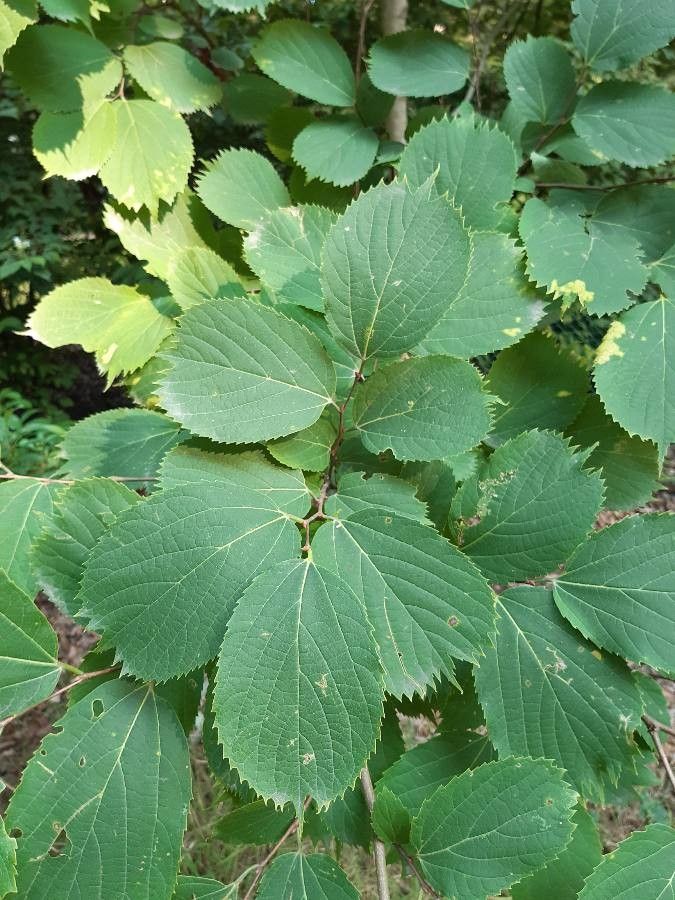
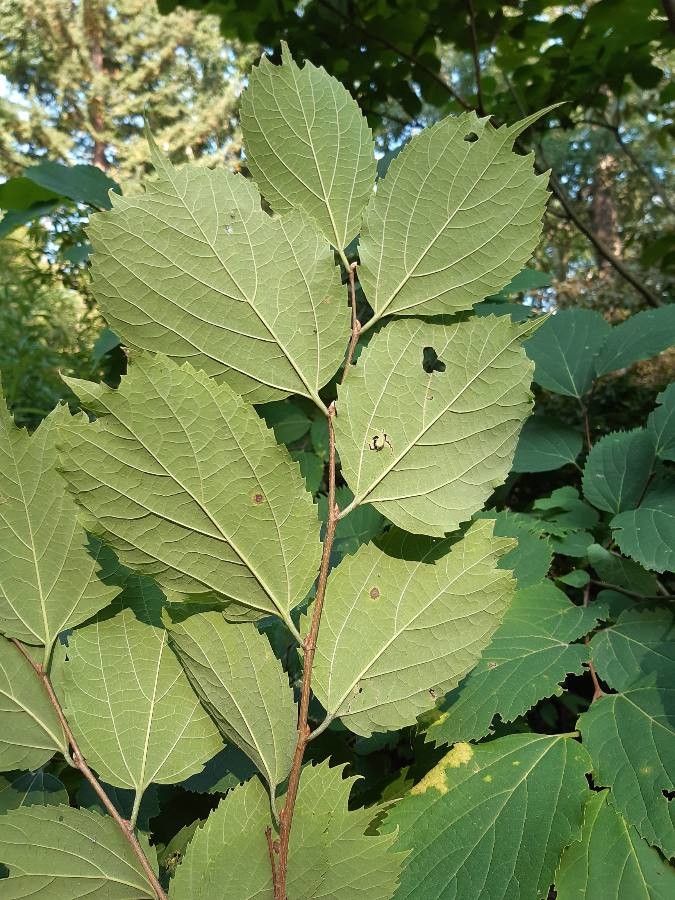
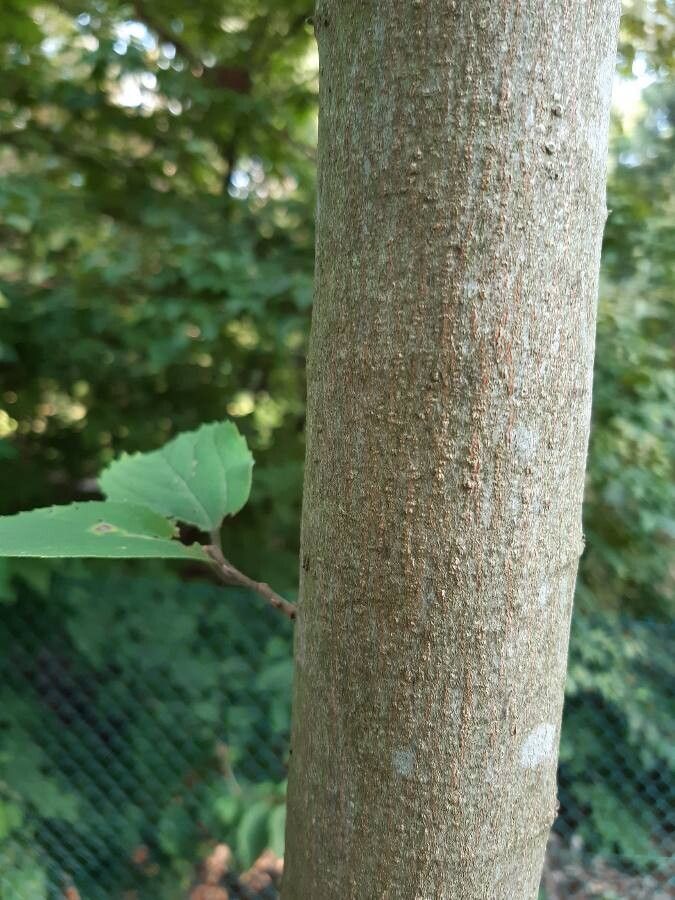
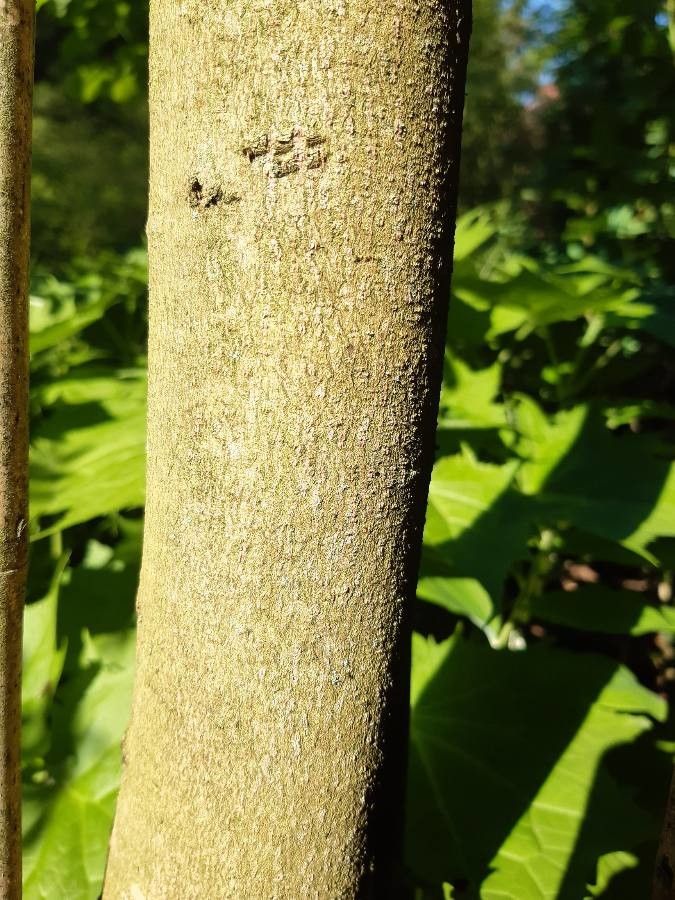
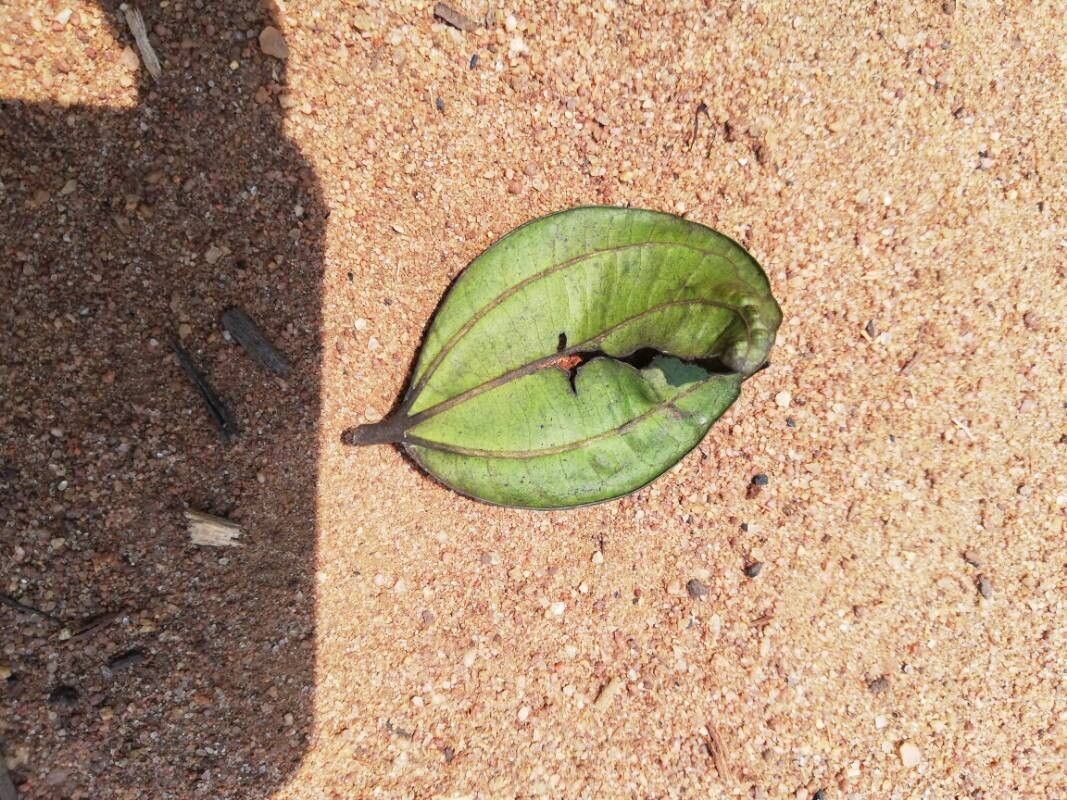
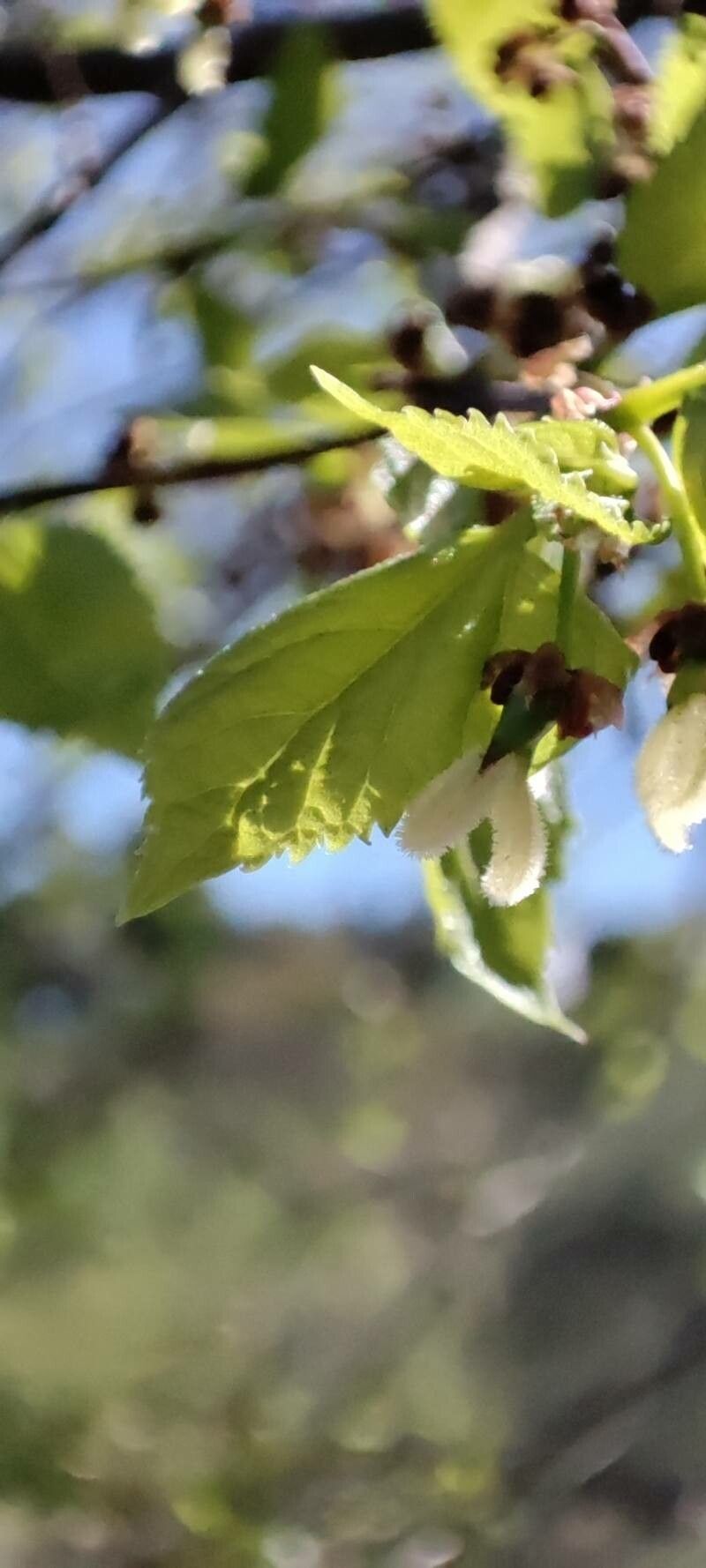
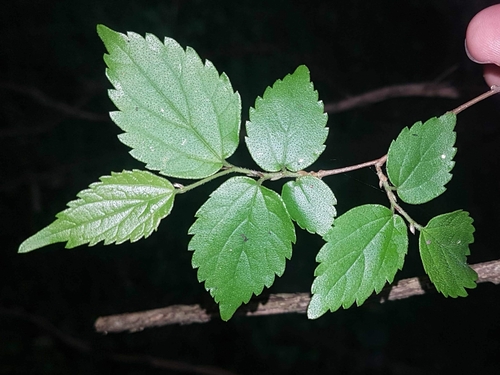
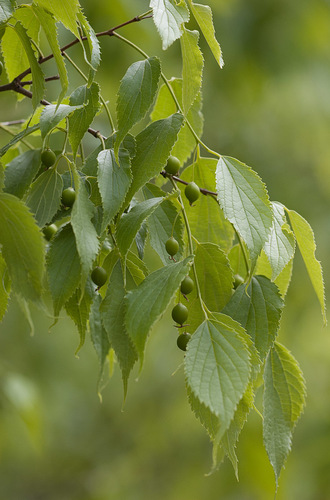
Celtis koraiensis, commonly known as the Korean hackberry is a deciduous tree in the genus Celtis. The species is endemic to the Korean Peninsula and the north of China. It is typically found in altitudes of 100 to 1,500 metres (330 to 4,920 ft). The tree flowers from April to May, and the fruit ripens from September to October. It can grow up to 15 metres (49 ft) in height.
Korean hackberry shows strong resistance to disease and is generally not susceptible to illnesses. Regarding maintenance, this plant is fairly low-maintenance. When grown outdoors it needs little watering, and larger specimens usually do not require pruning. However, smaller plants should be pruned after they have finished blooming. Korean hackberry is suitable for anyone with outdoor space, such as a garden or a deck, and does not demand extensive care experience.
How to keep Celtis Koraiensis.
Light
Korean hackberry comes from open habitats, such as sunny meadows and forest margins, where abundant light is present. It performs best in Full Sun but can also tolerate Partial Sun, adjusting well to different sunlight levels.
Temperature
Korean hackberry shows strong adaptability to a range of climate conditions, whether in scorching summers or chilly winters. Still, it has a preferred temperature range for growth. When temperatures become excessively high, the plant is susceptible to heat and humidity stress, which can lead to its death. In areas where temperatures approach the lower limit of its cold tolerance, it’s important to provide insulation to protect the plant.
Fertilizer
Fertilize your Korean hackberry in early spring to encourage healthy growth. Regular feeding boosts the tree’s overall health, leading to vigorous development, better tolerance of harsh conditions, and improved resistance to pests and diseases. Follow a specific fertilization schedule for your Korean hackberry to keep the foliage vibrant, deeply colored, and lush.
Pruning
The Korean hackberry is a hardy tree with an upright growth pattern. To maintain its health and appearance, prune it in early spring. This involves removing any dead or crossing branches to ensure good air circulation. Pruning at this time helps the tree recover quickly and prevents overgrowth, retaining its attractive shape.
Botanical profile.
- Plant Type
- Tree
- Life Cycle
- Perennial
- Genus
- Celtis
- Family
- Cannabaceae
- Hardiness Zone
- 4-8
- Mature Height
- 14.94 m
- Mature Spread
- 9.14 m
- Leaf Color
- Green
- Leaf Type
- Deciduous
- Flower Size
- 0.25 cm to 0.51 cm
- Bloom Time
- Mid spring, Late spring
- Planting Time
- Spring, Summer
- Harvest Time
- Late summer, Early fall, Mid fall
- Native Area
- Koppen, South Korea, China
Other names.