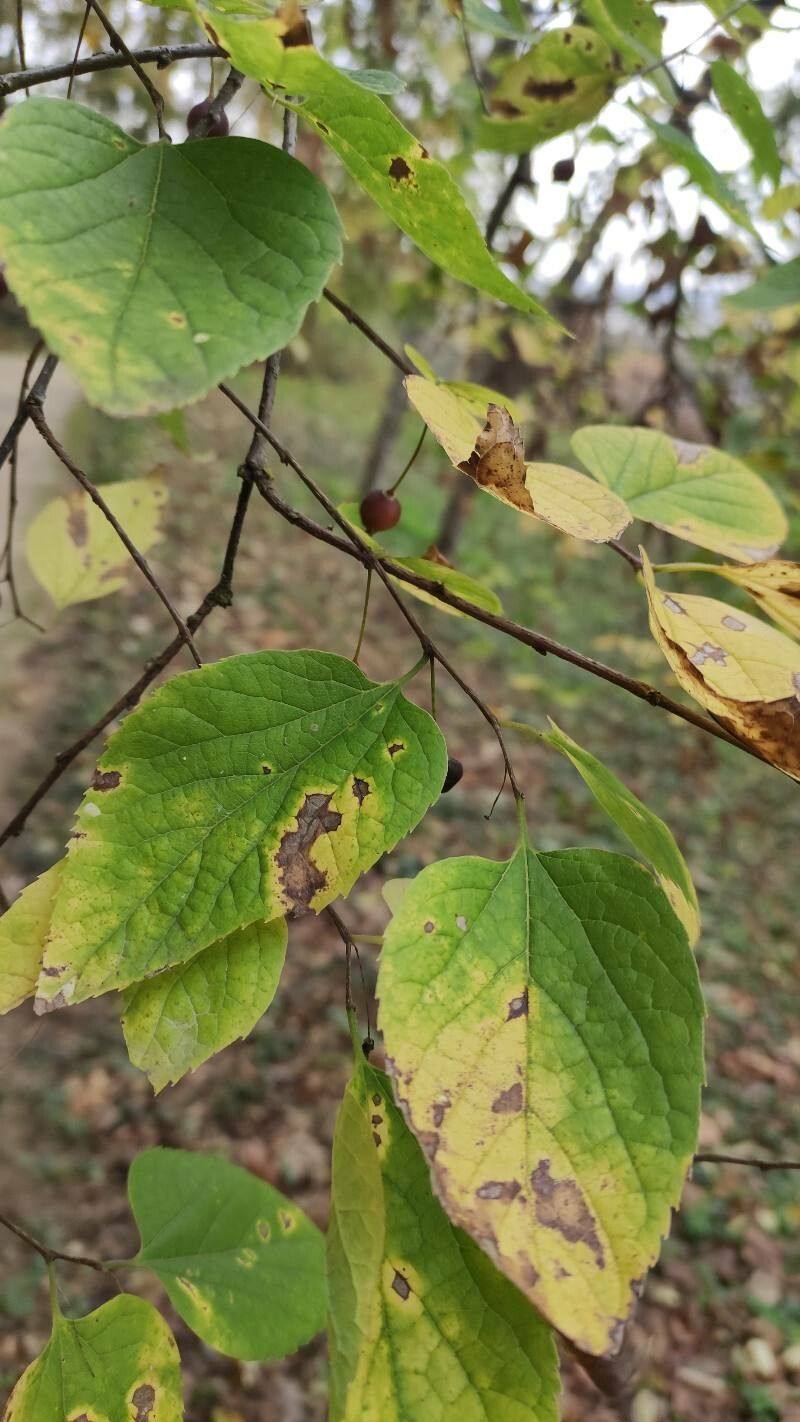
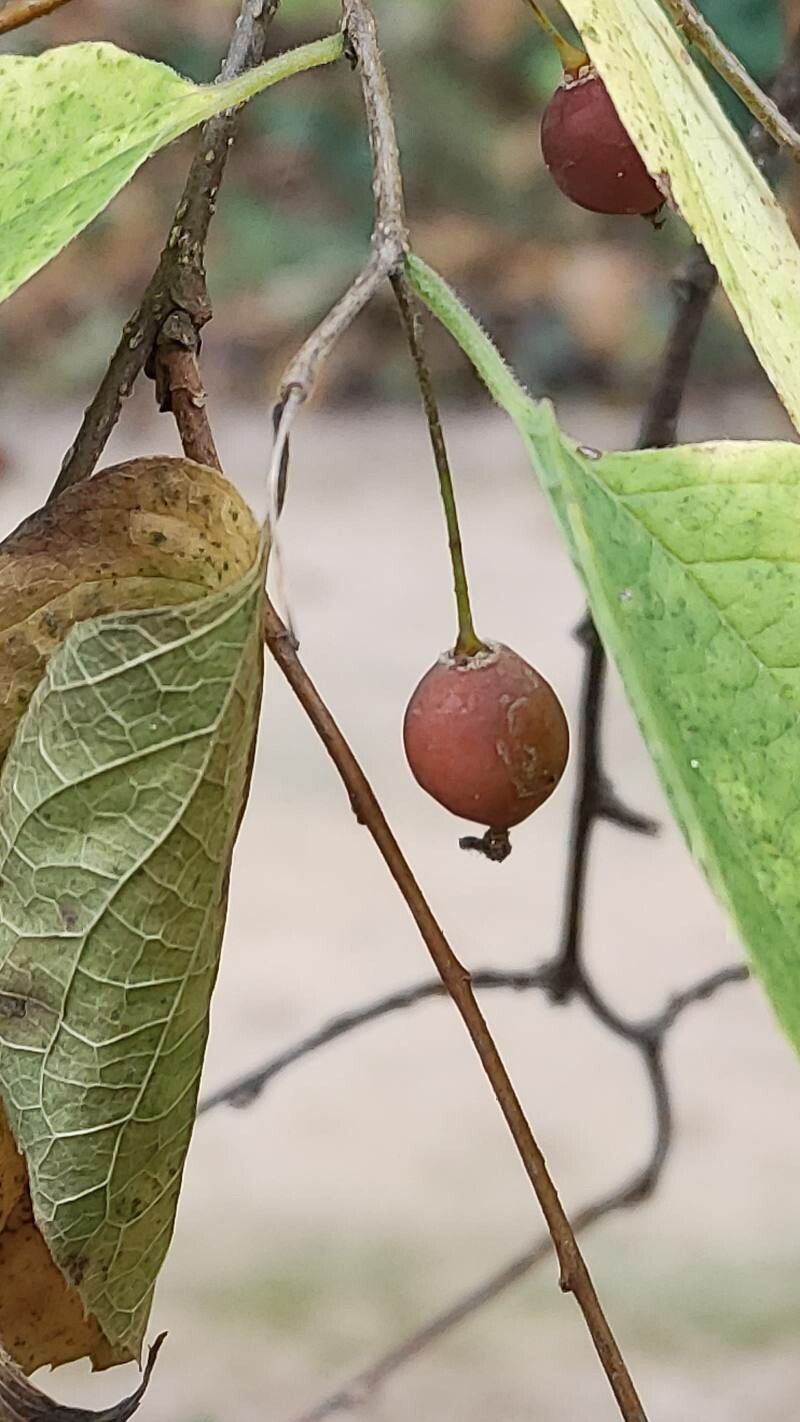
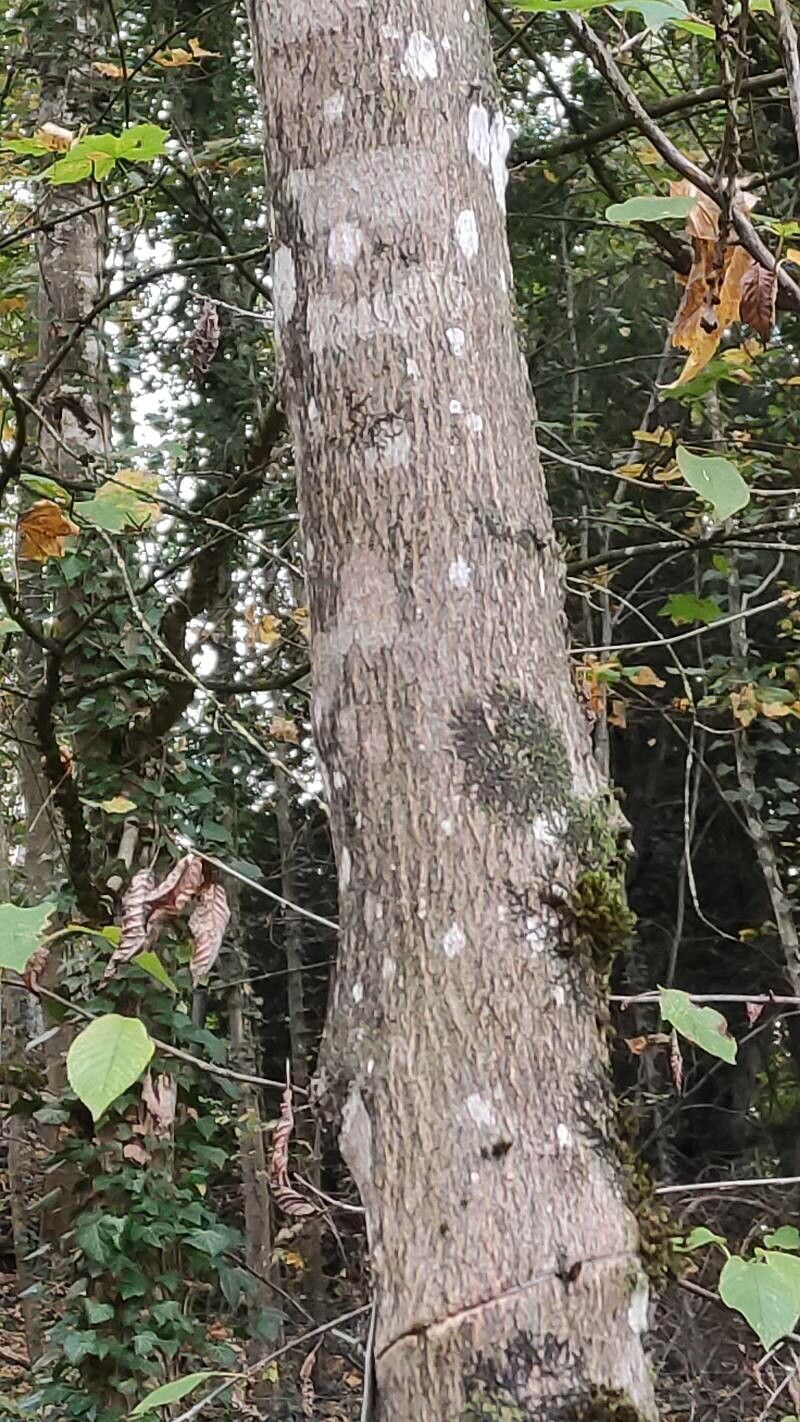
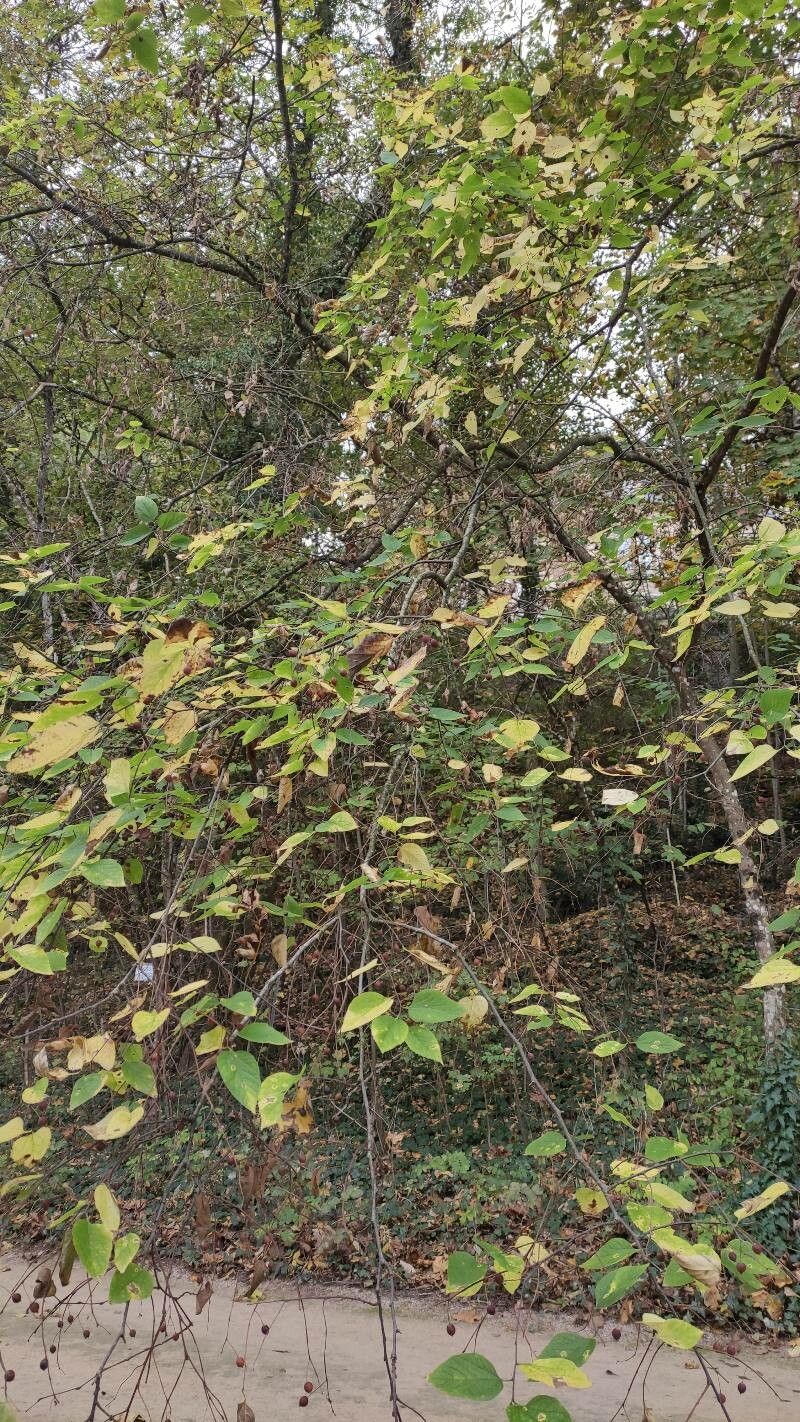
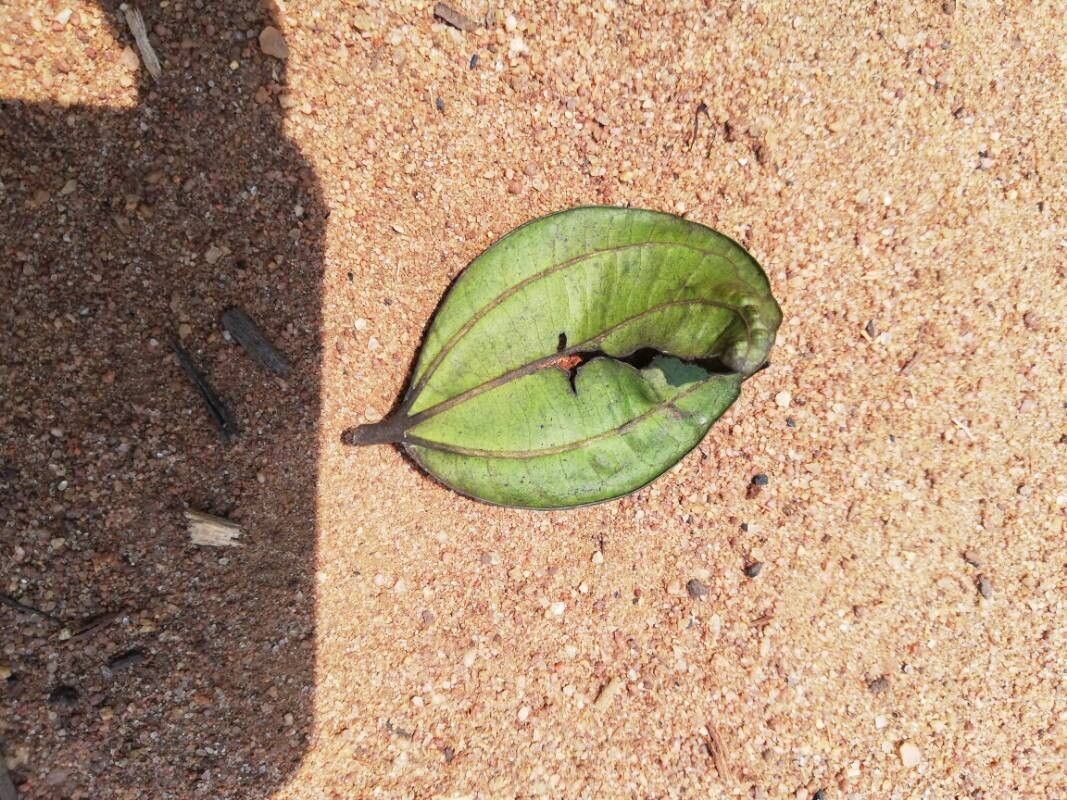
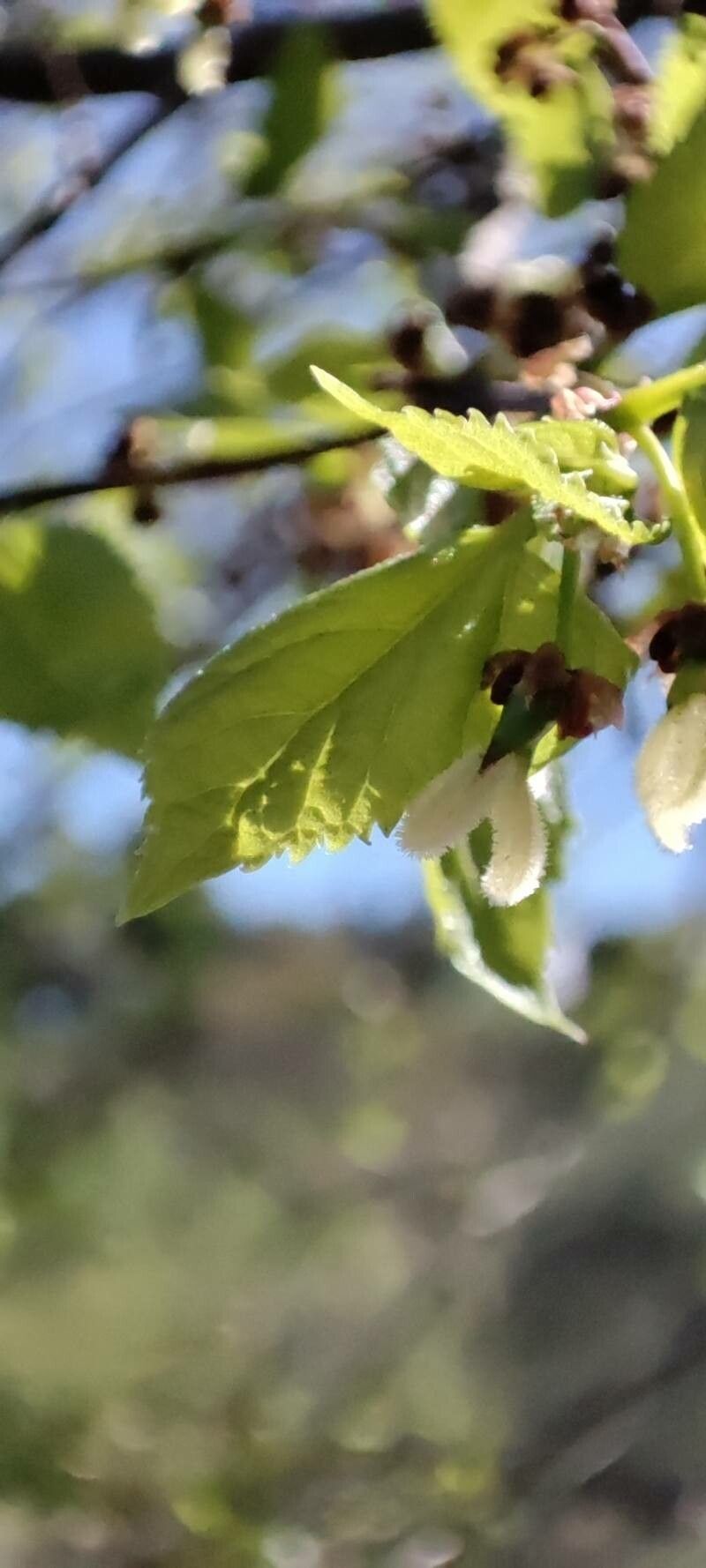
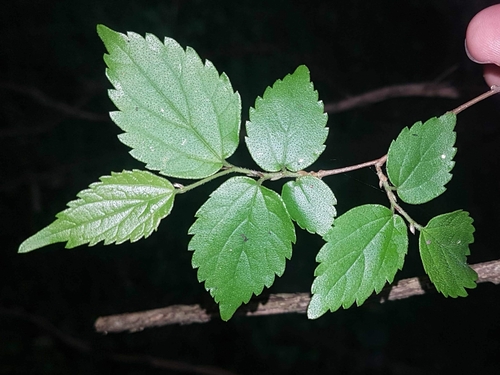
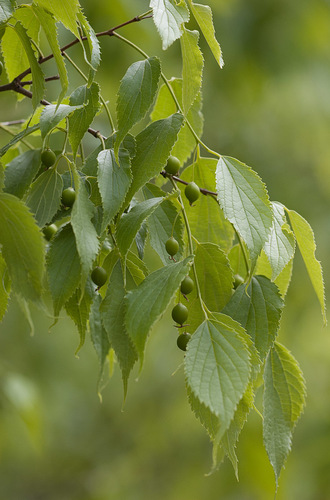
Celtis jessoensis, known as the Japanese hackberry or Jesso hackberry, is a species of hackberry native to Japan and Korea. It is a deciduous tree growing to 20–25 m (66–82 ft) tall. The leaves are 5–9 cm (2.0–3.5 in) long and 3–4 cm (1.2–1.6 in) broad, with a sharply serrated margin, glaucous beneath and downy on the leaf veins.
Celtis jessoensis shows good resistance to disease and is generally not susceptible to illnesses. In terms of upkeep, this plant is fairly easy to maintain. Planted outdoors, it needs only light watering, and mature specimens typically do not require pruning. Smaller plants, however, should be trimmed after they finish blooming. Celtis jessoensist is suitable for anyone with an outdoor area, such as a garden or a deck, and does not need extensive care experience.
How to keep Celtis Jessoensis.
Light
Celtis jessoensis grows in open habitats, such as sunlit meadows and forest edges, which provide plentiful light. It does best in Full Sun but will also tolerate Partial Sun, adapting well to a range of sunlight conditions.
Temperature
Celtis jessoensis is highly adaptable to a variety of climates, from blazing summers to cold winters. Nevertheless, it requires a certain temperature range for optimal growth. If temperatures rise too much, the plant is susceptible to heat and humidity stress, which can cause it to die. In areas where temperatures near the lower bound of its cold tolerance, providing insulation is important to protect the plant.
Fertilizer
Fertilize your Celtis jessoensis in early spring to encourage healthy growth. Regular feeding boosts overall health, leading to vigorous development, increased resilience to harsh conditions, and improved resistance to pests and diseases. Keep a consistent fertilization schedule for your Celtis jessoensis to preserve vibrant, deeply colored foliage and a lush appearance.
Pruning
Celtis jessoensis benefits greatly from pruning in early spring. This involves removing dead branches, thinning out crowded areas to improve air circulation, and shaping the plant. Such practice encourages healthy growth, prevents diseases, and strengthens its structure, ultimately enhancing both its vitality and appearance.
Botanical profile.
- Plant Type
- Tree
- Life Cycle
- Perennial
- Genus
- Celtis
- Family
- Cannabaceae
- Hardiness Zone
- 4-9
- Mature Height
- 10.06 m to 14.94 m
- Mature Spread
- 7.92 m to 11.89 m
- Leaf Color
- Green, Dark Green
- Leaf Type
- Deciduous
- Flower Size
- 0.25 cm to 0.51 cm
- Bloom Time
- Mid spring, Late spring
- Planting Time
- Spring, Summer, Autumn
- Harvest Time
- Late summer, Early fall, Mid fall
- Native Area
- Koppen, Japan, South Korea
Other names.