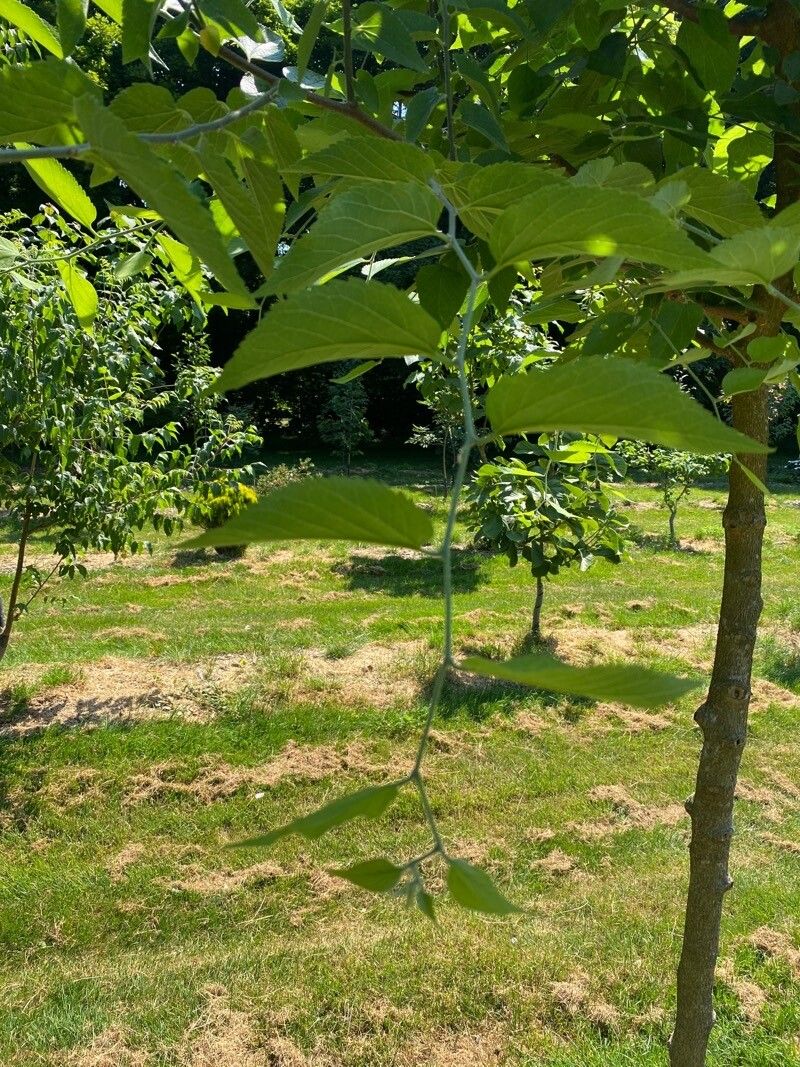
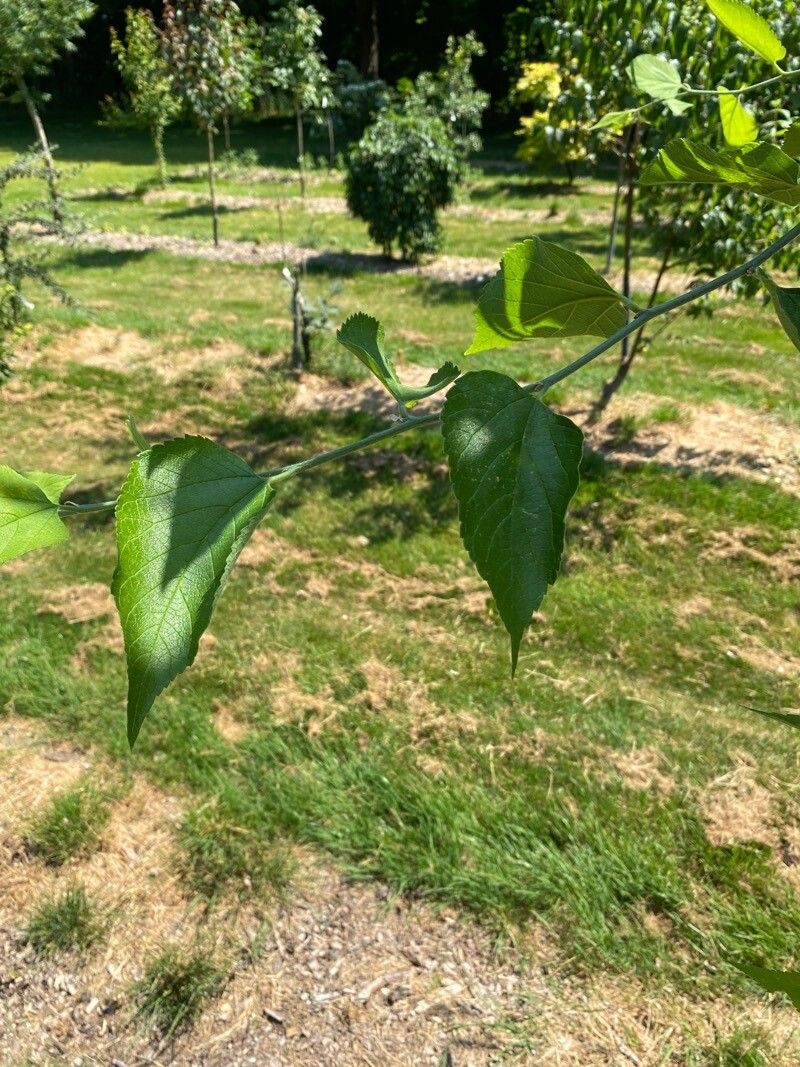
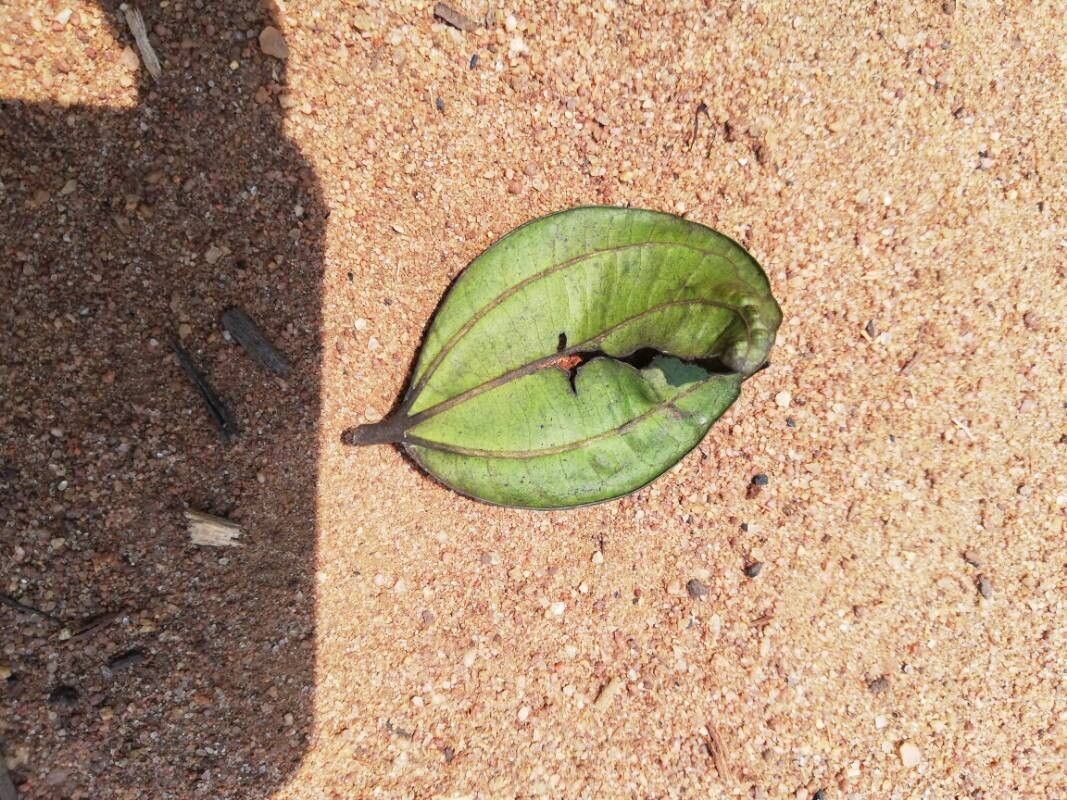
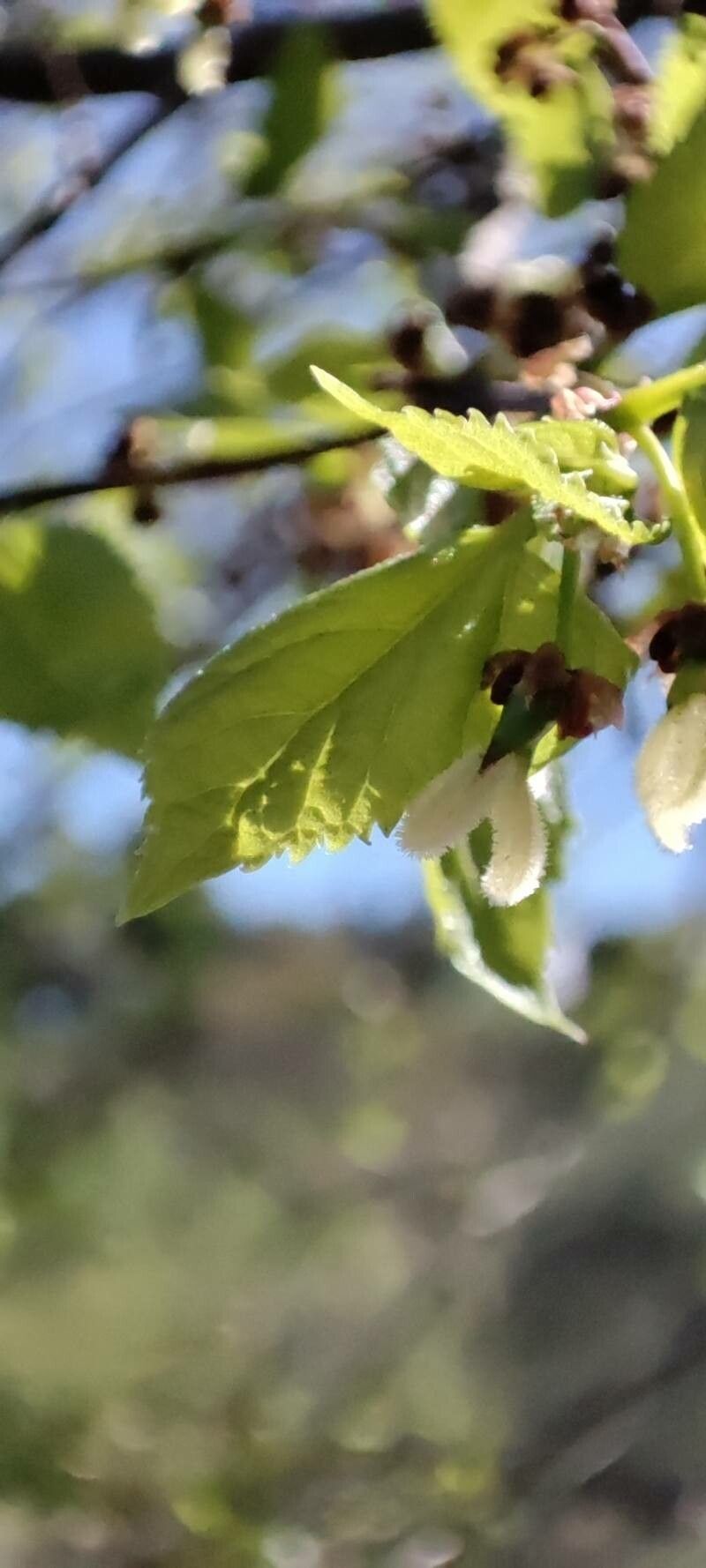
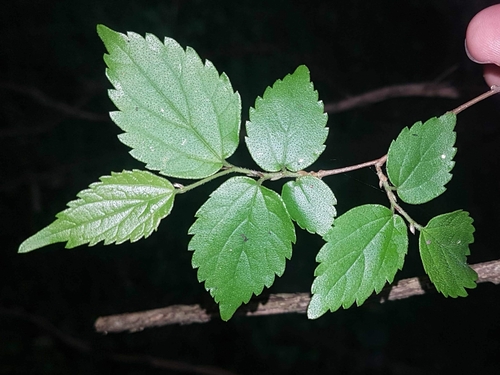
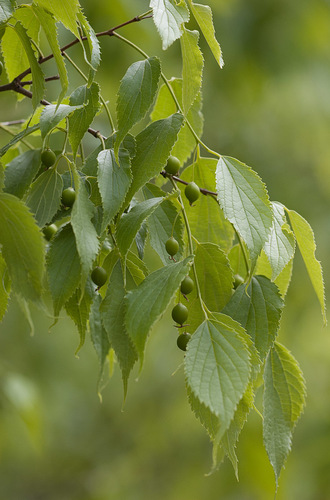
Celtis biondii is a species of hackberry native to China, Taiwan, Korea, and Japan. It prefers to grow on limestone in the floristic assemblage that is thought to also include wild Ginkgo biloba. It is a deciduous tree growing 18 m (59 ft) tall.
Biond's hackberry demonstrates strong resistance to disease and is typically not susceptible to illnesses. Regarding care, this plant is fairly low-maintenance. Planted outdoors it needs little watering, and larger specimens usually do not require pruning; however, smaller plants should be trimmed after they flower. Biond's hackberry is appropriate for anyone with an outdoor area, such as a garden or deck, and does not demand much prior care experience.
How to keep Celtis Biondii.
Light
Biond's hackberry comes from open habitats, like sunny meadows and forest margins, that provide plenty of light. It does best in Full Sun but can withstand Partial Sun, adjusting well to a range of light conditions.
Water
Biond's hackberry thrives in moderate climates and requires consistent moisture. To keep the soil evenly moist but not waterlogged, it's best to water the plant twice a week. During its active growth phase, regular watering is essential for promoting robust development and maintaining the plant's health. Therefore, paying attention to seasonal timing is crucial for successful outdoor cultivation.
Temperature
Biond's hackberry is highly adaptable to a variety of climate conditions, tolerating both hot summers and cold winters. Still, it has a preferred temperature range for proper growth. Extremely high temperatures can expose the plant to heat and humidity stress, which can kill it. In areas where temperatures approach its lower cold-tolerance limit, protecting the plant with insulation is necessary.
Fertilizer
Fertilize your Biond's hackberry in early spring to encourage healthy growth. Regular fertilization boosts the tree's overall health, leading to vigorous growth, better resilience to harsh conditions, and greater resistance to diseases and pests. Keep a consistent fertilization schedule for your Biond's hackberry to ensure vibrant, deeply colored foliage and a lush appearance.
Pruning
Biond's hackberry tree flourishes when pruned strategically in early spring. This involves removing dead, diseased, or overlapping branches. Only minimal shaping is necessary, which enhances the tree's structural integrity and appearance. This pruning also promotes healthier growth and improves air circulation, making the hackberry a strong and attractive feature in the landscape.
Botanical profile.
- Plant Type
- Tree
- Life Cycle
- Perennial
- Genus
- Celtis
- Family
- Cannabaceae
- Hardiness Zone
- 6-9
- Mature Height
- 17.98 m
- Mature Spread
- 1.52 m to 2.13 m
- Leaf Color
- Green
- Leaf Type
- Deciduous
- Flower Color
- Green
- Flower Size
- 1.02 cm to 2.03 cm
- Bloom Time
- Mid spring, Late spring
- Planting Time
- Spring, Summer
- Harvest Time
- Late summer, Early fall, Mid fall
- Native Area
- South Korea, Japan, China
Other names.