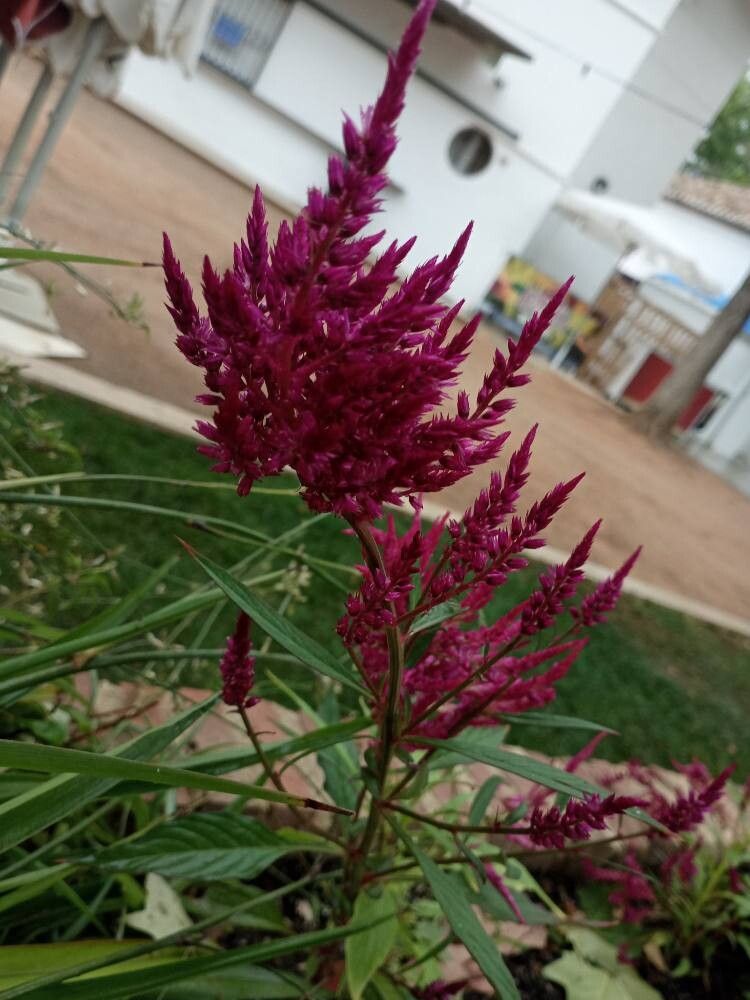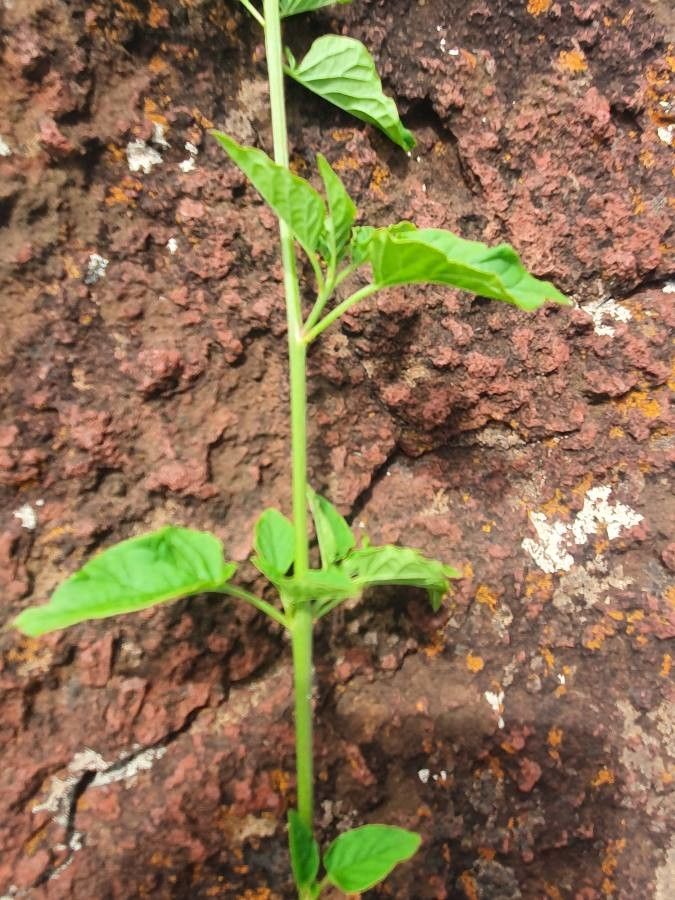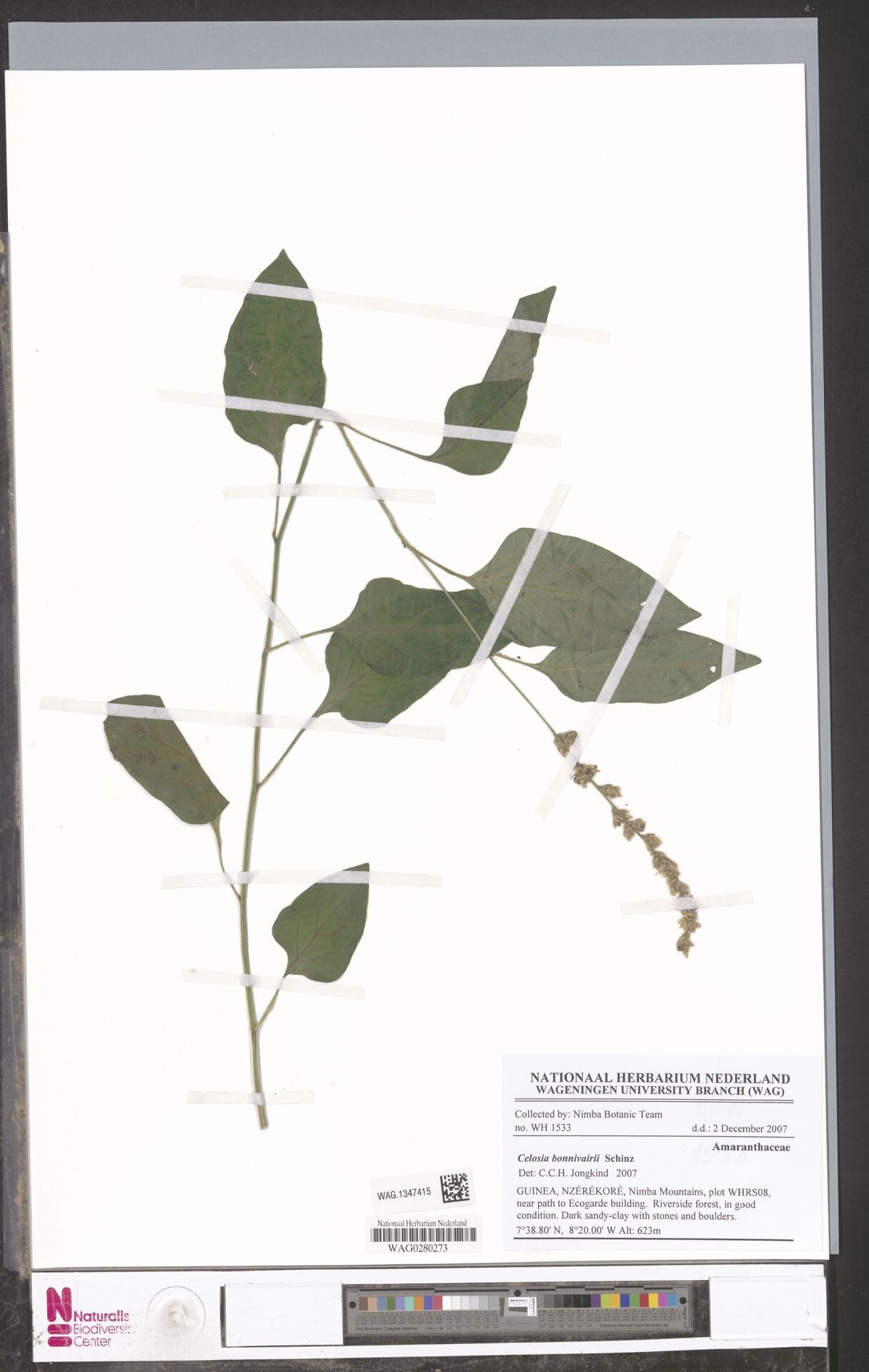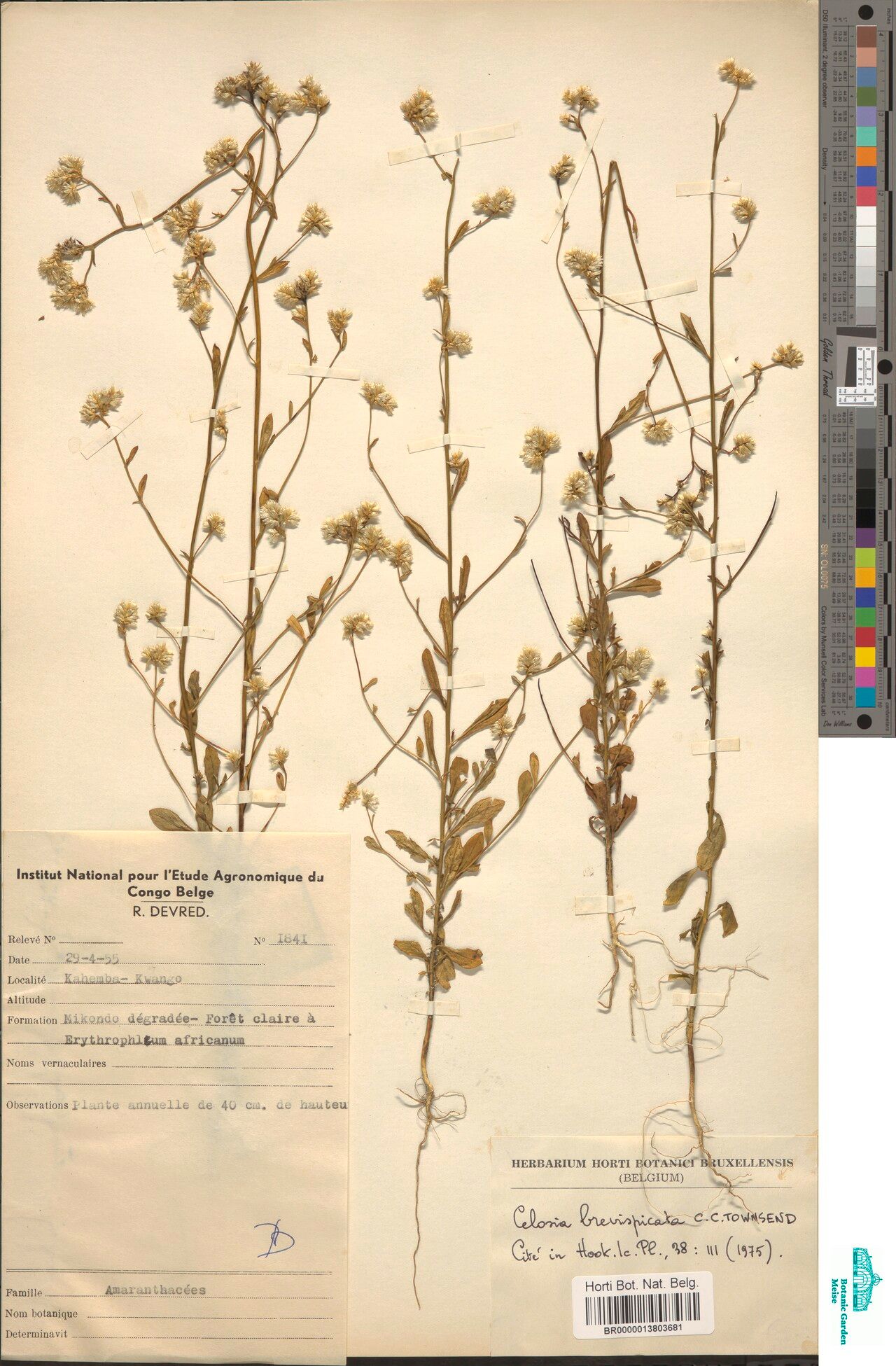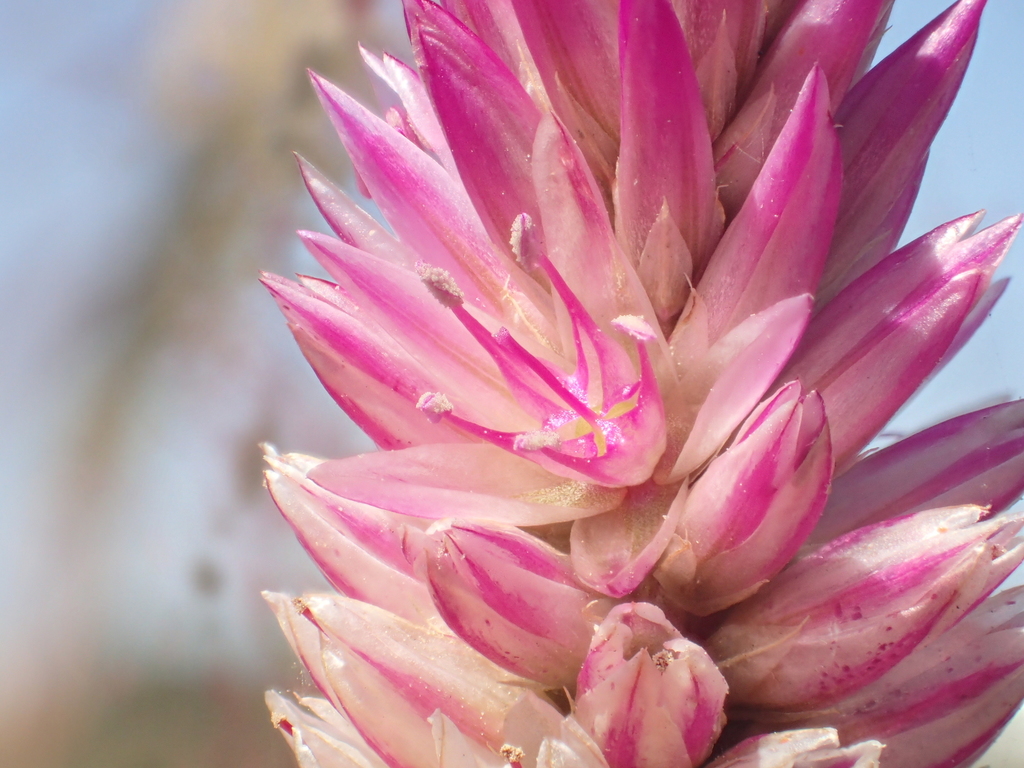
Celosia argentea, commonly known as the plumed cockscomb or silver cock's comb, is a herbaceous plant of tropical origin, and is known for its very bright colors. In India and China it is known as a troublesome weed.
Plumed Cockscomb: As you walk past this plant, you might imagine a large rooster hiding among the flower shrubs. This is because its unique petal folds resemble a rooster's comb. When not in full bloom, the flowers take on a more feather-like appearance. These combined features are why the plant is named "plumed cockscomb."
Plumed cockscomb has strong resistance to disease and is typically not vulnerable to illnesses. Still, it can be affected by pests and diseases present in its environment. Such infections are generally mild. Regarding care, this plant needs moderate maintenance. It should be pruned regularly to preserve a tidy appearance and support healthy growth. Applying fertilizer can also encourage flowering. Plumed cockscomb is well suited for anyone who has outdoor space, like a garden or patio, and does not demand extensive care experience. It may need extra attention when cultivated indoors.
How to keep Celosia Argentea.
Light
Plumed cockscomb performs best in full sun, though it can tolerate partially sunlit conditions. It naturally developed in settings with abundant sunlight. If it doesn't receive enough sun, the plant's health may decline. Conversely, too much exposure can potentially cause the foliage to get sunburned.
Water
Plumed cockscomb thrives in high humidity and consistently moist soil, benefiting from watering twice a week. It is drought-tolerant and well-suited for indoor cultivation, where you can manage watering to prevent over-saturation. Maintaining adequate moisture is essential for supporting its vibrant blooms during the active growing season.
Humidity
This plant needs special care because it loves high humidity levels of 60-80% or more. The best way to achieve this is by placing a humidifier near the plant. Daily misting is also essential! Make sure the room has good ventilation.
Temperature
Plumed cockscomb is native to environments where temperatures generally range from 68 to 100 °F (20 to 38 °C). Its preferred temperature aligns with this range, and it does best toward the warmer end. Seasonal adjustments may be required to keep it comfortable in varying climates.
Fertilizer
When most of the Plumed cockscomb's flowers have opened to full size, it's time to resume fertilizing. Around the plant's peak bloom period, apply fertilizer once every three to four weeks, as weather allows. Then, when the Plumed cockscomb begins to produce fewer new flowers, stop fertilizing; there's no reason to fertilize if the plant cannot produce more blooms.
Pruning
Regularly pruning plumed cockscomb from early to late spring encourages growth and flowering. To maintain its shape, remove spent blooms and weak stems. Trim back to healthy buds to promote bushiness. Using clean tools is crucial to prevent damage, and ensuring good airflow helps reduce the risk of disease.
Pot & Repot
When repotting Plumed cockscomb, pick a pot that’s 1-2 inches (2.5–5.1 cm) larger in diameter and that has good drainage. Use a well-draining potting mix, and consider adding perlite for extra drainage. Repot in spring or early summer, water thoroughly afterward, and place it in a shady location at the very beginning.
Toxicity
Plumed cockscomb is non-toxic and is even considered edible in some cultures. This plant is safe to have whether indoors or outdoors.
Further reading →
The toxicity and danger assessments provided are for reference only. We do not assure their accuracy, so it's crucial not to depend on them. Seek professional advice when necessary for accurate guidance.
Botanical profile.
- Plant Type
- Herb
- Life Cycle
- Annual
- Genus
- Celosia
- Family
- Amaranthaceae
- Hardiness Zone
- 3-11
- Mature Height
- 30 cm to 91 cm
- Mature Spread
- 30 cm to 61 cm
- Leaf Color
- Green
- Leaf Type
- Deciduous
- Flower Color
- Red, Pink, Yellow
- Flower Size
- 15.24 cm
- Bloom Time
- Summer
- Planting Time
- Spring, Summer
- Harvest Time
- Mid summer, Late summer, Early fall
- Native Area
- Sri Lanka, Burkina Faso, Somalia, India, Malaysia, Angola, Mexico, Eritrea, Pakistan, Nigeria, Kenya, Uganda, Tanzania, Niger, Uzbekistan, Mali, Jamaica, Guinea-Bissau, Benin, Cuba, Sierra Leone, Indonesia, Cambodia, Equatorial Guinea, Liberia, Cameroon, Venezuela, Ghana, Ethiopia, South Korea, Congo, Nepal, Malawi, Central African Republic, Tajikistan, Honduras, Peru, Philippines, Zambia, Sudan, Bangladesh, Laos, Guinea, Panama, Chad, China, Colombia, Bahamas, Bolivia, Vietnam, Myanmar, Japan, Togo, Bhutan, Senegal, Singapore, Nicaragua, Ecuador, Côte d'Ivoire, Costa Rica, Congo (DRC), Thailand, Gabon
Other names.
Reader questions.
How should I water my Plumed cockscomb plant?
To water Plumed cockscomb, you have a few options. You can use a garden hose with a spray nozzle, a watering can, or any other common watering tool. Plumed cockscomb is not too particular about the type of water it receives. It can thrive with rainwater, tap water, or filtered water. However, it is best to avoid watering this plant from above as it can harm the leaves and flowers, potentially leading to disease. A drip irrigation system is often recommended for watering Plumed cockscomb as it delivers water evenly and directly to the soil. If you have a container-grown Plumed cockscomb, you can use a cup, watering can, or tap to water it directly at the soil.
Why should I put fertilizer on my Plumed cockscomb plant?
Plants, including Plumed cockscomb, require nutrients to survive. This is a well-known fact for most gardeners, regardless of their experience. Without proper nutrition, Plumed cockscomb will not survive long after the initial pollination. To ensure the plant thrives throughout the blooming season and produces large, beautiful flowers, it is important to provide the right type and amount of nutrients. Fertilizer is particularly beneficial for Plumed cockscomb as it helps in developing a robust root system. Since this plant has a fragile and thin root system that is prone to damage, fertilizing during planting helps establish a strong foundation. By doing so, not only does it provide stability to the plant, but it also lays the groundwork for an impressive flowering performance. When timed correctly, fertilization can significantly prolong the flowering period of Plumed cockscomb.
What are the sunlight requirements for Plumed Cockscomb?
Plumed Cockscomb (Celosia argentea) thrives best under full sun conditions, requiring above 6 hours of sunlight daily, though it can also cope with partial sun, meaning about 3-6 hours of sunlight per day. It's important to observe your garden's sunlight patterns to ensure the areas you choose for your Plumed Cockscomb offer the right balance of light and shade, enhancing the plant's growth and happiness.
What is the ideal climate for Plumed cockscomb?
Plumed cockscomb, or Celosia argentea, is indigenous to climates where the temperature typically ranges from 68 to 100°F (20 to 38°C). It thrives best in the warmer end of this spectrum, preferring temperatures closer to the maximum of this range. Although it has strong cold resistance, making special frost protection measures generally unnecessary, it is crucial to provide additional protection if temperatures are expected to drop below -35°C. Before the first freeze in autumn, it's recommended to water the plant abundantly to ensure the soil remains moist and enters a frozen state, which helps prevent drought and water scarcity during winter and early spring.
What should I do if I give my Plumed cockscomb too much or too little water?
To remedy underwatering Plumed cockscomb, start watering it more regularly when you notice the lack of moisture. Overwatering, on the other hand, can be a serious issue that might lead to diseases and ultimately death for the plant. To prevent this, choose a suitable location with ample sunlight to dry the soil and ensure good drainage to avoid waterlogged soil. If your Plumed cockscomb is in a pot and has been overwatered, consider switching it to a new pot with better drainage and loose soil.
When should I fertilize my Plumed cockscomb plant?
Plumed cockscomb grows rapidly at the beginning of the growing season, once the last frost has passed. It is best to fertilize the plant during this time, specifically when it is first planted in the ground or in planters. This initial fertilization will be the only dose of fertilizer until later in the year when the blooms are abundant. Once the season is in full swing and the plumed cockscomb has fully bloomed, it is time to start fertilizing again. This should be done every three to four weeks, as weather allows, while the blooms are at their peak. As the plant starts producing fewer new blooms, it is no longer necessary to fertilize.
How does sunlight affect the health of Plumed Cockscomb?
Sunlight plays a crucial role in the health of Plumed Cockscomb. Positioned under the full radiant glare of the sun, it flourishes, showing its natural predisposition towards thriving in abundantly sunny environments. Insufficient sun can lead to health decline, while excessive exposure might cause foliage sunburn. During periods of inadequate natural sunlight, such as winter or in less sunny indoor spaces, artificial lighting can be a vital solution. LED lights, for instance, are recommended for their customizable wavelengths, with 30-50W/sq ft needed for full sun plants, 20-30W/sq ft for partial sun plants, and 10-20W/sq ft for full shade plants.
How does low temperature affect Plumed cockscomb and what are the solutions?
Plumed cockscomb is quite cold-tolerant, thriving best when temperatures are above 20°C, and should ideally be kept above 0°C during winter. If temperatures fall below -35°C, the plant may not show noticeable changes during winter but could experience a decrease in sprouting or fail to sprout at all come spring. To combat this, in spring, it's advisable to remove any parts of the plant that have failed to sprout.
How frequently should I water my Plumed cockscomb?
Plumed cockscomb requires regular watering during the growing season. In the spring, water it once a week. As the season progresses and the weather gets warmer, you may need to increase watering to two or three times per week. However, be careful not to exceed this frequency as it can harm the plant. Regardless of the watering frequency, ensure that the soil is consistently moist but not overly wet. The watering requirements for potted Plumed cockscomb are slightly different. Potted plants may dry out more quickly, so you'll need to water them more often. In most cases, plan to water a potted Plumed cockscomb a few times per week, compared to just once per week for an in-ground plant.
When is it not a good idea to fertilize my Plumed cockscomb?
Regular fertilizing is crucial for Plumed cockscomb, but it must be timed correctly. There are situations where it's necessary to hold off on fertilizing. These situations are often related to climate, but also involve other factors that can be controlled. In essence, when there are problems with the plant, soil, or climate, it's best to wait until everything has improved and the plant has recovered. For example, if there are sudden extreme weather changes, like a cold spell during summer, it's advisable to wait until the weather warms up again before applying fertilizer. Similarly, if the soil becomes too dry or compacted to absorb nutrients properly, it's important to avoid fertilizing as the fertilizer might go straight to the roots, which the Plumed cockscomb does not prefer. Furthermore, it's not recommended to apply fertilizer when temperatures rise to 90 degrees Fahrenheit or higher during the hottest parts of the day. This is because the breakdown of fertilizer can vary based on temperature, and allowing it to break down rapidly under hot conditions is not ideal. Additionally, any pest or disease issues should be addressed and resolved before resuming fertilization.
What are common symptoms of inadequate light in Plumed Cockscomb?
When Plumed Cockscomb doesn't receive sufficient light, particularly indoors, it may show various symptoms. These include smaller new leaves, leggy or sparse growth, faster leaf drop, slower or ceased new growth, lighter-colored new leaves, and conditions such as chlorosis (yellowing leaves due to chlorophyll breakdown), sunscald (damage from intense exposure), leaf curling (to minimize sunlight exposure and water loss), wilting (from excessive water loss), and leaf scorching (brown, dry patches from too much sun).
How does high temperature affect Plumed cockscomb and what are the solutions?
In summer, Plumed cockscomb should ideally be kept below 38°C. Temperatures exceeding 43°C can cause the leaves to lighten in color, curl, become susceptible to sunburn, and, in severe cases, cause the entire plant to wilt and dry out. To address these issues, trim away sunburned and dried-up parts of the plant. Relocate the plant to an area with shade during the midday and afternoon sun, or utilize a shade cloth to create necessary shade. Ensuring the plant is watered in the morning and evening will help keep the soil moist, countering the effects of high temperatures.