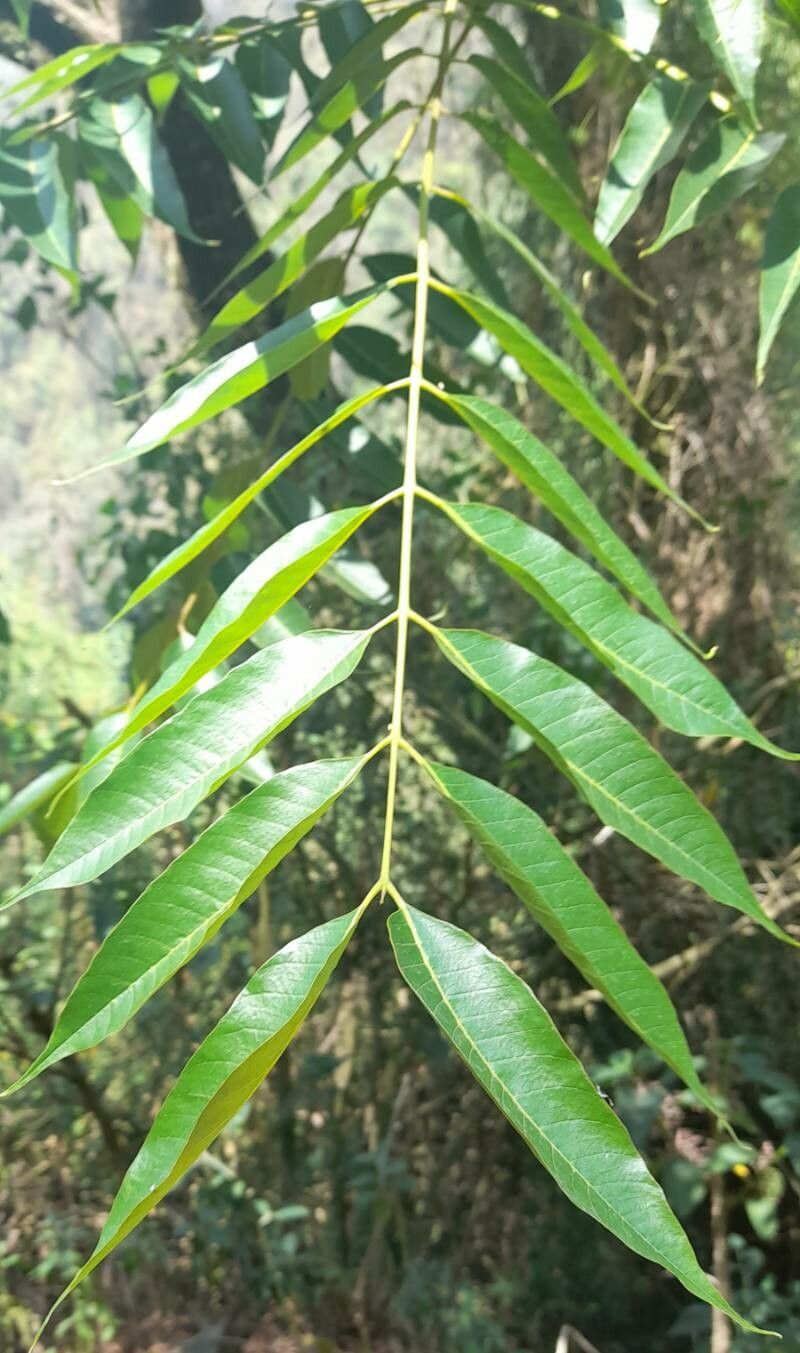
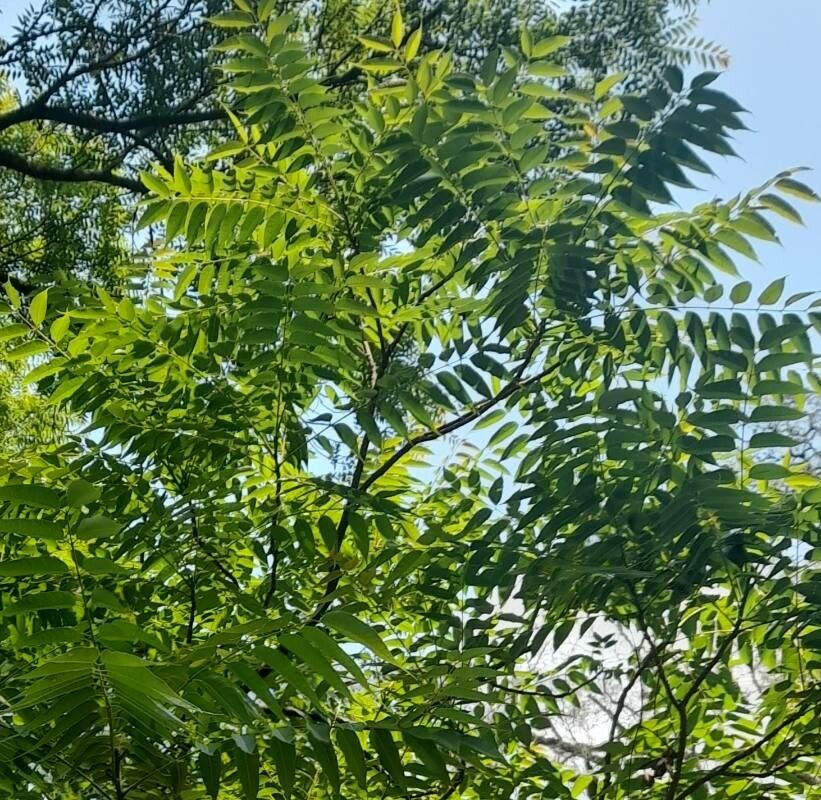
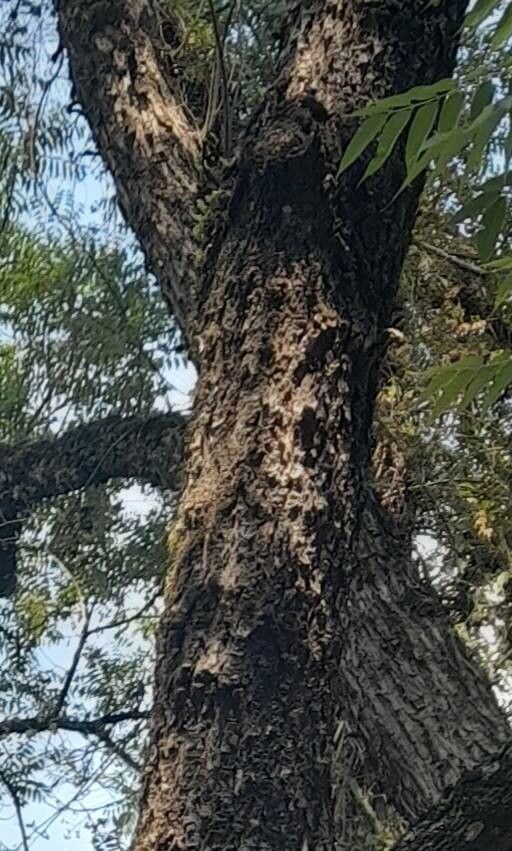
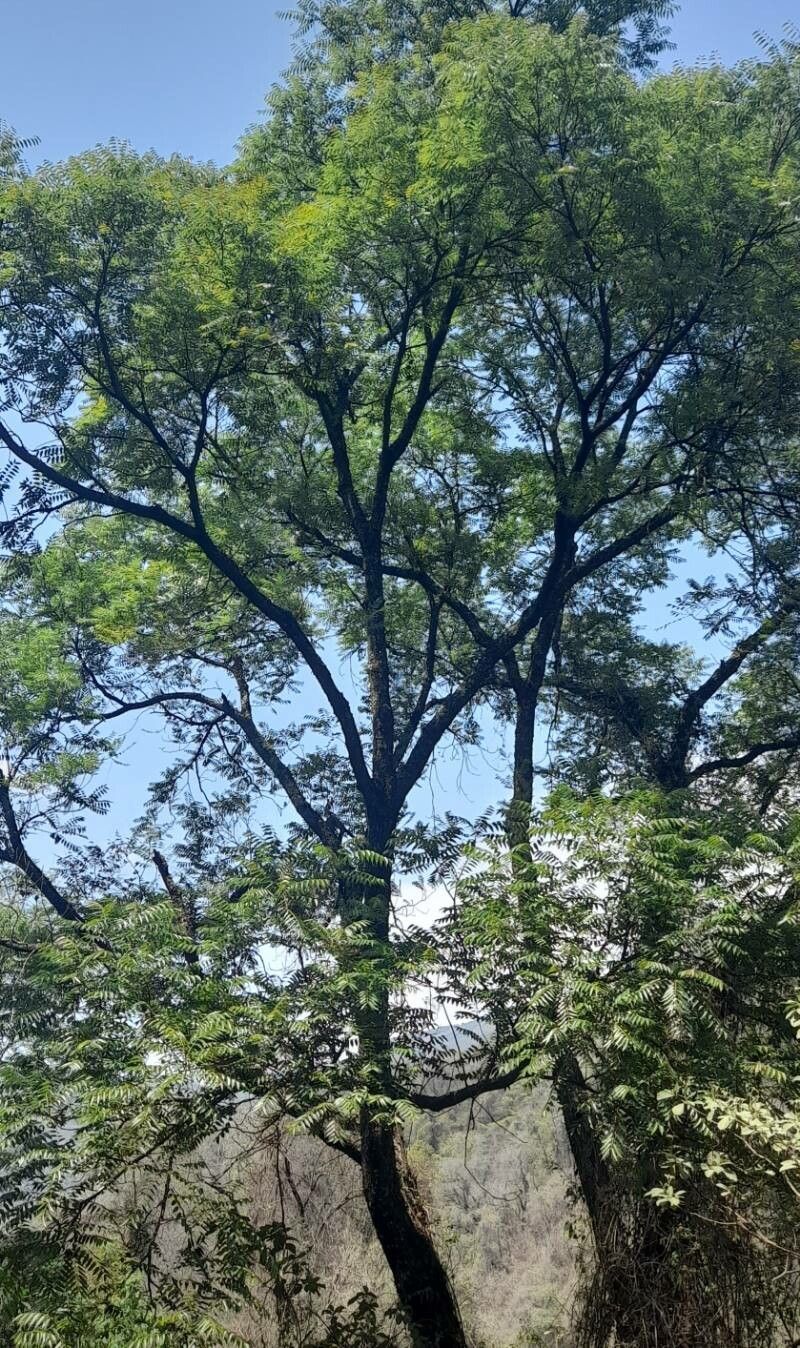
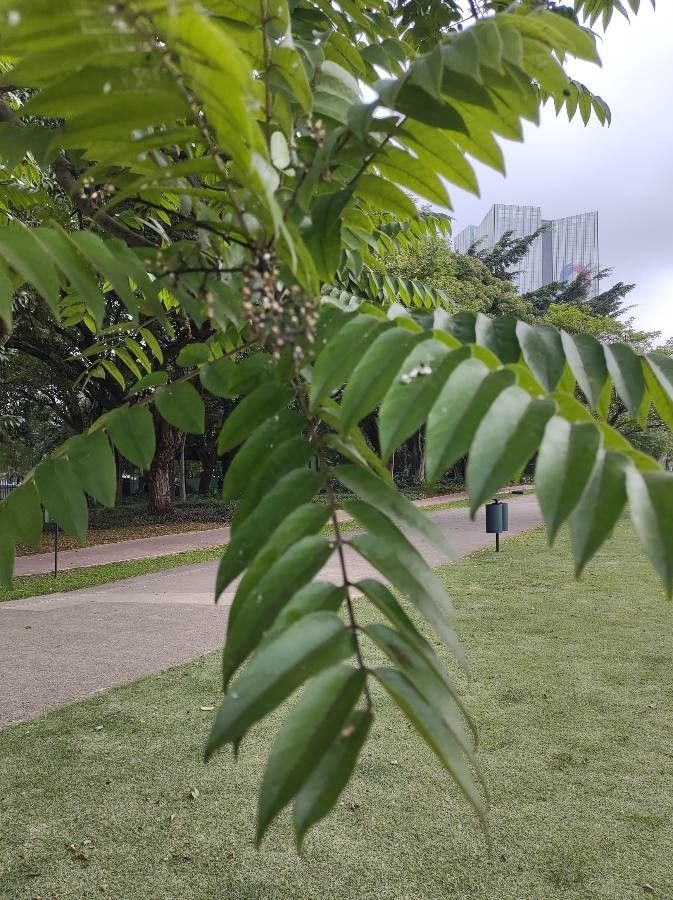
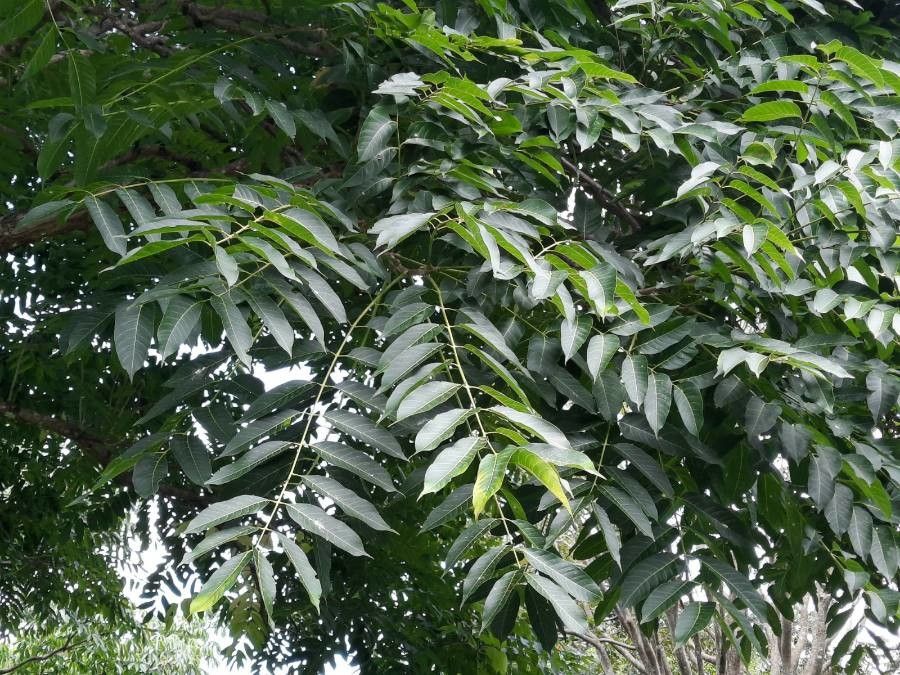
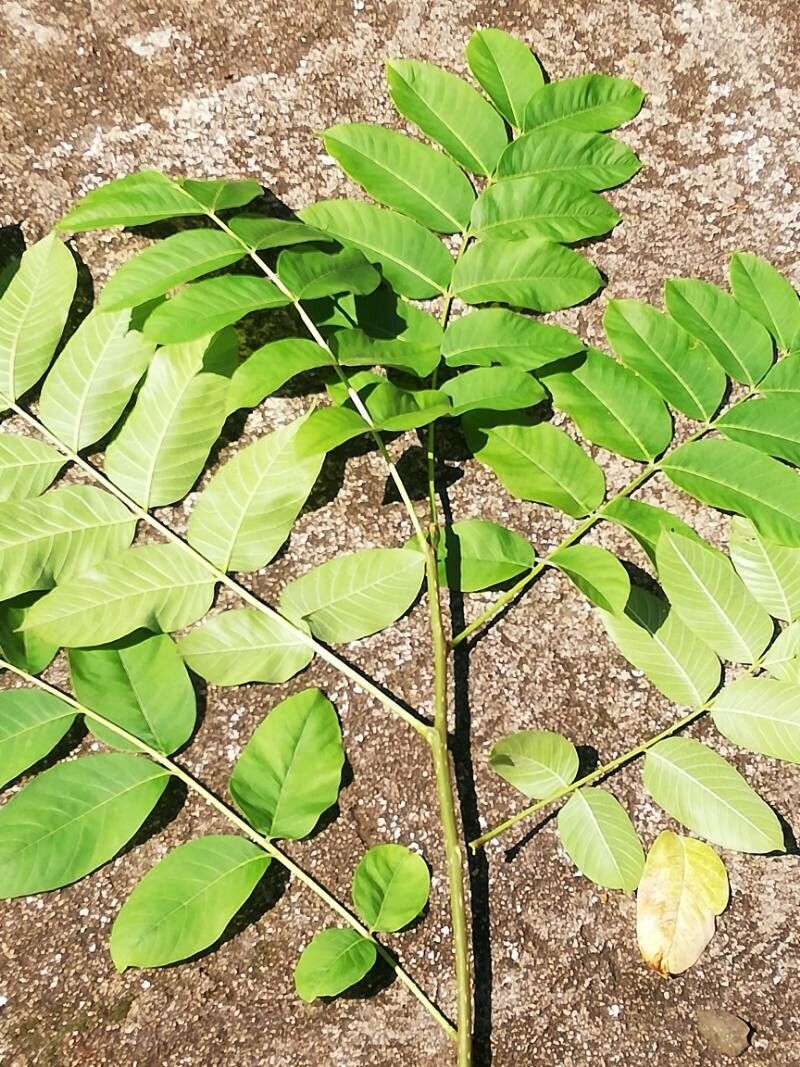
Cedrela angustifolia is a species of tree in the mahogany family, Meliaceae. Local common names include cedro de Tucumán, cedro bayo, cedro coya, and cedro del cerro. It is native to South America, where it occurs in Argentina, Bolivia and Peru.
Spanish cedar is resistant to diseases and is typically not easily affected by them. In terms of upkeep, this plant is fairly low-maintenance. When grown outdoors it needs little watering, and larger specimens generally do not require pruning. Smaller plants, however, should be pruned after they finish blooming. Spanish cedar is appropriate for anyone with an outdoor area, such as a garden or deck, and does not require extensive care experience.
How to keep Cedrela Angustifolia.
Light
Spanish cedar thrives with abundant sunlight but can also do well in somewhat lower light. Native to open forest habitats, it uses sunlight to promote vigorous growth. Its preferred light condition is similar to an exposed tree canopy. However, both too much and too little light can harm Spanish cedar's growth — insufficient light may impede healthy development, while excessive light can cause sunburn.
Temperature
Spanish cedar is native to areas that can sustain temperatures from 68 to 100 °F (20 to 38 °C). It grows best in warm conditions and may need help regulating its environment during certain seasons to reach its preferred temperature range.
Fertilizer
Fertilization is essential for caring for Spanish cedar. Regular feeding during the growing season preserves the energy needed for its showy leaves and promotes overall growth. If fertilization is neglected, leaves can become unhealthy, the tree's ornamental value may decline, and growth can be stunted or weak and prone to breakage.
Botanical profile.
- Plant Type
- Tree
- Life Cycle
- Perennial
- Genus
- Cedrela
- Family
- Meliaceae
- Hardiness Zone
- 9-12
- Mature Height
- 10.06 m to 29.87 m
- Mature Spread
- 29.87 m
- Leaf Color
- Dark Green, Forest Green
- Leaf Type
- Deciduous
- Flower Color
- White
- Flower Size
- 0.25 cm to 0.51 cm
- Bloom Time
- Early summer, Mid summer
- Planting Time
- Spring, Summer
- Harvest Time
- Late summer, Early fall, Mid fall
- Native Area
- Belize, Honduras, Mexico, Guatemala, Peru, Dominican Republic, Trinidad and Tobago, Panama, Jamaica, Colombia, Bahamas, Cuba, Paraguay, Argentina, Haiti, Bolivia, Venezuela, Brazil, Guyana, El Salvador, Nicaragua, Suriname, Costa Rica