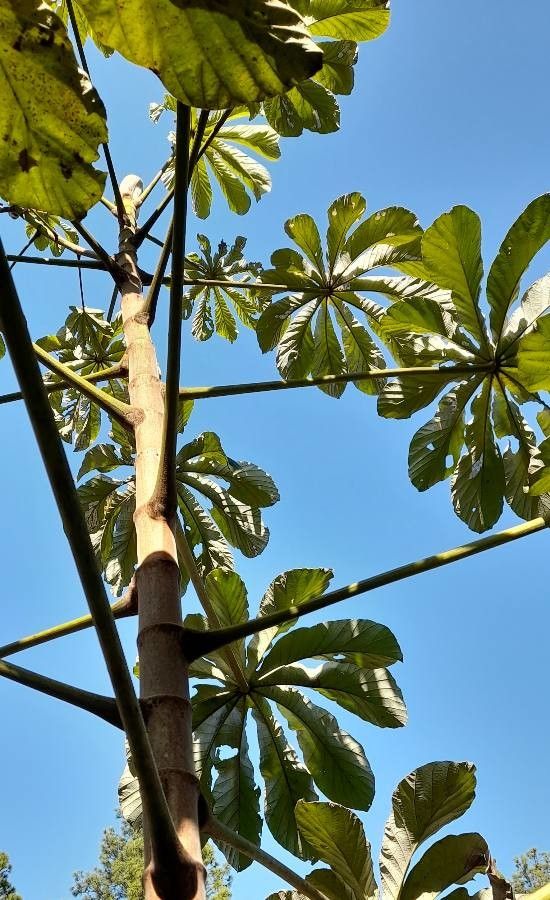
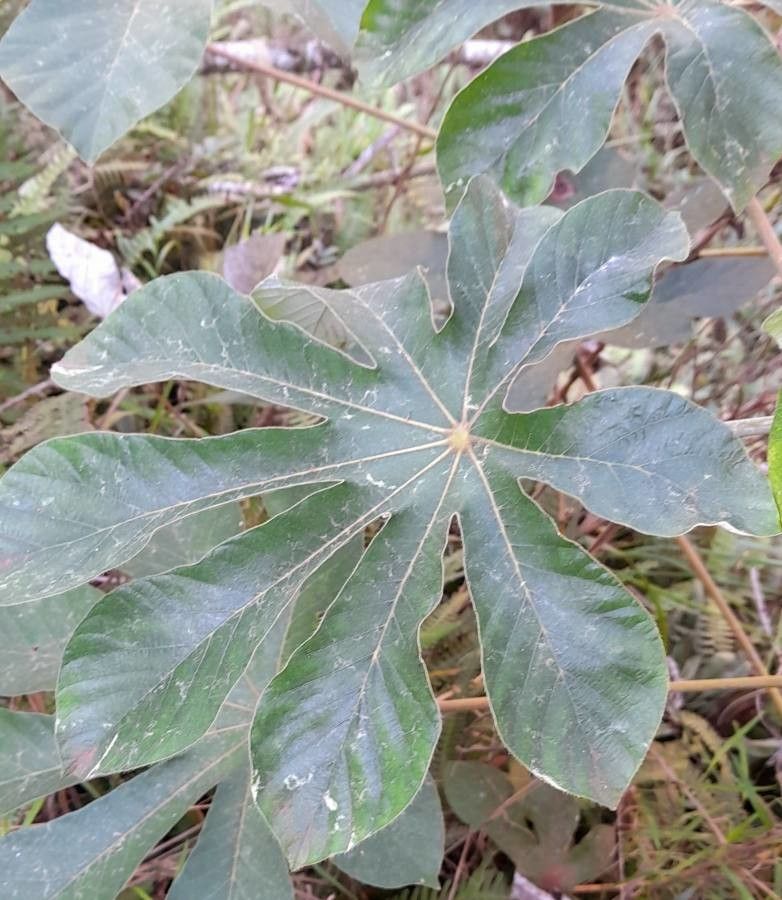
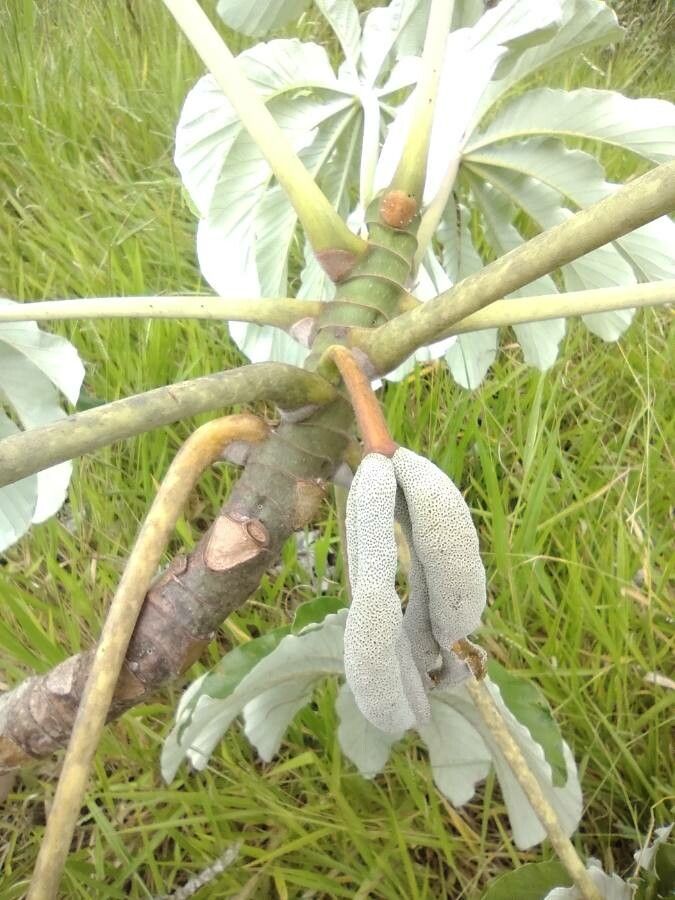
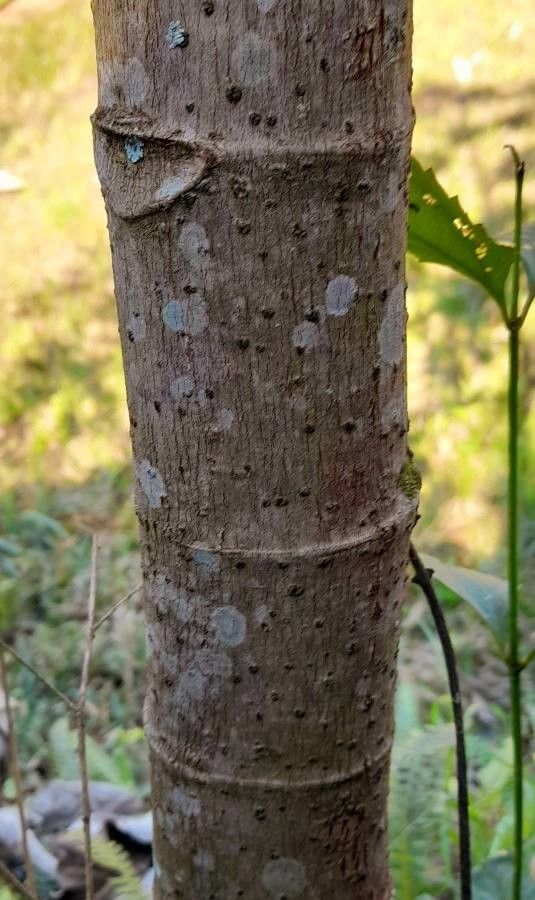
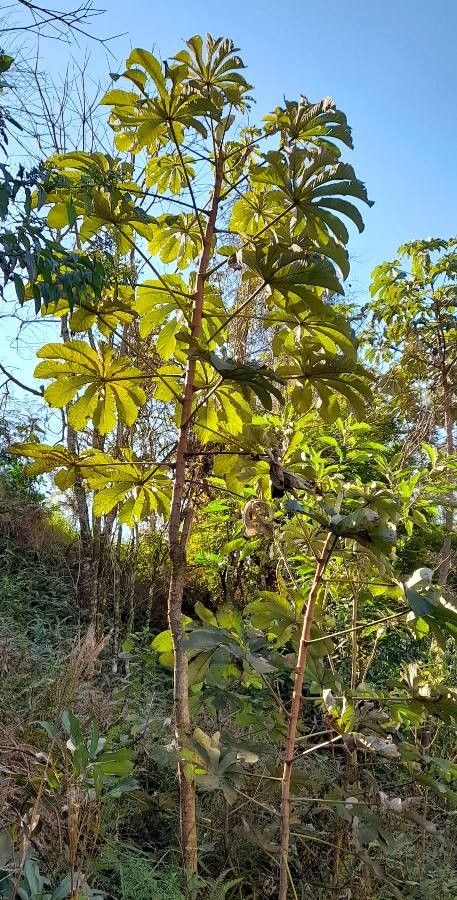
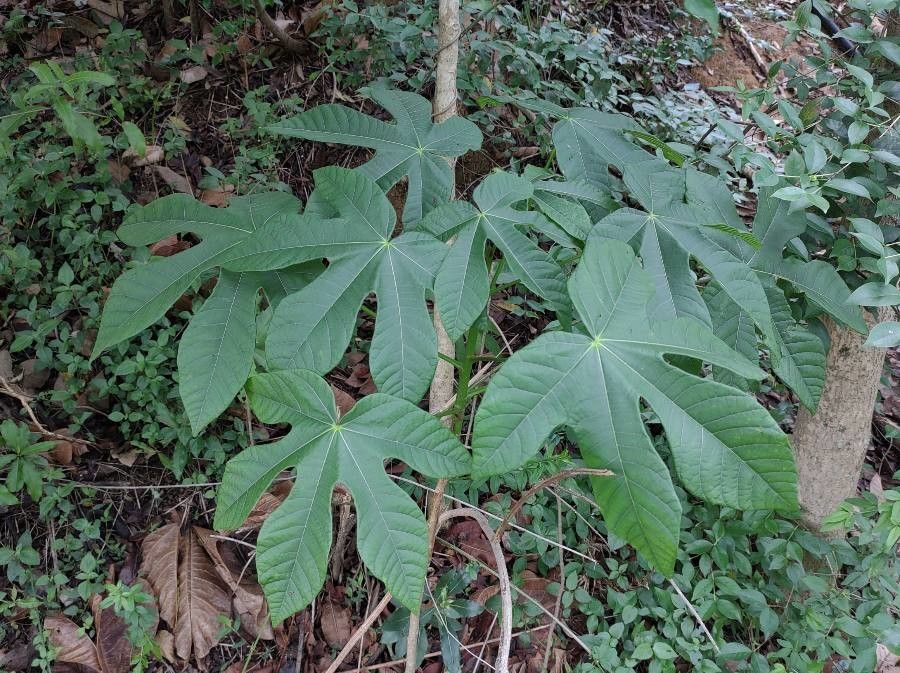
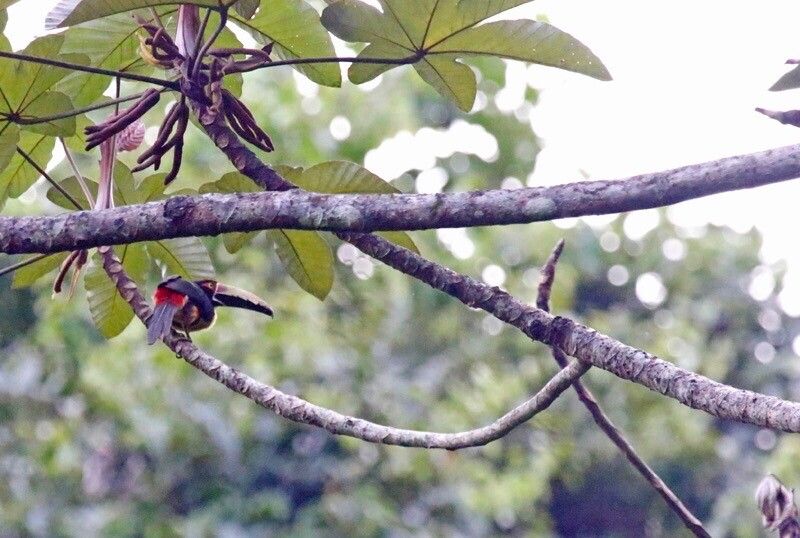
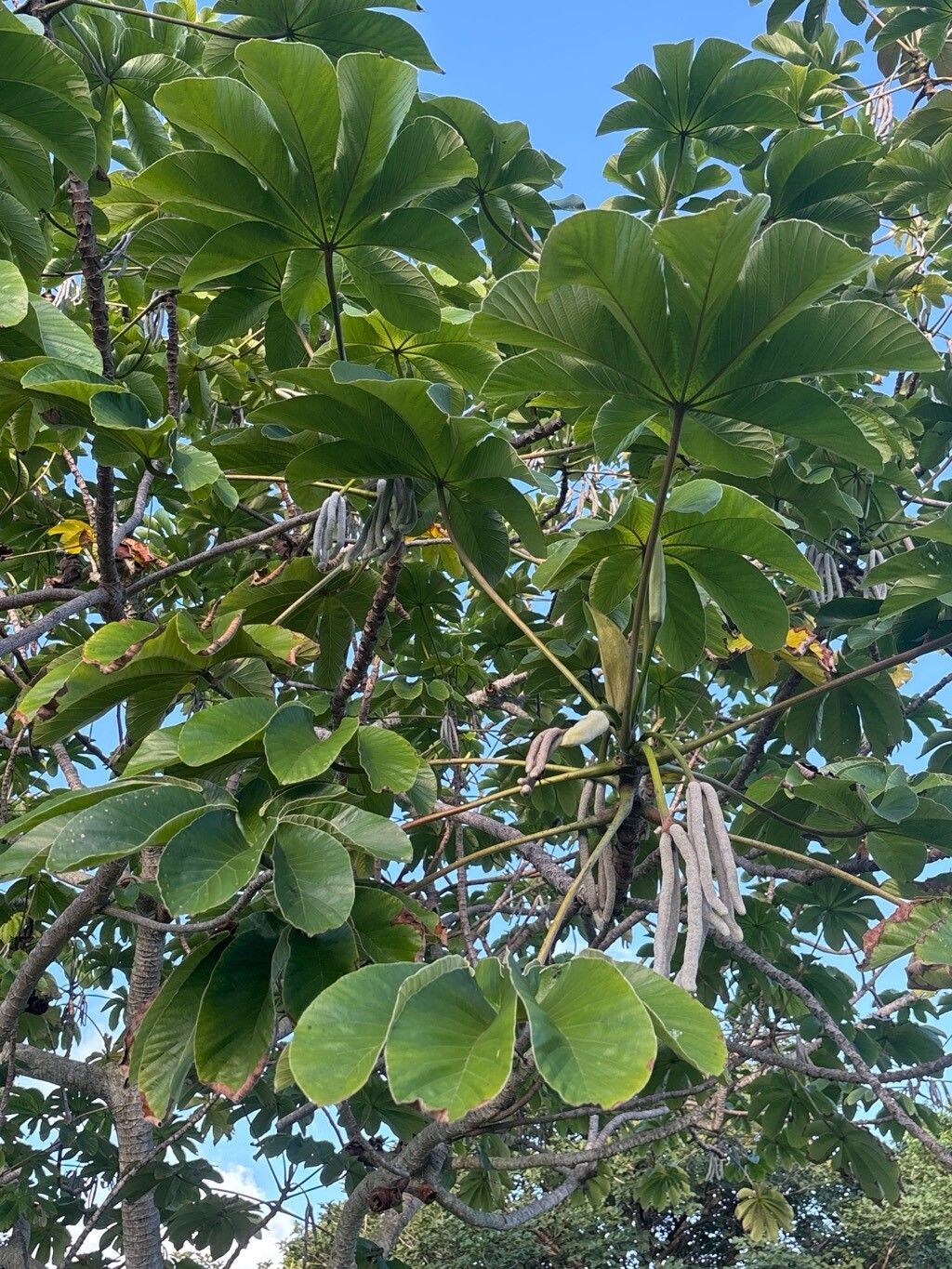
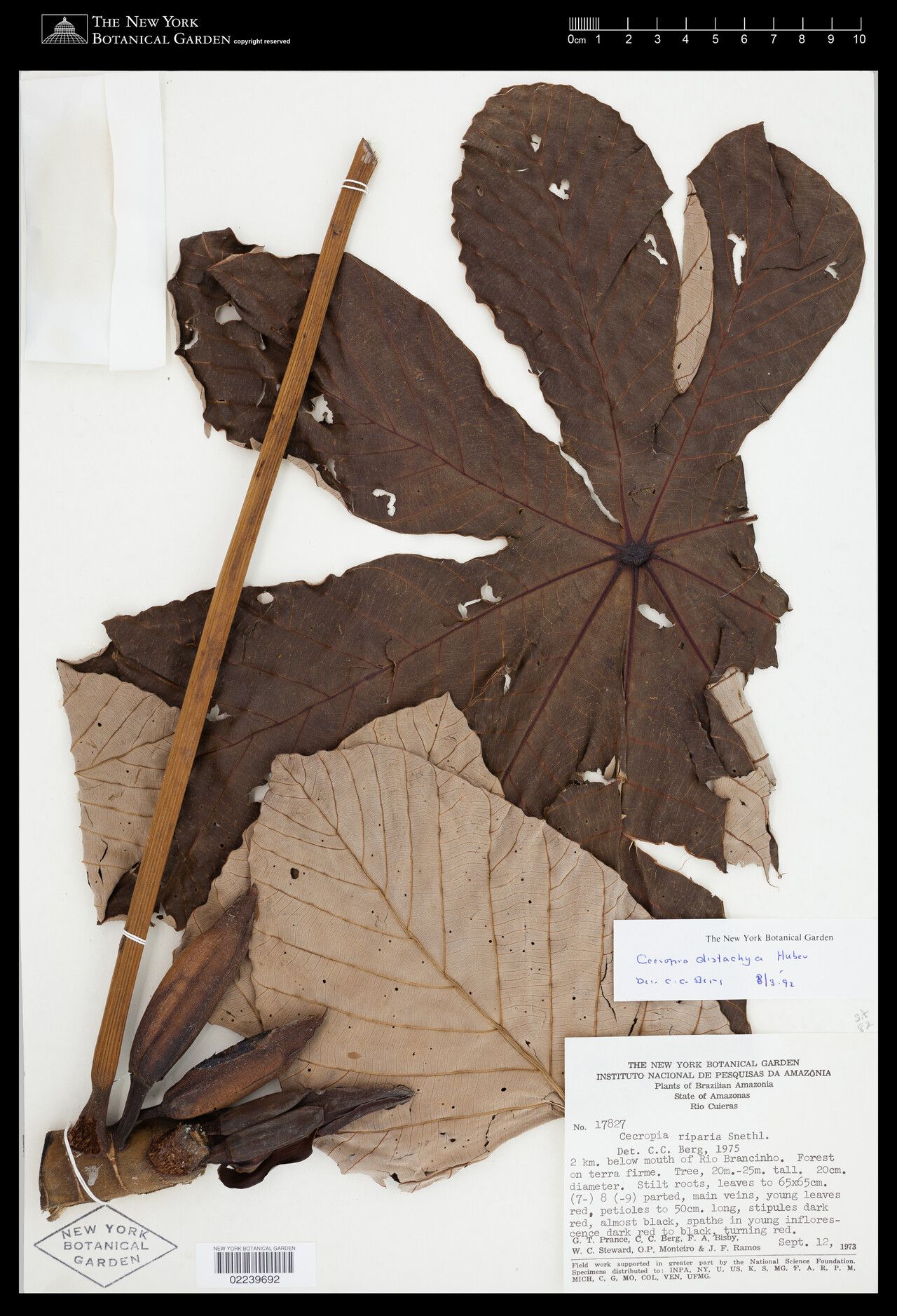
Cecropia pachystachya, commonly known as Ambay pumpwood, is a species of tree in the family Urticaceae. It is native to Argentina, Paraguay and Brazil where it grows near the edges of moist forests.
Ambay pumpwood is resistant to disease and is not usually susceptible to illnesses. In terms of care, this plant is fairly low-maintenance. When grown outdoors it needs only occasional watering, and larger specimens typically do not require pruning. Smaller plants, however, should be trimmed after they finish blooming. Ambay pumpwood is suitable for anyone who has an outdoor area, such as a garden or a deck, and it does not demand much prior care experience.
How to keep Cecropia Pachystachya.
Light
Ambay pumpwood is native to open habitats, such as sunny meadows and forest edges, where light is abundant. It performs best in Full Sun but can also tolerate Partial Sun, adapting well to different sunlight conditions.
Temperature
Ambay pumpwood comes from tropical areas, where the weather is generally warm and humid. Consequently, it is well suited to high temperatures and moisture. It does not tolerate sudden temperature shifts and prefers a constant temperature, so avoiding fluctuations indoors is important. It normally cannot endure cold conditions and needs warmer temperatures to grow. If the surrounding temperature falls too low, the plant may stop growing or even die.
Fertilizer
The best time to fertilize an Ambay pumpwood is in early spring as it comes out of dormancy. This encourages overall growth and supports flower development. Fertilizing improves the foliage, stems, and branches, while encouraging flowers that are large, vibrant, and long-lasting. It also helps move nutrients from the roots to the flowers and enhances the plant’s health and resistance to disease.
Pruning
The Ambay pumpwood is characterized by its broad leaves and rapid growth. To keep it healthy and well-shaped, regular pruning is essential. This involves removing dead branches and thinning out dense areas, ideally during early spring. Using the right tools and employing careful pruning techniques can help minimize stress on the plant, boost its disease resistance, and strengthen its branches.
Botanical profile.
- Plant Type
- Tree
- Life Cycle
- Perennial
- Genus
- Cecropia
- Family
- Urticaceae
- Hardiness Zone
- 10-12
- Mature Height
- 10.06 m to 20.12 m
- Mature Spread
- 6.1 m to 10.06 m
- Leaf Color
- Dark Green, Light Green
- Leaf Type
- Evergreen
- Flower Size
- 5.08 cm to 10.16 cm
- Bloom Time
- All year round
- Planting Time
- Spring, Summer, Autumn
- Harvest Time
- All year round
- Native Area
- Brazil
Other names.