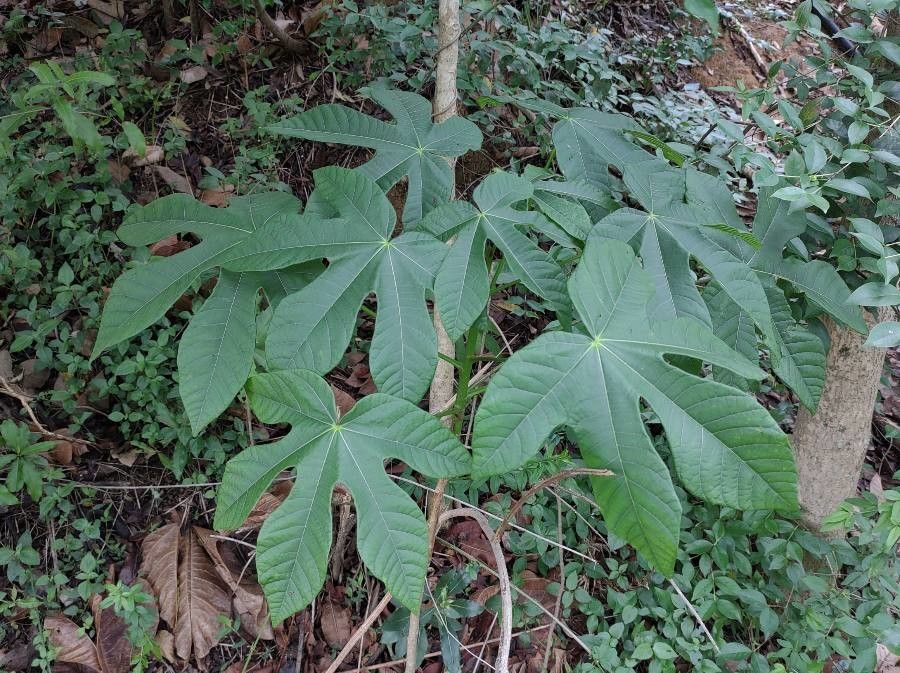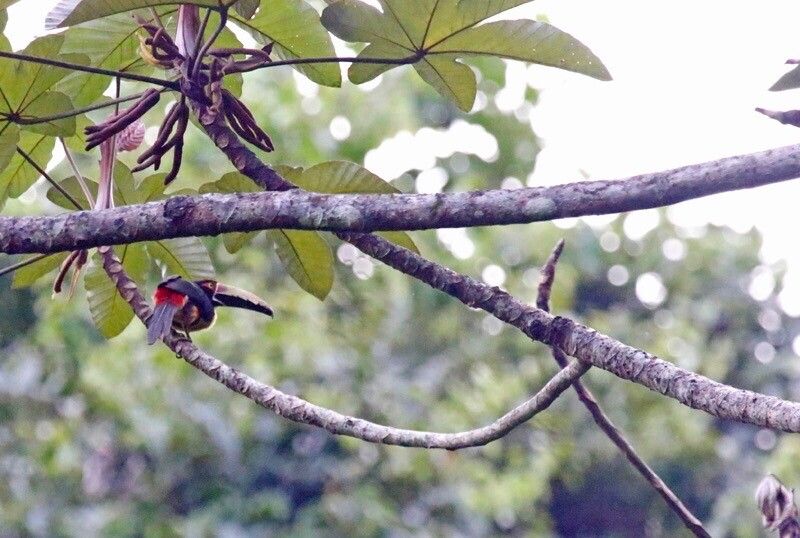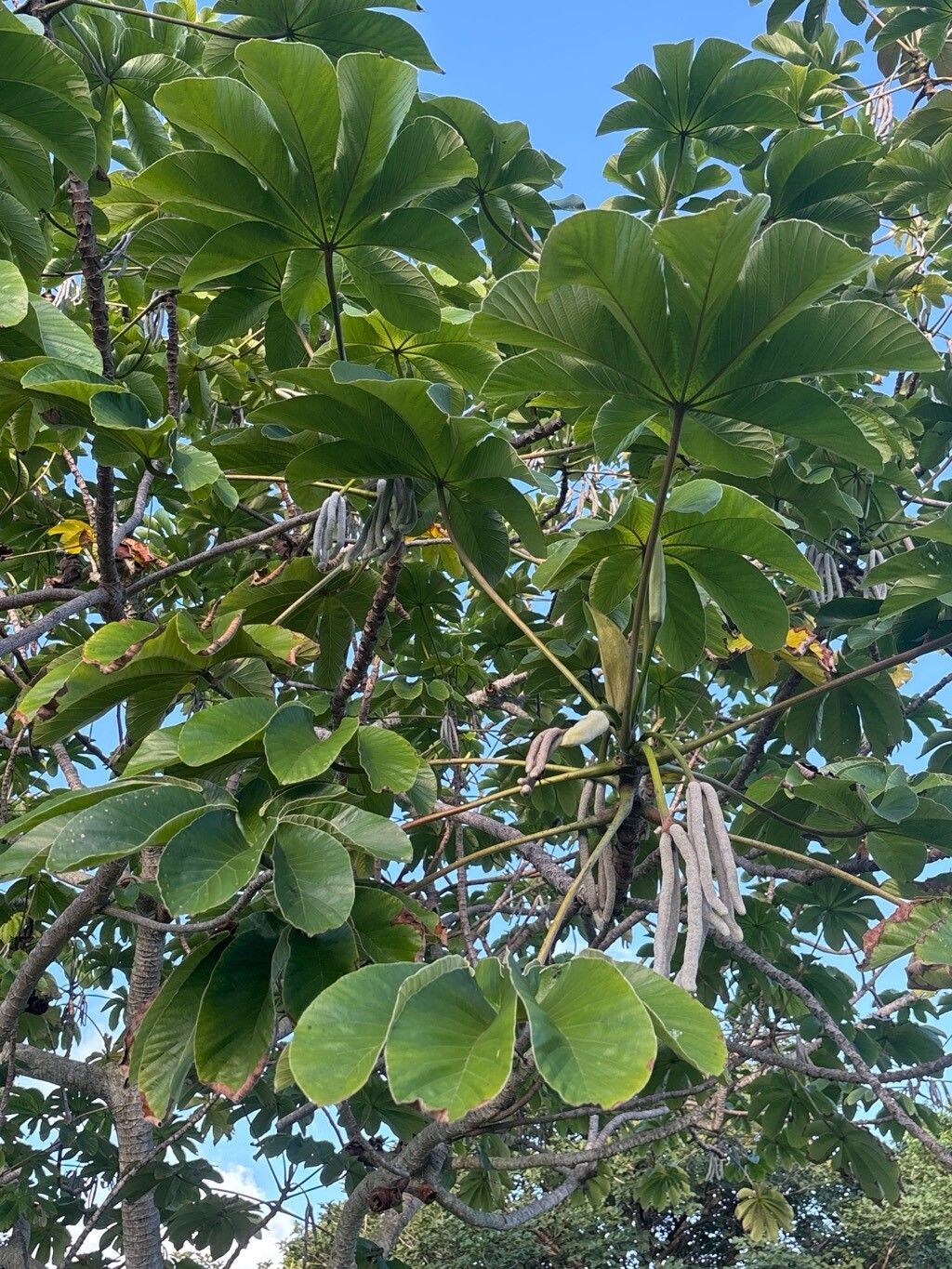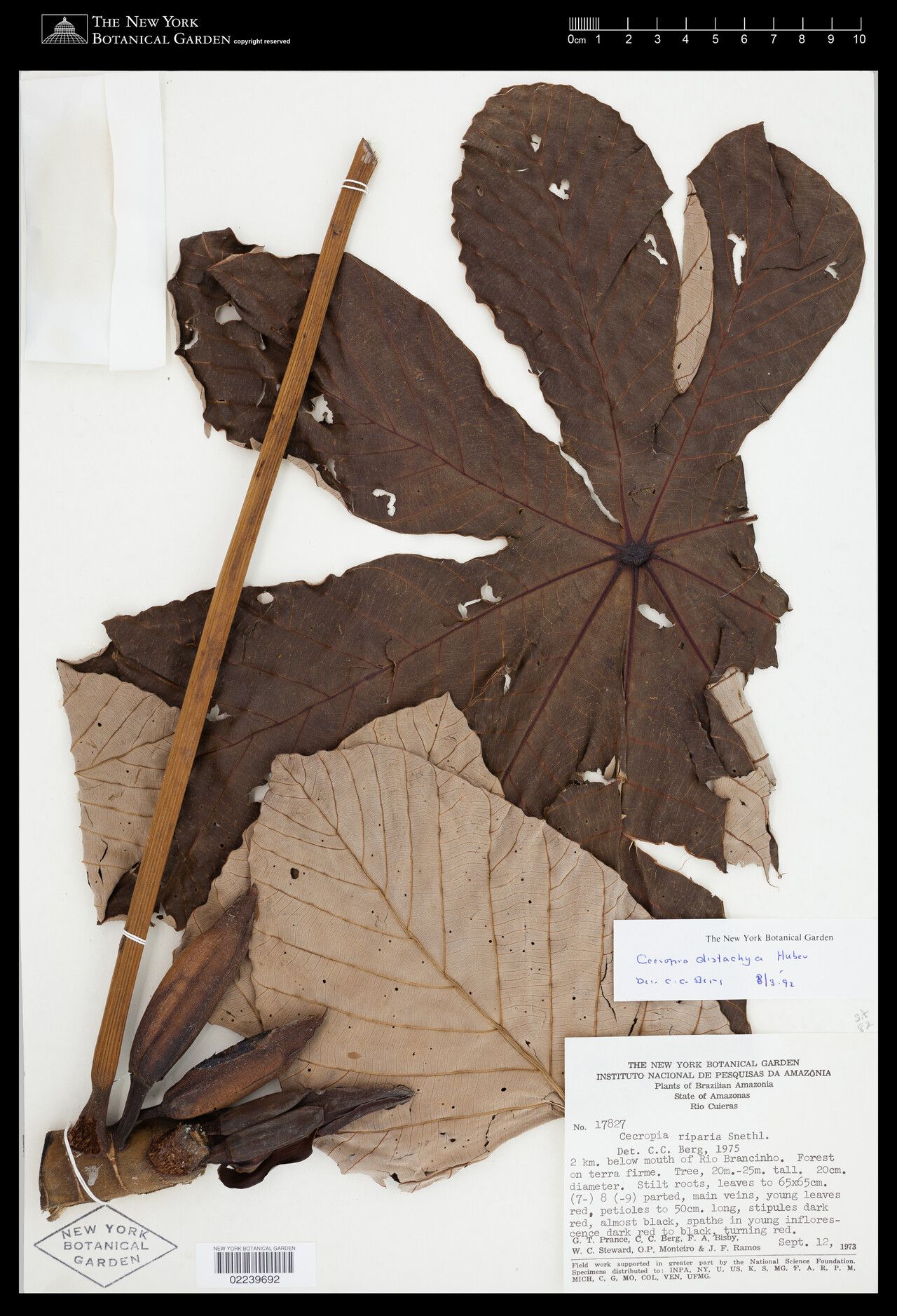
Cecropia hololeuca is disease-resistant and usually not susceptible to illnesses. As for care, this plant is fairly low-maintenance. Planted outdoors it needs only minimal watering, and larger specimens typically do not require pruning. Smaller plants, however, should be trimmed after they have finished blooming. Cecropia hololeucat is suitable for anyone with an outdoor area, such as a garden or deck, and does not demand much gardening experience.
How to keep Cecropia Hololeuca.
Light
Cecropia hololeuca is native to open spaces like sun-drenched fields and fringes of forests, which offer abundant illumination. It prospers in Full Sun yet is also able to endure Partial Sun, making it versatile in adapting to a range of light exposures.
Temperature
Cecropia hololeuca hails from the tropics, an environment that is characteristically hot and humid. It has evolved to handle high temperature and moisture levels. Sudden changes in temperature are not in its liking and it thrives in a constant temperature environment, so ensuring a stable indoor temperature is essential. This plant generally can't endure chilly conditions and demands elevated temperatures for its growth. Dropping temperatures could lead to its growth being arrested or it could even result in the plant's death.
Fertilizer
Cecropia hololeuca's maintenance requires essential fertilization. Consistent nutrient provision throughout the developmental stage aids in maintaining vitality for vibrant leaves and bolstering growth in general. Overlooking the need for fertilization could lead to sickly leaves, decreased visual attractiveness, as well as hindered or fragile growth that is susceptible to damage.
Pruning
Cecropia hololeuca is a fast-growing tree that thrives in sunlight and has large, distinctive leaves. To maintain its health and appearance, it’s best to prune it in early spring. This will help shape the tree, remove dead branches, and encourage new growth. Regular pruning is important as it enhances the tree’s structure, improves air circulation, and boosts overall health. Be sure to use clean, sharp tools for precise cuts, which will also enhance the tree's aesthetic appeal.
Botanical profile.
- Plant Type
- Tree
- Life Cycle
- Perennial
- Genus
- Cecropia
- Family
- Urticaceae
- Hardiness Zone
- 10-12
- Mature Height
- 14.94 m to 24.99 m
- Mature Spread
- 10.06 m to 14.94 m
- Leaf Color
- Silver, Light Gray
- Leaf Type
- Deciduous
- Flower Size
- 5.08 cm to 7.62 cm
- Bloom Time
- All year round
- Planting Time
- Spring, Summer, Autumn
- Harvest Time
- All year round
- Native Area
- Brazil