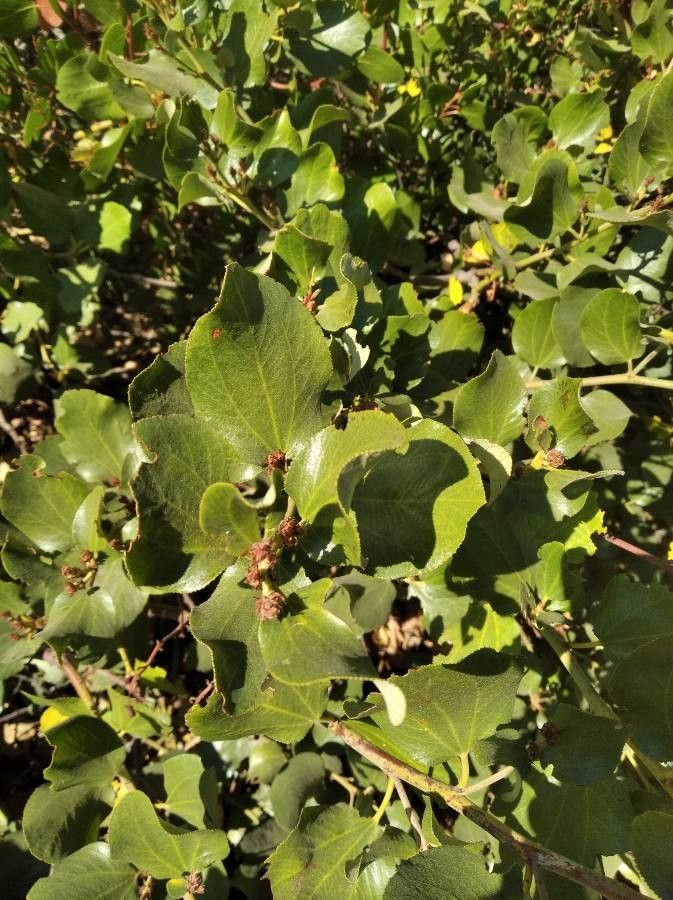
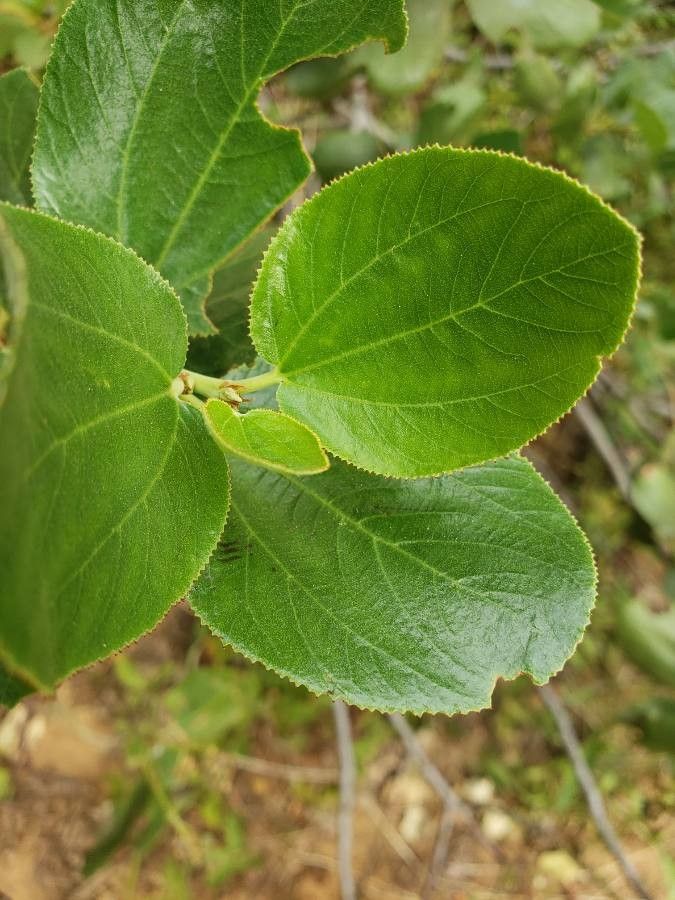
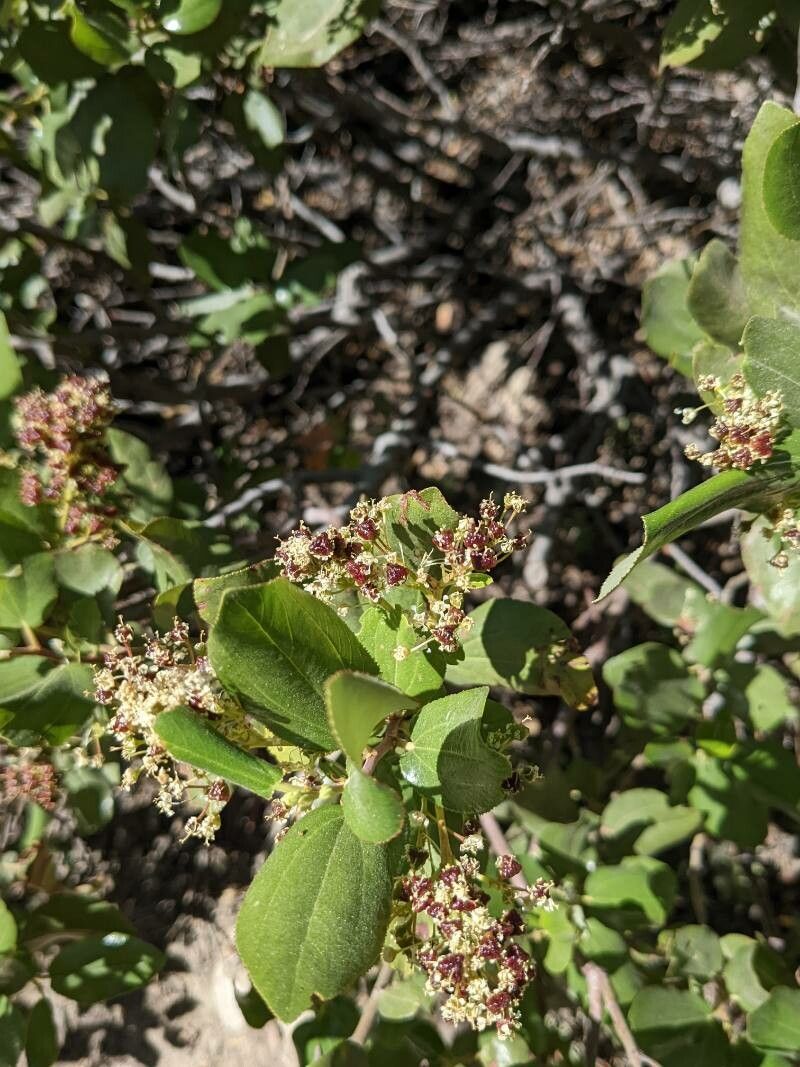
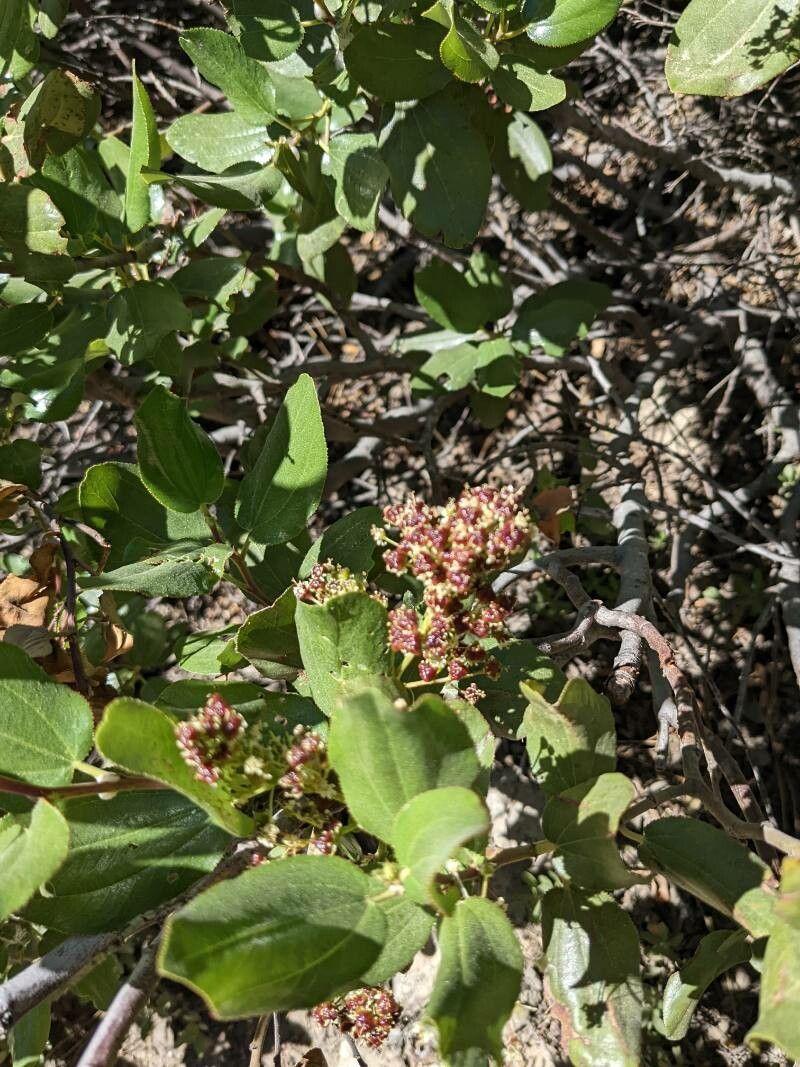
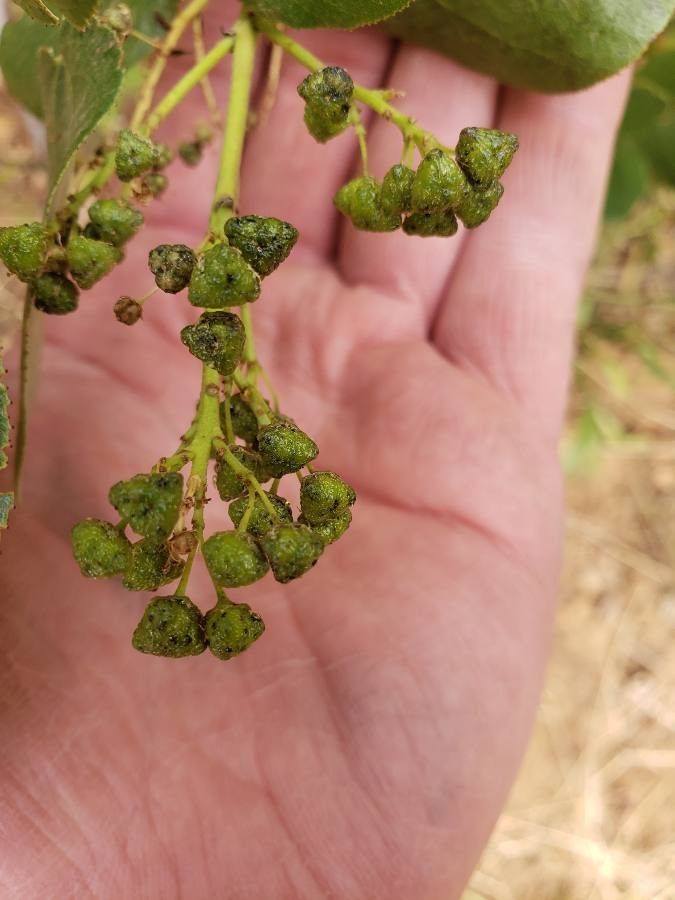
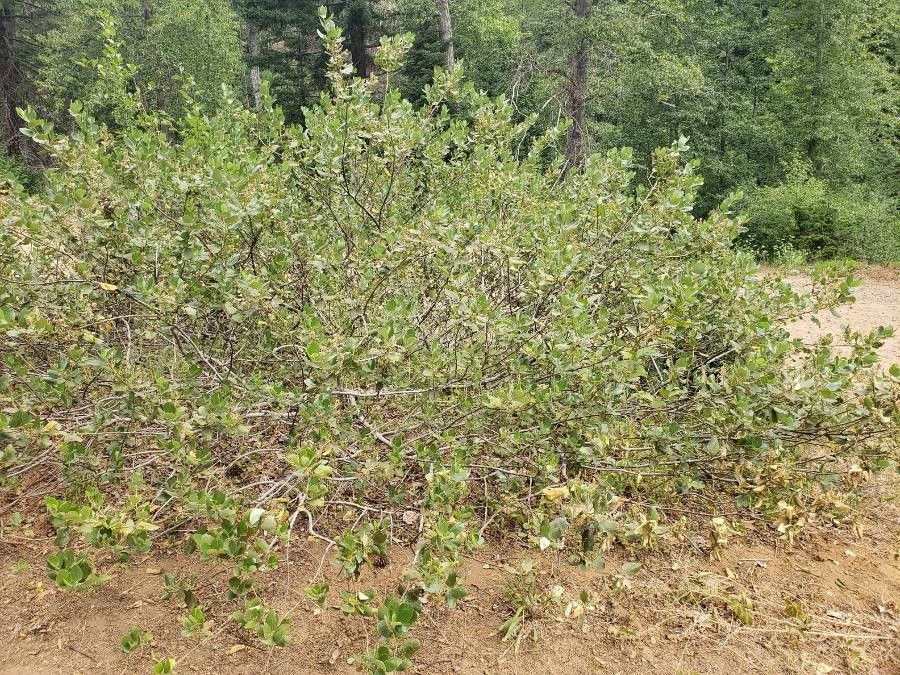
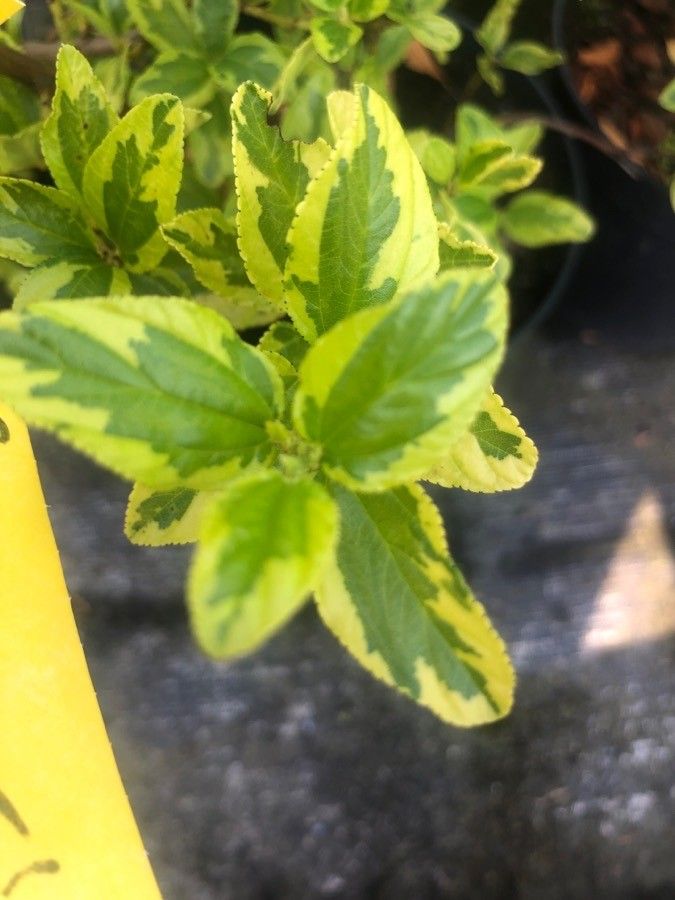
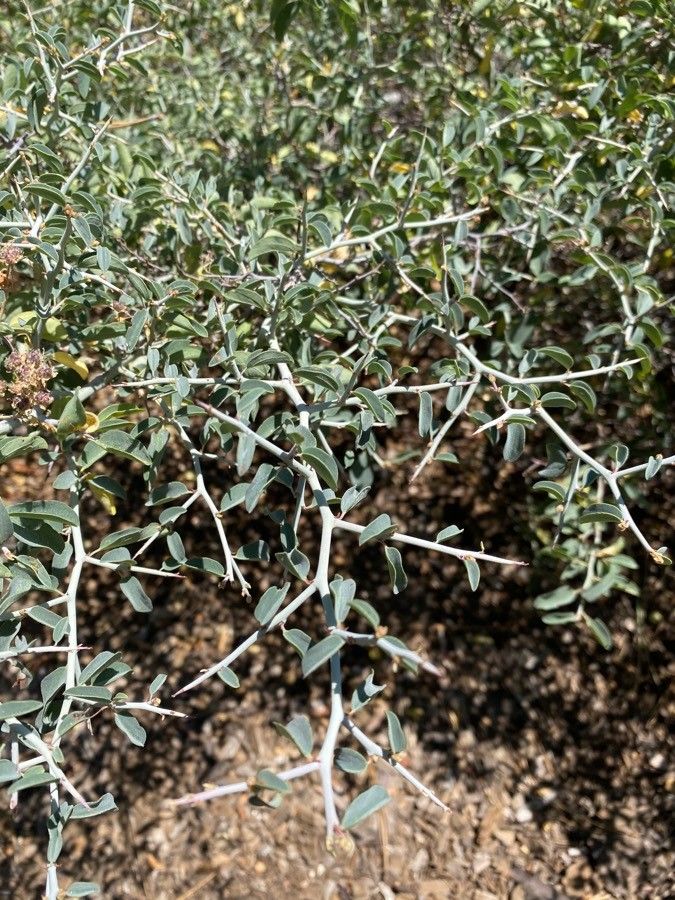
Ceanothus velutinus, with the common names snowbrush ceanothus, red root, and tobacco brush, is a species of shrub in the family Rhamnaceae. It is native to western North America from British Columbia to California to Colorado, where it grows in several habitat types including coniferous forest, chaparral, and various types of woodland.
Snowbrush ceanothus has strong disease resistance and is generally not susceptible to diseases. Regarding care, this plant is fairly low maintenance. When planted outdoors it needs only minimal watering, and larger specimens usually do not require pruning. Smaller plants, however, should be pruned after they have finished blooming. Snowbrush ceanothus is appropriate for anyone with an outdoor space, such as a garden or deck, and does not require extensive plant-care experience.
How to keep Ceanothus Velutinus.
Light
Snowbrush ceanothus performs best with abundant sunlight. Its native habitat offers plentiful sun, which accelerates its vigorous growth. However, too much or too little sun can impede its development and health, leaving it unable to tolerate any changes in light intensity.
Water
Snowbrush ceanothus is well-suited to dry regions and thrives with minimal moisture, demonstrating excellent drought tolerance. It needs watering only once every 2-3 weeks and prefers well-draining soil to prevent waterlogging, which is characteristic of its natural habitat. This makes it ideal for temperate outdoor environments.
Temperature
Snowbrush ceanothus comes from a climate where temperatures range from 41 to 90 °F (5 to 32 °C). Therefore, this plant can tolerate and flourish within that temperature span. In colder seasons, ensure temperatures do not fall below that preferred minimum.
Fertilizer
The timing of fertilization is important for Snowbrush ceanothus. Apply fertilizer starting in early spring and continue monthly until early summer. Fertilizer encourages attractive blooms and supplies energy during dormant periods as well as active growth phases.
Pruning
The snowbrush ceanothus is known for its glossy, evergreen leaves and fragrant flowers. To maintain its health, prune from early to late winter by removing dead branches and lightly thinning to enhance air circulation. Avoid heavy pruning to minimize stress on the plant. Always use sharp tools and consult local guidelines for specific care instructions.
Botanical profile.
- Plant Type
- Tree, Shrub
- Life Cycle
- Perennial
- Genus
- Ceanothus
- Family
- Rhamnaceae
- Hardiness Zone
- 4-8
- Mature Height
- 0.91 m to 3.35 m
- Mature Spread
- 2.44 m
- Leaf Color
- Green
- Leaf Type
- Evergreen
- Flower Color
- White
- Flower Size
- 2.54 cm
- Bloom Time
- Late spring, Early summer, Mid summer
- Planting Time
- Autumn
- Harvest Time
- Mid summer
- Native Area
- Mexico
Other names.
Reader questions.
How should I water my Snowbrush ceanothus?
Your Snowbrush ceanothus is not picky about how you water it. You can use any watering tool, such as cans, hoses, or cups. Just make sure to apply the water directly to the soil and evenly moisten all areas to provide water to the entire root system. Using filtered water is helpful to avoid harmful particles. It's also better to use water that is at or slightly above room temperature, as very hot or cold water can shock the plant. However, the Snowbrush ceanothus generally responds well to any water you give it.
What are the sunlight requirements for Snowbrush ceanothus?
Snowbrush ceanothus requires above 6 hours of sunlight daily to thrive, highlighting the importance of full sun exposure for optimal growth. Observing the sunlight's movement through your garden helps in selecting areas that ensure a healthy balance of light and shade for your plants. This observation allows for the enhancement of plant happiness by finding the perfect sunlight exposure.
What is the natural climate range for Snowbrush ceanothus?
Snowbrush ceanothus, with its botanical name Ceanothus velutinus, is native to climates experiencing temperatures between 41 to 90 °F (5 to 32 °C). Therefore, it can withstand and thrive within this temperature range. It exhibits strong cold resistance, meaning it generally does not require special frost protection measures during winter. However, in regions where winter temperatures are expected to drop below -30°C, protective measures such as wrapping the trunk and branches in non-woven fabric or cloth are recommended. To aid in winter survival, it's advised to water the plant abundantly before the first freeze in autumn, ensuring the soil remains moist as it enters a frozen state.
What should I do if I give too much or too little water to my Snowbrush ceanothus?
Outdoor plants, especially new ones or seedlings, are prone to lack of watering. Remember to water enough for the first few months, until the roots are established and the plant can rely on rain. When Snowbrush ceanothus is potted, overwatering is more likely. If you accidentally overwater, stop watering immediately and inspect the roots. If there's no root rot, you can return the plant to the pot. If there is root rot, trim the affected roots and apply fungicide. Repot the plant in well-draining soil. For underwatered Snowbrush ceanothus, water more frequently. Droopy, dry leaves will recover quickly after sufficient watering. Adjust your watering frequency if you notice underwatering.
How does the origin habitat of Snowbrush ceanothus influence its growth?
The origin habitat of Snowbrush ceanothus, characterized by an environment with abundant sunlight, plays a crucial role in its growth. This plant flourishes under plentiful sunlight, which accelerates its healthy development. However, variations from this ideal amount of solar exposure can negatively affect its growth and health, demonstrating its inability to adapt to significant changes in light intensity.
What should I do if winter temperatures fall below -30°C for Snowbrush ceanothus?
If temperatures are expected to plunge below -30°C, Snowbrush ceanothus should be provided with cold protection to mitigate potential damage. This can be done by wrapping the plant's trunk and branches with insulating materials like non-woven fabric or cloth. Additionally, watering the plant generously before the onset of the first freeze in autumn helps keep the soil moist, thereby protecting the plant against drought and water scarcity during the cold months.
How often should I give water to my Snowbrush ceanothus?
If your area gets enough rainfall, most outdoor plants can grow naturally without needing extra watering. However, if there's limited rainfall, it's important to make sure your plants are adequately watered. In the spring and fall, giving your plants water every two weeks should be enough. But during the summer, when plants need more water, you'll have to water them more frequently. In the winter, when plants grow slower and need less water, you can water them less often, or even not at all. However, if your Snowbrush ceanothus is young or newly planted, it will need more frequent watering to help it establish and grow into a more adaptable and drought-tolerant plant. For potted plants, there are two main ways to determine how often to water your Snowbrush ceanothus. One way is to follow a predetermined watering schedule, such as once a week or once every other week. However, this may not always be accurate for your specific growing conditions. Another approach is to check the moisture level of the soil. Typically, you should wait until the top two to four inches of soil (about ⅓ to ½ depth of the pots) have completely dried out before watering again. It's important to note that during the summer, this plant will need more water than usual, so a predetermined schedule may not be sufficient.
What solutions are available for Snowbrush ceanothus affected by indoor lighting conditions?
For Snowbrush ceanothus affected by inadequate indoor lighting conditions, introducing artificial lighting stands out as a practical solution. Optimal growth under indoor conditions necessitates the use of artificial lights, especially during winter or in less sunny spaces. LED lights, specifically, are recommended due to their customization options to cater to the plants' specific light wavelength needs. Properly setting the artificial light intensity and duration to mimic natural conditions—ranging from 30-50W/sq ft for full sun plants, 20-30W/sq ft for partial sun plants, and 10-20W/sq ft for full shade plants—helps in promoting healthier plant growth.
How does Snowbrush ceanothus react to temperatures below its cold tolerance?
Snowbrush ceanothus is quite cold-tolerant, preferring temperatures to stay above 5°C. Despite its resilience, if temperatures drop below -30°C, the plant may not show immediate changes but its branches could become brittle and dry by spring, failing to produce new shoots. In such cases, it's advisable to prune away any dead branches to encourage new growth in the spring.
How much water does my Snowbrush ceanothus plant need?
When watering your Snowbrush ceanothus, you don't always need to give it a lot of water. If only a few inches of soil have dried since your last watering, you can keep the plant healthy by giving it about five to ten ounces of water each time. You can also gauge the water volume based on the moisture in the soil. Pay attention to how many inches of soil have dried out between waterings. To ensure the plant gets enough moisture, water it enough to moisten all the dry soil layers from the previous watering. If more than half of the soil is dry, consider giving more water until you see excess water draining from the pot's holes. If your Snowbrush ceanothus is in an area that receives sufficient rain, it may not need extra watering. For young or newly established plants, provide 1-2 inches of rain per week. As it grows and establishes itself, it can rely solely on rainwater. Only water it fully if there is no rain for 2-3 weeks during hot weather to prevent stress.
What are the symptoms of insufficient sunlight in Snowbrush ceanothus?
Snowbrush ceanothus exhibits various symptoms when experiencing insufficient sunlight, including smaller new leaves, leggy or sparse growth, faster leaf drop, delayed or ceased growth, lighter-colored new leaves, chlorosis, sunscald, leaf curling, wilting, and leaf scorching. These symptoms reflect the plant's struggle under suboptimal lighting conditions, indicating its need for adjustment to receive adequate sunlight.
What are the effects of high temperatures on Snowbrush ceanothus and how can they be mitigated?
During summer, when temperatures rise above its comfort zone of 32°C, Snowbrush ceanothus may exhibit signs of stress such as leaves turning lighter, tips becoming dry and withered, and increased susceptibility to sunburn. To mitigate these effects, trim away any sun-damaged sections and move the plant to a shaded area, or create shade with a cloth during peak sun hours. Keeping the soil moist by watering in the morning and evening can also help the plant cope with high temperatures.