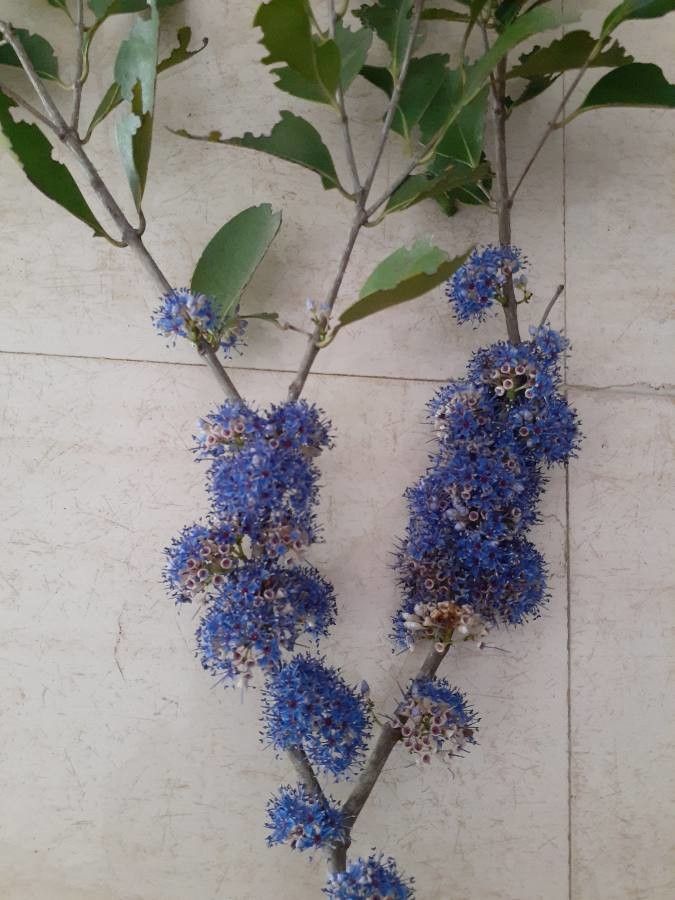
Ceanothus tomentosus, commonly known as woollyleaf ceanothus, is a shrub species native to California. As a member of the buckthorn family, this plant can grow up to 10 feet tall and wide. It features dense clusters of small white or blue flowers that bloom in the spring and summer, attracting bees and butterflies.
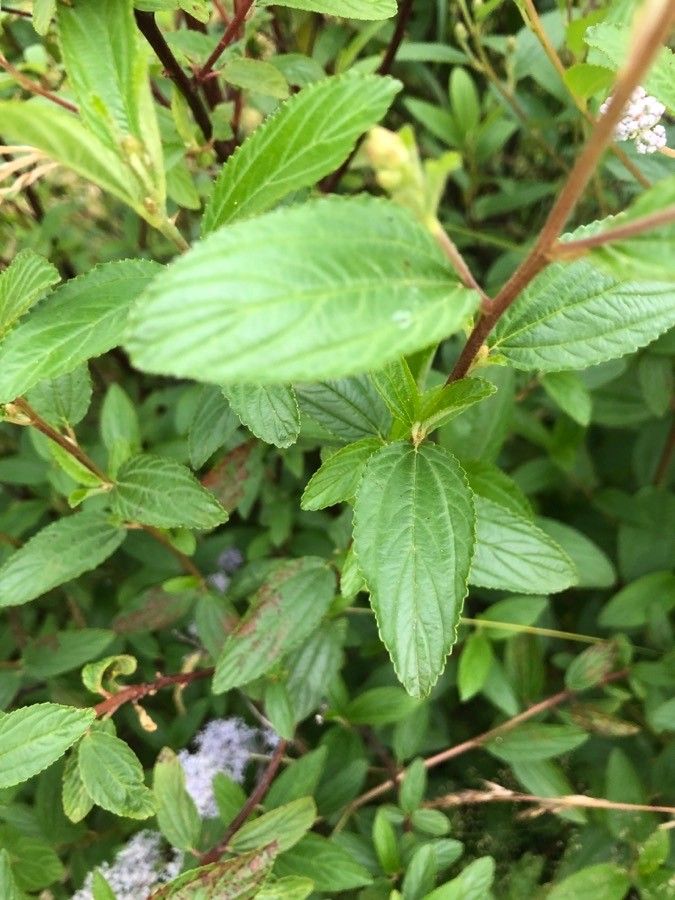
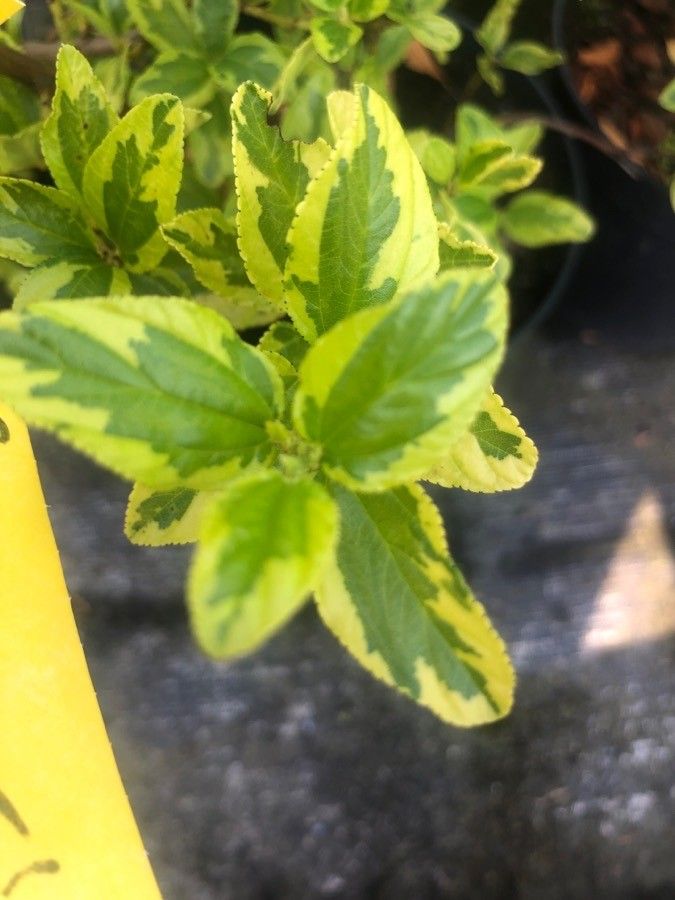
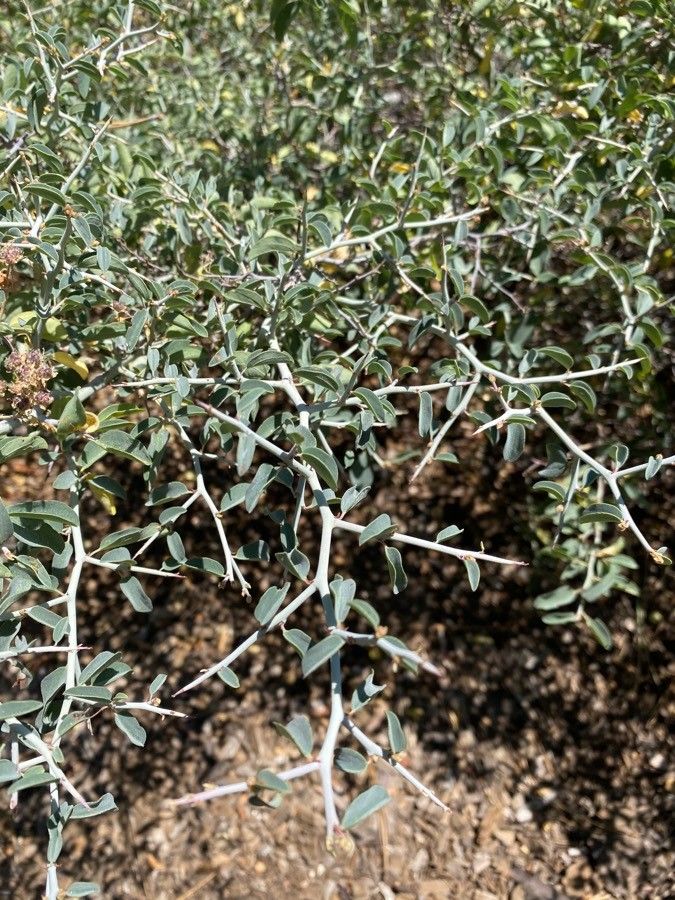
The oval-shaped leaves of Ceanothus tomentosus have a woolly texture on the underside, which gives the plant its common name. It prefers full sun exposure but can tolerate some shade in hotter climates.
Once established, woollyleaf ceanothus is drought-tolerant but requires occasional watering during prolonged dry spells. Occasional pruning after flowering helps maintain its shape.
Native Americans have traditionally used Ceanothus tomentosus for medicinal purposes, treating ailments such as coughs, colds, and skin irritations. The plant also provides habitat for wildlife like birds that feed on its seeds.
Overall, Ceanothus tomentosus is an attractive shrub that enhances California's natural landscapes with beauty and ecological value. It holds cultural significance due to its traditional medicinal uses by Native Americans.
Woolyleaf ceanothus shows strong resistance to disease and is generally not susceptible to illnesses. In terms of care, this plant is fairly low-maintenance. When grown outdoors it needs only light watering, and larger specimens typically do not require pruning. Smaller specimens, however, should be trimmed after they finish blooming. Woolyleaf ceanothus is suitable for anyone with an outdoor area, such as a garden or deck, and does not demand much gardening experience.
How to keep Ceanothus Tomentosus.
Light
Woolyleaf ceanothus is native to open habitats, like sunny meadows and forest edges, where light is abundant. It performs best in Full Sun but will tolerate Partial Sun, showing adaptability to different sunlight levels.
Temperature
Woolyleaf ceanothus shows strong adaptability to a range of climate conditions, whether facing scorching summers or chilly winters. Still, it has a preferred temperature range for healthy growth. If temperatures become too high, the plant can suffer from heat and humidity stress, which may lead to its death. In areas where temperatures near the lower limit of its cold tolerance, it is important to provide insulation to protect the plant.
Fertilizer
Timing is important for fertilizing Woolyleaf ceanothus. Apply fertilizer in early spring and continue once a month until early summer. Fertilizer promotes attractive blooms and supplies energy during both dormant and active growth periods.
Pruning
To promote healthy growth, prune woolyleaf ceanothus in early spring to remove any dead branches. Light shaping during this time also helps maintain its form. After the plant flowers, prune it again to enhance its appearance and encourage bushier growth. Always use sanitized tools to prevent infections and minimize the risk of disease.
Botanical profile.
- Plant Type
- Shrub
- Life Cycle
- Perennial
- Genus
- Ceanothus
- Family
- Rhamnaceae
- Hardiness Zone
- 8-10
- Mature Height
- 1.83 m to 3.66 m
- Mature Spread
- 0.91 m to 2.13 m
- Leaf Color
- Dark Green, Gray
- Leaf Type
- Evergreen
- Flower Size
- 0.51 cm to 0.76 cm
- Bloom Time
- Early spring, Mid spring
- Planting Time
- Spring, Summer
- Harvest Time
- Early summer, Mid summer
- Native Area
- Mexico
Other names.