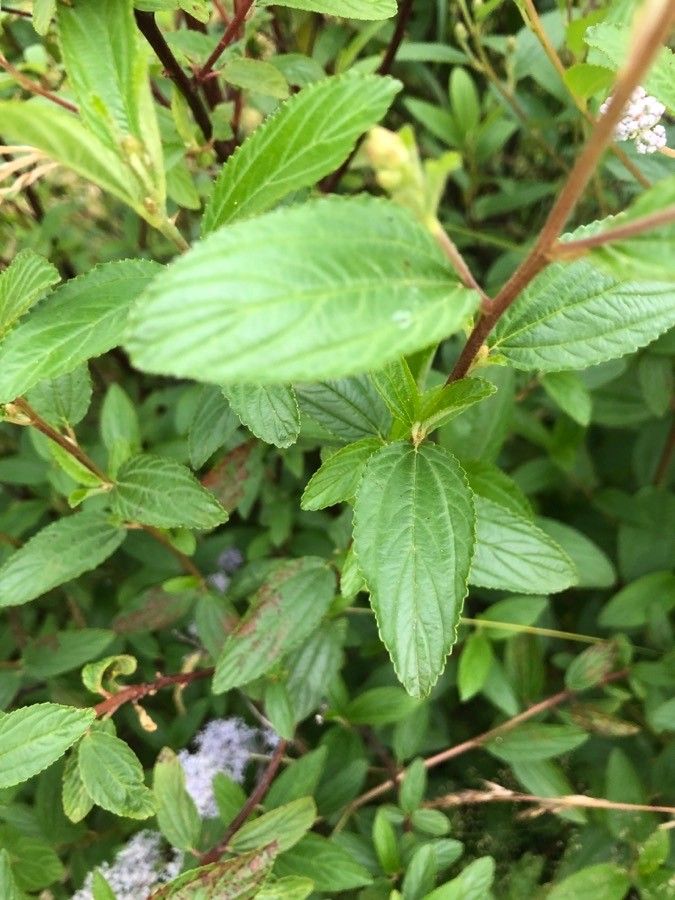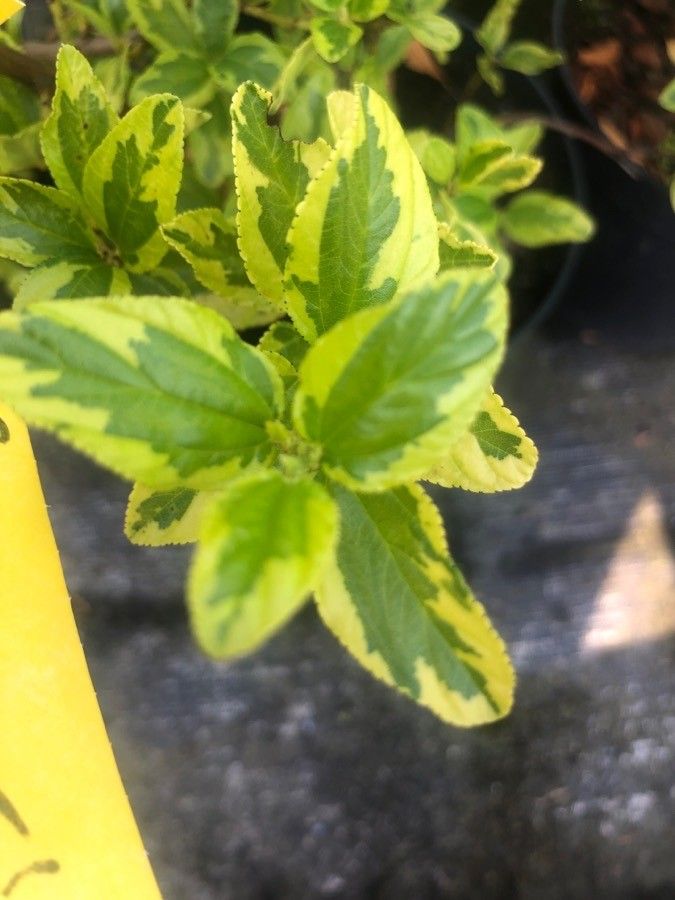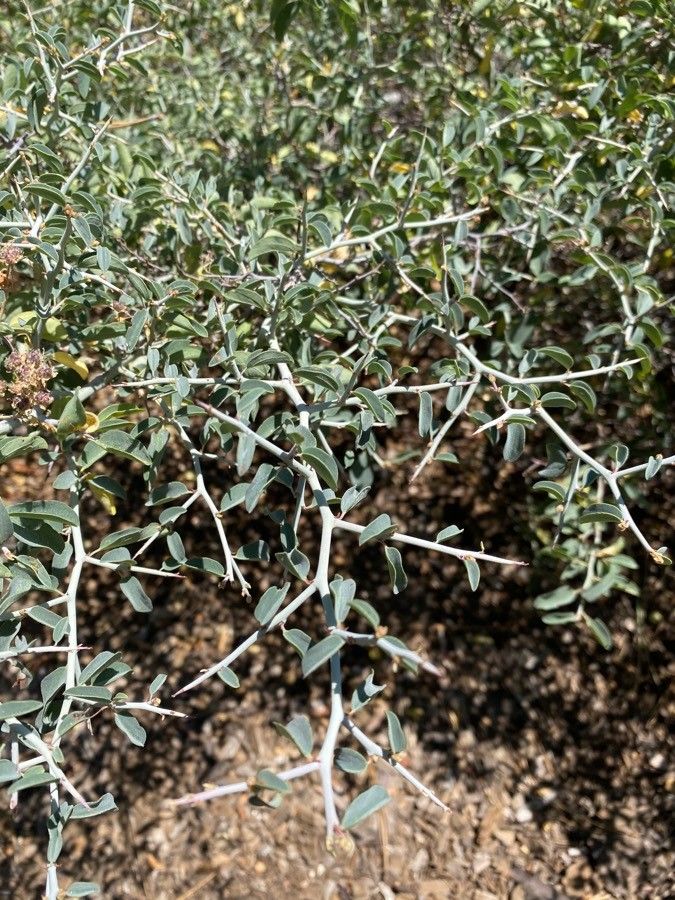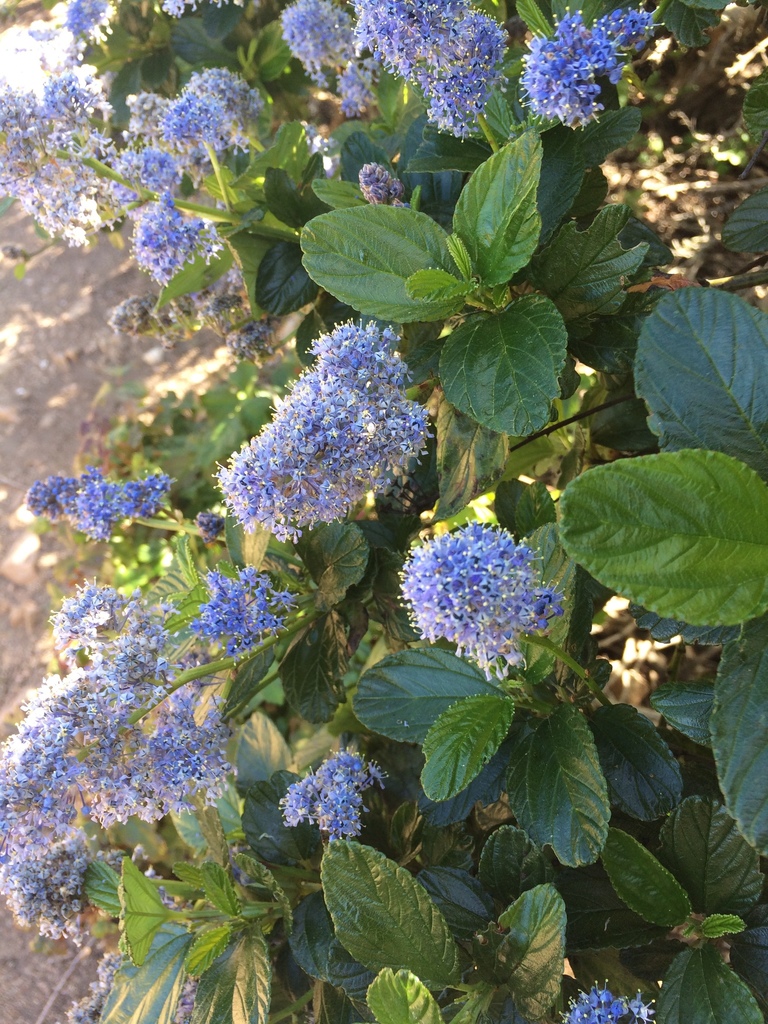
Ceanothus thyrsiflorus, commonly known as blueblossom or California lilac, is a shrub species native to the western United States. Belonging to the Rhamnaceae family, it can grow up to 20 feet tall and 15 feet wide. The plant features glossy, dark green, oval-shaped leaves with serrated edges. In spring, it produces clusters of fragrant blue or white flowers that attract bees and butterflies.
Ceanothus thyrsiflorus thrives in well-drained soil and prefers locations with full sun to partial shade. While it is drought-tolerant once established, it benefits from occasional watering during dry spells. The plant can be propagated from either seeds or cuttings.
Aside from its ornamental value in gardens and landscapes, Ceanothus thyrsiflorus has a long history of medicinal use by indigenous peoples. Its leaves were often brewed into tea to treat colds, coughs, sore throats, and other respiratory ailments.
Overall, Ceanothus thyrsiflorus is an attractive shrub that not only enhances the beauty of any garden with its stunning flowers but also offers medicinal benefits. It is an excellent addition for both aesthetic and health purposes!
Blue blossom is fairly disease-resistant and typically not prone to illnesses. In terms of care, the plant is relatively low-maintenance. When grown outdoors it needs little watering, and larger specimens generally do not require pruning. However, smaller plants should be pruned after they have bloomed. Blue blossomt is suitable for anyone with an outdoor space, such as a garden or deck, and does not demand much plant-care experience.
How to keep Ceanothus Thyrsiflorus.
Light
The blue blossom flourishes when it gets abundant sunlight. This reliance mirrors its ancestral habitat, which was rich in light. Although it can tolerate shadier conditions, its growth may slow and its color may be less vivid. Severe lack of light can impair its health, while too much sun can cause burning.
Water
Blueblossom is a shrub native to California's coastal regions, where it thrives in Mediterranean climates. It has moderate drought tolerance, but to keep it healthy, you should water it every 1-2 weeks to ensure deep soil hydration. As an evergreen, blueblossom requires consistent moisture to maintain its foliage and support transpiration throughout the year, particularly when grown outdoors.
Temperature
The blue blossom plant is native to the moderate coastal climate of California, where temperatures range from 50 to 90 ℉ (10 to 32 ℃). It prefers temperatures of 59 to 95 ℉ (15 to 35 ℃) and can tolerate occasional freezes. In winter, it should be protected from temperatures below 32 ℉ (0 ℃) to prevent damage to new growth.
Fertilizer
To encourage healthy growth, fertilize your Blue blossom in early spring. Consistent feeding improves overall health, leading to vigorous growth, increased tolerance of harsh conditions, and better resistance to diseases and pests. Keep to a set fertilization routine for your Blue blossom to maintain foliage that is vibrant, richly colored, and lush.
Pruning
Blueblossom is an evergreen shrub known for its vibrant blue flowers. To maintain its health and appearance, prune the shrub in late spring, after it has finished blooming. Focus on removing weak stems and thinning out crowded branches to improve air circulation. Regular, light maintenance helps enhance the plant's structure, promotes more blooms, and keeps it healthy. Avoid heavy pruning, as it can be detrimental to the shrub.
Pot & Repot
When repotting Blue blossom, select a pot 1-2 inches (2.5–5.1 cm) larger with good drainage. Use a well-draining potting mix. Repot in spring or fall, making sure the root ball is slightly lower than the rim of the flower pot. Water thoroughly after repotting and place in a warm spot with indirect sunlight.
Botanical profile.
- Plant Type
- Shrub
- Life Cycle
- Perennial
- Genus
- Ceanothus
- Family
- Rhamnaceae
- Hardiness Zone
- 8-10
- Mature Height
- 0.49 m to 6.1 m
- Mature Spread
- 1.52 m to 1.83 m
- Leaf Color
- Green
- Leaf Type
- Evergreen
- Flower Color
- Blue, White
- Flower Size
- 2.54 cm to 8.89 cm
- Bloom Time
- Late spring, Early summer, Mid summer
- Planting Time
- Spring, Autumn
- Harvest Time
- Mid summer
- Native Area
- Mexico
Other names.
Reader questions.
How should I water my Blueblossom plant?
When watering your Blueblossom, you have plenty of options for what tools to use. Watering cans, hoses, or even cups will all suffice. Whichever tool you choose, be sure to water directly onto the soil, and ensure that all areas of the soil are evenly moistened to nourish the entire root system. Using filtered water is preferable, as tap water may contain harmful particles. Additionally, it's best to use water that is at or slightly above room temperature to avoid shocking the Blueblossom. However, generally speaking, the Blueblossom is not too particular about the type of water it receives and will respond well to most kinds.
Why should I put fertilizer on my Blueblossom plant?
No matter the type of Blueblossom you have, regular fertilizing is key for the plant's overall health. Providing the proper nutrients not only encourages stronger growth but also increases its resilience to harsh conditions and ability to fend off diseases and pests. Keeping the foliage intact is important for the plant's aesthetics. To achieve this, it's essential to follow a consistent fertilization schedule tailored to your specific Blueblossom type. This will result in vibrant leaves and an overall lush appearance.
What are the sunlight requirements for growing Blueblossom?
Blueblossom requires 'Full sun' which means it should receive above 6 hours of sunlight daily, or 'Partial sun' with about 3-6 hours of sunlight. It's crucial to observe how sunlight traverses through the garden to choose locations that provide an ideal mix of light and shade, ensuring the plants' well-being.
What is the native climate of the Blueblossom plant?
The Blueblossom plant, or Ceanothus thyrsiflorus, is native to the moderate climate of coastal California. This region experiences temperatures ranging from 50 to 90°F (10 to 32°C), which aligns well with the blueblossom's preferred temperature range of 59 to 95°F (15 to 35°C). Despite its moderate climate preference, blueblossom has some level of cold tolerance and can endure occasional freezes. However, during the winter, it's pivotal to protect the plant from temperatures below 32°F (0°C) to guard against damage to new growth.
What do I need to do if I give my Blueblossom plant too much or too little water?
Outdoor plants, especially newly planted ones or seedlings, are often prone to not being watered enough. It's important to remember to keep watering them adequately for a few months until the tree is established. Once the roots are established, Blueblossom plants can rely on rain most of the time. When Blueblossom plants are planted in pots, overwatering is more likely to occur. If you accidentally overwater your Blueblossom plant, you should respond immediately. First, stop watering the plant to minimize the effects of overwatering. Then, remove the plant from its pot and inspect the roots. If there are no signs of root rot, you can put the plant back in its pot. However, if there are signs of root rot, trim away the affected roots and consider applying a fungicide to prevent further damage. Finally, repot the Blueblossom plant in well-draining soil. In the case of underwatering, simply water the plant more frequently. It's easy to fix underwatering by observing the drooping and drying of leaves, which will return to fullness after sufficient watering. Remember to adjust your watering schedule when underwatering occurs.
When should I fertilize my Blueblossom plant?
To ensure healthy growth, it is recommended to fertilize your Blueblossom in late winter or early spring. This provides the necessary nutrients for the plant to thrive once the weather warms up. In warm climate regions, giving an additional fertilizer feeding in early fall is beneficial. This not only supplies nutrients for the following growing season but also helps the Blueblossom become hardier in the cold winter, preventing foliage damage. Fertilizing earlier in the season ensures that new branches have enough time to grow and withstand winter conditions.
What are the essential care tips for Blueblossom regarding sunlight exposure?
The Blueblossom flourishes in abundant sunlight, reminiscent of its native habitat rich in sunlight. While it can adapt to less light, its growth may slow, and vibrancy decrease. Excessive shade can impair health, yet too much sun might lead to scalding. For indoor plants, artificial lighting is essential when natural sunlight is insufficient. LEDs are preferred for their capability to emulate specific light wavelengths needed by plants. Full sun plants require 30-50W/sq ft of light, partial sun plants need 20-30W/sq ft, and full shade plants 10-20W/sq ft. The light source should be placed 12-36 inches above the plant, providing 8-12 hours of light daily to mimic natural daylight.
How should I protect Blueblossom from cold temperatures?
Blueblossom plants have a moderate tolerance to low temperatures but need protection when temperatures are expected to drop below -5°C. To safeguard them against cold conditions, it's recommended to wrap the plants with materials like plastic film, fabric, or non-woven cloth. Additionally, setting up a wind barrier can be effective. These protective measures should be temporary and removed once the temperature rises again to prevent any potential negative effects from prolonged coverage.
How frequently do I need to water my Blueblossom?
If your area lacks rainfall, it's important to water your outdoor plants regularly. During the spring and fall, watering every 2 weeks should be sufficient. In the summer, you may need to water more frequently. In the winter, however, you can water less often, or even not at all. If you have a young or newly planted Blueblossom, it's important to water it more frequently to help it establish and grow. For potted plants, there are two ways to determine how often to water your Blueblossom. One way is to set a predetermined watering schedule, but this may not always work as it doesn't consider the specific conditions of your plant's environment. Another option is to water based on soil moisture. Wait until the top 2 to 4 inches of soil have dried out before watering again. This is typically about ⅓ to ½ the depth of the pots.
When should I not fertilize my Blueblossom plant?
There are certain times of the year when it is not recommended to fertilize your Blueblossom plant. The first of these times is in the early and mid-winter, when the plant is dormant and does not require any nutrients. It is also not advisable to fertilize during the late spring and all throughout the summer. During this period, the weather is usually hotter and drier, which can have a negative impact on the plant if fertilized. To prevent any potential issues, it is best to only fertilize your Blueblossom during the early spring and early fall.
What are the signs of inadequate or excessive sunlight in Blueblossom?
Signs of insufficient sunlight include smaller new leaves, leggy growth, faster leaf drop, and a halt in new growth, indicating the plant is in survival mode. Pale new leaves and chlorosis, where leaves turn yellow due to a lack of chlorophyll, are also symptoms of light deficiency. On the other hand, excessive sunlight can lead to symptoms such as sunscald, leaf curling as a defense against too much sun, wilting due to increased water loss, and leaf scorching, marked by brown, crispy edges on leaves. These symptoms highlight the delicate balance required in sun exposure for Blueblossom.
What should I do if my Blueblossom experiences frost damage?
If your Blueblossom plant suffers from frost damage, indicated by drooping or wilting leaves that may eventually fall off if the damage is severe, you should first trim off the frost-damaged parts. Before the plant is exposed to low temperatures again, wrap it with suitable materials, such as non-woven fabric or cloth, to insulate it from the cold. Additionally, constructing a wind barrier can help protect the plant from cold winds. These steps can help the plant recover from frost damage and protect it from future cold spells.