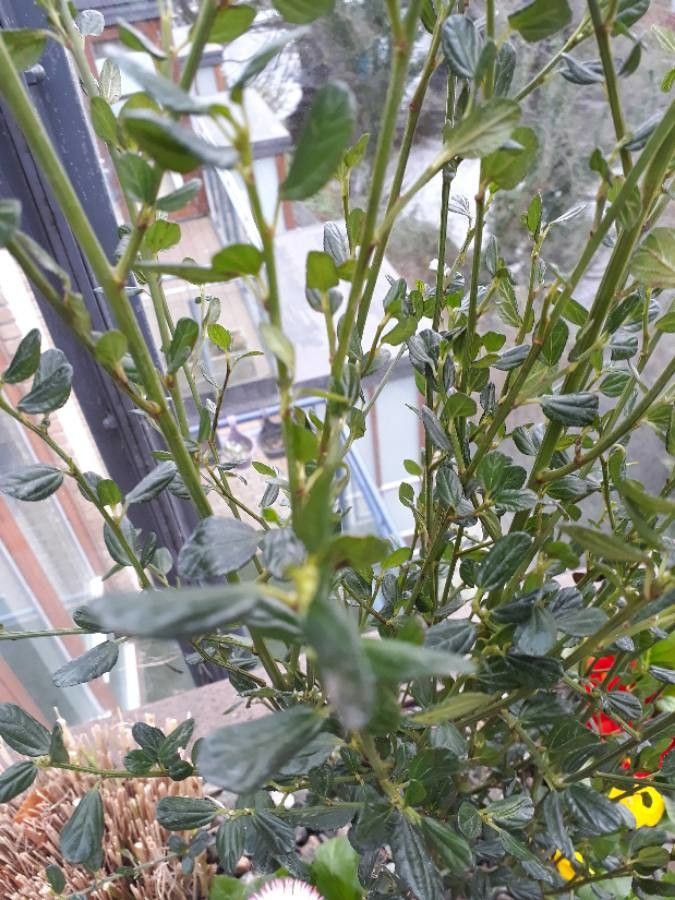
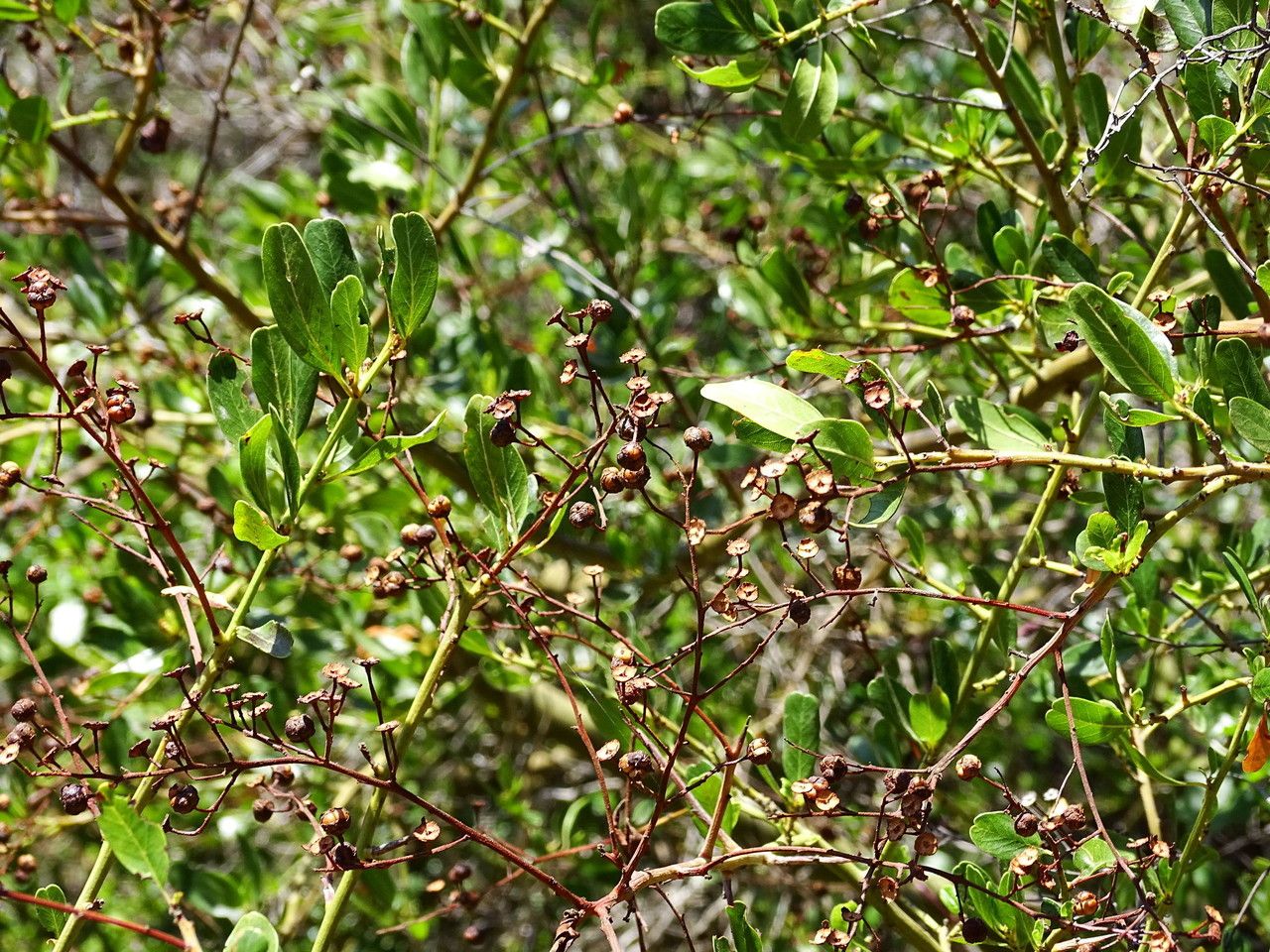
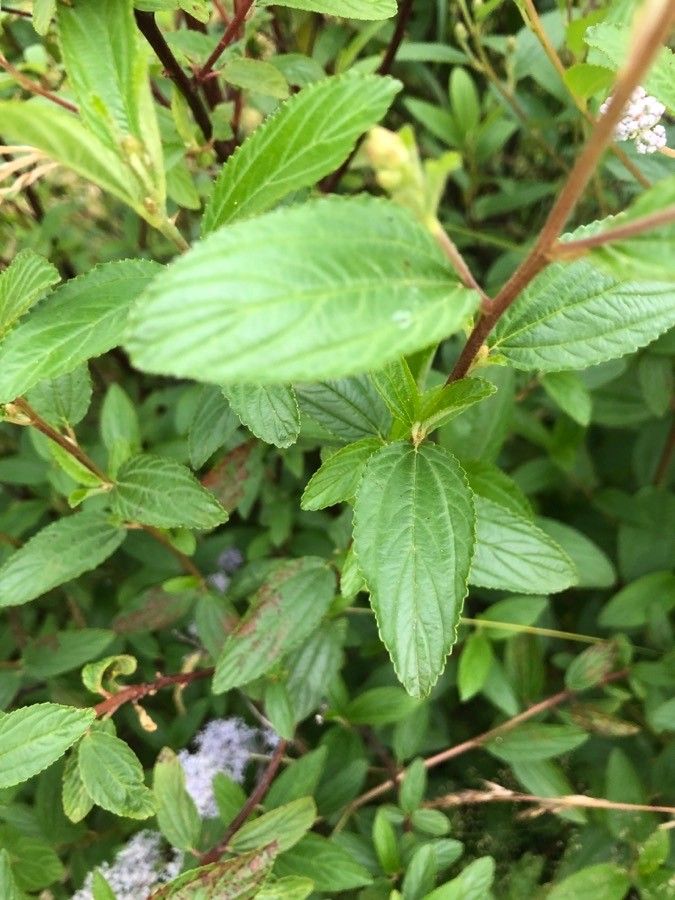
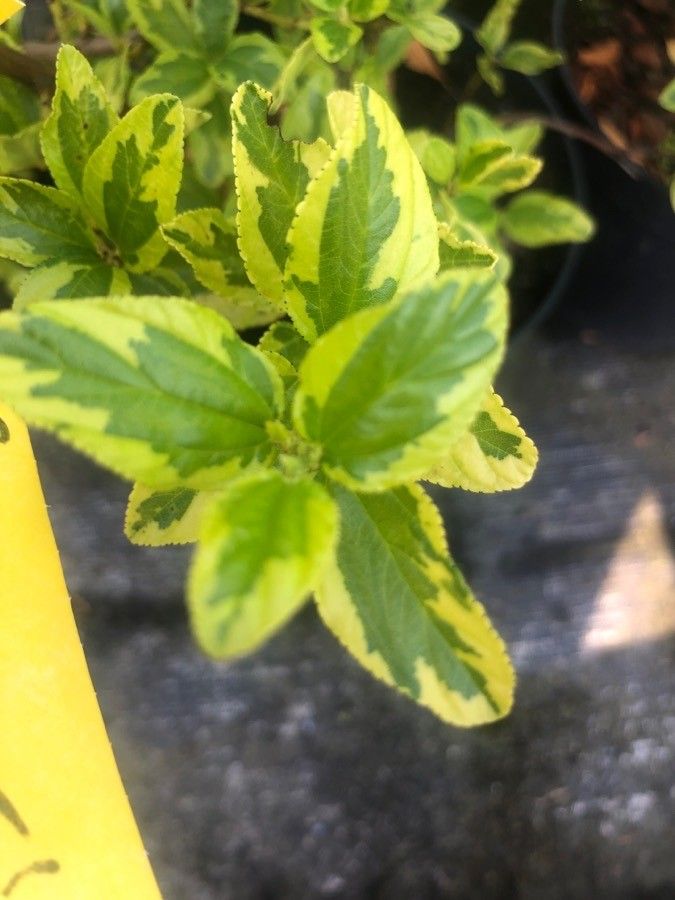
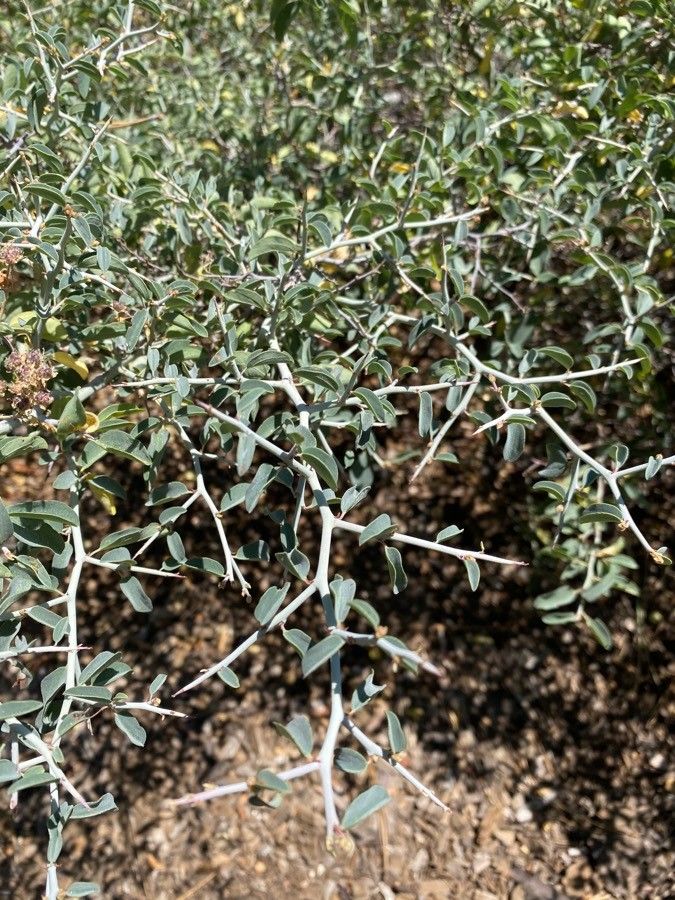
Ceanothus spinosus, commonly known as the greenbark ceanothus, is a shrub native to California and Oregon. This species belongs to the Rhamnaceae family and can grow up to 10 feet tall. It has a dense, bushy growth habit with spiny branches that are green when young but turn brown as they mature.
The leaves of Ceanothus spinosus are small, oval-shaped, and glossy dark green. In late spring or early summer, the plant produces clusters of small white or pale blue flowers that attract bees and other pollinators.
Greenbark ceanothus is drought-tolerant once established, though it prefers well-drained soil in full sun or partial shade. Often used for erosion control on slopes or as an ornamental shrub in gardens, its attractive foliage and flowers make it a popular choice.
Overall, Ceanothus spinosus is an excellent option for gardeners seeking a low-maintenance native plant that provides year-round interest with its unique spiny branches, glossy leaves, and delicate blooms.
Redheart shows strong resistance to disease and is typically not susceptible to illnesses. Regarding upkeep, this plant is fairly low-maintenance. Outdoors it needs only light watering, and larger specimens usually do not require pruning; smaller plants, however, should be trimmed after flowering. Redheartt is appropriate for anyone with an outdoor area, like a garden or deck, and does not demand extensive gardening experience.
How to keep Ceanothus Spinosus.
Light
Redheart originates in open habitats, such as sunny meadows and forest edges, that provide ample light. It flourishes in Full Sun but can also tolerate Partial Sun, adapting well to various light conditions.
Temperature
Redheart has good temperature adaptability, able to endure higher heat and wider temperature swings. In hot weather, care should be taken with watering and providing suitable shade to avoid sunburn. On the other hand, Redheart is relatively sensitive to low temperatures; it can tolerate some cold, but very cold conditions may cause frost damage.
Fertilizer
Correct timing is essential when fertilizing Redheart. Begin fertilizing in early spring and continue monthly until early summer. Fertilizer encourages beautiful blooms and supplies energy during both dormant and active growth periods.
Pruning
Redheart is an evergreen shrub known for its spiny branches and clustered flowers. To promote better air circulation and maintain plant health, it is important to prune it in early spring to remove any dead growth. Minimal trimming helps encourage denser growth and prevents the plant from becoming too leggy. Avoiding heavy pruning ensures the shrub remains healthy and continues to bloom robustly.
Botanical profile.
- Plant Type
- Shrub
- Life Cycle
- Perennial
- Genus
- Ceanothus
- Family
- Rhamnaceae
- Hardiness Zone
- 8-10
- Mature Height
- 3.66 m to 10.97 m
- Mature Spread
- 2.13 m to 3.05 m
- Leaf Color
- Dark Green, Forest Green
- Leaf Type
- Evergreen
- Flower Size
- 0.51 cm to 0.76 cm
- Bloom Time
- Spring
- Planting Time
- Spring, Summer
- Harvest Time
- Summer
- Native Area
- Mexico
Other names.