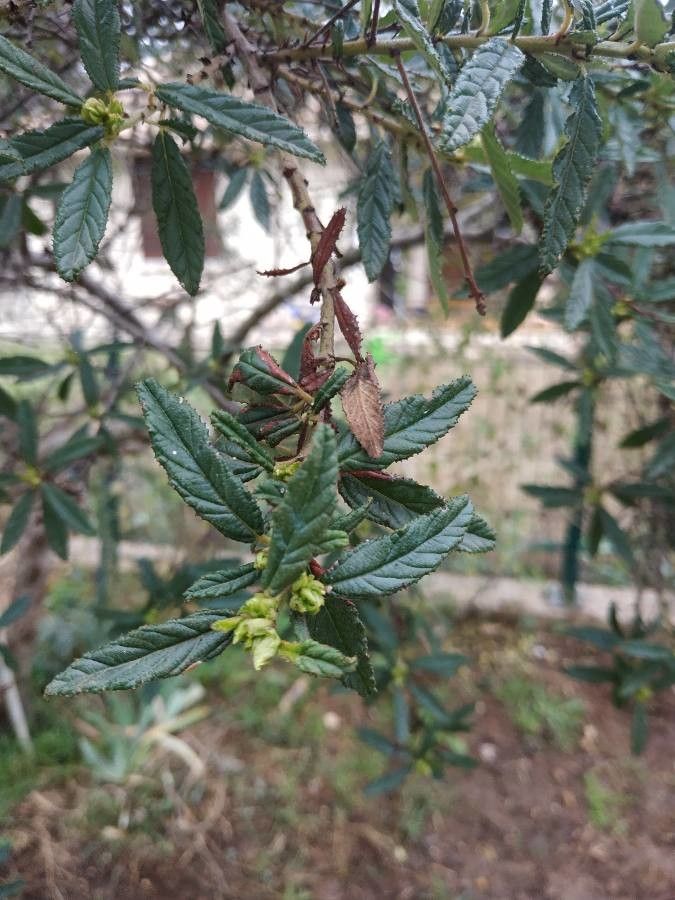
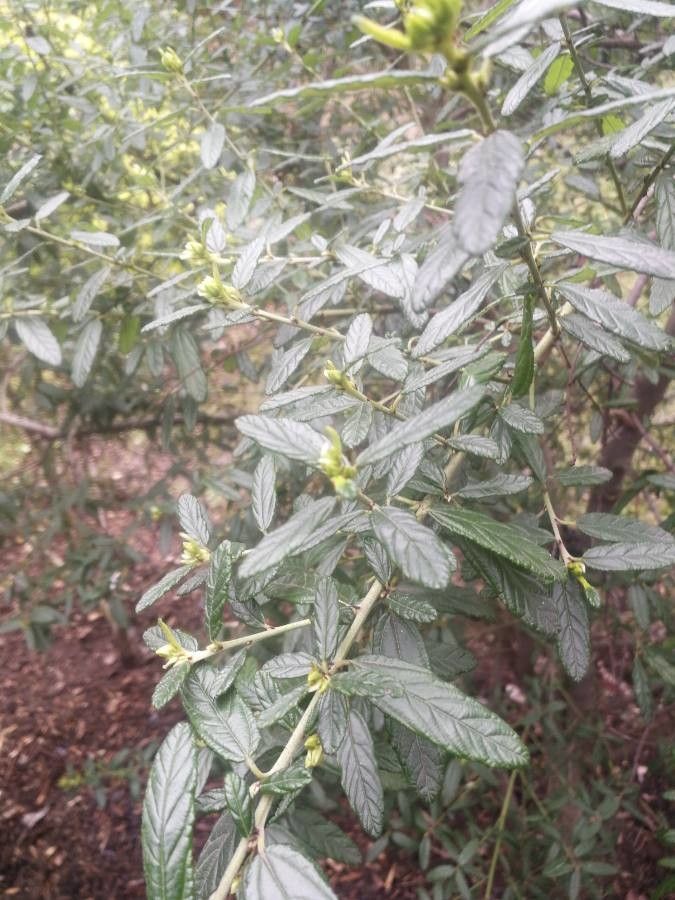
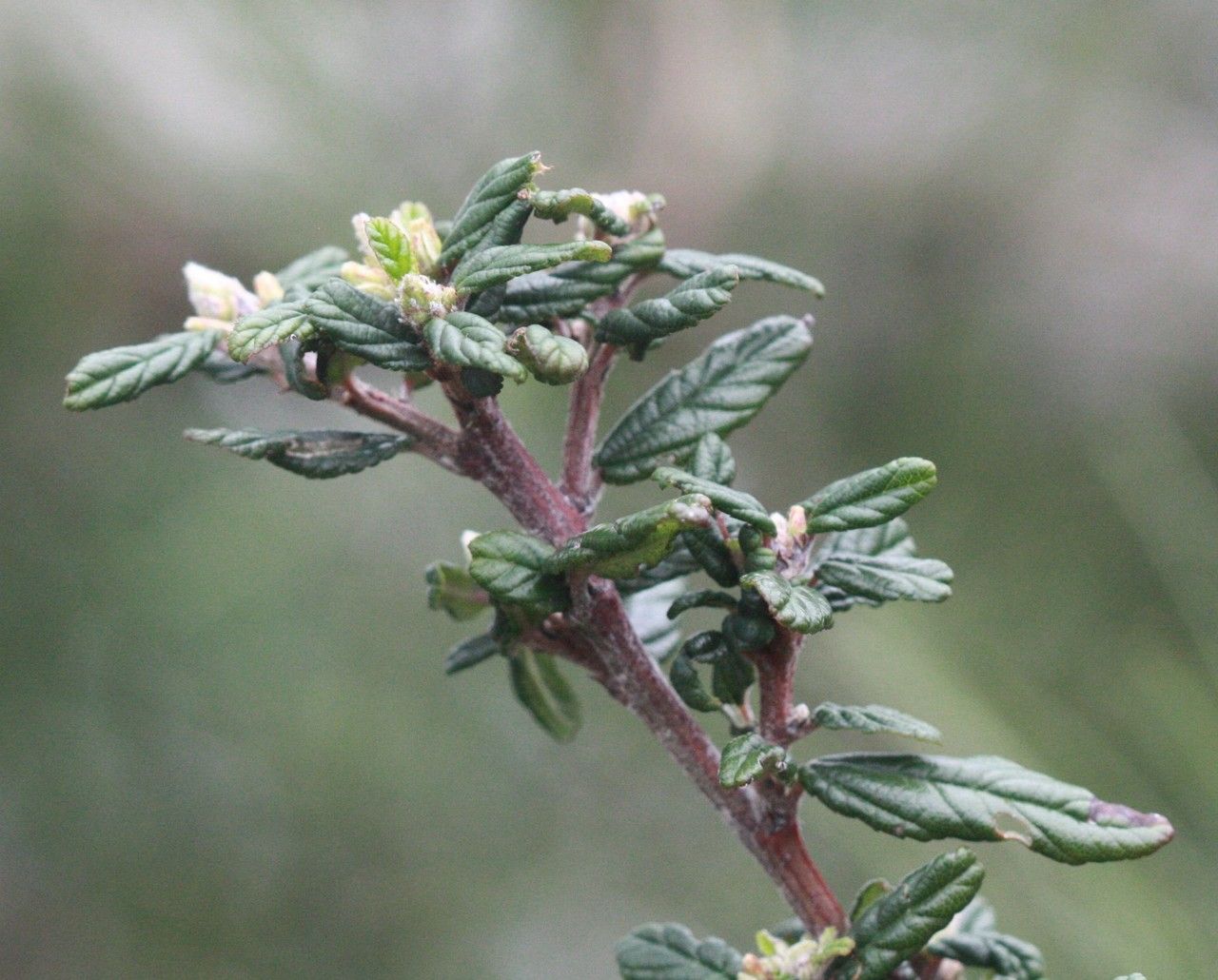
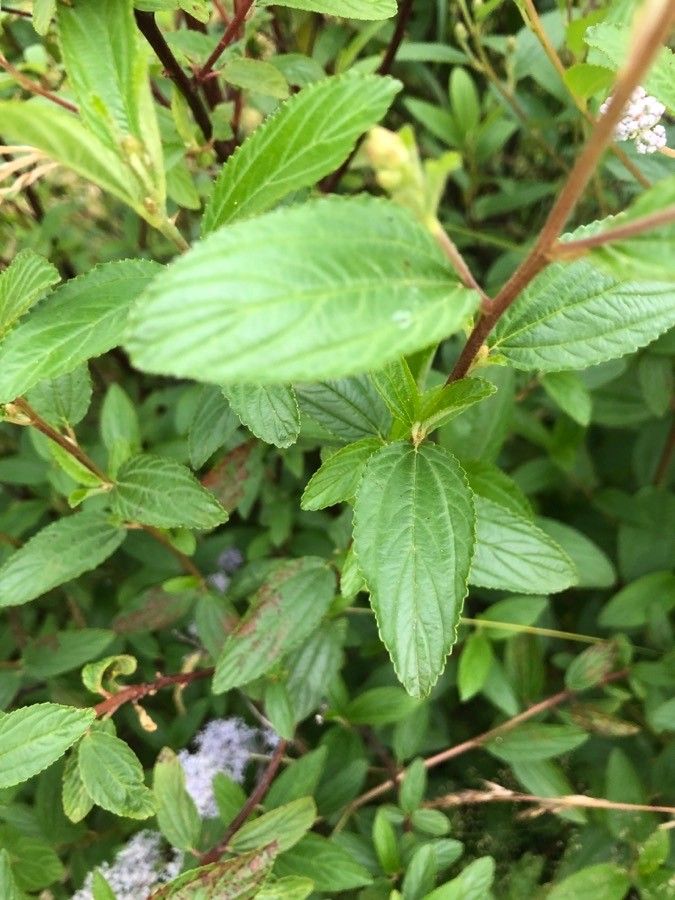
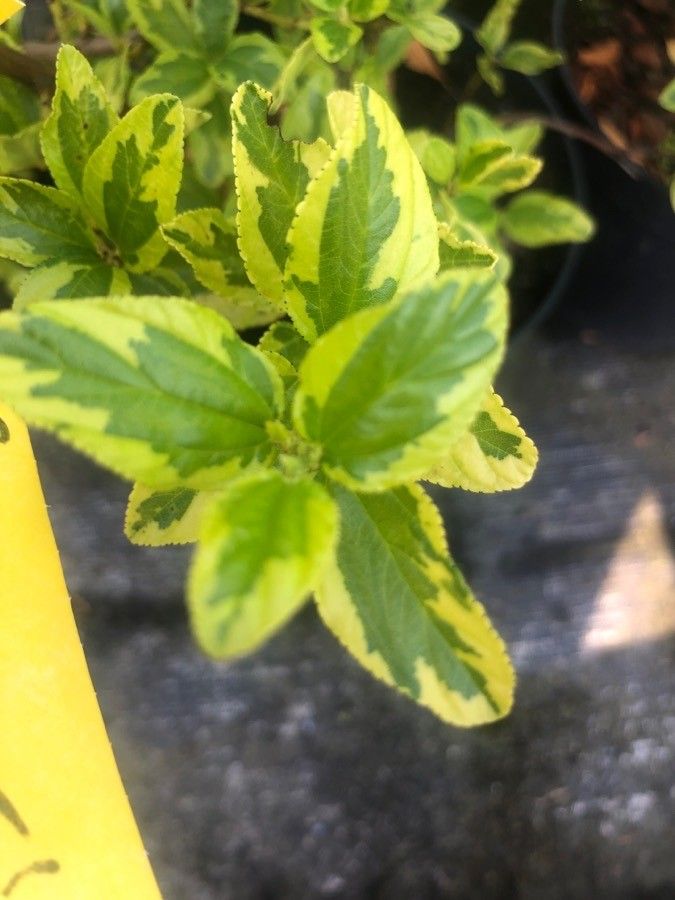
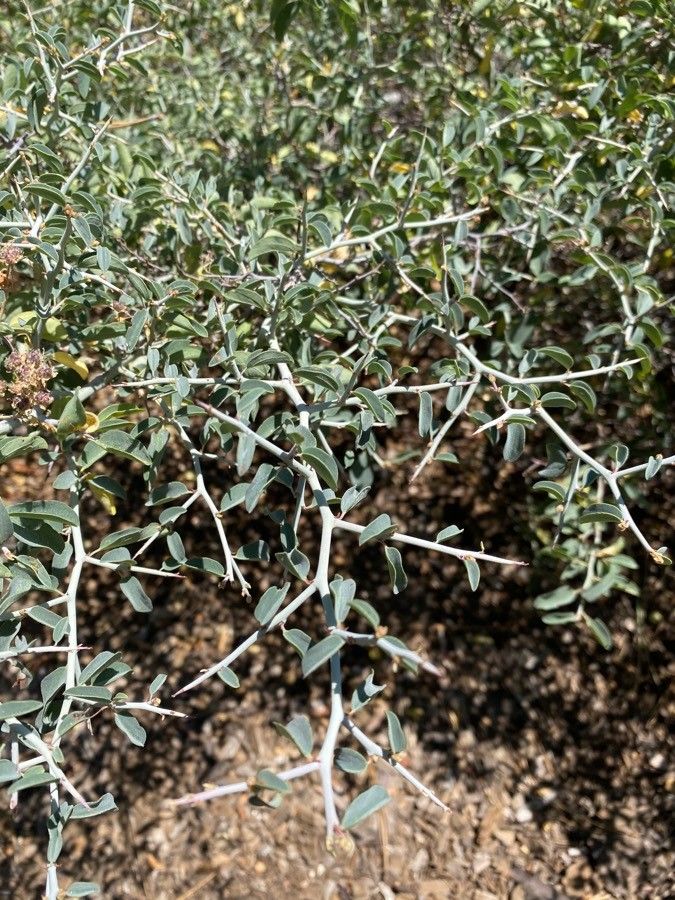
Ceanothus parryi, commonly known as Parry's ceanothus, is a shrub species native to California and Baja California. It belongs to the Rhamnaceae family and can grow up to 6 feet tall. The plant features small, glossy green leaves that are oval-shaped with serrated edges. In the spring, it produces clusters of small blue flowers that attract bees and butterflies.
Parry's ceanothus is a drought-tolerant plant that thrives in well-drained soil, preferring full sun or partial shade. It is commonly found in chaparral habitats, rocky slopes, and canyons throughout its range.
Historically, Native Americans utilized Parry's ceanothus for medicinal purposes, such as treating colds, coughs, sore throats, and skin irritations. Its wood was also used for making tools, including bows.
This shrub is an important species for wildlife habitat, offering food for birds like quail and finches that eat its seeds, while deer browse on its leaves. Additionally, the plant plays a significant role in soil stabilization on steep slopes due to its deep root system.
Overall, Ceanothus parryi is a beautiful native shrub with ecological importance. It adds value to any garden or landscape design with minimal maintenance once properly established, making it an excellent choice for gardeners interested in sustainable practices while enhancing their garden's beauty.
How to keep Ceanothus Parryi.
Pruning
The Parry ceanothus is known for its vibrant purple flowers and evergreen leaves. To keep it healthy, prune in early spring to remove any dead branches and to shape the plant, which will enhance airflow and light exposure. Be careful not to over-prune, as this can cause stress and reduce the plant's vigor and blooming potential.
Botanical profile.
- Plant Type
- Shrub
- Life Cycle
- Perennial
- Genus
- Ceanothus
- Family
- Rhamnaceae
Other names.