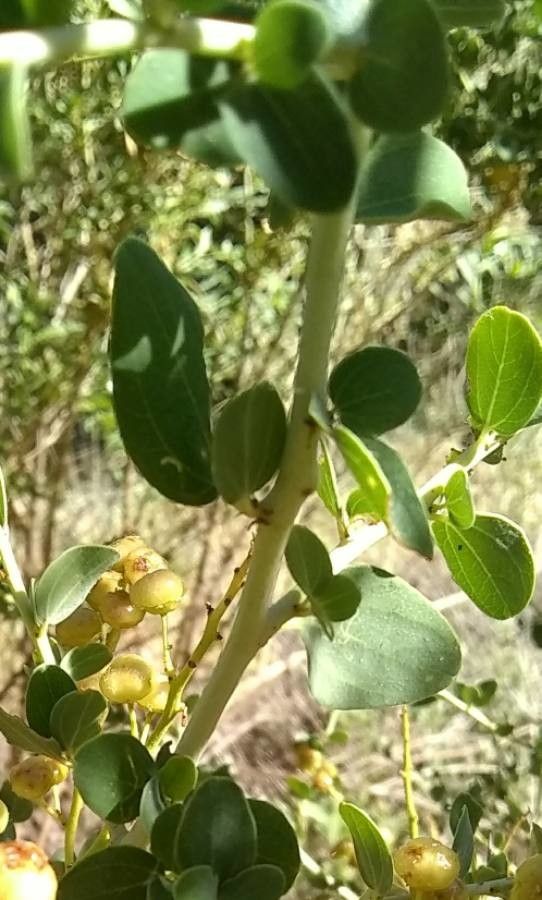
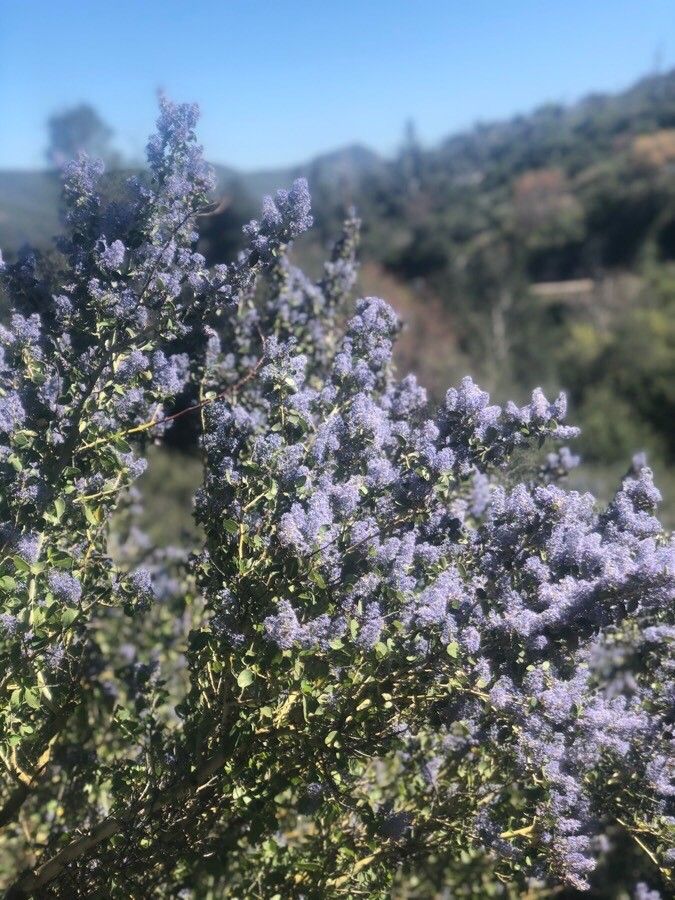
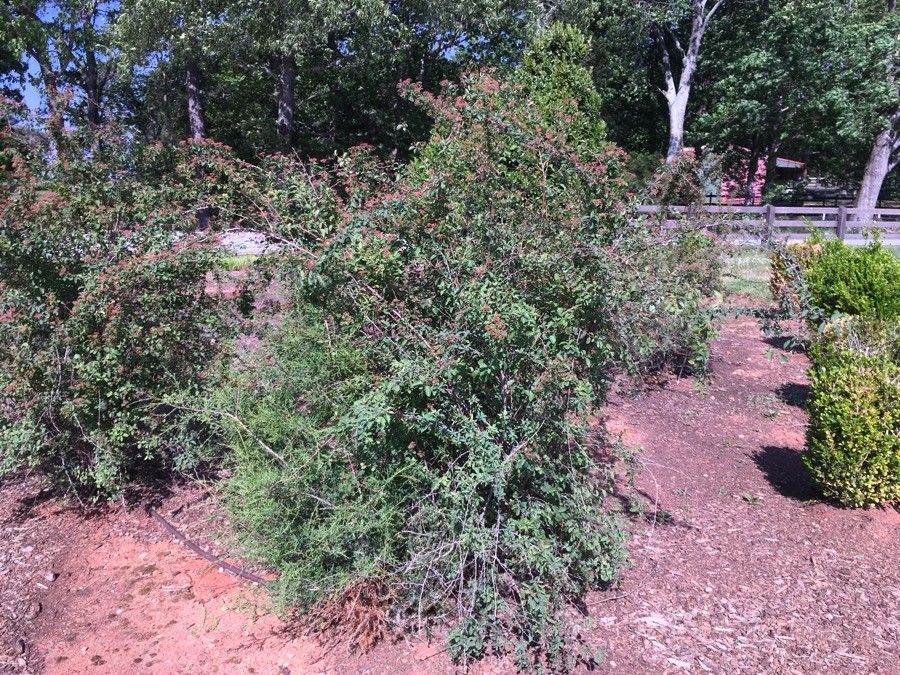
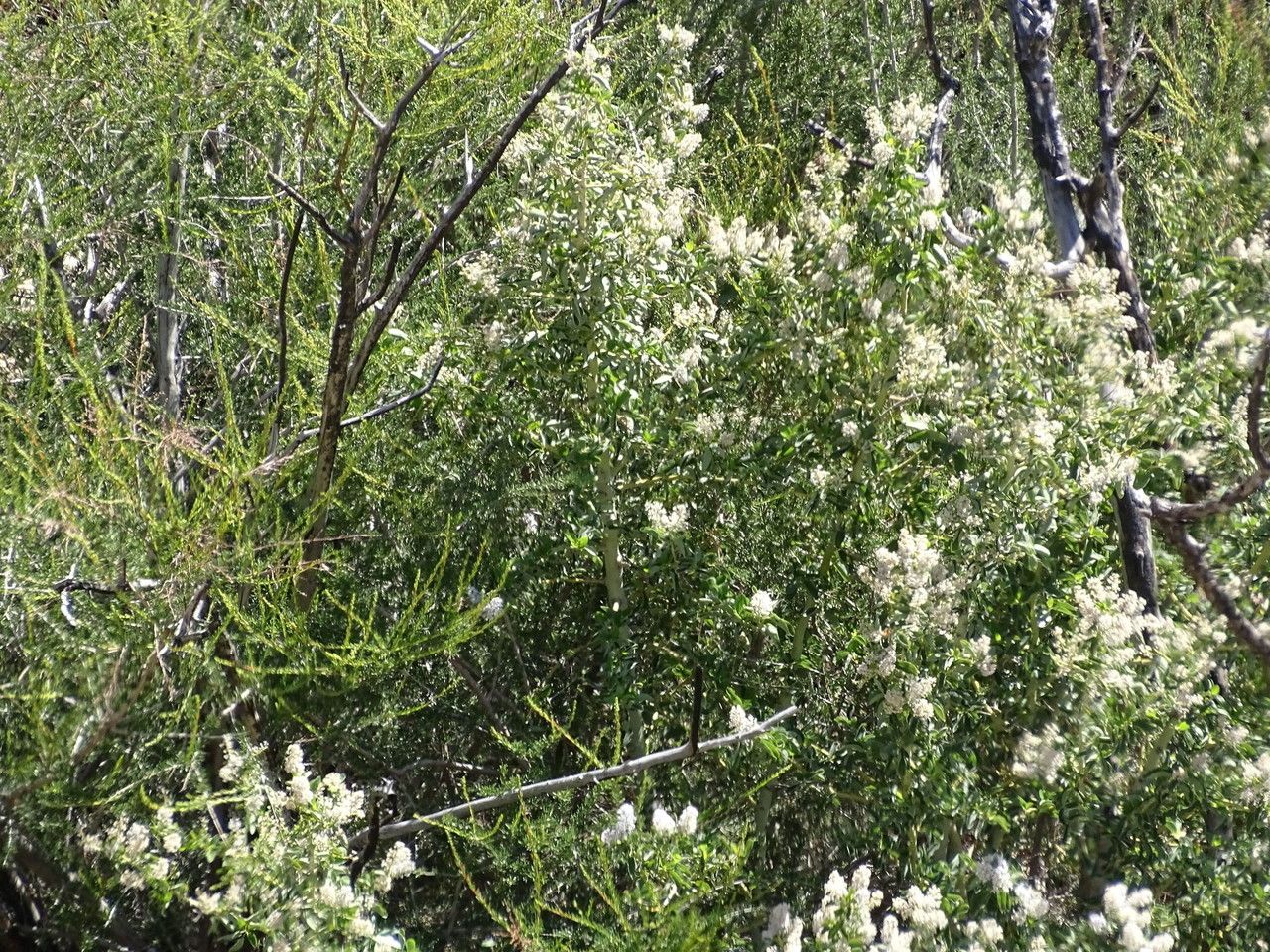
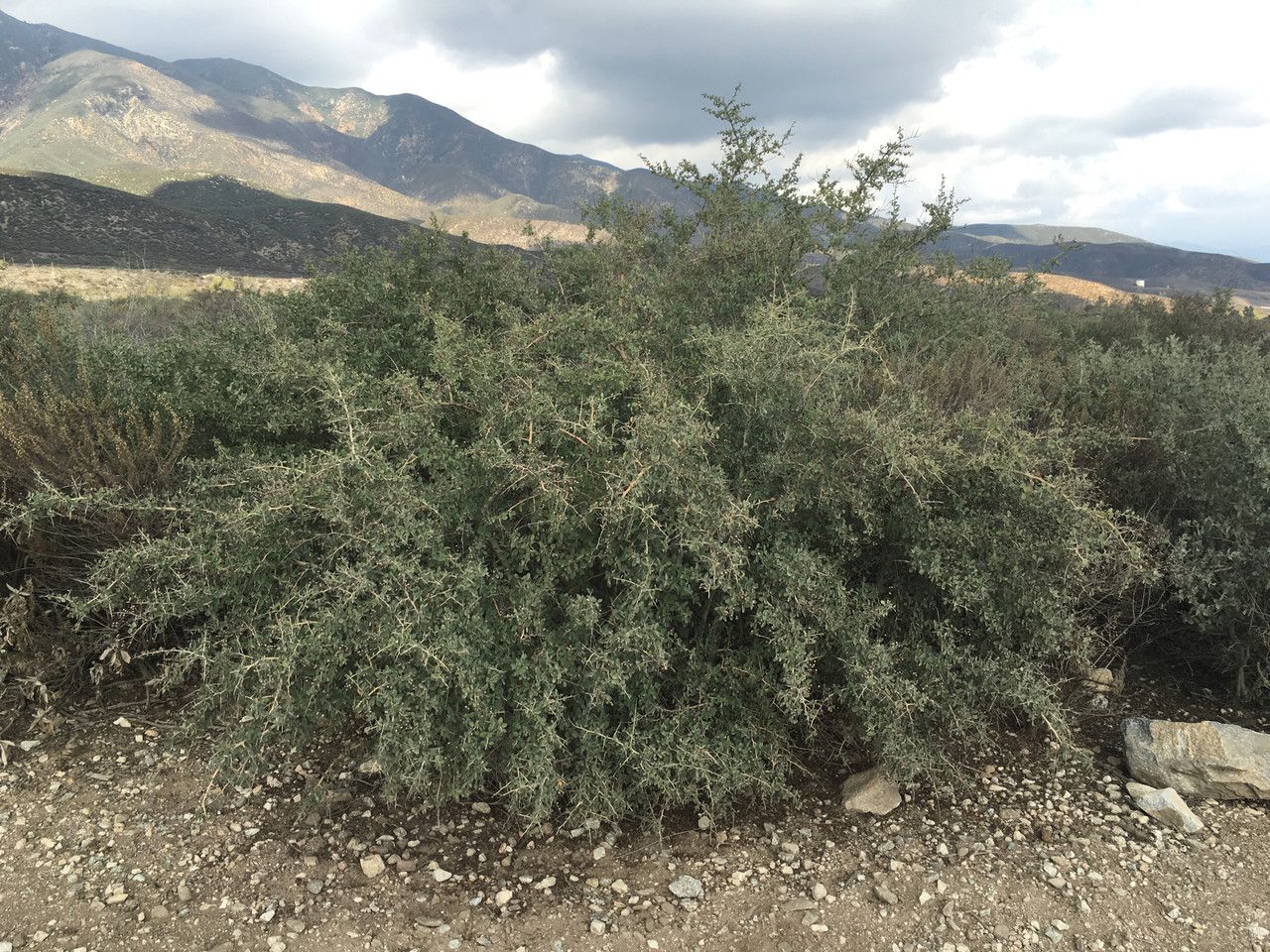
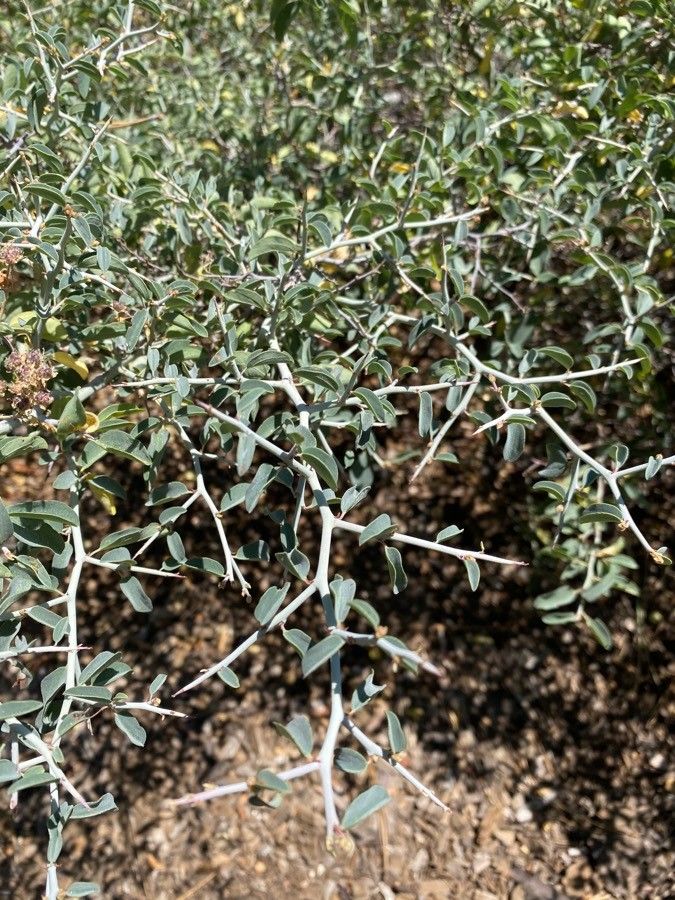
Ceanothus leucodermis, commonly known as chaparral whitethorn or whitebark ceanothus, is a shrub native to California and Oregon in the United States. Belonging to the buckthorn family, it can grow up to 10 feet tall with a spread of 6 to 8 feet. The plant features small, glossy green leaves that are oval-shaped and grow in clusters along its branches. In spring, it produces clusters of small, highly fragrant white flowers that attract pollinators such as bees and butterflies. Ceanothus leucodermis thrives in well-drained soils with full sun or partial shade. Once established, it is drought-tolerant but benefits from occasional watering during prolonged dry spells. The plant can be propagated from seeds or cuttings, although it may take several years to reach maturity. Beyond its ornamental value in gardens and landscapes, Ceanothus leucodermis has been used for medicinal purposes by Native American tribes for centuries. Traditionally, its leaves were brewed into tea for their anti-inflammatory properties. Overall, Ceanothus leucodermis is an attractive shrub with fragrant flowers that offer significant ecological benefits and medicinal value.
Botanical profile.
- Plant Type
- Shrub
- Life Cycle
- Perennial
- Genus
- Ceanothus
- Family
- Rhamnaceae
- Hardiness Zone
- 8
- Mature Height
- 3.96 m
- Mature Spread
- 0.91 m to 2.13 m
- Leaf Color
- Green, Blue
- Leaf Type
- Evergreen
- Flower Color
- Purple, Blue
- Flower Size
- 0.51 cm to 0.76 cm
- Bloom Time
- Mid spring, Late spring, Early summer
- Planting Time
- Spring, Summer, Autumn
- Harvest Time
- Mid summer, Late summer, Early fall
- Native Area
- Mexico
Other names.