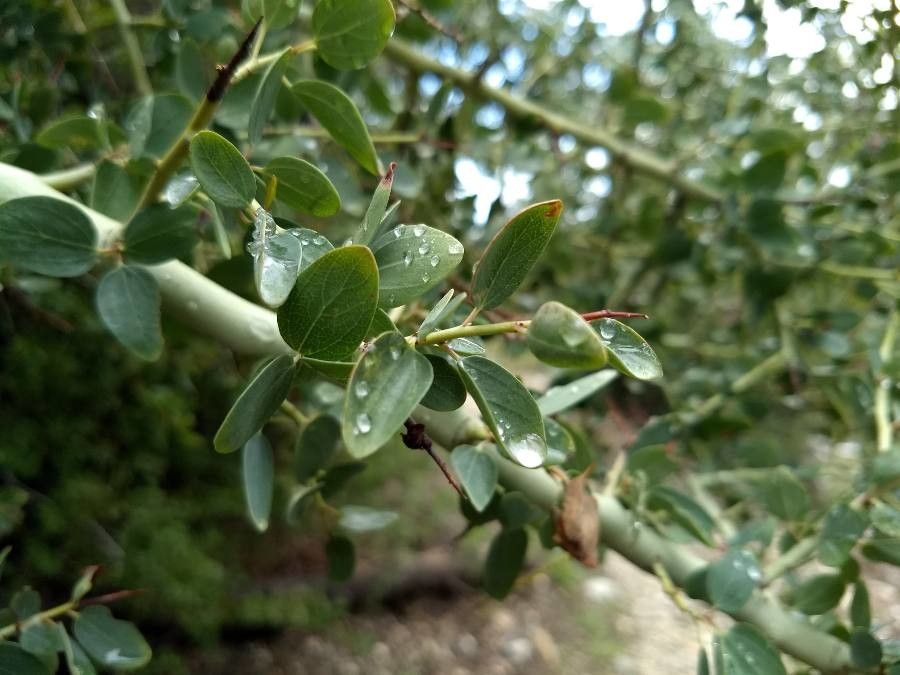
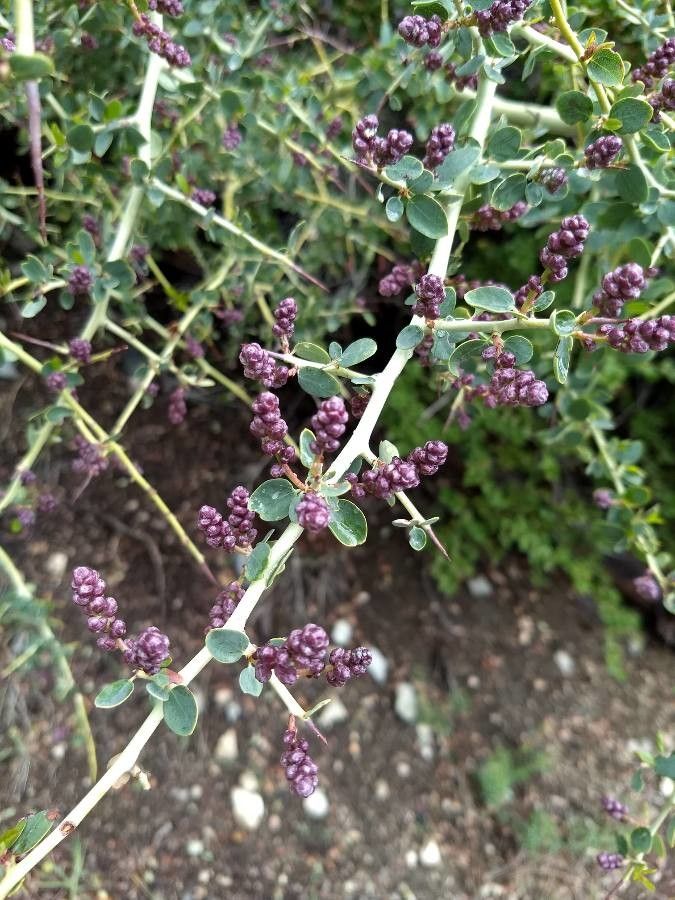
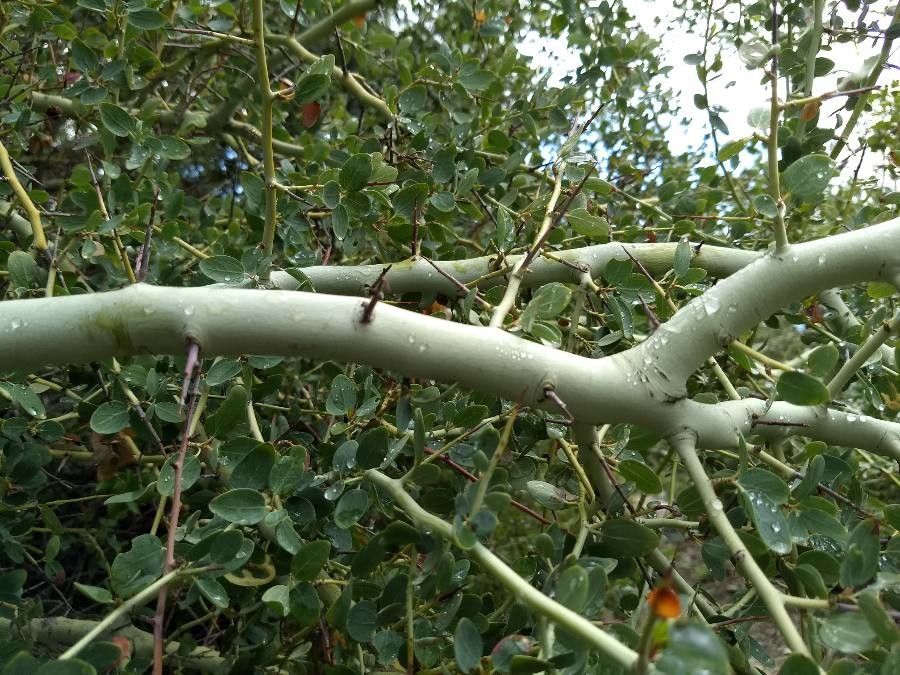
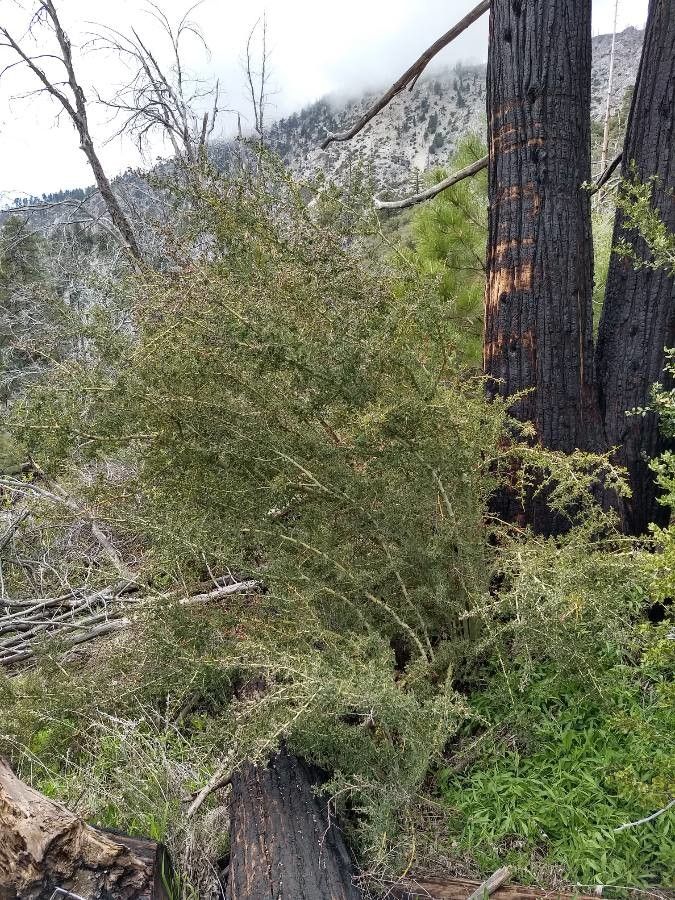
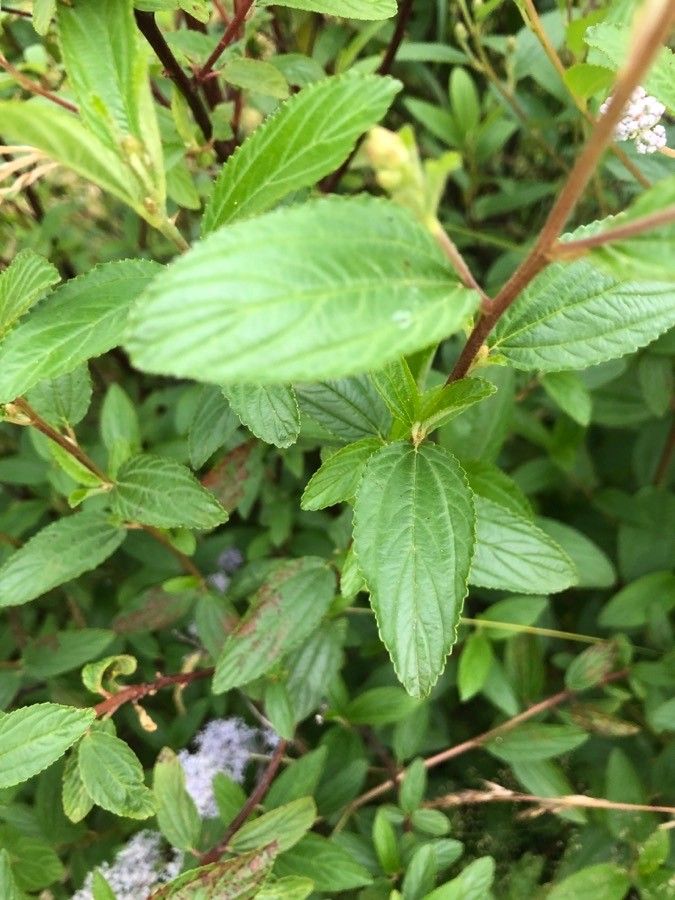
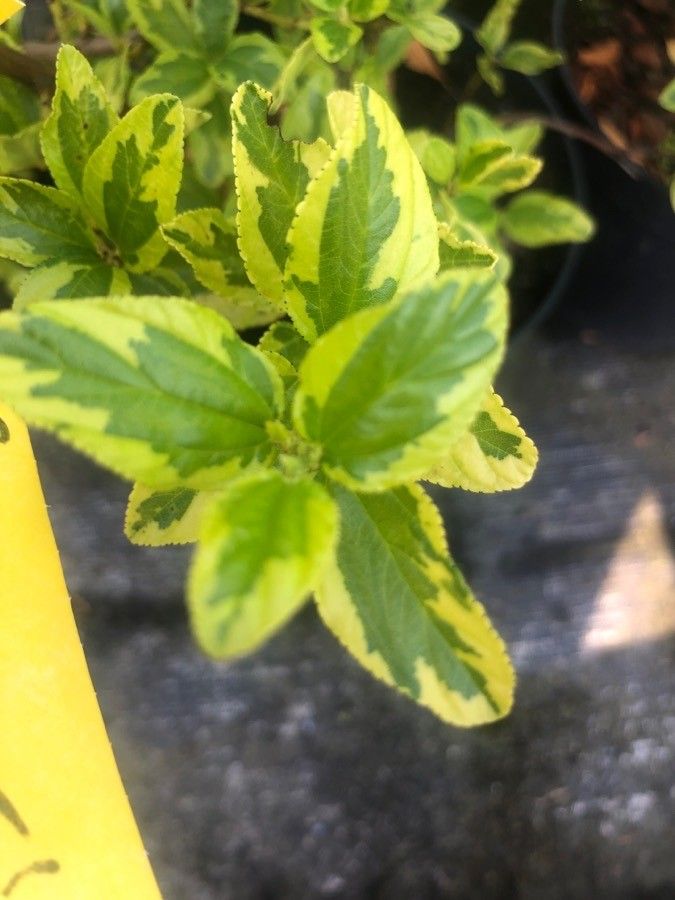
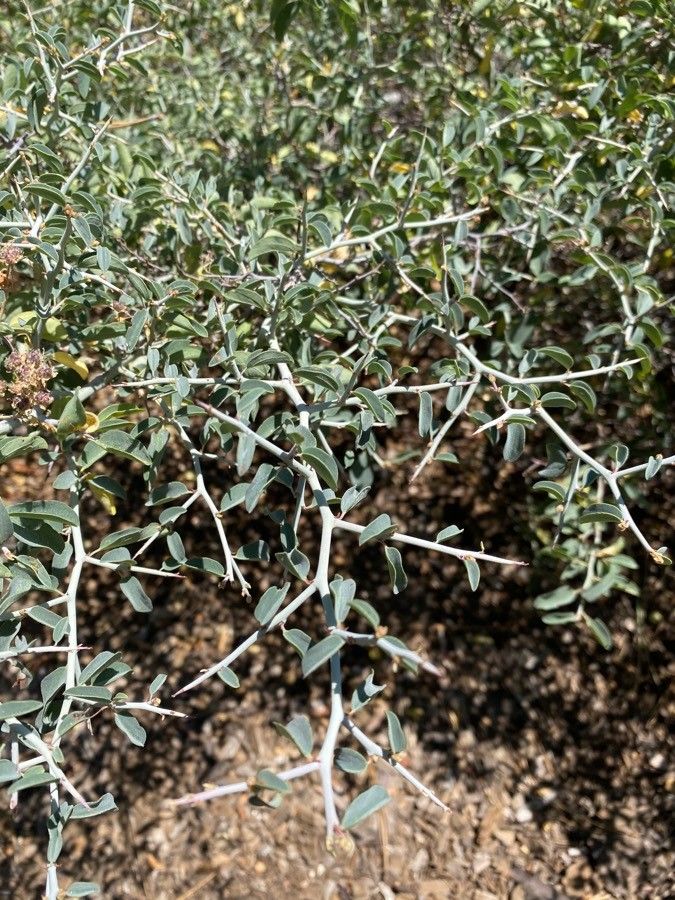
Ceanothus integerrimus, known by the common name deer brush, is a species of woody shrub in the family Rhamnaceae, native to the western United States in Arizona, New Mexico, California, Oregon, and Washington. It grows in montane chaparral and woodlands regions, in hardwood forests, and in fir, spruce, and Ponderosa pine plant communities, being most abundant in the California chaparral and woodlands and Sierra Nevada.
Deerbrush ceanothus is resistant to disease and typically does not suffer from illnesses. Regarding care, the plant is fairly low-maintenance. When grown outdoors it needs little water, and larger plants usually do not require pruning; however, smaller plants should be trimmed after they finish blooming. Deerbrush ceanothus is suitable for anyone with an outdoor area, such as a garden or deck, and does not demand extensive gardening experience.
How to keep Ceanothus Integerrimus.
Light
Deerbrush ceanothus does best with ample sunlight, replicating its native habitat. A sufficient amount of sun encourages healthy, vibrant growth. Throughout its life stages it continues to require this level of light. Excessive or insufficient light can cause wilted leaves or stunted growth, respectively.
Temperature
Deerbrush ceanothus is native to regions where temperatures range from 50 to 95°F (10 to 35℃). The plant thrives in those conditions and needs cooler winter temperatures to enter dormancy. In hotter seasons it may need extra watering to offset excessive heat.
Fertilizer
Timing of fertilization is important for Deerbrush ceanothus. Apply fertilizer in early spring and continue monthly until early summer. Fertilizer promotes attractive blooms and supplies energy during both dormant and active growth phases.
Pruning
Deerbrush ceanothus is a rapidly growing deciduous shrub that features white to pale blue flowers. To maintain its health and appearance, prune the plant in late spring after it has finished blooming. Remove any dead branches to shape the shrub, which will promote better growth and air circulation and reduce the risk of disease. Make sure to use sharp tools for effective pruning and to preserve its aesthetic appeal.
Toxicity
After extensive tests carried out on California Lilac it was discovered that it has no known toxic compound and isn't toxic.
Further reading →
The toxicity and danger assessments provided are for reference only. We do not assure their accuracy, so it's crucial not to depend on them. Seek professional advice when necessary for accurate guidance.
Botanical profile.
- Plant Type
- Shrub
- Life Cycle
- Perennial
- Genus
- Ceanothus
- Family
- Rhamnaceae
- Hardiness Zone
- 6-9
- Mature Height
- 0.91 m to 3.66 m
- Mature Spread
- 0.91 m to 1.83 m
- Leaf Color
- Green, Dark Green
- Leaf Type
- Deciduous
- Flower Color
- White, Purple, Blue
- Flower Size
- 0.25 cm to 0.51 cm
- Bloom Time
- Mid spring, Late spring
- Planting Time
- Spring, Summer
- Harvest Time
- Mid summer, Late summer, Early fall
- Native Area
- North America
Other names.
Reader questions.
What are the sunlight requirements for Deerbrush ceanothus?
Deerbrush ceanothus requires above 6 hours of sunlight daily to thrive. It is essential for the plant's growth to mimic its natural environment by ensuring ample sunlight, which contributes to its health and vibrancy. Observe your garden's sunlight pattern to choose locations that offer a balanced exposure of light and shade, fostering the plant's optimal development. Insufficient or excessive sunlight can lead to symptoms like wilted leaves or stunted growth, indicating the importance of monitoring and adjusting the plant's exposure to sunlight as needed.
What is the native climate for Deerbrush ceanothus?
Deerbrush ceanothus (Ceanothus integerrimus) is native to climates where temperatures range from 50 to 95°F (10 to 35°C). It thrives in these conditions and requires cooler winter temperatures for dormancy. During hotter seasons, additional watering may be necessary to cope with excessive heat.
How can I use artificial lighting for indoor Deerbrush ceanothus plants?
For indoor Deerbrush ceanothus plants, artificial lighting is a practical solution when natural sunlight is insufficient, especially during winter or in less sunny areas. LED lights are recommended due to their ability to provide specific wavelengths needed for plant growth. The required intensity of artificial light varies based on the plant's needs: 30-50W/sq ft for full sun plants, 20-30W/sq ft for partial sun plants, and 10-20W/sq ft for full shade plants. Position the light source 12-36 inches above the plant to simulate natural sunlight and ensure the lighting is on for 8-12 hours per day to match the natural daylight hours for the species.
Does Deerbrush ceanothus need frost protection measures in winter?
Deerbrush ceanothus possesses strong cold resistance and usually does not require special frost protection measures during winter. However, if temperatures are expected to drop below -25°C, it's important to protect the plant from the cold. This can be done by wrapping the trunk and branches with non-woven fabric or cloth. Additionally, watering the plant abundantly before the first freeze in autumn helps keep the soil moist and prevents drought and water scarcity during winter and early spring.
What are the symptoms of light deficiency in Deerbrush ceanothus?
Deerbrush ceanothus may show various symptoms when exposed to insufficient light, including smaller new leaves, leggy or sparse growth, early leaf drop, halted or no new growth, and lighter-colored or irregularly patterned leaves. Too much sunlight can cause chlorosis, sunscald, leaf curling, wilting, and leaf scorching. These symptoms indicate the plant's need for an adjustment in light exposure to maintain its health and growth.
What are the symptoms and solutions for Deerbrush ceanothus in low temperatures?
In low temperatures, Deerbrush ceanothus is cold-tolerant and thrives best above 10°C. Below -15°C requires monitoring and below -25°C, the branches may become brittle, and dry by spring, with no new shoots emerging. The solution for such damage is to prune away any dead branches that failed to produce new leaves in the spring.
What solutions can I implement for light-related issues in Deerbrush ceanothus?
To address light-related issues in Deerbrush ceanothus, gradually acclimate your plants to the desired light level. For indoor plants, move them closer to south-facing windows or utilize artificial lighting, like LED grow lights, for at least 8 hours daily. Outdoors, transition plants to sunnier spots progressively to avoid shock. Pruning nearby foliage can also help increase sunlight exposure. For small plants, consider transplanting during their dormant phase to a location with better light and drainage. Remember, while some parts of the plant may not recover from light deficiency, new growth should be healthy with improved conditions.
How should Deerbrush ceanothus be cared for in high temperatures?
During the summer, it's best to keep Deerbrush ceanothus below 35°C. Temperatures above 38°C can cause leaves to lighten in color and tips to dry and wither, making the plant more susceptible to sunburn. To manage this, trim away sunburned and dried parts. Relocate the plant to provide shade during the midday and afternoon sun, or use a shade cloth. Watering in the morning and evening helps keep the soil moist.