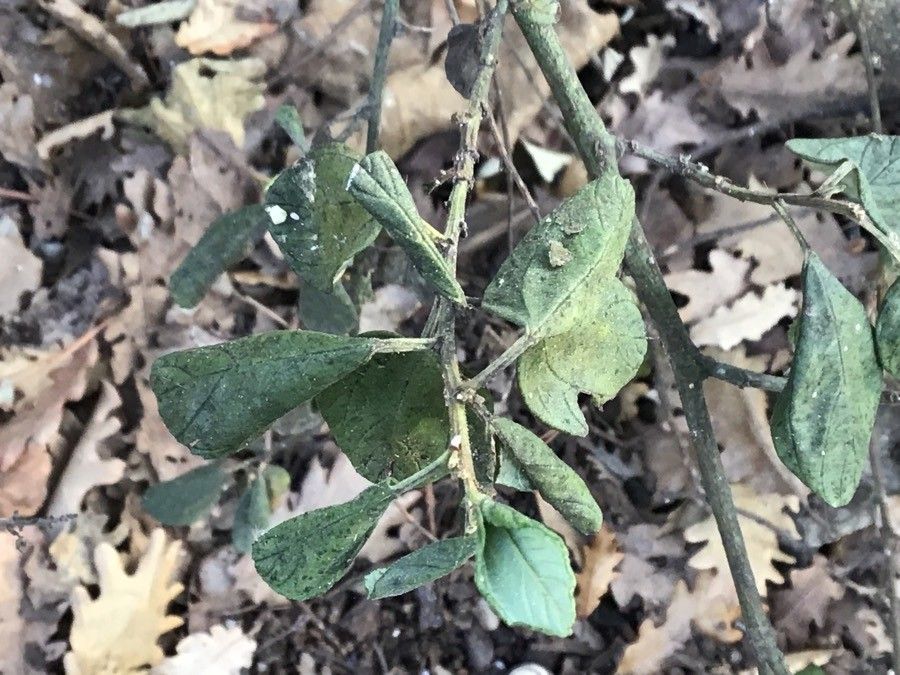
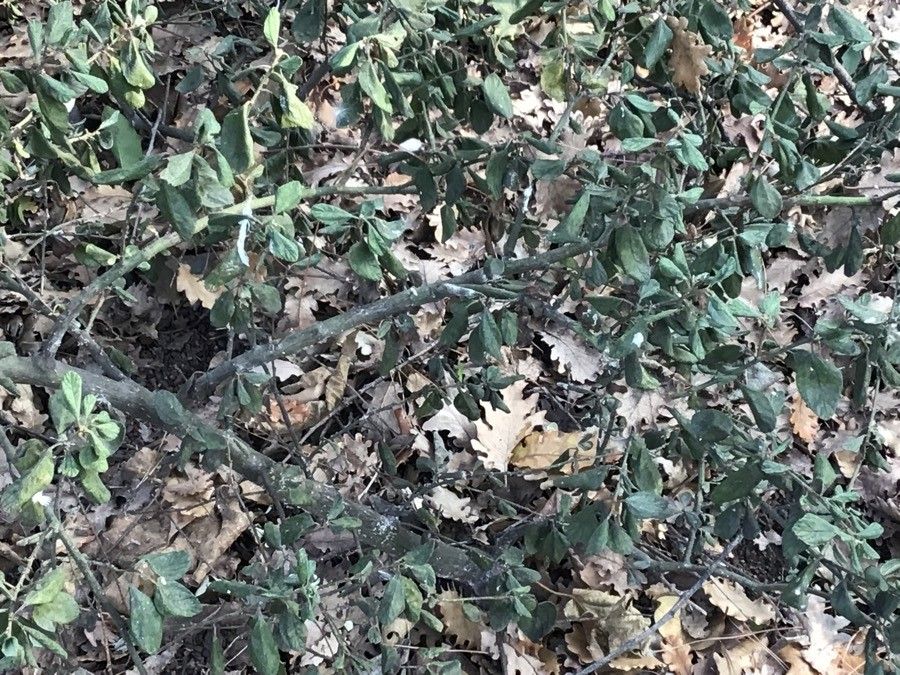
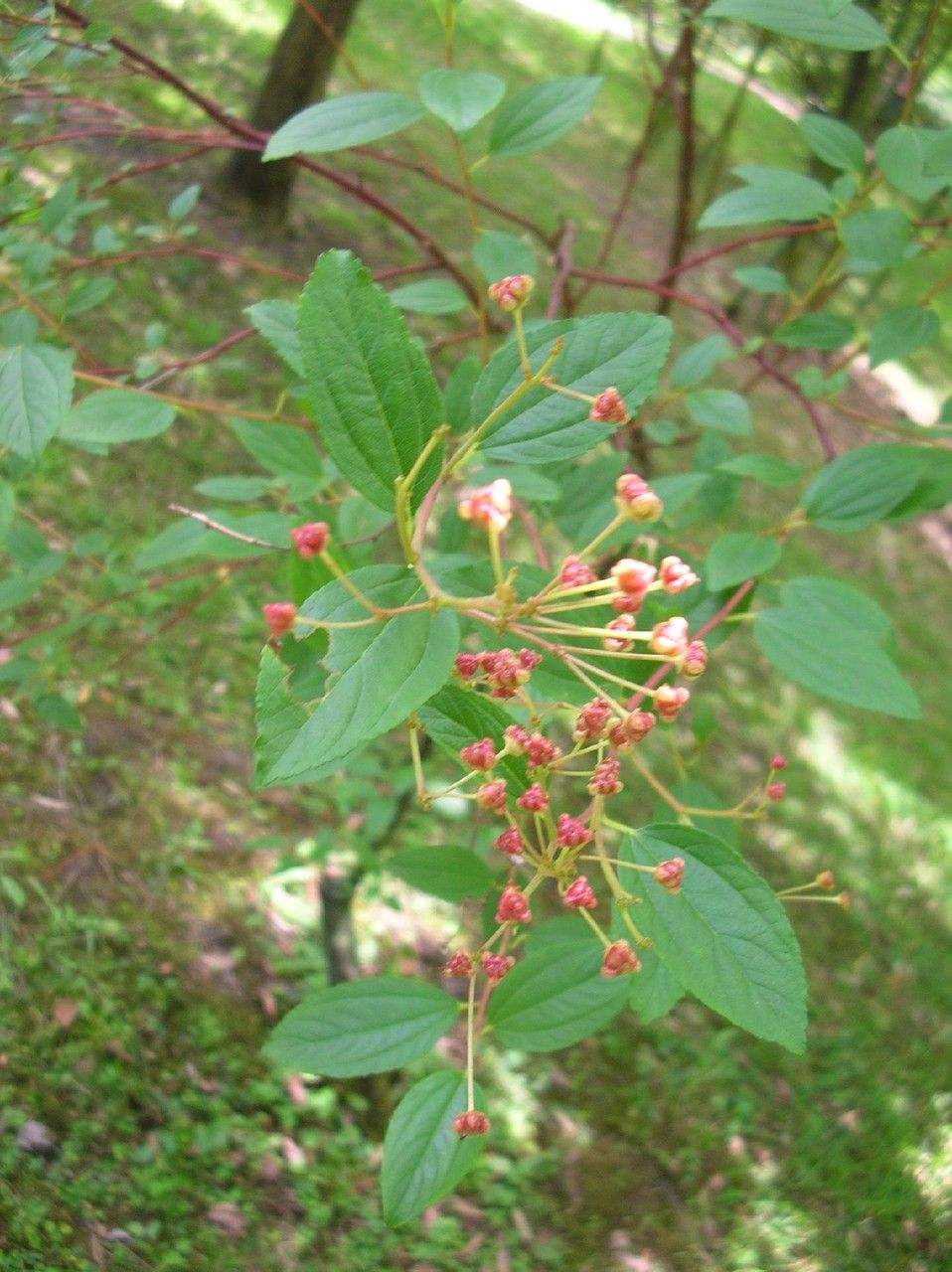
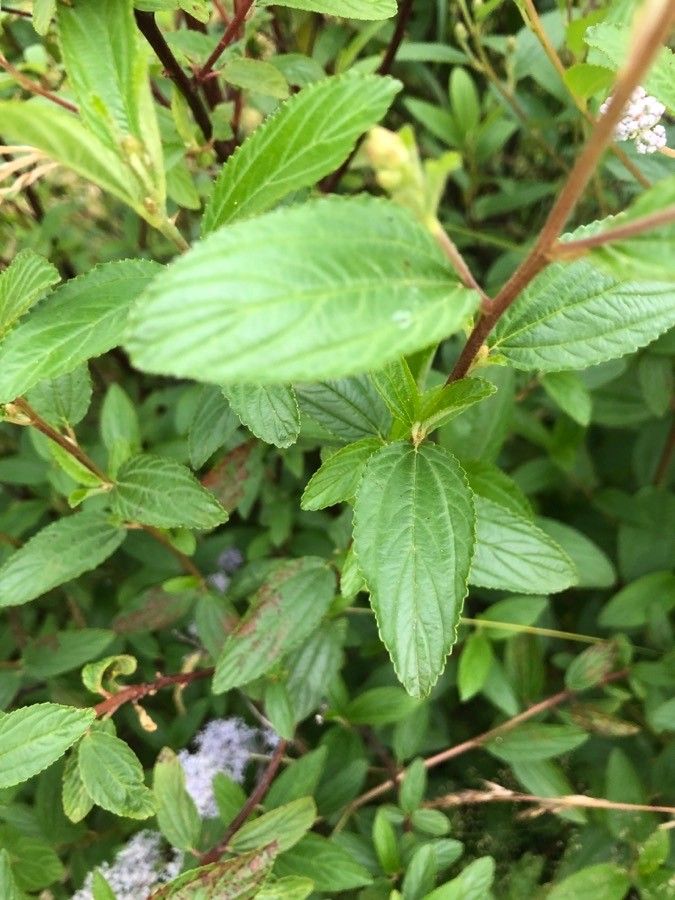
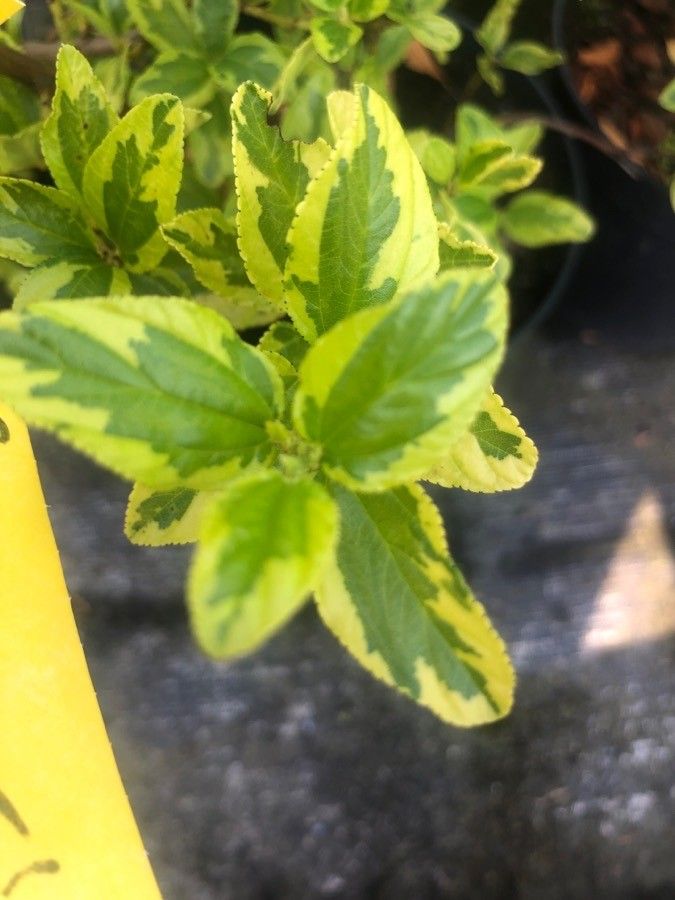
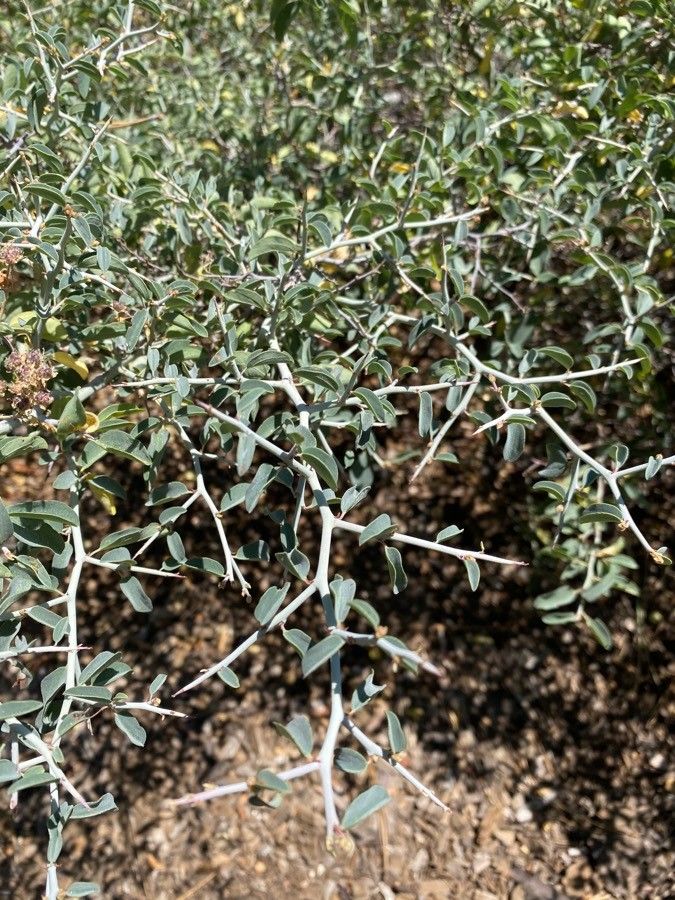
Ceanothus griseus is a species of flowering shrub known by the common names Carmel ceanothus and Carmel creeper. 'Carmel' refers to the Carmel-by-the-Sea region in California.
Carmel ceanothus is resistant to disease and typically not susceptible to illnesses. Regarding care, this plant is fairly low maintenance. When grown outdoors it needs minimal watering, and larger specimens generally do not require pruning. Smaller plants, however, should be pruned after they have bloomed. Carmel ceanothust is suitable for anyone with an outdoor space, such as a garden or deck, and does not require much gardening experience.
How to keep Ceanothus Griseus.
Light
Carmel ceanothus comes from open habitats, for example sunny meadows and the edges of forests, that offer plenty of light. It does best in Full Sun but can also tolerate Partial Sun, adapting well to a range of sunlight conditions.
Water
The carmel ceanothus, native to dry coastal regions, is highly drought-tolerant and thrives with minimal moisture. It typically needs watering only every 1-2 weeks, which mimics the conditions of its natural habitat. As an evergreen plant, it has a deep root system that efficiently utilizes water, allowing for less frequent irrigation.
Temperature
Carmel ceanothus is highly adaptable to different climate conditions, whether exposed to hot summers or cold winters. Nevertheless, it has a specific temperature range in which it grows best. If temperatures become too high, the plant can experience heat and humidity stress that may kill it. In areas where temperatures near the lower limit of its cold tolerance, it is important to provide insulation to protect the plant.
Fertilizer
Timing is important when fertilizing Carmel ceanothus. Apply fertilizer in early spring and then monthly until early summer. Fertilizer encourages attractive blooms and supplies energy during both dormant and active growth phases.
Pruning
Carmel ceanothus features evergreen leaves and vibrant flowers. To shape the plant and encourage dense growth, prune it from early to late winter. Avoid heavy cuts, as they can reduce the number of blooms. Regular pruning enhances air circulation and decreases the risk of disease. Always use clean, sharp tools to minimize stress on the plant.
Botanical profile.
- Plant Type
- Shrub
- Life Cycle
- Perennial
- Genus
- Ceanothus
- Family
- Rhamnaceae
- Hardiness Zone
- 7-10
- Mature Height
- 0.91 m to 1.83 m
- Mature Spread
- 91 cm
- Leaf Color
- Green
- Leaf Type
- Evergreen
- Flower Color
- Blue
- Flower Size
- 5.08 cm to 7.62 cm
- Bloom Time
- Mid spring, Late spring, Early summer
- Planting Time
- Spring, Summer
- Harvest Time
- Mid summer, Late summer, Early fall
Other names.