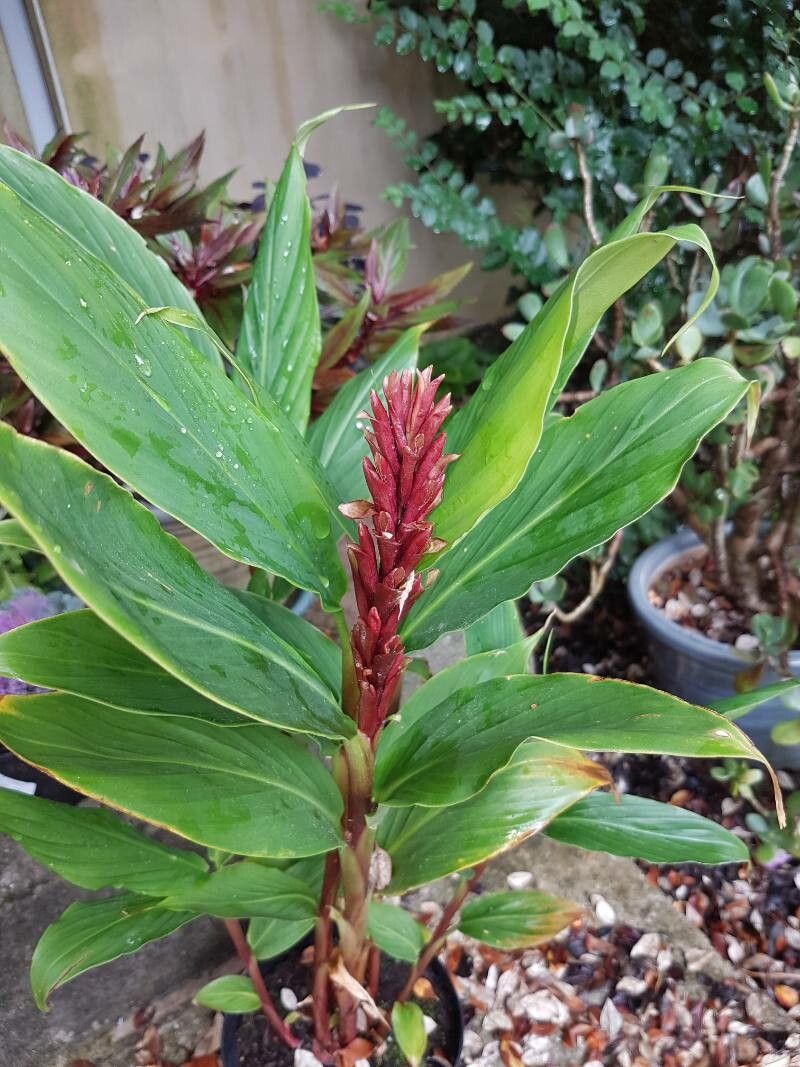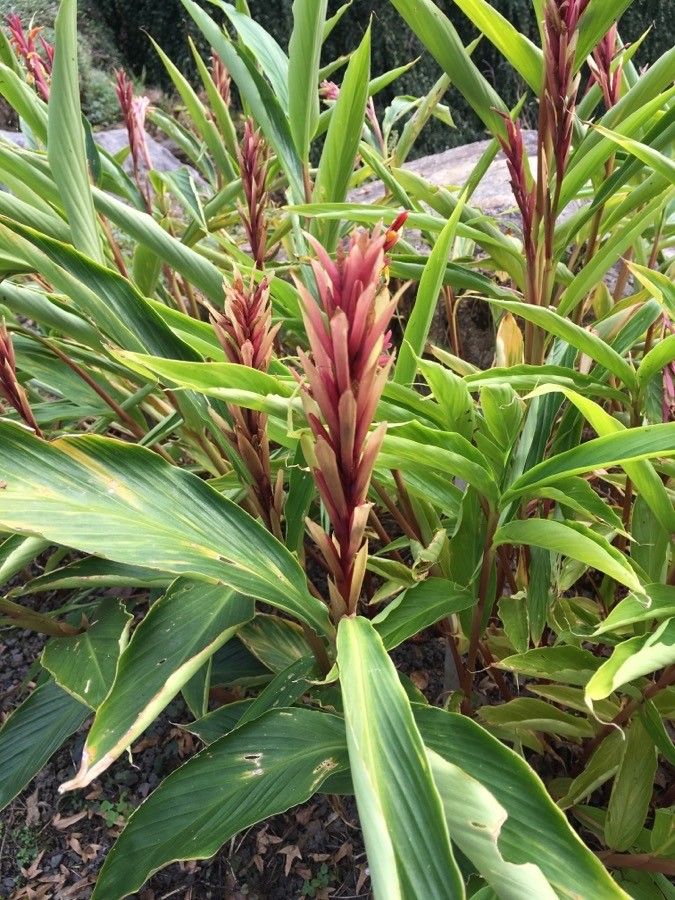
Cautleya gracilis is a perennial herbaceous plant in the family Zingiberaceae (the gingers). It is found in the Himalayas through to south China and Vietnam. It is cultivated as an ornamental garden plant, hardy to a few degrees of frost.
Hardy shade ginger has strong disease resistance and typically is not prone to illness. However, it can be vulnerable to pests and diseases present in its environment. These problems are usually minor. In terms of care, this plant requires moderate maintenance. It should be pruned regularly to maintain an attractive appearance and healthy growth. Fertilizing can also help encourage flowering. Hardy shade ginger is suitable for anyone with outdoor space, such as a garden or patio, and does not demand extensive care experience. It may require more attention when grown indoors.
How to keep Cautleya Gracilis.
Light
Hardy shade ginger is native to habitats such as forest understories or rocky areas that provide natural shade. It prefers Full Shade but can tolerate Partial Sun.
Water
Hardy shade ginger does well in moist, humid environments and has a moderate tolerance for drought. For optimal health, it needs to be watered weekly, particularly during its active growing season, to keep the soil moist. Since it thrives in shaded areas, hardy shade ginger is perfect for indoor settings where water evaporates more slowly.
Temperature
Hardy shade ginger shows good temperature adaptability, able to withstand higher heat and wide temperature fluctuations. In hot conditions, one should watch watering and offer appropriate shade to avoid sunburn. However, hardy shade ginger is relatively sensitive to low temperatures; while it tolerates some cold, extremely low temperatures can cause frost damage.
Fertilizer
The best time to fertilize a Hardy shade ginger is in early spring, as it’s coming out of dormancy and beginning active growth. Fertilizing supplies important nutrients for healthy development. While Hardy shade ginger has fairly low fertilizer requirements, giving it fertilizer once a year can improve its survival and encourage better, longer-lasting blooms.
Pruning
Pruning hardy shade ginger in early to late spring promotes healthy growth. Start by removing any dead or damaged stems and thinning out crowded foliage to improve air circulation. Regular pruning helps maintain the plant's vigor, prevents diseases, and enhances its appearance, ensuring it thrives.
Botanical profile.
- Plant Type
- Herb
- Life Cycle
- Perennial
- Genus
- Cautleya
- Family
- Zingiberaceae
- Hardiness Zone
- 7-10
- Mature Height
- 61 cm
- Mature Spread
- 61 cm
- Leaf Color
- Green, Dark Green
- Leaf Type
- Deciduous
- Flower Color
- Yellow, Orange
- Flower Size
- 3.05 cm to 5.08 cm
- Bloom Time
- Summer, Early fall, Mid fall
- Planting Time
- Spring, Summer
- Harvest Time
- Fall
- Native Area
- Nepal, India, Vietnam, Myanmar, Bhutan, Thailand, China
Reader questions.
What is the ideal sunlight requirement for Hardy shade ginger?
Hardy shade ginger, or Cautleya gracilis, flourishes in environments that mimic its natural habitat, such as forest understories or rocky areas which are naturally shaded. This plant thrives best in full shade conditions, which means it requires less than 3 hours of sunlight per day. However, it can also tolerate partial sun, preferring about 3-6 hours of sunlight. It's important to observe the movement of sunlight through your garden throughout the day to find spots that offer the right balance of light and shade to ensure the plant's happiness.
How does artificial lighting affect indoor Hardy shade ginger plants?
Indoor Hardy shade ginger plants require adequate lighting to grow optimally, especially when natural sunlight is insufficient, like during winter or in less sunny spaces. Artificial lights offer a vital solution by promoting faster, healthier growth. For such indoor plants, it’s advisable to use LED lights as they can be customized to provide specific wavelengths necessary for the plants. The light intensity needed varies: full sun plants require 30-50W/sq ft, partial sun plants need 20-30W/sq ft, and full shade plants need 10-20W/sq ft. The artificial light source should be placed 12-36 inches above the plant and turned on for 8-12 hours per day to mimic natural daylight hours.
What are the symptoms of light deficiency in Hardy shade ginger?
When Hardy shade ginger is grown indoors or in conditions with insufficient light, it may exhibit several symptoms indicating light deficiency. These symptoms include smaller-sized new leaves compared to the older ones, leggy or sparse growth, faster leaf drop, slower or no new growth, lighter-colored new leaves, and symptoms caused by excessive sunlight like chlorosis, sunscald, leaf curling, wilting, and leaf scorching. These signs suggest the plant is not receiving adequate sunlight, affecting its growth and overall health.
What solutions can address Hardy shade ginger's light deficiency?
To address light deficiency in both indoor and outdoor Hardy shade ginger plants, follow these steps: For indoor plants, move them to spots where they can receive ample filtered light, including brief periods of direct morning sunlight. If moving the plant is not feasible, consider using artificial lights such as desk lamps or professional plant grow lights for at least 8 hours daily. For outdoor plants, gradually adapt them to sunnier locations to prevent sunburn. If it's ground plants, minimize obstructions by pruning or transplanting to areas with better sunlight. It's crucial to carefully plan these adjustments to ensure the plants' health and promote new, healthy growth.