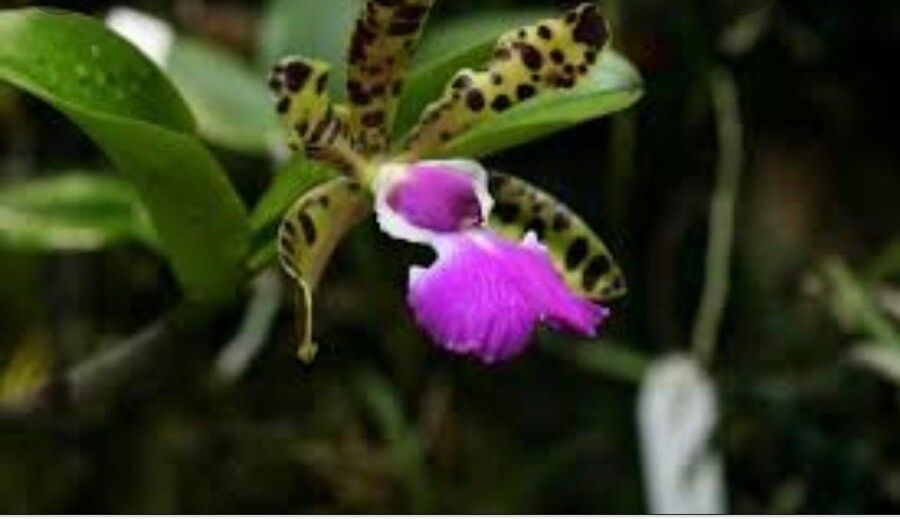
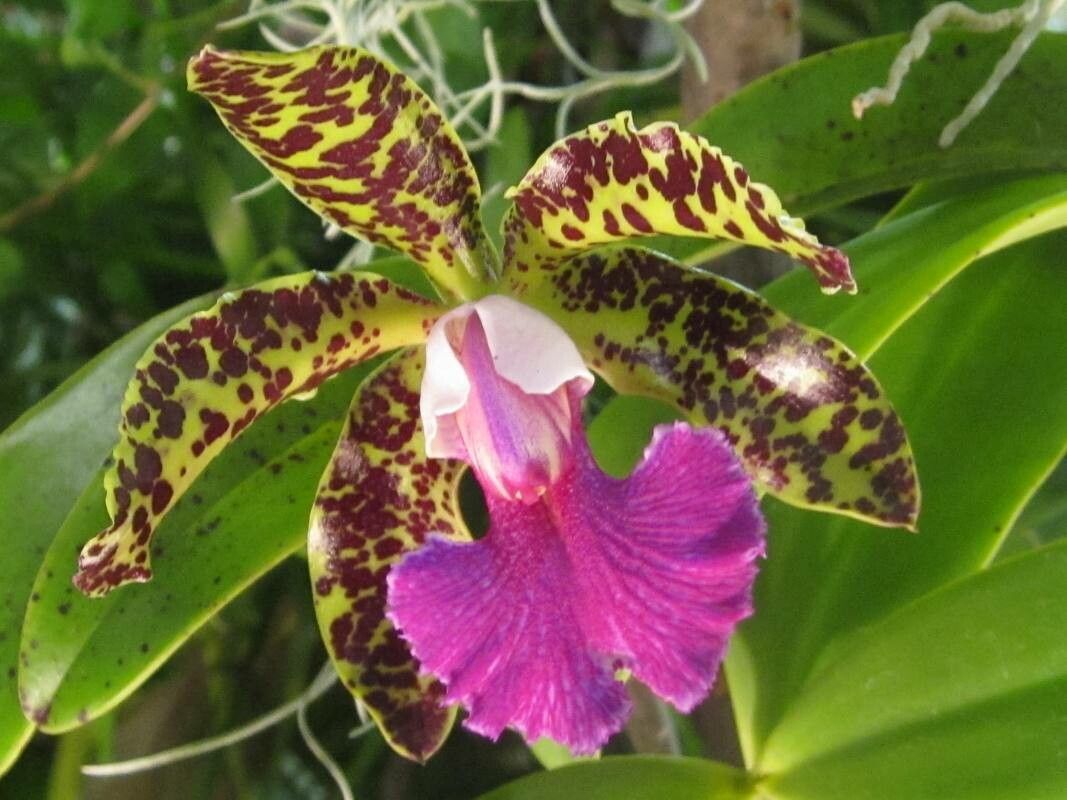
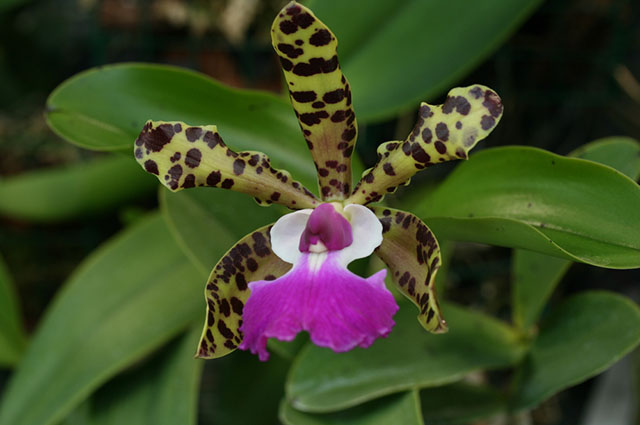
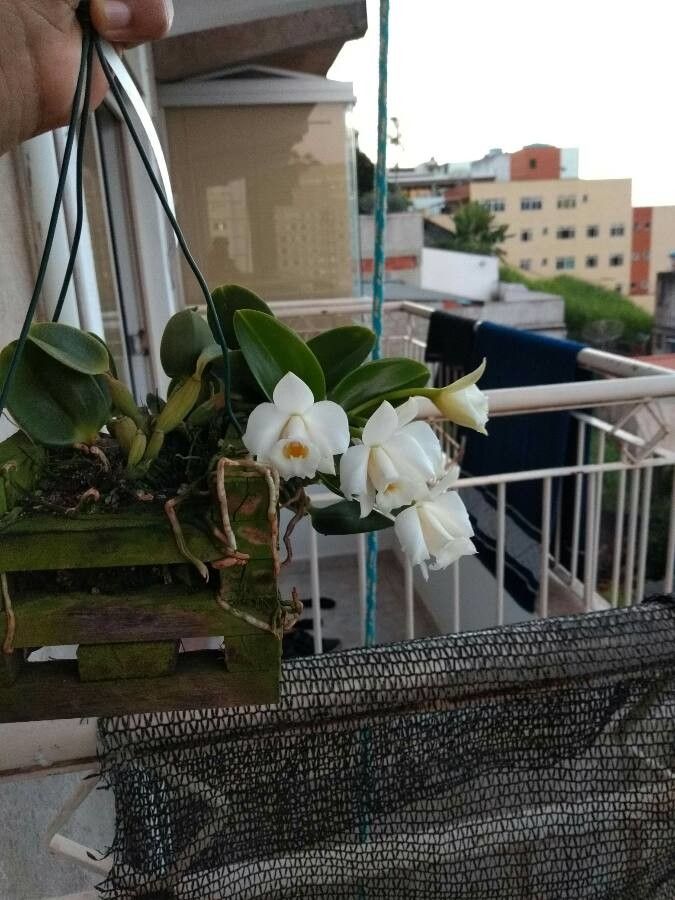
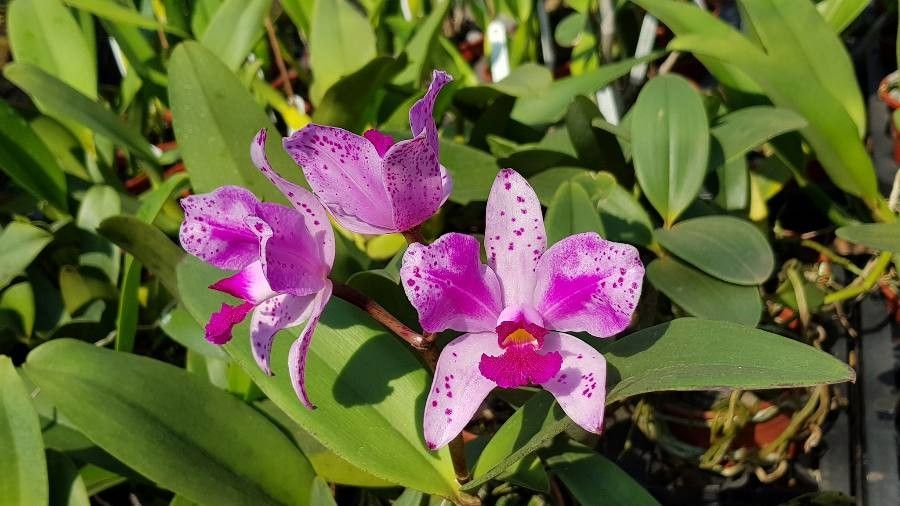
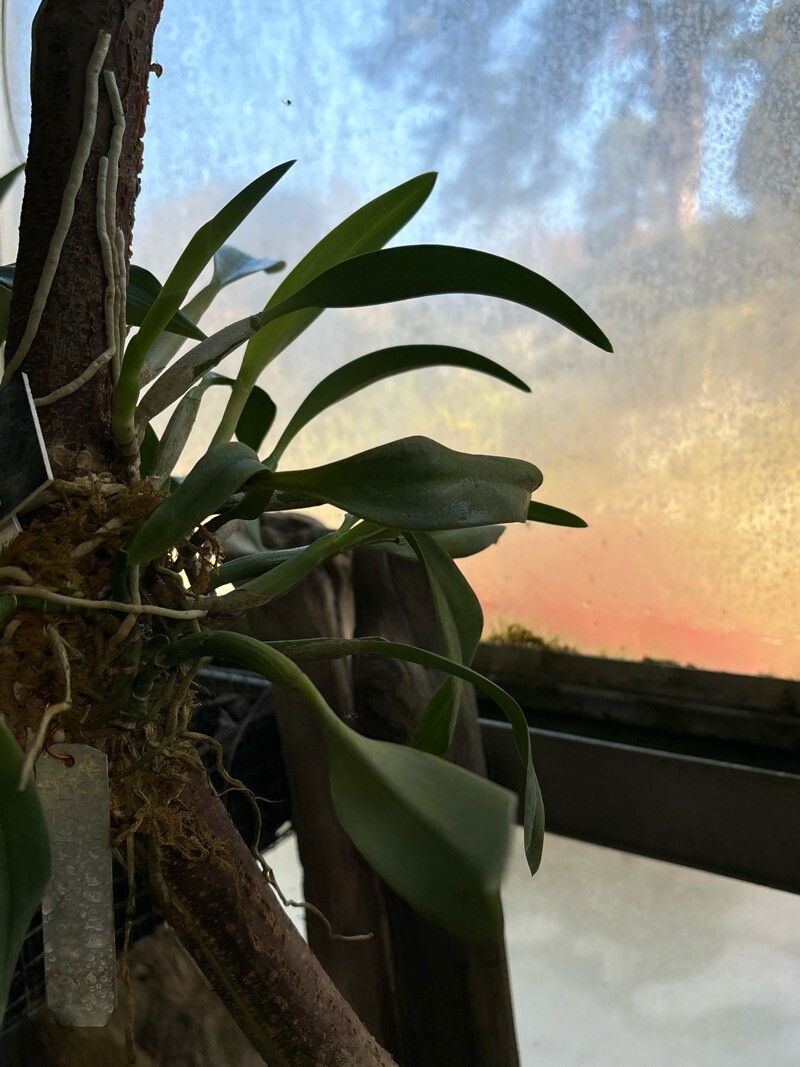
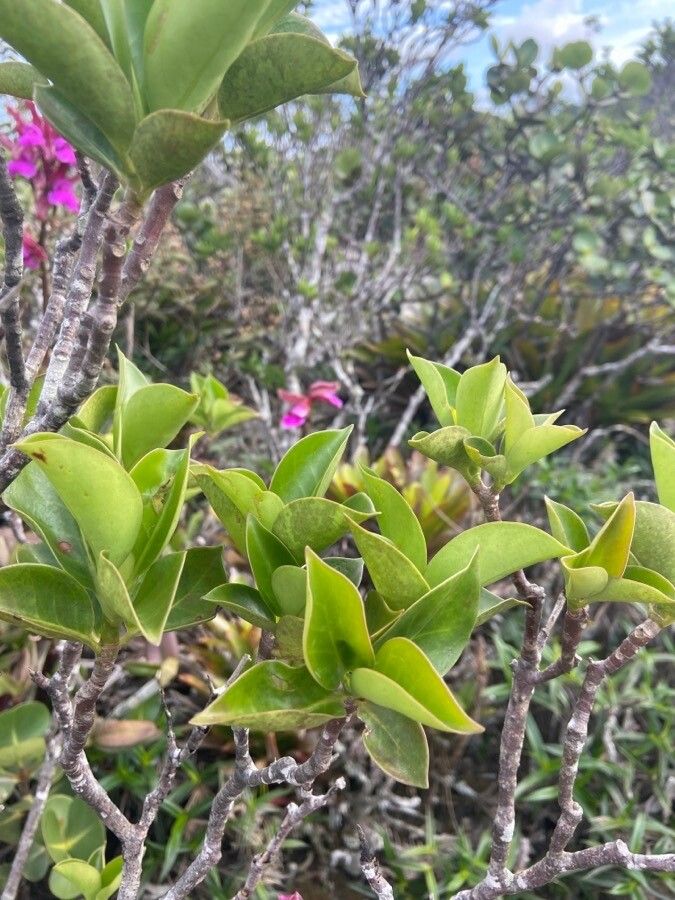
Cattleya aclandiae, or Lady Ackland's cattleya, is a species of orchid from the genus Cattleya, named in honor of Lady Lydia Elizabeth Ackland, wife of Sir Thomas Dyke Acland, 10th Baronet who was the first European to grow the plant successfully. The illustration of the plant which accompanied its first description was based on a drawing by Lady Ackland. The genus was named in honour of William Cattley, a prominent British merchant and horticulturist.
Lady Ackland’s Cattleya typically shows strong resistance to disease and is affected by relatively few insect pests. Its care is considered difficult, since it needs high humidity combined with good ventilation and an environment with few harmful pathogens. Too much watering can cause root rot. Anyone can grow Lady Ackland’s Cattleya, but maintaining its health and getting it to flower again requires more growing experience.
How to keep Cattleya Aclandiae.
Light
Lady ackland’s cattleya occurs naturally in habitats such as forest understories or rocky locations, where it is subject to natural shade. It favors partial sun but can adjust to full sun or full shade, illustrating its hardy and adaptable nature.
Water
A reasonable amount of moisture is required for these orchids. Water when the growing medium is nearly dry; weekly irrigation is usually sufficient. Allowing the orchids to sit in a constantly damp growth media might lead to root rot. Water deeply each time so that the water splashes the leaves.
Temperature
Lady ackland’s cattleya does well in warm conditions. It prefers moderately high temperatures but not extreme heat and humidity. Sunlight helps warm the plant and encourages flowering. However, long periods of direct sun in summer can cause sunburn, so the light it gets should be regulated during that season. The plant is generally sensitive to cold and needs proper protection and warmer conditions in winter to avoid freezing.
Fertilizer
Proper fertilization is essential for the health and appearance of Lady ackland’s cattleya. Fertilize Lady ackland’s cattleya during summer, applying fertilizer once a month throughout the season. The nutrients supply energy for growth and help maintain the plant’s parts. Fertilizing improves Lady ackland’s cattleya's flower display, ensuring the best blooms.
Pruning
Finding the rhizome, detecting the active eyes, severing the rhizome halfway through the orchid, and sealing the cut with fungicide are all steps in pruning Cattleya orchids so they grow back bushier and with more flowers.
Pot & Repot
When repotting Lady ackland’s cattleya, select a pot that is slightly larger with good drainage, preferably a clear orchid pot. Use an orchid-specific, well-draining mix containing bark or moss. Carefully clean the roots and trim any that are dead or rotting. Repot after flowering, usually in spring or fall, water thoroughly, and place in bright, indirect light. Avoid disturbing the roots once repotted.
Botanical profile.
- Plant Type
- Herb
- Life Cycle
- Perennial
- Genus
- Cattleya
- Family
- Orchidaceae
- Hardiness Zone
- 11
- Mature Height
- 15 cm
- Mature Spread
- 20 cm to 30 cm
- Leaf Color
- Green
- Leaf Type
- Evergreen
- Flower Color
- Pink, Purple, Yellow, White
- Flower Size
- 10.16 cm to 11.43 cm
- Bloom Time
- Late spring, Summer
- Planting Time
- Spring, Summer
- Harvest Time
- Fall, Early winter
- Native Area
- Brazil
Other names.