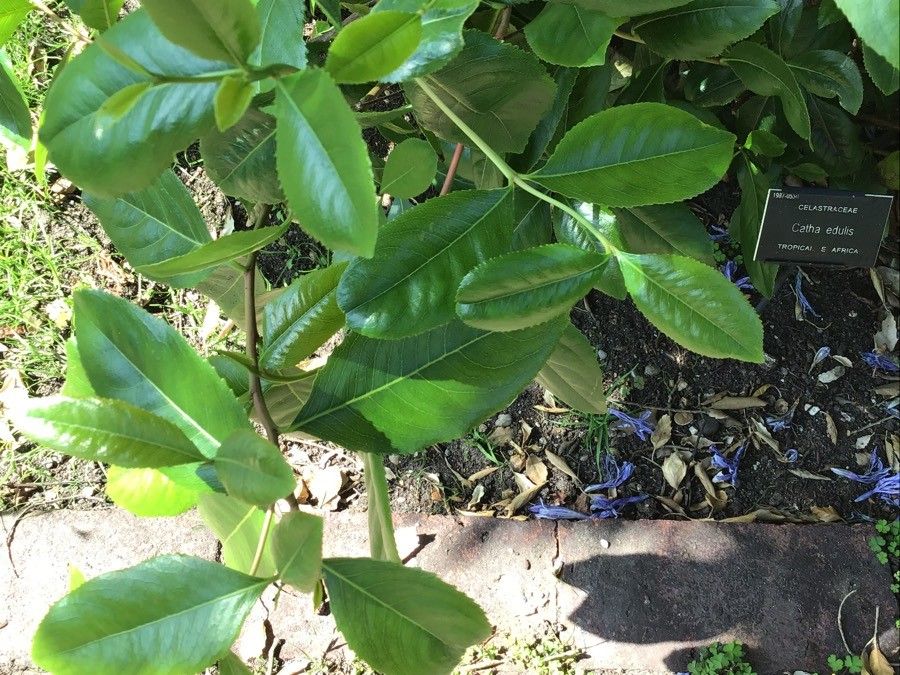
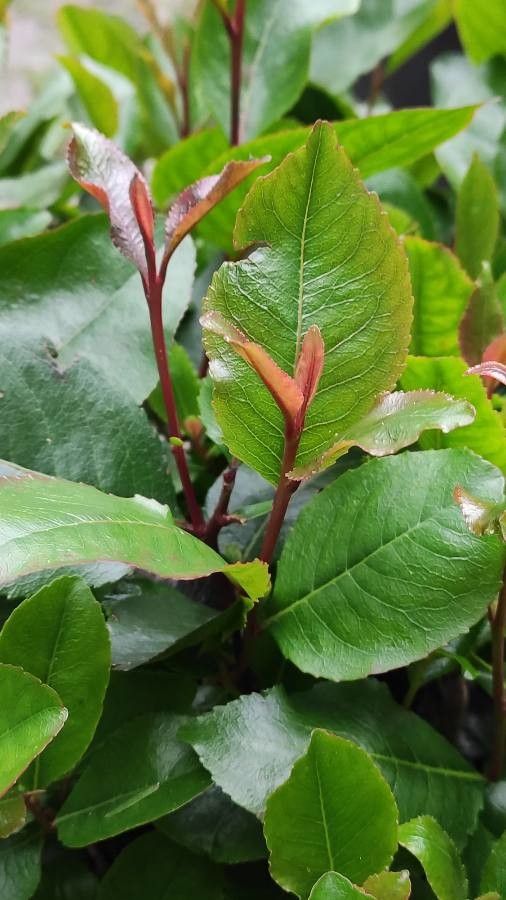
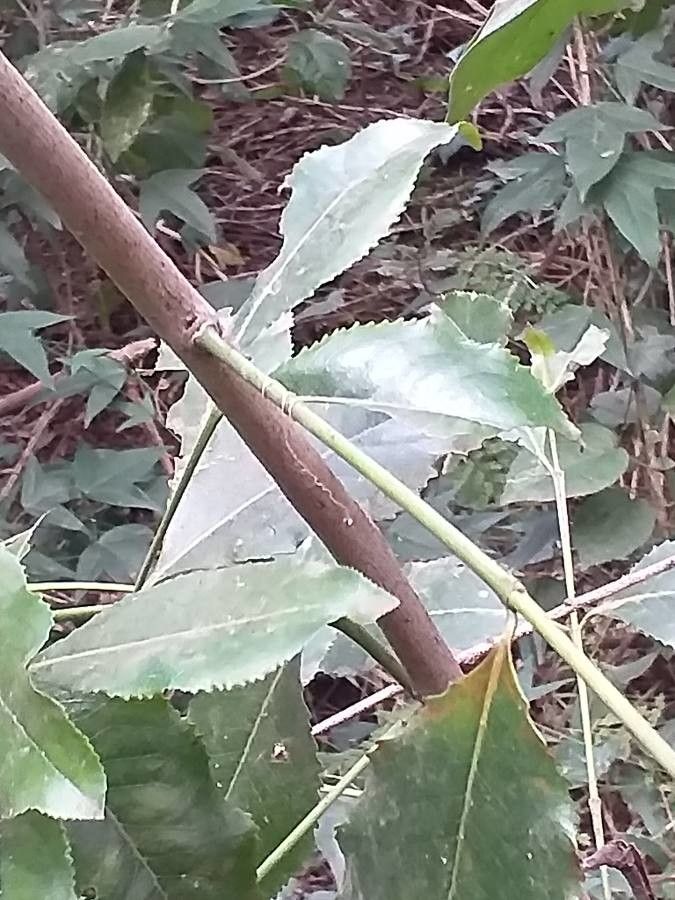
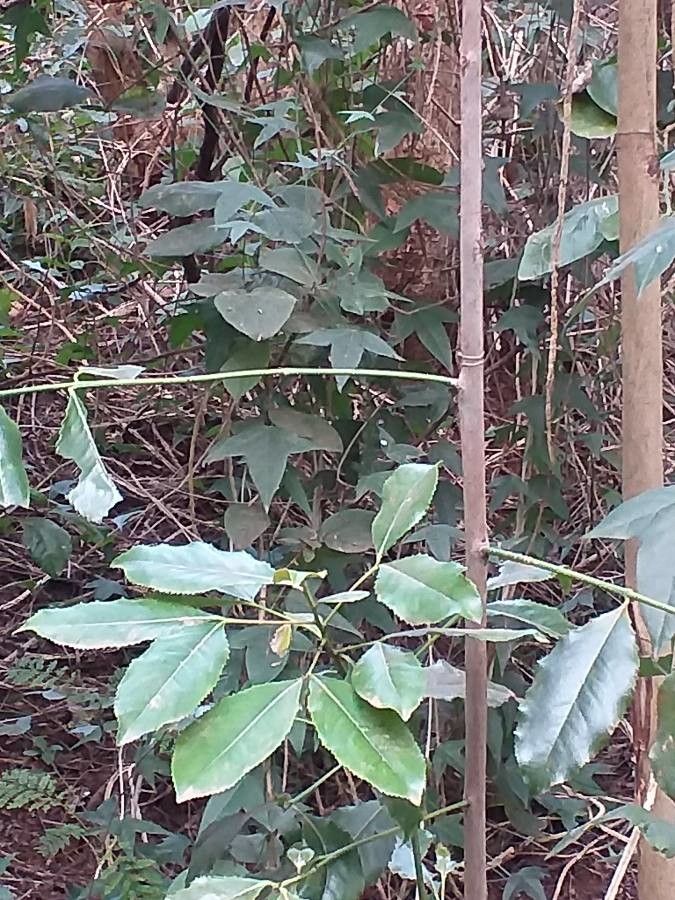
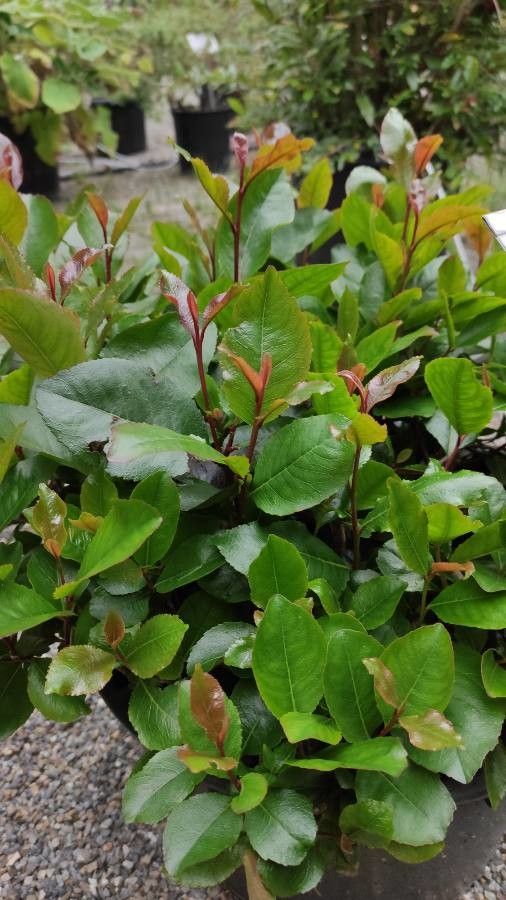
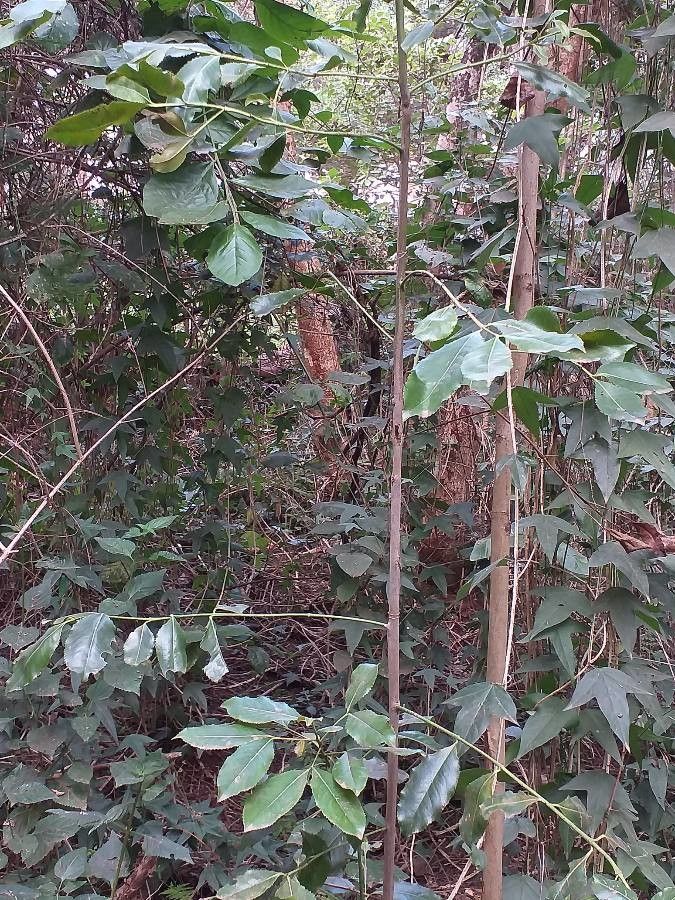
Catha edulis, commonly known as khat or qat, is a flowering plant native to the Horn of Africa and the Arabian Peninsula. It typically grows as a shrub or small tree, reaching heights of up to 10 meters. The plant features dark green leaves that are chewed for their stimulating effects. Khat contains cathinone, a psychoactive alkaloid that induces feelings of euphoria and heightened energy when consumed.
For centuries, khat has been an integral part of traditional cultural practices in East Africa and the Middle East, serving as a social stimulant. It is usually chewed, either fresh or dried, often mixed with other ingredients such as nuts or spices to improve its flavor.
The use of khat is controversial due to its potential adverse health effects, including addiction, cardiovascular problems, and mental health issues such as anxiety and depression. Prolonged chewing can also lead to dental issues.
Despite these concerns and its illegal status in some countries, like the United States, khat remains legal in many parts of Africa, where it continues to hold significant cultural importance.
Botanical profile.
- Plant Type
- Tree, Shrub
- Life Cycle
- Perennial
- Genus
- Catha
- Family
- Celastraceae
- Hardiness Zone
- 9-11
- Mature Height
- 0.91 m to 10.06 m
- Mature Spread
- 2.13 m to 4.88 m
- Leaf Color
- Dark Green, Olive Drab
- Leaf Type
- Evergreen
- Flower Color
- Yellow, Green
- Flower Size
- 0.25 cm to 0.51 cm
- Bloom Time
- Mid spring, Late spring, Early summer
- Planting Time
- Spring, Autumn
- Harvest Time
- Mid summer, Late summer, Early fall, Mid fall
- Native Area
- Saudi Arabia, Malawi, South Africa, Zambia, Sudan, Rwanda, Eritrea, Yemen, Kenya, Uganda, Tanzania, Zimbabwe, Burundi, Mozambique, Eswatini, Ethiopia, Congo (DRC)
Other names.