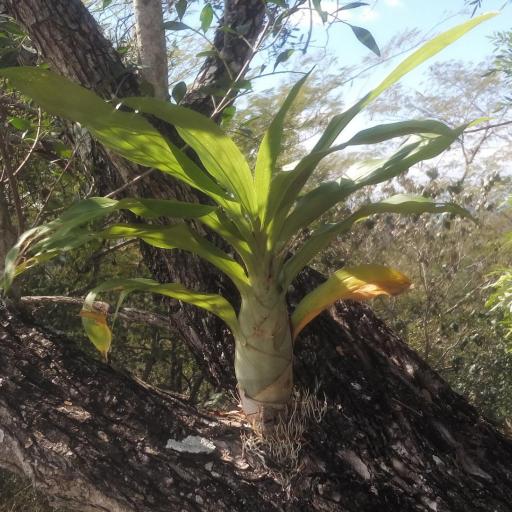
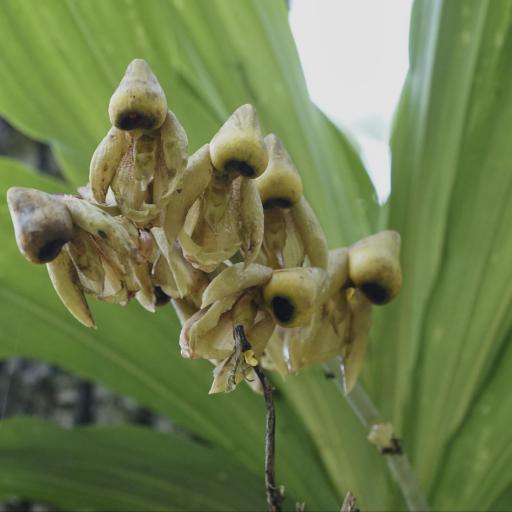
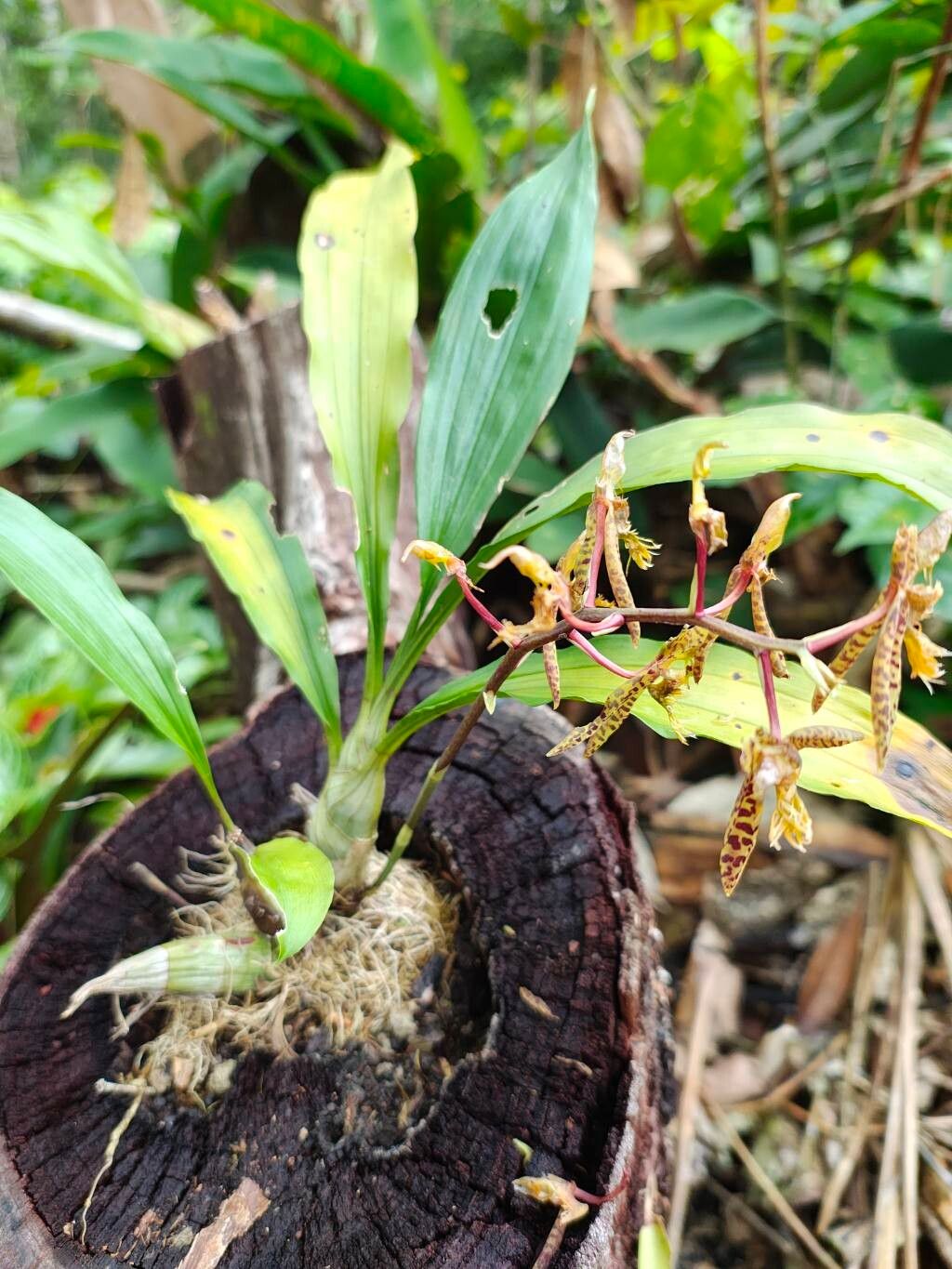
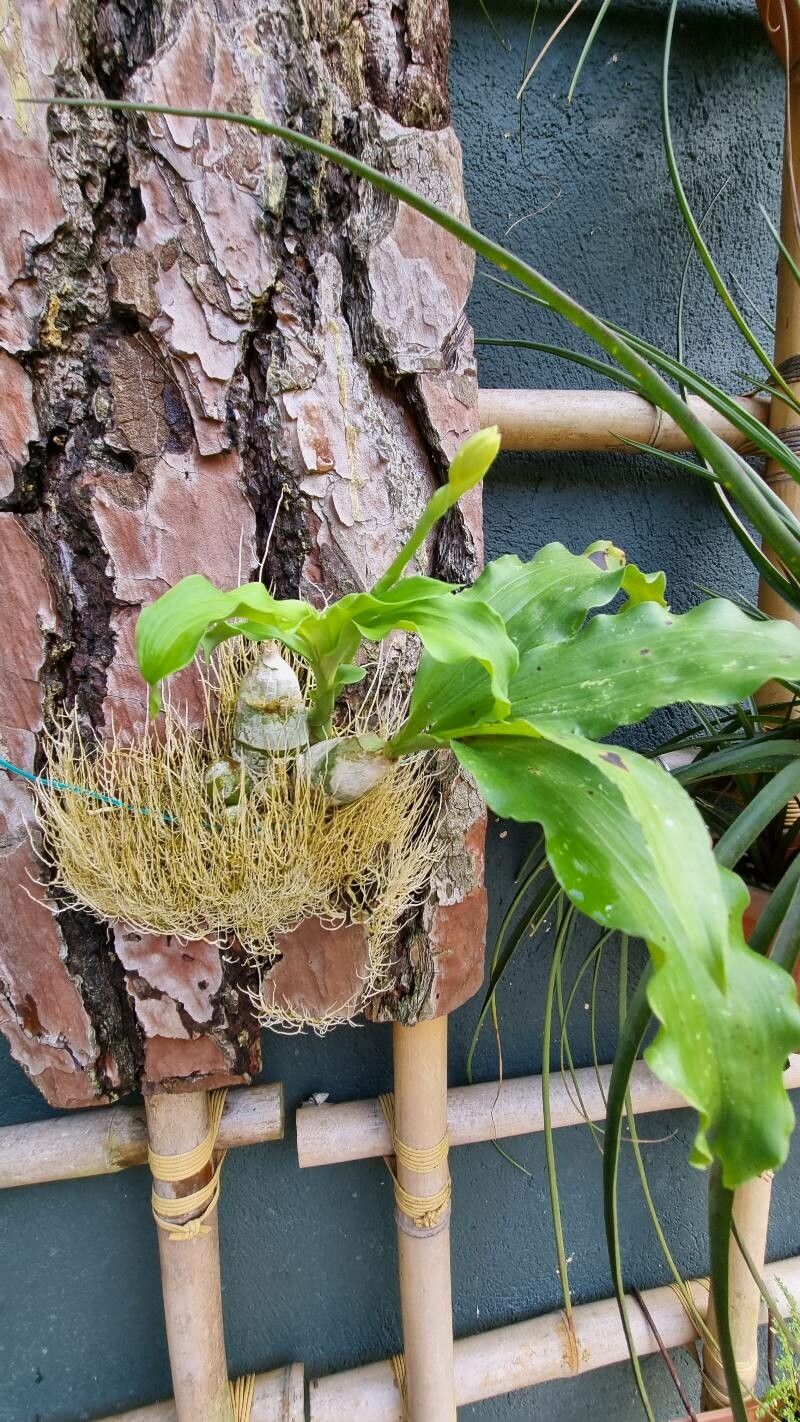
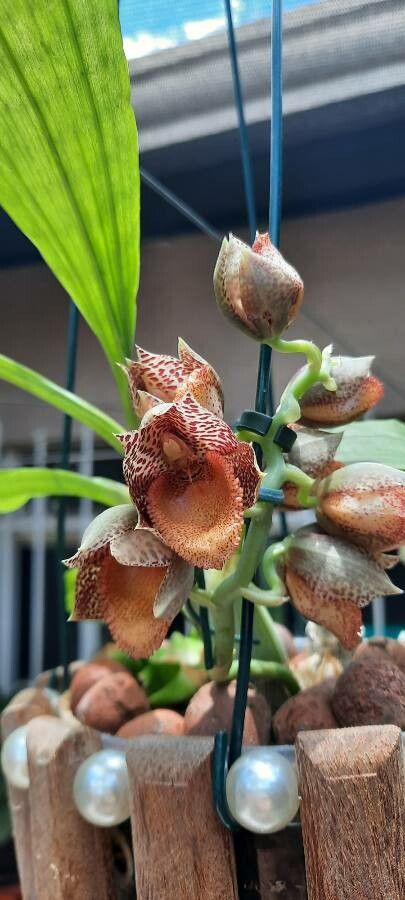
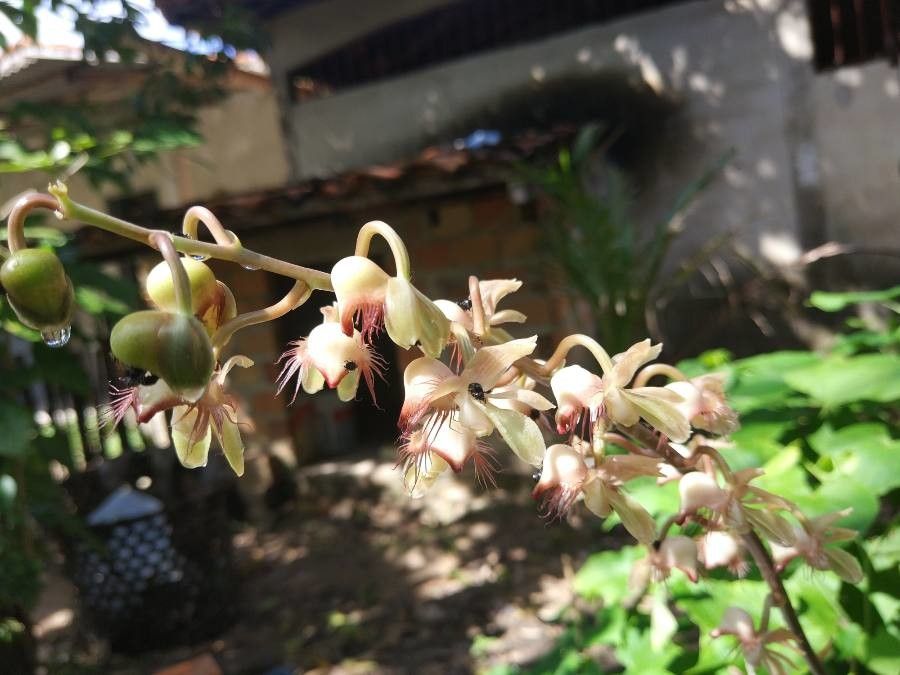
Catasetum integerrimum, the intact catasetum, is a species of orchid found from Mexico to Central America.
Intact catasetum typically shows strong disease resistance and is subject to relatively few insect pests. Its care is regarded as difficult because it needs very humid conditions combined with good ventilation and an environment with few harmful pathogens. Overwatering can cause root rot. While anyone can cultivate Intact catasetum, keeping it healthy and getting it to bloom again demands more growing experience.
How to keep Catasetum Integerrimum.
Light
Intact catasetum comes from habitats such as forest understories or rocky areas, where it grows in natural shade. It prefers partial sun but can adapt to full sun or full shade, showing its versatile and hardy nature.
Water
The Catasetum orchid thrives in high humidity with consistent moisture, reflecting its tropical origins. It is recommended to water it weekly and use well-draining substrates to prevent root rot. Usually grown indoors, the Catasetum benefits from environments that mimic the moisture levels of its native habitat.
Temperature
Intact catasetum comes from habitats with mild temperatures between 59 and 89.6 °F (15 to 32 ℃). The plant is adapted to temperature variations within that span, so when keeping it indoors make sure its environment falls within those limits.
Fertilizer
The best time to fertilize an Intact catasetum is in early spring, when it is coming out of dormancy and starting active growth. Fertilization supplies essential nutrients for healthy development. Although the Intact catasetum has fairly low fertilizer requirements, fertilizing once a year can improve its survival and encourage better, longer-lasting flowers.
Pruning
Catasetum orchids are known for their striking flowers and unique growth patterns. To keep these plants healthy, it's best to prune them between early and late spring. During pruning, remove any dead or damaged parts and trim overgrown areas. This helps improve the plant's shape, enhances airflow, and encourages vigorous new growth. Be sure to use clean, sharp tools to minimize stress on the plant, promoting better flowering and overall vitality.
Pot & Repot
When repotting Intact catasetum, select a slightly larger pot with good drainage, preferably a clear orchid pot. Use a well-draining, orchid-specific potting mix that contains bark or moss. Gently clean the roots and trim any that are dead or rotting. Repot after flowering, typically in spring or fall, water thoroughly, and place the plant in bright, indirect light. Avoid disturbing the roots once repotted.
Botanical profile.
- Plant Type
- Herb
- Life Cycle
- Perennial
- Genus
- Catasetum
- Family
- Orchidaceae
- Hardiness Zone
- 7
- Mature Height
- 49 cm
- Mature Spread
- 20 cm to 40 cm
- Leaf Color
- Light Green, Yellow Green
- Leaf Type
- Deciduous
- Flower Color
- Yellow, Green
- Flower Size
- 7.62 cm
- Bloom Time
- Summer, Early fall, Mid fall
- Planting Time
- Spring, Summer, Autumn
- Harvest Time
- Fall, Early winter, Mid winter
- Native Area
- Colombia, Belize, Cuba, Honduras, Mexico, Guatemala, El Salvador, Nicaragua
Reader questions.
What are the sunlight requirements for Intact Catasetum?
Intact Catasetum, botanically known as Catasetum integerrimum, thrives under specific light conditions due to its native environments like forest understories or rocky areas. It prefers partial sun, requiring about 3-6 hours of sunlight daily, but it can also tolerate full shade, which is less than 3 hours of sunlight. Observing the way sunlight moves through your garden will help you find the ideal spots that ensure the plant's happiness by providing the perfect balance of light and shade.
What is the ideal temperature range for Intact Catasetum?
Intact Catasetum, scientifically known as Catasetum integerrimum, thrives in environments with mild temperatures ranging from 59 to 89.6 °F (15 to 32 °C). This plant is well-adapted to fluctuations within this temperature range. When caring for it indoors, it's crucial to ensure the setting aligns with these temperatures. The plant has strong cold resistance, meaning special frost protection measures are not typically necessary. However, measures should be taken if winter temperatures are expected to drop below -15°C, such as covering the plant with soil or straw and watering abundantly before the first freeze in autumn to keep the soil moist.
How can artificial lighting be used for Intact Catasetum indoors?
When natural sunlight is insufficient, especially during winter or in less sunny indoor spaces, artificial lighting becomes essential for the growth of Intact Catasetum. Indoor plants benefit from proper lighting, which promotes healthier and faster growth. LED lights are recommended due to their ability to be customized to provide specific light wavelengths needed by plants. The requirements vary based on the type of plant: full sun plants need 30-50W/sq ft, partial sun plants require 20-30W/sq ft, and full shade plants need 10-20W/sq ft of artificial light. The light source should be placed 12-36 inches above the plant, and the light should be on for 8-12 hours per day to mimic natural daylight hours.
How does Intact Catasetum react to low temperatures?
Intact Catasetum is cold-tolerant and thrives best when temperatures remain above 15°C. During winter, it's essential to ensure temperatures stay above -10°C to avoid damage. If the temperature falls below -15°C, while there may not be noticeable changes during the winter, there could be a decrease in sprouting or no sprouting at all come springtime. A solution for the springtime is to remove any parts of the plant that have failed to sprout, to promote new growth and vitality.
What are the symptoms of insufficient light in Intact Catasetum?
Insufficient light can lead to various symptoms in Intact Catasetum, including smaller new leaves, leggy or sparse growth, faster leaf drop, slower or no new growth, lighter-colored new leaves, chlorosis (leaves turning yellow), sunscald, leaf curling, wilting, and leaf scorching. These symptoms indicate that the plant is struggling with the current light conditions, affecting its health, growth, and appearance.
What should be done if Intact Catasetum is exposed to high temperatures?
During summer, it's crucial to keep Intact Catasetum's environment below 32°C. Exposure to temperatures exceeding 35°C can cause the plant's leaves to lighten in color, curl, and become susceptible to sunburn, with severe cases resulting in wilting and dryness. To mitigate these effects, trim away the sunburned and dried-up parts of the plant. Moving the plant to a shaded location during the midday and afternoon sun, or using a shade cloth, can protect it from excessive heat. Additionally, watering the plant in the morning and evening helps maintain soil moisture which is critical during high temperature periods.
How can I address insufficient light for my Intact Catasetum?
To optimize growth for Intact Catasetum facing insufficient light, gradually shift the plant to sunnier spots each week until it receives 3-6 hours of direct sunlight daily, allowing for gentle adaptation. Utilize artificial lighting such as a desk or ceiling lamp for at least 8 hours a day, or invest in professional grow lights if the plant is large or non-movable. Outdoor plants should be moved to a sunnier location gradually to prevent sunburn. If light obstruction is the issue, consider pruning any obstructions like tree branches, or transplant smaller plants to locations with more sunlight and good drainage during their dormant period.